Quantum Computing represents a monumental shift in how we process information, leveraging the bizarre principles of quantum mechanics to solve problems that were once deemed insurmountable. Unlike classical computing, which relies on binary bits, quantum computing utilizes qubits that can exist in multiple states simultaneously, thanks to superposition and entanglement. This foundational understanding opens up a world of possibilities where calculations that would take classical computers eons can potentially be completed in mere moments.
The field is rapidly advancing, with breakthroughs from tech giants and academic institutions highlighting its immense potential. With the development of powerful quantum processors and innovative algorithms like Shor’s and Grover’s, the applications of quantum computing are not just theoretical but are becoming a reality across various industries, from cryptography to pharmaceuticals.
The foundational principles of Quantum Computing are essential to understand its potential.
Quantum computing represents a major shift from traditional computing methods, harnessing the peculiar principles of quantum mechanics to process information in fundamentally different ways. Understanding these principles is crucial for grasping the immense potential and capabilities of quantum computers, which promise to revolutionize fields ranging from cryptography to complex system modeling.
At the heart of quantum computing are three foundational concepts: superposition, entanglement, and quantum gates. Superposition allows quantum bits, or qubits, to exist in multiple states simultaneously, unlike classical bits, which can be either 0 or 1. This means that a qubit can represent both 0 and 1 at the same time, enabling quantum computers to process a vast amount of information simultaneously.
Entanglement is another critical principle, where the states of two or more qubits become interconnected so that the state of one qubit instantly influences the state of another, regardless of the distance between them. This phenomenon can lead to faster information processing and powerful correlations that classical systems cannot achieve.
Quantum gates, analogous to classical logic gates but operating on qubits, manipulate these qubits’ states through quantum operations. These gates allow complex computations by performing various operations on qubits, facilitating the execution of quantum algorithms.
Comparison with Classical Computing
The differences between quantum and classical computing are stark and fundamental. Classical computers operate on bits, using binary code to perform calculations sequentially. In contrast, quantum computers leverage the principles of superposition and entanglement to perform multiple calculations at once. This parallelism provides a dramatic increase in processing power.
For example, Shor’s Algorithm, a well-known quantum algorithm, efficiently factors large integers, a task that is exponentially difficult for classical computers. Similarly, Grover’s Algorithm provides a quantum approach to searching unsorted databases, demonstrating a quadratic speedup over classical methods.
“Quantum computers could potentially solve problems in seconds that would take traditional computers thousands of years.”
These groundbreaking principles and algorithms showcase the transformative potential of quantum computing, making it a field worth exploring and investing in as we advance toward a future where its applications can reshape industries and scientific research.
The current technological advancements in Quantum Computing highlight significant progress made in recent years.
In recent years, quantum computing has witnessed remarkable advancements, propelled by leading tech companies and academic institutions. With substantial investments and innovative research, the field has transitioned from theoretical concepts to tangible applications. The race to achieve quantum supremacy has seen players like Google, IBM, and startups like Rigetti Computing making headlines, each contributing to a rapidly evolving landscape that promises to revolutionize computing as we know it.
The advancements in quantum processors are particularly noteworthy. For instance, Google’s Sycamore processor achieved a significant milestone in 2019 by demonstrating quantum supremacy, solving a problem in 200 seconds that would take the most powerful supercomputers approximately 10,000 years. Similarly, IBM has continually pushed the envelope with its Quantum Hummingbird and Eagle processors, which provide increased qubit counts and improved error rates. These processors are designed not just for theoretical benchmarks but to enable practical applications, such as optimization problems, material science simulations, and complex algorithmic computations that are currently unmanageable by classical computers.
Comparison of Hardware vs. Software Advancements
The advancements in quantum computing are reflected in both hardware and software, each playing a crucial role in the ecosystem. The hardware advancements focus on increasing the number of qubits and enhancing coherence times, which is vital for maintaining quantum states. This is evident in the following breakthroughs:
- Google’s Sycamore processor has expanded the qubit count and improved gate fidelity, allowing for more complex quantum circuits.
- IBM’s roadmap includes scaling up to 1,121 qubits with the Condor processor, with a focus on error correction and fault-tolerant quantum computing.
- Technological innovations such as superconducting qubits and trapped ions have become mainstream, pushing the boundaries of quantum capabilities.
On the software side, the development of quantum algorithms and frameworks like IBM’s Qiskit and Google’s Cirq has facilitated the transition from theory to practical applications. These platforms enable researchers and developers to simulate quantum circuits and run algorithms, further propelling the adoption of quantum resources. The synergy between hardware improvements and software advancements is crucial; as the hardware becomes more capable, the software can harness these capabilities to solve increasingly complex problems, ultimately paving the way for widespread quantum applications across various industries.
The future of quantum computing relies heavily on advancements in both hardware and software to unlock its full potential.
The applications of Quantum Computing in various fields demonstrate its transformative potential.
Quantum computing is no longer confined to theoretical discussions; it is now being applied across various industries, showcasing its immense potential to revolutionize how we approach complex problems. The unique principles of quantum mechanics, such as superposition and entanglement, enable quantum computers to process information at speeds unattainable by classical computers. This capability paves the way for breakthroughs in fields such as cryptography, pharmaceuticals, and materials science, where traditional computational methods fall short.
Applications in Cryptography
The field of cryptography stands to be profoundly impacted by the advent of quantum computing. Traditional encryption methods rely on the mathematical difficulty of factoring large numbers—a task that quantum computers can perform with remarkable efficiency through algorithms like Shor’s algorithm. This could render current encryption protocols, such as RSA, obsolete. A notable initiative is the development of quantum key distribution (QKD), which uses quantum mechanics to create secure communication channels that are theoretically immune to eavesdropping. Companies like ID Quantique have already implemented QKD systems, allowing organizations to send encrypted data securely.
Applications in Pharmaceuticals
In the pharmaceutical industry, quantum computing aids in the simulation of molecular structures and interactions. This capability enables researchers to predict how compounds will behave, significantly speeding up the drug discovery process. For instance, D-Wave Systems is collaborating with pharmaceutical companies to explore quantum algorithms that can model complex biochemical systems, reducing the time required to develop new medications. By simulating interactions at the quantum level, researchers can identify promising drug candidates much faster than using classical computational methods, which often require extensive trial-and-error.
Applications in Materials Science
Materials science also stands to benefit significantly from quantum computing. The ability to simulate material properties at the atomic level allows researchers to develop new materials with tailored characteristics. For example, IBM has partnered with the University of Alberta to explore quantum computing applications in materials science. Their research includes simulating superconducting materials, which could lead to advancements in energy transmission and storage technologies. Quantum computers can analyze complex systems that classical computers struggle with, leading to innovative materials that enhance efficiency and performance across various applications.
“The future of quantum computing in industries like cryptography, pharmaceuticals, and materials science is not merely theoretical; it is unfolding in real-time, presenting opportunities for groundbreaking innovations that reshape our technological landscape.”
The implications of these advancements suggest a future where industries can operate more efficiently and securely. As quantum technology continues to mature, we can anticipate a paradigm shift in how complex problems are approached, unlocking new possibilities across diverse sectors and ultimately benefiting society at large.
The challenges and limitations facing Quantum Computing will impact its future.
The future of quantum computing holds immense potential but is laden with significant challenges and limitations that could shape its trajectory. As researchers and developers strive to harness the power of qubits, understanding the technical hurdles and societal implications is crucial for the advancement of this cutting-edge technology.
Technical hurdles in quantum computing
One of the primary technical challenges in quantum computing is the issue of qubit coherence times. Qubits, the fundamental units of quantum information, are highly sensitive to their environment, which can cause decoherence—loss of quantum information due to interaction with external factors. To achieve meaningful computations, maintaining qubit coherence over extended periods is essential. Current systems typically have coherence times ranging from microseconds to milliseconds, which is insufficient for performing complex calculations.
Error correction is another critical obstacle. Quantum states are fragile, making them prone to errors from various sources, including thermal fluctuations and electromagnetic interference. Implementing error correction codes is essential to ensure reliable quantum computation. However, the complexity of these codes can result in a substantial overhead in qubit requirements. For instance, to protect a single logical qubit, thousands of physical qubits may be needed, presenting significant scalability challenges.
Societal and ethical considerations of quantum technologies
Beyond technical challenges, the adoption of quantum technologies raises several societal and ethical considerations. The potential for quantum computing to break classical encryption raises serious concerns regarding data privacy and cybersecurity. As quantum computers advance, they could potentially unravel the widely used cryptographic protocols that protect sensitive information, leading to significant implications for personal privacy, national security, and financial transactions.
Additionally, the unequal access to quantum technology could exacerbate existing technological divides. Nations or corporations with advanced quantum capabilities may gain a competitive edge, leading to disparities in economic power and technological advancements. The societal implications necessitate discussions on equitable access and ethical guidelines to ensure that the benefits of quantum computing are distributed fairly.
Competition between classical and quantum computing
The competition between classical and quantum computing is vital for solving complex problems. Classical computing excels at tasks requiring linear processing and established algorithms, making it effective for everyday applications. However, quantum computing holds the promise of addressing problems that are currently intractable for classical systems, such as optimization problems, drug discovery, and complex simulations.
For instance, Google’s quantum processor, Sycamore, demonstrated its ability to perform a specific task exponentially faster than the most advanced classical supercomputers, highlighting quantum computing’s potential superiority. This competition emphasizes the need for a hybrid approach, where classical and quantum systems work in tandem to leverage their respective strengths, ultimately advancing the field of computation.
The role of Quantum Computing in artificial intelligence is becoming increasingly significant.
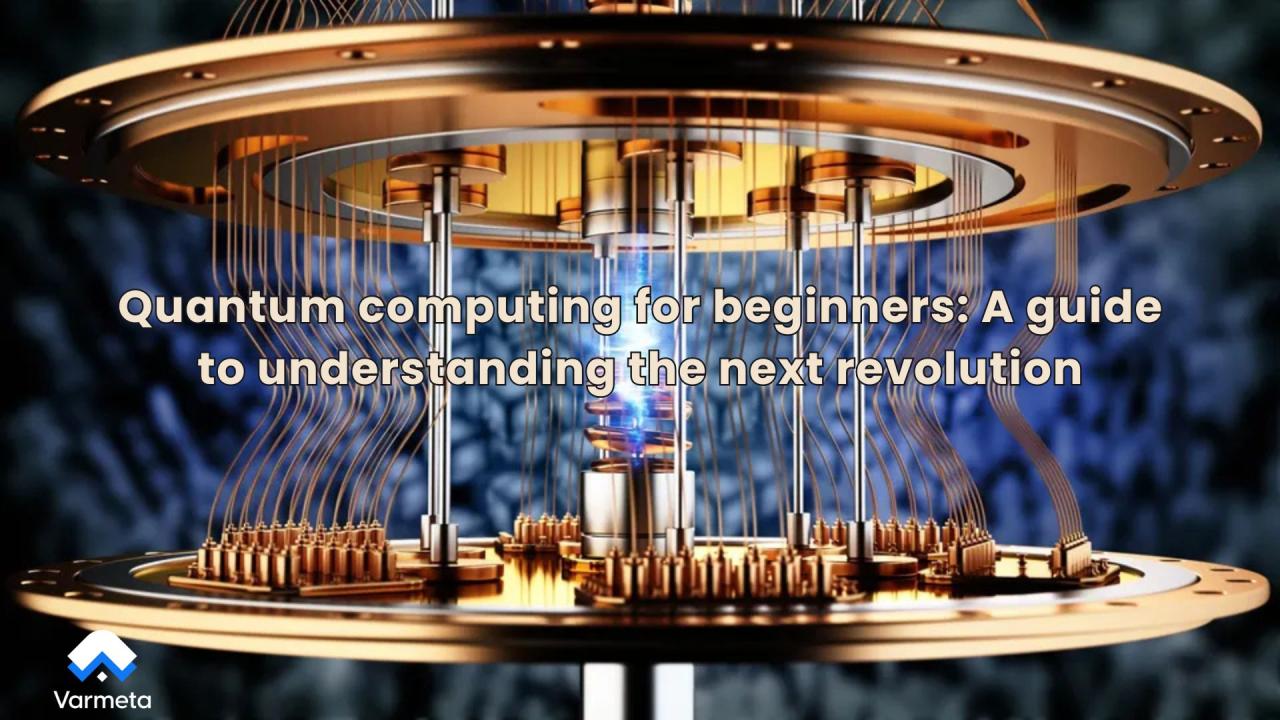
As the fields of quantum computing and artificial intelligence (AI) continue to evolve, their convergence presents exciting opportunities for advancements in technology. Quantum computing offers a new paradigm for processing information, leveraging the principles of quantum mechanics to tackle complex problems. This synergy is particularly impactful in enhancing machine learning models and optimizing data processing techniques.
Quantum algorithms can significantly boost the efficiency of machine learning by enabling faster data analysis and improved model training. Traditional algorithms often struggle with large datasets, leading to longer processing times and sub-optimal outcomes. In contrast, quantum algorithms, such as the Quantum Support Vector Machine (QSVM) and Quantum Principal Component Analysis (QPCA), can perform these tasks with a higher degree of efficiency. For instance, QSVM utilizes quantum superposition to evaluate numerous possible outcomes simultaneously, drastically reducing the time required to train models on large datasets. This capability streamlines workflows in areas such as image recognition, natural language processing, and predictive analytics.
Efficiency in Solving Optimization Problems
Optimization problems are a cornerstone of various industries, from logistics to finance, where the goal is to find the best solution from an enormous set of possibilities. Quantum approaches excel in this area, often outperforming traditional methods. One such example is the Quantum Approximate Optimization Algorithm (QAOA), which addresses combinatorial optimization problems more effectively than classical algorithms.
The importance of optimizing solutions cannot be overstated, as it often leads to significant cost savings and operational efficiency. By using quantum annealing, companies can solve complex scheduling issues, like those faced by airlines and delivery services, resulting in optimized routes and reduced fuel consumption. Similarly, in portfolio optimization for finance, quantum algorithms can analyze vast datasets to find the best investment strategies, outperforming classical models in terms of speed and accuracy.
Future collaborations between AI and Quantum Computing researchers are likely to propel these advancements further. As both fields share a common goal of enhancing computational capabilities, interdisciplinary partnerships can foster innovation. For example, combining quantum machine learning with neural networks could lead to breakthroughs in processing complex datasets, while also improving the functionality of AI models across various domains. These collaborations could pave the way for new applications and technologies that capitalize on the unique strengths of both quantum computing and artificial intelligence.
The global landscape of Quantum Computing research and development is rapidly evolving.
The field of Quantum Computing is witnessing unprecedented growth, driven by substantial investments and strategic initiatives from various nations around the globe. As countries recognize the potential of quantum technologies to revolutionize industries and enhance national security, they are ramping up research funding and collaboration efforts. This dynamic landscape is characterized by a mix of public and private sector contributions, each playing a crucial role in fostering innovation and advancing the technology.
Contributions of Countries to Quantum Initiatives
Countries are increasingly investing in quantum initiatives, recognizing the transformative potential of these technologies. Significant contributions include:
- United States: The U.S. government allocated $1.2 billion for Quantum Information Science over four years, enhancing funding for the National Quantum Initiative. Major tech companies like IBM and Google are also leading the charge with their dedicated quantum research divisions.
- China: With a robust national strategy, China has made substantial investments, amounting to over $10 billion since 2016, focusing on quantum communication and satellite technology, positioning itself as a frontrunner in the field.
- European Union: The EU has committed nearly €1 billion through its Quantum Technologies flagship initiative, aiming to support collaborative projects across member states and accelerate the development of quantum technologies.
- Canada: Canada has established a strong quantum ecosystem, with over $300 million invested in research institutions and startups, facilitating partnerships between academia and industry.
The collaboration among these initiatives creates a competitive yet cooperative environment that accelerates advancements in Quantum Computing.
Public and Private Sector Investments in Quantum Technologies
Understanding the balance between public and private investments is essential to grasp the dynamics of the quantum landscape. Both sectors are crucial, yet they differ in their approaches:
- Public Sector: Governments are investing in foundational research, infrastructure, and education, often funding large-scale projects that require significant resources over extended periods. For instance, the U.S. National Quantum Initiative emphasizes long-term research directions.
- Private Sector: Companies tend to focus on practical applications and market-oriented research, leading to rapid development cycles. Tech giants like Microsoft and startups like Rigetti Computing are actively working on developing quantum software and hardware solutions.
This synergy between public funding and private innovation not only drives research but also fosters a competitive marketplace for quantum technologies.
International Collaborations in Quantum Computing
International collaborations are pivotal in accelerating quantum advancements. Countries are increasingly recognizing that knowledge sharing and joint efforts can lead to groundbreaking discoveries:
- Initiatives like the Quantum Internet Alliance: This European consortium unites various countries to develop a quantum internet designed to enhance communications security.
- Collaborative Research Projects: Many nations are partaking in joint research initiatives, pooling resources and expertise to tackle complex quantum problems that no single entity could address alone.
- Academic Partnerships: Global universities and research institutes are forming partnerships to exchange knowledge, leading to a more diverse and innovative research environment.
These collaborations facilitate access to a broader pool of resources and expertise, thereby accelerating the pace of innovation in Quantum Computing. As countries continue to invest and collaborate, the global quantum landscape will undoubtedly evolve into a more interconnected and vibrant ecosystem.
The future trends in Quantum Computing will shape its trajectory and impact on society.
As we look towards the next decade, quantum computing is poised to revolutionize various sectors by offering unprecedented computational power and problem-solving capabilities. The advancements in this field will not only accelerate the pace of scientific discovery but also influence daily life, healthcare, finance, and cybersecurity. Quantum technologies are set to transform how we approach complex challenges, enabling solutions that are currently unimaginable with classical computing paradigms.
Forecast of Quantum Advancements
In the next ten years, several significant breakthroughs in quantum computing are anticipated. Notable advancements are expected in quantum algorithms, error correction, and hardware scalability. The development of more efficient quantum algorithms could drastically reduce the time required for computational tasks, such as drug discovery and optimization problems in logistics. Additionally, the implementation of robust error correction techniques will enhance the reliability of quantum systems, allowing for longer and more complex calculations without loss of fidelity.
The following are key trends to watch for in the quantum computing landscape:
- Increased Quantum Access: As cloud-based quantum services become more widespread, businesses and researchers will gain access to quantum resources without the need for extensive infrastructure investment.
- Hybrid Quantum-Classical Systems: The integration of quantum processors with classical computing systems will enable businesses to harness the strengths of both technologies, optimizing performance in various applications.
- Industry-Specific Solutions: Tailored applications of quantum computing will emerge across fields such as pharmaceuticals, finance, and materials science, driving innovation and efficiency.
- Enhanced Security Protocols: Quantum key distribution (QKD) will redefine security in communications, providing unbreakable encryption methods that protect sensitive data.
Integration of Quantum Technologies with Existing Infrastructures
The integration of quantum technologies within current infrastructures is vital for the realization of their full potential. This process will necessitate collaboration between quantum technologists, IT professionals, and industry leaders to ensure seamless compatibility. Incorporating quantum computing into existing systems will involve:
- Software Development: New software frameworks and programming languages will need to be developed to facilitate quantum computing applications.
- Infrastructure Upgrades: Current data centers may require upgrades to support the unique needs of quantum hardware, such as cooling systems and specialized environments.
- Standardization Efforts: Establishing industry standards for quantum technology will be critical for interoperability and widespread adoption.
Skills and Education for Future Quantum Scientists
Preparing the next generation of quantum scientists and engineers requires a robust educational framework that encompasses both theoretical knowledge and practical skills. Essential areas of focus include:
- Quantum Mechanics: A solid understanding of quantum principles is fundamental for anyone entering the field.
- Computer Science and Programming: Proficiency in programming languages and algorithms specifically designed for quantum computing will be crucial.
- Interdisciplinary Collaboration: Skills in areas such as mathematics, physics, and engineering will enable professionals to approach problems from multiple perspectives.
- Hands-on Experience: Access to quantum computing platforms and labs will provide practical experience that is essential for skill development.
Last Point
As we explore the transformative potential of Quantum Computing, it becomes clear that we are only scratching the surface of its capabilities. The challenges ahead are significant, but the commitment of researchers and organizations worldwide suggests that a quantum future is on the horizon. Embracing these advancements will not only reshape technology but also redefine our understanding of complex problems, paving the way for innovations that could change the fabric of society.
Query Resolution
What makes Quantum Computing different from classical computing?
Quantum Computing uses qubits that can be in multiple states at once, allowing for simultaneous calculations, while classical computing relies on binary bits that exist in one state at a time.
Are there practical applications for Quantum Computing today?
Yes, applications include cryptography, drug discovery, and optimization problems in logistics and finance, with several initiatives already underway across various industries.
What are the main challenges facing Quantum Computing?
Key challenges include error correction, maintaining qubit coherence, and managing the complexity of quantum algorithms.
How does Quantum Computing impact artificial intelligence?
Quantum algorithms can significantly enhance machine learning processes by making data processing faster and more efficient, especially in optimization tasks.
What is the future of Quantum Computing?
The future includes greater integration with existing technologies, new breakthroughs in hardware and algorithms, and the development of a skilled workforce to drive innovation.