Internet of Things (IoT) is transforming the way we interact with the world around us, creating an interconnected ecosystem that enhances our daily lives. From smart homes to industrial automation, IoT devices are becoming increasingly prevalent, driving efficiency and innovation across various sectors. This technology has emerged from a blend of historical milestones and technological advancements, enabling everyday objects to communicate and share data seamlessly.
As we delve into the IoT landscape, we will explore its architecture, applications, security challenges, and the critical role of data analytics. By understanding how these components work together and the implications of IoT on our society, we can better appreciate its potential to reshape industries and improve our overall quality of life.
The emergence of the Internet of Things in modern technology
The Internet of Things (IoT) represents one of the most transformative technological trends in recent years, seamlessly integrating the physical and digital worlds. Its emergence has been shaped by a series of historical milestones and technological advancements that have laid the groundwork for a connected ecosystem of devices. From humble beginnings in the early days of computing to the present-day interconnected universe, the evolution of IoT reflects our relentless pursuit of enhanced communication and efficiency.
The journey toward IoT began in the 1960s with the development of ARPANET, the precursor to the modern Internet. However, it wasn’t until the late 1990s when the term “Internet of Things” was first coined by Kevin Ashton, who envisioned a world where everyday objects could connect to the Internet and communicate with each other. Key technological advancements have played crucial roles in facilitating the growth of IoT, including the proliferation of wireless communication technologies, miniaturization of sensors, and the expansion of cloud computing. These innovations have allowed devices to gather, share, and analyze data in real-time, creating a new paradigm in how we interact with technology.
Key technological advancements in IoT development
Several pivotal technologies have emerged, enabling the advancement and adoption of IoT on a global scale. Each of these advancements has contributed to the seamless integration of devices into our lives, enhancing convenience and functionality.
- Wireless Communication: Technologies such as Wi-Fi, Bluetooth, and cellular networks have enabled devices to connect without the need for physical cables, promoting mobility and accessibility.
- Sensor Technology: The miniaturization of sensors has made it possible for everyday objects to gather data about their environment, paving the way for smart devices that can monitor and respond to changes.
- Cloud Computing: The ability to store and analyze large volumes of data in the cloud has allowed IoT devices to operate efficiently, making it feasible to process data from millions of devices simultaneously.
- Artificial Intelligence: AI algorithms enhance the functionality of IoT systems by enabling devices to learn from data patterns, leading to smarter and more intuitive operations.
IoT is reshaping our relationship with technology by fostering a more immersive and interconnected lifestyle. As devices become increasingly intertwined with daily activities, users find themselves benefitting from enhanced convenience, efficiency, and automation. For instance, smart home devices allow individuals to control lighting, heating, and security systems remotely via their smartphones, creating a personalized environment tailored to their preferences.
Moreover, IoT is revolutionizing industries such as healthcare, agriculture, and transportation. Wearable health devices track vital signs and send real-time data to healthcare providers, improving patient outcomes while reducing hospital visits. In agriculture, IoT sensors monitor soil moisture levels and crop health, enabling farmers to make data-driven decisions that enhance yields and sustainability. In transportation, smart traffic management systems utilize real-time data to optimize traffic flow, reducing congestion and enhancing safety.
The integration of IoT into everyday life signifies not just an advancement in technology but a profound shift in the way we perceive and interact with the world around us. By fostering deeper connections between people, devices, and their environment, IoT is paving the way for a future that is not only more efficient but also more responsive to our needs.
Understanding the architecture of IoT systems
The Internet of Things (IoT) represents a transformative shift in how devices communicate, interact, and analyze data in real-time. At the core of this technology lies a complex architecture that enables various components to work seamlessly together. Understanding this architecture is crucial for grasping how IoT solutions function and deliver value across different applications, from smart homes to industrial automation.
An IoT architecture comprises several essential components that each play a distinct role in the overall system. These components include sensors, connectivity options, data processing capabilities, and cloud computing. The synergy among these elements determines the efficiency and effectiveness of IoT systems.
Essential Components of IoT Architecture
To better illustrate the roles of each component in an IoT ecosystem, the following table Artikels these elements along with their specific functionalities:
| Component | Role |
|---|---|
| Sensors | Collect data from the environment, such as temperature, humidity, motion, and more. |
| Connectivity | Facilitates communication between devices and the cloud or other devices, using protocols like Wi-Fi, Bluetooth, or cellular networks. |
| Edge Computing | Processes data closer to the source, reducing latency and bandwidth use, and enabling real-time analysis. |
| Cloud Computing | Provides centralized storage and advanced analytical capabilities, enabling data processing and insights generation on a larger scale. |
| User Interface | Enables interaction with the IoT system, allowing users to monitor and control devices remotely through apps or dashboards. |
Each of these components interacts in a streamlined manner to create an effective IoT ecosystem. Sensors, for example, gather valuable data about physical conditions and send this information via various connectivity options. This data can be transmitted over Wi-Fi, cellular networks, or specialized protocols like LoRa and Zigbee, depending on the application requirements and range constraints.
Once the data reaches the cloud, it can undergo extensive processing and analysis. Cloud computing platforms leverage powerful algorithms and machine learning models to extract insights, identify patterns, and facilitate decision-making. Moreover, edge computing enhances this process by handling data locally when immediate results are required, thereby minimizing delays and reducing the load on cloud resources.
As these components communicate and function collectively, they facilitate a range of applications that can significantly enhance operational efficiencies and user experiences. For instance, in smart agriculture, soil moisture sensors collect data to optimize irrigation systems, while cloud analytics help predict crop yields based on environmental conditions. This integration of components exemplifies how IoT systems can transform industries by providing actionable insights and automating processes.
In summary, the architecture of an IoT system is a cohesive assembly of components that work together to collect, process, analyze, and display data. Understanding these components and their interactions is essential for developing effective IoT applications that deliver tangible benefits.
Applications of IoT across various industries
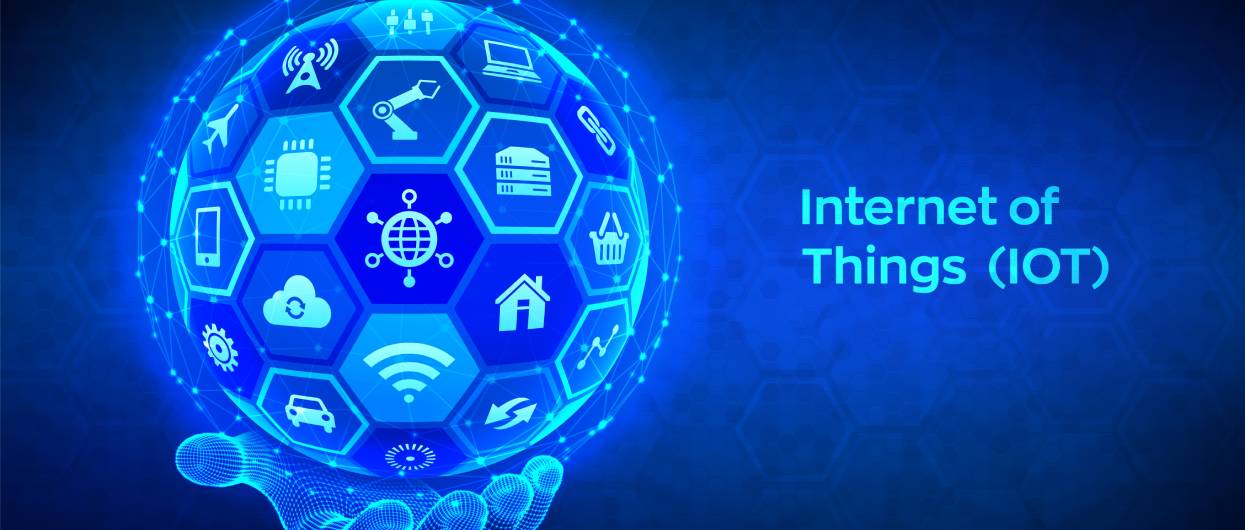
The Internet of Things (IoT) has emerged as a transformative technology across multiple sectors, revolutionizing the way businesses operate and interact with their environments. By connecting various devices and systems, IoT facilitates seamless communication and data exchange, leading to improved operational efficiency, better decision-making, and enhanced customer experiences. Here we explore three industries that significantly benefit from IoT technology, showcasing real-world applications and their wider social and economic impacts.
Healthcare Innovation
In the healthcare sector, IoT applications are enhancing patient care and streamlining operations. Connected medical devices, such as wearables and remote patient monitoring tools, provide real-time health data, enabling healthcare providers to monitor patients’ conditions remotely. For instance, devices like smart insulin pens and blood glucose monitors help diabetic patients manage their health more effectively by delivering timely alerts and insights.
The integration of IoT in healthcare leads to several key improvements:
- Improved Patient Monitoring: Continuous monitoring of vital signs allows for early detection of potential health issues, reducing the likelihood of emergencies.
- Enhanced Operational Efficiency: Automated systems for inventory management ensure that medical supplies are always stocked, reducing waste and optimizing resource allocation.
- Cost Reduction: Remote consultations decrease the need for in-person visits, lowering healthcare costs for both providers and patients.
The social impact of these advancements includes improved health outcomes and increased access to care, particularly for those in remote areas. Economically, healthcare systems can allocate resources more effectively, ultimately leading to reduced overall costs and enhanced value for patients.
Smart Manufacturing
In the manufacturing industry, IoT applications are driving the revolution of smart factories. Technologies such as connected sensors and machinery allow for real-time monitoring of production processes. For example, General Electric employs IoT solutions in its factories to track equipment performance, utilizing predictive maintenance to anticipate failures before they occur.
Key benefits of IoT in manufacturing include:
- Increased Production Efficiency: Real-time data analytics enable manufacturers to optimize workflows and minimize downtime.
- Enhanced Quality Control: Continuous monitoring helps identify defects early in the production process, ensuring higher quality products.
- Supply Chain Optimization: IoT devices provide visibility into inventory levels and logistics, streamlining operations and reducing lead times.
The social implications involve job transformation, as workers adapt to more technology-driven roles, fostering a need for upskilling. Economically, smart factories enhance productivity, contributing to higher profit margins and competitiveness in the global market.
Smart Cities Development
IoT technologies play a crucial role in the development of smart cities, enhancing urban living through intelligent infrastructure. Applications such as smart traffic management systems and connected public transportation improve the flow of information, leading to more efficient urban mobility. For instance, cities like Barcelona have implemented smart sensors to monitor parking availability, reducing congestion and emissions.
The advantages of IoT in smart cities encompass:
- Improved Traffic Management: Real-time data from traffic sensors allows for dynamic adjustments to traffic signals, reducing congestion and travel times.
- Enhanced Public Safety: Connected surveillance systems help monitor public areas, improving response times during emergencies.
- Resource Efficiency: Smart utilities can optimize energy and water use, leading to significant cost savings and environmental benefits.
Socially, smart cities promote a higher quality of life, offering residents safer and more efficient living environments. Economically, improved infrastructure attracts businesses and fosters economic growth by enhancing the overall urban ecosystem.
Security challenges posed by IoT devices
The rapid proliferation of Internet of Things (IoT) devices has brought significant conveniences and efficiencies to our daily lives. However, this expansion comes with a set of unique security challenges that can jeopardize both individual and organizational data integrity. Given the interconnected nature of these devices, vulnerabilities can lead to severe repercussions such as data breaches, unauthorized access, and even physical harm in some cases. Understanding the primary security risks associated with IoT devices and networks is essential for anyone involved in their implementation and maintenance.
Primary security risks associated with IoT devices
The security landscape for IoT devices is fraught with multiple risks that stem from the very design and operation of these devices. The following points highlight some of the most pressing concerns:
- Weak Authentication Mechanisms: Many IoT devices utilize default or easily guessable passwords, making them prime targets for cybercriminals. The lack of robust authentication protocols can allow unauthorized access to sensitive information.
- Insecure Networks: IoT devices often operate on unsecured networks that can be easily compromised. This vulnerability allows attackers to intercept data being transmitted between devices, leading to potential data breaches.
- Lack of Regular Updates: Many IoT devices do not receive consistent software updates, which means that known vulnerabilities remain unpatched. This can be particularly dangerous as new exploits are discovered, leaving these devices susceptible to attacks.
- Data Privacy Concerns: The volume of data collected by IoT devices can include personal details, location information, and usage patterns. If this data is not adequately protected, it can be harvested and used maliciously.
- Physical Security Risks: Some IoT devices are installed in accessible locations, making them vulnerable to physical tampering. Attackers with physical access can manipulate or disable these devices, leading to broader security breaches.
Effectiveness of current security measures
Current security measures for IoT devices include encryption, secure communication protocols, and device authentication. However, the effectiveness of these measures varies significantly across different devices and manufacturers. While some organizations have implemented advanced security frameworks, many IoT devices still operate with minimal security features.
Device manufacturers often prioritize functionality over security, resulting in products that lack essential protections. Encryption can secure data during transmission, but if the device itself is compromised, the data can still be at risk. Additionally, many devices do not support secure firmware updates, leaving them vulnerable to long-term exploitation.
Despite the availability of security solutions, the fragmented nature of the IoT ecosystem complicates the implementation of uniform security practices. This inconsistency results in varying levels of security across devices, creating a patchwork of vulnerabilities that can be exploited by malicious actors.
Importance of implementing robust security protocols in IoT systems
Implementing robust security protocols is imperative for the successful deployment of IoT systems. The interconnected landscape of IoT devices means that a single vulnerability can compromise entire networks, leading to catastrophic data breaches and operational disruptions.
A comprehensive security strategy should encompass end-to-end encryption, secure boot processes, and regular firmware updates. Such measures not only protect the devices themselves but also safeguard the sensitive data they handle.
Moreover, as IoT devices become more integrated into critical infrastructure—such as healthcare, transportation, and energy management—the importance of security protocols escalates. For instance, a compromised IoT device in a hospital could potentially interfere with life-support systems, highlighting the life-or-death stakes involved.
Industries are beginning to recognize the need for regulatory frameworks and standards to guide the security of IoT devices. These frameworks are crucial for ensuring that manufacturers are held accountable for the security of their products throughout their lifecycle. By fostering a culture of security-minded design and development, organizations can mitigate risks and enhance the resilience of their IoT ecosystems.
In conclusion, the landscape of IoT device security is complex and fraught with challenges. However, the implementation of robust security protocols can significantly reduce risks and enhance the overall integrity of these systems, ensuring that the benefits of IoT can be realized without compromising safety and privacy.
The role of data analytics in IoT
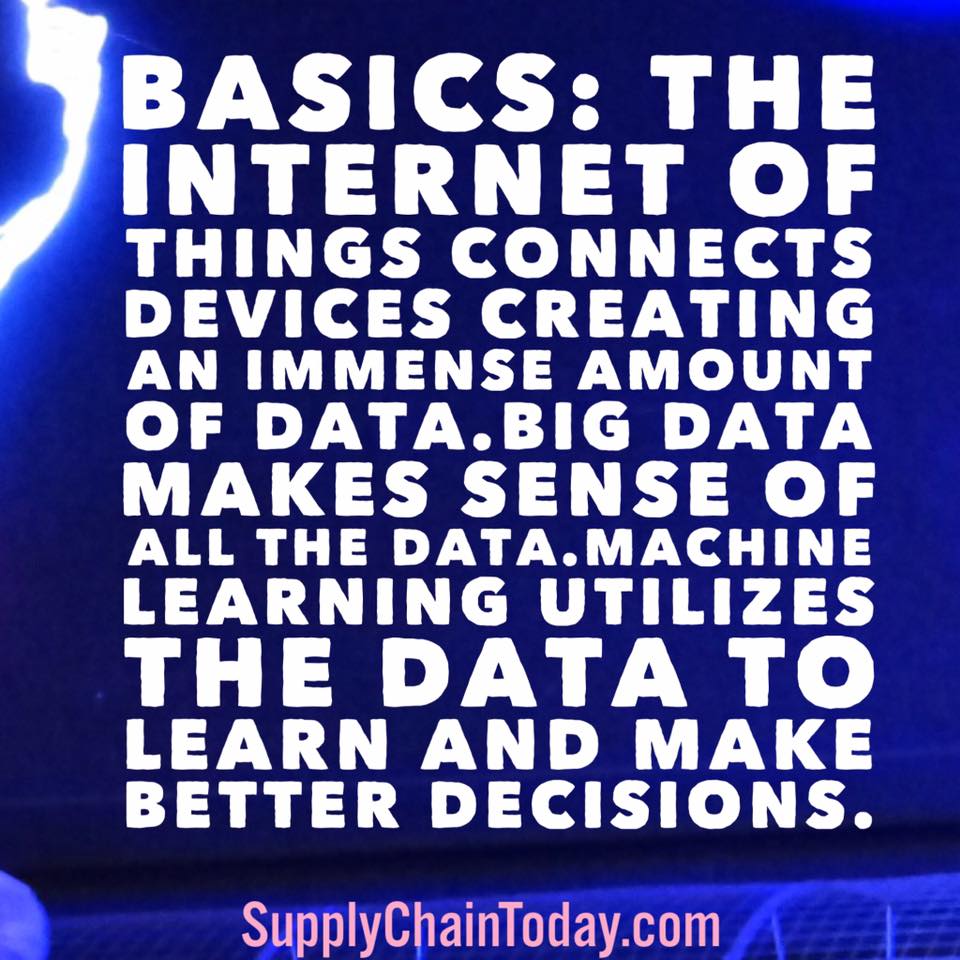
The Internet of Things (IoT) has transformed how we collect and utilize data, leading to significant advancements in various industries. Data analytics plays a crucial role in maximizing the potential of IoT devices, enabling organizations to extract valuable insights from the massive volumes of data generated. By employing sophisticated analytics techniques, businesses can make data-driven decisions that improve operational efficiencies, enhance customer experiences, and drive innovation.
Data collected from IoT devices is instrumental in understanding patterns, trends, and anomalies that can inform strategic decisions. This data ranges from sensor readings in manufacturing to user behavior in smart homes. The proper analytical processes can convert raw data into actionable insights, allowing organizations to respond proactively to changes in their environments or operational processes. For instance, predictive maintenance uses IoT data to forecast equipment failures before they happen, minimizing downtime and repair costs.
Analytical tools and techniques for IoT data
Various analytical tools and techniques are employed to interpret the vast data pools generated by IoT devices. These analytical methods enhance the ability to derive meaningful insights and facilitate effective decision-making.
– Machine Learning Algorithms: These algorithms analyze historical data to identify trends and make predictions. For example, in agriculture, machine learning can predict crop yields based on weather patterns and soil conditions.
– Big Data Platforms: Tools like Apache Hadoop and Spark are designed to handle large datasets from IoT devices, allowing for real-time data processing and analytics. These platforms enable organizations to sift through immense amounts of data quickly.
– Data Visualization Tools: Tools such as Tableau or Power BI transform complex data sets into intuitive visual formats, making it easier for decision-makers to understand trends and patterns without needing in-depth technical knowledge.
– Statistical Analysis Software: Programs like R and Python’s libraries facilitate advanced statistical analysis, helping organizations to identify significant correlations within their IoT data.
The utilization of these analytical tools leads to data-driven insights that can significantly improve operational efficiencies. For instance, in smart city applications, traffic data collected from IoT sensors enables the optimization of traffic lights based on real-time conditions, reducing congestion and improving air quality. In healthcare, wearable devices gather patient data, which, when analyzed, can lead to better patient management and preventive care strategies.
Data analytics transforms raw IoT data into actionable insights, driving efficiencies and innovations across industries.
Future trends in IoT technology
The Internet of Things (IoT) is evolving at a breakneck pace, with new technologies and methodologies emerging that promise to reshape how we interact with the world around us. As we look ahead, several key trends are poised to influence the trajectory of IoT, particularly through advancements in artificial intelligence (AI) integration and edge computing. These developments will not only enhance operational efficiency but also redefine user experiences on both a consumer and business level.
One of the most significant trends in IoT is the integration of AI technologies. By embedding AI into IoT devices, we are moving toward a future where machines can analyze data in real-time, make decisions autonomously, and optimize processes without human intervention. This synergy allows for enhanced predictive maintenance, enabling organizations to foresee potential failures and act preemptively. For instance, in manufacturing, AI-powered IoT devices can monitor machinery health and predict breakdowns before they occur, minimizing downtime and improving productivity.
Impact of Edge Computing on IoT
Edge computing is another transformative trend that complements AI in the IoT ecosystem. Instead of relying solely on cloud storage and processing, edge computing allows data to be processed closer to its source, significantly reducing latency and bandwidth use. This development is particularly crucial for applications requiring real-time responses, such as autonomous vehicles and smart city infrastructures.
The implications of these advancements for consumers and businesses are profound. As devices become smarter and networks more efficient, we can expect the following impacts:
- Enhanced User Experience: Consumers will benefit from more personalized and responsive services. For instance, smart home devices can learn user preferences over time, adjusting lighting and temperature automatically to create a comfortable environment.
- Cost Savings: For businesses, implementing AI and edge computing can lead to significant operational cost reductions. By optimizing resource usage and minimizing waste, companies can enhance their bottom line while being more sustainable.
- Increased Security: As IoT devices proliferate, so does the risk of cyber threats. Edge computing can improve security by processing sensitive data locally, reducing the need to transmit potentially vulnerable information over the internet.
- Industry Transformation: Several sectors will witness dramatic changes. In healthcare, for example, wearable devices equipped with AI can monitor patients’ vital signs in real-time, allowing for immediate intervention and potentially saving lives.
- Scalability: As organizations adopt IoT solutions at scale, the integration of AI and edge computing provides a framework for managing vast amounts of data efficiently, facilitating growth and innovation.
The continued evolution of IoT technology, especially through AI integration and edge computing, is set to revolutionize various sectors, driving efficiency and creating unprecedented opportunities for innovation. As these tools become more accessible, we are likely to see a shift in how industries operate, ultimately benefiting consumers and businesses alike.
Ethical considerations surrounding IoT devices
The proliferation of Internet of Things (IoT) devices has revolutionized the way we interact with our environment, enhancing convenience and efficiency in daily life. However, this rapid adoption raises significant ethical dilemmas, particularly concerning privacy and security. As IoT devices collect vast amounts of personal data—from smart home gadgets to wearable fitness trackers—understanding and addressing the ethical implications becomes crucial for developers, users, and stakeholders alike.
Privacy concerns and data management
The ubiquity of IoT devices leads to considerable privacy concerns, as they often collect sensitive information without clear user consent or understanding. Users might not be fully aware of what data is being captured, how it is stored, and who has access to it. This lack of transparency can lead to data misuse, identity theft, and unwarranted surveillance. To address these ethical issues responsibly, several strategies can be implemented:
1. Transparent Data Policies: Organizations need to develop clear, comprehensive privacy policies that inform users about data collection practices. This includes detailing what data is collected, how it is used, and who it is shared with. For instance, a smart thermostat that tracks temperature preferences should disclose whether that data is shared with third-party advertisers.
2. User Consent and Control: Implementing robust user consent protocols is essential. Users should have the option to opt-in or opt-out of data collection practices and should be able to manage their preferences easily. For example, a wearable fitness tracker could allow users to choose whether their health data is shared with healthcare providers or kept private.
3. Data Security Measures: Organizations must prioritize the security of collected data. This includes employing encryption technologies, regular security audits, and secure data storage solutions. For example, a smart security camera should have strong encryption to prevent unauthorized access to live feeds and recorded footage.
4. Ethical Design Principles: Developers should incorporate ethical considerations into the design process of IoT devices. This could involve minimizing data collection to only what is necessary for functionality and ensuring that devices default to privacy-friendly settings. For instance, a smart home assistant could be designed to disable certain always-on features until the user explicitly allows them.
5. Regulatory Compliance and Standards: Following existing regulations, such as the General Data Protection Regulation (GDPR) in Europe, can guide ethical practices in data handling and user privacy. Companies should stay informed about legal frameworks and actively adapt to ensure compliance while fostering trust with users.
By actively addressing these ethical concerns, stakeholders can foster a safer environment for users while promoting responsible innovation in the IoT landscape. Organizations that emphasize transparency, user control, and data security not only protect their users but also enhance their credibility and long-term success in the rapidly evolving IoT market.
Last Recap
In summary, the Internet of Things (IoT) represents a significant leap in technological evolution, bridging the gap between the digital and physical worlds. As we navigate the myriad applications and challenges that accompany this technology, it is clear that IoT not only enhances operational efficiencies but also raises essential ethical questions that must be addressed. Moving forward, embracing the potential of IoT while prioritizing security and ethical considerations will be key to unlocking its full capabilities for a smarter, more connected future.
Expert Answers
What are some common examples of IoT devices?
Common examples include smart thermostats, wearable fitness trackers, and connected home security systems.
How does IoT improve efficiency in businesses?
IoT improves efficiency by enabling real-time data collection and analysis, leading to better decision-making and optimized operations.
What are the privacy concerns related to IoT?
Privacy concerns include unauthorized data access, surveillance, and the potential misuse of personal information collected by IoT devices.
How can consumers protect their IoT devices?
Consumers can protect their devices by using strong passwords, keeping software updated, and utilizing secure networks.
What role does AI play in IoT?
AI enhances IoT by enabling devices to learn from data, make predictions, and automate processes, leading to improved user experiences.