Server farms are essential hubs in today’s digital landscape, housing numerous servers that work together to manage, store, and distribute data efficiently. These facilities play a pivotal role in supporting applications and services across various industries, from e-commerce to cloud computing, enabling seamless access to information and resources. As businesses increasingly rely on data-driven solutions, understanding the significance and structure of server farms becomes crucial.
A server farm typically consists of rows of servers, networking equipment, and storage devices, all working in harmony to provide high availability and reliability. The layout is carefully designed to optimize space and ensure efficient cooling and power supply, enhancing performance. Utilizing a server farm offers numerous advantages over traditional setups, such as improved scalability, flexibility, and reduced operational costs, making it a preferred choice for many organizations.
Server Farm Basics
A server farm is a collection of computer servers that work together to deliver a unified service, providing enhanced performance and reliability for various applications and services. Primarily utilized by organizations to manage and store large volumes of data, server farms are crucial components of modern IT infrastructure. They allow for efficient processing, storage, and management of data by distributing workloads across multiple servers, thus improving scalability, redundancy, and fault tolerance. This setup is especially vital for businesses that rely on web hosting, cloud computing, and large-scale enterprise applications.
The typical layout of a server farm includes various hardware and networking components designed to optimize performance and security. At its core, a server farm consists of numerous servers, often rack-mounted, housed within dedicated data center facilities. These facilities are equipped with robust cooling systems, power management solutions, and fire suppression systems to ensure the servers operate efficiently and safely. Networking equipment such as routers, switches, and firewalls are essential for facilitating communication among servers and with external networks. Additionally, storage systems, including SAN (Storage Area Network) and NAS (Network-Attached Storage), provide the necessary data storage capabilities that support the applications running on the servers.
The advantages of utilizing a server farm over traditional single-server setups are manifold. Server farms offer improved reliability through redundancy; if one server fails, others can take over the workload seamlessly, minimizing downtime. This level of resilience is particularly important for mission-critical applications. Furthermore, server farms enable better load balancing, distributing workloads across multiple servers to prevent any single server from becoming a bottleneck. This helps maintain consistent performance, especially during peak usage times. Additionally, server farms are inherently more scalable; businesses can easily add or remove servers based on their needs without significant disruptions.
In summary, server farms represent a robust solution for modern enterprises seeking to enhance their IT capabilities and ensure high availability and performance of their applications and services.
Types of Server Farms
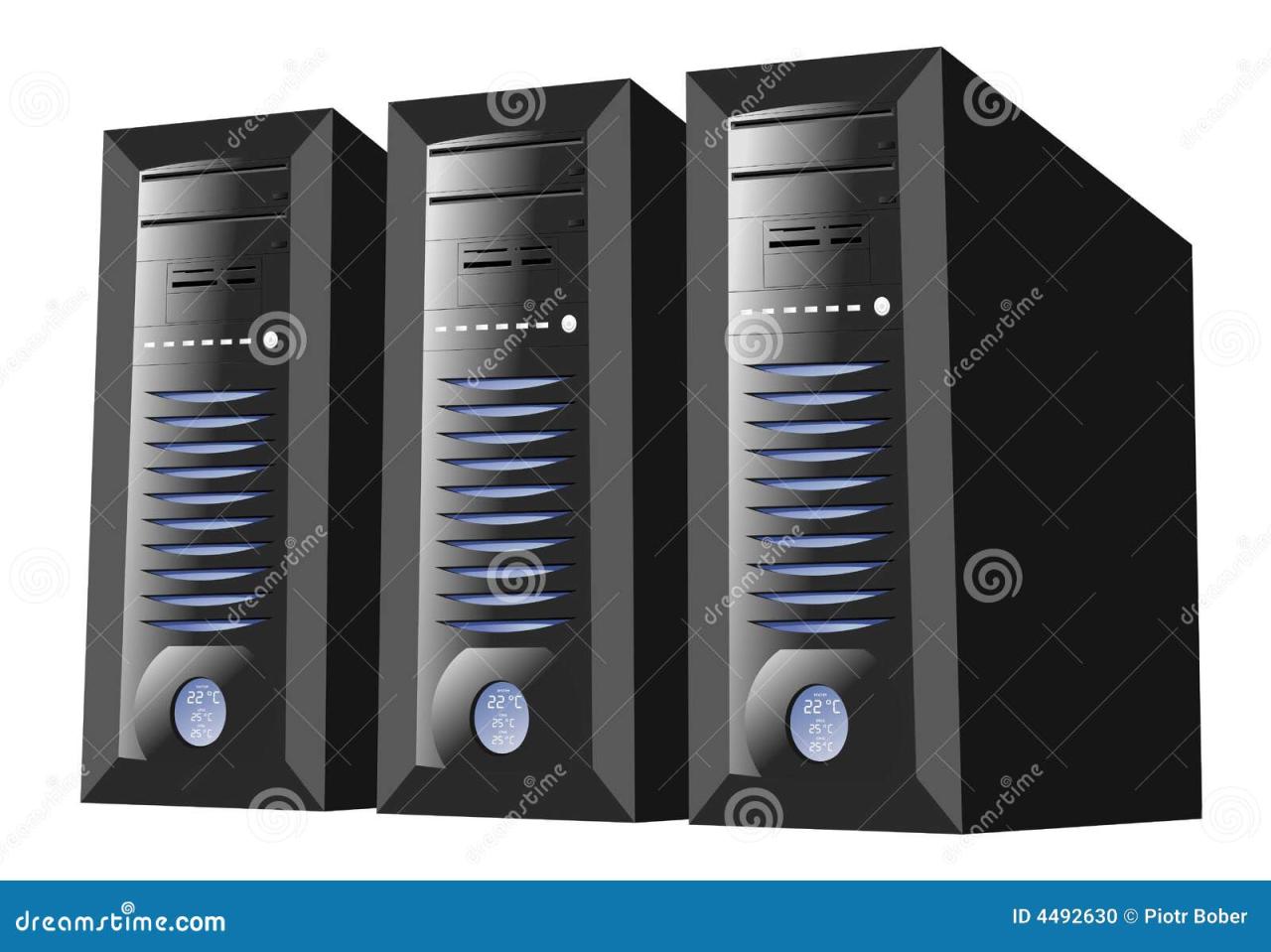
Server farms are essential infrastructures that support a variety of online services and applications. They consist of numerous servers working together to provide better efficiency, reliability, and scalability for businesses. Understanding the different types of server farms can help organizations choose the right model that fits their operational needs and growth strategies. The three primary types of server farms include cloud-based, dedicated, and hybrid models, each serving unique purposes and industries.
Cloud-Based Server Farms
Cloud-based server farms utilize virtualized resources offered over the internet, allowing businesses to access powerful computing capabilities without having to invest in physical hardware. This model is particularly popular among tech companies, e-commerce platforms, and startups due to its scalability and low initial costs. For instance, companies like Netflix and Spotify leverage cloud server farms to efficiently stream media to millions of users simultaneously. The cloud model allows these companies to quickly scale their resources up or down based on demand, ensuring seamless service delivery.
Dedicated Server Farms
Dedicated server farms consist of physical servers that are exclusively used by a single organization. This model is often preferred by industries that require high security, compliance, and performance, such as financial services, healthcare, and government agencies. For example, banks utilize dedicated server farms to manage sensitive customer data and transaction processing securely. This type of server farm provides greater control and customization options, allowing organizations to optimize their server configurations for specific applications.
Hybrid Server Farms
Hybrid server farms combine elements of both cloud-based and dedicated server models, providing organizations with the flexibility to manage workloads across different environments. This model is increasingly favored by businesses in sectors like manufacturing and logistics, which may need to maintain certain operations on-premises while leveraging cloud resources for other tasks. For instance, an automotive company might run its supply chain management on dedicated servers while utilizing cloud solutions for big data analytics. The hybrid approach allows organizations to optimize costs and performance by choosing the best environment for each workload.
Scalability and Flexibility Comparison
The scalability and flexibility of server farms vary significantly among the three types. Cloud-based server farms offer the highest level of scalability since resources can be rapidly allocated based on real-time demand. This model is ideal for businesses experiencing fluctuating traffic patterns. Dedicated server farms, while less flexible, excel in delivering consistent performance, making them suitable for applications with stable workload requirements. Hybrid server farms strike a balance between the two, allowing organizations to scale as needed while maintaining control over critical operations. This flexibility can lead to cost savings and improved service delivery, as organizations can adapt to changing business needs efficiently.
Server Farm Architecture
The architectural design of a server farm is critical for optimizing performance, ensuring reliability, and managing operational costs. A well-planned server farm not only enhances computational capabilities but also addresses key factors such as power consumption, cooling efficiency, and physical space utilization. Understanding the layout and architecture of a server farm allows organizations to support a vast number of servers while maintaining optimal operational conditions.
The server farm architecture is composed of various components, each playing a vital role in the overall functionality. Key considerations include:
– Power Supply: A reliable power source is essential to keep the servers running. This often involves redundant power supplies and backup generators to ensure uptime during outages.
– Cooling Systems: High-density server configurations generate significant heat, making efficient cooling systems indispensable. Solutions such as hot and cold aisle containment, liquid cooling, and efficient airflow management are typical in modern server farms.
– Physical Space: The layout of server racks, storage units, and network equipment must be carefully planned to maximize space while ensuring accessibility for maintenance and upgrades.
| Component | Description | Purpose |
|---|---|---|
| Power Supply | Redundant power sources, UPS systems | Ensure continuous operation |
| Cooling System | Hot/cold aisle containment, liquid cooling | Regulate server temperatures |
| Server Racks | Vertical storage for servers | Optimize space and airflow |
| Network Equipment | Switches, routers | Facilitate data communication |
| Security Systems | Access controls, surveillance | Protect physical assets |
Role of Virtualization in Server Farm Architecture
Virtualization technology plays a significant role in enhancing resource utilization within a server farm. By allowing multiple virtual servers to run on a single physical machine, virtualization maximizes the use of available hardware resources. This leads to several advantages:
– Increased Efficiency: Virtualization allows server farms to run more applications on fewer physical machines, reducing hardware costs and power consumption.
– Scalability: Virtual machines can be spun up or down quickly to meet changing demands, enabling better resource allocation during peak loads or low usage periods.
– Isolation: Each virtual machine operates independently, providing a layer of security and resource management that minimizes the risk of application conflicts and enhances stability.
In many cases, organizations witness a reduction in operating costs due to improved resource allocation and efficiency. For instance, companies leveraging virtualization reported savings of up to 30% on energy bills, demonstrating the significant impact of this technology in server farm architecture.
Managing a Server Farm
Managing a server farm is a complex task that requires strategic planning and diligent execution to ensure optimal performance, security, and reliability. As organizations increasingly rely on cloud services and virtual environments, understanding best practices in server farm management becomes vital. This encompasses monitoring performance, implementing security measures, and addressing challenges that may arise.
Performance Monitoring and Optimization
Effective management of a server farm hinges on continuous performance monitoring and optimization. This process helps identify bottlenecks, resource allocation issues, and potential downtimes. Best practices for monitoring include utilizing performance metrics and analytics tools that provide insights into server workloads, response times, and resource utilization. Implementing these methods ensures that the server farm operates at peak efficiency.
Key monitoring tools and practices include:
- Real-time Monitoring Tools: Solutions such as Nagios and Zabbix allow for real-time tracking of server health and performance, enabling proactive management.
- Load Balancing: Deploying load balancers can distribute traffic evenly across servers, preventing any single server from becoming overwhelmed.
- Resource Allocation Optimization: Regularly reviewing and adjusting CPU, memory, and storage allocations can enhance performance, especially in dynamic workloads.
- Automated Scaling: Implementing auto-scaling features in cloud environments allows the server farm to adapt to varying loads without manual intervention.
Security Protocols and Tools
Ensuring the security of a server farm is paramount. This involves implementing robust security protocols and utilizing industry-standard tools to protect against threats. A comprehensive security strategy includes physical security measures, network security protocols, and software defenses.
Important security measures include:
- Firewalls: Deploying hardware and software firewalls helps protect the network perimeter and prevent unauthorized access.
- Intrusion Detection Systems (IDS): Tools like Snort can monitor network traffic for suspicious activities and potential attacks.
- Regular Updates and Patch Management: Keeping servers and applications up-to-date is crucial for mitigating vulnerabilities.
- Access Control Policies: Implementing strict access controls ensures only authorized personnel can access sensitive data and systems.
Challenges and Strategies
Server farm management comes with its own set of challenges, including hardware failures, software issues, and human errors. Recognizing these challenges and planning accordingly can significantly improve operational resilience.
Common challenges and effective strategies include:
- Hardware Failures: Implementing redundancy through spare servers and RAID configurations can minimize downtime.
- Software Bugs: Establishing a robust testing and deployment process ensures software updates are reliable and do not disrupt operations.
- Human Error: Offering comprehensive training for staff and implementing clear protocols can reduce the risk of mistakes in configuration or server management.
- Scalability Issues: Planning for future growth by incorporating scalable infrastructure and resource management can prevent performance degradation as demands increase.
Environmental Considerations
Server farms play a critical role in the digital landscape, but their environmental impact cannot be overlooked. The energy-intensive nature of these facilities, combined with the growing demand for data processing and storage, raises significant sustainability concerns. Sustainable practices are essential for mitigating the ecological footprint of server farms, promoting a balance between technological advancement and environmental stewardship. Adopting green technologies and strategies is not only beneficial for the planet but can also lead to cost efficiencies in the long run.
Energy-efficient technologies are vital in reducing the carbon footprint associated with server farms. Implementing advanced cooling techniques, such as liquid cooling systems, can significantly lower energy consumption compared to traditional air conditioning methods. By utilizing renewable energy sources like solar or wind power, server farms can further decrease their dependence on fossil fuels. Moreover, virtualization technologies allow for better resource management, reducing the physical hardware needed and enabling more efficient energy use. The integration of AI-driven monitoring systems is also essential, as these can optimize energy consumption in real-time based on demand, ultimately leading to lower operational costs and environmental impact.
Regulatory Considerations
Server farms must navigate a variety of regulatory frameworks designed to promote environmental sustainability. Compliance with these regulations is crucial for minimizing environmental impacts and ensuring the long-term viability of operations. Key considerations include:
- Energy Efficiency Standards: Regulations often mandate specific energy performance benchmarks that facilities must meet. These can include compliance with Energy Star ratings or local energy codes.
- Emissions Regulations: Server farms may be subject to limits on greenhouse gas emissions, necessitating the implementation of technologies aimed at reducing carbon footprints.
- Water Usage Regulations: Given the water-intensive nature of cooling processes, farms must adhere to regulations governing water usage and conservation practices.
- Waste Management Policies: Proper disposal and recycling of electronic waste are crucial. Regulations may require recovery and recycling plans to minimize landfill contributions.
- Renewable Energy Incentives: Many regions offer incentives for renewable energy adoption, which server farms can leverage to enhance sustainability efforts.
- Building Codes: Local building codes may dictate specific standards for energy use, insulation, and overall environmental impact of the infrastructure.
Understanding and adhering to these regulations not only promotes sustainability but also positions server farms as responsible entities within the broader tech ecosystem, fostering trust and credibility among stakeholders.
Future Trends in Server Farms
The landscape of server farms is undergoing a significant transformation as emerging technologies and trends shape the future of data management and processing. Over the next decade, advancements in areas such as edge computing, renewable energy integration, and virtualization are set to redefine how server farms operate. These innovations are not only improving efficiency but also addressing growing environmental concerns associated with traditional data center operations.
One of the most noteworthy trends is the rise of edge computing, which decentralizes data processing by bringing computation closer to the source of data generation. This reduces latency and bandwidth usage, making server farms more efficient. Additionally, the integration of renewable energy sources like solar and wind into server farms aims to minimize the carbon footprint, aligning with global sustainability goals. Moreover, virtualization technologies continue to evolve, allowing for better resource allocation and management through software-defined networking and storage.
Impact of AI and Machine Learning on Server Farm Operations
The incorporation of AI and machine learning into server farm operations presents significant potential to enhance efficiency and streamline processes. By utilizing predictive analytics, server farms can optimize resource allocation, predict hardware failures, and dynamically adjust workloads based on real-time data. This not only maximizes uptime but also significantly reduces operational costs.
The deployment of AI-driven tools leads to intelligent automation, where routine tasks such as monitoring system health and managing energy consumption are handled autonomously. For instance, AI algorithms can analyze historical performance data to forecast energy needs, allowing server farms to adjust their power consumption accordingly, thereby achieving substantial savings.
As server farms evolve, a strategic roadmap will be essential for effective management practices. This roadmap should encompass the following anticipated changes:
1. Integration of Edge Computing: Server farms will increasingly adopt edge computing strategies, deploying resources closer to end-users to improve performance and reduce latency.
2. Implementation of Renewable Energy Solutions: There will be a significant shift toward the incorporation of renewable energy sources, with server farms increasingly relying on solar, wind, and other sustainable options to power operations.
3. Automation through AI and Machine Learning: The use of AI will dominate operational practices, automating routine monitoring, maintenance, and resource management tasks to enhance efficiency.
4. Enhanced Security Protocols: As cyber threats become more sophisticated, server farms will implement advanced AI-driven security measures to safeguard data and infrastructure.
5. Data Center Consolidation: To improve efficiency and reduce costs, there will be a trend towards consolidating multiple smaller server farms into larger, more efficient facilities capable of handling greater workloads.
In summary, the future of server farms looks to be characterized by technological advancements that optimize operations, improve energy efficiency, and enhance overall management practices.
Cost Analysis of Server Farms
Building and operating a server farm involves significant financial considerations that can impact both initial investments and ongoing expenses. Understanding these costs is crucial for businesses looking to establish efficient and scalable infrastructure for their computing needs. Various factors influence these costs, ranging from hardware and software to utilities and maintenance. This analysis provides a comprehensive overview of the expenses associated with server farms, helping organizations make informed financial decisions.
Factors Influencing Server Farm Costs
Several key elements play a role in determining the costs associated with setting up and maintaining a server farm. These factors include:
- Initial Setup Costs: The initial investment encompasses hardware purchase, software licensing, and installation fees. High-quality servers, storage solutions, and networking equipment can lead to substantial upfront costs.
- Real Estate and Infrastructure: Location is crucial; costs vary significantly based on real estate prices. Additionally, building a facility with adequate cooling, power supply, and security will add to initial expenditures.
- Power and Cooling: Ongoing energy costs are a major consideration. Efficient cooling systems and power management tools are essential for reducing operational costs over time.
- Staffing: Skilled personnel are required for maintenance and management. Labor costs can be significant, especially when hiring IT professionals and support staff.
- Software Maintenance: Licensing, periodic upgrades, and cybersecurity measures add recurring expenses that should be factored into budgeting.
A detailed cost breakdown illustrates the various expenses associated with server farms:
| Expense Category | Estimated Cost (USD) |
|---|---|
| Hardware (Servers, Storage, Networking) | $100,000 – $1,000,000 |
| Real Estate (Land Lease/Facility) | $10,000 – $500,000/year |
| Power and Cooling | $2,000 – $30,000/month |
| Staffing Costs | $50,000 – $200,000/year |
| Software Licensing and Maintenance | $5,000 – $50,000/year |
Comparative Cost Analysis of Server Farm Types
Different types of server farms incur varying costs, which can influence an organization’s choice based on financial feasibility.
The following types of server farms are commonly compared:
- On-Premises Server Farms: These facilities offer complete control over hardware and security but require substantial upfront investments. Ongoing maintenance and upgrades can lead to high long-term costs.
- Colocation Facilities: Businesses rent space and resources, sharing costs with other clients. While this option provides a more economical solution compared to on-premises farms, it can still involve hefty monthly fees, particularly in prime locations.
- Cloud-Based Server Farms: Utilizing cloud services minimizes initial investments and allows for flexible scaling. However, ongoing subscription costs can accumulate, and data transfer fees may apply, making it crucial to evaluate potential long-term expenses.
In conclusion, the financial implications of establishing and maintaining a server farm can be extensive. Factors such as initial setup costs, ongoing operational expenses, and the type of server farm selected all contribute to the overall cost analysis. By carefully assessing these aspects, organizations can better align their infrastructure choices with their financial capabilities and operational needs.
End of Discussion

In summary, server farms are more than just collections of servers; they are integral to the functionality and efficiency of modern technology infrastructures. As we move forward, the evolution of these facilities will continue to shape how we interact with technology, driving innovations and improving resource management. Understanding server farms not only highlights their importance but also prepares us for future advancements in data management and cloud solutions.
Frequently Asked Questions
What is the purpose of a server farm?
A server farm’s primary purpose is to provide a centralized location for multiple servers to work together, improving data processing and resource management.
How do server farms enhance reliability?
They enhance reliability through redundancy and load balancing, ensuring that if one server fails, others can take over, minimizing downtime.
What industries benefit most from server farms?
Industries such as finance, e-commerce, and healthcare benefit greatly from server farms due to their need for high data availability and processing power.
Are server farms cost-effective?
Yes, server farms can be cost-effective by reducing hardware costs and offering scalable solutions that adapt to changing business needs.
How do server farms contribute to sustainability?
They contribute to sustainability by implementing energy-efficient technologies and optimizing resource usage, thus reducing their carbon footprint.