As Edge Computing takes center stage, this technology is reshaping the way we process data and interact with the digital world. By bringing computation and data storage closer to the source of data generation, edge computing minimizes latency, enhances speed, and ensures a more efficient use of bandwidth. This decentralized approach not only addresses the demands of modern applications but also plays a pivotal role in the burgeoning Internet of Things (IoT) landscape.
In today’s increasingly connected environment, the importance of edge computing cannot be overstated. Unlike traditional cloud computing services that rely heavily on centralized data centers, edge computing enables real-time processing and analysis at the network’s edge. This shift empowers various industries, from healthcare to manufacturing, to harness the power of data more effectively. With a brief history tracing back to its inception, edge computing has evolved significantly to meet the ever-growing technological demands of our society.
Edge Computing Overview
Edge computing represents a paradigm shift in how data is processed, analyzed, and utilized in modern technology. By bringing computation and data storage closer to the location where it is needed, edge computing enhances the performance and responsiveness of various applications. The rise of the Internet of Things (IoT) has significantly accelerated the need for edge computing solutions, as devices generate massive amounts of data that require immediate processing and minimal latency. This approach not only reduces the bandwidth required for transmitting data to centralized cloud servers but also improves security and privacy by minimizing the amount of sensitive data sent over the internet.
Edge computing differs substantially from traditional cloud computing services. While cloud computing relies on centralized data centers to handle processing and data storage, edge computing distributes these tasks across a network of devices. This distributed model allows for real-time data processing, which is essential for applications like autonomous vehicles, smart cities, and industrial automation, where latency can severely impact performance. Additionally, edge computing reduces the risk of data bottlenecks, as data can be processed locally, enabling faster response times and more efficient use of network resources.
The concept of edge computing is not entirely new and has evolved over several decades. Its roots can be traced back to content delivery networks (CDNs) in the late 1990s, which aimed to reduce latency by caching content closer to users. Over time, advancements in networking technologies, such as 5G, have further propelled the development of edge computing. The introduction of smart devices and IoT applications has highlighted the limitations of traditional cloud models, demonstrating the need for localized computing solutions. Today, companies across various sectors, from healthcare to manufacturing, are leveraging edge computing to enhance operational efficiency, improve customer experiences, and foster innovation.
Differences Between Edge Computing and Traditional Cloud Computing
Understanding the distinctions between edge computing and traditional cloud computing is crucial for businesses looking to optimize their IT strategies. The following points illustrate the key differences:
- Data Processing Location: Edge computing processes data at or near the source of data generation, while traditional cloud computing relies on centralized data centers.
- Latency and Speed: Edge computing significantly reduces latency by enabling real-time data processing, making it ideal for time-sensitive applications. In contrast, traditional cloud computing may experience delays due to the distance data must travel.
- Bandwidth Utilization: By processing data locally, edge computing minimizes the amount of data transmitted over the network, conserving bandwidth. Traditional cloud computing often requires large data transfers to and from centralized servers.
- Scalability: Edge computing can be scaled more flexibly by adding devices closer to data sources, whereas cloud computing scalability depends on the capacity of centralized servers.
- Security: Edge computing enhances security by reducing the exposure of sensitive data during transmission, while traditional cloud computing may be more vulnerable to data breaches during data transit.
“Edge computing optimally positions processing power where it is needed most to enhance efficiency and responsiveness.”
Applications of Edge Computing in Various Industries
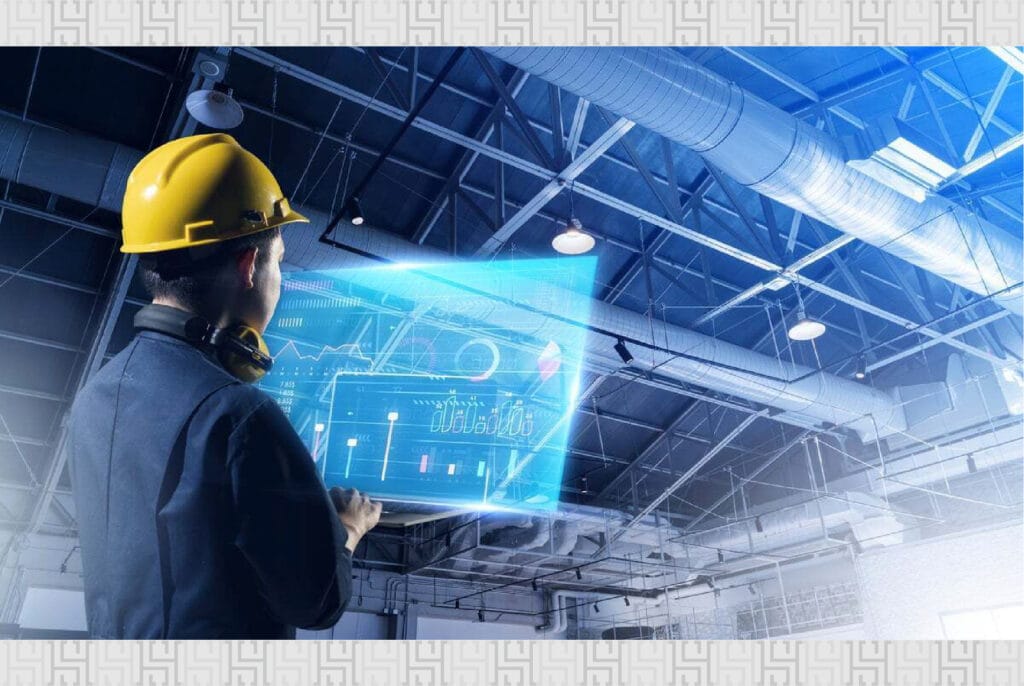
Edge computing is revolutionizing various industries by allowing data to be processed closer to the data source rather than relying solely on centralized cloud servers. This proximity significantly reduces latency, enhances data processing speed, and enables real-time decision-making. As industries increasingly adopt this technology, we see substantial improvements in operational efficiency and innovative applications tailored to specific sector needs.
Healthcare Transformations
In healthcare, edge computing is pivotal for managing and processing vast amounts of patient data in real time. By deploying edge devices in hospitals and clinics, medical staff can access critical data instantaneously, which is vital during emergencies. For instance, Mount Sinai Health System implemented edge computing to enhance its patient monitoring systems. The integration significantly reduced data transmission times, allowing healthcare providers to respond quicker to patient needs.
Additionally, edge computing plays a crucial role in telemedicine, where immediate data processing is essential for remote diagnosis and treatment. By utilizing edge devices, healthcare organizations can deliver faster services, leading to better patient outcomes.
Manufacturing Efficiency
Manufacturers are leveraging edge computing to optimize production processes and enhance supply chain management. With the ability to analyze data on-site, companies can quickly identify inefficiencies and implement corrective actions. General Electric’s use of edge computing in its manufacturing facilities exemplifies this benefit. The company has reported reduced downtime by up to 30% due to real-time analytics that monitor machine performance and predict failures before they occur.
Furthermore, edge computing supports the Internet of Things (IoT) in manufacturing, enabling smart factories where machines communicate and collaborate autonomously. This interconnectedness not only increases productivity but also reduces operational costs.
Transportation Innovations
The transportation industry is also experiencing significant transformations due to edge computing. The deployment of smart logistics solutions, such as those utilized by DHL, illustrates how real-time data processing enhances route optimization and reduces delivery times. By analyzing data from various sources like GPS, traffic patterns, and weather conditions on the edge, logistics companies can make quick adjustments to their delivery routes.
Moreover, edge computing supports autonomous vehicles by processing sensor data locally. Companies like Tesla use edge computing to analyze vehicle data in real time, allowing for faster decision-making and improved safety features. These advancements not only enhance the driving experience but also contribute to reducing traffic accidents and improving fuel efficiency.
In conclusion, edge computing is a game-changer across multiple industries, driving improvements in speed and operational efficiency while fostering innovation. By enabling real-time data processing and analysis, organizations can deliver better services and optimize their operations effectively.
Challenges and Limitations of Edge Computing
The transition to edge computing presents numerous challenges and limitations that organizations must face when integrating this technology into their operations. As businesses seek to enhance responsiveness and reduce latency, understanding these hurdles is crucial for successful implementation and ongoing management.
One of the primary challenges is the security of data at the edge. Unlike centralized cloud systems that can focus security resources in one location, edge computing distributes data processing across multiple devices and locations. This decentralization creates increased vulnerability to cyber threats. Each edge device serves as a potential entry point for attackers, necessitating robust security protocols and measures. Organizations must therefore invest in the latest cybersecurity technologies, including encryption, secure authentication, and regular software updates to mitigate these risks.
Another significant concern is data management. With vast amounts of data generated at the edge, organizations face difficulties in effectively storing, processing, and analyzing this information. The challenge lies not only in managing data volume but also in ensuring that the data collected at edge devices can be utilized effectively. Real-time data processing presents additional complexities, as organizations must balance between immediately usable data and long-term storage solutions. Implementing efficient data lifecycle management strategies and leveraging smart data analytics can aid organizations in overcoming these challenges.
The integration with existing systems poses another hurdle. Many organizations operate on legacy systems that may not be compatible with new edge computing technologies. The integration process can be resource-intensive and time-consuming, requiring careful planning and potentially significant investment in new infrastructure. Furthermore, interoperability between different edge devices and systems can complicate data sharing and operational coordination. Companies must adopt a flexible approach, ensuring that their systems are adaptable and capable of evolving with technological advancements.
In comparing the limitations of edge computing to centralized cloud computing systems, several key differences become evident. While cloud computing offers robust scalability and centralized management, it often suffers from latency issues due to the distance data must travel to reach the cloud. Edge computing, by contrast, reduces latency but introduces challenges such as device management, data consistency, and potential inefficiencies in resource allocation.
Organizations must weigh these factors carefully. Edge computing may enhance real-time data processing and reduce bandwidth costs, but these benefits can come at the price of increased complexity in management and security. Ultimately, companies must find a balance between the agility of edge computing and the control of centralized systems to create an optimal infrastructure for their needs.
“The future of computing lies not just in powerful centralized resources, but in the strategic placement of intelligence at the edge.”
The Role of IoT in Edge Computing
The Internet of Things (IoT) and edge computing are two technologies that complement each other remarkably well. IoT devices are becoming increasingly prevalent in our daily lives, collecting and transmitting vast amounts of data. However, the sheer volume and velocity of this data necessitate a shift in how we approach data processing and analysis. This is where edge computing steps in, allowing for data to be processed closer to its source, thereby enhancing efficiency and reducing latency.
When we talk about the relationship between IoT and edge computing, it’s essential to understand that IoT devices generate a significant amount of data that needs immediate analysis to drive real-time decision-making. Traditional cloud computing architectures can suffer from latency issues, especially when data needs to travel to a centralized data center for processing. This delay can be detrimental in scenarios where instant responses are critical, such as in healthcare monitoring or autonomous vehicles. By utilizing edge computing, data is processed on or near the device itself, drastically reducing the time it takes to extract valuable insights.
Real-world applications of IoT that demonstrate the benefits of edge computing include:
Applications Benefiting from Edge Computing
Many industries are leveraging the synergy between IoT and edge computing to optimize their operations. Here are some notable examples:
- Smart Cities: IoT sensors are used for traffic management, waste management, and public safety. Edge computing allows real-time traffic monitoring, enabling adaptive traffic signals that can reduce congestion and improve emergency response times.
- Healthcare: Wearable devices track patient vitals and health metrics. Edge computing enables immediate processing of this data, allowing healthcare providers to monitor patients in real-time and react swiftly to any changes.
- Manufacturing: IoT devices on factory floors collect data on machine performance. Edge computing aids in predictive maintenance by analyzing this data instantly, helping to prevent costly downtime.
- Retail: Smart shelves equipped with IoT sensors can track inventory levels. Edge computing allows for immediate alerts to restock, ensuring products are available when customers want them.
In summary, the relationship between IoT and edge computing is one of mutual enhancement, where IoT devices generate the data, and edge computing provides the architecture needed for timely processing and analysis. This connection leads to more efficient operations across various sectors, making both technologies essential in today’s digital landscape.
Security Considerations in Edge Computing Environments
As the digital landscape continues to evolve, edge computing offers remarkable benefits by processing data closer to the source, reducing latency, and enhancing performance. However, this shift also brings unique security risks that organizations must navigate. Understanding these risks and implementing robust security measures is critical to safeguarding sensitive information and maintaining compliance with regulatory standards.
The decentralized nature of edge computing introduces several security vulnerabilities that differ from traditional cloud computing. Edge devices, often deployed in less secure environments, are particularly susceptible to physical tampering or attacks. Additionally, the proliferation of Internet of Things (IoT) devices at the edge expands the attack surface significantly, making it challenging to secure every connected device. Other risks include unsecured data transmission, where sensitive information could be intercepted during transit, and challenges related to managing and securing updates for numerous distributed devices.
Unique Security Risks in Edge Computing Architectures
The security risks associated with edge computing architectures can be categorized into specific areas that organizations should address:
- Physical Security Vulnerabilities: Edge devices are often located in unsecured locations, making them prone to theft or tampering.
- Data Breaches and Interception: Without proper encryption during data transmission, sensitive data can be intercepted by malicious actors.
- Inconsistent Security Policies: Different devices and platforms might have varying security protocols, leading to inconsistent protection across the edge network.
- DDoS Attacks: Distributed Denial of Service (DDoS) attacks can target edge devices, overwhelming them with traffic and rendering services unavailable.
- Insufficient Patch Management: Regularly updating and patching edge devices can be challenging, leaving vulnerabilities unaddressed.
Implementing effective security strategies is essential for securing edge computing systems and data. Organizations can adopt several best practices, including:
Strategies for Securing Edge Computing Systems
A comprehensive security strategy for edge computing should include:
- Device Authentication and Authorization: Employ strong authentication mechanisms to ensure only authorized devices can access the network.
- Data Encryption: Utilize end-to-end encryption to protect data both at rest and in transit to mitigate potential breaches.
- Regular Security Audits: Conduct frequent security audits and vulnerability assessments to identify potential weaknesses in the system.
- Network Segmentation: Isolate edge devices from critical networks to prevent lateral movement in case of a breach.
- Real-time Monitoring: Implement continuous monitoring solutions to detect anomalous behavior and respond to threats swiftly.
Compliance and regulatory requirements play a pivotal role in edge computing security. Organizations must adhere to industry standards such as the General Data Protection Regulation (GDPR) or the Health Insurance Portability and Accountability Act (HIPAA). These regulations provide frameworks that guide data protection and privacy, ensuring that organizations maintain a robust security posture. Understanding and implementing these requirements not only protects sensitive data but also helps organizations avoid significant penalties associated with non-compliance.
Adhering to compliance standards ensures that security measures align with legal and regulatory expectations, fostering trust with customers and stakeholders.
Future Trends in Edge Computing
As technology continues to evolve, edge computing stands at the forefront, promising to revolutionize the way data is processed and analyzed. Emerging trends in edge computing indicate a shift towards more decentralized and efficient systems, directly impacting industries ranging from healthcare to manufacturing. The integration of artificial intelligence (AI) and the rollout of 5G networks are two key drivers that will shape the future landscape of edge computing.
AI Integration and Its Implications
The incorporation of AI into edge computing systems is set to enhance processing capabilities significantly. With AI algorithms running locally on edge devices, organizations can achieve faster decision-making while reducing latency. This is particularly critical in applications such as autonomous vehicles and industrial automation, where real-time data analysis is crucial.
AI’s ability to learn from data locally also means that edge devices can adapt to their environments without needing constant communication with centralized cloud systems. This not only enhances operational efficiency but also bolsters security by minimizing the risk of data breaches during transmission. For instance, in smart manufacturing, AI-powered edge devices can monitor equipment health and predict failures, enabling proactive maintenance and minimizing downtime.
Impact of 5G on Edge Computing Capabilities
The rollout of 5G technology is a game-changer for edge computing. With dramatically higher speeds and lower latency, 5G facilitates the seamless operation of IoT devices and applications that rely on edge computing. This enhanced connectivity enables a greater number of devices to be connected simultaneously, paving the way for smarter cities and more efficient industrial processes.
5G networks reduce the lag time in data transmission, making it possible for edge applications to function in real time. For instance, in healthcare, remote surgeries can be conducted with minimal delay, allowing surgeons to operate on patients from different locations. The combination of 5G and edge computing can support applications such as augmented reality (AR) training programs, where real-time interaction is crucial for effective learning.
Forecast for the Next 5 to 10 Years
Looking ahead, we can anticipate several trends that will define the evolution of edge computing over the next five to ten years. The following points encapsulate the expected advancements:
- Expansion of Edge Infrastructure: Companies will invest heavily in developing edge infrastructure, including micro data centers and edge nodes, to ensure low-latency access to data.
- Increased Adoption of Autonomous Systems: Industries will leverage edge computing to deploy autonomous systems, enhancing efficiency and reducing human error in operations.
- Enhanced Security Protocols: As the edge computing landscape grows, the need for robust cybersecurity measures will intensify, leading to the development of advanced security frameworks tailored for edge environments.
- Greater Interoperability: The future will see a push for standardization across edge devices, enhancing interoperability and enabling seamless integration between various systems and platforms.
- Integration with Edge AI: Businesses will increasingly use edge AI for predictive analytics, driving insights from data locally to improve operational decision-making.
The convergence of these trends indicates a future where edge computing is not merely an addition to cloud capabilities but a fundamental part of our digital infrastructure. As industries embrace these advancements, the potential for innovation and efficiency in data processing will expand, setting the stage for a new era of technological advancement.
Comparison of Edge Computing Solutions and Providers
Edge computing is reshaping how data is processed, stored, and analyzed by bringing computation closer to the data source. With various solutions available, organizations need to understand the strengths and weaknesses of each platform to make informed decisions that align with their specific needs. Below, we provide a detailed comparison of some of the most popular edge computing solutions and platforms in the market today.
Detailed Comparison of Popular Edge Computing Solutions
The following table Artikels key features, benefits, and drawbacks of leading edge computing platforms. This comparison highlights their capabilities, enabling potential users to evaluate which solution best meets their requirements.
| Solution | Key Features | Benefits | Drawbacks |
|---|---|---|---|
| AWS IoT Greengrass |
|
|
|
| Microsoft Azure IoT Edge |
|
|
|
| Google Cloud IoT Edge |
|
|
|
| IBM Edge Application Manager |
|
|
|
The choice of an edge computing solution can significantly impact your organization’s performance and operational efficiency.
The information provided in this comparison table serves as a guide for businesses considering the transition to edge computing. Each solution offers unique benefits and potential drawbacks, making it essential for organizations to align their goals and resources with the features of the platform that best fits their operational landscape.
Building an Edge Computing Strategy for Businesses
In the rapidly evolving digital landscape, edge computing has emerged as a vital component for businesses seeking efficiency, speed, and enhanced data processing capabilities. Organizations aiming to adopt edge computing must develop a comprehensive strategy that aligns with their specific goals and operational needs. This framework should encompass infrastructure, workforce considerations, and methods to measure success and return on investment (ROI).
Key Factors in Developing an Edge Computing Strategy
Creating a successful edge computing strategy involves several crucial factors that organizations must carefully evaluate. These include infrastructure readiness, workforce capabilities, and operational objectives.
Effective edge computing requires robust infrastructure to support data processing at the location of data generation. Here are essential considerations:
- Network Architecture: Businesses should assess their current network architecture to ensure it can handle the demands of edge computing. This may involve investing in 5G technology or enhancing existing Wi-Fi capabilities to ensure seamless connectivity.
- Data Security: With data generated at numerous locations, ensuring security is paramount. Organizations need to implement strong encryption protocols and regular security assessments to mitigate risks.
- Scalability: The edge computing strategy should be scalable, allowing businesses to easily expand their operations as demand grows without overhauling existing systems.
- Integration with Cloud Services: A hybrid approach, combining edge computing with cloud services, can optimize performance and allow for more extensive data analysis and storage.
In addition to infrastructure, workforce training plays a pivotal role in the successful implementation of edge computing. Organizations must ensure that their employees possess the necessary skills to operate and maintain edge devices effectively. This includes:
- Technical Training: Provide training programs focused on edge computing technologies to empower employees and support innovation.
- Cross-Department Collaboration: Encourage collaboration between IT and other departments to foster a culture of data-driven decision-making and enhance operational efficiency.
Measuring success and ROI from edge computing implementations is critical for ongoing investment justification. Metrics to consider include:
- Operational Efficiency: Track reductions in latency and improvements in processing speeds to gauge efficiency gains.
- Cost Savings: Analyze reductions in bandwidth costs and other related operational expenses resulting from localized data processing.
- Business Outcomes: Assess the impact on customer satisfaction and revenue growth as a direct result of enhanced services enabled by edge computing.
Including these critical factors in the edge computing strategy will enable organizations to harness the full potential of this technology and drive significant business transformation.
Final Wrap-Up
In conclusion, the rise of edge computing is a testament to our relentless pursuit of efficiency and innovation in technology. As industries continue to adopt this paradigm, we are likely to witness transformative changes that enhance operational capabilities and optimize the use of resources. Looking ahead, the integration of AI and advancements in connectivity, such as 5G, promise to propel edge computing into new frontiers, making it an exciting area to watch in the coming years.
Popular Questions
What is Edge Computing?
Edge computing is a computing paradigm that processes data near the source of data generation rather than relying solely on centralized data centers.
How does Edge Computing differ from Cloud Computing?
While cloud computing centralizes data processing, edge computing decentralizes it, allowing for faster data processing and reduced latency.
What industries benefit the most from Edge Computing?
Industries such as healthcare, manufacturing, and transportation significantly benefit from edge computing due to its ability to enhance data processing speed and operational efficiency.
What are the security risks associated with Edge Computing?
Unique security risks include data breaches, unauthorized access, and vulnerabilities due to distributed architectures.
How is IoT related to Edge Computing?
The Internet of Things generates vast amounts of data that require real-time processing, making edge computing essential for managing this data effectively.
What future trends can we expect in Edge Computing?
Emerging trends include AI integration, improved 5G connectivity, and advancements in data processing technologies, all poised to enhance edge computing capabilities.