Fiber Optics is revolutionizing the way we communicate, transmit data, and interact with the world around us. As technology evolves, fiber optics stands out as a superior alternative to traditional wiring methods, offering exceptional speed and reliability. This fiber-based communication system utilizes light transmission through thin strands of glass or plastic, enabling rapid data transfer and minimal signal loss. Understanding the fundamentals and applications of fiber optics is crucial as it plays a pivotal role in modern telecommunications, medicine, and many other industries.
From its structural components to its transformative capabilities, fiber optics showcases a fascinating blend of science and innovation. As we delve deeper into the various types of fiber optics, their advantages over traditional methods, and the challenges they present, it becomes evident that this technology is not just a trend but a cornerstone for future advancements.
Understanding the Basics of Fiber Optics
Fiber optics is a cutting-edge technology that revolutionizes data transmission, providing high-speed communication over long distances. At its core, fiber optics relies on the principles of light transmission through flexible glass or plastic fibers, which have become integral to modern telecommunications, internet services, and various medical applications. By understanding the fundamentals, one can appreciate the advantages of fiber optics in comparison to traditional copper wiring.
The fundamental principle of fiber optics is based on the concept of total internal reflection, where light traveling through a medium, such as glass, reflects off the internal surfaces, allowing it to travel long distances with minimal loss. This process occurs because of the refractive index difference between the core and the cladding of the fiber. The core, which is the central part of the fiber, has a higher refractive index than the surrounding cladding, facilitating the bending of light that keeps it contained within the core. This unique property ensures that even at bends and turns, the light continues to propagate without escaping, making fiber optics incredibly efficient for high-speed data transmission.
Structure and Components of Fiber Optic Cables
Fiber optic cables consist of several key components that work together to facilitate light transmission effectively. Understanding these components is essential for grasping how fiber optics functions.
The structure of a fiber optic cable includes:
- Core: The core is the thin strand of glass or plastic that carries the light signal. It is typically surrounded by the cladding.
- Cladding: The cladding is a layer that surrounds the core, made from a material with a lower refractive index. This design helps in maintaining total internal reflection.
- Buffer Coating: This protective layer surrounds the cladding, providing mechanical protection and moisture resistance.
- Outer Jacket: The outer jacket is the durable layer that shields the entire cable from environmental factors and physical damage.
The significance of these components lies in their collective ability to enhance the performance and durability of fiber optic cables. For instance, the cladding’s refractive index is crucial for maintaining signal integrity, while the outer jacket ensures that the cables can withstand various environmental conditions.
Light transmission within fiber optics occurs through a series of reflections as light bounces off the inner walls of the core due to the total internal reflection phenomenon. This reflection allows light signals to remain contained and travel over vast distances without significant attenuation. The flexibility of fiber optics enables them to bend around corners and obstacles, a feature not typically found in traditional copper wires.
In practical applications, fiber optics are utilized in telecommunications, where they have largely replaced copper cables for internet and telephone services, facilitating faster data transfer across the globe. The efficiency and capacity of fiber optics have made them the backbone of modern communication networks, showcasing their vital role in our increasingly connected world.
The Different Types of Fiber Optics
Fiber optics technology has revolutionized data transmission by using light to transfer information over long distances. Understanding the different types of fiber optics is crucial for selecting the right solution for various applications. The two primary types of fiber optic cables are single-mode and multi-mode fibers, each with unique characteristics that make them suitable for different uses.
Single-mode fibers have a smaller core diameter, typically around 8 to 10 micrometers. This design allows only one mode of light to propagate, which significantly reduces signal loss and allows for higher bandwidth over long distances. In contrast, multi-mode fibers have a larger core diameter, usually between 50 to 62.5 micrometers, allowing multiple light modes to travel simultaneously. This can lead to modal dispersion, whereby different light paths arrive at different times, limiting the effective transmission distance and bandwidth.
Comparison of Single-Mode and Multi-Mode Fibers
Both fiber types have specific applications and advantages that cater to different networking needs. Below is an overview of each type’s applications and a comparison table that summarizes their advantages and disadvantages.
Single-mode fibers are ideal for long-distance communication. They are widely used in telecommunications, internet backbones, and high-capacity data links. For instance, a single-mode fiber is commonly employed in long-haul network systems, connecting cities over hundreds of kilometers. Their capability to maintain signal integrity over vast distances makes them essential for connecting rural areas to urban data centers.
Multi-mode fibers, on the other hand, are suitable for shorter distances, typically within a building or a campus. They are frequently used in local area networks (LANs), data centers, and video surveillance systems. A notable application of multi-mode fibers is in connecting servers to switches in data centers, where the distances usually do not exceed a few hundred meters.
| Type | Advantages | Disadvantages |
|---|---|---|
| Single-Mode |
|
|
| Multi-Mode |
|
|
Applications of Fiber Optics in Modern Technology
Fiber optics technology has revolutionized a multitude of industries, offering innovative solutions that enhance efficiency and performance. This advanced method of transmitting data through light signals has paved the way for significant advancements in telecommunications, medicine, and data transmission, among other sectors. The versatility and capacity of fiber optics make it a cornerstone of modern technological applications.
Telecommunications and Internet Connectivity
The telecommunications industry is perhaps the most well-known beneficiary of fiber optics technology. By leveraging the high-speed capabilities of fiber optic cables, service providers can transmit vast amounts of data over long distances without significant loss of quality. The impact of fiber optics in this sector is monumental, revolutionizing the way we communicate and access information.
Key advantages of fiber optics in telecommunications include:
- High Bandwidth: Fiber optics offer significantly higher bandwidth compared to traditional copper cables, allowing for faster internet speeds and improved streaming capabilities.
- Long Distance Transmission: Fiber optic cables can transmit signals over hundreds of kilometers without the need for signal boosters, making them ideal for global communication networks.
- Reduced Interference: Unlike electrical signals, light signals in fiber optics are less susceptible to electromagnetic interference, ensuring clearer communication.
A practical example is the rollout of fiber-to-the-home (FTTH) initiatives in various urban areas, where residents benefit from ultra-fast internet connections, enabling everything from remote work to online education.
Medical Applications of Fiber Optics
In the medical field, fiber optics play an essential role in diagnostics and treatment procedures. The ability to deliver light to hard-to-reach areas of the body has transformed minimally invasive surgeries and improved the accuracy of various medical instruments.
Applications in medicine include:
- Endoscopy: Fiber optic endoscopes allow doctors to view internal organs with minimal intrusion, providing real-time images and facilitating quicker diagnoses.
- Laser Surgery: Fiber optics enable precise delivery of laser energy to targeted tissues, reducing recovery times and enhancing surgical outcomes.
- Phototherapy: Fiber optic devices are utilized in treating skin conditions and promoting healing through targeted light therapy.
For instance, the development of fiber optic endoscopes has significantly reduced the need for more invasive surgical procedures, enabling faster patient recovery and lower healthcare costs.
Data Transmission and Networking
Data transmission is another area where fiber optics have made a profound impact. With the rise of cloud computing and big data, the demand for high-speed data transmission has surged, making fiber optics an ideal solution for data centers and enterprise networks.
The advantages of fiber optics in this context include:
- High-Speed Data Transfer: Fiber optics can transmit data at speeds exceeding 100 Gbps, which is crucial for data-heavy applications such as video conferencing and online gaming.
- Enhanced Security: Fiber optic cables are more secure than traditional copper wires, as they are difficult to tap into without detection.
- Scalability: Fiber optics provide the infrastructure needed to support growing data demands, easily accommodating increasing traffic loads.
A notable case study demonstrating successful fiber optic implementation is the Google Fiber project. Launched in 2010, this initiative aimed to provide high-speed internet services in select cities. Google Fiber has shown how fiber optics can enhance internet accessibility, leading to increased competition and improved service offerings in the telecommunications market.
The Advantages of Using Fiber Optics Over Traditional Wiring
In the ever-evolving landscape of telecommunications and data transmission, fiber optics stand out as a groundbreaking alternative to traditional copper wiring. This technology harnesses the principle of light transmission through glass or plastic fibers, offering numerous advantages that are hard to ignore. The transition from copper to fiber optics not only enhances performance but also promises long-term benefits that can significantly impact the operational efficiency of businesses and infrastructures.
Higher Data Speeds and Greater Bandwidth
One of the most significant advantages of fiber optics is their ability to support higher data speeds and greater bandwidth compared to traditional copper wiring. Fiber optic cables can transmit data at speeds exceeding 1 Gbps, with some systems reaching up to 100 Gbps or more. This remarkable capability stems from the use of light signals, which can carry vast amounts of information simultaneously without the attenuation and interference that often plague copper cables.
The benefits of higher data speeds and bandwidth include:
-
Reduced latency:
Fiber optics allow for quicker data transmission, resulting in minimal delay and improved communication performance.
-
Increased capacity:
Fiber systems can support numerous channels of data simultaneously, accommodating the growing demand for bandwidth from applications such as cloud computing and streaming services.
-
Enhanced reliability:
Light signals are less susceptible to electromagnetic interference, ensuring consistent performance even in environments with high electrical noise.
Long-term Cost Benefits and Durability
While the initial investment in fiber optic installation may be higher than copper wiring, the long-term cost benefits and durability of fiber optics make them a wise choice. Fiber optic cables are made from resistant materials that are not prone to corrosion, making them suitable for various environmental conditions.
The long-term advantages include:
-
Lower maintenance costs:
Fiber optics require less frequent repairs and replacement, leading to reduced maintenance expenses over time.
-
Energy efficiency:
Fiber optic systems consume less power than copper networks, providing cost savings on energy bills.
-
Future-proofing:
As data demands continue to increase, fiber optics can be upgraded without the need for complete system overhauls, allowing organizations to adapt to changing technology without incurring excessive costs.
In summary, the migration from traditional copper wiring to fiber optics presents a host of advantages, particularly in terms of data transmission speed, reliability, and long-term financial benefits. The durability and efficiency of fiber optic systems make them an invaluable asset for modern communication needs.
Challenges and Limitations of Fiber Optics
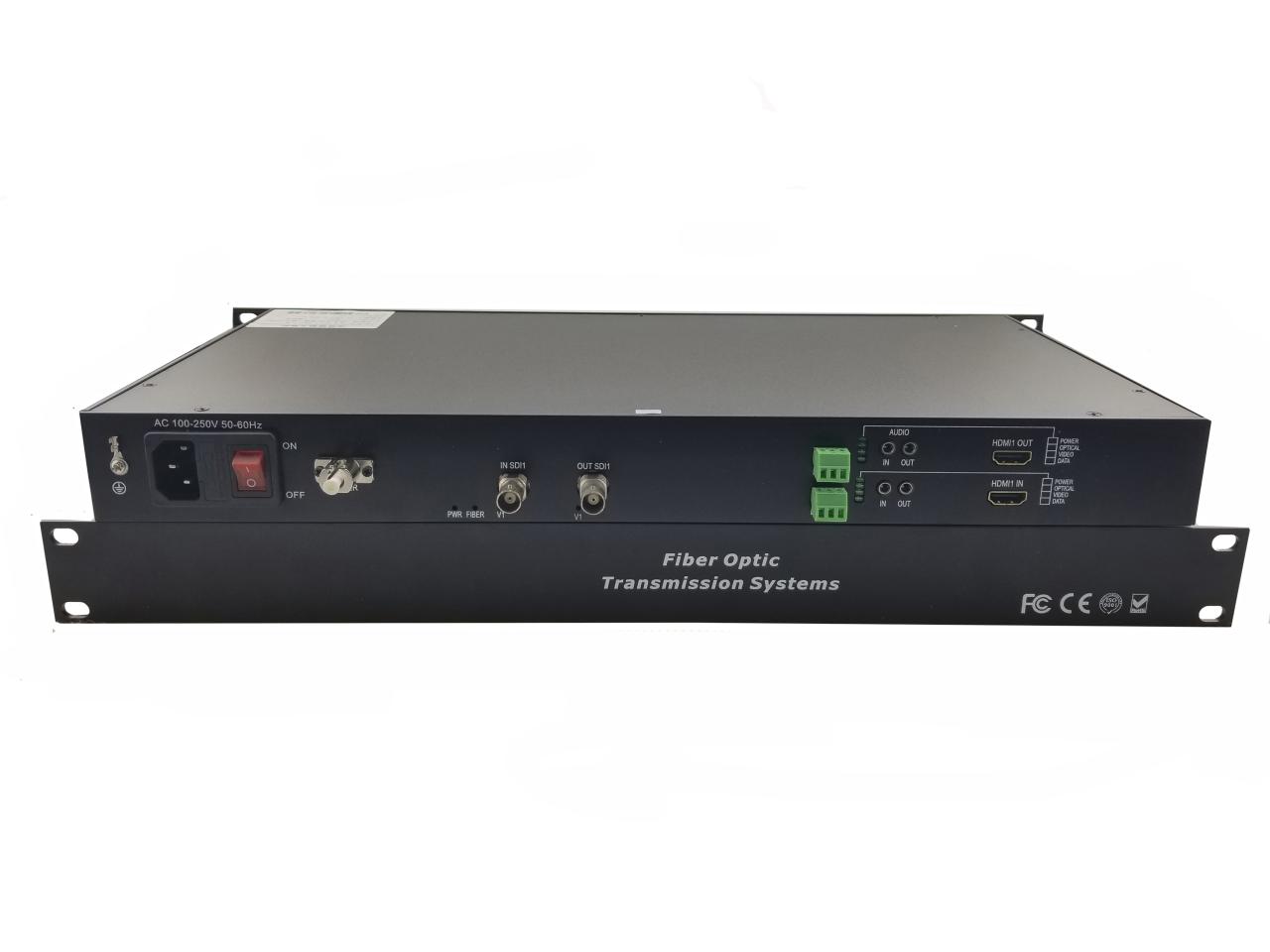
The deployment of fiber optic technology has revolutionized communication, but it also comes with its own set of challenges and limitations. Understanding these hurdles is essential for ensuring efficient installation, maintenance, and optimal performance of fiber optic systems. This segment explores common difficulties encountered in the field and offers insights into how to mitigate these issues.
Challenges Faced During Installation and Maintenance
Fiber optic installation and maintenance can be complex due to various factors. One of the primary challenges is the fragility of the fibers themselves. Unlike traditional copper cables, fiber optics are sensitive to bends and twists, which can lead to signal loss or complete failure. The installation process requires precision and care, as mishandling can cause micro-bends that degrade performance.
Environmental conditions also play a significant role in installation challenges. For instance, outdoor installations must contend with weather elements like extreme temperatures, moisture, and physical obstructions. These factors can affect the integrity of the fiber and complicate the installation process. Furthermore, the need for specialized tools and training means that labor costs can be higher than with other types of cabling.
Maintenance poses its own set of challenges. Identifying and isolating faults can be difficult due to the nature of optical signals. Unlike electrical signals, which can be traced through voltage changes, optical signals require advanced equipment for diagnostics. This can lead to longer downtime for repairs, causing inconveniences for users.
Factors Limiting Performance of Fiber Optic Systems
Several factors can limit the overall performance of fiber optic systems. One significant factor is attenuation, which refers to the loss of signal strength as it travels along the fiber. This loss can be attributed to impurities in the glass, bending losses, or connectors that do not meet standards. As a result, careful selection and installation of components are critical to minimize this issue.
Dispersion is another performance-limiting factor. This occurs when different wavelengths of light travel at different speeds, causing signal distortion, especially over long distances. Modal dispersion is a concern in multimode fibers, while chromatic dispersion affects single-mode fibers. Both types require careful management to ensure high-quality transmission.
Precautions and Best Practices
Mitigating the challenges associated with fiber optics requires adherence to best practices throughout installation and maintenance. Below are several precautions to consider:
To ensure longevity and performance, it is crucial to follow these guidelines:
- Utilize proper handling techniques to prevent micro-bends and physical damage during installation.
- Conduct thorough site surveys to account for environmental factors and plan for appropriate cable routing.
- Employ experienced technicians for installation and maintenance to minimize human error.
- Regularly inspect and clean connectors to avoid contamination that can affect signal quality.
- Utilize quality components that meet industry standards to reduce attenuation and dispersion.
- Implement monitoring systems to detect issues early and minimize downtime during repairs.
By adhering to these best practices, the challenges associated with fiber optics can be effectively managed, ensuring a reliable and high-performance communication network.
The Future of Fiber Optics Technology
As we look ahead, the realm of fiber optics technology is poised for transformative advancements that promise to revolutionize various industries. With the increasing demand for high-speed internet and the need for reliable telecommunications infrastructure, fiber optics is becoming the backbone of modern connectivity. Emerging trends and innovations in this field are set to redefine how we communicate, transmit data, and even interact with our environments.
One of the most significant emerging trends in fiber optics is the integration of artificial intelligence (AI) and machine learning into fiber optic networks. This integration can greatly enhance network management, allowing for predictive maintenance and optimized performance. AI can analyze traffic patterns, predict potential outages, and automate repairs, ensuring minimal downtime and improved service quality. The introduction of AI-driven analytics platforms is expected to lead to more efficient network operations, which is crucial as data demands continue to soar.
Advancements in Fiber Optic Technologies
The future of fiber optics is not just about faster speeds; it also encompasses various innovative technologies that are shaping the landscape. Key advancements include:
- Space Division Multiplexing (SDM): This innovative technique allows multiple signals to be transmitted simultaneously through different spatial channels within the same fiber, significantly increasing the capacity of fiber optic cables. SDM could potentially enable terabits per second of data transmission, which is critical as global data traffic continues to escalate.
- Hollow-Core Fiber Optics: Utilizing air-filled channels instead of solid glass, hollow-core fiber optics can reduce signal loss and allow for higher transmission speeds. This technology is particularly promising for applications requiring ultrafast communication, such as real-time data processing in cloud computing.
- Photonic Crystal Fibers: These fibers manipulate light in ways that traditional fibers cannot, allowing for highly specialized applications in telecommunications and sensing. Their unique properties can lead to breakthroughs in medical technology, including advanced imaging and diagnostics.
- Quantum Communication: As security becomes increasingly paramount, quantum cryptography via fiber optics presents a revolutionary method of secure communication. This technology uses the principles of quantum mechanics to create unhackable communication channels, paving the way for secure data transmission in various sectors.
The potential applications for fiber optics are virtually limitless, spanning from telecommunications to healthcare and beyond. For instance, in the healthcare sector, fiber optic technology is making strides in medical imaging, allowing for high-resolution images and minimally invasive procedures. Furthermore, advancements in fiber optics are expected to enhance the Internet of Things (IoT), enabling smarter cities and interconnected devices that communicate seamlessly.
Expert predictions indicate that the fiber optics market will experience exponential growth in the coming years. According to a report from Research and Markets, the global fiber optics market is anticipated to reach $9.5 billion by 2024, driven by increasing demand for high-speed internet and the expansion of data centers. Industries such as telecommunications, automotive, and healthcare are expected to lead this growth, with fiber optics becoming integral to their operational frameworks.
In summary, the future of fiber optics technology is bright, with a wave of innovations on the horizon. As we harness these advancements, they will not only improve existing technologies but also create entirely new possibilities that will shape our digital future.
Best Practices for Installing Fiber Optic Networks
Installing fiber optic networks requires careful planning, technical expertise, and adherence to best practices to ensure optimal performance and longevity. Understanding the unique characteristics of fiber optic cables and the environments in which they are installed can significantly impact the success of the deployment.
Fiber optic installations involve various stages, including site assessment, cable selection, installation procedures, and testing. Each of these steps is crucial in establishing a reliable and efficient network. It is essential to consider factors such as the environment, existing infrastructure, and specific application requirements. Proper execution of these practices minimizes downtime and enhances overall network efficiency.
Essential Steps and Considerations
Several key steps and considerations should guide the installation of fiber optic networks. These practices not only enhance installation efficiency but also ensure the durability and reliability of the network over time.
1. Site Assessment: Conduct a thorough assessment of the installation site to identify potential challenges such as physical barriers, electrical interference, and existing cabling. This will help in determining the optimal routing for the fiber optic cables.
2. Choosing the Right Equipment: Select appropriate fiber types (single-mode or multi-mode) based on the distance and bandwidth requirements. Ensure that connectors, splices, and hardware are compatible with the chosen fiber.
3. Cable Installation Techniques: Use appropriate installation techniques that minimize stress on the cables. Avoid sharp bends and ensure that the maximum bending radius is adhered to. Proper cable handling prevents damage to the fibers.
4. Environmental Considerations: Take into account environmental factors such as temperature fluctuations, moisture, and potential exposure to chemicals. Use protective conduits and ensure proper sealing where required.
5. Testing and Documentation: Once installation is complete, conduct thorough testing to verify signal quality and integrity. Document the installation process, including cable routes, splice locations, and test results.
Installation Checklist for Fiber Optics
Having a checklist simplifies the installation process and ensures that no critical steps are overlooked. The following checklist Artikels key tasks that should be followed during installation:
– [ ] Conduct site assessment and planning.
– [ ] Select appropriate fiber optic cables based on requirements.
– [ ] Gather necessary tools and equipment (e.g., fusion splicer, OTDR).
– [ ] Prepare the installation environment (e.g., clear pathways, secure permits).
– [ ] Install protective conduits where needed.
– [ ] Install cables while respecting bending radius and avoiding sharp turns.
– [ ] Terminate fibers and install connectors.
– [ ] Perform fusion splicing where required.
– [ ] Conduct testing of installation (e.g., insertion loss, OTDR).
– [ ] Document installation with detailed maps and test results.
Safety Measures During Installation
Safety is paramount during fiber optic installation, especially given the delicate nature of the cables and the potential hazards on-site. Implementing proper safety measures can prevent accidents and ensure a smooth installation process.
– Personal Protective Equipment (PPE): Installers should wear appropriate PPE, including safety glasses, gloves, and hard hats, to protect against physical hazards.
– Handling Fiber Cables Safely: Fiber optic cables require careful handling to avoid breakage and injury from sharp ends. Always use proper tools for cutting and stripping cables.
– Awareness of Electrical Hazards: Be aware of existing electrical systems in the installation area. Use appropriate grounding techniques to prevent electrical shocks.
– Emergency Procedures: Familiarize the installation team with emergency procedures and first aid measures in case of accidents.
– Training and Certification: Ensure that all installers are properly trained and certified in fiber optic installation techniques and safety protocols.
Implementing these best practices not only enhances the quality and reliability of fiber optic networks but also ensures the safety of the installation team and the integrity of the infrastructure being built.
Exploring Fiber Optics in Medical Applications
Fiber optics have become a game-changer in the medical field, offering innovative solutions that enhance diagnostics, treatment, and patient care. Their ability to transmit light and data over long distances with minimal loss has made them invaluable in various medical technologies, ranging from simple endoscopes to complex surgical systems. The integration of fiber optic technology into medicine not only improves visualization and access but also fosters the development of minimally invasive procedures that benefit patient recovery and outcomes.
Fiber optics are utilized in a wide range of medical technologies, primarily in imaging and surgical applications. The most notable use is in endoscopy, where fiber optic cables allow doctors to view internal organs and structures with great clarity. This imaging technique enables procedures like bronchoscopy, gastroenteroscopy, and colonoscopy, which are essential for diagnosing conditions such as tumors, ulcers, and infections. The thin and flexible nature of fiber optics means that these instruments can navigate tight spaces within the human body, providing real-time video feed without large incisions.
Examples of Medical Devices Using Fiber Optics
Several medical devices rely on fiber optic technology to enhance their functionality and efficacy. Key examples include:
- Endoscopes: These are perhaps the most recognized devices utilizing fiber optics, allowing for minimally invasive exploration and treatment in various body cavities.
- Laser Surgery Systems: Fiber optics enable precise delivery of laser energy directly to targeted tissues, making procedures like laser lithotripsy and LASIK eye surgery safer and more effective.
- Phototherapy Devices: In treatments like neonatal jaundice therapy, fiber optics are used to deliver specific wavelengths of light to patients, promoting the breakdown of bilirubin in the blood.
- Optical Coherence Tomography (OCT): This imaging technique employs fiber optics to provide high-resolution cross-sectional images of tissues, significantly aiding in the diagnosis of eye diseases and cardiovascular conditions.
The advantages of fiber optics in minimally invasive surgeries are significant. Firstly, these techniques reduce the size of incisions needed, which leads to less trauma, reduced pain, and shorter recovery times for patients. As a result, many patients can go home the same day as their procedure. Additionally, the enhanced visualization provided by fiber optics allows surgeons to perform complex operations with greater precision. The ability to illuminate and magnify internal structures facilitates accurate targeting of affected areas while minimizing damage to surrounding healthy tissue.
In summary, fiber optics serve a crucial role in the advancement of medical technologies by providing effective solutions that enhance both diagnostic capabilities and treatment methods, ultimately improving patient outcomes and experiences.
Wrap-Up
In summary, fiber optics is not merely an enhancement in the field of communication; it represents a significant leap toward a more interconnected and efficient world. With its vast applications across diverse sectors, this technology continues to shape the landscape of modern infrastructure. As we look toward the future, the potential of fiber optics is boundless, promising even greater advancements that will redefine how we perceive data transmission and connectivity in our daily lives.
Expert Answers
What is fiber optics?
Fiber optics is a technology that uses thin strands of glass or plastic to transmit data as light signals, enabling high-speed communication.
How does light transmission occur in fiber optics?
Light transmission in fiber optics occurs through total internal reflection, allowing light to travel long distances without significant loss.
What are the main types of fiber optics?
The main types of fiber optics are single-mode fibers, which transmit light over longer distances, and multi-mode fibers, which are designed for shorter distances but can carry more data at once.
What are some common uses of fiber optics?
Common uses of fiber optics include telecommunications, internet connectivity, medical devices, and surveillance systems.
Are there limitations to fiber optic technology?
Yes, limitations include installation complexity, potential signal degradation over long distances, and susceptibility to physical damage.
How can I ensure the safe installation of fiber optic networks?
To ensure safe installation, follow best practices, use proper equipment, and observe safety measures to prevent accidents during the installation process.