Embedded Systems are the unsung heroes of modern technology, seamlessly integrating into our daily lives and revolutionizing the way devices function. These specialized computing systems are designed to perform dedicated tasks, often within larger mechanical or electrical systems, making them a crucial component in industries ranging from automotive to healthcare.
What sets embedded systems apart is their unique characteristics, including real-time operation, reliability, and efficiency, which are essential in environments requiring precise control and immediate response. Understanding their diverse applications and the technology that drives them can open up a world of possibilities in innovation and design.
Embedded Systems and Their Characteristics
Embedded systems are specialized computing systems designed to perform dedicated functions within larger systems. Unlike general-purpose computers, which are built to handle a wide range of tasks, embedded systems are optimized for specific applications, making them integral to various technologies, from household appliances to industrial machines. Their primary functions include controlling devices, processing data, and managing system operations efficiently.
The characteristics that set embedded systems apart from conventional computing systems include their specificity, efficiency, and integration. Unlike traditional computers, which are equipped with versatile hardware and software capabilities, embedded systems are typically built with tailored components and software that focus on particular tasks. This specialization allows for more efficient use of resources, leading to lower power consumption and faster response times. Moreover, embedded systems are often real-time systems, meaning they are designed to process data and provide outputs within strict timing constraints, which is crucial in applications like automotive safety systems or medical devices.
Unique Characteristics of Embedded Systems
Embedded systems possess several unique characteristics that distinguish them from general-purpose computing systems. Understanding these features is essential for appreciating their functionality and application.
- Dedicated Functionality: Embedded systems are designed for specific tasks, which enables them to execute operations more efficiently than general-purpose computers.
- Real-Time Operation: Many embedded systems operate under real-time constraints, requiring them to process data and respond within precise time limits to ensure proper functioning.
- Resource Constraints: These systems often have limited processing power, memory, and storage capabilities, necessitating optimized software and hardware design.
- Integration with Hardware: Embedded systems are typically closely integrated with the hardware they control, allowing for streamlined communication and enhanced performance.
- Reliability and Stability: Due to their dedicated nature, embedded systems must maintain high reliability and stability, as failures can lead to significant issues in critical applications.
“Embedded systems are the backbone of modern technology, providing functionality that supports a vast array of devices from simple appliances to complex industrial machines.”
Significance of Real-Time Operations in Embedded Systems
Real-time operations are crucial in embedded systems, particularly in applications where timing is vital for safety and performance. Understanding the importance of real-time processing helps illustrate the capabilities embedded systems offer.
- Safety-Critical Applications: In automotive systems, real-time operations ensure that safety features, such as airbag deployment, engage within milliseconds of an impact.
- Medical Devices: Real-time monitoring in devices like pacemakers is essential for adjusting heart rhythms instantly, which can be a matter of life and death.
- Industrial Automation: In manufacturing, real-time control systems manage processes to optimize production rates and maintain quality standards.
- Consumer Electronics: Devices such as smart thermostats rely on real-time data to adjust settings based on user behavior and environmental changes.
“The ability to perform tasks in real-time is what makes embedded systems indispensable in critical applications where timing and precision are paramount.”
Types of Embedded Systems in Various Industries
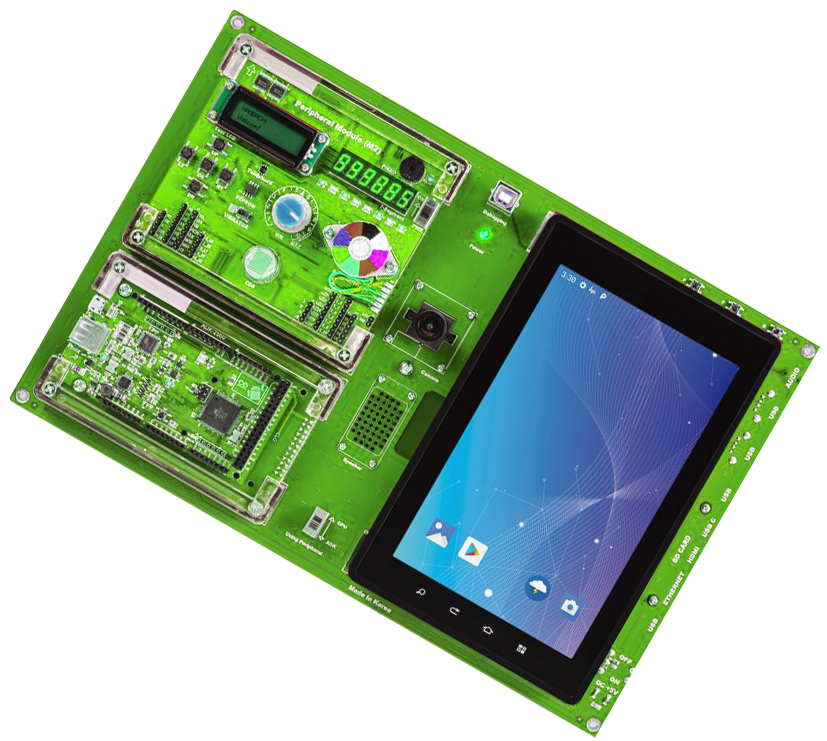
Embedded systems play a crucial role in a wide range of industries by providing specialized computing solutions tailored to specific applications. These systems are integral for enhancing efficiencies, ensuring safety, and improving overall performance across multiple sectors. The diversity of embedded systems reflects the unique requirements and challenges faced in each industry, from automotive to healthcare and telecommunications.
Automotive Embedded Systems
Automotive embedded systems are designed to enhance vehicle performance, safety, and driver comfort. They are critical for modern automobile functionalities, enabling a range of applications that improve both the driving experience and vehicle reliability. Below are some notable applications in this sector:
- Engine Control Units (ECUs): Manage engine functions and optimize fuel efficiency.
- Anti-lock Braking Systems (ABS): Prevent wheel lock-up during braking to enhance safety.
- Adaptive Cruise Control: Automatically adjusts vehicle speed to maintain a safe distance from the car ahead.
- Infotainment Systems: Provide entertainment and navigation features, often integrating with smartphones.
- Lane Departure Warning Systems: Alerts drivers when they unintentionally drift out of their lane.
The implementation of these systems significantly improves vehicle performance, safety, and user experience, contributing to the advancement of smart automotive technologies.
Healthcare Embedded Systems
In the healthcare industry, embedded systems are pivotal for monitoring and managing patient health, ensuring timely medical responses, and improving treatment outcomes. Their applications are designed to enhance patient care and streamline medical processes. Some examples include:
- Patient Monitoring Systems: Track vital signs such as heart rate and blood pressure in real-time.
- Medical Imaging Devices: Facilitate high-resolution imaging for diagnostics, such as MRI and ultrasound machines.
- Insulin Delivery Systems: Automatically deliver insulin to diabetic patients based on continuous glucose monitoring.
- Wearable Health Devices: Monitor physical activity and health metrics, often connected to mobile applications for data analysis.
- Telemedicine Solutions: Enable remote consultations and health assessments, improving access to care.
These embedded systems not only enhance efficiency in healthcare delivery but also empower patients with better health management tools.
Telecommunications Embedded Systems
In telecommunications, embedded systems are essential for managing and transmitting data efficiently. These systems support a range of communication devices and infrastructure, ensuring reliable connectivity. Key applications include:
- Network Routers and Switches: Direct data traffic effectively across networks, enhancing communication speed and reliability.
- Mobile Base Stations: Facilitate cellular communication by connecting mobile devices to networks.
- VoIP Devices: Enable voice communication over the internet, replacing traditional phone systems.
- Modems: Convert digital data for transmission over phone lines, cable systems, or satellite links.
- Signal Processing Systems: Optimize signal quality and reduce noise in communication channels.
The integration of these systems in telecommunications enhances service quality, increases network capacity, and ensures seamless connectivity for users.
The Role of Microcontrollers in Embedded Systems
Microcontrollers serve as the backbone of many embedded systems, enabling them to perform specific tasks efficiently and effectively. These compact integrated circuits are designed to handle control-oriented applications, playing a critical role in modern technology. Their versatility makes them integral to a wide array of devices, from home appliances to automotive systems, ensuring functionality and performance.
Microcontrollers are designed to manage input and output operations, process data, and execute specific tasks within embedded systems. They combine a microprocessor core, memory, and programmable input/output peripherals into a single chip, making them ideal for applications that require real-time control. Their ability to process information quickly and respond to inputs allows for the automation of countless processes, elevating the standard of modern technology and enhancing user experiences.
Components of a Microcontroller
Understanding the components of a microcontroller helps to appreciate its function within embedded systems. The main components include:
- Central Processing Unit (CPU): The CPU is the brain of the microcontroller. It executes instructions from the program memory and processes data, controlling the operation of the embedded system.
- Memory: Microcontrollers typically have various types of memory, including:
- Flash Memory: Used for storing the program code, allowing for reprogramming and updates.
- RAM: Temporary storage for data and variables that the CPU uses during operation.
- EEPROM: Non-volatile memory used for storing critical data that must be preserved when the system is powered off.
- Input/Output Ports: These ports enable communication between the microcontroller and external devices. They can be configured as digital or analog inputs and outputs, essential for interacting with sensors and actuators.
- Timers and Counters: These components are crucial for timing tasks and generating specific events. They help maintain accurate time intervals for operations, which is vital in real-time applications.
- Analog-to-Digital Converters (ADC): ADCs convert analog signals from sensors into digital data that the microcontroller can process, allowing it to understand and react to real-world inputs.
- Communication Interfaces: Microcontrollers often include interfaces like UART, SPI, and I2C, enabling them to connect and communicate with other devices and systems.
Advantages of Microcontrollers over Microprocessors
Microcontrollers offer several advantages compared to microprocessors, particularly in embedded applications. Their integration of multiple functionalities into a single chip translates to various benefits:
- Cost-Effectiveness: Microcontrollers are typically less expensive than microprocessors, especially when considering the additional components microprocessors require for similar functionalities.
- Power Efficiency: Microcontrollers generally consume less power, making them suitable for battery-operated devices and applications where energy efficiency is crucial.
- Compact Size: With all essential components integrated into a single chip, microcontrollers save space, which is particularly beneficial in compact embedded systems.
- Real-Time Processing: Microcontrollers are designed for real-time applications, providing faster response times and precise control, which is essential for systems like automotive control units and home automation devices.
- Simplicity of Design: The all-in-one nature of microcontrollers simplifies the design process for engineers, reducing development time and potential errors associated with connecting multiple components.
“Microcontrollers are not just components; they are the heart and soul of embedded systems, enabling the seamless integration of technology into everyday life.”
Programming Languages Commonly Used in Embedded Systems
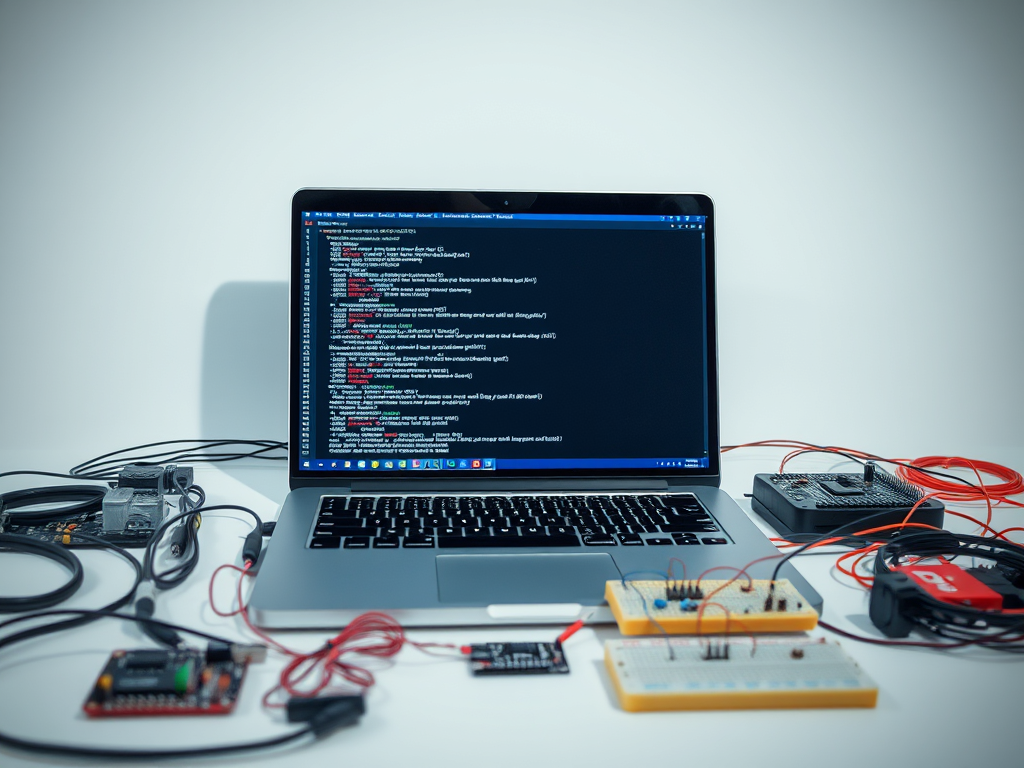
In the realm of embedded systems, programming languages play a crucial role in ensuring the efficient performance of devices ranging from simple microcontrollers to complex systems like automotive control units. The choice of programming language can significantly impact system efficiency, resource management, and development time. This discussion highlights the most commonly used languages in embedded systems and compares their features and benefits.
C Programming Language
C is the most widely used programming language in embedded systems due to its efficiency and proximity to hardware. It provides low-level access to memory and hardware resources, enabling developers to write programs that are both fast and resource-efficient. The key features of C include:
- Portability: Code written in C can be easily ported to different hardware platforms with minimal changes.
- Efficiency: C programs can be optimized for speed and memory usage, which is critical in resource-constrained environments.
- Control: C allows for fine-tuned control over system resources, making it suitable for real-time applications.
C remains the go-to choice for many embedded developers due to its balance between high-level abstraction and low-level functionality.
C++ Programming Language
C++ builds upon C by adding object-oriented features like classes and inheritance, which can be beneficial in managing complex embedded systems. Its features and benefits include:
- Object-Oriented Programming: C++ facilitates better organization of code, making it easier to manage large applications.
- Reusability: The use of classes and objects promotes code reusability, reducing development time and effort.
- Templates: C++ templates enable generic programming, allowing developers to write flexible and reusable code.
C++ is particularly advantageous for larger projects that require maintainability and scalability.
Assembly Language
Assembly language is often used for performance-critical sections of embedded systems programming, providing a very low-level interface to the hardware. Its characteristics include:
- Speed: Programs written in assembly are highly optimized for performance, as they are translated directly into machine code.
- Hardware Control: Assembly language allows for direct manipulation of hardware resources, making it suitable for time-sensitive applications.
- Size Optimization: It can lead to smaller code sizes, which is essential in environments with limited memory.
While assembly language provides high performance, it comes at the cost of increased complexity and reduced portability.
Best Practices for Programming in Embedded Environments
To maximize effectiveness in embedded programming, certain best practices should be adhered to:
- Code Optimization: Focus on writing efficient algorithms that minimize resource usage and execution time.
- Modular Design: Break down code into smaller, manageable modules to enhance readability and maintainability.
- Real-time Considerations: Consider the timing and scheduling constraints of the application to ensure real-time performance.
- Thorough Testing: Implement rigorous testing strategies, including unit tests and integration tests, to ensure reliability.
- Documentation: Maintain clear and concise documentation to facilitate understanding and future modifications.
Following these best practices can significantly reduce development time and improve the overall quality of embedded systems.
Challenges Encountered in Embedded Systems Design
The design and implementation of embedded systems come with a unique set of challenges that can significantly impact the project’s success. Embedded systems are often required to operate under strict constraints such as limited resources, power consumption, and real-time performance, making their design complex and demanding. Understanding these challenges is crucial for engineers and developers aiming to create efficient, reliable, and robust embedded systems.
Resource Limitations
One of the primary challenges in embedded systems design is dealing with limited resources such as processing power, memory, and storage. Embedded systems often run on microcontrollers or processors with constrained capabilities compared to general-purpose computers. This limitation forces designers to optimize their code and system architecture significantly.
To navigate these constraints effectively, developers can implement various strategies:
- Code Optimization: Streamlining algorithms and utilizing efficient data structures can minimize memory usage and enhance processing speed.
- Choosing the Right Hardware: Selecting appropriate microcontrollers or processors that meet performance requirements without exceeding resource limits is critical.
- Modular Design: Breaking down larger systems into smaller modules can facilitate better resource management and system scalability.
Real-world examples include the development of wearable health devices, which must operate on limited battery power while providing real-time health monitoring. Manufacturers like Fitbit have successfully created devices that utilize low-power components and optimized algorithms to extend battery life while delivering necessary features.
Real-Time Constraints
Embedded systems often need to meet stringent real-time requirements, where response times to external stimuli are crucial. Delays in processing can lead to system failures or hazardous situations, particularly in applications like automotive systems or medical devices.
To address real-time constraints, engineers can adopt several approaches:
- Real-Time Operating Systems (RTOS): Using an RTOS can help manage tasks more efficiently, offering priority scheduling to ensure critical tasks are executed within time constraints.
- Task Prioritization: Identifying and prioritizing tasks based on their urgency and importance can help ensure timely execution.
- Hardware Interrupts: Utilizing hardware interrupts can allow the system to respond immediately to critical events without delay.
An illustrative example is the use of RTOS in avionics systems, where timing is crucial for flight safety. Companies like Boeing have employed these systems to ensure that flight control mechanisms respond instantaneously to pilot commands, thereby enhancing safety and performance.
Integration and Compatibility Issues
Another challenge faced during embedded systems design is integrating various components, sensors, and communication protocols. Compatibility issues may arise due to differences in hardware or software standards, which can hinder system functionality.
Strategies to overcome integration challenges include:
- Standardized Protocols: Utilizing industry-standard communication protocols, such as MQTT or CAN, can enhance interoperability between devices.
- Simulation Tools: Employing simulation tools during the design phase can help identify potential integration issues before hardware implementation.
- Modular Interfaces: Designing systems with modular interfaces can simplify the integration of different components and allow for easier upgrades in the future.
A case study demonstrating successful integration is the development of smart home systems, where various devices from different manufacturers must work seamlessly together. Companies like Google have developed comprehensive integration platforms like Google Home, which enables various devices to communicate effectively, despite differing standards.
Debugging and Testing Challenges
Debugging embedded systems can be particularly challenging due to their hardware dependencies and real-time operation. Traditional debugging methods may not be effective or feasible in embedded environments, resulting in prolonged development cycles.
To improve debugging and testing processes, engineers can use:
- In-Circuit Emulators (ICE): These devices can simulate real hardware conditions, enabling more thorough testing of the embedded system.
- Automated Testing Tools: Implementing automated testing can streamline the debugging process, allowing for faster identification of issues.
- Continuous Integration/Continuous Deployment (CI/CD): Employing CI/CD practices ensures that code changes are continuously tested, reducing the likelihood of introducing new bugs.
For instance, automotive manufacturers utilize advanced debugging tools to ensure the reliability of safety systems in vehicles. Companies like Tesla have implemented robust testing frameworks that enable rapid iteration and validation of their embedded software, fostering a culture of continuous improvement and reliability.
The Future of Embedded Systems Technology
The future of embedded systems technology is poised to be transformative, driven by a confluence of advancements in hardware and software, as well as the burgeoning influence of the Internet of Things (IoT). As industries increasingly rely on automation and data-driven decision-making, embedded systems will play a pivotal role in enabling smart connectivity and efficiency.
Emerging trends such as artificial intelligence (AI), machine learning (ML), and edge computing are reshaping the landscape of embedded systems. These technologies are enhancing the capabilities of embedded devices, enabling them to process vast amounts of data locally rather than solely relying on cloud infrastructure. This shift not only minimizes latency but also improves data security. Additionally, advancements in energy-efficient microcontrollers and sensors are allowing for longer battery life and more sustainable operations.
Impact of IoT on Embedded System Development
The Internet of Things has fundamentally transformed the way embedded systems are designed and deployed. The integration of IoT with embedded technology brings about seamless communication between devices, creating a network of interconnected systems that can share data and respond intelligently to changes in their environment.
The implications of this transformation are extensive. Below is a table illustrating how advancements in embedded systems and IoT may influence various sectors over the next decade:
| Sector | Impact of Embedded Systems and IoT | Predicted Developments |
|---|---|---|
| Healthcare | Integration of wearable devices for real-time health monitoring. | Increased telemedicine services and personalized healthcare solutions. |
| Automotive | Enhanced connectivity for autonomous vehicle systems. | Widespread adoption of self-driving cars and smart traffic management systems. |
| Manufacturing | Implementation of smart factories with real-time data analytics. | Greater automation and predictive maintenance leading to reduced downtime. |
| Agriculture | Deployment of smart sensors for precision farming. | Improved crop yields and resource management through data-driven decisions. |
| Smart Cities | Development of infrastructure connected through IoT for better urban management. | Enhanced public services and improved energy efficiency. |
“The integration of IoT with embedded systems will redefine connectivity, driving innovation across various sectors.”
As these advancements continue to unfold, industries must adapt to leverage the full potential of embedded systems technology, ensuring they remain competitive in a rapidly evolving digital landscape.
Safety and Security Considerations in Embedded Systems
Embedded systems play a critical role in various applications, from automotive to healthcare, where safety and security are paramount. These systems often operate in real-time environments, making them susceptible to a range of risks that can have severe consequences. Therefore, understanding and addressing the safety and security concerns associated with these systems is essential to ensure their reliability and functionality.
Embedded systems are often targeted by security threats due to their increasing connectivity and integration with the Internet of Things (IoT). Risks include unauthorized access, data breaches, and even physical tampering, which can lead to catastrophic failures, especially in critical applications such as medical devices or autonomous vehicles. Additionally, safety risks, such as system malfunctions or unexpected behavior, can arise from software bugs, hardware failures, or unforeseen environmental conditions.
Safety and Security Risks in Critical Applications
The safety and security risks associated with embedded systems in critical applications can be categorized into several key areas:
- Cybersecurity Threats: These include malware, denial-of-service attacks, and unauthorized access which can compromise system integrity.
- Software Vulnerabilities: Bugs in the software can lead to erratic behavior or crashes, which can be life-threatening in applications like automotive or medical systems.
- Physical Security Risks: Devices that are not physically secured can be manipulated, leading to failures or malicious alterations.
- Environmental Factors: Extreme temperatures, humidity, or electromagnetic interference can cause hardware failures that jeopardize system performance.
Mitigation strategies are crucial in addressing these risks, ensuring that embedded systems can operate safely and securely. Implementing best practices and standards is essential in developing robust systems.
Mitigation Measures for Safety and Security Risks
To effectively mitigate safety and security risks in embedded systems, several measures can be implemented:
- Regular Software Updates: Keeping firmware and software up-to-date reduces the risk of vulnerabilities being exploited.
- Access Control Mechanisms: Implementing strong authentication and authorization protocols can prevent unauthorized access.
- Redundancy and Fail-Safe Mechanisms: Designing systems with redundancy ensures continued operation even if one component fails.
- Robust Testing and Validation: Comprehensive testing of hardware and software helps identify and rectify potential issues before deployment.
- Employee Training: Educating personnel about cybersecurity threats and safety protocols enhances overall system security.
Industry Standards for Safety and Security Practices
Various industry standards govern safety and security practices in embedded systems, providing guidelines and frameworks for their development and operation. Awareness and adherence to these standards are critical in ensuring compliance and safety across sectors. The following is a list of notable standards:
- ISO 26262: Focuses on functional safety in automotive systems, ensuring that risks are managed throughout the lifecycle of a vehicle.
- IEC 61508: A standard for the functional safety of electrical/electronic/programmable electronic safety-related systems, applicable in various industries.
- ISO/IEC 27001: Pertains to information security management systems, providing a systematic approach to managing sensitive company information.
- NIST SP 800-53: Offers a catalog of security and privacy controls for federal information systems and organizations, widely recognized in various sectors.
- FDA Guidance for Medical Devices: Provides requirements for the safety and effectiveness of medical device software, emphasizing cybersecurity considerations.
Case Studies of Successful Embedded Systems Implementations
Embedded systems play a crucial role in many industries, providing significant advancements in technology that enhance productivity, efficiency, and user experience. By examining successful case studies, we can gain insight into how these systems have been effectively implemented, as well as the factors contributing to their success. This exploration not only highlights the innovative applications of embedded systems but also offers valuable lessons for future projects.
Automotive Safety Systems
In the automotive industry, embedded systems have revolutionized vehicle safety through advanced driver-assistance systems (ADAS). A notable case is the implementation of Tesla’s Autopilot feature, which utilizes a network of sensors, cameras, and advanced algorithms to enable semi-autonomous driving. The system’s integration of real-time data processing has significantly reduced accident rates and improved road safety.
Key factors contributing to the success of this project include:
– Robust Sensor Integration: The seamless integration of various sensors allows for real-time data collection and analysis.
– Continuous Software Updates: Regular updates improve functionality based on user feedback and emerging technologies.
– Data-Driven Algorithms: Advanced machine learning algorithms enhance system responsiveness and accuracy.
Lessons learned from this implementation include:
- Prioritize safety by rigorously testing systems under diverse conditions.
- Ensure adaptability of software to incorporate advancements and feedback.
- Invest in high-quality sensors to improve data accuracy and system reliability.
Health Monitoring Devices
In the healthcare sector, embedded systems have facilitated the development of remote health monitoring devices. A prominent example is the implementation of the Continuous Glucose Monitor (CGM) utilized by diabetic patients to track their blood sugar levels continuously. This system has improved patient outcomes by providing real-time data, allowing for timely interventions.
The success of this project can be attributed to:
– User-Centric Design: Devices are designed with patient usability in mind, enhancing adherence to monitoring.
– Integration with Mobile Applications: Data can be accessed easily through smartphones, making it convenient for users to monitor their health.
– Collaboration with Healthcare Professionals: Input from medical experts ensures that the system meets clinical needs.
The following lessons have emerged from this case:
- Develop intuitive interfaces for better user engagement.
- Encourage collaboration between engineers and healthcare professionals for effective design.
- Utilize data analytics to derive actionable insights for both patients and providers.
Smart Home Automation
The smart home industry has seen significant innovations through the use of embedded systems, particularly with devices like smart thermostats. The Nest Learning Thermostat serves as an exemplary case, enabling users to optimize energy consumption while maintaining comfort. The embedded system learns user preferences and adjusts heating and cooling accordingly.
Essential factors in this project’s success include:
– Adaptive Learning Algorithms: The device’s ability to learn from user behavior enhances efficiency.
– Energy Efficiency Focus: A strong emphasis on reducing energy consumption appeals to environmentally conscious consumers.
– User Connectivity: Integration with smartphones allows for remote access and control.
Important lessons from this implementation are:
- Focus on energy savings to attract environmentally aware users.
- Ensure easy installation and user-friendly operation to encourage adoption.
- Develop features that enhance connectivity and remote access for convenience.
The integration of embedded systems into various industries showcases their potential to drive innovation and improve quality of life.
Ultimate Conclusion
As we look to the future, the advancements in Embedded Systems promise to enhance our lives further, driven by trends like the Internet of Things. The intersection of technology and everyday life is becoming increasingly sophisticated, and staying informed about these developments ensures we are ready for the next wave of innovation.
Questions Often Asked
What is an embedded system?
An embedded system is a specialized computer designed to perform dedicated functions within a larger system, often with real-time constraints.
How are embedded systems different from general-purpose computers?
Embedded systems are designed for specific tasks, while general-purpose computers can perform a wide range of functions.
What industries commonly use embedded systems?
Industries such as automotive, healthcare, telecommunications, and consumer electronics frequently utilize embedded systems.
What role do microcontrollers play in embedded systems?
Microcontrollers serve as the brain of embedded systems, processing inputs and controlling outputs to perform specific tasks.
What programming languages are typically used in embedded systems?
Common programming languages include C, C++, and assembly language, each offering different benefits depending on the application.
What are the main challenges in designing embedded systems?
Challenges include resource constraints, real-time performance requirements, and the need for robust security measures.
How does IoT impact embedded systems?
The Internet of Things has expanded the capabilities of embedded systems, allowing them to communicate and share data over networks.