Cloud Native is at the forefront of transforming how organizations design, develop, and deploy applications. By leveraging cloud technologies, businesses can enhance their agility, scalability, and overall efficiency. This approach emphasizes using microservices, containers, and orchestration tools to create robust, flexible architectures that can adapt to changing demands.
As industries continue to evolve, the integration of DevOps practices into cloud native development plays a pivotal role in streamlining workflows. The collaboration between development and operations teams fosters a culture of innovation, enabling organizations to rapidly deliver high-quality software while maintaining optimal performance and security. Understanding these elements is crucial for anyone looking to navigate the cloud native landscape effectively.
The Fundamentals of Cloud Native Architecture
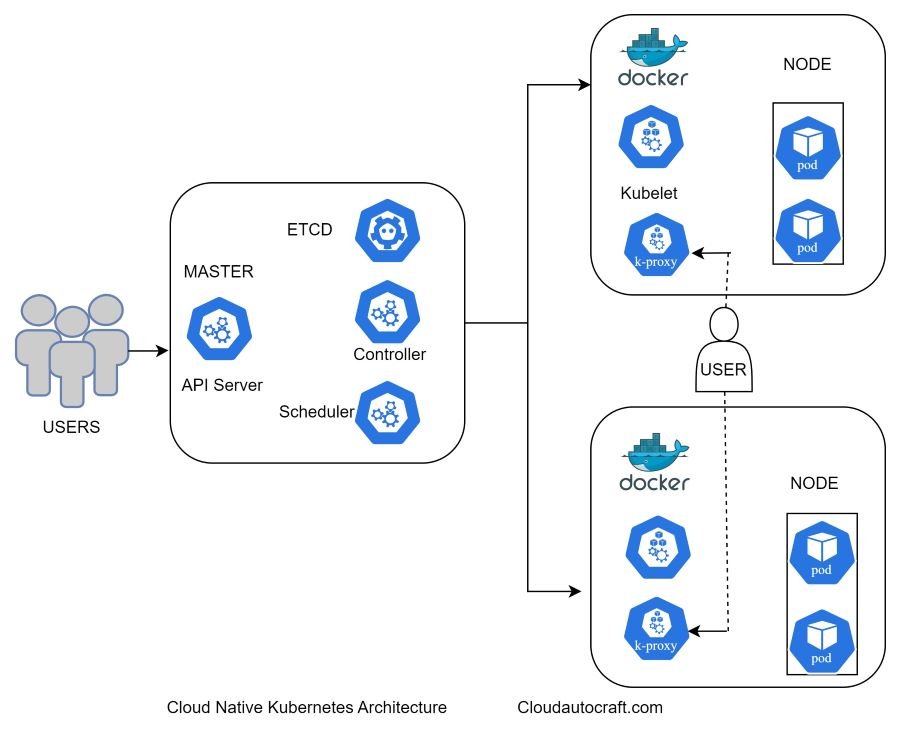
Cloud native architecture represents a modern approach to designing and deploying applications that maximize the advantages of the cloud computing model. This architecture revolves around a set of core principles and practices that enable organizations to develop resilient, scalable, and manageable applications. The key aspects include microservices, containerization, and orchestration, which collectively contribute to more efficient software delivery and operational excellence. By embracing these practices, businesses can respond more effectively to market changes and customer demands.
At its core, cloud native architecture advocates for a modular approach to application development. This modularity comes from breaking down applications into smaller, self-contained units known as microservices. Each microservice focuses on a specific business capability and can be developed, deployed, and scaled independently. This independence allows for continuous delivery and deployment of features, leading to faster iteration cycles and improved user experiences. Furthermore, microservices promote resilience; if one service fails, it doesn’t necessarily impact the entire application, thus ensuring higher availability and reliability.
Significance of Microservices in Cloud Native Environments
Microservices play a pivotal role in cloud native architectures by allowing teams to work simultaneously on different parts of an application without stepping on each other’s toes. This approach facilitates agile development practices and fosters innovation. Microservices’ lightweight nature means they can be quickly deployed using various programming languages and frameworks, catering to diverse technology stacks within an organization.
In addition to their agility, microservices also contribute to improved fault isolation. For instance, if an e-commerce platform experiences issues in its payment processing service, the product browsing and order fulfillment services can continue to operate without interruption. This capability significantly enhances the overall user experience and builds customer trust.
Contribution of Containers and Orchestration Tools
Containers serve as the foundation for cloud native applications, encapsulating microservices along with their dependencies in a single, portable unit. This portability ensures that applications can run consistently across different environments, from a developer’s local machine to production in the cloud. Containers also optimize resource utilization, allowing multiple applications to run on the same infrastructure without conflict.
Orchestration tools like Kubernetes complement containers by automating deployment, scaling, and management tasks. These tools enable teams to define how their applications should run, including scaling up during high traffic periods or rolling back updates without downtime. For example, a streaming service can seamlessly adjust its infrastructure to handle increased user traffic during peak viewing times, ensuring a smooth experience for all users.
The combination of microservices, containers, and orchestration not only enhances the scalability and resilience of applications but also promotes a culture of collaboration and continuous improvement within development teams, aligning with the cloud native philosophy of rapid adaptation and optimization.
The Role of DevOps in Cloud Native Development
DevOps practices are integral to enhancing the efficiency and efficacy of cloud native development. By fostering collaboration between development and operations teams, DevOps enables organizations to deliver software at a faster pace while maintaining high-quality standards. This synergy is vital in the cloud native landscape, where agility and scalability are paramount.
DevOps practices streamline the cloud native development process through automation, continuous integration, and continuous delivery (CI/CD). These practices help teams to deploy applications seamlessly in cloud environments, enabling them to leverage the full benefits of cloud infrastructure, such as elasticity and resource optimization. The adoption of these practices ensures that teams can respond rapidly to changing business requirements and customer needs.
Tools that Facilitate DevOps in Cloud Native Workflows
Several tools play a pivotal role in supporting DevOps practices in cloud native workflows. These tools are designed to automate processes, improve collaboration, and enhance visibility throughout the software development lifecycle. The following are key tools widely used in the industry:
- Docker: A platform that enables developers to build, ship, and run applications in containers, facilitating consistency across various environments.
- Kubernetes: An orchestration tool for managing containerized applications, providing automation for deployment, scaling, and operations of application containers across clusters of hosts.
- Jenkins: An open-source automation server that supports building, deploying, and automating software projects, widely used for CI/CD pipelines.
- Terraform: An infrastructure as code tool that allows teams to define and provision cloud resources through code, enhancing reproducibility and efficiency.
These tools help in automating repetitive tasks, ensuring that developers can focus on writing code rather than managing infrastructure.
Cultural Shifts Required for Alignment with Cloud Native Methodologies
To successfully integrate DevOps with cloud native methodologies, organizations must embrace significant cultural shifts. A collaborative mindset that breaks down silos between teams is essential. This involves fostering an environment where development, operations, and other stakeholders communicate openly and regularly.
One of the most important shifts is adopting a shared responsibility model. In a cloud native environment, developers are encouraged to take ownership of their code in production, leading to a greater sense of accountability.
Additionally, embracing failure as a learning opportunity is crucial. Organizations should create a culture where experimentation is encouraged, allowing teams to innovate without the fear of repercussions. This shift not only promotes agility but also enhances resilience in the face of challenges.
“The strongest teams are those that leverage diverse skills and collaborate towards common goals.”
To support these cultural changes, organizations can implement practices such as regular retrospectives, where teams reflect on what went well and what could be improved. Continuous feedback loops are also essential, ensuring that all team members remain aligned and informed throughout the development lifecycle.
Benefits of Cloud Native Solutions for Organizations
Adopting cloud native solutions provides organizations with a transformative approach to building and deploying applications. This shift not only modernizes IT practices but also enhances operational efficiency and responsiveness to market demands. The cloud native architecture, characterized by microservices, containers, and orchestration, offers substantial benefits that can lead to significant competitive advantages for businesses.
Major Advantages of Cloud Native Approaches
A cloud native methodology presents several key benefits that can revolutionize how organizations operate. Here are three major advantages:
- Increased Agility: Cloud native solutions allow teams to develop, test, and deploy applications rapidly. This agility is crucial in today’s fast-paced business environment where speed to market can dictate success.
- Cost Efficiency: By leveraging cloud infrastructure, organizations can reduce capital expenditure on hardware and on-premises software. The pay-as-you-go model associated with many cloud services ensures that companies only pay for what they use, leading to improved financial management.
- Enhanced Collaboration: Cloud native environments facilitate better collaboration among development and operations teams. The use of shared tools and practices enables cross-functional collaboration, leading to more innovative solutions and faster problem-solving.
Improved Scalability and Flexibility
Cloud native solutions are designed to scale seamlessly based on demand. This flexibility means organizations can handle varying workloads effectively without the need for extensive reconfiguration. The inherent scalability of cloud native applications allows businesses to grow and adapt without significant overhead costs.
– Organizations can deploy additional resources dynamically, ensuring that applications remain responsive even during peak usage times.
– The ability to scale horizontally, by adding more instances of services rather than upgrading existing hardware, means that costs remain manageable while enhancing performance.
Efficiency Comparison: Traditional IT Infrastructure vs. Cloud Native Environments
When comparing traditional IT infrastructure with cloud native environments, the differences in efficiency are significant. Traditional setups often involve lengthy provisioning times and rigid architectures, leading to slow deployment cycles. In contrast, cloud native environments promote:
- Rapid Provisioning: Cloud native platforms allow for instantaneous resource allocation, which is crucial for adapting to business needs quickly.
- Resource Optimization: Organizations can optimize their resource usage, leading to lower energy costs and improved performance metrics.
- Reduced Maintenance: With cloud native solutions, much of the maintenance tasks are handled by service providers, allowing internal IT teams to focus on strategic initiatives rather than routine upkeep.
“Cloud native technology not only unlocks the potential of modern applications but also enhances operational efficiency and fosters innovation.”
The transition to cloud native architectures can be a game-changer for organizations, providing them with the tools to remain agile in a constantly evolving digital landscape.
Challenges Faced in Transitioning to Cloud Native
Transitioning to cloud native methodologies offers numerous benefits, but organizations often encounter significant challenges along the way. Understanding these obstacles can help teams better prepare for the shift and implement effective strategies to overcome them.
One common challenge is the complexity of integrating existing systems with new cloud-native architectures. Organizations frequently face issues with legacy applications that were not designed for a cloud environment, creating difficulties in migration. Additionally, the cultural shift required within teams can lead to resistance, as members adjust to new workflows and technologies.
Common Obstacles Encountered
Identifying key obstacles is crucial for organizations aiming to transition smoothly. Common challenges include:
- Legacy Systems: Many organizations have longstanding applications that may not be compatible with modern cloud architecture, making migration difficult.
- Skill Gaps: Teams may lack the necessary skills in cloud technologies, DevOps practices, or microservices architecture, leading to delays in implementation.
- Cultural Resistance: Employees accustomed to traditional workflows may resist changes, fearing job loss or feeling overwhelmed by new technologies.
- Security Concerns: Organizations often worry about data security and compliance in cloud environments, leading to hesitance in fully transitioning.
Strategies to Overcome Resistance to Change
Successfully navigating resistance to change is essential for a smooth transition. To foster acceptance within teams, organizations can implement the following strategies:
- Clear Communication: Providing clear and transparent information about the reasons for the transition and the benefits it presents can alleviate concerns among team members.
- Involvement in Decision-Making: Involving employees in the planning and implementation process fosters a sense of ownership and reduces resistance.
- Incremental Implementation: Adopting an incremental approach allows teams to gradually adapt to new tools and processes without overwhelming them.
Importance of Training and Support
Training and support play a pivotal role in facilitating a smooth transition to cloud native methodologies. Organizations must prioritize the development of their teams through comprehensive training programs that cover new technologies and practices.
Providing ongoing support is equally important. This can include mentorship programs, access to cloud experts, and creating a culture of continuous learning. A well-structured training and support plan can significantly reduce skill gaps and empower teams to embrace cloud native methodologies confidently.
“Investing in training is investing in the future success of your cloud native initiatives.”
Security Considerations in Cloud Native Environments
As organizations increasingly adopt cloud native architectures, they encounter a unique set of security challenges that require new approaches to protect their applications and data. The dynamic nature of cloud native environments demands a rethink of traditional security practices, emphasizing the need for robust security frameworks that align with the intricacies of microservices, containers, and orchestration technologies. Understanding these challenges and implementing effective strategies is essential for safeguarding cloud native applications.
Cloud native applications introduce a multitude of security challenges, primarily due to their distributed architectures and reliance on shared resources. First and foremost, the increased attack surface is a significant concern; with numerous components running in various environments, the potential for vulnerabilities expands. Additionally, the ephemeral nature of containers complicates traditional security measures, as monitoring and protecting transient workloads can be difficult. Furthermore, misconfigurations in cloud services and the inherent complexity of service interactions can lead to severe security breaches if not properly managed.
Unique Security Challenges in Cloud Native Applications
The security landscape for cloud native applications is marked by distinct challenges that necessitate tailored solutions. The following points highlight several critical concerns:
- Microservices Complexity: Microservices architectures spread functionality across multiple services, making it challenging to enforce consistent security policies and track vulnerabilities across the entire system.
- Container Vulnerabilities: Containers can harbor vulnerabilities that may be exploited, particularly if they are not regularly updated or monitored for security threats.
- Identity and Access Management: Managing identities and ensuring proper access controls can be intricate, especially when services dynamically scale and interact with one another.
- Data Protection: Data in transit and at rest needs to be encrypted, and without rigorous controls, sensitive information may be exposed during microservice communication.
Strategies for Implementing Security Best Practices in Cloud Native Development
To effectively secure cloud native applications, developers must adopt best practices that align with modern development and operational methodologies. The following strategies can significantly enhance security posture:
- Shift Left in Security: Incorporating security practices early in the development lifecycle ensures that vulnerabilities are identified and addressed before deployment.
- Automated Security Testing: Integrating security testing tools within CI/CD pipelines allows for continuous assessment of code and configurations, reducing the risk of deploying insecure applications.
- Configuration Management: Utilizing Infrastructure as Code (IaC) to manage configurations helps mitigate misconfigurations and ensures consistent security across environments.
- Runtime Security Monitoring: Implementing tools that monitor applications in real-time can help detect and respond to security incidents promptly.
Automation Enhancing Security Measures in Cloud Native Environments
Automation plays a pivotal role in enhancing security measures within cloud native environments. By leveraging automation, organizations can streamline security processes and improve response times to potential threats. The following elements illustrate how automation can bolster security:
- Automated Compliance Checks: Tools that automatically verify compliance with security standards reduce the manual effort required and help maintain regulatory compliance.
- Continuous Vulnerability Scanning: Automated scanning tools can regularly assess the security posture of deployed containers and environments, ensuring known vulnerabilities are addressed promptly.
- Incident Response Automation: Implementing automated alerting and response mechanisms allows for quicker containment of security incidents, minimizing potential damage.
- Policy Enforcement: Automated enforcement of security policies across cloud resources ensures that deviations from established norms are quickly remediated.
“In the realm of cloud native security, automation is not just a convenience; it’s a necessity for managing the scale and complexity of modern applications.”
Future Trends in Cloud Native Technology
The landscape of cloud native technology is continuously evolving, driven by emerging innovations and shifting market needs. As organizations increasingly adopt cloud-native architectures, several trends are anticipated to shape the future of this domain. This section delves into significant technologies poised to influence cloud native development, the integration of artificial intelligence (AI) and machine learning (ML) into cloud native applications, and the potential evolution of industry standards as cloud native practices mature.
Emerging Technologies Influencing Cloud Native Development
The future of cloud native technology is heavily influenced by a variety of emerging technologies that enhance scalability, efficiency, and flexibility. These innovations include:
- Serverless Computing: This model allows developers to build applications without managing infrastructure, enabling a focus on code and functionality. The reduced operational overhead leads to improved resource utilization and cost-efficiency.
- Microservices Architecture: Microservices continue to gain traction, facilitating the development of modular applications that can be deployed independently. This approach enhances agility and allows for continuous integration and delivery.
- Edge Computing: By processing data closer to the source, edge computing reduces latency and bandwidth usage, making it ideal for applications requiring real-time responses, such as IoT devices.
- Service Mesh: This infrastructure layer manages microservices communication, providing features like traffic management, security, and observability. It enhances the reliability and scalability of cloud-native applications.
Integration of AI and Machine Learning into Cloud Native Applications
The integration of artificial intelligence and machine learning into cloud native applications is transforming how businesses operate and deliver services. This integration enables organizations to leverage data more effectively and automate processes.
- Automated Insights: AI and ML can analyze vast amounts of data generated by cloud-native applications, providing actionable insights that drive decision-making and enhance customer experiences.
- Predictive Analytics: By utilizing machine learning algorithms, companies can forecast trends and behaviors, allowing them to proactively respond to market changes and customer needs.
- Intelligent Automation: AI can automate routine tasks within cloud native applications, improving operational efficiency and allowing teams to focus on strategic initiatives.
- Enhanced Security: AI-driven security solutions can detect and respond to threats in real-time, safeguarding cloud native applications from vulnerabilities and attacks.
Predicted Changes in Industry Standards for Cloud Native Practices
As cloud native practices evolve, industry standards are expected to adapt to new technologies and methodologies. These changes will focus on enhancing interoperability, security, and overall effectiveness of cloud-native deployments.
- Increased Standardization: Collaborations among cloud providers and industry groups may lead to standardized APIs and protocols, facilitating interoperability across platforms and reducing vendor lock-in.
- Improved Security Standards: With the rise in cyber threats, stricter security standards will be established, emphasizing best practices for securing cloud native environments.
- Sustainability Metrics: As organizations prioritize sustainability, standards will emerge to measure the environmental impact of cloud-native deployments, encouraging greener practices.
- DevSecOps Integration: The integration of security into DevOps processes will become standard practice, ensuring that security measures are incorporated throughout the development lifecycle.
Real-World Case Studies of Cloud Native Adoption
The adoption of cloud-native strategies has transformed organizations by enabling agile development, scalability, and resilience. Companies across various industries have embraced this approach to enhance their operational efficiency and responsiveness to market demands. Examining real-world case studies of cloud-native adoption reveals significant impacts on business outcomes, as well as valuable lessons for future implementations.
Netflix: Pioneering Cloud-Native Architecture
Netflix is often cited as one of the earliest adopters of cloud-native technologies. By shifting its entire infrastructure to AWS, Netflix was able to enhance its streaming service’s scalability and availability. The company transitioned from a monolithic architecture to microservices, allowing teams to develop, deploy, and scale applications independently.
The impact of this shift was monumental:
- Scalability: Netflix can seamlessly handle over 15,000 simultaneous streams, especially during peak times like new series releases.
- Resilience: The microservices architecture allows for better fault isolation, meaning if one service fails, it does not take down the entire platform.
- Faster Time to Market: Teams can deploy updates multiple times a day, accelerating innovation and improving user experience.
A key lesson from Netflix’s journey is the importance of embracing a culture of experimentation and continuous delivery. This mindset enables organizations to adapt quickly and stay ahead of the competition.
Capital One: Enhancing Security and Agility
Capital One, a financial services company, adopted cloud-native practices to improve its security posture and operational agility. By leveraging AWS, the organization moved away from traditional data centers and embraced a fully cloud-based infrastructure.
The benefits observed were significant:
- Increased Security: With advanced cloud security measures, Capital One improved its ability to protect customer data, which is crucial in the financial sector.
- Innovative Solutions: The agility of cloud-native architecture allowed Capital One to quickly roll out features like the Capital One mobile app, enhancing customer engagement.
- Cost Savings: The move to the cloud reduced operational costs by minimizing the need for maintaining on-premises hardware.
Capital One’s experience underscores the need for a robust security framework when transitioning to cloud-native architectures, particularly in highly regulated industries.
Spotify: Optimizing User Experience Through Cloud-Native Solutions
Spotify adopted cloud-native technologies primarily to enhance user experience and streamline its music streaming service. By utilizing Google Cloud Platform (GCP), Spotify achieved impressive results in performance and scalability.
Key impacts of their cloud-native adoption include:
- Improved Performance: The cloud-native architecture allows Spotify to deliver personalized recommendations and playlists quickly, enhancing user satisfaction.
- Scalability: Spotify can handle millions of simultaneous users without compromising on service quality.
- Data-Driven Decisions: With powerful analytics capabilities, Spotify can analyze user behavior to refine its offerings continuously.
The lesson learned from Spotify’s journey is the importance of leveraging user data to drive continuous improvement in services, ensuring that offerings align with user preferences.
Lessons Learned from Cloud-Native Adoption
The experiences of these organizations reveal several critical lessons for businesses considering cloud-native strategies:
- Culture Shift: Embracing a cloud-native approach requires a cultural shift towards agility, collaboration, and a willingness to experiment.
- Focus on Security: Organizations must prioritize security, especially when handling sensitive data in the cloud.
- Continuous Improvement: Implementing robust analytics can drive innovation and ensure alignment with user needs.
These insights can guide future implementations, helping organizations navigate the complexities of adopting cloud-native technologies effectively.
The Importance of Community and Open Source in Cloud Native
The cloud native ecosystem thrives on collaboration, innovation, and shared knowledge, which are powered largely by open source communities. These communities play a critical role in advancing cloud native technologies by creating a rich environment where developers and organizations can contribute, share, and learn from each other. This collaborative spirit not only accelerates the adoption of cloud native practices but also enhances the overall quality and robustness of the technology.
Open source communities facilitate the exchange of ideas and solutions, fostering an environment where innovation can flourish. When individuals from diverse backgrounds come together to solve common problems, the results are often groundbreaking. This collaboration leads to better software, improved tools, and ultimately, more efficient cloud native architectures. The sharing of best practices and lessons learned allows developers to build on each other’s work, which propels the entire industry forward.
Significant Open Source Projects Shaping Cloud Native Landscape
Numerous open source projects have significantly impacted the cloud native landscape, driving adoption and innovation across the globe. Below are some key projects that have paved the way for modern cloud native practices:
- Kubernetes: Kubernetes is arguably the cornerstone of cloud native technology, providing a powerful platform for automating deployment, scaling, and management of containerized applications. It has a large and active community that continuously contributes to its development and supports organizations in transitioning to cloud native architectures.
- Prometheus: As a leading open-source monitoring and alerting toolkit, Prometheus has been instrumental in helping teams ensure the reliability of their cloud native applications. Its robust querying language and integration with Kubernetes make it a favorite among developers.
- Envoy: Envoy serves as a powerful edge and service proxy, offering advanced traffic management capabilities. It facilitates microservices communication, making it easier for organizations to build scalable and resilient cloud native applications.
- OpenShift: Built on Kubernetes, OpenShift provides an enterprise-ready platform for developing and deploying applications in a cloud native manner. Its focus on developer experience and integrated CI/CD tools has made it popular among organizations looking to streamline their workflows.
Open source projects like these not only provide essential tools and frameworks but also cultivate vibrant communities where knowledge sharing is the norm. Collaborations through forums, meetups, and online discussions allow developers to refine their skills and contribute back to the community, fostering a continuous cycle of growth and improvement.
“Open source is not just about code; it’s about the community that comes together to create and innovate.”
The synergy created by these communities is essential in keeping the momentum of cloud native technologies alive and evolving. The active participation of developers, organizations, and even end-users in these communities ultimately leads to a healthier and more sustainable ecosystem, ensuring that cloud native practices continue to thrive.
End of Discussion

In conclusion, embracing cloud native architecture is not just a trend; it’s a strategic move towards future-proofing your organization. By overcoming the challenges of transitioning and adopting a security-first mindset, companies can unlock a wealth of opportunities. The insights gained from real-world case studies and the contributions of open source communities further highlight the importance of collaboration in driving cloud native innovation.
Question Bank
What are the core principles of Cloud Native?
The core principles include microservices architecture, containerization, dynamic orchestration, and a focus on automation for continuous delivery.
How does Cloud Native improve scalability?
Cloud Native allows applications to scale effortlessly by distributing workloads across multiple containers and services, which can be dynamically managed based on demand.
What tools support DevOps in Cloud Native environments?
Popular tools include Kubernetes for orchestration, Docker for containerization, and Jenkins for continuous integration and deployment.
What are common challenges in adopting Cloud Native?
Common challenges include cultural resistance within teams, the complexity of new technologies, and ensuring adequate security measures.
How can organizations ensure security in Cloud Native?
Organizations can implement security best practices, such as automated security testing, continuous monitoring, and adopting a zero-trust model.
What future trends should we expect in Cloud Native technology?
Emerging trends include greater integration of artificial intelligence and machine learning, advancements in serverless computing, and increased focus on sustainability.