Kicking off with Application Programming Interface (API), this versatile tool serves as a bridge between disparate software systems, allowing them to communicate and share data seamlessly. APIs have transformed the software development landscape, making it easier for developers to integrate third-party services, enhance user experiences, and innovate at a rapid pace. By understanding APIs, we can appreciate their pivotal role in shaping both modern applications and the future of technology.
APIs come in various forms, each designed for specific functions that cater to the needs of developers and the applications they build. From RESTful APIs to those utilizing SOAP and GraphQL, each type offers unique benefits and challenges. As we delve deeper into the architecture and functionality of APIs, we will uncover their significance in streamlining workflows and the way we interact with digital ecosystems.
Understanding the Fundamentals of Application Programming Interfaces
Application Programming Interfaces, commonly known as APIs, are essential components in modern software development. They serve as intermediaries that allow different software applications to communicate with one another, promoting interoperability and functionality. APIs enable developers to create complex systems by allowing them to leverage existing services, libraries, and tools without needing to understand every detail of their implementation. By offering a set of defined rules and protocols, APIs simplify the development process and enhance software efficiency, making them invaluable for building robust applications.
APIs come in various types, each serving unique functions tailored to different applications and environments. The most common types include:
- Open APIs: Also known as external or public APIs, these are available to developers and third parties. They encourage innovation and integration across various platforms. An example is the Twitter API, which allows developers to interact with Twitter data.
- Internal APIs: Used within organizations, internal APIs facilitate communication between different systems and services. For instance, a company might use an internal API to connect its customer relationship management software with its email marketing platform.
- Partner APIs: These are shared with specific business partners and often come with restrictions to maintain security and control. An example is the eBay API, which allows selected partners to access eBay’s marketplace data.
- Composite APIs: These allow developers to access multiple endpoints in a single request, streamlining interactions. For instance, a composite API could retrieve user information from one service and transaction history from another simultaneously.
APIs play a crucial role in enabling seamless communication between disparate software applications. For example, when you book a flight through a travel website, the site uses APIs to interact with various airline databases, payment gateways, and hotel services, all without exposing the user to the complexity of each system. This interconnectedness ensures that users receive real-time information and can execute transactions efficiently. Another illustrative case is a mobile weather application that pulls data from different meteorological services using their APIs to provide accurate forecasts. These examples highlight how APIs facilitate not just communication but also enhance user experiences by integrating multiple services into a single cohesive application.
Exploring RESTful APIs and Their Architecture
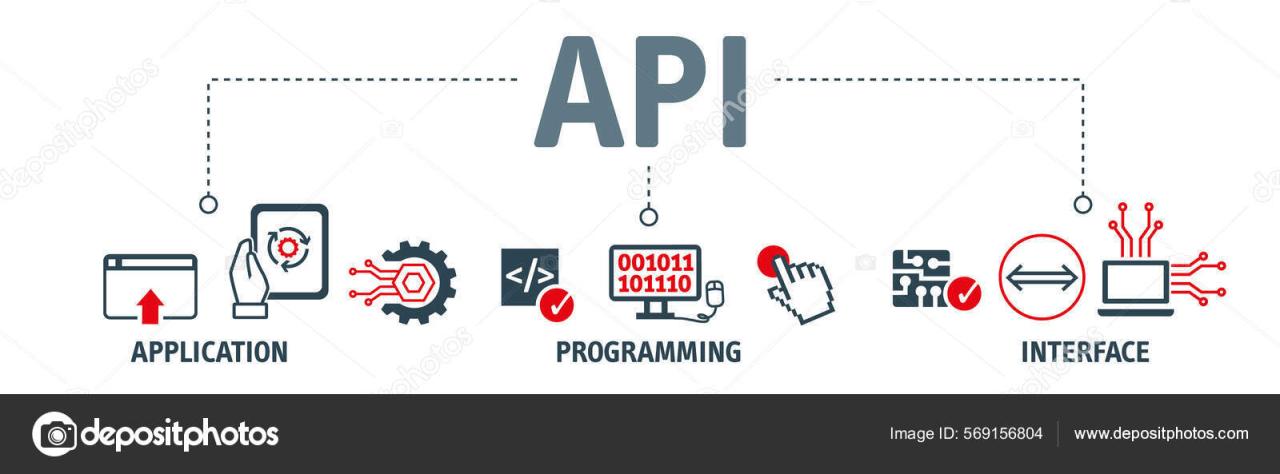
RESTful APIs have become a cornerstone of modern web development, allowing different systems to communicate seamlessly over the internet. They follow a set of architectural principles that prioritize statelessness, scalability, and resource manipulation through standard HTTP methods. This exploration will delve into the core principles of REST architecture, provide a comparative analysis with other API architectures like SOAP and GraphQL, and give a real-world example of how RESTful APIs are utilized in practical applications.
Principles of REST Architecture
REST, or Representational State Transfer, is an architectural style that emphasizes a stateless, client-server communication model. The fundamental principles of REST architecture include:
- Statelessness: Each HTTP request from a client contains all the information the server needs to fulfill that request. The server does not store any client context between requests, enhancing scalability and reliability.
- Resource Identification: Resources are uniquely identified using URIs. Each resource can be represented in multiple formats (JSON, XML, etc.), allowing flexibility in how data is exchanged.
- Standard Operations: REST relies on standard HTTP methods like GET, POST, PUT, and DELETE to perform actions on resources, making the API intuitive and easy to use.
- Representation: When a client requests a resource, the server responds with the resource’s representation, allowing clients to understand and manipulate the data effectively.
- Layered System: A RESTful architecture can have multiple layers, allowing for scalability and security without client awareness of the underlying server structure.
These principles ensure that RESTful APIs are not only efficient but also easy to use and maintain.
Comparison of REST, SOAP, and GraphQL
When evaluating REST alongside other API architectures, it’s essential to understand their core differences and use cases.
- REST vs. SOAP: SOAP (Simple Object Access Protocol) is a protocol that uses XML for message format and is designed for high security and reliability, making it suitable for enterprise-level applications. In contrast, REST is less rigid, supports multiple formats like JSON, and is simpler to implement, making it popular for web applications.
- REST vs. GraphQL: GraphQL is a query language for APIs that allows clients to request only the data they need. Unlike REST, where multiple endpoints are required to access different resources, GraphQL consolidates requests into a single endpoint, providing flexibility. However, this can lead to more complex server-side implementations.
These comparisons highlight the strengths and weaknesses of each architecture, allowing developers to choose the best option for their projects.
Real-World Example of RESTful API in Action
A prominent example of a RESTful API in action is the GitHub API, which allows developers to interact with GitHub’s vast repository of code and projects.
The GitHub API adheres to REST principles by providing a set of endpoints that correspond to different resources, such as repositories, issues, and pull requests. For instance, to retrieve a list of repositories, a developer can send a GET request to the endpoint `https://api.github.com/users/{username}/repos`.
When a request is made to this endpoint, GitHub responds with a JSON representation of the user’s repositories, which includes details like the repository name, description, and URL. This stateless interaction ensures that no session information is stored on the server, allowing for high scalability as thousands of requests can be processed simultaneously without degradation in performance.
Additionally, the GitHub API supports various HTTP methods. A developer can create a new repository by sending a POST request to the `/user/repos` endpoint with the necessary data in the request body. Similarly, updating a repository can be achieved with a PUT request, and deleting it with a DELETE request. This seamless manipulation of resources illustrates the power and flexibility of RESTful APIs.
In conclusion, the GitHub API exemplifies how RESTful principles are applied effectively in a real-world context, supporting millions of developers and projects worldwide.
The Role of APIs in Modern Software Development
In the ever-evolving landscape of software development, Application Programming Interfaces (APIs) play a pivotal role in enabling seamless integration between different services and applications. APIs serve as the backbone that allows various software components to communicate with one another, enhancing functionality and user experience. This integration is crucial for developers aiming to build robust applications that harness the power of third-party services without having to reinvent the wheel.
Integration of Third-Party Services
APIs facilitate the integration of third-party services, allowing developers to incorporate external functionalities into their applications effortlessly. This integration is essential in a world where users expect comprehensive and feature-rich applications. Through APIs, developers can access a plethora of services such as payment gateways, social media platforms, and mapping services, among others. For instance, a mobile application might use a payment processing API like PayPal or Stripe, enabling users to make transactions without needing to handle sensitive data directly. This not only reduces the development effort but also enhances security.
The benefits of using APIs extend beyond just functionality. They provide developers with substantial time-saving advantages, allowing for quicker deployment of applications. Rather than developing complex features from scratch, developers can leverage existing APIs, streamlining the development process. This efficiency is particularly beneficial in competitive markets where time to market can significantly impact success.
Furthermore, APIs grant developers access to extensive resources that would otherwise require tremendous investment in both time and money to replicate. With APIs, developers can tap into advanced functionalities, data analytics, and cloud storage without having to build these services independently. This accessibility empowers developers to innovate rapidly and focus on core application features that differentiate their products in the marketplace.
Impact of APIs on User Experience
APIs significantly enhance user experience in applications by enabling smoother interactions and more personalized services. When applications integrate APIs, users benefit from a seamless experience that allows them to access a wide array of functionalities without friction. For example, a travel booking application may use APIs from airlines, hotels, and car rental services to provide users with a holistic view of their travel options, allowing them to make informed decisions quickly.
Moreover, the speed and reliability of API integration directly affect user satisfaction. Users expect instant responses from applications, and APIs facilitate this by allowing applications to retrieve and display data in real-time. An example can be seen in social media applications that utilize APIs to fetch user feeds, notifications, and messages instantaneously. When these functionalities are powered by efficient APIs, users are more likely to engage with the application regularly.
In addition, the personalization that APIs can deliver plays a crucial role in enhancing user experience. By integrating APIs that analyze user data, applications can tailor recommendations and content to individual preferences. For instance, an e-commerce site might use APIs to analyze user browsing behavior and suggest products that align with their interests. This level of customization not only enriches the user interaction but also increases customer loyalty and retention.
In summary, APIs are fundamental to modern software development, enabling developers to integrate third-party services efficiently, saving time, and enhancing user experience through seamless interactions and personalized services.
Security Considerations When Using APIs
In today’s interconnected world, securing APIs is of paramount importance. As applications increasingly rely on APIs to communicate and exchange data, they become attractive targets for malicious actors. Proper security practices are essential to protect sensitive information and maintain the integrity of applications.
When discussing security considerations, it is crucial to understand the common vulnerabilities and threats that APIs face. APIs can be exposed to various attacks such as SQL injection, cross-site scripting (XSS), and denial-of-service (DoS) attacks. To mitigate these risks, developers should adhere to best practices that enhance API security. These practices include input validation, rate limiting, and comprehensive logging to monitor and respond to suspicious activities. Additionally, using encryption protocols like HTTPS to secure data in transit is vital for safeguarding sensitive information from eavesdropping.
Importance of Authentication and Authorization in API Security
Authentication and authorization are critical components of API security that ensure only legitimate users can access resources. Effective authentication verifies the identity of users, while authorization determines their permission levels. Implementing robust authentication mechanisms such as OAuth 2.0 is essential. OAuth allows third-party applications to access user data without exposing sensitive credentials. This protocol provides a secure way to grant access while maintaining user privacy.
Moreover, securing API endpoints with access tokens and refresh tokens helps manage sessions effectively. By requiring tokens for each request, APIs can minimize the risk of unauthorized access. Additionally, employing techniques like JWT (JSON Web Tokens) can simplify token validation and enhance security by allowing stateless authentication.
Exposing APIs to public access presents several potential risks that must be addressed. Public APIs can inadvertently reveal sensitive information if not properly secured. For example, poorly designed endpoints may allow unauthorized users to access data or perform actions they shouldn’t be able to. Furthermore, public APIs may become prime targets for automated attacks, such as brute force attacks, which attempt to guess credentials.
To illustrate, in 2019, a significant data breach occurred when an unprotected API endpoint exposed sensitive customer information for millions of users. This incident highlights the importance of rigorous security measures for public APIs. Organizations should conduct regular security assessments, implement stringent access controls, and monitor API usage patterns to detect anomalies.
In summary, understanding and addressing the security considerations surrounding APIs is crucial for developers and organizations. By implementing best practices and robust authentication methods, the risk of exposing APIs to threats can be significantly reduced, protecting both the application and its users.
Testing and Debugging APIs Effectively
Testing and debugging APIs is a critical phase in the software development lifecycle. Ensuring that an API functions correctly not only enhances the overall user experience but also guarantees that the system it integrates with operates efficiently. This section Artikels the steps necessary for effective API testing, the tools available for this purpose, and the challenges faced during debugging, along with strategies to overcome them.
Steps for Testing APIs
To ensure functionality and reliability, follow these steps during API testing:
1. Understand the API Specification: Familiarize yourself with the API documentation, which contains crucial information on endpoints, request methods, parameters, and expected responses. This understanding forms the basis for all testing efforts.
2. Set Up a Test Environment: Create a dedicated environment for testing that mimics production as closely as possible. Isolate this environment to avoid interference with live data and services.
3. Utilize Automated Testing: Implement automated tests for repetitive tasks. Automated tests can run faster and more reliably than manual tests, allowing for continuous integration practices.
4. Conduct Functional Testing: Verify that the API endpoints function as expected. This includes testing all request methods (GET, POST, PUT, DELETE) and ensuring responses match the expected output as detailed in the API documentation.
5. Perform Load Testing: Assess how the API performs under various loads. This helps identify performance bottlenecks that could affect user experience during peak usage.
6. Check Security Protocols: Validate that the API implements authentication and authorization as specified. Conduct tests to ensure sensitive data is adequately protected.
7. Evaluate Error Responses: Test how the API handles errors. Confirm that it returns appropriate error messages and status codes for different failure scenarios.
Popular Tools for API Testing
Several tools can aid in the API testing process, offering various features that enhance testing efficiency and effectiveness. Here is a list of popular tools:
– Postman: Offers an intuitive interface for sending requests, organizing tests, and generating documentation. It supports automated testing with its Collection runner.
– SoapUI: Ideal for testing SOAP and REST APIs, it provides capabilities for functional testing, load testing, and security testing. It also includes a user-friendly graphical interface.
– JMeter: Primarily used for performance testing, it simulates load on APIs to observe how they perform under stress.
– Insomnia: Known for its sleek design, it allows users to craft requests and visualize responses easily. It also supports environment variables for dynamic testing.
– Swagger: Offers documentation as well as testing features through its interactive interface, enabling users to try out API calls directly from the documentation.
Challenges Faced During API Debugging
Debugging APIs presents several common challenges, which, if not addressed, can lead to prolonged resolution times and increased frustration. Here are some of those challenges along with strategies to mitigate them:
– Inconsistent Error Messages: Often, error messages returned by APIs can be vague or inconsistent, making it difficult to pinpoint the source of an issue. Utilizing logging and monitoring tools can provide additional context and help trace requests through the system to identify where failures occur.
– Environment Discrepancies: Differences between testing and production environments can lead to issues that are not apparent until deployment. To overcome this, maintain synchronized configurations across environments and utilize containerization to ensure consistency.
– Versioning Issues: As APIs evolve, older versions may become deprecated or behave unexpectedly. Maintaining clear versioning and backward compatibility checks can help manage these transitions smoothly.
– Network Issues: Problems such as latency or dropped connections can complicate debugging efforts. Utilize tools that can simulate various network conditions to identify how your API behaves under different scenarios.
– Authentication Failures: Often, issues arise from incorrect authentication tokens or headers. Ensuring robust testing around these areas and maintaining detailed documentation for authentication procedures can minimize confusion and errors.
By understanding these challenges and employing effective strategies, developers can significantly enhance their ability to debug APIs efficiently, leading to more robust and reliable applications.
The Future of APIs in an Evolving Tech Landscape
As the digital landscape continues to evolve, APIs (Application Programming Interfaces) are positioned to play a pivotal role in shaping the future of technology. The trends in API development, including the rise of microservices and serverless architecture, indicate a shift towards more agile, scalable, and efficient systems. This transformation not only enhances the way applications are built but also redefines how services are delivered and consumed in various industries.
Emerging Trends in API Development
The integration of microservices architecture and serverless computing is revolutionizing the development landscape. Microservices allow developers to structure applications as a suite of small services, each running independently and communicating through APIs. This modular approach offers several advantages, including:
- Enhanced Scalability: Individual services can be scaled without affecting the entire application, leading to optimized performance during peak loads.
- Improved Deployment Flexibility: Teams can deploy updates to specific services without requiring a complete application overhaul, facilitating faster time-to-market.
- Increased Fault Isolation: If one microservice fails, it doesn’t necessarily impact the entire system, enhancing overall application resilience.
Serverless architecture further complements this trend by allowing developers to focus on writing code without managing server infrastructure. This model leads to cost savings as resources are consumed only when the code is executed, making it particularly appealing for startups and businesses looking to innovate rapidly.
Future Applications of APIs vs. Traditional Development Methods
APIs are increasingly seen as enablers of digital transformation, contrasting sharply with traditional monolithic development methods. While traditional development often involves building comprehensive applications where all components are tightly coupled, the API-driven approach fosters interoperability and connectivity across different systems.
For instance, companies like Spotify leverage APIs to integrate their music streaming service with numerous other platforms, enhancing user experience by allowing access to their service from various applications. This approach not only broadens their customer base but also fosters an ecosystem of third-party developers who contribute to their platform.
The Role of APIs in AI and Machine Learning Technologies
APIs are essential in the advancement of artificial intelligence (AI) and machine learning (ML). They serve as the connective tissue between complex algorithms and the applications that utilize them. By providing standardized interfaces, APIs allow developers to access powerful AI and ML services easily, regardless of their underlying infrastructure.
Key roles of APIs in the development of AI and ML include:
- Data Access and Integration: APIs streamline the process of gathering and processing large datasets from various sources, which is crucial for training machine learning models. For example, APIs can pull data from social media platforms, IoT devices, and databases seamlessly.
- Model Deployment: Once an AI model is developed, APIs facilitate its deployment as a service, enabling other applications to utilize its capabilities. This allows for real-time predictions and insights without the need for users to understand the underlying complexities.
- Scalability: APIs enable the scaling of AI-driven solutions by allowing multiple applications to interact with the same model concurrently, ensuring consistent performance under varying loads.
Overall, the future of APIs is intertwined with the ongoing developments in technology, particularly in areas like AI and ML. As businesses continue to embrace these innovations, the role of APIs will only become more central to delivering advanced, user-centric services.
Case Studies of Successful API Implementations
In today’s digital landscape, APIs have become a cornerstone for businesses aiming to enhance their offerings and streamline operations. Companies harness APIs to integrate various services, create innovative products, and improve customer experiences. One notable example is Spotify, a leading music streaming platform that has effectively leveraged APIs to revolutionize how users interact with music and music-related services.
Spotify’s API Strategy
Spotify employs several APIs that allow third-party developers to create applications that enhance the user experience. The most prominent of these is the Spotify Web API, which enables access to its music catalog, playlists, and user-related data. This API has opened avenues for various applications, from music discovery tools to social media integrations, subsequently leading to increased user engagement and retention.
The implementation of the Spotify Web API has resulted in several positive outcomes:
- Enhanced User Engagement: By allowing developers to access its extensive music database, Spotify has encouraged the creation of numerous third-party applications that engage users in new ways, such as personalized playlists and music recommendation systems.
- Integration with Other Platforms: Spotify’s API supports integration with platforms like Facebook and Instagram, enabling users to share music easily and discover what their friends are listening to, thereby enhancing the social aspect of music consumption.
- Revenue Growth: The more users engage with the platform through third-party applications, the higher the likelihood of subscription upgrades, leading to increased revenue for Spotify. The diverse range of applications ultimately drives more users to choose Spotify as their go-to music platform.
Moreover, the utilization of APIs has not only expanded Spotify’s ecosystem but has also positioned it as a leader in the music streaming industry. Other companies can draw valuable lessons from Spotify’s approach to API implementation:
- Focus on Developer Community: Engaging with developers and providing robust documentation and support can foster innovation and create a vibrant ecosystem around your API.
- Encourage Third-Party Integrations: Allowing other platforms to integrate with your service can enhance your product’s value and reach, leading to more user acquisition.
- Iterate Based on Feedback: Listening to both users and developers can lead to continuous improvement of the API and the overall user experience, ensuring products remain relevant and effective.
“APIs are not just a tool; they are a pathway to innovation and collaboration across industries.”
In summary, Spotify’s success with its API exemplifies the power of APIs in enhancing user experiences, fostering innovation, and driving business growth. By implementing a developer-friendly approach, encouraging third-party integrations, and responding to user feedback, Spotify has set a benchmark for other businesses looking to leverage APIs for success in the digital age.
Designing User-Friendly APIs
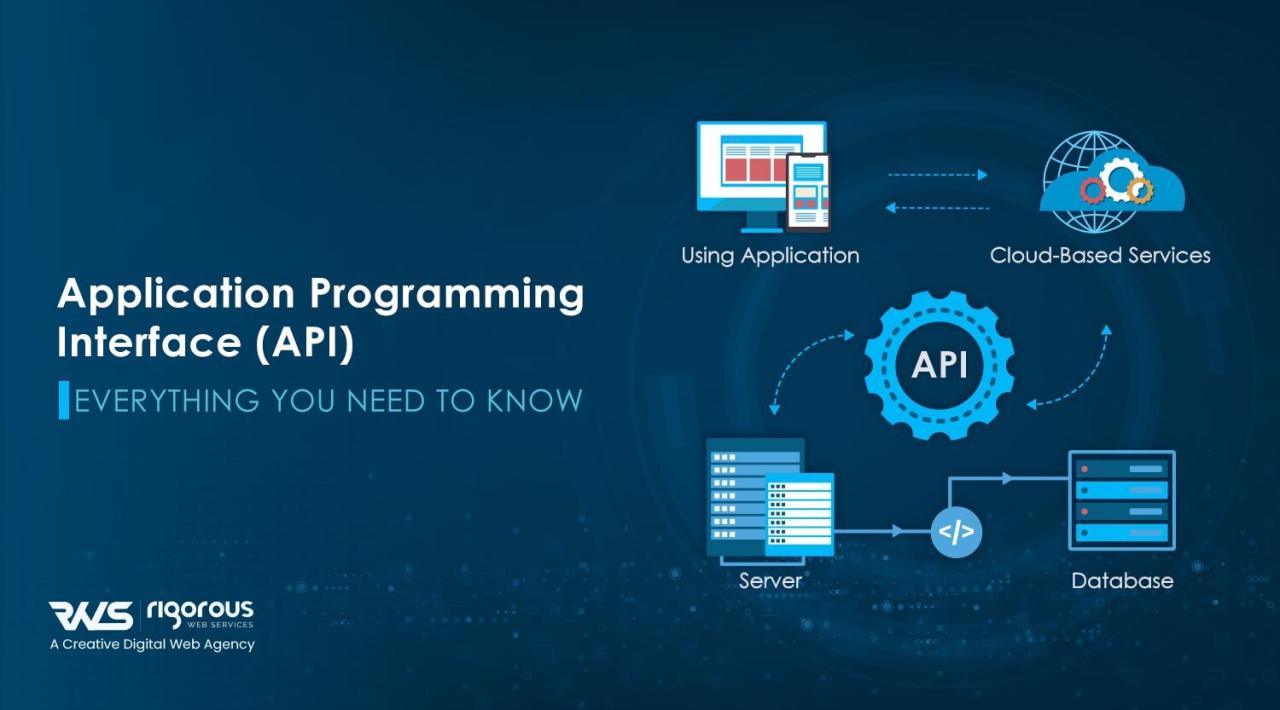
Creating an API that developers find intuitive and easy to use is crucial for ensuring its adoption and effectiveness. User-friendly APIs enhance the developer experience, reduce the learning curve, and ultimately lead to more robust applications. The principles of good API design revolve around simplicity, predictability, and consistency, which help developers integrate the API seamlessly into their projects.
User-friendly API design incorporates several key principles that make an API easy to understand and use. First, clarity in naming conventions is essential; endpoints and parameter names should be descriptive, indicating their purpose. Consistent naming conventions throughout the API contribute to a more predictable experience. Additionally, APIs should follow standard conventions and HTTP methods (GET, POST, PUT, DELETE) to align with developer expectations. Using common data formats like JSON makes it easier for developers to parse and understand the responses.
Importance of Documentation and Community Support
Robust documentation is one of the cornerstones of a user-friendly API. Comprehensive and well-organized documentation not only provides guidelines but also serves as an essential reference for developers. A well-documented API should include code samples, use cases, and clear explanations of each endpoint’s functionality. This helps reduce the time developers spend figuring out how to use the API effectively.
Equally important is community support, which can significantly enhance API usability. A thriving community allows developers to share experiences, ask questions, and provide feedback. This interaction can lead to the development of additional resources, such as libraries and SDKs, which can further simplify integration. Active community forums and support channels facilitate knowledge sharing and provide a space for users to report issues, leading to quicker resolutions.
Feedback from Developers to Improve API Design
Feedback from developers is invaluable for continuous improvement in API design. By actively soliciting input, API providers can identify pain points and areas for enhancement. For instance, if developers express difficulty in understanding a specific endpoint, this feedback can lead to better documentation or even changes in the API structure.
Organizations can implement feedback mechanisms such as surveys, user testing sessions, or forums where developers can share their insights. Engaging users in this iterative process ensures that the API evolves in line with their needs. A real-world example includes Slack, which constantly updates its API based on developer feedback, leading to a more refined and user-friendly experience.
In summary, user-friendly API design is achieved through clear principles, solid documentation, community support, and active developer feedback. This holistic approach not only makes integration easier for developers but also fosters a loyal user base that appreciates a well-crafted API experience.
Summary
In conclusion, Application Programming Interfaces (APIs) are essential tools that empower developers to create innovative applications and connect disparate systems. As we have explored, the benefits of APIs extend beyond mere integration; they enhance user experiences, foster collaboration, and drive advancements in emerging technologies. As the tech landscape continues to evolve, staying informed about the latest trends in API development will be critical for any developer looking to thrive in this dynamic environment.
User Queries
What is an API?
An API, or Application Programming Interface, is a set of rules and protocols that allows different software applications to communicate with each other.
What are the main types of APIs?
The main types of APIs include REST, SOAP, GraphQL, and Webhooks, each serving different functions and use cases in software development.
Why are APIs important for developers?
APIs are crucial for developers as they enable integration with third-party services, save time, and provide access to a wide range of tools and resources.
How do APIs enhance user experience?
APIs enhance user experience by allowing applications to access and process data from various sources, providing users with more functionality and seamless interactions.
What security measures should be taken with APIs?
Security measures for APIs include implementing authentication methods like OAuth, using HTTPS, and validating inputs to protect against vulnerabilities.
How can APIs be tested effectively?
Effective API testing involves verifying functionality, performance, and security, often using tools like Postman or Swagger for automated testing.
What future trends should we expect with APIs?
Future trends in APIs include growth in microservices architecture, serverless computing, and increased integration with artificial intelligence and machine learning.