Frameworks serve as foundational structures that guide thinking and action across various fields, from software development to business strategies and education. By establishing clear pathways for problem-solving and decision-making, frameworks empower individuals and organizations to navigate complexities while fostering innovation.
In software development, frameworks streamline the coding process and enhance collaboration, while in business, they provide analytical tools for strategic planning. The educational domain leverages frameworks to improve learning outcomes and curriculum design, ultimately connecting theoretical concepts with practical applications.
The Concept of Framework in Various Contexts
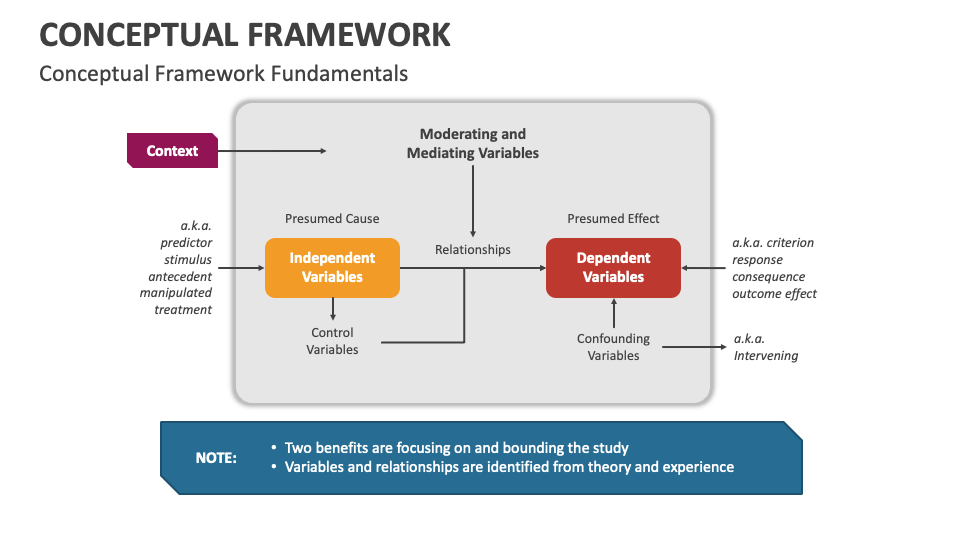
Frameworks serve as essential structures across various domains, providing guidance and standardization for complex processes. In software development, business strategy, and education, frameworks help streamline efforts, enabling practitioners to focus on core objectives while maintaining flexibility. This adaptability is what makes frameworks vital, allowing them to evolve with changing needs while still providing a solid foundation for growth and development.
Frameworks operate on principles of organization, standardization, and adaptability. By offering a defined structure, they help teams and individuals navigate complex tasks more efficiently. Each sector leverages these principles uniquely, tailoring them to fit specific objectives and challenges. In software development, for instance, frameworks provide a code structure that promotes best practices, while in business, they guide strategic planning and implementation. In education, frameworks help in aligning curricula with learning outcomes, ensuring that teaching methods meet predefined goals.
Frameworks in Software Development
In the realm of software development, frameworks streamline the coding process, providing developers with pre-built components and tools. This reduces redundancy and accelerates the development cycle. Examples include:
- Ruby on Rails: This web application framework emphasizes convention over configuration, allowing developers to build applications more efficiently by following established practices.
- Angular: A structural framework for dynamic web applications, Angular offers a robust environment for creating single-page applications using HTML and TypeScript.
- Django: This high-level Python framework encourages rapid development and clean, pragmatic design, focusing on reusability and “don’t repeat yourself” principles.
Each of these frameworks has significantly influenced software development by promoting best practices and reducing development time.
Frameworks in Business Strategies
In the business context, frameworks provide structured approaches to strategy formulation and execution. They help organizations define goals, identify pathways, and measure success. Notable examples include:
- SWOT Analysis: This framework assesses strengths, weaknesses, opportunities, and threats, offering a comprehensive view for strategic planning.
- Porter’s Five Forces: This model analyzes industry competition and market dynamics, helping businesses identify their competitive position and formulate strategies accordingly.
- Balanced Scorecard: A strategic planning and management framework used to align business activities with the vision and strategy of the organization, focusing on both financial and non-financial performance indicators.
These frameworks enhance strategic clarity, enabling businesses to navigate challenges effectively.
Frameworks in Education
In education, frameworks play a pivotal role in curriculum development and instructional design. They provide a scaffold for educators to align teaching with learning outcomes. Examples include:
- Bloom’s Taxonomy: This framework categorizes educational goals into cognitive, affective, and psychomotor domains, guiding educators in developing learning objectives.
- Understanding by Design (UbD): A framework for curriculum planning that emphasizes backward design, focusing on desired learning outcomes before planning instructional activities.
- Universal Design for Learning (UDL): A framework that promotes flexible approaches to teaching, accommodating diverse learners by providing multiple means of engagement, representation, and action/expression.
These educational frameworks foster effective teaching strategies and inclusive learning environments, ensuring that diverse student needs are met.
The Role of Frameworks in Software Development
Frameworks play a critical role in software development by providing a structured foundation for programmers to build upon. These pre-defined structures save time, enhance productivity, and ensure consistency across projects. By streamlining the development process, frameworks allow developers to focus on writing code and implementing features rather than starting from scratch. The integration of various tools and libraries within these frameworks further simplifies complex tasks, making development more efficient and manageable.
Significance of Frameworks in Software Engineering
Frameworks are essential in software engineering as they offer reusable code, standardized practices, and a broad array of functionalities that can streamline various stages of software development. They serve as a guide, ensuring that developers adhere to best practices and maintain high-quality code. Utilizing a framework often leads to greater collaboration among teams, as the common ground facilitates easier onboarding and knowledge sharing.
Popular Programming Frameworks
Several frameworks are widely recognized for their significant impact on development processes. Here are three notable ones:
- React: Developed by Facebook, React is a JavaScript library used for building user interfaces, particularly single-page applications. Its component-based architecture allows developers to create reusable UI components, leading to faster development and better performance. React also employs a virtual DOM for efficient updates, enhancing application speed.
- Angular: Angular is a platform and framework for building client-side applications using HTML and TypeScript. Developed by Google, it provides a robust set of tools for creating dynamic, single-page applications. Key features include two-way data binding, dependency injection, and a modular architecture that promotes code reusability and maintainability.
- Django: Django is a high-level Python web framework that encourages rapid development and clean, pragmatic design. It comes with a variety of built-in features, such as an admin panel, ORM (Object-Relational Mapping), and a robust security model. Django follows the “batteries-included” philosophy, offering everything needed to build a web application efficiently.
Advantages and Drawbacks of Using Frameworks
Using frameworks comes with a range of advantages and potential drawbacks that developers should consider.
- Advantages:
- Increased Productivity: Frameworks provide pre-written code and libraries, allowing developers to build applications faster.
- Standardization: They promote consistency in coding practices and project organization, making it easier for teams to collaborate.
- Community Support: Popular frameworks usually have active communities, offering resources, tutorials, and plugins to extend functionality.
- Drawbacks:
- Learning Curve: Developers may face a steep learning curve when adapting to new frameworks, especially those with complex features.
- Performance Overhead: Some frameworks can introduce performance overhead due to additional abstractions and configurations.
- Limited Flexibility: Frameworks can impose restrictions on how applications are built, which may not fit every project’s unique requirements.
“Frameworks not only speed up development but also provide a structured way to manage complexity and enhance code quality.”
Frameworks as Strategic Tools in Business
Frameworks are essential tools that help businesses navigate complex landscapes by providing structured methods for analysis and problem-solving. They enable organizations to assess their environments, make informed decisions, and develop effective strategies. By utilizing these frameworks, businesses can gain insights that align with their objectives and respond proactively to challenges.
Frameworks serve as strategic tools in various ways, particularly in analyzing market conditions, understanding competitive dynamics, and identifying internal strengths and weaknesses. They create a systematic approach that aids in distilling complex data into actionable insights, making it easier for businesses to devise strategies that are both data-driven and customer-focused.
Comparison of Business Frameworks
Different frameworks serve distinct purposes and can be applied in various contexts to enhance strategic decision-making. Below is a comparison table illustrating three prominent business frameworks: SWOT, PESTEL, and Porter’s Five Forces.
| Framework | Application | Benefits |
|---|---|---|
| SWOT Analysis | Evaluates internal strengths and weaknesses along with external opportunities and threats. | Helps in identifying strategic advantages and areas for improvement. |
| PESTEL Analysis | Assesses external factors affecting a business: Political, Economic, Social, Technological, Environmental, and Legal. | Offers a holistic view of the macro-environment impacting the organization. |
| Porter’s Five Forces | Analyzes industry structure and competition by examining five forces: competitive rivalry, threat of new entrants, bargaining power of suppliers, bargaining power of buyers, and threat of substitutes. | Enhances understanding of market dynamics and competitive strategy. |
Real-world examples highlight the effectiveness of these frameworks in corporate strategy. For instance, Coca-Cola utilizes SWOT analysis to leverage its strengths, such as brand recognition and global distribution, to tap into emerging markets, while mitigating threats from competitors like PepsiCo. In the case of Uber, PESTEL analysis has been pivotal in adapting to various regulatory environments across different countries, allowing it to navigate political and legal challenges effectively. Additionally, Nike has employed Porter’s Five Forces to understand competitive pressures in the athletic wear market, leading to strategic partnerships and product differentiation that bolster its market position.
By implementing these frameworks, businesses are better equipped to analyze multifaceted issues and develop strategies that not only respond to current challenges but also anticipate future trends.
{The Educational Frameworks and Learning Outcomes}
In the realm of education, frameworks play a crucial role in guiding curriculum development and shaping teaching methodologies. These frameworks offer a structured approach that helps educators design effective learning experiences, align instructional strategies with desired outcomes, and assess student progress. By serving as blueprints, educational frameworks promote consistency, coherence, and clarity in teaching, ultimately enhancing the quality of education provided to students.
Frameworks such as Bloom’s Taxonomy and the Constructivist Framework are pivotal in influencing learning outcomes. Bloom’s Taxonomy, which categorizes educational objectives into levels of complexity, assists educators in structuring lessons that target a range of cognitive skills—from basic knowledge recall to higher-order thinking like analysis and evaluation. This hierarchical organization allows teachers to scaffold learning in a progressive manner. For instance, when planning a unit on environmental science, an educator might begin with knowledge-level questions about ecosystems, move to comprehension through discussions, apply concepts in practical projects, analyze data from local studies, and culminate in evaluative tasks that require critical thinking on sustainability issues.
On the other hand, the Constructivist Framework emphasizes the importance of active learning and the social context of knowledge construction. This approach encourages students to engage with content through inquiry, collaboration, and real-world problem-solving. In practice, an educator might implement project-based learning, where students work in groups to tackle a community issue—like waste management—using their prior knowledge and experiences to develop solutions. This not only fosters a deeper understanding of the subject matter but also cultivates skills like teamwork and communication.
In essence, by integrating frameworks like Bloom’s Taxonomy and the Constructivist Framework, educators can create dynamic, inclusive, and effective learning environments that cater to diverse student needs and promote meaningful learning experiences.
Creating Your Own Framework
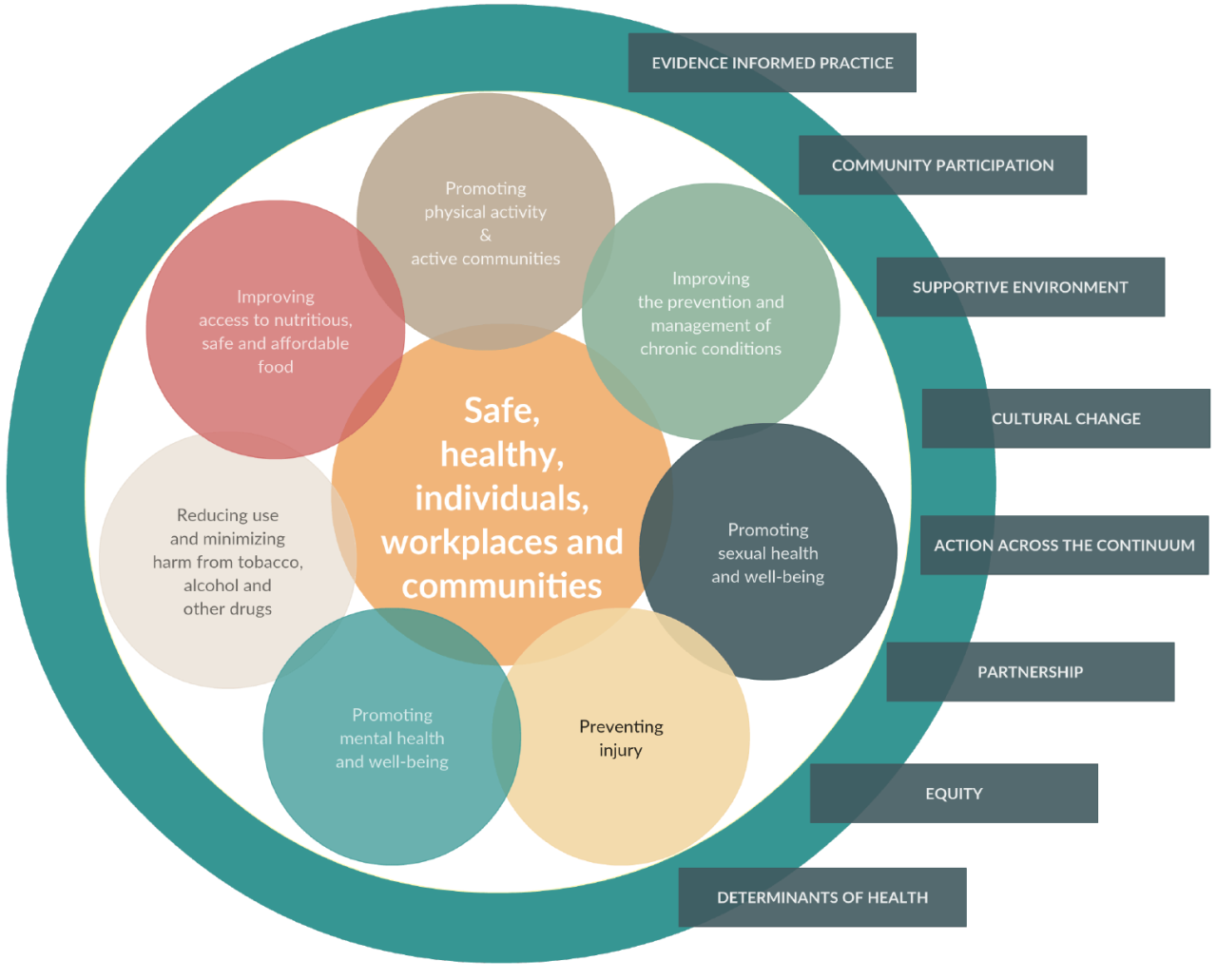
In the realm of problem-solving and project management, developing a personalized framework can significantly streamline processes and enhance effectiveness. A well-constructed framework serves as a guiding structure that aligns your goals with actionable steps tailored to specific challenges. This guide will walk you through the essential components of creating a framework that truly reflects your unique needs.
To effectively create your own framework, it’s important to follow a structured approach. Here’s a step-by-step guide that Artikels the necessary phases:
Step-by-Step Guide to Developing a Personalized Framework
Understanding the phases involved in developing a framework is crucial. Each step builds on the previous one, resulting in a cohesive and comprehensive structure tailored to your needs.
- Identify the Problem or Project Goals: Clearly define what you aim to achieve. Evaluate the context and constraints surrounding your objectives.
- Research Existing Frameworks: Investigate frameworks already in use that align with your goals. Analyze their strengths and weaknesses.
- Define Key Elements: Establish the core components that will make up your framework. These could include stages, deliverables, and tools.
- Draft Your Framework: Create an initial Artikel incorporating your research and key elements. Ensure it is logical and easy to follow.
- Test and Iterate: Implement your framework on a small scale. Gather feedback and make necessary adjustments to optimize its effectiveness.
- Document and Share: Once refined, document your framework clearly. Sharing it with relevant stakeholders can facilitate wider acceptance and implementation.
Essential Elements of an Effective Framework
When crafting a framework, certain fundamental elements should always be included to ensure its effectiveness and usability.
“A well-defined framework not only clarifies the process but also enhances communication among team members.”
The essential elements are:
- Goals and Objectives: Clearly stated outcomes that guide the framework’s direction.
- Process Steps: Specific, actionable steps that detail how to achieve the stated goals.
- Tools and Resources: Identification of tools, methodologies, or software that will support the implementation of the framework.
- Metrics for Success: Criteria for measuring progress and assessing the effectiveness of the framework.
- Roles and Responsibilities: Clarification of who is responsible for each part of the process to ensure accountability.
Challenges in Creating a Framework and Overcoming Them
Developing a new framework can present several challenges. Recognizing these potential issues early can aid in devising effective strategies for overcoming them.
Challenges may include:
- Resistance to Change: Stakeholders may be hesitant to adopt a new framework. Engaging them in the development process can foster buy-in.
- Lack of Clarity: Ambiguities in the framework can lead to confusion. Iterative testing and feedback can help clarify processes.
- Resource Constraints: Limited resources may hinder development. Prioritizing essential elements can help focus efforts effectively.
- Maintenance and Adaptation: Frameworks may need updates over time. Establishing a process for regular reviews ensures it remains relevant.
Future Trends in Framework Development
The landscape of framework development is continually evolving, influenced by advancements in technology, user demands, and industry shifts. Currently, frameworks are becoming more modular, accessible, and integrated with emerging technologies. As we look ahead, it’s crucial to analyze these trends and how they might shape the framework ecosystem in the coming years.
One significant trend is the increasing emphasis on modular and microservice-oriented architectures. This approach allows developers to create smaller, focused services that can be easily integrated or replaced. As organizations increasingly adopt DevOps and agile methodologies, frameworks that support these paradigms will likely gain traction. Additionally, the rise of cloud-native development is driving frameworks to prioritize scalability, resilience, and high availability.
Emerging Technologies Influencing Framework Development
Several emerging technologies are poised to redefine how frameworks are developed and utilized. Understanding these influences is essential for developers seeking to stay ahead of the curve.
- Artificial Intelligence (AI) and Machine Learning (ML): AI and ML are increasingly being integrated into frameworks to automate repetitive tasks and enhance decision-making processes. For instance, frameworks that provide built-in AI capabilities can streamline the development of intelligent applications, reducing the time required for manual coding.
- WebAssembly: This technology allows code written in various languages to run on the web at near-native speed. Frameworks that adopt WebAssembly can offer developers enhanced performance and flexibility, enabling the creation of highly interactive web applications.
- Progressive Web Apps (PWAs): PWAs combine the best of web and mobile applications, leading to frameworks that prioritize offline capabilities and performance. The growing popularity of PWAs is encouraging developers to focus on user experience and accessibility across devices.
- Blockchain: Frameworks that incorporate blockchain technology are emerging, particularly in sectors like finance and supply chain. These frameworks enable secure, transparent transactions and can facilitate the development of decentralized applications.
The implications of these technological advancements on various sectors are profound, particularly in technology and education. In the tech industry, frameworks that leverage these emerging technologies can enhance productivity and allow for rapid innovation. For education, frameworks that incorporate AI and ML can provide personalized learning experiences, adapting content to individual student needs while facilitating a more engaging learning environment.
As frameworks evolve to incorporate emerging technologies, they will fundamentally reshape the development process, making it more efficient, flexible, and responsive to user needs.
In summary, the future of framework development is set to be characterized by modularity, AI integration, and the adoption of technologies like WebAssembly and blockchain. Keeping an eye on these trends will enable developers and organizations to harness the full potential of frameworks, ultimately leading to improved outcomes across various sectors.
Frameworks and Interdisciplinary Approaches
Frameworks serve as structured guides that encourage collaboration across various fields, allowing diverse disciplines to unite their unique perspectives and expertise. By fostering communication and understanding, these frameworks create environments where interdisciplinary innovation can flourish. This collaboration is essential in a world where complex problems require multifaceted solutions that no single discipline can adequately address on its own.
One of the key ways frameworks promote interdisciplinary collaboration is by providing common language and concepts that practitioners from different fields can understand and utilize. For instance, the Design Thinking framework integrates insights from engineering, social sciences, and business. It emphasizes empathy and user-centered approaches, allowing teams from varied backgrounds—such as product designers, psychologists, and marketing professionals—to work together effectively toward innovative solutions. Similarly, the Systems Thinking framework enables professionals from environmental science, economics, and public policy to consider how interconnected systems influence outcomes, fostering a comprehensive understanding of challenges such as climate change or urban development.
Examples of Successful Interdisciplinary Frameworks
Several frameworks have successfully bridged gaps between disciplines, paving the way for remarkable innovations. These examples demonstrate the power of interdisciplinary collaboration facilitated by structured approaches:
- Integrated Assessment Models (IAMs): These frameworks are used in climate science to combine insights from environmental science, economics, and social science. IAMs help policymakers understand the trade-offs between economic growth and environmental sustainability, fostering better-informed decisions.
- Transdisciplinary Research Frameworks: These frameworks advocate for direct collaboration between researchers and practitioners. For instance, in public health, researchers work alongside community members to develop strategies that address health disparities, combining knowledge from epidemiology, sociology, and local health practices.
- Agile Methodology: Originating from software development, this framework has transcended into various fields, including marketing and education. By promoting iterative processes and continuous feedback, Agile allows teams from different disciplines to adapt quickly and innovate in real-time.
Adaptability is crucial for frameworks to accommodate diverse perspectives and expertise. By allowing flexibility in application, frameworks can evolve with the changing needs of contributors and the complexities of the problems they aim to solve. This adaptability not only enhances the framework’s relevance but also empowers interdisciplinary teams to integrate a wider array of viewpoints and methodologies, ultimately leading to more comprehensive and effective solutions.
Last Word
In summary, frameworks are indispensable tools that transcend disciplines, promoting efficiency, clarity, and collaboration. As we explore the evolution and future trends of frameworks, it’s clear they will continue to play a pivotal role in shaping practices and strategies in an ever-changing world.
Questions Often Asked
What is a framework?
A framework is a structured approach that provides guidelines and support for solving problems or achieving specific objectives across various fields.
How do frameworks benefit businesses?
Frameworks help businesses analyze situations, strategize effectively, and improve decision-making processes, leading to enhanced performance and competitive advantage.
Can frameworks be customized?
Yes, frameworks can be tailored to fit specific needs or challenges, allowing for flexibility in their application across different contexts.
Why are frameworks important in education?
Frameworks in education provide a systematic approach to curriculum development and teaching, ensuring that learning outcomes are effectively met.
What are some challenges in creating a new framework?
Challenges may include lack of clarity in objectives, resistance to change, and the need for interdisciplinary input; these can be mitigated through collaboration and iteration.