Cognitive Computing is at the cutting edge of technological innovation, transforming how we interact with machines and data. Imagine a world where computers can think, learn, and understand human language, bridging the gap between people and technology in ways we never thought possible. This fascinating field combines artificial intelligence, machine learning, and natural language processing to create systems that not only analyze information but also derive insights, enhancing decision-making across various industries.
The journey of cognitive computing is as intriguing as its applications. It has evolved from basic computational models to sophisticated systems capable of mimicking human thought processes. Today, cognitive computing is reshaping sectors such as healthcare, finance, and customer service, showcasing its ability to provide tailored solutions and improve operational efficiency. Understanding its fundamentals helps us appreciate the profound impact cognitive computing has on our technology-driven lives.
Cognitive Computing Fundamentals are essential for understanding its impact on technology.

Cognitive computing refers to systems that simulate human thought processes in a computerized model. The term gained traction in the early 21st century but has roots that trace back to earlier advancements in artificial intelligence (AI) and machine learning. It encompasses a range of technologies that mimic human cognitive functions such as learning, reasoning, and problem-solving. The historical context of cognitive computing can be linked to the evolution of AI from simple rule-based systems to more complex algorithms capable of processing vast amounts of data and learning from it iteratively.
Historically, cognitive computing emerged as a response to the limitations of traditional computing, which often relied on predefined algorithms and lacked the ability to adapt or learn from new information. Early efforts in AI were primarily centered around developing systems that could perform specific tasks. However, as computational power increased and data availability exploded, researchers began to focus on creating systems that not only processed data but also derived insights and made decisions based on that data. This shift marked the transition from traditional computing paradigms to cognitive computing frameworks.
Applications of Cognitive Computing in Various Industries
The versatility of cognitive computing allows it to be deployed in several industries, enhancing operations and decision-making processes. The following examples illustrate its application across different sectors:
- Healthcare: Cognitive computing systems like IBM Watson assist in diagnosing diseases by analyzing patient data and literature to recommend personalized treatment plans, effectively improving patient outcomes.
- Finance: In the finance sector, cognitive computing aids in fraud detection by analyzing transaction patterns and identifying anomalies in real-time, thereby enhancing security protocols.
- Retail: Retailers use cognitive computing for personalized marketing, leveraging customer data analysis to tailor shopping experiences and recommendations, ultimately boosting sales.
- Manufacturing: Predictive maintenance powered by cognitive computing helps manufacturers anticipate equipment failures, reducing downtime and maintenance costs by analyzing operational data and predicting failures.
Key Components of Cognitive Computing
Cognitive computing differentiates itself from traditional computing through several key components that enhance its capabilities. These components include:
- Natural Language Processing (NLP): This enables machines to understand and interpret human language, allowing for more intuitive interactions between humans and machines.
- Machine Learning: Unlike traditional computing, cognitive systems improve through experience by learning from new data and outcomes without being explicitly programmed.
- Data Mining: Cognitive computing utilizes data mining techniques to extract useful patterns and insights from large datasets, facilitating informed decision-making.
- Reasoning and Decision-Making: Cognitive systems can reason through complex problems, assess multiple variables, and make decisions based on available data, akin to human thought processes.
“Cognitive computing is not just about processing data; it’s about understanding, learning, and making sense of that data.”
The Role of Machine Learning in Cognitive Computing is crucial for enhancing decision-making processes.
Machine learning (ML) serves as a foundational element within cognitive computing, significantly influencing how systems interpret data and make informed decisions. By employing algorithms that learn from data patterns, cognitive systems can adapt to new information and improve their accuracy over time. This capability not only streamlines decision-making processes but also enhances the overall efficiency and effectiveness of cognitive technologies.
Machine learning algorithms contribute to cognitive systems by analyzing vast datasets and extracting meaningful insights. They can handle complex tasks such as natural language processing, image recognition, and predictive analytics. These systems rely on historical data to train models that recognize patterns and make predictions, allowing organizations to optimize operations and respond more effectively to customer needs. The iterative nature of machine learning ensures continuous improvement, as models are refined with new data inputs, thereby enhancing their predictive power and decision-making capabilities.
Comparison of Supervised and Unsupervised Learning Approaches
Understanding the distinction between supervised and unsupervised learning is essential for appreciating their roles in cognitive computing. Supervised learning involves training models on labeled datasets, where the outcomes are known. This approach is particularly effective for tasks such as classification and regression, allowing cognitive systems to make precise predictions based on historical data. In contrast, unsupervised learning operates on unlabeled data, seeking to identify hidden patterns or groupings without predefined outcomes. This is crucial for exploratory data analysis and anomaly detection, enabling cognitive systems to uncover insights that may not be immediately apparent.
Real-world scenarios exemplify how machine learning enhances cognitive computing outcomes. For instance, in healthcare, predictive models analyze patient data to forecast disease outbreaks and improve treatment plans. Financial institutions utilize machine learning algorithms for fraud detection, identifying unusual transaction patterns that could indicate fraudulent activity. Moreover, customer service applications deploy natural language processing algorithms to automate responses and personalize user interactions, leading to improved satisfaction levels. These examples underscore the transformative impact of machine learning on cognitive computing, elevating decision-making processes in diverse sectors.
Natural Language Processing in Cognitive Computing enables machines to understand human language.
Natural Language Processing (NLP) serves as a critical component of cognitive computing, allowing machines to comprehend and interpret human language in a way that is both meaningful and contextually relevant. The techniques employed in NLP are designed to bridge the gap between human communication and machine understanding, enabling applications that range from simple text recognition to complex conversational agents. By leveraging various algorithms and models, NLP transforms unstructured text into structured data that machines can analyze and respond to effectively.
Techniques Used in Natural Language Processing
Several techniques are utilized to facilitate the understanding of language by machines. These methods include:
- Tokenization: This process involves breaking down text into individual words or phrases, known as tokens. This is essential for further analysis, as it allows machines to understand the basic components of sentences.
- Part-of-Speech Tagging: This technique assigns grammatical categories to words, such as nouns, verbs, and adjectives. By identifying the role of each word in a sentence, machines can better understand the context and meaning.
- Named Entity Recognition (NER): NER identifies and classifies key entities within text, such as people, organizations, and locations. This technique is crucial for extracting specific information from documents.
- Sentiment Analysis: This technique evaluates the emotional tone behind a series of words, helping machines understand attitudes, opinions, and emotions expressed in text.
- Language Modeling: Language models predict the likelihood of a sequence of words. This is vital for applications like speech recognition and machine translation.
The ability to implement these techniques effectively is pivotal for overcoming various challenges in human-computer interaction through language.
Challenges in Human-Computer Interaction Through Language
Despite advancements, NLP faces significant hurdles. Ambiguity in language presents a major challenge, as the same phrase can have multiple meanings depending on context. Additionally, slang and idiomatic expressions can confuse machines. Variability in user input, including typos and different dialects, complicates accurate interpretation. These challenges can lead to misunderstandings, rendering communication less effective.
Significance of Sentiment Analysis and Its Applications
Sentiment analysis plays a vital role in cognitive systems, allowing organizations to gauge public opinion and customer satisfaction by analyzing feedback from social media, reviews, and surveys. This capability helps businesses make informed decisions based on consumer sentiment. For example, a retail company can analyze customer reviews to identify product strengths and weaknesses, guiding improvements and marketing strategies.
Sentiment analysis enables systems to not only interpret language but also derive meaningful insights that drive strategic decision-making.
The Importance of Data in Cognitive Computing Systems cannot be overstated.
In the realm of cognitive computing, data serves as the foundation upon which these sophisticated systems operate. The effectiveness and intelligence of these systems heavily rely on the types and quality of data they process. As cognitive computing continues to evolve, understanding the nuances of data management becomes critical for maximizing their potential.
Cognitive computing systems utilize a diverse array of data types to enhance their capabilities and optimize decision-making processes. The principal types of data required include structured data, unstructured data, and semi-structured data. Structured data, such as numerical values and dates, is often found in databases, while unstructured data, including text, images, and videos, represents the majority of information available in the digital world. Semi-structured data, encompassing formats like JSON and XML, falls somewhere in between, containing both structured and unstructured elements. Each of these data types plays a crucial role in enabling cognitive systems to learn, adapt, and make informed decisions based on their analyses.
Methods of Data Collection and Processing
Effective data collection and processing methodologies are essential for the success of cognitive applications. These methods can be categorized into several key approaches, each with its own strengths and use cases. The following Artikels some common methods:
- Data Mining: This involves extracting patterns and insights from large datasets, allowing cognitive systems to learn from historical data.
- Web Scraping: This technique retrieves unstructured data from websites, making it accessible for analysis and decision-making.
- Sensor Data Collection: Sensors can gather real-time data, which is particularly useful in applications such as smart cities or healthcare.
- User-generated Content: Data from social media, feedback forms, and surveys provide invaluable insights into consumer behavior and preferences.
The quality of data directly influences the performance of cognitive computing systems. High-quality data ensures that models are trained accurately, leading to better predictions and insights. Conversely, poor-quality data can result in misleading conclusions and decreased effectiveness. For instance, in healthcare applications, inaccuracies in patient data can lead to misdiagnoses, underscoring the need for rigorous data validation processes.
Data quality is the cornerstone of effective cognitive computing.
Investing in robust data governance practices and employing advanced data cleaning techniques are critical steps in maintaining data integrity. Thus, the significance of quality data cannot be overstated in the context of cognitive computing; it is the lifeblood that powers these intelligent systems and drives their success in real-world applications.
Cognitive Computing and Its Impact on Business Innovation is shaping new strategies.
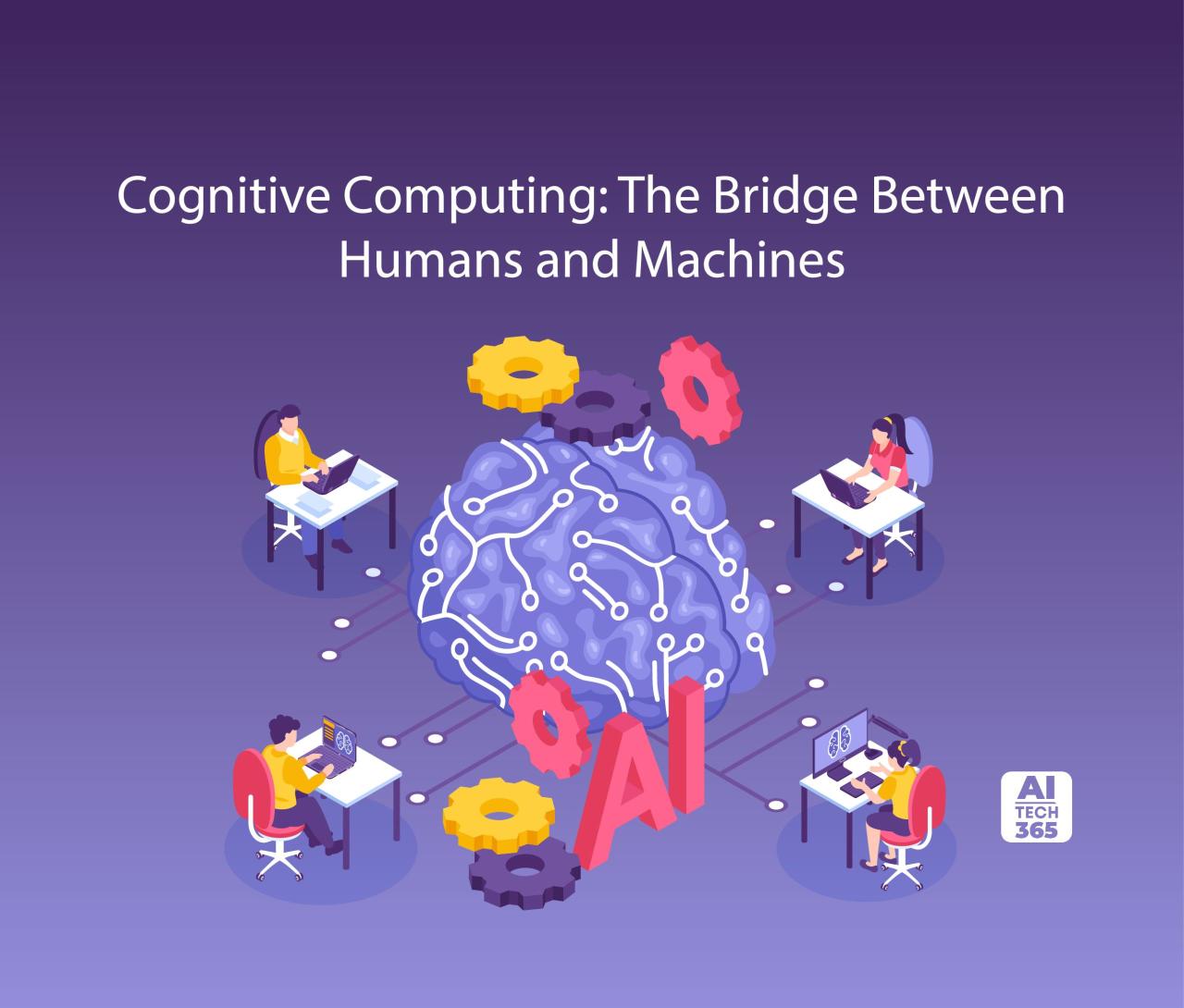
Cognitive computing is revolutionizing the way businesses approach problem-solving and decision-making. By mimicking human thought processes through advanced algorithms and machine learning, organizations are reimagining their strategies and operations to gain a competitive edge. This technology enables companies to analyze vast amounts of data swiftly, leading to insightful decisions that drive innovation.
One of the notable ways businesses leverage cognitive computing is through enhanced data analysis and customer insights. These systems can process unstructured data from various sources, such as social media and customer feedback, allowing firms to gain deeper insights into consumer behavior and preferences. This data-driven approach assists in personalizing marketing strategies, improving customer experiences, and ultimately increasing sales.
Successful Case Studies of Cognitive Computing Implementation
Several companies have successfully adopted cognitive computing solutions to reshape their business strategies:
1. IBM Watson: IBM’s Watson has been a pioneer in cognitive computing. For instance, healthcare professionals utilize Watson to assist in diagnosing diseases by analyzing medical data and providing evidence-based recommendations. Hospitals have reported improved patient outcomes and efficiency in treatment plans since integrating Watson into their operations.
2. Coca-Cola: The beverage giant leverages cognitive computing to enhance its marketing efforts. By analyzing trends and consumer feedback, Coca-Cola has developed campaigns that resonate more with their target audience, boosting engagement and brand loyalty.
3. Amazon: Amazon employs cognitive computing to optimize its supply chain and personalize user experiences. Through predictive analytics, they anticipate customer preferences, effectively managing inventory and ensuring timely deliveries, which directly impacts their bottom line.
As cognitive computing continues to evolve, several future trends are likely to influence business operations significantly.
– Increased Automation: Businesses are expected to automate routine tasks more comprehensively, allowing employees to focus on strategic initiatives.
– Enhanced Human-Machine Collaboration: The interaction between cognitive systems and human workers will grow, improving productivity and innovation.
– Real-time Decision Making: Future systems will provide real-time insights, enabling businesses to respond to market changes almost instantaneously.
These trends underscore the transformative power of cognitive computing, driving businesses toward innovative practices and operational excellence.
Ethical Considerations in Cognitive Computing must be addressed for responsible usage.
Cognitive computing represents a significant leap in technology, offering tools that can mimic human thought processes and enhance decision-making. However, the deployment of these advanced systems invites a host of ethical dilemmas that must be navigated with care. Understanding the ethical landscape is crucial for ensuring the responsible use of cognitive technologies and addressing the potential consequences of their application in various sectors.
The ethical dilemmas associated with deploying cognitive technologies often stem from their ability to process vast amounts of data and make autonomous decisions. One major concern is bias in algorithms, which can lead to unfair treatment of individuals based on race, gender, or socioeconomic status. For example, predictive policing algorithms have been criticized for perpetuating existing biases in law enforcement. Moreover, as these systems become more integrated into everyday life, there is a growing risk of accountability issues. When cognitive systems make mistakes or cause harm, determining liability can be complex, raising questions about whether responsibility lies with the developers, users, or the systems themselves.
Privacy Concerns and Data Security
The importance of privacy and data security in cognitive systems cannot be overstated. As these technologies often require access to sensitive personal information to function effectively, it is essential to scrutinize how data is collected, used, and stored. Users may be unaware of the extent to which their data is being utilized, leading to potential violations of privacy. Effective data anonymization techniques are critical to safeguarding individual information while still leveraging data for cognitive computing applications.
To mitigate privacy risks, organizations must implement robust data governance frameworks and adhere to best practices for data handling. This includes obtaining informed consent from users and providing transparency about data usage. Furthermore, employing technologies such as encryption can enhance security by protecting sensitive information from unauthorized access and cyber threats.
Regulatory frameworks play a pivotal role in shaping the development of cognitive computing. Governments and international bodies are increasingly recognizing the need for regulations that set ethical standards for technology deployment. For instance, the European Union’s General Data Protection Regulation (GDPR) has established guidelines that dictate how personal data should be managed, enforcing stricter accountability for data breaches and misuse. Adhering to these frameworks not only protects individuals but also supports businesses in building trust with their users.
The Future of Cognitive Computing is an exciting area ripe for exploration.
The landscape of cognitive computing is evolving rapidly, paving the way for unprecedented advancements that promise to transform industries and enhance decision-making processes. As cognitive computing technologies continue to mature, we can expect a slew of innovative applications that will redefine how humans interact with machines.
Potential Advancements in Cognitive Computing Technologies
The next decade of cognitive computing is set to bring forth several groundbreaking advancements that will enhance machine learning, natural language processing, and data analytics. These advancements can be categorized into three key areas:
- Improved Machine Learning Algorithms: Future developments will likely lead to more sophisticated algorithms capable of learning from smaller datasets. For instance, techniques such as transfer learning and few-shot learning will enable systems to adapt quickly to new tasks, reducing the time and resources required for training.
- Enhanced Natural Language Understanding: As cognitive computing progresses, machines will become better at comprehending human language nuances, including sarcasm and idioms. This will allow for more natural and intuitive interactions, as seen in applications like virtual assistants that can hold context-rich conversations.
- Augmented Decision-Making: Cognitive computing systems will increasingly aid in complex decision-making by simulating various scenarios. For example, in healthcare, doctors will use cognitive systems to analyze patient data against vast medical databases, leading to more accurate diagnoses and treatment plans.
Integration with Emerging Technologies
The melding of cognitive computing with other emerging technologies will create synergies that enhance functionality and application. Some significant integrations include:
- Internet of Things (IoT): Cognitive computing can analyze data streams from IoT devices in real-time, enabling smarter automation in sectors like agriculture and urban planning.
- Blockchain: Integrating cognitive computing with blockchain can enhance security and transparency in transactions by analyzing patterns and flagging anomalies.
- Augmented Reality (AR): The combination of cognitive computing with AR can provide users with context-aware information, enriching experiences in fields such as retail and education.
Challenges Ahead for Cognitive Computing
Despite the promising advancements, significant challenges remain on the road to cognitive computing’s evolution. Key issues include:
- Data Privacy Concerns: As cognitive systems handle more personal data, ensuring user privacy and adhering to regulations like GDPR will be paramount.
- Bias in Algorithms: The risk of bias in machine learning algorithms can lead to unfair outcomes. Continuous efforts to refine and audit algorithms are necessary to promote fairness.
- Technical Complexity: The integration of cognitive systems into existing infrastructures can be technically challenging, requiring skilled professionals and significant investment.
As cognitive computing continues to evolve, the collaboration between humans and machines will reach new heights, creating more intelligent and capable systems that enhance everyday life.
Conclusion
In summary, Cognitive Computing stands as a pivotal force in the modern tech landscape, offering remarkable opportunities for innovation and efficiency. As industries continue to harness its capabilities, we see a shift towards smarter solutions that not only enhance productivity but also reshape the way we perceive and interact with technology. Embracing this revolution requires an awareness of the challenges and ethical considerations that accompany such advancements, ensuring a future where cognitive systems benefit all.
FAQs
What is the difference between cognitive computing and traditional computing?
Cognitive computing focuses on simulating human thought processes, while traditional computing follows pre-defined algorithms and processes.
How does cognitive computing benefit businesses?
It enhances decision-making, improves customer experiences, and drives innovation by analyzing vast amounts of data and generating insights.
What role does big data play in cognitive computing?
Big data provides the necessary volume of diverse information that cognitive systems require to learn and make informed decisions.
Are there limitations to cognitive computing?
Yes, cognitive computing systems can struggle with ambiguity and require high-quality data to function effectively.
How is machine learning integrated into cognitive computing?
Machine learning algorithms are used to train cognitive systems, enabling them to improve their performance over time based on new data and experiences.