Chatbots have become an integral part of our digital landscape, revolutionizing how businesses and consumers interact. These intelligent systems are designed to simulate conversation, offering users instant responses and support across various platforms. As technology advances, chatbots have evolved from simple programmed responses to sophisticated AI-driven solutions capable of understanding context and providing personalized experiences. This development not only enhances user engagement but also streamlines operations in numerous industries.
From their humble beginnings to the cutting-edge innovations we see today, chatbots have significantly transformed the way we communicate. Their ability to learn and adapt has led to broader applications in fields like customer service, healthcare, and finance. With the increasing reliance on technology for communication, understanding the evolution, types, and impact of chatbots is essential for anyone looking to navigate this dynamic landscape.
The Evolution of Chatbots in Modern Technology
The journey of chatbots from rudimentary systems to sophisticated conversational agents highlights the rapid advancement in technology and artificial intelligence. Initially conceived in the 1960s, chatbots have undergone significant transformation, becoming integral tools in customer service, entertainment, and personal assistance.
The evolution of chatbots can be traced through several key technological developments that have enhanced their capabilities and improved user experiences. Early chatbots relied heavily on scripted dialogue and basic pattern recognition, limiting their interactions to a narrow scope of queries. However, advancements in natural language processing (NLP), machine learning, and artificial intelligence have broadened their functionality and adaptability.
Historically, chatbots have had distinct phases of development:
Early Chatbots and Their Limitations
The earliest chatbots, despite being groundbreaking, had notable limitations that restricted their usability. Here are some key examples:
- ELIZA (1966): Developed at MIT, ELIZA simulated conversation by using pattern matching and recognition. While innovative for its time, it could only respond to specific phrases and lacked true understanding of context.
- PARRY (1972): Designed to mimic a person with paranoid schizophrenia, PARRY demonstrated more complex interactions than ELIZA. However, it still struggled with nuanced conversations and relied on scripted responses.
- ALICE (1995): ALICE utilized a more advanced set of rules to generate responses, yet it still faced challenges with context retention and could easily be confused by ambiguous inputs.
- SmarterChild (2001): This bot could hold basic conversations and pull information from the web. However, it often failed to understand user intent and provided limited personalized responses.
The limitations of these early chatbots mainly stemmed from their reliance on pre-defined scripts and simplistic algorithms. They lacked the ability to learn from conversations or adapt to user preferences, resulting in a frustrating experience for users seeking more meaningful interactions.
As technology progressed, modern chatbots now leverage deep learning and advanced NLP, enabling them to discern context, engage in multi-turn conversations, and deliver personalized experiences. These advancements have paved the way for chatbots that not only respond accurately but also anticipate user needs, making them indispensable in today’s digital landscape.
The Different Types of Chatbots and Their Applications
Chatbots have evolved significantly, finding their place in various sectors by enhancing user experience and operational efficiency. Understanding the different types of chatbots and their applications is crucial for businesses looking to leverage this technology. The main categories include rule-based chatbots, AI-driven chatbots, and hybrid models, each serving unique functions in diverse industries.
Types of Chatbots
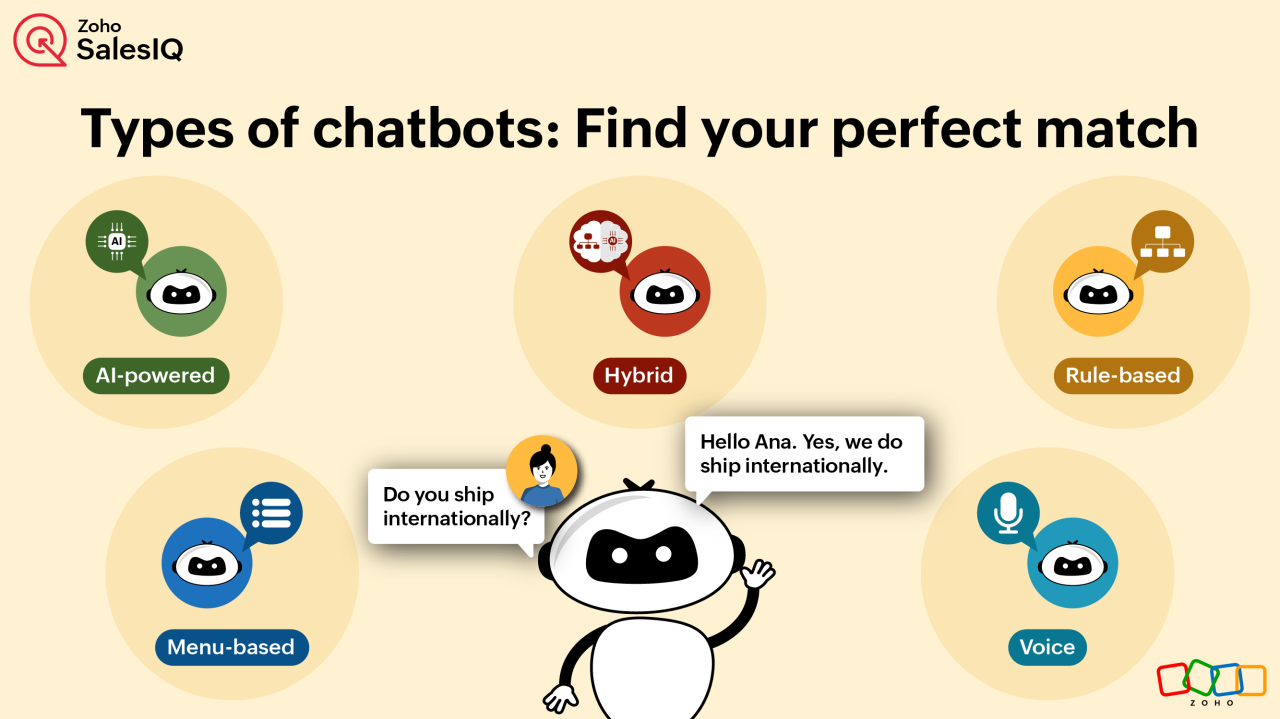
Chatbots can be broadly classified into three main types, each with distinct characteristics and use cases:
- Rule-Based Chatbots: These chatbots operate on predefined rules and scripts. They follow a set of guidelines to respond to user inputs. While limited in their ability to handle complex queries, they are effective for straightforward tasks such as FAQs and customer support in specific scenarios.
- AI-Driven Chatbots: These utilize advanced machine learning algorithms to understand and process natural language. AI-driven chatbots can learn from interactions, making them more adaptable and effective in providing personalized responses. They are widely used in industries needing complex customer interactions, like retail and banking.
- Hybrid Chatbots: Combining elements of both rule-based and AI-driven chatbots, hybrid models can offer scripted responses for routine inquiries while also leveraging AI to handle more sophisticated questions. This versatility allows for broader applications across various sectors, enhancing the user experience.
Applications in Various Industries
The implementation of chatbots spans multiple industries, each tailored to meet specific business needs. The applications of chatbots can be summarized as follows:
- Healthcare: Chatbots assist in patient scheduling, provide medication reminders, and offer pre-diagnosis support, improving patient engagement and operational efficiencies.
- Finance: In the finance industry, chatbots help customers manage their accounts, provide investment advice, and assist with transaction inquiries, streamlining customer service operations.
- Customer Service: Chatbots handle customer inquiries, process orders, and offer product recommendations, significantly reducing response times and improving customer satisfaction.
Case Studies Demonstrating Operational Efficiency
The following case studies illustrate how chatbots have successfully enhanced operational efficiency within organizations:
| Company | Industry | Challenge | Solution | Outcome |
|---|---|---|---|---|
| HealthBot | Healthcare | High patient wait times | Implemented a scheduling chatbot | 70% reduction in appointment scheduling time |
| FinancePlus | Finance | Customer service overload | Deployed AI-driven chatbot for inquiries | 50% increase in customer inquiry resolution |
| RetailGuru | Retail | Slow response to customer queries | Introduced hybrid chatbot for customer support | 30% improvement in customer satisfaction scores |
Chatbots can enhance customer engagement, streamline operations, and provide valuable insights into customer behavior.
The Impact of Chatbots on Customer Service and Engagement
The rise of chatbots in the customer service landscape has revolutionized how businesses engage with their customers. By offering instant responses and personalized interactions, chatbots enhance the overall customer experience, bridging the gap between traditional service methods and modern expectations. As organizations strive to meet the demands of a tech-savvy audience, chatbots have become essential tools to improve efficiency and satisfaction.
Chatbots streamline customer service by providing instant assistance, significantly reducing wait times compared to traditional methods. In a conventional setting, customers might have to wait on hold for several minutes or navigate complex phone menus before receiving help. Chatbots, however, can handle multiple queries simultaneously and offer immediate responses, thus freeing up human agents to tackle more complex issues. This shift not only improves operational efficiency but also enhances customer satisfaction as users receive quicker solutions to their problems.
Comparison of Traditional Customer Service Methods with Chatbot Implementations
When analyzing the differences between traditional customer service and chatbot implementations, several key efficiencies become apparent. The following points illustrate these advantages:
- 24/7 Availability: Chatbots can provide around-the-clock service, ensuring that customers receive assistance at any hour, unlike traditional methods that are bound by specific operating hours.
- Cost-Effectiveness: Utilizing chatbots can significantly reduce staffing costs, as they can handle a high volume of inquiries without the need for extensive human resources.
- Consistency in Responses: Chatbots deliver consistent information and services, reducing the likelihood of human error or variations in customer service quality.
- Data Collection and Analysis: Chatbots can gather and analyze customer interaction data, helping companies better understand consumer behavior and preferences to tailor their offerings.
- Enhanced Customer Engagement: With features like personalized recommendations and proactive assistance, chatbots can engage customers more effectively, leading to higher retention rates.
Statistics indicate a growing acceptance of chatbots among consumers. According to a survey by Forrester, 57% of consumers are open to using chatbots for customer service, emphasizing their comfort with automated interactions. Additionally, a report by Gartner suggests that by 2025, 75% of customer service interactions will be powered by AI technologies, including chatbots. These findings highlight a shift in consumer perception, as more individuals recognize the efficiency and convenience that chatbots offer in service roles.
“Chatbots are not replacing human agents; they are enhancing human capabilities and improving customer service experiences.”
As chatbots continue to evolve, businesses must focus on integrating artificial intelligence to enhance the personalization of interactions, ensuring that customers feel valued and understood. With their ability to provide quick resolutions and engage users effectively, chatbots are reshaping the future of customer service, establishing new standards for customer engagement in various industries.
Challenges and Limitations Faced by Chatbots in Real-world Implementation
The integration of chatbots into organizational systems offers exciting opportunities for enhancing user experience and operational efficiency. However, various challenges and limitations arise during their implementation that can hinder their effectiveness and user satisfaction. Understanding these obstacles is crucial for organizations looking to leverage chatbot technology effectively.
One significant challenge that organizations face when integrating chatbots is ensuring seamless communication between the chatbot and existing systems. This often involves complex integration processes with multiple platforms, which can lead to compatibility issues. Additionally, organizations may struggle with data privacy concerns, as chatbots often require access to sensitive user information to provide personalized responses.
Common Challenges in Chatbot Integration
Several challenges can impede the successful integration of chatbots within a business framework. The following points highlight the most prevalent issues:
- Data Integration: Ensuring that chatbots can access and utilize data from various sources, including CRM systems and databases, can be technically demanding.
- User Acceptance: Gaining user trust and encouraging adoption can be difficult, particularly if users have had negative experiences with chatbots in the past.
- Continuous Learning: Most chatbots require regular updates and training to improve their accuracy, demanding ongoing resources and effort from organizations.
- Technical Skills: Organizations often lack the necessary technical expertise to develop and maintain sophisticated chatbot systems in-house.
Limitations of Current Chatbot Technologies
Despite advancements in chatbot technologies, significant limitations remain that can affect their performance and user experience. These limitations often stem from the inherent design and functionality of chatbots.
One of the primary limitations is the inability of many chatbots to understand the context of conversations. Without contextual awareness, chatbots may provide irrelevant or incorrect responses, leading to user frustration. Furthermore, chatbots often struggle with complex queries that require nuanced understanding or multi-turn conversations.
“The inability to recognize and respond to user intent accurately is a common plight of many existing chatbot technologies.”
User Frustrations with Chatbot Interactions
User experience is pivotal in determining the success of chatbots. Many users report frustration due to various factors that dampen their interactions. Addressing these frustrations is vital for improving chatbot designs and functionalities. Here are some common issues users face:
- Repetitive Responses: Users often encounter chatbots that provide the same responses despite varying questions, leading to a poor interaction experience.
- Lack of Understanding: Many chatbots fail to grasp complex queries, resulting in irrelevant answers that do not address user needs.
- Limited Personalization: Users feel that chatbots do not provide tailored responses based on their preferences or previous interactions.
- Interaction Limitations: Many chatbots cannot manage multi-turn conversations effectively, causing frustration when users attempt to elaborate on their inquiries.
Improving chatbot systems requires a focus on enhancing contextual understanding, personalization capabilities, and overall user interaction quality. By addressing these limitations and frustrations, organizations can create more effective and user-friendly chatbot solutions.
Best Practices for Designing Effective Chatbot Interactions
Designing effective chatbot interactions is essential for enhancing user satisfaction and ensuring a smooth user experience. A well-designed chatbot can engage users, answer their queries, and provide assistance efficiently. To achieve this, several best practices should be considered during the design process.
The tone, personality, and language used in chatbot conversations play a significant role in how users perceive and interact with the chatbot. These aspects contribute to creating an inviting atmosphere that encourages users to communicate freely and feel understood. A cohesive approach to tone and language can greatly enhance the overall effectiveness of the chatbot.
Best Practices for User-Friendly Chatbot Interactions
Implementing best practices ensures that chatbot interactions are intuitive and helpful. Below is a list of crucial practices that should be integrated into chatbot design:
Understanding the importance of these practices helps create a seamless experience:
- Clarity and Simplicity: Use clear language and avoid jargon to ensure users understand the chatbot’s responses easily.
- Consistent Tone: Maintain a uniform tone throughout the conversation, whether it’s friendly, professional, or casual, to help users feel comfortable.
- Personalization: Tailor interactions based on user data and preferences to create a more engaging experience that resonates with individual users.
- Context Awareness: Design chatbots to understand context and follow up on previous interactions, providing relevant responses that acknowledge prior conversations.
- Easy Navigation: Structure interactions to allow users to navigate easily, using quick replies or buttons for common questions to streamline the process.
- Feedback Mechanism: Implement ways for users to provide feedback on their experience, which can be used for continuous improvement of the chatbot.
Importance of Tone, Personality, and Language
The tone, personality, and language used in chatbot interactions significantly influence user engagement and satisfaction. Understanding each aspect is essential for creating a conversational interface.
Each of these components plays a critical role:
| Aspect | Description | Impact |
|---|---|---|
| Tone | The emotion or attitude conveyed in the chatbot’s responses. | A well-defined tone (e.g., friendly, professional) helps establish trust and connection with users. |
| Personality | The character traits that the chatbot embodies through its responses. | A recognizable personality makes interactions memorable and engaging, encouraging users to return. |
| Language | The choice of words, phrases, and structure used in the conversation. | Appropriate language enhances clarity and relatability, allowing users to feel understood and valued. |
Ensuring that tone, personality, and language are aligned can significantly boost user satisfaction and engagement with the chatbot.
Future Trends in Chatbot Development and Technology
The field of chatbot development is rapidly evolving, driven by advancements in artificial intelligence (AI) technologies. With machine learning and natural language processing (NLP) making significant strides, the capabilities of chatbots are expanding, allowing them to serve increasingly complex roles in various sectors. The future of chatbots looks promising, as they move beyond simple task automation to becoming sophisticated virtual assistants that can enhance user experiences.
As chatbot technology continues to mature, several emerging trends are shaping its future. Machine learning algorithms are becoming more advanced, enabling chatbots to learn from interactions and improve over time. Natural language processing is also seeing improvements, allowing chatbots to understand context, sentiment, and nuances in human language. These developments will enhance the conversational abilities of chatbots and make them more intuitive and responsive.
Predictions on Chatbot Evolution
The next decade will witness transformative changes in chatbot functionalities and their integration into daily life. As chatbot technology develops, we can anticipate several innovative features that will redefine how users interact with them. These features will not only enhance user engagement but also broaden the applications of chatbots across various industries. Below are predicted trends in chatbot development:
- Personalization: Future chatbots will utilize advanced data analytics to provide highly personalized interactions, tailoring responses based on user preferences, history, and behavior.
- Multimodal Communication: Chatbots will be capable of engaging users through voice, text, and visual elements, enabling a richer and more dynamic interaction experience.
- Emotional Intelligence: Advanced sentiment analysis will allow chatbots to recognize and respond to user emotions, leading to more empathetic conversations.
- Integration with IoT: Chatbots will interface seamlessly with Internet of Things (IoT) devices, facilitating smart home management, health monitoring, and more.
- Enhanced Security Features: Future chatbots will incorporate robust security measures, such as biometric authentication, ensuring safer transactions and data handling.
- Proactive Assistance: Rather than simply responding to queries, chatbots will anticipate user needs, offering suggestions and solutions before users even ask.
In summary, the evolution of chatbot technology is poised to revolutionize interactions in both personal and professional settings. By harnessing advanced machine learning and natural language processing capabilities, chatbots will become indispensable tools, enhancing efficiency and user satisfaction.
As chatbots become more sophisticated, their potential roles in society will encompass everything from customer service to companionship.
Ethical Considerations and Privacy Issues Related to Chatbots
The integration of chatbots into various sectors highlights essential ethical considerations, particularly regarding user privacy and data security. As chatbots become ubiquitous, understanding their impact on human interaction and the surrounding ethical landscape is crucial for organizations aiming to create trustworthy systems.
The use of chatbots raises significant ethical implications, particularly regarding how they handle personal data. Many chatbots collect sensitive information to enhance user experience or provide better services. This necessitates robust data protection measures to ensure user privacy. Organizations must be transparent about data collection practices and obtain informed consent from users. Users should have full knowledge of what data is being collected, how it will be used, and the duration for which it will be retained. Furthermore, organizations need to implement stringent security protocols to protect this data from unauthorized access or breaches.
Regulatory Considerations for Chatbot Deployment
Organizations deploying chatbots must adhere to various regulatory frameworks that govern data privacy and security. These regulations are crucial in ensuring ethical practices and protecting user rights.
The following key regulations are essential for organizations to consider:
- General Data Protection Regulation (GDPR): This European Union law mandates strict guidelines on data protection and privacy, requiring businesses to handle personal information responsibly.
- California Consumer Privacy Act (CCPA): This legislation enhances privacy rights for residents of California, giving users more control over their personal information and requiring businesses to disclose data practices.
- Health Insurance Portability and Accountability Act (HIPAA): For chatbots operating in the healthcare sector, HIPAA Artikels the requirements for safeguarding medical information.
- Children’s Online Privacy Protection Act (COPPA): This U.S. law protects the privacy of children under 13, requiring parental consent for data collection.
Organizations must ensure compliance with these regulations to avoid legal repercussions and build user trust.
Best Practices for Ethical Chatbot Interactions
Maintaining user confidence in chatbot interactions hinges on adopting ethical practices. Implementing the following strategies can help ensure responsible use of chatbots.
Establishing clear guidelines for chatbot interactions can significantly enhance user experience:
- Transparency in Chatbot Identity: Users should be informed when they are interacting with a chatbot rather than a human. This clarity can prevent misunderstandings and foster trust.
- Data Minimization: Collect only the information that is necessary for the chatbot to function effectively. Avoid excessive data collection to respect user privacy.
- Secure Data Storage: Implement strong encryption methods to protect user data both at rest and in transit. Regularly update security measures to combat emerging threats.
- User Control over Data: Enable users to easily access, modify, or delete their personal data stored by the chatbot, reinforcing their control over their information.
By following these best practices, organizations demonstrate their commitment to ethical standards and user privacy, ultimately cultivating a trusting relationship with their audience.
“Trust is the foundation upon which effective chatbot interactions are built.”
Concluding Remarks
In summary, chatbots are not just a fleeting trend; they represent a fundamental shift in how we engage with technology and each other. As they continue to evolve, addressing their challenges and understanding their ethical implications will be crucial for maximizing their potential. The future of chatbots promises exciting developments that could redefine user experiences and operational efficiencies, making it an area worth watching closely.
General Inquiries
What are chatbots?
Chatbots are automated programs that simulate human conversation, allowing users to interact with technology through text or voice.
How do chatbots improve customer service?
They provide instant responses, 24/7 availability, and personalized interactions, enhancing overall customer satisfaction.
Are there different types of chatbots?
Yes, chatbots can be classified into rule-based, AI-driven, and hybrid models, each serving different functions and industries.
Can chatbots handle complex queries?
Current chatbots struggle with complex queries that require deep contextual understanding, although advancements are being made.
What are the future trends for chatbots?
Future trends include improved natural language processing, machine learning capabilities, and integration with other technologies like voice recognition.