Automation is reshaping our world in unprecedented ways, influencing everything from manufacturing to our daily routines. As technology rapidly evolves, the integration of automation into various sectors signifies a pivotal shift towards enhanced efficiency and productivity. The journey of automation over the last few decades showcases remarkable advancements, paving the way for innovative solutions that transform how we work and live.
From the introduction of robotic systems in factories to smart home devices that enhance our personal spaces, the impact of automation is everywhere. As we delve deeper into the evolution of automation, we will explore how it intertwines with artificial intelligence, revolutionizes the workforce, and shapes future trends. This exploration also uncovers the ethical considerations and data security challenges that accompany this technological advancement.
The Evolution of Automation Across Industries
Over the past few decades, automation has dramatically transformed various industries, fundamentally altering how businesses operate and deliver value. Automation encompasses the use of technology to perform tasks with minimal human intervention, and its evolution has been marked by advancements in robotics, artificial intelligence, and software systems. As industries embrace automation, they are discovering efficiencies that were once unimaginable, leading to enhanced productivity and the redefinition of work.
Automation’s impact can be observed across several sectors, from manufacturing to healthcare, logistics, and even finance. The introduction of programmable logic controllers (PLCs) in manufacturing revolutionized production lines by allowing machines to operate with precision and consistency. This shift paved the way for the adoption of robotics, which has become integral in assembling products, packaging, and quality control. Companies like Tesla utilize robotic automation to streamline the production of electric vehicles, highlighting how automation can enhance output while reducing errors.
In healthcare, electronic health records (EHR) systems have automated patient management processes, enabling providers to access vital information quickly and efficiently. This not only enhances patient care but also improves operational efficiency by reducing paperwork and administrative burdens. For example, hospitals employing automated scheduling software have significantly reduced patient wait times and optimized resource allocation.
Logistics has also seen substantial advancements due to automation. Warehouse automation technologies, such as automated guided vehicles (AGVs) and robotics, have expedited inventory management processes. Amazon’s fulfillment centers serve as a prime example, where automation plays a crucial role in sorting and shipping orders rapidly, allowing the company to maintain a competitive edge in e-commerce.
The impact of automation on productivity is profound, as it often results in faster production cycles, reduced labor costs, and enhanced product quality. Companies can achieve higher output levels without the need for proportional increases in labor, effectively increasing their profit margins. Additionally, automation fosters innovation by freeing up human resources to focus on more creative and strategic tasks, rather than repetitive manual labor.
Overall, the evolution of automation is reshaping industries, driving efficiency, and setting new standards for productivity. As technology continues to advance, the potential for automation to further transform the business landscape remains significant.
The Role of Artificial Intelligence in Automation
Artificial Intelligence (AI) plays a transformative role in the realm of automation, acting as a catalyst that enhances the efficiency, accuracy, and adaptability of various processes. By integrating AI into automation systems, organizations can streamline operations, improve decision-making, and reduce human error. This synergy between AI and automation has led to developments that not only optimize existing workflows but also enable new capabilities that were previously unimaginable.
AI technologies such as machine learning, natural language processing, and computer vision have been widely integrated into automation systems. Machine learning algorithms allow systems to learn from data and improve over time, while natural language processing enables machines to understand and respond to human language, facilitating better interactions. Computer vision aids in tasks such as quality control and inspection, identifying defects or anomalies in products swiftly and accurately. Together, these technologies create comprehensive automation systems that can handle complex tasks with minimal human intervention.
Case Studies of AI Automation Enhancing Decision-Making and Operational Efficiency
Numerous organizations have successfully implemented AI-driven automation, resulting in significant enhancements in decision-making and operational efficiency. For instance, a notable case is the application of AI in supply chain management at a leading retail company. By utilizing machine learning algorithms to predict inventory needs based on consumer behavior and seasonal trends, the company reduced excess stock by 20%, leading to improved cash flow and reduced waste.
Another example is found in the manufacturing sector, where AI-powered predictive maintenance systems have been adopted by companies like General Electric. These systems analyze data from machinery to anticipate failures before they occur, reducing downtime by up to 30% and saving millions in repair costs. Furthermore, AI systems have enabled real-time data analysis, allowing managers to make informed decisions swiftly, adapting to changes in production demands or supply chain disruptions.
In the healthcare sector, AI automation has been pivotal in improving patient outcomes. For example, hospitals utilizing AI-driven diagnostic tools have reported faster and more accurate diagnoses, thus optimizing treatment plans. These advancements are not only improving patient satisfaction but also significantly reducing the operational burdens on healthcare providers.
The integration of AI into automation processes has proven to be a game-changer across various industries, driving efficiency and enabling organizations to respond to challenges with agility and precision.
Automation and the Workforce
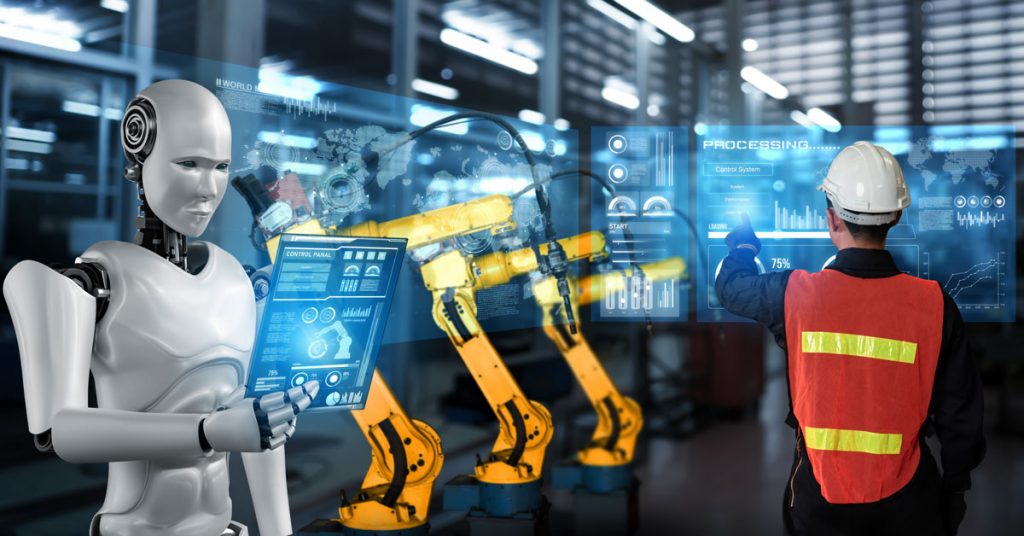
The rise of automation is reshaping the landscape of employment across various sectors. As businesses adopt automated systems to enhance efficiency and reduce costs, the implications for the workforce become increasingly significant. This transformation presents both challenges and opportunities, influencing job displacement and the evolution of required skills for the modern economy.
Automation has the potential to displace a large number of jobs, particularly in sectors reliant on routine and repetitive tasks. According to a report by McKinsey & Company, around 60% of all occupations have at least 30% of activities that can be automated. This presents a substantial risk of job losses in roles such as manufacturing, data entry, and even some aspects of customer service. However, automation also creates opportunities for new roles that require advanced technical skills and problem-solving capabilities. For instance, jobs in robotics maintenance, data analysis, and AI development are on the rise, requiring a different skill set than traditional roles.
Skills Needed in Automated Environments
The skills landscape is shifting dramatically as automation integrates into the workplace. Jobs in automated environments demand a new set of competencies compared to traditional roles. While traditional jobs often focus on manual skills and routine task execution, automated roles require individuals to possess technological proficiency, critical thinking, and adaptability.
Key skills for the future workforce in automated settings include:
- Technical Skills: Familiarity with software, machinery, and robotics is essential. Workers need to be proficient in operating and troubleshooting automated systems.
- Analytical Skills: The ability to interpret data is crucial. Employees must analyze trends and metrics generated by automated systems to make informed decisions.
- Adaptability: As technology evolves, so must the workforce. Flexibility to learn new technologies and methods is vital for sustained employment.
- Collaboration: Automated systems often work alongside humans. Effective teamwork between employees and machines is necessary to optimize productivity.
To ensure a smooth transition into automated environments, businesses can implement retraining programs focused on skill enhancement. Companies can adopt several strategies to retrain existing employees:
- Upskilling Programs: Offering training sessions that focus on new technologies, such as coding or using AI tools, can help employees adapt to changing job requirements.
- Cross-Training: Employees can be trained in multiple roles within the organization, providing them with the versatility to shift between jobs as needed.
- Partnerships with Educational Institutions: Collaborating with local colleges or online platforms for skill development courses can provide employees with access to the latest knowledge and training.
- Mentorship and Coaching: Establishing mentorship programs where experienced employees guide their peers in adapting to new technologies fosters a culture of continuous learning.
By proactively addressing the skills gap and investing in employee development, businesses can not only mitigate the impact of automation on job displacement but also cultivate a workforce that thrives in an increasingly automated future.
Future Trends in Automation Technology
As we delve into the future of automation technology, it’s essential to recognize the exciting advancements that are set to redefine industries across the globe. The evolution of automation is being driven by rapid technological advancements, changing workforce dynamics, and an increasing emphasis on sustainability. These factors are shaping a landscape where automation will not only enhance efficiency and productivity but also contribute to environmental stewardship.
Emerging trends in automation technology are influencing how businesses operate, with a focus on integrating smart solutions that streamline processes. One significant trend is the rise of artificial intelligence (AI) and machine learning (ML), which are enabling systems to learn from data, adapt, and improve over time. This capability allows for smarter decision-making and more efficient operations, as businesses can leverage predictive analytics for demand forecasting, quality control, and risk management. Additionally, the Internet of Things (IoT) continues to expand, connecting devices and systems to gather real-time data, facilitating automation on an unprecedented scale.
Anticipated Technological Innovations
Understanding the forthcoming technological innovations is crucial for businesses looking to stay competitive. Below is a table outlining some key innovations and their potential applications:
| Technological Innovation | Potential Applications |
|---|---|
| Robotics Process Automation (RPA) | Streamlining administrative tasks and data entry, enhancing operational efficiency. |
| AI and Machine Learning | Predictive maintenance, customer service automation, and personalized marketing strategies. |
| IoT Integration | Smart factories, real-time monitoring, and improved supply chain management. |
| Blockchain Technology | Enhancing security, transparency in supply chains, and automating contract enforcement. |
| Edge Computing | Reducing latency in data processing for critical real-time applications. |
The integration of sustainability into future automation practices is becoming increasingly vital. Companies are recognizing that automation can contribute to greener operations by optimizing resource use and minimizing waste. The implementation of automated systems can lead to improved energy efficiency, reduced carbon footprints, and enhanced circular economy practices. For example, smart grids utilize automation to manage electricity distribution more effectively, facilitating the use of renewable energy sources and reducing dependency on fossil fuels. Moreover, automated recycling processes can efficiently sort materials, promoting recycling efforts and minimizing landfill waste.
Incorporating sustainability into automation is not just a trend; it is becoming a strategic imperative for businesses aiming to meet regulatory requirements and consumer expectations for environmentally responsible practices. This approach ensures that automation technologies not only drive business growth but also preserve the planet for future generations.
The Integration of Automation in Daily Life
Automation has seamlessly integrated into our daily lives, transforming how we manage our homes, work, and even personal interactions. From the moment we wake up to the sound of an automated alarm to the time we settle down for the evening with smart lighting that adjusts to our preferences, automation is a constant presence. The rise of technologies such as the Internet of Things (IoT) has paved the way for smart devices that not only simplify our tasks but also enhance our overall living experience. With the increasing reliance on technology, consumer habits have evolved, and the popularity of automation in personal spaces continues to grow.
Smart home devices are at the forefront of this automation trend, offering functionalities that make life more convenient and efficient. These devices can be interconnected, allowing for a centralized control system that enhances home management. Here are some notable examples of smart home devices and their functionalities:
- Smart Speakers: Devices like Amazon Echo or Google Nest allow users to control music, set reminders, and manage other smart devices using voice commands, creating a hands-free experience.
- Smart Thermostats: Products such as Nest Learning Thermostat adapt to your heating and cooling preferences, optimizing energy consumption by learning your schedule and adjusting the temperature accordingly.
- Smart Security Systems: Cameras and alarms, such as Ring or Arlo, provide real-time monitoring and alerts, enhancing home security with features like motion detection and remote access via smartphones.
- Smart Lighting: Philips Hue bulbs can be programmed to change colors and brightness levels, creating the perfect ambiance while allowing users to control their lighting remotely or through voice commands.
- Smart Appliances: Refrigerators, ovens, and washing machines that can be controlled via mobile apps, enabling users to monitor and manage their appliances from anywhere, ensuring efficiency and convenience.
Consumer attitudes towards automation in personal spaces are generally positive, with many recognizing the benefits of enhanced convenience and efficiency. Surveys indicate that a significant percentage of homeowners are willing to invest in smart home technology, citing ease of use and the potential for energy savings as key motivators. However, concerns about privacy and data security remain prevalent, with consumers advocating for better protections for their personal information. As automation continues to evolve, it is likely to reshape consumer expectations and interactions with technology, encouraging more individuals to embrace these innovations for improved daily living.
Ethical Considerations in Automation
The advent of automation technologies has ushered in significant changes across various industries, presenting both opportunities and challenges. With the potential to enhance productivity and efficiency, the ethical implications that accompany these advancements are crucial to consider. The rise of automated systems raises questions regarding accountability, fairness, and the broader impact on society, prompting a deeper examination of the ethical landscape surrounding these technologies.
Automated systems, while designed to streamline processes and reduce human involvement, are not without their pitfalls. One major concern is the presence of biases embedded in these technologies. Bias in automation can stem from various sources, including skewed data sets, flawed algorithms, and the decisions made by developers. For instance, facial recognition technologies have been criticized for misidentifying individuals from underrepresented groups, leading to wrongful accusations and reinforcing societal prejudices. Such consequences highlight the need for transparency and accountability in the design and implementation of automated systems.
Identifying Biases in Automated Systems
Various forms of bias can manifest in automation technologies, impacting decision-making processes and outcomes. Understanding these biases is essential for mitigating their negative consequences.
– Data Bias: This arises when training data does not accurately represent the diversity of the real-world population, leading to skewed outcomes.
– Algorithmic Bias: Algorithms may inadvertently favor certain demographics due to their design or the assumptions made during development.
– Human Bias: Developers’ unconscious biases can influence the creation and training of automated systems, resulting in prejudiced outputs.
Addressing these biases is vital to ensuring fairness and equality in automated decisions. Implementing inclusive data practices and regularly auditing systems for bias can significantly reduce their impact.
Ensuring Ethical Practices in Automation Development
To promote ethical practices in automation, several strategies can be adopted. These methods aim to foster accountability, transparency, and inclusivity in the design and use of automated technologies.
– Diverse Development Teams: Having a varied group of developers can help introduce multiple perspectives and minimize unconscious bias.
– Regular Audits and Assessments: Conducting periodic evaluations of automated systems can help identify and rectify biases and errors before they lead to significant issues.
– User Feedback Mechanisms: Creating channels for feedback from users can assist in recognizing areas that require improvement and ensuring the technology serves all demographics effectively.
– Ethical Guidelines and Standards: Establishing industry-wide ethical standards can guide organizations in developing automation technologies responsibly.
By prioritizing these practices, stakeholders can work towards a more equitable future in the age of automation, ensuring that technological advancements benefit all members of society rather than perpetuating existing inequalities.
Automation’s Impact on Economic Growth
Automation is increasingly recognized as a transformative force in modern economies, significantly enhancing productivity and fostering innovation. By streamlining processes and minimizing the necessity for manual labor, automation allows businesses to operate more efficiently, ultimately leading to economic growth. This phenomenon is not limited to a single industry but spans various sectors, including manufacturing, services, and agriculture. As companies harness automation technologies, they can produce higher outputs with lower input costs, increasing their overall competitiveness in both domestic and global markets.
The influence of automation on economic growth can be observed through various lenses. Firstly, automation encourages innovation by freeing up human resources from repetitive tasks, enabling workers to engage in more creative and strategic roles. This shift not only boosts productivity but also leads to the development of new products and services. Furthermore, with increased efficiency, companies can lower their prices, stimulating consumer demand and contributing to economic expansion. However, the benefits of automation come with a set of challenges that must be addressed to ensure sustainable growth.
Risks and Rewards of Automation
While the advantages of automation are clear, it also presents potential risks that impact economies on both national and global scales. The displacement of workers due to automation can lead to higher unemployment rates, particularly in sectors where manual labor is prevalent. This displacement can exacerbate income inequality and create social unrest if not managed properly. Additionally, there’s a concern that over-reliance on automation could lead to vulnerabilities in supply chains, especially during crises that disrupt technological infrastructure.
Despite these challenges, the rewards of automation are substantial. Countries that embrace automation often witness significant improvements in their gross domestic product (GDP) and overall economic resilience. The balance between integrating automation and addressing its societal impacts is crucial for fostering an inclusive economic environment.
Leading countries in automation adoption have reported varying economic outcomes. Below is a list highlighting some of these nations and their corresponding economic benefits:
- Germany: Known for its advanced manufacturing technologies, Germany has seen a boost in productivity levels, contributing to its strong export economy.
- Japan: With a focus on robotics, Japan has achieved significant advancements in efficiency, particularly in automotive and electronics sectors, driving economic growth.
- South Korea: South Korea’s aggressive automation strategies have positioned it as a leader in technology, leading to a surge in innovation and economic development.
- United States: Automation in the U.S. has resulted in increased output and lower costs in sectors such as logistics and services, enhancing global competitiveness.
- China: Rapid automation in industries has propelled China to become the world’s manufacturing powerhouse, significantly impacting its GDP growth.
Automation not only enhances productivity but also acts as a catalyst for innovation, driving economic growth and competitiveness in the global market.
Automation and Data Security
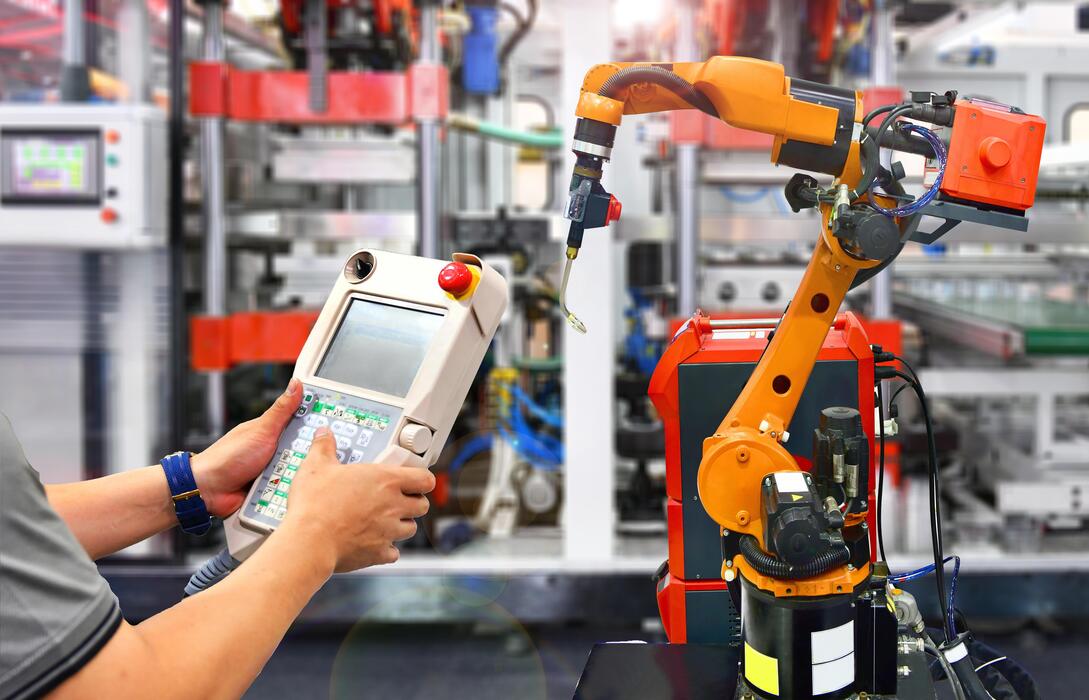
The integration of automation into various sectors has revolutionized operations, yet it has also introduced significant challenges in the realm of data security. With automated systems handling vast amounts of sensitive information, the stakes are higher than ever. Organizations must adopt a proactive approach to safeguard their data against potential threats that accompany automation.
Automation enhances efficiency but also increases vulnerability to cyber threats. As systems become interconnected, the complexity of safeguarding data escalates. Automated processes and technologies, such as AI and machine learning, can inadvertently introduce risks if not properly managed. For example, automated decision-making algorithms may be exposed to biases or manipulated data inputs, leading to compromised outputs. Moreover, with the rise of IoT devices in automated environments, the attack surface expands, allowing cybercriminals more opportunities to exploit weaknesses.
Industries Facing Data Security Challenges
Several industries are particularly susceptible to data security risks due to automation. Each of these sectors demonstrates unique challenges that require tailored solutions.
- Healthcare: As healthcare systems increasingly rely on automated electronic health records (EHRs), the risk of data breaches rises. Hackers often target patient data due to its high value on the black market, leading to significant privacy concerns.
- Finance: The finance sector utilizes automation for transactions and customer interactions. However, automated trading systems and online banking platforms can be prime targets for cyber attacks, necessitating stringent security measures to protect sensitive financial data.
- Manufacturing: Automation in manufacturing processes increases efficiency but also introduces vulnerabilities in the supply chain. Cyber attacks on automated systems can disrupt production, leading to financial losses and operational downtime.
- Retail: Retail businesses rely on automated payment systems, which can be compromised. Data breaches in this sector can lead to unauthorized access to customer payment information, creating a critical need for robust security protocols.
To ensure data integrity in automated systems, organizations must adopt best practices that address security proactively. These practices include regular security audits, implementing strong encryption protocols, and ensuring adherence to compliance regulations like GDPR or HIPAA. Additionally, businesses should invest in employee training to increase awareness about phishing attacks and other cyber threats.
Furthermore, employing multi-factor authentication (MFA) can add an extra layer of security, making unauthorized access significantly more difficult. Continuous monitoring of automated systems for unusual activities can help to detect potential breaches early. In essence, while automation offers numerous benefits, it also demands rigorous attention to data security to safeguard sensitive information effectively.
Final Wrap-Up
In conclusion, automation stands as a powerful driver of change across various sectors, significantly influencing productivity, operational efficiency, and everyday life. While it brings forth numerous opportunities, it also presents challenges that require careful consideration, particularly regarding employment and ethics. As we look to the future, embracing automation responsibly will be essential in harnessing its full potential for economic growth and societal benefit.
Essential FAQs
What industries are most affected by automation?
Manufacturing, healthcare, retail, and logistics are among the industries most heavily impacted by automation.
How does automation improve productivity?
Automation enhances productivity by streamlining processes, reducing errors, and enabling faster output compared to manual labor.
What are the risks of automation?
Risks include job displacement, reliance on technology, and potential data security vulnerabilities in automated systems.
Can automation lead to job creation?
Yes, while some jobs may be displaced, automation often creates new roles that focus on technology management and oversight.
How can companies ensure ethical automation practices?
Companies can adopt ethical guidelines, conduct bias assessments, and involve diverse teams in the development process of automated technologies.