Haptic Technology is swiftly becoming a game-changer in how we interact with the digital world. As we delve into this fascinating field, we discover how the sensation of touch is being seamlessly integrated into various applications, enhancing user engagement and experience remarkably. From gaming to healthcare, haptic feedback is making technology more intuitive and immersive, providing users with a tactile connection that was previously thought impossible.
This exploration of Haptic Technology will take us through its historical evolution, the science behind touch perception, extensive applications across industries, future trends, and the challenges faced in making this technology a staple in our everyday lives. The journey promises to unveil the complexities and innovations that continue to shape our interaction with technology.
Haptic Technology and Its Origin
Haptic technology, often referred to as the science of touch, has evolved significantly over the decades, bridging the gap between digital and physical environments. Its journey began with early explorations into tactile feedback, which have now transformed into advanced systems used across various industries, including gaming, virtual reality, and medical simulations. By understanding its historical background and key developments, we can appreciate how this technology has shaped user interactions and experiences in modern devices.
The evolution of haptic technology can be traced back to the 1960s when researchers first explored the concept of providing tactile feedback in electronic devices. Early milestones include the introduction of simple vibration motors in mobile phones in the 1990s, which allowed users to receive notifications through vibration rather than sound. This was a significant step in making devices more user-friendly in different environments. The subsequent decade saw the emergence of more sophisticated haptic feedback systems, particularly in gaming controllers that utilized vibration to enhance the gaming experience. This not only made games more immersive but also opened the door for further research and development in the field.
Key contributors to haptic technology include pioneers such as Ivan Sutherland, known for his work in computer graphics and virtual reality, who laid the groundwork for immersive experiences. Another significant figure is the late Hiroshi Ishii, whose research at MIT’s Tangible Media Group pushed the boundaries of how digital and physical realities intersect. Ishii’s Tangible User Interfaces (TUIs) explored how tactile feedback could be integrated into physical interactions with digital data.
The 2000s marked a pivotal point with the introduction of advanced haptic devices used in surgical training, allowing medical professionals to practice procedures with realistic tactile feedback. The development of high-fidelity haptic gloves and wearable devices has further enhanced applications in virtual reality, enabling users to interact with digital environments in a more natural and intuitive manner.
Some key milestones in the advancement of haptic devices and systems include:
- 1960s: Initial experiments with tactile feedback and rudimentary devices.
- 1990s: Implementation of vibration motors in mobile phones, introducing basic haptic feedback.
- 2000s: Rise of haptic feedback in gaming controllers, enhancing user immersion.
- 2010s: Development of sophisticated haptic gloves and exoskeletons for virtual and augmented reality.
- Present: Integration of haptic technology in medical training simulators and robotics, showcasing its versatility.
As we look to the future, haptic technology continues to evolve, driven by ongoing research and innovation. With advancements in materials and software, the potential for creating more realistic and nuanced tactile experiences is expanding, indicating a promising future for this dynamic field.
The Science Behind Haptic Feedback

Haptic feedback technology merges the realms of touch and technology, enabling users to experience tactile sensations through devices. Underpinning this remarkable advancement are profound physiological and psychological principles that define how we perceive touch. Understanding these principles not only enhances the development of haptic devices but also enriches user experience across various applications, making their functionality intuitive and effective.
The human perception of touch is a fascinating interplay between sensory receptors, neural pathways, and cognitive processing. The skin contains a variety of mechanoreceptors that respond to different types of stimuli, such as pressure, vibration, and texture. These receptors are categorized into several types: Meissner’s corpuscles, Pacinian corpuscles, Merkel cells, and Ruffini endings, each tuned to specific tactile inputs. When a haptic device generates feedback, it stimulates these receptors, sending signals through peripheral nerves to the spinal cord and ultimately to the brain, where the sensations are interpreted.
Tactile Sensations Generated by Haptic Devices
The ability to create diverse tactile sensations allows haptic devices to be highly adaptable across different fields. The following are key types of tactile sensations produced by these technologies and their applications:
- Vibration: Often used in mobile devices and gaming controllers, vibration provides immediate feedback, enhancing user interaction by simulating real-world responses during gameplay or alerts.
- Force Feedback: Common in simulators, such as driving and flight simulators, this sensation applies resistance, mimicking the physical forces one would experience in real scenarios. For example, a flight simulator might replicate the feeling of turbulence.
- Texture Simulation: Advanced haptic devices can simulate the feel of different surfaces, which has applications in virtual reality environments, allowing users to feel the difference between smooth and rough textures while interacting in a digital space.
- Temperature Feedback: Though still in development, temperature sensations can add another layer of realism, particularly in medical training simulators where practitioners can practice procedures with realistic thermal responses.
These sensations enhance user experience, whether in gaming, healthcare, or virtual training. By integrating human perception of touch into design, haptic technology not only bridges the gap between the digital and physical worlds but also elevates the way users interact with technology, making experiences more engaging and immersive.
Applications of Haptic Technology in Various Industries
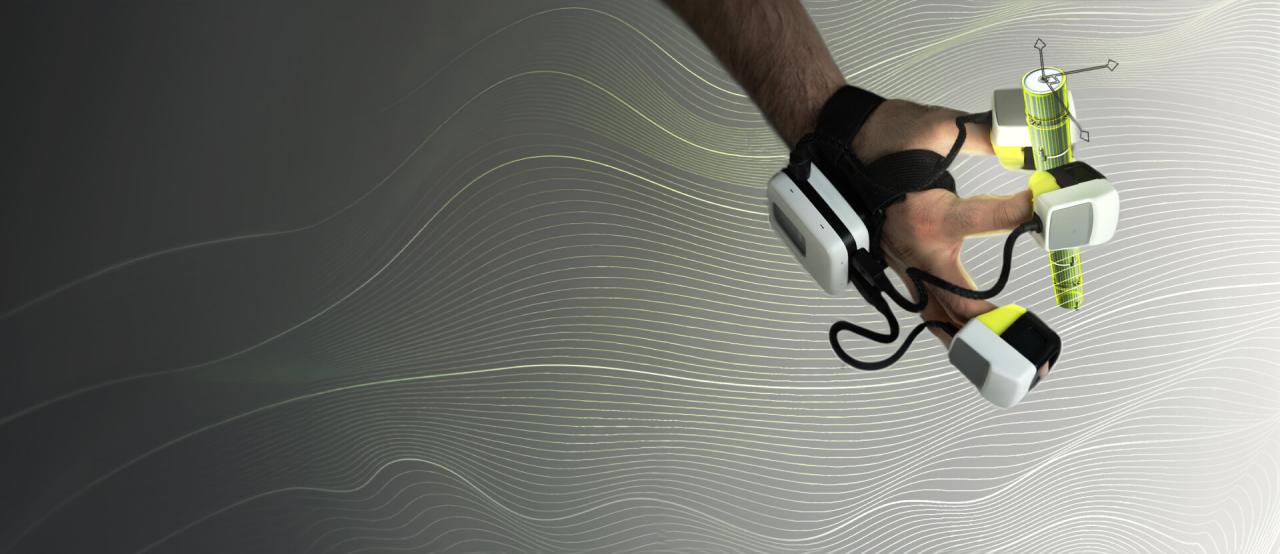
Haptic technology has emerged as a transformative force across various industries, enhancing user experience and improving operational efficiency. By simulating the sense of touch, haptic feedback creates more engaging and realistic interactions, which can be particularly beneficial in fields such as gaming, healthcare, and virtual reality. This innovative technology has opened up new avenues for training, patient care, and user interaction, making it a pivotal component of modern technology solutions.
Use Cases and Benefits of Haptic Feedback in Training Simulations and Remote Surgeries
Haptic technology plays a crucial role in training simulations, especially in high-stakes environments such as healthcare and aviation. In medical training, realistic simulations equipped with haptic feedback provide students and professionals with a safe yet authentic environment to practice their skills. This technology allows trainees to feel the sensations associated with surgical procedures, enhancing their understanding and dexterity.
Benefits of haptic feedback in training simulations include:
- Realistic Experience: Trainees can practice complex maneuvers that mimic real surgeries, allowing them to develop their skills without the risk of harming patients.
- Immediate Feedback: Haptic sensors provide instant tactile feedback, enabling trainees to correct mistakes in real-time and develop muscle memory.
- Increased Retention: Engaging multiple senses through haptic feedback enhances learning retention and improves overall training outcomes.
In remote surgeries, haptic technology has revolutionized the way surgeons operate. Using robotic systems equipped with haptic feedback, surgeons can perform procedures from a distance while receiving tactile sensations that mimic the physical presence of the patient. This technology is particularly useful in telemedicine, where geographical barriers may limit access to healthcare professionals.
Specific advantages of haptic technology in remote surgeries include:
- Precision: Surgeons can execute delicate maneuvers with greater accuracy, minimizing the risk of complications during procedures.
- Enhanced Collaboration: Multiple surgeons can collaborate on complex cases in real-time, regardless of their physical location, leading to improved patient outcomes.
- Broader Access: Patients in remote or underserved areas can benefit from specialized surgical expertise that would otherwise be unavailable.
The consumer market has also embraced haptic technology, integrating it into various products to enhance user experience. Devices like smartphones and gaming controllers use haptic feedback to provide users with tactile sensations that enrich interactions. For instance, when a gamer feels the vibrations of an explosion or the subtle feedback of a racing car’s movement, it elevates the overall gaming experience.
Examples of consumer products incorporating haptic technology include:
- Smartphones: Modern smartphones utilize haptic feedback for notifications, touch responses, and keyboard interactions, creating a more intuitive user interface.
- Wearable Devices: Fitness trackers and smartwatches use haptic feedback to alert users about notifications or reminders discreetly.
- Gaming Devices: Controllers with advanced haptic technology offer immersive feedback that enhances the tactile experience during gameplay, making it more engaging.
Haptic technology continues to shape the future of various industries, demonstrating its versatility and potential to enhance human experiences in both professional and consumer contexts.
Future Trends in Haptic Technology
As haptic technology continues to evolve, it is increasingly becoming a key component across various industries. The integration of haptic feedback into devices enhances user interaction by providing realistic tactile sensations. This development is set to revolutionize fields such as gaming, virtual reality, healthcare, and education. The emerging trends in haptic technology reveal promising innovations that will shape its future landscape.
The fusion of haptic technology with artificial intelligence (AI) and machine learning is at the forefront of these trends. By leveraging AI, developers can create personalized user experiences that adapt to individual preferences and behaviors. For instance, AI algorithms can analyze user interactions and dynamically adjust the intensity and type of haptic feedback delivered. This personalization enhances user engagement and satisfaction, making interactions feel more intuitive and responsive. Imagine a virtual reality training simulation where the haptic feedback adjusts based on a trainee’s emotional state, offering more intense feedback during high-stress scenarios while moderating it during calmer moments.
Additionally, the role of machine learning can facilitate predictive haptic feedback. By understanding user patterns, systems can anticipate actions and generate feedback proactively. For example, a gaming environment could provide different tactile sensations depending on the player’s skill level or experience, thus enhancing the immersive experience. This technology is already being explored in sectors such as automotive, where haptic feedback can alert drivers to potential hazards through vibrations, enhancing safety.
Anticipated Advancements in Haptic Technology
The following table highlights key anticipated advancements in haptic technology along with their implications for various sectors:
| Advancement | Sector | Implications |
|---|---|---|
| Enhanced Haptic Interfaces | Gaming | More immersive gaming experiences with realistic feedback. |
| AI-Driven Personalization | Healthcare | Customized rehabilitation programs with tailored feedback for patients. |
| Wearable Haptic Devices | Education | Interactive learning tools that provide physical feedback to enhance learning outcomes. |
| Telepresence Technologies | Remote Work | Realistic interactions in virtual meetings, improving collaboration. |
| Smart Textiles | Fashion & Wearables | Clothing that offers haptic feedback, creating interactive experiences. |
The future of haptic technology is bright, with ongoing innovations likely to enhance user interaction in numerous fields. As these advancements continue to unfold, they will redefine how we engage with digital environments, making experiences richer and more meaningful.
Challenges and Limitations of Haptic Technology
Haptic technology has made significant strides in recent years, yet it still faces several challenges that hinder its full potential. Developers and researchers are constantly navigating a landscape filled with technical hurdles, limitations in creating realistic haptic sensations, and the market’s diverse range of feedback technologies. Understanding these challenges is crucial for improving the effectiveness of haptic solutions across various applications, from entertainment to medical training.
One of the primary limitations in creating realistic haptic sensations is the intrinsic complexity of human touch. The human skin is equipped with a multitude of sensory receptors that respond to various stimuli, including pressure, vibration, and temperature. Accurately replicating these sensations requires sophisticated hardware and software integration, which remains a daunting task for developers. The current technology is often limited to basic feedback, such as vibrations that do not capture the nuanced experience of real-world interactions. For instance, while devices can simulate a simple tap or shake, they struggle to convey texture or the subtle differences in force and direction that characterize actual tactile experiences.
Furthermore, the technical hurdles in this domain include issues with latency, a crucial factor in ensuring a seamless user experience. Any delay between a user’s action and the corresponding haptic feedback can significantly diminish the sense of immersion and realism. Developers are also challenged by the need for precise calibration of haptic feedback, which varies from one user to another based on individual sensitivity and preference. This diversity complicates the design process, as a one-size-fits-all approach is often ineffective.
Comparative Analysis of Haptic Feedback Technologies
A variety of haptic feedback technologies are currently available in the market, each presenting unique advantages and disadvantages that affect their usability and application. Understanding these differences is vital for organizations seeking to implement haptic solutions effectively.
– Vibration Motors: Commonly found in smartphones and game controllers, these devices are cost-effective and easy to implement. However, their simplistic feedback often lacks the depth needed for immersive experiences, limiting their use in applications requiring more sophisticated haptic sensations.
– Electrostatic and Ultrasonic Haptics: These technologies create sensations of touch without physically moving parts, offering a more realistic experience. They excel in simulating texture and friction but are currently more expensive and complex to manufacture.
– Force Feedback Devices: Used in simulations and gaming, these devices provide resistance and force, giving users a more realistic sense of interaction. However, they can be bulky and costly, making them less practical for everyday consumer use.
– Wearable Haptic Devices: These devices, such as haptic gloves, offer a versatile solution by providing localized feedback that can enhance virtual reality experiences. Despite their potential, they often face challenges related to comfort, battery life, and responsiveness.
In summary, while haptic technology continues to evolve and expand its applications, significant challenges and limitations still exist that developers must address to enhance user experience and realism.
Haptic Technology in Education and Training
Haptic technology is emerging as a game-changer in the educational landscape, creating immersive and interactive learning experiences that enhance student engagement and comprehension. By incorporating tactile feedback, educators can provide an added dimension to traditional teaching methods, making complex concepts more accessible and enjoyable for learners across various disciplines.
The integration of haptic feedback in educational tools significantly impacts learning outcomes. Research indicates that when students engage with tactile sensations, their retention and understanding of information improve remarkably. For instance, haptic devices can simulate real-world scenarios in science labs, engineering workshops, and medical training. This hands-on experience allows students to visualize and manipulate abstract concepts, leading to deeper comprehension. Furthermore, haptic feedback can maintain student interest and motivation, which is crucial for effective learning. A study conducted at a prominent university showed that students using haptic technology scored 30% higher in practical assessments than those relying solely on conventional methods.
Educational Applications of Haptic Technology
The following are key applications of haptic technology that enhance the educational experience, illustrating its versatility across different fields:
- Medical Training: Haptic simulators allow medical students to practice surgical procedures with realistic touch feedback, leading to improved skill acquisition and confidence.
- Engineering and Design: Through haptic interfaces, students can manipulate designs and prototypes, receiving immediate tactile feedback that aids in spatial understanding and innovation.
- STEM Education: Haptic technologies enhance learning in science, technology, engineering, and math by providing interactive experiences that engage multiple senses, thereby improving comprehension and retention.
- Virtual Reality Learning: Haptic devices integrated into VR environments allow students to interact with virtual objects, creating a realistic sense of presence and enhancing experiential learning.
- Language Learning: Haptic feedback can assist in teaching foreign languages by aiding pronunciation and grammar through physical sensations associated with correct vocalizations.
“Haptic feedback transforms passive learning into an interactive experience, making it easier for students to grasp complex concepts.”
The applications of haptic technology in education are not only limited to higher education; they also extend to K-12 environments where interactive learning tools can captivate young minds, fostering curiosity and a love for learning. As haptic technology continues to evolve, its potential to enhance educational outcomes will undoubtedly expand, shaping the future of learning.
Ethical Considerations in Haptic Technology
As haptic technology integrates more deeply into consumer products and various applications, it raises significant ethical implications that must be carefully considered. The use of haptic feedback not only enhances user experiences but also introduces complex issues surrounding privacy, consent, and potential sensory overload. These concerns are particularly pertinent given the increasing reliance on sensory feedback in technology-driven environments.
The ethical challenges posed by haptic technology revolve around how it engages users’ physical and emotional senses. For instance, haptic feedback can create immersive experiences that blur the line between reality and simulation. This immersion can lead to over-dependence on these technologies, raising questions about user autonomy and the implications of constant sensory stimulation. Moreover, haptic devices often collect data about user interactions, leading to concerns regarding privacy and consent. Users may be unaware of the extent of data being collected or how it is used, which can lead to a feeling of being monitored or manipulated.
Concerns Regarding Privacy, Consent, and Sensory Overload
Haptic technology can offer powerful feedback that enriches user engagement, but it is crucial to address concerns about privacy and consent. The collection of biometric data through haptic devices can expose users to risks if not handled responsibly. The following points detail these concerns:
– Privacy Risks: Haptic devices can track user movements and preferences, leading to the potential for breaches of personal data. This data can be sensitive, and if mishandled, it may result in unauthorized access or exploitation.
– Informed Consent: Many users may not fully understand the implications of using haptic technology, particularly regarding data collection practices. Companies must ensure that users are clearly informed and consent to how their data will be utilized.
– Sensory Overload: Excessive or poorly designed haptic feedback can lead to sensory overload, causing discomfort or even anxiety among users. This raises the responsibility of designers to create experiences that are enjoyable rather than overwhelming.
Best practices for developing haptic technology that respects user autonomy and safety include:
– Transparency in Data Handling: Clearly communicate to users what data is being collected, how it is used, and who it is shared with.
– User-Centric Design: Prioritize user comfort and agency in the design process, ensuring that feedback is intuitive and enhances rather than detracts from the user experience.
– Opt-In Mechanisms: Implement clear, easy-to-understand opt-in processes for data collection, allowing users to have control over their personal information.
– Adjustable Feedback Levels: Allow users to customize the intensity and type of haptic feedback they receive to prevent sensory overload.
– Regular User Education: Provide ongoing information about the benefits and risks associated with haptic technology, keeping users informed about best practices for safe usage.
– Ethical Review Frameworks: Establish an ethical review process for new haptic technology developments to assess potential risks and ethical implications before release.
“The integration of haptic technology must prioritize the user’s right to privacy and the ability to control their sensory experiences.”
End of Discussion
In conclusion, Haptic Technology is not just transforming how we experience digital environments but is also paving the way for innovative applications across various fields. As we look ahead, the integration of AI and machine learning with haptic feedback holds immense potential to personalize our experiences even further. Despite the existing challenges, the future of haptic technology appears promising, ensuring that the experiences we encounter will be richer and more engaging than ever before.
Query Resolution
What is Haptic Technology?
Haptic Technology refers to the use of tactile feedback to simulate the sense of touch in user interfaces, enhancing interaction with devices and applications.
How does Haptic Feedback work?
Haptic feedback works by using actuators and sensors to create physical sensations in response to digital interactions, mimicking the feeling of touch.
What are the benefits of Haptic Technology?
Benefits include improved user engagement, more intuitive interfaces, and enhanced learning experiences in educational settings through realistic feedback.
Is Haptic Technology used in gaming?
Yes, it is widely used in gaming to provide players with realistic sensations, making gameplay more immersive and engaging.
What are the limitations of Haptic Technology?
Limitations include challenges in creating realistic sensations, the cost of technology development, and potential sensory overload for users.
Can Haptic Technology be harmful?
While generally safe, excessive exposure to haptic feedback can lead to discomfort or sensory overload; thus, balance and user consent are essential.
What industries are benefiting from Haptic Technology?
Industries such as gaming, healthcare, education, and virtual reality are significantly benefiting from the advancements in haptic technology.