Delving into Electronic Waste (E-waste), we uncover a pressing challenge that not only affects our environment but also poses serious health risks and economic implications. As technology rapidly advances, the volume of discarded electronics continues to rise, leading to significant environmental hazards that require urgent attention.
From toxic pollutants leaching into ecosystems to the health concerns faced by workers in recycling facilities, the consequences of improper disposal are far-reaching. By exploring the lifecycle of electronic products and the importance of sustainable recycling methods, we can foster better consumer awareness and promote responsible practices in managing e-waste.
The environmental impact of electronic waste is a critical issue that requires attention.
Electronic waste, or e-waste, poses significant threats to our environment, affecting ecosystems and human health. As technology advances, the disposal of outdated or broken electronic devices becomes increasingly problematic. The hazardous materials contained in these devices can leach into the environment, creating long-term consequences that persist for generations. Understanding these impacts is crucial for fostering awareness and encouraging sustainable practices regarding e-waste management.
E-waste comprises a variety of pollutants that can be detrimental to both the environment and human health. For instance, heavy metals such as lead, mercury, and cadmium are often found in electronics. When these devices are improperly disposed of, these toxic substances can leach into soil and waterways, leading to contamination. Over time, exposure to these pollutants can result in severe health issues, including neurological disorders, respiratory problems, and other chronic diseases. This problem is exacerbated in regions where e-waste is dumped, often resulting in significant environmental degradation.
Major Pollutants Found in Electronic Devices
Understanding the specific pollutants in electronic devices helps to illuminate the environmental issues associated with e-waste. The following elements are commonly found in e-waste and pose severe risks:
- Lead: Used in solder and circuit boards, lead is highly toxic and can cause developmental issues and organ damage.
- Mercury: Found in flat-screen monitors and circuit boards, mercury exposure can lead to neurological damage and other serious health problems.
- Cadmium: Present in batteries and some circuit boards, cadmium is a carcinogen that can cause kidney damage and bone fragility.
- Brominated Flame Retardants: These chemicals are used to reduce flammability, but they can accumulate in the environment and disrupt endocrine systems.
- Polyvinyl Chloride (PVC): Commonly used in cables and insulation, PVC releases harmful dioxins when burned, polluting air and water.
Regions severely impacted by e-waste dumping provide stark examples of the environmental and health crises stemming from this issue. One notable area is Guiyu, China, where vast amounts of e-waste are processed under hazardous conditions. The local population is exposed to toxic fumes and contaminated water, leading to alarming health trends and environmental degradation. Recovery efforts in such regions require comprehensive strategies, including stricter regulations on e-waste disposal, community education programs, and the establishment of proper recycling facilities.
Another significant example is Agbogbloshie in Ghana, often highlighted as one of the world’s worst e-waste sites. The area is overwhelmed with discarded electronics, and informal recycling methods have led to severe pollution. Community initiatives, supported by international organizations, aim to provide safer recycling practices and better living conditions for locals. These efforts underscore the urgent need for global awareness and actionable solutions to combat the e-waste crisis effectively.
“The growing e-waste crisis is not just an environmental concern but a public health emergency that calls for immediate action.”
Addressing the health risks associated with improper e-waste disposal is essential for public awareness.
The rapid advancement of technology has led to an unprecedented increase in electronic waste, or e-waste, presenting significant health risks to those involved in its disposal and recycling. This issue is not confined to the workers managing e-waste; it also extends to communities surrounding disposal sites. Understanding these risks is crucial for raising awareness and implementing effective preventative measures.
Improper disposal of e-waste exposes workers in recycling facilities to a myriad of harmful substances, creating serious health hazards. Many electronic devices contain toxic components such as lead, mercury, cadmium, and brominated flame retardants. Workers handling these materials without appropriate protective gear can suffer from acute and chronic health conditions. The ramifications of exposure can manifest in various ways, including respiratory issues due to inhalation of toxic fumes, skin problems from contact with hazardous materials, and severe neurological disorders linked to heavy metal exposure.
Health Risks for Communities Near E-Waste Landfills
Communities located near e-waste landfills face significant health implications stemming from environmental contamination. The leaching of toxic substances into soil and groundwater can result in widespread exposure among populations living in proximity to these dump sites. Contaminated water sources can lead to a host of health issues, including gastrointestinal disorders and long-term developmental problems in children. Moreover, air pollution from the burning of e-waste releases hazardous chemicals, contributing to respiratory diseases and increasing the risk of cancers among residents.
Preventative measures are vital to protect vulnerable populations from the health risks associated with e-waste. Education and training for workers in recycling facilities can minimize exposure to hazardous materials. Implementation of strict regulations and guidelines for e-waste disposal can ensure safer practices are followed. Additionally, community health programs aimed at monitoring and addressing the health impacts of living near e-waste sites are essential. Such programs should include regular health screenings and access to medical care, which can help mitigate the long-term effects of exposure to toxins.
“Raising awareness about the health risks linked to improper e-waste disposal can lead to more informed communities and safer practices.”
By establishing comprehensive e-waste management systems and promoting recycling initiatives, both workers and communities can significantly reduce their exposure to hazardous elements and foster a healthier environment.
The role of legislation in managing electronic waste is a significant factor in fostering responsible practices.

The management of electronic waste (e-waste) has become a pressing global issue as the amount of discarded electronic products continues to rise. Legislation plays a pivotal role in shaping how e-waste is processed, ensuring that both manufacturers and consumers engage in responsible disposal practices. Through various laws and regulations, governments aim to mitigate the environmental and health hazards posed by improperly managed e-waste.
Key regulations and policies have been enacted worldwide to control e-waste effectively. Among the most notable is the European Union’s Waste Electrical and Electronic Equipment Directive (WEEE Directive), which mandates the collection, treatment, and recycling of e-waste. This legislation has proven effective in increasing recycling rates and promoting eco-friendly practices across member states. Similarly, the Global Partnership on Waste Management, driven by the United Nations, encourages countries to adopt comprehensive e-waste management strategies that align with sustainable development goals.
Global Approaches to E-Waste Management
Different countries have adopted varying approaches to manage e-waste, reflecting their unique economic and regulatory landscapes. For example:
- United States: The U.S. has a more fragmented approach, with state-level regulations varying significantly. Some states have implemented laws requiring electronic manufacturers to take responsibility for recycling, while others lack comprehensive legislation altogether.
- China: As the largest producer of e-waste, China has introduced the “Circular Economy Promotion Law,” focusing on the recycling and reuse of materials. This legislation aims to reduce the environmental impact of e-waste in a country heavily reliant on electronics manufacturing.
- India: India’s E-Waste Management Rules 2016 Artikel the responsibilities of producers for waste management and emphasize the importance of public awareness. Though challenges remain in enforcement, these rules mark a significant step toward sustainable practices.
- Germany: Germany’s ‘Closed Substance Cycle and Waste Management Act’ promotes recycling and the use of recycled materials, demonstrating a robust commitment to minimizing landfill waste while fostering a circular economy.
The implications of non-compliance with e-waste legislation can be severe for both manufacturers and consumers. Manufacturers risk facing financial penalties, loss of market share, and reputational damage if they fail to adhere to regulatory standards. Additionally, consumers may unknowingly contribute to environmental harm by disposing of electronics irresponsibly, which can lead to legal repercussions in regions with strict e-waste laws.
“The failure to manage electronic waste properly not only poses risks to the environment but also undermines public health and safety.”
By understanding and adhering to existing legislation, both manufacturers and consumers can play a vital role in fostering responsible e-waste management practices, ultimately leading to a healthier planet.
Implementing sustainable recycling methods for electronic waste is vital for conservation efforts.
The growing concern over electronic waste (e-waste) underscores the necessity for sustainable recycling methods. With millions of tons of e-waste generated annually, the effective recycling and recovery of valuable materials become crucial not just for waste management but also for environmental conservation. Sustainable recycling methods can significantly reduce the adverse effects of e-waste while promoting resource recovery and economic growth.
Innovative recycling technologies play a key role in enhancing e-waste processing and recovery rates. Advanced techniques such as hydrometallurgical processes utilize chemical solutions to extract precious metals from circuit boards and other components, allowing for higher recovery rates and lower environmental impacts. Another promising technology is the use of robotics and artificial intelligence, which streamline the sorting and dismantling of e-waste, increasing efficiency and safety in recycling facilities. These innovations not only improve the quality of recovered materials but also reduce the energy and water consumption associated with traditional recycling methods.
Steps in an Effective E-Waste Recycling Program
Implementing a successful e-waste recycling program involves a series of systematic steps from collection to final disposal. Each stage is critical to ensuring that valuable materials are recovered and hazardous substances are properly managed.
1. Collection: Establish accessible collection points for consumers to drop off their e-waste. This could include designated recycling centers, retail drop-off locations, or collection drives organized by local governments.
2. Sorting: Upon arrival at recycling facilities, e-waste is sorted based on type and material composition. This ensures that different components can be processed using the most effective recycling methods.
3. Dismantling: The sorted e-waste is then dismantled, either manually or using automated systems. Valuable components such as circuit boards, hard drives, and batteries are separated for further processing.
4. Material Recovery: Through various methods, including shredding and chemical extraction, valuable materials are recovered. This includes metals like gold, silver, and copper, as well as plastics and glass.
5. Final Disposal: Remaining non-recyclable components are disposed of in an environmentally responsible manner, often through specialized landfills that minimize leachate and environmental contamination.
The recycling of e-waste offers substantial benefits for both the economy and the environment. According to the Global E-waste Monitor, the global e-waste generated in 2019 reached 53.6 million metric tons, and only 17.4% was documented as being collected and recycled. Proper recycling can conserve natural resources, reduce greenhouse gas emissions, and generate economic opportunities. For instance, recycling just one million laptops can save the energy equivalent to the electricity used by 3,657 U.S. homes in a year. Additionally, every ton of e-waste recycled can yield between 20 to 25 tons of raw materials, illustrating the immense potential for resource recovery.
“Recycling e-waste not only protects our environment but also drives economic growth by creating jobs in the recycling sector.”
Overall, the implementation of sustainable recycling methods for electronic waste is essential for conservation efforts, enhancing both resource recovery and environmental protection.
Understanding the lifecycle of electronic products can foster better consumer awareness about e-waste.
The lifecycle of electronic products encompasses several stages, from the initial design and production to their eventual disposal. By understanding this lifecycle, consumers can make informed choices that significantly reduce the generation of e-waste. This knowledge empowers individuals to not only select products wisely but also to engage in responsible disposal practices when these items reach the end of their useful lives.
The lifecycle of electronic devices typically includes the following stages: raw material extraction, manufacturing, distribution, usage, and disposal. Each stage contributes to the environmental impact of electronic products, highlighting the importance of consumer awareness at every step. For example, the extraction of precious metals and minerals for electronics often involves environmentally damaging mining practices. Manufacturing processes further consume energy and resources, while the usage stage sees devices becoming obsolete as technology evolves. Finally, improper disposal can lead to hazardous waste leaking into the environment.
Stages in the lifecycle of electronic devices
Understanding each stage in the lifecycle provides insight into how consumer choices can affect e-waste generation. Here’s a closer look at these stages:
- Raw Material Extraction: The process begins with harvesting the raw materials necessary for electronic devices. This includes metals like gold, copper, and rare earth elements, often mined in environmentally damaging ways.
- Manufacturing: Once raw materials are sourced, they are processed and assembled into electronic devices. This stage involves significant energy consumption and generates waste.
- Distribution: After manufacturing, products are packaged and shipped to retailers and consumers. This phase includes additional energy use and emissions linked to transportation.
- Usage: Consumers utilize the devices, which typically have a life span of a few years. During this time, the product may become obsolete due to advancements in technology.
- Disposal: At the end of their lifecycle, many devices are discarded. If not properly disposed of, they contribute to e-waste, which can leach toxic substances into the environment.
Making informed consumer choices
In making purchases, consumers can mitigate the impact on e-waste through informed decisions. It is essential to consider the longevity, repairability, and recyclability of electronic devices. Products designed with sustainability in mind often contain fewer hazardous materials and are easier to recycle.
A checklist for responsible disposal and recycling of outdated electronics is crucial for minimizing e-waste. Effective disposal not only enhances recycling efforts but also protects the environment.
Checklist for responsible disposal and recycling
When it’s time to part ways with outdated electronics, follow this checklist to ensure responsible disposal:
- Research local recycling programs: Many communities offer e-waste recycling programs or events. Check local resources to find options available to you.
- Erase personal data: Before disposing of any device, ensure that all personal information is securely erased to protect your privacy.
- Donate or sell: Consider donating still functional electronics to local charities or selling them online, extending their life and reducing waste.
- Use certified recycling services: Choose recycling centers that are certified to handle e-waste, ensuring proper processing and environmentally-friendly practices.
- Follow manufacturer guidelines: Many manufacturers provide programs for returning old devices for recycling or safe disposal. Check their policies and participate.
Exploring the economic implications of e-waste can reveal its potential as a resource rather than waste.
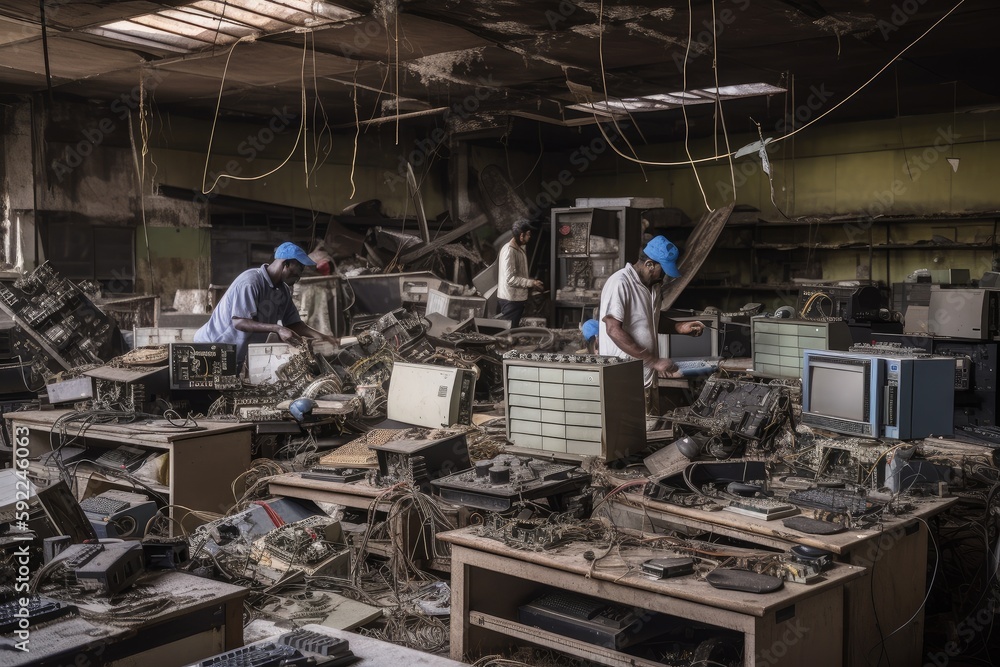
The rapid growth of technology has led to an unprecedented increase in electronic waste, commonly referred to as e-waste. This challenge not only poses environmental risks but also presents unique economic opportunities. By recognizing e-waste as a valuable resource, we can harness its potential for recycling and recovery, ultimately benefiting the economy and creating new jobs.
The market for recycled e-waste materials has grown significantly, driven by the increasing demand for raw materials in various industries. Metals such as copper, gold, and silver, which are commonly found in electronic devices, can be extracted and repurposed. This recycling process not only conserves natural resources but also reduces the costs associated with mining and refining new materials.
Market for Recycled E-Waste Materials
The economic advantages of recycling e-waste materials are numerous. The recovery of valuable metals and components can lead to substantial financial gains. The global e-waste recycling market is estimated to be worth billions and continues to expand as more companies and consumers prioritize sustainability. Key points regarding the economic benefits include:
- Cost Savings: Recycling is often less expensive than mining new materials, leading to lower production costs for manufacturers.
- Revenue Generation: Recycled materials can be sold at competitive prices, contributing to the profitability of recycling businesses.
- Resource Conservation: Utilizing recycled materials reduces the need for virgin resources, ensuring a more sustainable supply chain.
Investment in e-waste recycling infrastructure can create a ripple effect, stimulating local economies and reducing waste management costs.
Job Opportunities in E-Waste Management and Recycling
The e-waste management and recycling sector represents a growing field for employment. As awareness of e-waste issues increases, so does the demand for skilled workers in this industry. The potential job opportunities include:
- Recycling Facility Workers: Employees at recycling centers who specialize in sorting, dismantling, and processing e-waste.
- Environmental Consultants: Professionals who help businesses develop sustainable e-waste disposal strategies and comply with regulations.
- Research and Development Specialists: Experts focused on improving e-waste recycling technologies and processes.
- Logistics Coordinators: Individuals responsible for the efficient transportation and collection of e-waste from consumers and businesses.
These roles not only provide economic benefits but also contribute to environmental sustainability.
Cost of Improper Disposal Versus Benefits of Proper E-Waste Management
Improper disposal of e-waste can lead to significant economic costs. When electronic devices are discarded irresponsibly, they contribute to pollution, health hazards, and lost resources. The costs associated with improper disposal include:
- Environmental Cleanup: Governments and organizations often incur significant expenses in cleaning up hazardous waste sites.
- Health Care Costs: Exposure to toxic substances from e-waste can lead to health issues, increasing medical expenses for affected communities.
- Loss of Materials: Valuable metals and components are lost permanently when e-waste is not recycled properly.
The benefits of proper e-waste management far outweigh the costs of improper disposal:
- Reduction of Environmental Impact: Sustainable disposal methods minimize pollution and protect ecosystems.
- Creation of a Circular Economy: Recycling e-waste fosters the reuse of materials, promoting a more sustainable economic model.
- Investment Opportunities: Proper management attracts investment in recycling technologies and infrastructure, bolstering economic growth.
Investing in e-waste management not only protects the environment but also creates a sustainable economic framework that benefits society as a whole.
Raising public awareness about electronic waste is crucial for promoting responsible consumer behavior.
The growing concern over electronic waste (e-waste) highlights the need for increased public awareness regarding its environmental impact and the importance of responsible recycling practices. As technology advances rapidly, consumer behavior must also evolve to prioritize sustainability. This can only be achieved through effective campaigns and educational efforts that inform individuals about the consequences of improper e-waste disposal.
One effective approach to raise public awareness is to design a comprehensive campaign that educates the community about e-waste recycling. Such a campaign can incorporate various communication strategies to reach a wider audience. Utilizing social media platforms, local events, and informative workshops can create a buzz around the topic. Highlighting the statistics related to e-waste, such as the fact that approximately 50 million tons of e-waste are generated globally each year, can effectively underscore the urgency of the situation. By showcasing the environmental hazards associated with discarded electronics, such as harmful chemicals leaching into soil and water, the campaign can motivate responsible consumer behavior.
Educational institutions’ role in sustainable electronics practices
Educational institutions play a pivotal role in instilling sustainable electronics practices in students. By integrating e-waste education into the curriculum, schools can foster a culture of environmental responsibility among young minds. Programs can include hands-on workshops where students learn about disassembling electronics, identifying recyclable components, and understanding the recycling process.
Additionally, schools can organize projects that encourage students to create awareness campaigns within their communities. These initiatives not only educate students but also empower them to become advocates for better e-waste management. Collaborations with local e-waste recycling organizations can provide students with practical knowledge and resources, making the learning experience more impactful.
Strategies for individuals to advocate for better e-waste management in their communities are essential for fostering a culture of recycling. Here are some effective strategies individuals can adopt:
- Start by organizing community clean-up events focused on e-waste collection, promoting responsible disposal of outdated electronics.
- Engage local businesses and organizations to host e-waste recycling drives, providing accessible drop-off locations for community members.
- Utilize social media to raise awareness about e-waste issues, sharing informative content and success stories to inspire others.
- Collaborate with local government to advocate for policies that promote e-waste recycling and proper disposal methods.
- Distribute educational materials that highlight the consequences of improper e-waste disposal and the benefits of recycling.
By implementing these strategies, individuals can significantly contribute to advancing e-waste management in their communities. Raising awareness and fostering responsible consumer behavior is critical in addressing the e-waste crisis. As more people become informed about the impact of their electronics, collective efforts can lead to more sustainable practices and a healthier environment for future generations.
The technological advancements influencing electronic waste generation must be recognized for better management.
The rapid pace of technological innovation has fundamentally reshaped the electronics landscape, leading to significant increases in electronic waste (e-waste) production. As new devices flood the market, older models quickly become obsolete, creating a pressing need for effective management strategies to mitigate the environmental impact of discarded electronics.
Technological advancements are a double-edged sword; while they enhance our lives, they also generate substantial amounts of e-waste. Every year, millions of tons of electronic devices are discarded globally, largely due to accelerated innovation cycles. Companies are continually releasing upgraded versions of smartphones, laptops, and other gadgets, often leaving previous models outdated within months. This phenomenon is exacerbated by the rise of consumer culture, where the aspiration for the latest technology drives individuals to replace functional products with newer alternatives.
Planned Obsolescence and Its Impact on Consumer Electronics
Planned obsolescence is a significant factor contributing to the increased generation of e-waste. Manufacturers often design products with a limited lifespan to encourage consumers to purchase newer versions more frequently. This artificial shortening of a product’s usability can take various forms, including:
- Design Limitations: Some products are built with components that are difficult to repair or upgrade, compelling users to buy new devices.
- Software Restrictions: Updates to software may render older devices slow or incompatible, pushing consumers toward newer models.
- Marketing Strategies: Aggressive advertising can create feelings of inadequacy with existing technology, leading consumers to replace usable devices.
The implications of planned obsolescence extend beyond just consumer spending; they also contribute to the escalating environmental crisis. Every discarded device contributes to landfills, releasing harmful toxins that can leach into the soil and water systems.
Developing Longer-Lasting Products to Reduce E-Waste
To combat the growing e-waste problem, there is a pressing need for innovations focused on creating durable products that extend the lifecycle of electronic devices. Companies can embrace sustainable practices in design and manufacturing, which would not only benefit the environment but also enhance brand loyalty among consumers increasingly concerned about sustainability. Some approaches include:
- Modular Design: Creating devices with easily replaceable parts can prolong their life. Consumers could upgrade components instead of replacing entire devices.
- Robust Materials: Using high-quality, durable materials can help products withstand wear and tear, reducing the frequency of replacements.
- Sustainability Initiatives: Companies can implement take-back programs, allowing consumers to return old devices for recycling or refurbishment, thus minimizing waste.
In conclusion, recognizing and addressing the technological advancements influencing e-waste generation is crucial for better management and sustainability. By countering planned obsolescence and focusing on the development of longer-lasting products, both manufacturers and consumers can contribute to a more sustainable future.
“The best way to reduce e-waste is to design products that are not only innovative but also built to last.” – Environmental Advocate
Final Conclusion
In summary, addressing the issues surrounding Electronic Waste (E-waste) is not just about environmental protection; it also involves safeguarding public health and recognizing the economic potential of recycled materials. By raising awareness, implementing effective legislation, and adopting innovative recycling technologies, we can turn e-waste from a problem into a resource, ensuring a sustainable future for generations to come.
User Queries
What is electronic waste (E-waste)?
Electronic waste (E-waste) refers to discarded electrical or electronic devices, which include computers, smartphones, and televisions.
Why is E-waste a problem?
E-waste poses significant environmental hazards due to toxic substances that can contaminate soil and water, as well as health risks for those exposed to harmful materials during improper disposal.
What can individuals do to reduce E-waste?
Individuals can reduce E-waste by recycling their electronics, donating usable devices, and making informed purchasing decisions to avoid unnecessary upgrades.
Are there safe ways to dispose of E-waste?
Yes, many communities offer e-waste recycling programs and events where individuals can safely dispose of their electronic devices.
What are the benefits of recycling E-waste?
Recycling E-waste helps recover valuable materials, reduces environmental pollution, and creates job opportunities in the recycling industry.
How does legislation impact E-waste management?
Legislation establishes regulations for the safe disposal and recycling of E-waste, promoting responsible practices among manufacturers and consumers alike.
What role do consumers play in E-waste reduction?
Consumers play a crucial role by choosing sustainable products, advocating for better recycling practices, and participating in local e-waste collection programs.