Automation Anxiety is a pressing issue that casts a shadow over the modern workplace, as workers grapple with the implications of increasing automation. With advancements in technology reshaping job landscapes, many individuals find themselves anxious about their future in an ever-evolving environment. This anxiety can manifest in various ways, from worries about job security to the psychological toll that uncertainty brings. As different demographics experience these fears uniquely, the conversation around Automation Anxiety becomes crucial in addressing both mental health and workplace dynamics.
Understanding the roots and repercussions of Automation Anxiety is essential for fostering a healthier work environment. By exploring its psychological impacts, effective coping strategies, and the importance of education, we can uncover pathways to mitigate this growing concern. As industries adapt to automation, a proactive approach is necessary to support workers and ensure they feel secure and valued in their roles.
The Psychological Impact of Automation Anxiety on Workers
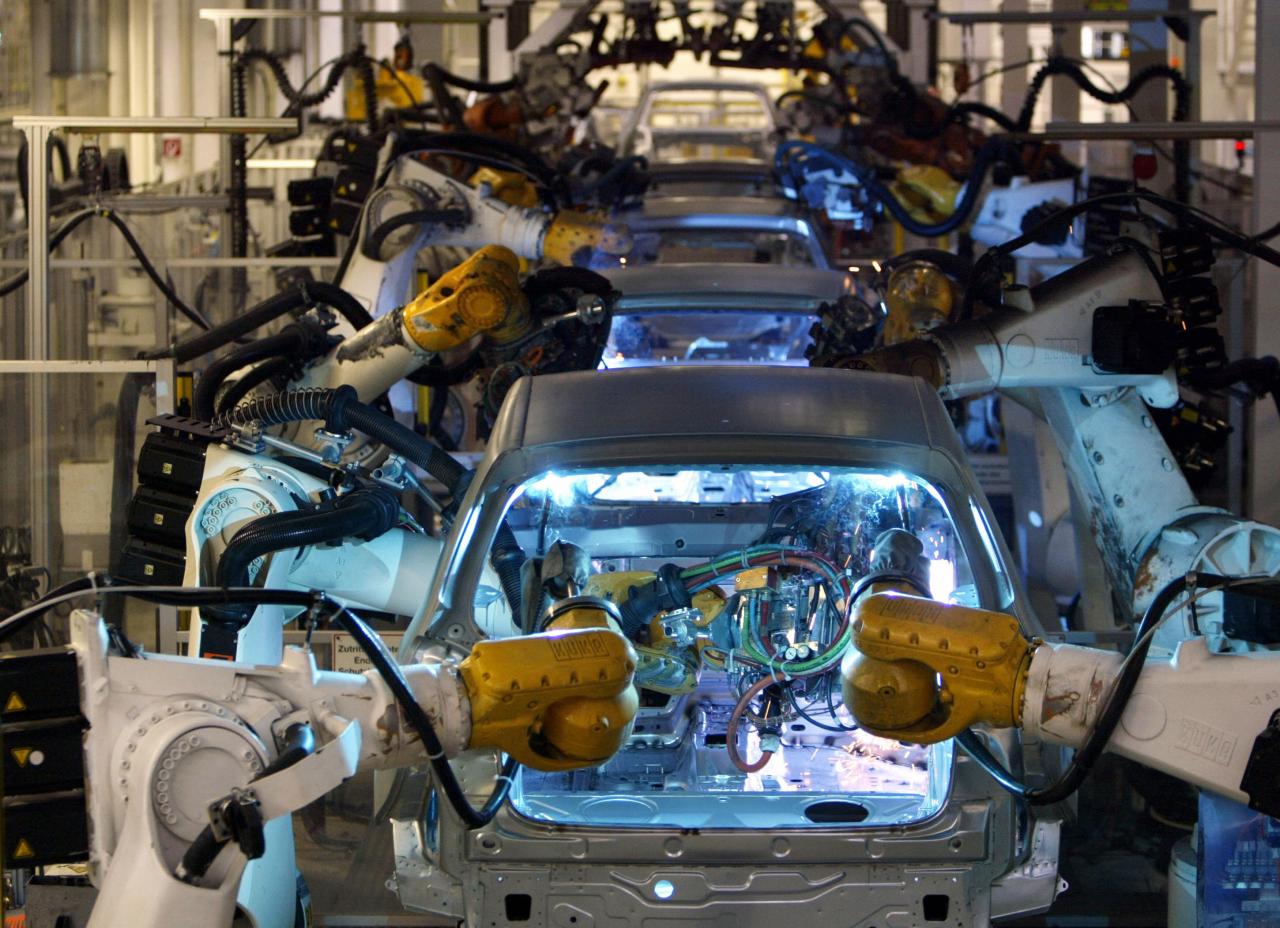
Automation anxiety has emerged as a significant concern in the modern workplace, particularly as technological advancements accelerate and reshape job landscapes. This phenomenon refers to the unease and fear that employees experience regarding the potential loss of their jobs due to automation and artificial intelligence. Such anxiety can manifest in various ways, impacting not only individual mental health but also workplace dynamics and overall productivity. Understanding the psychological ramifications of this anxiety is crucial for fostering healthier work environments.
The effects of automation anxiety on mental health can be profound. Employees burdened by the fear of becoming obsolete may experience heightened levels of stress, leading to anxiety disorders, depression, and burnout. This stress can result in decreased job satisfaction and motivation, creating a vicious cycle where performance declines further exacerbates anxiety. Employees often find themselves grappling with feelings of inadequacy as they compare their skills to emerging technologies, leading to a lack of confidence in their abilities.
Job Security and Anxiety Related to Automation
Job security significantly influences feelings of anxiety associated with automation. When employees perceive their positions as vulnerable to being replaced by machines, their mental well-being can suffer. The fear of unemployment can lead to increased vigilance, as workers may feel compelled to overperform to justify their roles. This heightened state of alertness can strain relationships with colleagues and create a toxic work environment.
Different demographics experience automation anxiety in varying degrees. For instance, older workers may grapple with the challenge of upskilling to keep pace with technological changes, feeling overwhelmed by the pressure to adapt quickly. Conversely, younger employees may face anxiety stemming from the knowledge that their entry-level positions could be automated, leading to uncertainty about future career prospects.
Furthermore, studies indicate that workers in industries heavily reliant on routine tasks, such as manufacturing and data entry, report higher levels of anxiety compared to those in creative fields where human intuition and emotional intelligence are harder to replicate. The disparity in experience highlights the need for organizations to recognize and address the unique concerns of different employee groups, fostering a supportive atmosphere that mitigates the detrimental effects of automation anxiety.
Strategies for Managing Automation Anxiety in the Workplace
Automation anxiety is becoming increasingly prevalent as technology continues to evolve and reshape the workplace. Employees may feel threatened by the prospect of being replaced or rendered obsolete by machines and software, leading to stress and uncertainty. However, there are effective strategies that individuals can adopt to cope with these feelings and thrive in an automated environment.
One of the primary strategies for managing automation anxiety lies in fostering a growth mindset. This involves recognizing that skills can be developed over time and that employees can adapt to new technologies. Embracing continuous learning and seeking out training opportunities can empower individuals to feel more competent and confident in their abilities. By viewing automation as a tool that can enhance productivity rather than a threat, employees can shift their perspective and reduce anxiety.
Support Systems for Employees
Creating a supportive workplace culture is essential for helping employees manage automation anxiety. Companies can implement various resources and systems to provide assistance. These initiatives not only help employees cope but also build a resilient workforce ready to embrace change. Some effective support systems include:
- Training Programs: Regular workshops and training sessions on new technologies can equip employees with the skills needed to work alongside automated systems. For instance, companies like Amazon provide ongoing training to help employees adapt to changes in technology.
- Mental Health Resources: Access to mental health professionals and counseling services can help employees address their anxiety. Programs like Employee Assistance Programs (EAPs) can provide support as well.
- Open Communication Channels: Encouraging open dialogues about automation and its impact allows employees to voice their concerns. Regular meetings or forums can help address fears and disseminate accurate information.
- Peer Support Groups: Establishing support groups where employees can share their experiences and coping strategies can create a sense of community and understanding.
The importance of these support systems cannot be overstated, as they create an environment where employees feel valued and heard. By investing in these resources, companies can not only alleviate individual anxiety but also foster a positive organizational culture.
Enhancing Personal Resilience Against Automation-Related Stress
Building personal resilience is crucial for effectively managing stress related to automation. Individuals can adopt several practical tips to enhance their coping mechanisms, ensuring they remain adaptable in an evolving workplace.
Firstly, practicing mindfulness and stress-reduction techniques such as meditation or deep-breathing exercises can significantly decrease anxiety levels. Regularly engaging in these practices can help individuals maintain focus and clarity amidst the rapid changes that automation brings.
Additionally, setting realistic goals and breaking tasks into manageable steps can help reduce feelings of being overwhelmed. By focusing on smaller, achievable objectives, individuals can experience a sense of accomplishment that bolsters their confidence.
“Resilience is not about avoiding stress, but about developing the ability to bounce back from challenges.”
Another effective strategy is to seek feedback and mentorship. Building relationships with colleagues or supervisors who can provide insights and encouragement can create a supportive network that fosters growth and resilience. Lastly, staying informed about industry trends and emerging technologies can empower employees to remain proactive rather than reactive in the face of change.
Ultimately, by implementing these strategies and utilizing available resources, employees can manage automation anxiety and position themselves for success in the future workplace.
The Role of Education in Alleviating Automation Anxiety
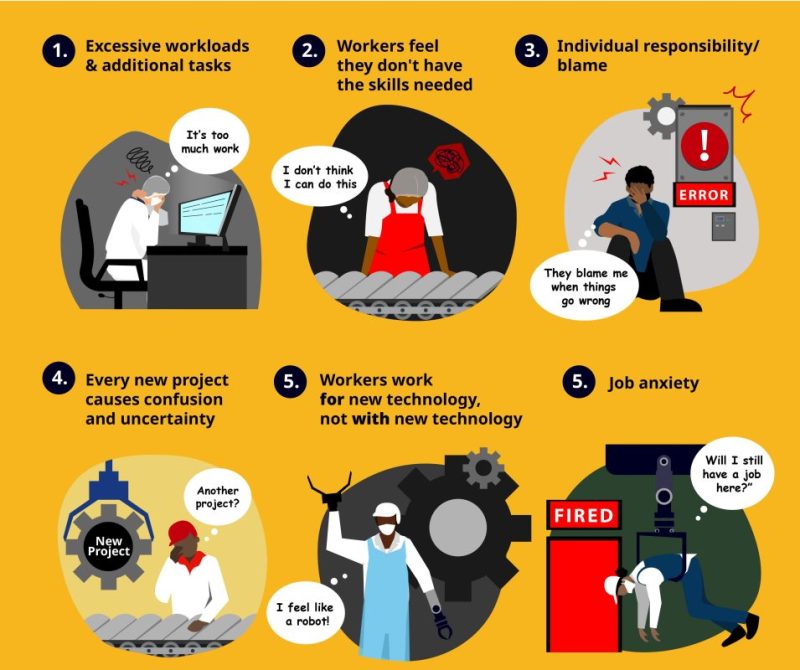
In an era increasingly dominated by automation and artificial intelligence, the anxiety surrounding job displacement and skill redundancy is palpable. Education emerges as a beacon of hope, providing the necessary tools and knowledge to navigate this changing landscape. By focusing on upskilling and reskilling, educational institutions can play a pivotal role in reducing the trepidation associated with automation.
One of the primary strategies to combat automation anxiety is through continuous learning initiatives that emphasize upskilling and reskilling. As industries evolve, the skills needed to thrive within them also transform. This necessitates ongoing education that adapts to technological advancements. A significant number of employees express anxiety over their job security — approximately 40% of workers feel that automation will threaten their roles, according to a recent study by McKinsey. To alleviate this anxiety, organizations and educational institutions must collaborate to develop relevant training programs that equip individuals with both technical and soft skills required in an automated environment.
Partnerships Between Educational Institutions and Industries
Collaboration between educational institutions and industries is essential in preparing students for an automated future. By aligning curricula with industry needs, institutions can ensure that graduates are not only employable but also have the skills necessary to excel in their roles.
– Curriculum Development: Many universities are now integrating technology-centered courses into their programs, focusing on areas such as data analytics, programming, and cybersecurity. This approach not only prepares students for current job demands but also instills adaptability, empowering them to embrace future changes in the workforce.
– Internship Programs: Internship opportunities allow students to gain hands-on experience in automated environments. For instance, partnerships with tech firms can enable students to work on real projects, thereby increasing their confidence and reducing fears related to automation.
– Industry Certifications: Institutions are increasingly offering certification programs in collaboration with industry leaders. These certifications not only enhance a student’s resume but also provide practical skills that are directly applicable in the workforce.
Educational institutions can also implement specific training programs that have successfully mitigated automation anxiety among employees. One notable example is the ‘Upskill America’ initiative, which encourages companies to invest in the education of their workers by providing resources for skill development. This program has shown that employees who engage in continuous learning are less likely to feel threatened by automation, leading to increased job satisfaction and reduced turnover rates.
“Learning is a treasure that will follow its owner everywhere.”
In summary, education serves as a critical component in alleviating automation anxiety by promoting a culture of continuous learning and adaptability. Through strategic partnerships, innovative curricula, and tailored training programs, educational institutions can empower individuals to thrive in an automated future, thereby transforming anxiety into opportunity.
The Future of Work and Its Relation to Automation Anxiety
The intersection of automation and employment has been a critical discussion point in recent years, especially as technology advances at an unprecedented pace. As businesses increasingly integrate automated systems, concerns about job displacement and the evolving nature of work are becoming prevalent. This anxiety, often referred to as “automation anxiety,” not only affects workers’ mental well-being but also presents challenges for employers aiming to maintain a motivated and productive workforce.
Automation is reshaping job roles across various sectors, leading to both the elimination of certain positions and the creation of new ones. The long-term effects of this transformation can manifest in several ways. For instance, jobs that involve repetitive tasks or manual labor, such as those in manufacturing or basic data entry, are particularly vulnerable to automation. In contrast, industries that require creative thinking, emotional intelligence, and complex problem-solving, like healthcare and education, may experience less direct impact from automation. This disparity contributes to heightened anxiety levels among workers in more susceptible sectors as they face uncertainty about their future job prospects.
Industries Susceptible to Automation Anxiety
Certain industries are inherently more susceptible to automation anxiety due to their operational structures and the nature of tasks performed. Understanding which sectors face the most significant threats can help in devising strategies to mitigate anxiety. The following industries are noteworthy in this regard:
- Manufacturing: The manufacturing sector is heavily influenced by automation technologies, including robotics and AI. Many traditional roles are being replaced by machines that can perform tasks with better efficiency and accuracy.
- Retail: The rise of e-commerce and automated checkout systems has led to job reductions in physical retail locations, increasing worker anxiety about job security.
- Transportation: The introduction of self-driving vehicles is poised to disrupt jobs in logistics and transportation, raising concerns among drivers and associated service workers.
- Customer Service: AI-driven chatbots and automated service systems are replacing many customer service roles, creating anxiety for employees in this field.
Conversely, industries such as technology, healthcare, and education, while also impacted by automation, are likely to evolve rather than diminish. The demand for skilled professionals in these areas often increases as automation takes over routine tasks, allowing human workers to focus on complex decision-making and interpersonal interactions. For example, healthcare professionals are now leveraging AI for diagnostics but still rely on human empathy and ethical decision-making — qualities machines cannot replicate.
Strategies for Businesses to Minimize Automation Anxiety
To address the anxiety stemming from automation, businesses must adopt proactive strategies that emphasize worker engagement and adaptation. These strategies are crucial for cultivating a resilient workforce ready to embrace change:
- Reskilling and Upskilling Programs: Investing in training programs can help employees acquire new skills that align with evolving job demands, reducing anxiety about job loss.
- Transparent Communication: Open dialogues about automation initiatives and their potential impacts can help alleviate fears and foster trust within the workforce.
- Creating Hybrid Roles: By designing roles that blend human capabilities with automation, companies can ensure that workers remain integral to the business model, enhancing job security.
- Promoting a Culture of Innovation: Encouraging employees to participate in innovation processes fosters a sense of ownership and involvement, helping to mitigate feelings of helplessness regarding automation.
As the landscape of work continues to evolve, it is essential for businesses to remain sensitive to the challenges posed by automation anxiety. By implementing thoughtful strategies, organizations can not only minimize anxiety among their workforce but also harness the potential benefits of automation, ultimately leading to a more adaptable and productive future.
The Ethical Responsibility of Companies Towards Employees Facing Automation Anxiety
As automation increasingly reshapes the workplace, companies face ethical responsibilities toward their employees experiencing anxiety from these changes. It is essential for businesses to acknowledge the emotional and psychological impact of automation, ensuring that employees are not only informed but also supported throughout the transition.
To address these ethical considerations effectively, companies must prioritize transparent communication, job security, and employee involvement in the automation process. By doing so, they can mitigate fears and build a sense of trust within the workforce.
Ethical Considerations for Workforce Automation
Automation can lead to job displacement, which raises significant ethical concerns for companies. Key considerations include:
- Transparency: Companies should openly share their automation plans with employees, explaining the reasons behind the changes and how they will impact the workforce.
- Job Security: It’s crucial for businesses to provide assurances about job stability and explore measures to retain employees in new roles created by automation.
- Skill Development: Organizations have a responsibility to invest in retraining programs, enabling employees to acquire new skills that complement automated processes.
- Diversity and Inclusion: Companies ought to assess the impact of automation on diverse groups within the workforce, ensuring that all employees have equitable access to new opportunities.
By considering these ethical dimensions, businesses can better support their employees during transformative times.
Commitment to Employee Well-being Amid Automation Changes
Demonstrating a commitment to employee well-being is vital in alleviating automation anxiety. Companies can adopt several approaches to show their dedication:
- Employee Assistance Programs: Providing resources such as counseling and mental health support can help employees cope with the stress associated with automation changes.
- Open Dialogue: Creating platforms for employees to voice their concerns and opinions about automation fosters a culture of inclusion and respect.
- Flexible Work Arrangements: Implementing flexible schedules and remote work options can ease the transition for employees adjusting to new roles or technologies.
- Incentives for Learning: Offering financial support for education and training encourages employees to upskill and remain engaged with their career development.
These strategies are essential for maintaining a motivated workforce during significant organizational changes.
The Role of Leadership in Reducing Automation-Related Anxiety
Effective leadership is crucial in cultivating an environment that minimizes anxiety related to automation. Leaders should adopt proactive strategies, which include:
- Empathy and Support: Leaders must demonstrate understanding and compassion, acknowledging the fears employees may have regarding automation.
- Visionary Communication: Articulating a clear vision for the future that includes automation can help employees understand their place within the evolving organization.
- Lead by Example: By embracing new technologies themselves, leaders can inspire employees to view automation as an opportunity rather than a threat.
- Encouraging Collaboration: Fostering a sense of teamwork can alleviate concerns about job loss by emphasizing collective problem-solving and innovation.
Leadership plays a fundamental role in shaping the workplace culture, and their actions can significantly influence how employees perceive and adapt to automation changes.
The Connection Between Automation Anxiety and Economic Disparities
Automation anxiety refers to the unease felt by workers regarding the potential for job displacement caused by increasing automation and artificial intelligence. This anxiety is not just a psychological concern; it has concrete implications for economic disparities. As automation technology advances, low-skilled jobs, which are typically held by individuals from marginalized communities, are at a higher risk of being replaced. This displacement creates a cycle of economic inequality, where those already on the fringes of the economy are pushed further down, while those with higher skills benefit from technological advancements.
The correlation between job displacement due to automation and financial stress is stark. According to a report from the McKinsey Global Institute, up to 375 million workers worldwide may need to switch occupations or learn new skills by 2030 due to automation. Moreover, a study by the Brookings Institution revealed that nearly 25% of jobs in the United States are at a high risk of automation, particularly in sectors like transportation, retail, and food services, where a significant portion of the workforce is comprised of lower-income earners. This transition not only exacerbates income inequality but also leads to increased financial stress as displaced workers struggle to find new employment opportunities or afford retraining programs.
Addressing these disparities is crucial in discussions about automation. It’s essential to develop policies that support workers in transition, such as accessible retraining programs and a safety net for those affected by automation. Only by acknowledging the link between automation anxiety and economic inequalities can society effectively navigate the future of work, ensuring that technological advancements benefit everyone rather than a select few. Such measures can help mitigate the widening gap created by automation and promote a more equitable economic landscape.
Personal Narratives
In the age of rapid technological advancement, automation anxiety has become a common concern for many individuals. This anxiety often stems from fears about job security, the implications of technology on daily life, and the overwhelming pace of change. However, countless stories illustrate how individuals have not only faced these fears but have also successfully navigated through them, ultimately emerging stronger and more adaptable.
The experiences shared by these individuals provide insight into common themes and strategies that can be beneficial for those grappling with similar concerns. A significant aspect of overcoming automation anxiety is the role of community support, which fosters a sense of belonging and encourages resilience in facing challenges.
Stories of Overcoming Automation Anxiety
Three notable personal narratives highlight the journeys of individuals who have dealt with automation anxiety and found ways to overcome it:
1. Ella’s Transition in Tech: Ella, a marketing professional, faced considerable anxiety when her company began implementing automation tools for data analysis. Initially, she feared replacement and felt overwhelmed by the technical skills required. However, she decided to embrace the change by enrolling in online courses to learn these new tools. With the support of her colleagues, who also engaged in learning, Ella not only gained confidence in her abilities but also enhanced her career prospects.
2. Mark’s Career Shift: Mark, a factory worker, experienced deep-seated anxiety when he learned that his role would be partially automated. Instead of succumbing to fear, he reached out to community resources and attended workshops on upskilling. Through networking with others in the same situation, Mark discovered opportunities in tech-oriented roles. His proactive approach and the encouragement from peers helped him transition into a new career path that felt both exciting and secure.
3. Sandra’s Advocacy: Sandra, a freelance writer, initially felt anxious about the rise of AI-driven content generation tools. Concerned about losing her competitive edge, she began engaging with local writing groups and online forums. By collaborating with others and sharing experiences, Sandra realized the value of human creativity and storytelling, which machines could not replicate. This realization empowered her to redefine her niche and focus on areas where her unique voice would shine.
Highlighting these personal narratives reveals several common themes and strategies:
- Embracing Continuous Learning: Each individual took proactive steps to enhance their skill sets, showcasing the importance of adaptability in an ever-evolving job market.
- Community Engagement: The support from colleagues and local networks played a crucial role in alleviating fears and providing encouragement during transitions.
- Redefining Roles: As automation took over certain tasks, many individuals found ways to pivot their careers towards roles that leverage uniquely human skills, such as creativity and emotional intelligence.
The role of community support cannot be overstated. Sharing experiences and learning from one another cultivates resilience and eases the burden of anxiety. Whether through local groups, online forums, or educational workshops, connecting with others who face similar challenges creates a powerful support system that encourages growth and adaptation in the face of automation.
Summary
In conclusion, Automation Anxiety presents significant challenges that demand attention from both employers and employees. By acknowledging the psychological effects and implementing robust strategies for support, businesses can create an environment that not only alleviates anxiety but also fosters resilience and growth. As we look towards the future of work, it is imperative to prioritize employee well-being and ethical practices, ensuring that automation serves as a tool for enhancement rather than a source of fear.
Top FAQs
What is Automation Anxiety?
Automation Anxiety refers to the fear and stress workers feel about job loss or changes due to increasing automation in their industries.
Who is most affected by Automation Anxiety?
Individuals in roles that are highly automated or at risk of displacement, such as manufacturing and clerical jobs, tend to experience greater levels of Automation Anxiety.
How can companies help reduce Automation Anxiety?
Companies can implement training programs, provide mental health resources, and encourage open communication about automation changes to help reduce anxiety among employees.
What role does education play in alleviating Automation Anxiety?
Education plays a critical role by equipping workers with the skills needed to adapt to new technologies, thereby reducing fears related to job security.
Can Automation Anxiety impact productivity?
Yes, Automation Anxiety can negatively impact productivity as anxious employees may struggle to focus or feel less motivated in their roles.