Digital Divide sets the stage for this enthralling narrative, offering readers a glimpse into a story that highlights the increasing gap in access to technology and the internet among different socio-economic groups. In today’s fast-paced digital age, the disparities in access, usage, and skills are not merely technical issues; they have profound implications for education, employment, and social equity.
The Digital Divide is increasingly significant as it influences who benefits from technological advancements and who is left behind. As we explore its dimensions, we will uncover how this divide has evolved over the years, the factors contributing to it, and the roles of government and community initiatives in bridging the gap.
The definition and significance of Digital Divide in today’s society
The Digital Divide refers to the gap between individuals, households, businesses, and geographic areas in terms of their access to information and communication technologies (ICT). In today’s society, this divide is significant as it affects educational opportunities, economic stability, and overall quality of life. The Digital Divide is not just about having devices or internet connectivity; it encompasses a broader spectrum of issues that can determine how effectively one can engage in an increasingly digital world.
Various dimensions constitute the Digital Divide, primarily categorized into access, usage, and skills. Access is the foundational layer, involving the availability of physical infrastructure such as broadband networks and devices like smartphones and computers. According to the Federal Communications Commission (FCC), nearly 21 million Americans lack access to high-speed internet, highlighting geographical disparities, particularly in rural areas. This lack of access can severely limit opportunities for education and remote work.
Usage is the next dimension, which refers to how individuals utilize technology once they have access. It’s essential to understand that mere access does not guarantee effective use; the quality and frequency of usage are crucial. For instance, while urban areas may have high access, if individuals are not using the internet beyond social media, they miss out on educational resources, job applications, and telehealth services that can enhance their lives.
Skills are the final dimension, encompassing digital literacy and the ability to effectively use technology for various purposes. Even with access and usage, those lacking the necessary skills may find themselves at a disadvantage. A 2021 report indicated that around 40% of adults in the U.S. have low digital literacy skills, which can hinder their ability to apply for jobs online, navigate public services, or engage in civic activities.
The implications of the Digital Divide are profound and disproportionately affect socio-economic groups. Lower-income families often struggle to afford devices and internet services, creating an educational gap for children who need to participate in online learning. For instance, during the COVID-19 pandemic, students from impoverished backgrounds faced significant challenges in remote learning due to lack of internet access, leading to lower academic performance and widening the achievement gap.
Moreover, marginalized communities, including racial and ethnic minorities, often experience higher rates of digital exclusion. For these groups, the Digital Divide is not merely a technological issue but a barrier to social mobility and economic equality. Addressing this divide is crucial for fostering inclusivity and ensuring that all individuals have the opportunity to thrive in a digital world.
Historical context of the Digital Divide and its evolution
The Digital Divide is a concept that highlights the gap between those who have easy access to modern information and communication technology and those who do not. Over the years, the understanding and implications of this divide have evolved significantly. Initially, the divide appeared primarily as a matter of access to basic internet services and technology. However, it has now transformed into a multifaceted issue that encompasses not only access but also skill levels, economic disparity, and the impact of emerging technologies on society.
In the early days of the internet, roughly during the late 1990s, the Digital Divide was predominantly characterized by a clear socioeconomic divide. Access was largely determined by geographical, educational, and income factors. The advent of personal computers and dial-up internet connections created a situation where individuals in urban areas or from higher-income families were significantly more likely to be connected. This era marked a pivotal moment, as the internet began to emerge as a critical tool for communication, commerce, and access to information.
Key milestones in technology that have influenced the divide
Several technological advancements have played crucial roles in shaping the Digital Divide. Each milestone not only transformed how we connect and interact with information but also widened or narrowed the gap between different demographic groups. Understanding these milestones is essential for comprehending the evolution of the Digital Divide.
One significant milestone is the development of broadband technology in the early 2000s. The introduction of high-speed internet connections drastically improved access and usability compared to earlier dial-up services. Broadband allowed for richer online experiences, enabling streaming, video conferencing, and more complex interactions online. This transition marked a shift where access to high-speed internet became essential for participating fully in the digital world.
Another key milestone was the rise of mobile technology in the late 2000s. The proliferation of smartphones changed the landscape dramatically. As mobile networks expanded and devices became more affordable, millions gained access to the internet for the first time. This led to a reduction in the Digital Divide in many regions; however, it also introduced new challenges, such as disparities in mobile data access and the ability to engage with advanced applications that require higher bandwidth.
The introduction of social media platforms represented another turning point. These platforms not only democratized content creation and sharing but also provided new avenues for individuals to connect and collaborate regardless of their geographical locations. However, the digital literacy gap became increasingly evident as individuals from lower socioeconomic backgrounds struggled to navigate these platforms effectively.
More recently, advancements in artificial intelligence (AI) and machine learning have further influenced the Digital Divide. These technologies hold the potential to create new job opportunities and enhance productivity. However, they also risk exacerbating inequalities if access to AI-driven tools and the requisite skills remains concentrated among the privileged. As society moves forward, addressing the Digital Divide will require continuous efforts to ensure equitable access to these technologies.
Overall, the evolution of the Digital Divide reflects the complex interplay between technological advancements and socioeconomic factors. Understanding this historical context is crucial to fostering a more inclusive digital future.
Factors contributing to the Digital Divide among diverse populations
The Digital Divide is a complex issue influenced by a multitude of factors that vary across different populations. Understanding these factors is essential to addressing the disparities in access to technology and the internet. This divide does not only stem from a lack of resources; it is intricately tied to broader social, economic, and geographic contexts.
Several key factors contribute to the Digital Divide, including income, education, geography, and age. These factors create barriers that hinder equitable access to technology and can manifest differently in various communities around the world.
Income Inequality
Income plays a pivotal role in determining access to digital resources. Individuals from lower-income households often lack the financial means to afford devices like smartphones, laptops, or internet service subscriptions. For example, a report from the Pew Research Center indicates that households earning less than $30,000 a year are significantly less likely to have broadband internet access compared to those earning $75,000 or more. In urban areas, this disparity can be pronounced, where affluent neighborhoods may have high-speed internet readily available, while low-income communities struggle with limited or no access.
Educational Background
Education levels also impact digital literacy, which further exacerbates the Digital Divide. Individuals with lower educational attainment may lack the skills necessary to use technology effectively. For instance, in rural regions, educational institutions often lag in providing adequate digital training, leaving students unprepared for a tech-driven workforce. In contrast, urban areas with robust educational systems may have integrated technology courses, fostering digital proficiency among students.
Geographic Barriers
Geographic location significantly influences access to technology. Rural communities often face infrastructural challenges such as limited internet service providers and poor connectivity. In the U.S., the Federal Communications Commission has reported that nearly 20% of rural Americans lack access to high-speed internet, compared to about 1% of those in urban settings. This stark difference highlights how geography can dictate access to digital resources.
Age Demographics
Age is another crucial factor in the Digital Divide, as older adults may struggle with adopting new technologies. Research shows that seniors are less likely to use the internet compared to younger generations. For example, while nearly 99% of individuals aged 18-29 use the internet, only about 60% of those aged 65 and older are online. This generational gap can limit older adults’ access to essential services and information, further entrenching social inequalities.
Addressing the Digital Divide requires a comprehensive understanding of these multifaceted factors, as they collectively influence access and usage of technology across diverse populations.
The role of government policies in addressing the Digital Divide
In today’s digital age, the disparity in access to technology and the internet—known as the Digital Divide—poses a significant challenge to social and economic equity. Government policies play a crucial role in mitigating this divide by fostering inclusive digital environments, ensuring that all citizens, regardless of geographical or socio-economic barriers, have equal access to digital resources.
Various government initiatives around the world have been established with the aim of reducing the Digital Divide, focusing on enhancing infrastructure, affordability, and digital literacy. For instance, the United States has implemented programs such as the Federal Communications Commission’s (FCC) E-Rate program, which subsidizes internet access for schools and libraries, making it more affordable for students and communities in underserved areas. Similarly, the UK’s Digital Infrastructure Investment Fund has been designed to support the rollout of high-speed broadband in rural locations, thus bridging the gap between urban and rural areas.
Another effective policy is found in South Korea, where the government has invested heavily in creating a robust digital ecosystem through initiatives like the “Broadband Convergence Network.” This program has successfully promoted the proliferation of high-speed internet, resulting in South Korea having one of the highest internet penetration rates globally. Comparatively, India’s Digital India initiative aims to transform the country into a digitally empowered society by enhancing internet connectivity through initiatives such as setting up Wi-Fi hotspots in public places. While South Korea’s approach focuses on infrastructure and connectivity, India’s strategy places emphasis on inclusivity and empowering citizens through digital literacy programs.
Evaluating the effectiveness of these policies reveals that varying approaches can yield different outcomes depending on context. For example, while South Korea has seen rapid digital integration, other countries, such as Nigeria, face challenges despite having similar infrastructure development policies, largely due to issues related to governance, corruption, and socio-economic factors.
Thus, examining these diverse initiatives demonstrates that successful government policies must be tailored to the unique challenges and needs of each country. It is vital for policymakers to consider local contexts, engage with communities, and ensure that initiatives are sustainable and inclusive to effectively bridge the Digital Divide.
The impact of the Digital Divide on education systems and learning outcomes
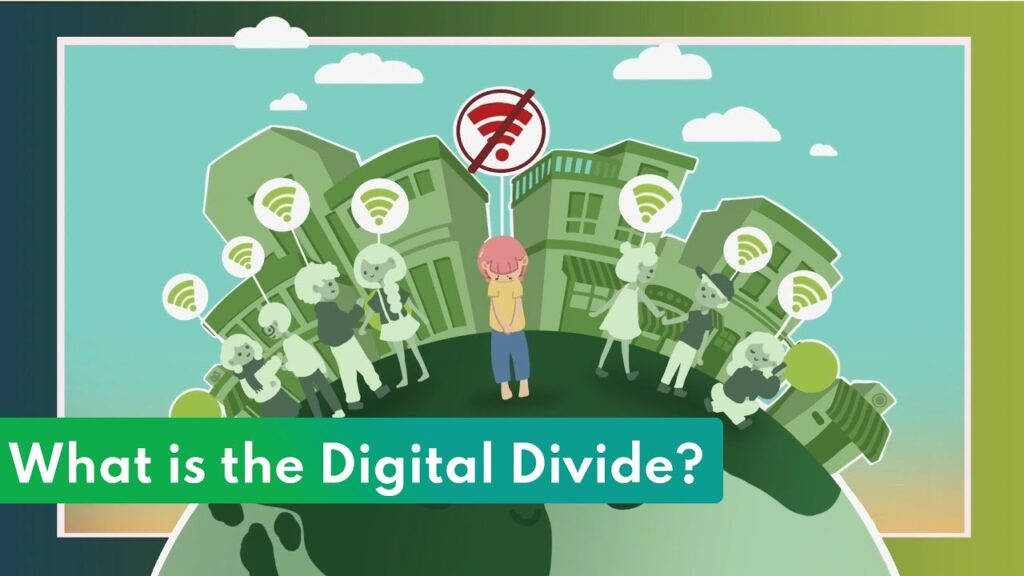
The Digital Divide significantly influences educational systems and learning outcomes, creating disparities among students in access to technology and resources. In an era where digital literacy is paramount for academic success, students who lack access to the internet or technological devices face considerable challenges. This divide shapes not only the availability of learning materials but also impacts engagement and understanding in educational environments.
Access to educational resources and technology is unevenly distributed, affecting students’ ability to participate fully in their education. For instance, students in low-income households often rely on outdated resources or limited access to devices. This lack of access can lead to diminished learning outcomes, as they are unable to engage with digital content that may be essential for their studies. The consequences of this technological gap are profound, as students miss out on interactive learning experiences that foster critical thinking and problem-solving skills.
Case Studies Highlighting Disparities
Several case studies illustrate the impact of the Digital Divide on learning opportunities. One notable example can be seen in the experience of rural schools in the United States. In these regions, internet connectivity is often sparse, limiting students’ ability to access online learning platforms. For example, according to a report from the Federal Communications Commission (FCC), nearly 20% of rural Americans lack access to high-speed internet. As a result, students in these areas struggle to complete assignments and participate in virtual classes, ultimately hindering their educational achievements.
Another poignant case study is found in urban settings, where socioeconomic disparities further exacerbate the Digital Divide. In cities like San Francisco, students from low-income families often lack personal devices, while their wealthier peers have access to the latest technology. A survey conducted by the Pew Research Center highlighted that in some districts, up to 30% of students do not have a device for remote learning. This inequity not only affects academic performance but also contributes to a wider achievement gap, as teachers struggle to provide equal learning opportunities across diverse demographics.
Addressing the Digital Divide is essential for fostering equitable educational opportunities and improving learning outcomes for all students.
Technological advancements and their implications for bridging the Digital Divide
Emerging technologies play a pivotal role in bridging the Digital Divide, closing the gap between those who have access to digital resources and those who do not. By enhancing connectivity, affordability, and digital literacy, these advancements pave the way for inclusive access to information and opportunities. The integration of innovative solutions can empower marginalized communities, fostering educational and economic growth.
One of the most significant advancements is the proliferation of mobile technology, particularly smartphones. With affordable smartphones, individuals in remote areas can access the internet, educational resources, and essential services. For instance, in countries like India, mobile applications designed for education have reached millions of students. The widespread use of mobile banking services has also revolutionized financial inclusion, allowing marginalized populations to participate in the economy more actively.
Successful programs and technologies enhancing access
Numerous initiatives and technologies have demonstrated success in improving access and skills for underserved communities. Some notable examples include:
- Community Wi-Fi Initiatives: Programs like Google’s Project Link have deployed high-speed Wi-Fi in urban slums in Kampala, Uganda, providing free access to thousands of users. This initiative promotes connectivity and supports local businesses and educational institutions.
- Low-cost Internet Solutions: Initiatives such as Facebook’s Express Wi-Fi enable local entrepreneurs to provide affordable internet access in their communities. By collaborating with local partners, this technology aims to increase internet penetration in underserved areas.
- Digital Literacy Programs: Organizations like Code.org focus on teaching coding and computer skills to children in low-income schools. By integrating computer science into the curriculum, students gain vital skills necessary for the modern workforce.
- Satellite Internet Services: Companies like Starlink are working to provide high-speed internet access globally, particularly in rural and remote areas. This technology uses satellites to deliver internet service, overcoming traditional infrastructure challenges.
The implications of these advancements extend beyond mere access; they empower individuals with the skills needed to navigate the digital landscape effectively. By fostering a digitally literate population, we can ensure that everyone has the tools necessary to thrive in an increasingly interconnected world. The commitment to bridging the Digital Divide through technology is essential for fostering equality and enabling all individuals to participate fully in society.
Community-based solutions to mitigate the Digital Divide
Grassroots initiatives play a crucial role in bridging the Digital Divide, ensuring that everyone, regardless of their socioeconomic status, has access to technology and the internet. Many communities have come together to create programs that empower individuals with essential digital skills and resources, fostering an inclusive digital environment.
Various organizations and local governments have initiated community programs centered on digital inclusion. These initiatives often target underrepresented populations, aiming to equip them with the necessary tools to thrive in an increasingly digital world. Understanding these grassroots movements can help identify effective strategies for promoting digital literacy and access.
Grassroots Initiatives and Community Programs
The importance of community-driven solutions cannot be overstated. Such initiatives are unique in their ability to tailor programs that meet the specific needs of their local populations. Below are some notable community-based initiatives that focus on promoting digital inclusivity:
- Digital Literacy Workshops: Community centers often organize workshops that teach essential digital skills, such as using computers, navigating the internet, and understanding online safety. These workshops are designed to be accessible, catering to different age groups and skill levels.
- Tech for Good Initiatives: Non-profit organizations like TechSoup provide discounted technology and software to non-profits, enabling them to serve their communities better. This initiative helps local organizations leverage technology to improve their services.
- Public Wi-Fi Access Points: Many local governments have implemented free public Wi-Fi in parks and community spaces, allowing residents to access the internet without needing a home connection. This initiative helps underserved populations connect with educational resources and job opportunities.
- Device Donation Programs: Community-driven device donation programs collect used computers and smartphones, refurbishing them for redistribution to low-income families. This not only promotes access but also supports sustainability.
- Collaborative Learning Hubs: Some communities have established learning hubs where residents can gather to learn digital skills collaboratively. These hubs often foster a sense of community while promoting collective learning and support.
Community-based solutions are essential for ensuring that every individual has a fair chance to participate in the digital economy.
The roles of non-profit organizations and local governments are pivotal in these efforts. Non-profits often mobilize resources and volunteers to support digital literacy programs, while local governments can provide funding, infrastructure, and policy support to enhance these initiatives. Together, they create a supportive ecosystem that fosters digital inclusion and empowers communities to thrive in an ever-evolving technological landscape.
The future of the Digital Divide in an increasingly connected world
As we look towards the next decade, the evolution of the Digital Divide will be shaped by rapid technological advancements and the ongoing challenges of equitable access. With the growth of artificial intelligence, the Internet of Things (IoT), and 5G connectivity, there’s potential for a more interconnected world. However, disparities may persist or even widen if proactive measures are not taken to address access and affordability. The digital landscape is expected to change significantly, with new platforms and technologies transforming how we work, learn, and communicate.
The evolution of the Digital Divide will likely manifest in several key trends. First, urban areas may continue to experience better connectivity and technological integration than rural or underserved regions. This discrepancy can lead to economic inequalities as individuals in connected areas gain access to better job opportunities and resources, while others lag behind. Second, we may see a growing emphasis on digital literacy, as being connected is not enough; the ability to effectively use technology will become increasingly vital. The digital ecosystem will also expand into new sectors such as healthcare, education, and public services, making technology literacy crucial for all demographics.
Strategies to Ensure Equitable Access to Technology
To mitigate the potential widening of the Digital Divide, several strategies can be implemented to promote equitable access to technology across all communities. These strategies focus on addressing both infrastructure and education.
One important approach is the enhancement of broadband infrastructure in underserved areas. Governments and private entities can collaborate to expand high-speed internet access by investing in community networks and leveraging existing resources.
Furthermore, tailored educational programs can be developed to improve digital literacy among marginalized populations. This includes workshops and training sessions that equip individuals with essential skills to navigate and make the most of technological advancements.
– Infrastructure development can include:
– Community Wi-Fi initiatives: Providing free internet access in public spaces such as libraries and community centers.
– Public-Private Partnerships: Engaging with private firms to invest in broadband expansion in rural and underserved urban areas.
– Educational strategies should encompass:
– Skills training programs: Offering courses that cover basic computer skills, internet navigation, and digital safety.
– Partnerships with schools: Collaborating with educational institutions to integrate technology training into curriculums, ensuring students are prepared for a digital world.
“Access to technology is no longer a luxury; it is a necessity for success in today’s world.”
Through these strategies, communities can bridge the Digital Divide, ensuring that all individuals have the opportunity to participate in the digital economy and society.
Wrap-Up
In conclusion, addressing the Digital Divide is crucial for creating a more equitable society where everyone can thrive in the digital era. As technology continues to advance, it is imperative that we focus on inclusive strategies that prioritize accessibility for all communities. By understanding the past and actively engaging in community solutions, we can shape a future where the Digital Divide is no longer a barrier to opportunity.
Quick FAQs
What is the Digital Divide?
The Digital Divide refers to the gap between individuals who have access to digital technologies and the internet and those who do not, impacting various aspects of life.
Who is most affected by the Digital Divide?
Typically, low-income households, rural populations, and individuals with limited education are most affected by the Digital Divide.
How can technology help bridge the Digital Divide?
Emerging technologies, such as mobile broadband and community internet programs, can improve access and digital literacy, helping to bridge the gap.
What role do non-profit organizations play?
Non-profit organizations often implement community programs and initiatives focused on providing education and resources to underserved populations.
Is the Digital Divide getting better or worse?
While some progress has been made in improving access, the Digital Divide remains a significant issue, particularly in underserved areas, indicating a need for ongoing efforts.