Data Sovereignty represents a crucial concept in our increasingly interconnected world, shaping how we think about data management and protection. It refers to the idea that data is subject to the laws and governance structures within the nation it is collected, processed, or stored, creating layers of complexity for businesses operating globally. As organizations navigate these waters, understanding the significance of Data Sovereignty is essential for ensuring compliance, protecting user privacy, and maintaining competitive advantages in their respective markets.
In today’s digital landscape, where data flows freely across borders, the implications of Data Sovereignty become even more pronounced. With varying regulations and standards across jurisdictions, businesses must adapt their strategies to comply with local laws while simultaneously addressing global privacy concerns. This balancing act underscores the importance of data sovereignty in protecting personal information and user rights, particularly in light of prominent regulations like GDPR that mandate strict data handling practices.
Data Sovereignty and Its Importance in the Digital Age
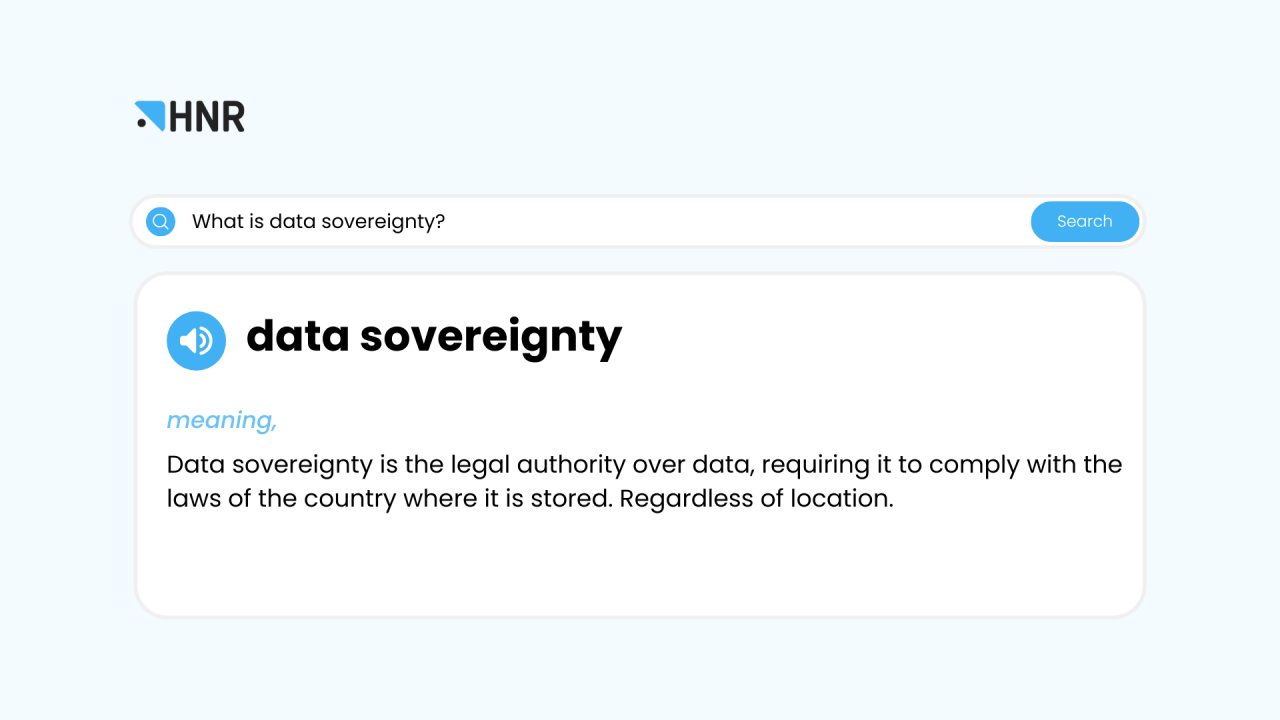
In today’s interconnected world, the concept of data sovereignty has emerged as a crucial consideration for businesses and governments alike. Data sovereignty refers to the idea that data is subject to the laws and regulations of the country in which it is collected or stored. This principle has significant implications in a landscape where data crosses borders with ease, posing challenges to compliance and governance.
The significance of data sovereignty can be observed in various ways. As organizations increasingly rely on cloud services and global data centers, understanding where data resides and the legal frameworks that govern it has become paramount. This multifaceted concept not only impacts privacy and security but also influences operational strategies for companies that operate across multiple jurisdictions. Businesses must navigate these varying legal landscapes to ensure compliance and mitigate risks associated with data breaches and penalties.
Implications for Businesses Operating in Multiple Jurisdictions
The implications of data sovereignty are profound for businesses that operate in multiple countries. Organizations must adapt their data management strategies to align with the regulations of each jurisdiction where they function. This is particularly important in light of diverse data protection laws, such as the General Data Protection Regulation (GDPR) in the European Union and the California Consumer Privacy Act (CCPA) in the United States. Each of these laws imposes specific requirements regarding data collection, storage, and processing.
One critical aspect to consider is the necessity for localized data storage. Many countries have enacted laws that mandate data pertaining to their citizens to be stored within their borders. This requirement can lead to increased operational costs, as companies may need to invest in local data centers or comply with additional compliance measures. The need for localized storage also raises questions about data accessibility and latency, as storing data further away from users can impact service delivery.
“Data sovereignty laws not only protect citizens’ privacy but also shape the way global businesses operate.”
To illustrate the impact of data sovereignty, consider the following examples:
- European Union GDPR: The GDPR imposes strict requirements on companies operating within the EU, requiring them to implement robust data protection measures. Non-compliance can result in hefty fines amounting to 4% of a company’s global turnover.
- India’s Data Protection Bill: Proposed legislation in India requires that sensitive personal data be stored on servers located within the country, compelling international companies to reevaluate their data storage strategies.
- Brazil’s General Data Protection Law: Similar to the GDPR, Brazil’s law emphasizes the importance of data privacy and mandates that companies operating in Brazil adhere to local data protection standards, impacting multinational operations.
Understanding the implications of data sovereignty is essential not only for ensuring compliance with local laws but also for maintaining customer trust. Companies that proactively manage data in compliance with national regulations are more likely to foster positive relationships with their customers, who increasingly value transparency and security in data handling.
The Relationship Between Data Sovereignty and Privacy Regulations
Data sovereignty and privacy regulations are increasingly interconnected as nations seek to safeguard personal information within their borders. As businesses expand globally, understanding how data sovereignty intersects with privacy laws has become crucial for compliance and protection of user rights. This relationship is particularly evident in frameworks like the General Data Protection Regulation (GDPR), which has set a high standard for data privacy that resonates with the principles of data sovereignty.
The intersection of data sovereignty and global privacy laws creates a complex landscape for businesses and individuals alike. Data sovereignty mandates that data about a country’s citizens or residents is collected, processed, and stored within that country, aligning closely with privacy regulations that aim to protect personal information. For example, GDPR, enacted by the European Union, emphasizes individual rights over data, ensuring that personal information is handled with care and only processed with explicit consent. This regulation not only safeguards personal information but also empowers users to control their data, reflecting the core tenets of data sovereignty.
Comparative Analysis of Data Sovereignty Approaches
Different countries adopt varied approaches to data sovereignty, significantly impacting their global commerce landscape. By assessing these differences, one can understand how local privacy regulations shape international business operations. Below are several notable examples that highlight these approaches:
- European Union: The EU’s GDPR exemplifies a robust data sovereignty framework. It requires companies to store and process data of EU citizens within the EU, leading to higher compliance costs for international businesses but offering strong protections for consumer privacy.
- United States: The U.S. has a more fragmented approach, lacking a comprehensive federal privacy law. Instead, it relies on sector-specific regulations (like HIPAA for health data and CCPA for California residents), which can lead to inconsistencies and complications for companies operating globally.
- China: China’s Personal Information Protection Law (PIPL) emphasizes strict data localization requirements, compelling companies to store data within its borders and granting significant power to government authorities over data management. This creates unique challenges for foreign businesses.
- Brazil: With the General Data Protection Law (LGPD), Brazil has taken steps similar to the EU’s GDPR, emphasizing data localization and user rights. The LGPD also represents a growing recognition of the importance of data sovereignty in protecting personal information.
The varying approaches to data sovereignty among countries not only affect compliance for international businesses but also influence consumer trust. By adopting stringent privacy regulations, countries can enhance their data protection frameworks, ultimately shaping their reputation in the global market. The balance between facilitating commerce and ensuring personal data protection remains a critical challenge for governments and businesses worldwide.
Challenges in Implementing Data Sovereignty Policies
Implementing data sovereignty policies presents a myriad of challenges for organizations globally. These challenges arise from the complexity of navigating diverse legal frameworks and technological landscapes, which can hinder a seamless transition toward compliance. Organizations must understand these hurdles to develop effective strategies for managing their data in alignment with local laws.
Technical and operational obstacles are significant barriers to enforcing data sovereignty. Organizations often struggle to adapt their existing infrastructures to comply with varying jurisdictional requirements. This necessity can lead to increased operational costs, realignment of data storage solutions, and the risk of non-compliance in regions with stringent regulations.
Key Challenges in Compliance
The following points Artikel the primary challenges organizations face when trying to comply with data sovereignty laws:
- Diverse Regulatory Landscapes: Different countries have unique data protection laws, making it challenging for multinational organizations to ensure compliance across all locations.
- Data Localization Requirements: Many jurisdictions require data to be stored locally, which can necessitate significant changes to data architectures and increase costs.
- Complexity of Data Governance: Implementing effective data governance frameworks that meet various regulatory requirements can be cumbersome and resource-intensive.
- Insufficient Awareness and Training: Organizations often lack adequate training on data sovereignty, leading to potential mishandling of data and compliance failures.
- Technological Limitations: Legacy systems may not support the required data management functionalities, complicating efforts to meet compliance standards.
Technical and Operational Obstacles
The enforcement of data sovereignty policies often encounters both technical and operational obstacles that can impede compliance efforts. Understanding these challenges is vital for organizations seeking to adapt successfully:
- Infrastructure Overhaul: Organizations may need to significantly revamp their IT infrastructures to meet data residency requirements, which entails considerable investment and time.
- Interoperability Issues: Ensuring that various systems can communicate effectively while adhering to data sovereignty laws can prove challenging, particularly with outdated technologies.
- Data Migration Challenges: Migrating data to comply with localization laws can lead to data loss or corruption if not executed with precise planning and execution.
- Employee Resistance to Change: Employees accustomed to certain workflows may resist changes required to align with new data sovereignty practices, potentially leading to implementation delays.
Case Studies of Compliance Failures
Examining case studies of organizations that faced challenges in navigating data sovereignty compliance can provide valuable insights into the pitfalls to avoid. One notable example includes:
- Microsoft’s Cloud Services in China: In its partnership with a local company to provide cloud services, Microsoft faced significant issues with local regulations that restricted data flow and handling, leading to service disruptions and compliance failures.
These instances highlight the importance of thorough planning and deep understanding of local laws to avoid costly mistakes and operational setbacks. Organizations need to learn from these experiences and implement best practices to navigate the complex landscape of data sovereignty.
The Impact of Cloud Computing on Data Sovereignty
Cloud computing has revolutionized how businesses manage data, but it also raises significant questions about data sovereignty. As companies increasingly rely on cloud service providers (CSPs) for data storage and processing, concerns about where data resides and the legal implications associated with that location have come to the forefront. Navigating these issues is essential for organizations operating in multiple jurisdictions, as differing regulations can impact their operations and compliance strategies.
CSPs are actively addressing data sovereignty concerns through various strategies and frameworks. Many providers offer options for data localization, allowing businesses to store their data in specific geographic locations to comply with local laws. This approach not only helps in adhering to legal requirements but also builds trust with clients who prioritize data protection. CSPs are also implementing robust security measures and compliance certifications to reassure businesses that their data is handled responsibly, regardless of where it is stored.
Data Localization and Its Relevance
Data localization is a critical aspect of cloud computing strategies, as it mandates that certain types of data remain within national borders. This requirement is becoming increasingly common in many countries due to privacy concerns and national security interests. Understanding the implications of data localization is vital for organizations that utilize cloud services, as it influences their choice of providers and data management practices.
A few key points illustrate the significance of data localization in cloud strategies:
- Compliance with Local Laws: Many countries enforce regulations that require sensitive data, such as personal information or financial records, to be stored within their borders. For instance, the European Union’s General Data Protection Regulation (GDPR) imposes strict rules on data transfer outside the EU.
- Enhanced Data Security: By storing data locally, organizations can reduce the risk of unauthorized access and data breaches. Local data centers often have better control over physical security and access protocols.
- Improved Performance: Hosting data closer to users can enhance application performance and reduce latency, leading to a better user experience.
Numerous companies have adapted their cloud policies to align with data sovereignty requirements, showcasing their commitment to compliance and data protection. For example, Microsoft Azure has data centers across various regions, allowing customers to choose where their data is stored based on local regulations. Similarly, Amazon Web Services (AWS) provides customers with the ability to specify the geographic region for their data, ensuring compliance with local laws.
In conclusion, the intersection of cloud computing and data sovereignty presents both challenges and opportunities. As organizations navigate the complexities of data localization and compliance, they must work closely with their CSPs to develop strategies that not only meet legal requirements but also align with their business goals and customer expectations.
Future Trends in Data Sovereignty Legislation
As the digital landscape continues to evolve, data sovereignty is becoming increasingly vital. Nations are prioritizing the control of data that flows in and out of their borders, leading to significant legislative changes worldwide. This shift is influenced by various factors, including privacy concerns, national security interests, and the need to protect citizens’ rights in the digital age.
Emerging trends in data sovereignty laws indicate a growing commitment among nations to establish and enforce local data handling regulations. Countries are taking significant steps to create frameworks that govern how data is collected, stored, and processed domestically. These movements also reflect a broader push for data localization, where organizations are required to store data within national boundaries, thus ensuring compliance with local laws and regulations.
Predictions for Data Sovereignty Evolution
Several key predictions regarding the evolution of data sovereignty can be observed, reflecting the changing legal landscape and the increasing importance of data governance.
| Year | Prediction | Example |
|---|---|---|
| 2025 | Increased enforcement of data localization laws in developing nations. | Countries like Nigeria and India are expected to finalize their own data protection laws, requiring foreign companies to store data locally. |
| 2027 | Formation of regional data protection agreements. | The European Union may establish a unified framework that facilitates smoother cross-border data transfers among member states. |
| 2029 | Greater international collaboration on data sharing while upholding national laws. | Countries may negotiate treaties that allow for data sharing across borders while ensuring compliance with local regulations, similar to the EU-U.S. Privacy Shield framework. |
| 2030 | Emergence of AI-driven solutions for compliance with data sovereignty laws. | Companies may adopt sophisticated tools that leverage artificial intelligence to monitor and ensure adherence to diverse and evolving data laws worldwide. |
The importance of these trends lies in their potential to shape the future of digital interactions and data privacy. The necessity for companies to adapt to these changes is underscored by the fact that non-compliance could lead to significant fines and reputational damage. As data sovereignty laws become more prevalent, organizations will need to invest in robust compliance measures to protect their interests and those of their customers.
Best Practices for Ensuring Data Sovereignty Compliance
Data sovereignty regulations require organizations to adhere to specific laws governing the storage and management of data within a jurisdiction. To effectively navigate these regulations, businesses must implement comprehensive frameworks that foster compliance while maintaining data integrity and security. This section Artikels actionable best practices for organizations striving to align with data sovereignty principles.
Framework for Achieving Compliance
Developing a structured framework is essential for organizations to ensure they meet data sovereignty regulations. This framework should include the following components:
- Data Mapping: Conduct a thorough inventory of all data assets, including location, classification, and processing methods. This helps identify which data is subject to local regulations.
- Legal Compliance Assessment: Regularly review local laws and regulations to ensure all data management practices conform to current requirements.
- Data Localization Strategies: Establish policies that dictate where data can be stored and processed to ensure compliance with local jurisdictional laws.
- Regular Audits: Implement periodic audits of data handling practices to identify compliance gaps and rectify them promptly.
- Staff Training: Provide training for employees about data sovereignty regulations and their roles in maintaining compliance.
Best Practices for Data Governance
Effective data governance aligns with data sovereignty principles and enhances overall compliance. Organizations should adopt the following best practices:
- Data Stewardship: Appoint data stewards responsible for overseeing data management practices and ensuring adherence to regulations.
- Access Controls: Implement strict access controls to ensure that only authorized personnel can access sensitive data, thereby protecting it from unauthorized use.
- Data Minimization: Collect only the data necessary for operations, reducing the volume of data subject to regulations.
- Incident Response Plans: Develop and maintain robust incident response plans to address any data breaches or compliance failures swiftly.
- Documentation and Reporting: Maintain accurate documentation of data processing activities to facilitate transparency and ease of compliance reporting.
Data Management Practices Checklist
To assess current data management practices against data sovereignty standards, businesses can use the following checklist:
- Data Inventory: Is there a comprehensive inventory of all data assets?
- Compliance Policies: Are there established policies that align with local data sovereignty regulations?
- Data Processing Locations: Are data storage and processing locations clearly defined and compliant with relevant laws?
- Access Management: Are access controls in place and regularly reviewed?
- Training Programs: Are regular training programs conducted to educate employees about data sovereignty?
“Implementing a robust framework and adhering to best practices ensures that organizations can effectively navigate the complexities of data sovereignty regulations.”
Final Thoughts

In summary, Data Sovereignty is not just a regulatory requirement but a fundamental aspect of modern data management that organizations must prioritize. As trends evolve and new challenges emerge in the realm of data governance, embracing best practices and remaining informed about legislative changes will be key for businesses looking to thrive. By understanding and implementing data sovereignty principles, organizations can not only ensure compliance but also foster trust with their users, paving the way for more responsible and effective data use in the future.
Q&A
What is the primary goal of data sovereignty?
The primary goal of data sovereignty is to ensure that data is governed by the laws of the country in which it is collected, which helps protect personal information and user rights.
How does data sovereignty affect international businesses?
Data sovereignty complicates operations for international businesses as they must navigate different laws and regulations across jurisdictions, impacting data management and compliance strategies.
Can data sovereignty laws impact cloud computing?
Yes, data sovereignty laws significantly impact cloud computing by requiring providers to implement data localization measures and adhere to local regulations regarding data storage and processing.
What are some common misconceptions about data sovereignty?
A common misconception is that data sovereignty only applies to government data; however, it affects all types of data, including personal and business-related information.
How can businesses ensure compliance with data sovereignty regulations?
Businesses can ensure compliance by adopting robust data governance frameworks, staying updated on legal changes, and implementing best practices for data management aligned with sovereignty principles.