Li-Fi sets the stage for an enthralling narrative, showcasing a groundbreaking technology that promises to transform the way we connect. Unlike traditional Wi-Fi, which relies on radio waves, Li-Fi utilizes light waves to transmit data, opening up new realms of speed and efficiency. Imagine a world where your internet connection is as simple as turning on a light; that’s the vision Li-Fi brings to the table, offering not just faster data transmission but also a more sustainable alternative to existing technologies.
This innovative approach leverages the invisible spectrum of light to deliver data at unprecedented speeds. By modulating the intensity of LED lights, Li-Fi sends information that can be received by compatible devices. This fascinating technology not only provides a glimpse into the future of connectivity but also highlights significant advantages over conventional Wi-Fi, such as improved energy efficiency and enhanced security in various environments.
Understanding the Fundamental Principles of Li-Fi Technology
Li-Fi, or Light Fidelity, is an innovative wireless communication technology that uses light waves to transmit data, offering a new way to connect devices without traditional radio frequencies. Unlike Wi-Fi, which relies on radio waves, Li-Fi utilizes visible, ultraviolet, and infrared light from LED bulbs to send information. This shift from radio to light waves has significant implications for speed, capacity, and security in data transmission.
The basic science behind Li-Fi technology is rooted in the modulation of light waves. Light signals are encoded with data by rapidly switching the LED light on and off at a speed imperceptible to the human eye. This modulation allows the light to carry data in the same way that radio waves do for Wi-Fi. For instance, the intensity of the light can be modified to represent binary data (0s and 1s), with different brightness levels corresponding to different data values. When the light reaches a photodetector, it converts the light signals back into electrical signals, allowing the receiver to decode the information transmitted.
Differences Between Li-Fi and Traditional Wi-Fi
Understanding the differences between Li-Fi and traditional Wi-Fi highlights the unique advantages and limitations of each technology. The comparison can be framed in several key aspects:
– Transmission Medium:
– *Li-Fi utilizes light waves for data transfer, while Wi-Fi uses radio waves.*
– This difference impacts the interference, as light waves are less susceptible to interference from other devices compared to radio waves.
– Data Transfer Speed:
– *Li-Fi can achieve data rates of several gigabits per second, significantly surpassing typical Wi-Fi speeds.*
– It allows for faster downloads and uploads, which is particularly beneficial in environments requiring high bandwidth.
– Security:
– *Li-Fi’s reliance on light means that data transmission is confined to a specific area, thereby offering enhanced security.*
– Since light cannot penetrate walls, unauthorized access from outside a given space is less likely compared to Wi-Fi.
– Range and Connectivity:
– *Li-Fi works effectively only within line-of-sight conditions, limiting its range to the area illuminated by the light source.*
– In contrast, Wi-Fi can penetrate walls and cover a broader area.
In essence, while Li-Fi offers groundbreaking advancements in speed and security, its dependence on light presents certain limitations regarding range and connectivity. As such, both technologies have their own distinct applications and can complement each other in creating a comprehensive wireless communication ecosystem.
Exploring the Advantages of Li-Fi Over Traditional Wi-Fi
Li-Fi, or Light Fidelity, is revolutionizing the way we connect to the internet by utilizing visible light to transmit data. This innovative technology offers several advantages over conventional Wi-Fi, primarily leveraging the ubiquitous presence of LED lighting. Here, we delve into three key benefits of Li-Fi and explore its potential for high-speed data transmission and energy efficiency.
Key Benefits of Li-Fi Technology
Li-Fi presents a unique set of advantages that can significantly enhance internet connectivity. The following points highlight its main benefits:
- Increased Data Transmission Speeds: Li-Fi can achieve data speeds exceeding 10 Gbps, which is significantly faster than traditional Wi-Fi. This capability stems from the modulation of light waves, allowing for rapid data transfer rates that can support bandwidth-intensive applications such as streaming high-definition video and real-time gaming.
- Enhanced Security: Li-Fi operates through light, which cannot penetrate walls, creating a more secure communication channel. This characteristic minimizes the risk of unauthorized access and data interception, providing an additional layer of security compared to Wi-Fi, which struggles with signal leakage.
- Energy Efficiency: Li-Fi technology is inherently energy-efficient since it utilizes LED lights for data transmission. LEDs consume less power while delivering high-quality illumination, leading to reduced overall energy consumption compared to traditional Wi-Fi routers that require separate power sources. The dual function of lighting and data transmission can enhance energy management in various environments.
Potential for Increased Data Transmission Speeds
The speed capabilities of Li-Fi are one of its most compelling advantages. By harnessing the potential of visible light, Li-Fi enables unprecedented data rates that can transform digital communication.
“The theoretical maximum data rate for Li-Fi is around 224 Gbps, although practical implementations often achieve speeds of 10 Gbps and higher.”
This remarkable speed is achieved through the rapid modulation of light intensity in LEDs, which can switch on and off faster than the human eye can perceive. This modulation allows Li-Fi to transmit data in parallel, thereby increasing the overall bandwidth. For example, a single LED light can transmit data to multiple devices simultaneously without interference, enabling smooth performance even in densely populated areas.
Energy Efficiency of Li-Fi Compared to Wi-Fi
Energy efficiency is another significant advantage that Li-Fi holds over traditional Wi-Fi. The integration of data transmission into existing lighting infrastructure presents a unique opportunity for optimizing energy consumption across various environments.
Li-Fi utilizes LEDs, which are generally more energy-efficient than the radio frequency signals used in Wi-Fi. When deployed in settings such as offices or homes, the dual function of lighting and data transmission can lead to substantial energy savings.
“By combining lighting with data transmission, Li-Fi can cut down energy consumption by up to 90% compared to traditional communication methods.”
In practical applications, businesses that adopt Li-Fi can not only enhance their connectivity but also lower operational costs related to energy use. This energy efficiency is particularly beneficial in large facilities where the energy demands of Wi-Fi can be substantial.
As Li-Fi technology continues to evolve, its potential to revolutionize connectivity while promoting sustainability becomes increasingly apparent.
Investigating the Limitations and Challenges of Li-Fi Implementation
The potential of Li-Fi technology is immense, offering high-speed wireless communication through visible light. However, several technical challenges hinder its widespread adoption and deployment in various environments. This segment delves into the limitations of Li-Fi, particularly concerning its implementation challenges, range capabilities, and inherent security risks compared to traditional Wi-Fi technologies.
Technical Challenges in Li-Fi Deployment
Li-Fi technology faces a variety of technical hurdles that slow down its integration into existing infrastructures. Key challenges include:
- Line-of-Sight Requirement: Li-Fi primarily relies on visible light for data transmission, meaning a direct line of sight between the transmitter (LED light source) and receiver (photodetector) is essential. This restricts the utility of Li-Fi in spaces where obstacles may obstruct the light path.
- Limited Range: The operational distance of Li-Fi is significantly less than that of traditional Wi-Fi. Typical indoor applications may only reach up to a few meters, limiting its effectiveness in larger areas without multiple access points.
- Interference from Ambient Light: Ambient light sources can interfere with the Li-Fi signals, leading to reduced performance and reliability. Strong sunlight or fluorescent lights can adversely affect the communication quality.
- Infrastructure Changes: Implementing Li-Fi requires a complete overhaul of existing lighting systems, replacing standard bulbs with LED lights that are capable of modulating light intensity for data transmission.
Range Limitations and Obstruction Issues
The range and obstruction limitations of Li-Fi technology inherently affect its practicality in various environments. While Li-Fi can potentially deliver faster data rates, its operational scope is restricted. The critical limitations include:
- Indoor Use Cases: Li-Fi is better suited for small, confined spaces like offices and homes. In large venues, such as stadiums or warehouses, multiple light sources would be necessary to ensure coverage, complicating installation and maintenance.
- Obstruction Sensitivity: Unlike radio waves, which can penetrate walls and obstacles, Li-Fi signals cannot. This limitation means that any physical barrier can disrupt communication, necessitating a carefully designed layout to avoid dead zones.
Security Risks Associated with Li-Fi and Wi-Fi Technologies
When comparing the security risks between Li-Fi and Wi-Fi, distinct differences emerge that are vital for understanding their respective vulnerabilities.
- Physical Security: Li-Fi’s reliance on light means that signals are contained within a specific area, theoretically reducing the risk of unauthorized access. However, this also means that if a user is within the visible range of the light source, they could potentially intercept data transmissions.
- Data Interception: Wi-Fi signals, being radio waves, can be intercepted from a distance, making them more susceptible to eavesdropping. Conversely, Li-Fi signals are less prone to such risks, although the need for line-of-sight creates new challenges in ensuring that data cannot be captured from unintended locations.
- Security Protocols: Both technologies require robust encryption methods to protect data integrity. While Wi-Fi has established security standards like WPA3, Li-Fi is still in the process of developing its security frameworks, which may lead to vulnerabilities during its early adoption phases.
Applications of Li-Fi in Various Sectors
Li-Fi technology, leveraging light for data transmission, is rapidly gaining traction across multiple sectors. Its unique ability to provide high-speed, secure, and interference-free connectivity positions it as a promising solution to various industry challenges. As industries evolve towards more interconnected frameworks, the role of Li-Fi is becoming increasingly significant.
Healthcare Environments
In healthcare settings, reliable and fast communication is paramount. Li-Fi enhances connectivity, improving both operational efficiency and patient care. The following are key applications of Li-Fi in healthcare:
- Real-time Patient Monitoring: Hospitals can use Li-Fi enabled devices to continuously monitor patients. Data from sensors can be transmitted through light, allowing for seamless and immediate updates to healthcare providers.
- Secure Data Transfer: Medical records and sensitive patient data can be securely sent over Li-Fi connections, reducing the risk of interception that is common with traditional Wi-Fi networks.
- Enhanced Communication: Li-Fi can facilitate better communication between medical staff and equipment. For example, surgical lights can transmit data to monitors without interfering with sensitive electronic devices in the operating room.
Smart Cities and IoT Devices
Li-Fi holds vast potential for the development of smart cities, where interconnected systems enhance livability and efficiency. The integration of Li-Fi with IoT devices is transforming urban environments in several ways:
- Smart Lighting Systems: Streetlights equipped with Li-Fi transmit data to vehicles and pedestrians, providing real-time information about traffic conditions and enhancing safety in urban areas.
- Public Transportation Connectivity: Li-Fi can offer high-speed internet access in buses and trains, allowing passengers to stay connected while commuting, thereby improving the user experience.
- Environmental Monitoring: Li-Fi enabled sensors in public spaces can collect and transmit environmental data, such as air quality and noise levels, helping cities implement better urban planning and sustainability initiatives.
The Future of Li-Fi Technology and Its Potential Impact
Li-Fi technology is rapidly gaining traction as a viable alternative to traditional wireless communication methods. With the increasing demand for high-speed internet and the need for more reliable connectivity, Li-Fi is positioning itself as a game-changer in the tech landscape. Researchers and developers are continually exploring innovative applications and enhancements to make Li-Fi a mainstream solution for internet connectivity.
Current trends in Li-Fi development focus on improving the technology’s efficiency and range. Researchers are working on increasing data transmission rates through advanced modulation techniques and optimizing light-emitting diodes (LEDs) for better performance. Moreover, the integration of Li-Fi into existing infrastructure, such as streetlights and office lighting, is being actively pursued. This allows for seamless connectivity while leveraging resources that are already in place. The potential for Li-Fi to deliver faster speeds—up to 100 Gbps in ideal conditions—positions it as an attractive option for future connectivity needs.
Integration with Emerging Technologies
The synergy between Li-Fi and emerging technologies like 5G is a significant point of interest. As industries transition to 5G networks, the need for complementary technologies that can enhance speed and connectivity becomes critical. Li-Fi can fill this gap by providing high bandwidth capabilities, particularly in environments where radio frequency signals are weak or congested.
The integration of Li-Fi with 5G will facilitate advancements in various sectors. For instance, smart cities can benefit from Li-Fi by using its capabilities for real-time data transmission in traffic management systems and public Wi-Fi networks. Furthermore, expected developments in the Internet of Things (IoT) will rely heavily on Li-Fi’s ability to connect multiple devices efficiently.
Consider these key points regarding the integration of Li-Fi with emerging technologies:
- Li-Fi’s ability to transmit data through light means it can function in environments where radio frequencies are limited, such as hospitals and airplanes.
- The potential for Li-Fi to provide faster data rates complements the capabilities of 5G, enabling seamless transitions between various connectivity methods.
- As augmented reality (AR) and virtual reality (VR) applications grow, Li-Fi’s high bandwidth will support the increased data requirements, enhancing user experiences.
In summary, the future of Li-Fi technology is bright, with its potential to revolutionize internet connectivity becoming increasingly evident. As the demand for faster, more reliable networks continues to rise, the integration of Li-Fi with other emerging technologies could pave the way for a new era of digital communication, transforming industries and everyday life.
Comparing Li-Fi with Other Optical Wireless Communication Technologies
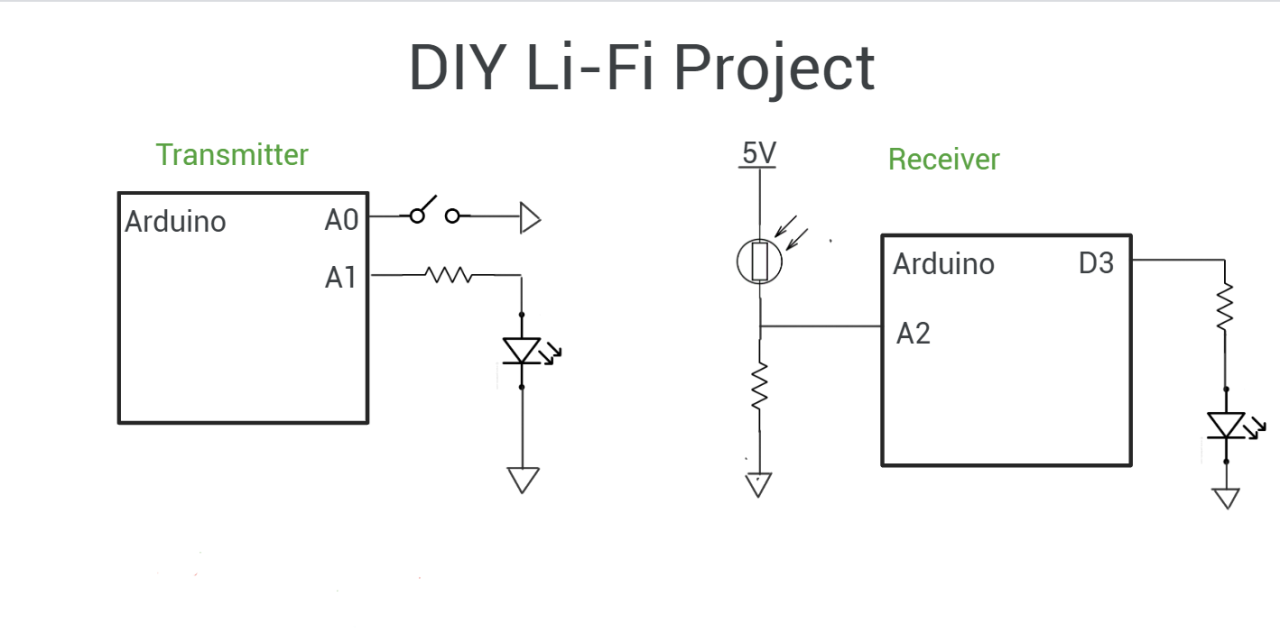
Li-Fi, or Light Fidelity, is a transformative technology that utilizes visible light for high-speed data transmission. As the demand for faster and more efficient wireless communication grows, it’s essential to understand how Li-Fi compares to other optical wireless communication technologies like Free Space Optics (FSO) and infrared communication systems. This comparison highlights the unique strengths and weaknesses of each while providing insight into their respective application scenarios.
Free Space Optics (FSO) Comparison
Free Space Optics (FSO) is a technology that enables wireless communication through light beams in free space. When comparing Li-Fi to FSO, several factors emerge that highlight their respective advantages and limitations.
– Transmission Method: Li-Fi transmits data using LED lights, while FSO employs lasers or infrared light. This difference affects the beam divergence and overall transmission capabilities.
– Range and Distance: FSO can cover longer distances (up to several kilometers) with line-of-sight conditions, making it suitable for outdoor applications. In contrast, Li-Fi is typically limited to shorter ranges, ideally suited for indoor environments.
– Interference and Obstruction: Li-Fi can be affected by ambient light interference, whereas FSO’s performance may significantly degrade in adverse weather conditions like fog or rain.
– Installation and Infrastructure: Li-Fi relies on existing lighting infrastructure, making it easier and more cost-effective to deploy in buildings. FSO requires specialized setups and may involve higher installation costs.
“Li-Fi leverages existing light sources, providing an innovative wireless solution in environments where traditional RF communication struggles.”
Li-Fi versus Infrared Communication Systems
The comparison between Li-Fi and infrared communication systems reveals different strengths tailored to specific use cases and scenarios.
– Data Transmission Rates: Li-Fi offers significantly higher data rates than traditional infrared systems. For example, Li-Fi can achieve speeds exceeding 10 Gbps, while infrared communication typically operates at lower speeds.
– Line of Sight Requirement: Infrared communication requires a clear line of sight to function optimally, similar to FSO. However, Li-Fi can function effectively in environments with multiple light sources, as long as the light is directed intelligently.
– Applications and Use Cases: Li-Fi is ideal for applications requiring high-speed internet in confined spaces, such as offices, homes, and hospitals. Infrared systems are often used in remote controls and short-range data transfer, making them beneficial for consumer electronics.
– Security: Li-Fi offers a higher level of security since it requires light to enter a space for data transmission, whereas infrared can be intercepted more easily if the line of sight is not maintained.
“The unique qualities of Li-Fi provide a robust alternative for high-speed wireless communication, particularly in densely populated environments.”
The various optical wireless communication technologies each have their strengths and applications. By analyzing these differences, users can better understand which technology is best suited for their specific needs and environments.
Designing a Li-Fi Network

Designing a Li-Fi network for small businesses involves a series of strategic steps to ensure effective communication through light waves. With the increasing demand for high-speed internet connectivity, implementing Li-Fi can provide businesses with a reliable and efficient alternative to traditional Wi-Fi systems.
Key considerations and best practices include the selection of appropriate materials and equipment, as well as optimizing lighting setups to enhance Li-Fi performance. This guide aims to simplify the design process for small businesses looking to implement a Li-Fi network.
Step-by-Step Guide for Designing a Basic Li-Fi Network
To effectively design a Li-Fi network, follow these essential steps that Artikel the framework for setup:
1. Assess Business Requirements
Understanding the specific needs of the business is vital. Consider factors such as the number of users, types of applications, and required data speeds.
2. Choose Suitable Lighting Technology
Select LED lights that support data transmission. For optimal performance, lights should have the capability to modulate light intensity rapidly.
3. Determine Network Coverage Area
Evaluate the physical layout of the business premises to identify areas where Li-Fi coverage is most needed. A comprehensive floor plan will assist in visualizing coverage.
4. Select Li-Fi Equipment
Acquire necessary equipment, including:
– Li-Fi-enabled LED bulbs
– Photodetectors for receiving light signals
– Data transmission hardware (e.g., modulators and routers)
5. Install Lighting Infrastructure
Position LEDs strategically to ensure maximum coverage and minimal interference. Consider ambient lighting and potential obstructions.
6. Configure Network Settings
Set up the network by calibrating the Li-Fi transmitters and receivers. Ensure all devices are properly connected and communicating effectively.
7. Test Network Performance
Conduct performance tests to assess data transfer rates, latency, and coverage. Make adjustments as needed to optimize functionality.
Materials and Equipment Necessary for Setting Up a Li-Fi System
The successful implementation of a Li-Fi network relies on specific materials and equipment. The following components are essential:
– Li-Fi LED Lights: These lights are designed to transmit data by modulating their brightness at high speeds.
– Photodetectors: These devices receive the light signals and convert them back into electrical signals.
– Modulators: Used to encode and decode data onto the light signals for effective transmission.
– Network Routers: Manage the flow of data between Li-Fi devices and the internet.
– Cabling and Connectors: Necessary for connecting the equipment and ensuring a seamless network operation.
Considerations for Effective Lighting Setups to Optimize Li-Fi Performance
To maximize the efficiency of a Li-Fi network, it is crucial to focus on the lighting setup. Here are key aspects to consider when designing the lighting layout:
– Light Intensity and Quality: Ensure that the LEDs provide sufficient brightness to facilitate data transmission without causing eye strain.
– Placement and Orientation: Position lights to minimize interference from obstacles and maximize line-of-sight to the photodetectors.
– Ambient Light Conditions: Be aware of environmental factors, such as sunlight and other artificial lights that may disrupt Li-Fi signals.
– Dynamic Adjustments: Implement systems that allow for real-time adjustments to light intensity based on user demands and environmental changes.
Effective lighting setups are essential for the optimal performance of Li-Fi networks.
By adhering to these guidelines and considerations, small businesses can successfully design and implement a Li-Fi network that enhances connectivity and operational efficiency.
Final Summary
As we conclude this exploration into Li-Fi technology, it’s clear that it holds great promise for the future of wireless communication. With its potential to enhance connectivity in sectors like healthcare and smart cities, Li-Fi is poised to revolutionize our digital experiences. As research and development continue to unfold, the integration of Li-Fi with emerging technologies offers a thrilling glimpse into what lies ahead—an era where light isn’t just illumination but also the backbone of our connected world.
Expert Answers
What is Li-Fi?
Li-Fi is a wireless communication technology that uses light waves to transmit data, offering faster and more efficient connectivity compared to traditional Wi-Fi.
How does Li-Fi compare to Wi-Fi in terms of speed?
Li-Fi can potentially offer data transmission speeds that are significantly higher than those achievable with traditional Wi-Fi, sometimes exceeding several gigabits per second.
What are the main challenges of implementing Li-Fi?
The primary challenges include limited range, the need for a direct line of sight, and potential interruptions caused by physical obstructions.
Can Li-Fi be used outdoors?
While Li-Fi is primarily designed for indoor use, advancements in technology may enable outdoor applications in the future, although challenges such as sunlight interference remain.
What types of devices are compatible with Li-Fi?
Devices equipped with photodetectors capable of receiving light signals can use Li-Fi, including smartphones, laptops, and specialized IoT devices.