As Voice over IP (VoIP) surges to prominence, it reshapes how we communicate in the digital age. This technology, which transmits voice and multimedia content over the Internet, has turned traditional telephony on its head, offering innovative solutions that prioritize efficiency and cost-effectiveness. From its humble beginnings to its current status as a staple in business and personal communication, VoIP stands as a testament to how technology can enhance connectivity and collaboration.
The evolution of VoIP technology has been marked by key milestones, significantly impacting the way we interact. As we delve deeper into this fascinating subject, we will explore the myriad benefits, protocols, security challenges, and future trends that define the VoIP landscape today. Whether you’re a business owner looking for cost-effective communication solutions or simply curious about how VoIP works, there’s something in this discussion for everyone.
Voice over IP technology evolution
Voice over IP (VoIP) technology has dramatically transformed the way we communicate. It began as a niche concept but has evolved into a critical component of modern telecommunication. The journey of VoIP is marked by significant developments that have shaped its role in both personal and business communication, offering cost-effective and efficient ways to connect globally.
The history of VoIP dates back to the mid-1990s, when the first commercial VoIP service, VocalTec, was launched. This service enabled users to make phone calls over the internet, paving the way for what we know today as VoIP. As internet speeds improved and broadband became widely accessible, more companies entered the market, developing software and hardware that supported VoIP technology. Key milestones in VoIP’s evolution include the introduction of the Session Initiation Protocol (SIP) in 1996, which standardized how VoIP calls are initiated, maintained, and terminated. Another significant advancement was the launch of Skype in 2003, which popularized VoIP by allowing users to make free calls over the internet. This not only brought VoIP to the forefront of communication but also contributed to a shift from traditional telephone systems to internet-based services.
Key milestones in VoIP development
The evolution of VoIP is marked by several key milestones that have revolutionized communication:
- 1995: Introduction of VocalTec Software – This was the first software that allowed users to make calls via the internet, marking the dawn of VoIP technology.
- 1996: Development of SIP – The introduction of the Session Initiation Protocol allowed for more efficient call management and laid the groundwork for interoperability among different VoIP systems.
- 2003: Launch of Skype – Skype’s release popularized VoIP globally, enabling free calls and fostering a new era of online communication that combined voice, video, and chat functionality.
- 2010: Widespread Adoption of Smartphones – The rise of smartphones further propelled VoIP usage through apps like WhatsApp and Viber, integrating VoIP with social media and instant messaging.
- 2018: Transition to VoIP in Enterprises – Many businesses began to fully adopt VoIP systems, replacing traditional phone lines with VoIP solutions due to cost savings and flexibility.
VoIP has not only changed how we communicate but has also dramatically affected the telecommunications industry by reducing costs, increasing accessibility, and providing more features compared to traditional telephony. As internet infrastructure continues to improve, the potential for VoIP technology will only expand, further enhancing global connectivity.
Benefits of using Voice over IP systems for businesses
Voice over IP (VoIP) systems have transformed communication in the business landscape, offering numerous advantages that promote efficiency and cost-effectiveness. As organizations continue to seek innovative solutions to enhance operational performance, VoIP emerges as a leading contender. The benefits are compelling, ranging from significant cost savings to enhanced scalability and flexibility.
One of the most appealing aspects of VoIP for businesses is the substantial cost savings associated with its implementation. Traditional phone systems incur hefty expenses due to installation, maintenance, and long-distance call charges. In contrast, VoIP allows calls to be made over the internet, eliminating the need for expensive hardware and reducing long-distance fees significantly. For instance, a study revealed that businesses can save up to 60% on their phone bills by switching to VoIP. This shift not only provides immediate financial relief but also reallocates resources to more critical areas of the business.
Scalability and Flexibility
Scalability is another crucial advantage of VoIP systems that allows businesses to adapt to changing demands effortlessly. As companies grow, their communication needs evolve. VoIP systems make it easy to add or remove lines without complicated installations or significant costs. This adaptability is essential for organizations that experience seasonal fluctuations or rapid growth. For example, a startup may initially require a handful of lines but can seamlessly expand to accommodate a growing workforce.
Moreover, flexibility in VoIP solutions extends beyond scalability. Employees can access VoIP services from various devices—laptops, smartphones, or tablets—enabling remote work and fostering a more dynamic work environment. This capability is particularly beneficial in today’s landscape, where hybrid work models are increasingly prevalent. The ability to communicate effectively from anywhere not only enhances productivity but also improves employee satisfaction.
In summary, the benefits of adopting Voice over IP systems are manifold. By embracing VoIP, businesses can achieve considerable cost savings, scalable communication solutions, and unparalleled flexibility, positioning themselves for long-term success in an ever-evolving market landscape.
VoIP protocols and standards
Voice over IP (VoIP) communication relies on a variety of protocols and standards that play critical roles in the delivery of voice data over the internet. These protocols determine how media and signaling information are transmitted and managed, ensuring that calls are not only made but also maintained with quality and reliability. Without these protocols, the seamless communication that users expect would be virtually impossible.
The main protocols that govern VoIP communications include the Session Initiation Protocol (SIP), Real-time Transport Protocol (RTP), and H.323. Each of these protocols has distinct functions that contribute to the overall performance and interoperability of VoIP systems.
Key VoIP protocols
Understanding the primary VoIP protocols is essential for anyone involved in VoIP technology, as they each address different aspects of voice communication.
- Session Initiation Protocol (SIP): SIP is primarily used for initiating, managing, and terminating voice and video calls. It handles the signaling aspects, allowing users to establish a connection, modify it during a session, and ultimately tear it down. SIP operates using a request-response model and can support various communication forms beyond just voice, including instant messaging and video conferencing. Its flexibility and robustness make it the most widely used protocol in VoIP services.
- Real-time Transport Protocol (RTP): RTP is responsible for delivering audio and video over IP networks. It manages the data transfer after the connection has been established through SIP. RTP ensures that the packets containing voice data are transmitted in real-time, which is crucial for maintaining call quality. It includes mechanisms for synchronization and payload type identification, which help to manage the flow of media streams effectively. RTP typically works alongside SIP to provide a complete communication solution.
- H.323: H.323 is an older standard that provides a framework for voice, video, and data conferencing over IP networks. It encompasses several components, including protocols for call signaling, media transport, and the establishment of communication sessions. Although H.323 has been largely supplanted by SIP in many applications, it is still in use, especially in legacy systems, and provides a robust option for handling VoIP communications.
Protocols like SIP, RTP, and H.323 are vital for ensuring quality and interoperability, allowing different VoIP systems to communicate seamlessly.
The importance of these protocols cannot be overstated, as they ensure that VoIP services can operate across various devices and platforms, maintaining high-quality voice communication. Interoperability between different vendors and systems is also crucial for a competitive market, enabling users to choose providers based on preference without worrying about compatibility issues.
Security challenges associated with Voice over IP
Voice over IP (VoIP) technology offers flexible communication options, but it also presents several security challenges. As organizations increasingly rely on VoIP for their voice communication, understanding the potential risks is crucial. These risks can disrupt services, compromise sensitive information, and lead to significant financial losses.
VoIP communications face various security risks, including eavesdropping, denial of service attacks, and VoIP phishing (vishing). Eavesdropping occurs when malicious users intercept voice data packets, allowing them to listen to conversations without authorization. Denial of service attacks target VoIP systems, flooding them with traffic to render them inoperable. Vishing is a tactic used by cybercriminals to deceive individuals into divulging personal or financial information by impersonating trusted entities through voice calls.
To mitigate these security risks, organizations can implement several strategies. One effective method is the use of encryption protocols, which convert voice data into a format that is unreadable to unauthorized users. Secure Real-Time Transport Protocol (SRTP) is commonly used for this purpose, providing confidentiality, message authentication, and replay protection for voice data in transit. Additionally, employing secure gateways can bolster VoIP security by acting as a protective barrier between the public internet and the internal network. These gateways can monitor traffic for suspicious activity and block malicious attempts to breach the network.
Methods to Enhance VoIP Security
To ensure the security of VoIP communications, organizations can adopt several best practices that effectively manage risks. These practices include:
– Regular Software Updates: Keeping VoIP systems and software updated ensures that security patches are applied, minimizing vulnerabilities that attackers could exploit.
– Strong Authentication Mechanisms: Implementing robust authentication practices, such as two-factor authentication (2FA), can enhance access control and reduce unauthorized access.
– Network Segmentation: By separating VoIP traffic from other types of network traffic, organizations can reduce the risk of exposure to attacks that target non-VoIP services.
– Firewalls and Intrusion Detection Systems: Utilizing advanced firewalls and intrusion detection systems can help monitor and filter VoIP traffic, providing an additional layer of security against potential threats.
By adopting these methods and remaining vigilant against emerging threats, organizations can significantly enhance the security posture of their VoIP communications.
Comparing VoIP to traditional telephony
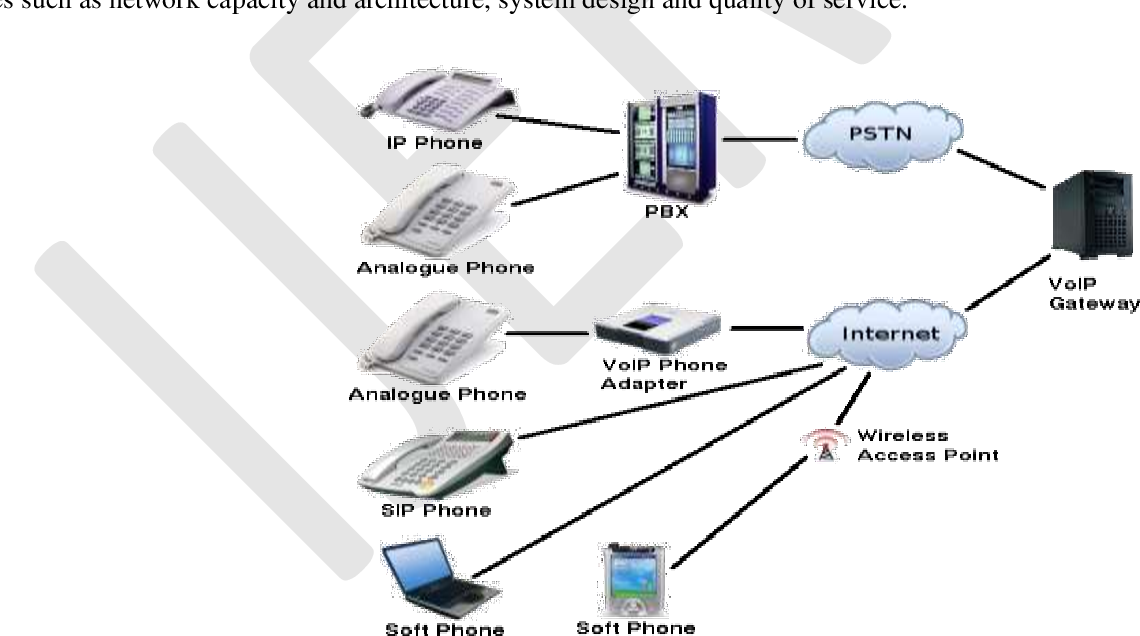
The evolution of communication technologies has brought about significant changes in how we connect with one another. Voice over IP (VoIP) systems and traditional telephony each play unique roles in this landscape, but they differ markedly in several key areas, including cost, features, and call quality. Understanding these differences allows users to make informed decisions about which system best suits their needs.
One of the most significant aspects to consider when comparing VoIP and traditional telephony is cost. VoIP systems typically offer lower monthly fees compared to traditional phone lines. This is largely due to the fact that VoIP utilizes the internet for calls, eliminating the necessity for dedicated phone lines.
“VoIP can reduce communication costs by up to 60% compared to traditional telephony.”
In addition to lower monthly rates, VoIP services often include free or low-cost international calls, which can be a game-changer for businesses with overseas clients or for individuals who frequently communicate with friends and family abroad. Traditional telephony, on the other hand, often imposes hefty charges for long-distance calls.
Another area of comparison is the features offered by both systems. VoIP services usually come with a plethora of advanced features that are either limited or unavailable with traditional telephony. These features may include voicemail-to-email, call forwarding, video conferencing, and instant messaging.
“Many VoIP providers offer features that would require expensive upgrades in traditional phone systems.”
Such functionalities enhance productivity and streamline communication in both personal and professional settings. Traditional telephony, while reliable, tends to provide just the basics—voice calling and voicemail—without the added conveniences of modern technology.
Call quality is another critical point of differentiation. While VoIP can deliver high-quality audio, it is susceptible to fluctuations based on internet bandwidth and network congestion. For example, a stable and high-speed internet connection can facilitate crystal-clear calls. However, during peak usage times or in areas with poor connectivity, call quality may suffer, resulting in issues like latency or dropped calls. In contrast, traditional telephony tends to offer consistent call quality, as it relies on circuit-switched networks that are less affected by internet traffic.
In summary, when weighing the options between VoIP and traditional telephony, users should consider factors such as cost savings, feature set, and the reliability of call quality. As technology continues to evolve, VoIP remains an increasingly attractive option for those seeking modern communication solutions.
Future trends in Voice over IP technology
As Voice over IP (VoIP) technology continues to evolve, its future trends promise significant enhancements that could reshape communication for users around the globe. With the rapid advancement of technology, we can expect a wealth of innovations that will not only improve the user experience but also broaden the scope of VoIP applications across various industries.
One notable trend in the VoIP landscape is the integration of artificial intelligence (AI). AI is poised to revolutionize VoIP services by enabling more intuitive and efficient communication processes. For instance, AI-driven features such as voice recognition and natural language processing will facilitate seamless interactions, allowing users to engage with their networks in more meaningful ways. Additionally, AI can enhance customer service experiences through chatbots and automated response systems, streamlining support operations and reducing wait times.
Another significant development is the ongoing emphasis on improving bandwidth efficiency. With the expansion of remote work and video conferencing, the demand for high-quality voice and video transmission has skyrocketed. Innovations in compression algorithms and network protocols will enable VoIP services to utilize bandwidth more effectively, ensuring clearer calls and reduced latency. Companies like Zoom and Microsoft Teams have already made strides in this area, optimizing their platforms to deliver better performance even in low-bandwidth scenarios.
Mobile VoIP advancements
Mobile VoIP is another critical area where advancements are gaining traction. With more users relying on smartphones and mobile devices for communication, there is a clear need for VoIP solutions that cater to this trend. Improvements in mobile VoIP applications will include enhanced security features, such as end-to-end encryption, to protect user data and privacy. Additionally, the development of 5G technology will further propel mobile VoIP capabilities, offering faster speeds and more reliable connections.
The combination of these advancements will not only enhance user satisfaction but also promote wider adoption of VoIP services across various sectors, including healthcare, education, and business. As VoIP continues to mature, users can expect a more unified communication experience that integrates voice, video, and messaging seamlessly, placing them at the forefront of digital communication trends.
Implementation strategies for VoIP in organizations
Implementing Voice over IP (VoIP) in organizations involves careful planning, execution, and continual optimization to ensure successful deployment and operation. Organizations transitioning from traditional telephony to VoIP can benefit from enhanced communication efficiency, reduced costs, and increased flexibility. Below is a structured step-by-step guide designed to assist organizations in the successful implementation of VoIP systems.
Step-by-Step Guide for VoIP Implementation
The following steps Artikel a comprehensive approach to implementing VoIP systems in organizations, ensuring that every critical aspect is covered for a smooth transition:
| Stage | Description |
|---|---|
| 1. Assessment | Evaluate current communication needs, existing infrastructure, and potential challenges. |
| 2. Planning | Develop a detailed implementation plan including budget, timeline, and objectives for VoIP deployment. |
| 3. Selection of VoIP Provider | Research and choose a reliable VoIP service provider that fits the organization’s needs. |
| 4. Network Preparation | Upgrade network infrastructure if necessary, ensuring sufficient bandwidth and quality of service (QoS). |
| 5. Installation | Install VoIP hardware and software, including IP phones, servers, and necessary applications. |
| 6. Configuration | Configure VoIP settings, including security measures, user accounts, and call routing. |
| 7. Testing | Conduct thorough testing of the VoIP system to identify and rectify any issues before full deployment. |
| 8. Training | Provide training for employees on the new system to ensure proper usage and maximize benefits. |
| 9. Go Live | Officially transition to the VoIP system, monitoring its performance closely during the initial rollout. |
| 10. Optimization | Continuously monitor the system, gathering feedback and making adjustments to improve performance and user experience. |
The transition to VoIP can significantly enhance communication capabilities within an organization, leading to improved productivity and operational efficiency. Each step Artikeld ensures that organizations are well-prepared to address potential challenges and reap the benefits that VoIP has to offer. As with any major technology shift, ongoing evaluation and adaptation are key to sustaining optimal performance and user satisfaction in the long term.
VoIP applications and use cases
Voice over IP (VoIP) technology has transformed how various industries communicate, offering flexibility, cost savings, and enhanced collaboration. Organizations are leveraging VoIP for a wide range of applications that streamline operations and improve customer engagement. This technology is particularly beneficial in sectors like healthcare, education, and customer service, where effective communication is critical to success.
Healthcare Sector Utilization
In the healthcare industry, VoIP technology enables seamless communication between medical professionals, patients, and administrative staff. Hospitals and clinics utilize VoIP for telemedicine services, allowing healthcare providers to consult with patients remotely, thus saving time and resources.
For instance, a study showed that telehealth consultations increased by 154% during the pandemic, with many healthcare providers adopting VoIP solutions to handle the surge in cases. VoIP can also integrate with Electronic Health Record (EHR) systems, allowing instant access to patient information during calls.
This integration ensures that healthcare professionals can make informed decisions quickly, enhancing patient care. VoIP systems can facilitate secure messaging and reduce the time spent on administrative tasks, allowing staff to focus on patient wellbeing.
Education Sector Applications
The education sector has also seen significant advancements through VoIP technology. Educational institutions use VoIP systems to enhance communication between staff, students, and parents. VoIP supports distance learning by enabling teachers to conduct classes over the internet, making education more accessible.
For example, many universities adopted VoIP platforms during the shift to online learning, allowing faculty to interact with students in real-time. Features like call recording and conferencing enable collaborative learning experiences. Additionally, VoIP helps schools manage emergency communications efficiently, ensuring that critical information is relayed swiftly during crises.
Customer Service Improvements
VoIP technology is a game changer for customer service operations. Call centers rely on VoIP systems to manage high volumes of calls efficiently. These systems offer advanced features like interactive voice response (IVR) and call routing, which enhance the customer experience.
Companies such as Amazon use VoIP to provide 24/7 customer support, utilizing automatic call distribution to direct inquiries to the appropriate departments. This reduces wait times and ensures that customer issues are addressed promptly. Furthermore, VoIP analytics tools allow businesses to monitor call metrics, improving service quality over time.
Challenges in adopting Voice over IP technology
Adopting Voice over IP (VoIP) technology can significantly enhance communication efficiency and reduce costs for organizations. However, the transition to VoIP comes with its own set of challenges that can hinder seamless implementation. Understanding these challenges is crucial for organizations looking to leverage VoIP technology effectively.
One of the most pressing challenges faced by organizations when adopting VoIP technology is internet reliability. VoIP systems rely heavily on a stable and robust internet connection. Any fluctuations in internet speed or connectivity can lead to poor call quality, dropped calls, and latency issues, which can detrimentally impact communication. Organizations must ensure they have a high-speed, reliable internet connection, often necessitating investment in bandwidth and quality of service (QoS) configurations to prioritize VoIP traffic.
Infrastructure requirements
Transitioning to VoIP necessitates specific infrastructure to support the technology. Organizations must assess and often upgrade their existing networking equipment, such as routers, switches, and firewalls, to ensure compatibility with VoIP systems. This infrastructure upgrade can be a significant financial commitment, particularly for smaller businesses.
In addition, organizations need to consider the deployment of Power over Ethernet (PoE) devices for phones, which can lead to increased complexity in installation and maintenance. The quality of the local network, including wiring and capacity, must also meet the demands of VoIP to maintain high-quality communications.
Furthermore, user training is a critical aspect often overlooked during the VoIP adoption process. Employees accustomed to traditional phone systems may struggle to adapt to the new technology without adequate training. Organizations need to invest in comprehensive training programs that cover how to use VoIP features effectively, troubleshoot common issues, and understand the benefits of the new system. A lack of user competency can lead to frustration and decreased productivity as employees adjust to the changes.
In summary, while VoIP offers numerous advantages, issues such as internet reliability, infrastructure requirements, and the need for user training present substantial challenges that organizations must navigate to ensure successful adoption.
The role of internet bandwidth in VoIP quality
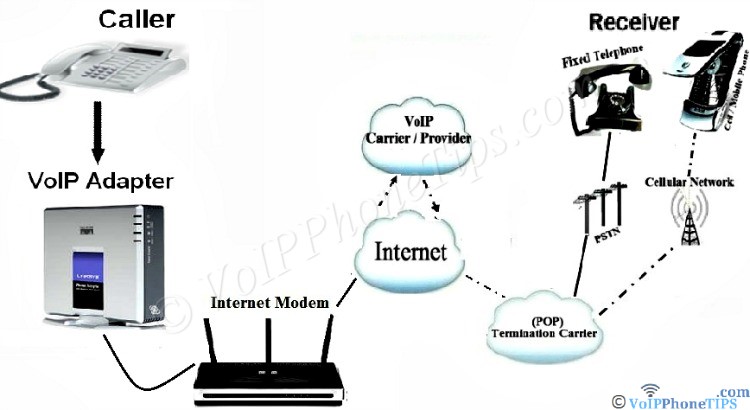
VoIP technology relies heavily on internet bandwidth to function optimally. The quality of VoIP calls is directly influenced by the amount of available bandwidth, which refers to the maximum rate of data transfer across a network. Insufficient bandwidth can lead to various issues such as dropped calls, delays, and poor audio quality. Understanding how bandwidth affects VoIP performance is essential for both individual users and organizations seeking to implement or enhance their VoIP systems.
The relationship between internet bandwidth and VoIP call quality can be understood through several key concepts. VoIP calls compress voice data into packets and transmit them over the internet, which requires a certain amount of bandwidth to ensure smooth and clear communication. Typically, a single VoIP call requires about 100 kbps (kilobits per second) of upload and download speed, though this can vary based on the codec used for compression. If the available bandwidth is lower than this requirement, the call may experience choppy audio, echo, or other disruptions.
To assess and optimize bandwidth for VoIP, consider the following steps:
Assessing and optimizing bandwidth
Evaluating the existing network conditions is crucial for identifying potential bottlenecks that can impact VoIP performance. Here are some ways to assess and optimize bandwidth:
- Conduct a speed test: Use online tools to measure your current upload and download speeds. Ensure these speeds meet or exceed what is required for VoIP calls.
- Monitor network traffic: Keep an eye on overall network usage to determine if there are any applications or devices consuming bandwidth that could affect VoIP calls.
- Implement Quality of Service (QoS): Configure networking equipment to prioritize VoIP traffic over other types of data to ensure that voice calls receive the necessary bandwidth.
- Upgrade your internet plan: If the current bandwidth is insufficient, consider upgrading to a higher-speed internet plan to accommodate VoIP needs.
By following these strategies, users can enhance the clarity of their VoIP calls and minimize disruptions, leading to a more reliable communication experience. It’s important to regularly revisit bandwidth assessments, especially as the number of devices and applications on the network increases.
Optimal bandwidth is crucial for seamless VoIP communication; 100 kbps per call is a recommended benchmark for quality.
Last Word
In summary, Voice over IP (VoIP) has transformed the telecommunication industry, offering businesses and individuals alike a reliable, cost-effective means of communication. As we look toward the future, advancements in technology promise to further enhance VoIP capabilities, pushing the boundaries of what we thought possible. Embracing VoIP not only prepares organizations for the demands of tomorrow but also opens doors to innovative applications that can redefine our interactions. The journey of VoIP is just getting started, and its impact will only deepen in the years to come.
Expert Answers
What is VoIP and how does it work?
VoIP, or Voice over Internet Protocol, allows voice communication over the Internet by converting sound into digital packets. These packets are transmitted over IP networks, enabling phone calls to be made without traditional telephone lines.
Is VoIP secure?
While VoIP can be subject to security risks, employing encryption and secure gateways can help protect communications from eavesdropping and other threats.
Can I use VoIP on my mobile phone?
Yes, many VoIP services offer mobile apps that allow users to make and receive calls on their smartphones, provided they have an Internet connection.
Do I need special equipment for VoIP?
Typically, you need a compatible VoIP phone or an adapter for traditional phones, along with a reliable Internet connection to use VoIP services.
How does VoIP affect call quality?
Call quality in VoIP can depend on several factors, including Internet bandwidth and network congestion. Ensuring adequate bandwidth can help maintain high-quality calls.
What are the cost implications of switching to VoIP?
Switching to VoIP often results in significant cost savings over traditional phone services, as it typically has lower call rates and maintenance fees.