Exploring the concept of Smart City reveals a transformative approach to urban living, where technology and data converge to enhance the quality of life for all residents. As cities around the globe grapple with rapid urbanization and growing populations, the implementation of Smart City initiatives emerges as a pivotal solution to create more efficient, sustainable, and livable environments.
The significance of Smart Cities lies not only in their ability to integrate cutting-edge technology into everyday life but also in their potential to reshape urban development through innovation. By harnessing the power of the Internet of Things (IoT), cities can streamline services, improve transportation, and actively engage citizens in community planning, ultimately fostering a sense of belonging and collaboration.
{The Concept of a Smart City involves integrating technology and data into urban planning.}
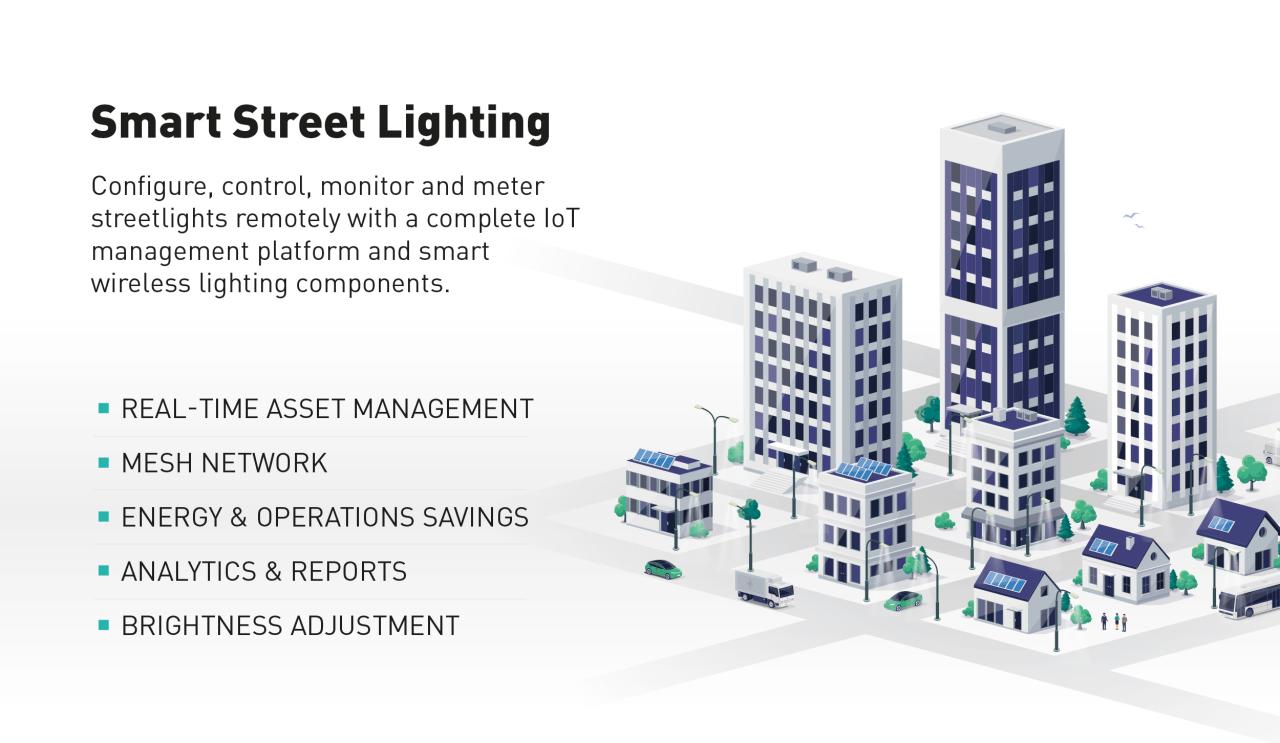
Smart cities represent a transformative approach to urban development that leverages technology and data to enhance the quality of life for residents, streamline urban services, and promote sustainability. By integrating advanced technologies, such as the Internet of Things (IoT), big data analytics, and artificial intelligence, cities can create environments that are not only more efficient but also more responsive to the needs of their inhabitants. The significance of smart cities lies in their ability to address pressing urban challenges such as traffic congestion, energy consumption, public safety, and environmental sustainability.
The implementation of smart city initiatives can dramatically improve the quality of life for residents through various means. One of the key benefits is enhanced mobility. Smart traffic management systems use real-time data to optimize traffic flow, reduce congestion, and minimize travel times. For example, cities like Barcelona have implemented smart traffic lights that adjust to real-time traffic conditions, leading to smoother commutes and reduced pollution levels.
Moreover, smart cities promote sustainability through intelligent energy management systems. These systems enable efficient energy consumption by utilizing renewable resources and smart grids, which can lead to significant cost savings for residents. A prime example is San Diego, which has integrated solar energy solutions and energy-efficient buildings, resulting in lower utility bills for its citizens.
Public safety is another area where smart city technologies make a profound impact. By employing smart surveillance systems and predictive policing algorithms, cities can enhance security and reduce crime rates. For instance, New York City has utilized data-driven policing strategies to allocate resources more effectively, contributing to lower crime rates in various neighborhoods.
Furthermore, the integration of digital services enhances civic engagement and access to information. In cities like Seoul, residents can access real-time information about public services through mobile applications, which fosters greater transparency and participation in local governance.
In summary, smart cities leverage technology and data to create urban environments that are more efficient, sustainable, and liveable, significantly enhancing the overall quality of life for their residents.
{Examples of Successful Smart City Initiatives}
Several cities around the globe have successfully implemented smart city initiatives, showcasing the potential for technology to enrich urban living.
– Singapore: Known for its extensive Smart Nation initiative, Singapore employs a comprehensive approach to integrate various technologies across urban services, from transportation to healthcare. Smart sensors monitor traffic conditions and environmental parameters, while a robust public transport system is enhanced with real-time tracking applications.
– Amsterdam: The city has embraced sustainability through its Smart City program, focusing on energy efficiency, mobility, and waste management. Initiatives include smart street lighting that adjusts brightness based on pedestrian movement and electric vehicle charging stations powered by renewable energy sources.
– Barcelona: The city has pioneered the use of smart technologies in urban planning, including smart water management systems that reduce waste and optimize usage. Additionally, Barcelona’s network of smart benches equipped with Wi-Fi and charging points enhances public spaces for residents.
These examples underline how smart city initiatives are not just about technology; they are about improving the urban experience and building a better future for city dwellers.
The Role of IoT in Smart Cities highlights the impact of interconnected devices.
The Internet of Things (IoT) has revolutionized the way urban environments function, enhancing the efficiency of various city services through seamless connectivity and data sharing among devices. In smart cities, IoT technologies enable the integration of sensors, networks, and analytics, which collectively lead to improved urban management and a better quality of life for citizens. This interconnected framework not only facilitates real-time data collection but also allows for data-driven decision-making, boosting the overall efficiency of city operations.
Challenges Associated with IoT Implementation in Smart Cities
Despite its potential, the deployment of IoT in urban environments comes with a range of challenges that city planners and officials must navigate. These challenges can hinder the successful integration of IoT solutions and affect the overall progress toward establishing smart cities.
One of the primary challenges is ensuring cybersecurity and data privacy. With countless devices connected to the internet, the risk of cyberattacks increases significantly. Protecting sensitive data, such as personal information and infrastructure control systems, becomes crucial, requiring robust cybersecurity measures.
Another significant hurdle is the standardization of IoT devices and protocols. The variety of technologies and systems available can lead to compatibility issues, making it difficult to create a unified IoT ecosystem. Without standardized protocols, ensuring seamless communication between devices from different manufacturers becomes a complex task.
Additionally, the infrastructure required for IoT is often lacking in many urban areas. Implementing the necessary wireless networks, sensors, and data processing centers necessitates substantial investment and planning. In many cases, cities face budget constraints that limit their ability to update or establish the required infrastructure.
Lastly, public acceptance and understanding of IoT technologies can pose a challenge. Citizens may be hesitant to embrace new technologies due to concerns about privacy, surveillance, or the perceived complexity of these systems. Effective public engagement and education are key to overcoming these barriers.
Successful IoT Applications Enhancing City Management and Services
There are several notable applications of IoT that have successfully improved city management and services, demonstrating the technology’s potential to transform urban living. These include:
1. Smart Waste Management: Cities like San Francisco have implemented IoT-enabled waste bins that monitor fill levels and optimize collection routes, reducing operational costs and environmental impact.
2. Intelligent Traffic Management: In Barcelona, IoT sensors manage traffic lights in real-time, adjusting their timing based on vehicle flow, which alleviates congestion and reduces travel time for commuters.
3. Smart Street Lighting: Cities such as Los Angeles have adopted smart streetlights that adjust brightness based on pedestrian and vehicle presence, leading to energy savings and enhanced public safety.
4. Environmental Monitoring: IoT sensors are deployed in cities like Singapore for real-time air quality monitoring, allowing authorities to respond quickly to pollution spikes and inform the public about health risks.
Through these applications, IoT is not just a technological trend; it serves as a vital component that enhances urban services, making cities smarter, more sustainable, and more livable for residents.
Sustainable Development within Smart Cities focuses on eco-friendly practices and technology.

Sustainability plays a crucial role in the development of urban environments as cities face challenges such as population growth, resource depletion, and climate change. The integration of eco-friendly practices and technology is essential in ensuring that urban spaces can meet the needs of their inhabitants without compromising the ability of future generations to meet their own needs. Sustainable development within smart cities not only enhances the quality of life but also creates resilient communities that can adapt to an ever-changing world.
To promote sustainability, smart cities can adopt a range of strategies that incorporate innovative technologies and practices designed to reduce their environmental impact. These strategies focus on efficient resource management, renewable energy adoption, and the creation of green spaces. Below are several key approaches that smart cities can implement to foster sustainable development:
Strategies for Promoting Sustainability in Smart Cities
Implementing effective strategies for sustainability ensures that urban areas can thrive while minimizing their ecological footprint. The following practices are essential:
- Smart Waste Management: Utilizing sensors and data analytics to optimize waste collection routes and promote recycling. For instance, cities like Barcelona have implemented smart bins that notify waste management services when they are full, reducing unnecessary collection trips.
- Renewable Energy Sources: Investing in solar and wind energy systems to power city infrastructure. For example, San Diego has made a commitment to running on 100% renewable energy by 2035, incorporating solar panels on public buildings and encouraging private installations.
- Green Transportation: Promoting electric public transport systems and incentivizing the use of bicycles and pedestrian pathways. Amsterdam is renowned for its cycling infrastructure, resulting in reduced vehicular emissions and promoting healthier lifestyles.
- Urban Green Spaces: Creating parks and green roofs that improve air quality and provide natural habitats. The High Line in New York City transformed an old railway into a vibrant park, showcasing the importance of integrating nature within urban settings.
- Smart Water Management: Deploying smart meters and leak detection systems to reduce water waste. Cities like Cape Town have embraced technology to monitor water usage and promote conservation amidst water scarcity challenges.
Implementing these strategies not only contributes to a healthier environment but also enhances the economic viability and social well-being of urban communities. The commitment to sustainable development ensures that smart cities can evolve in harmony with nature, creating a better future for all residents.
Data Privacy and Security in Smart Cities addresses the concerns of citizen data protection.
The integration of advanced technologies in smart cities has revolutionized urban living, enhancing connectivity, efficiency, and sustainability. However, as cities become increasingly reliant on data collection to optimize services, the implications for citizen data privacy and security cannot be overlooked. With vast amounts of personal information being captured, there are significant concerns about how this data is managed, protected, and utilized. Citizens expect their personal information to be safeguarded, raising the need for robust frameworks that prioritize data privacy.
Data collection within smart city frameworks has far-reaching implications. Through sensors, cameras, and various digital interfaces, cities gather data about traffic patterns, public safety, energy consumption, and even citizen behavior. While this data is pivotal for urban planning and improving public services, it raises critical questions about consent, ownership, and potential misuse. For instance, if data collected for traffic management is used for surveillance without proper disclosure, this could lead to a breach of trust between citizens and their governments. Hence, establishing ethical guidelines for data collection practices is essential to maintain public confidence in smart city initiatives.
Measures to Protect Personal Data in Smart Cities
A comprehensive approach to protecting personal data in smart cities involves several strategic measures aimed at ensuring security and privacy for citizens. These measures can significantly mitigate risks associated with data breaches and misuse, thereby fostering a more secure urban environment.
Key protective measures include:
- Robust Data Encryption: Implementing strong encryption protocols for data transmission and storage is vital. This ensures that even if data is intercepted, it remains unreadable.
- Access Control Mechanisms: Restricting access to sensitive data to authorized personnel only minimizes the risk of insider threats and unauthorized data manipulation.
- Data Anonymization: Anonymizing data before analysis prevents identification of individuals, thus maintaining privacy while still allowing for data-driven insights.
- Transparent Data Policies: Clear communication regarding data collection, usage, and retention policies fosters trust and allows citizens to make informed choices about their data.
- Regular Security Audits: Conducting frequent audits and assessments of data security practices helps identify vulnerabilities and ensures compliance with privacy regulations.
- Citizen Engagement: Involving citizens in discussions about data usage promotes transparency and empowers them to take an active role in privacy advocacy.
“A secure smart city is one that prioritizes the privacy of its citizens through transparent, ethical, and robust data practices.”
Privacy challenges can significantly vary among smart cities around the globe. In cities like Barcelona, stringent regulations have been established to ensure citizen data protection, including data sharing protocols that prioritize anonymization. Conversely, cities such as New York have faced criticism over surveillance tactics, raising concerns about civil liberties and the potential for misuse of data. Moreover, in places like Singapore, the balance between innovation and privacy is navigated through public-private partnerships and clear guidelines governing data usage. Each city’s approach reflects its unique legal framework, cultural perspectives on privacy, and the extent of public engagement in shaping data policies, showcasing the diverse landscape of data privacy challenges in smart cities.
The Integration of Transportation Systems in Smart Cities enhances mobility and accessibility.
The integration of transportation systems in smart cities plays a crucial role in enhancing urban mobility and accessibility. As cities continue to grow, the demand for efficient transportation solutions becomes paramount. Intelligent transportation systems (ITS) utilize technology to streamline the movement of people and goods, making urban environments more navigable and user-friendly.
Intelligent transportation systems contribute significantly to urban efficiency by improving the flow of traffic, reducing congestion, and optimizing public transportation. These systems leverage real-time data, advanced analytics, and communication technologies to create a more integrated transport network. By synchronizing traffic signals, providing real-time updates to commuters, and utilizing smart parking solutions, ITS greatly enhances the user experience while minimizing travel times and environmental impacts.
Benefits and Challenges of Integrating Various Transportation Modes
The benefits of integrating various transportation modes in smart cities are multifaceted, impacting not only mobility but also sustainability and urban planning. The following points illustrate these advantages:
- Enhanced Connectivity: Seamless transfers between different transport options, such as buses, trains, and bike-sharing systems, create a cohesive travel experience.
- Increased Efficiency: Intelligent systems help optimize routes and schedules, reducing waiting times for users and enabling better resource allocation.
- Environmental Benefits: By encouraging the use of public transport and non-motorized modes, cities can significantly reduce their carbon footprint.
- Informed Decision-Making: Real-time data allows for better planning and management of transport resources, adapting to changing urban dynamics.
Despite these advantages, there are challenges that arise during the integration process:
- Infrastructure Costs: Significant investment is required to upgrade existing infrastructure and implement smart technologies.
- Data Privacy Concerns: The collection and use of personal data for transport optimization can raise privacy issues among users.
- Coordination Among Agencies: Successful integration requires collaboration between various public and private stakeholders, which can be complex.
- Technological Barriers: Implementing advanced systems may face resistance due to outdated technology in some transport modes.
Several cities worldwide have made noteworthy advancements in smart transportation. For instance, Barcelona has integrated its public transport with real-time data systems, allowing users to plan their journeys more effectively. Similarly, Singapore utilizes an extensive network of sensors and data analytics to manage traffic flow, significantly reducing congestion. These case studies illustrate how cities can transform their transportation landscapes through strategic integration and smart technology.
Citizen Engagement in Smart Cities fosters community participation and collaboration.
In the rapidly evolving landscape of urban development, the concept of smart cities has gained momentum, emphasizing the critical role of technology in enhancing the quality of life for residents. Central to this vision is the active engagement of citizens in the planning and implementation of smart city initiatives. By involving residents in decision-making processes, cities can foster a sense of ownership and commitment towards local projects, ultimately leading to more effective and sustainable outcomes.
Engaging citizens in smart city initiatives is essential for various reasons. It not only ensures that projects align with the actual needs of the community but also enhances transparency and accountability in governance. When residents contribute their insights and opinions, it can significantly improve the relevance of technological solutions implemented in their neighborhoods. Moreover, active participation cultivates a collaborative atmosphere, where community members come together to address common challenges, thereby strengthening social cohesion.
Methods to Enhance Citizen Engagement Through Technology
Utilizing technology to enhance citizen engagement is vital for the success of smart cities. Several innovative methods can be employed to ensure that residents are actively involved in shaping their urban environments. These methods include:
1. Mobile Applications: Developing user-friendly mobile apps provides residents with a platform to share feedback, report issues, and access information about ongoing projects. For example, the city of Barcelona has implemented a mobile app called “BCN Smart City” that allows citizens to communicate directly with municipal services, ensuring their voices are heard.
2. Social Media Platforms: Leveraging social media can facilitate real-time communication between city officials and residents. Local governments can use platforms like Facebook and Twitter to conduct polls, share updates, and engage in discussions. This approach has seen success in cities like Boston, where the city actively uses social media for community engagement.
3. Data Visualization Tools: Utilizing data visualization techniques can help residents understand complex information about urban development projects. Interactive maps and dashboards allow citizens to visualize data such as traffic patterns, public transport usage, and air quality levels, empowering them to participate more substantively in discussions.
4. Crowdsourcing Initiatives: Encouraging citizens to contribute ideas and proposals can lead to innovative solutions for urban challenges. Initiatives like the “Chicago Ideas Week” have successfully utilized crowdsourcing to gather community input on various projects, resulting in enhanced public participation.
5. Virtual Town Halls: Hosting online town hall meetings enables broader participation, allowing residents to engage with city officials without geographical constraints. Such platforms have been effectively used during the pandemic to maintain communication between local governments and citizens.
Through these methods, cities not only gather valuable insights but also promote a sense of belonging among residents, making them feel integral to the evolution of their urban surroundings. The collaboration between citizens and local authorities ultimately leads to more innovative and responsive smart city solutions.
Challenges and Barriers to Implementing Smart City Solutions must be recognized and addressed.
Transitioning to smart city environments presents a unique set of challenges that municipalities must navigate. The path to creating interconnected, data-driven urban spaces is riddled with obstacles ranging from technological limitations and funding constraints to political dynamics and public acceptance. Acknowledging and addressing these challenges is crucial for the successful implementation of smart city solutions.
Among the most significant obstacles faced by cities are inadequate funding and a lack of political will. Funding is often a pivotal factor in the development of smart city initiatives. Local governments frequently operate with constrained budgets, making it difficult to prioritize and invest in innovative technologies. For instance, the deployment of smart infrastructure, such as sensor networks and smart grids, requires substantial upfront capital. Political will, which involves the commitment of elected officials to support and advance smart city projects, is equally important. Without the backing of key stakeholders, the momentum for smart city initiatives can stall.
An example of this can be seen in cities like San Francisco, where ambitious plans for a smart city transformation faced delays due to budget overruns and shifts in political leadership. In such cases, the lack of a clear vision and strategic planning can derail projects that initially generated excitement.
Funding and Political Will Impact Smart City Development
The interplay of funding and political will can significantly influence the trajectory of smart city projects. When political leaders champion smart city initiatives, they can attract investment from both public and private sectors. This collaboration fosters a more sustainable funding model, often encouraging partnerships with tech companies that bring both resources and expertise to the table.
To mitigate funding challenges, cities can explore various strategies:
- Establishing public-private partnerships (PPPs) can leverage private sector investment and expertise, reducing the financial burden on city governments.
- Participating in grant programs from national and international organizations provides cities with additional financial resources to implement smart solutions.
- Utilizing innovative financing models such as social impact bonds can enable cities to fund projects by prioritizing measurable outcomes that attract investment.
Additionally, fostering collaboration with community stakeholders and engaging citizens in the planning process can bolster political will. By demonstrating the tangible benefits of smart city initiatives, such as improved public safety, enhanced transportation systems, and increased sustainability, city leaders can galvanize public support.
“Collaboration between public and private sectors not only enhances funding opportunities but also fosters innovation through shared expertise.”
Ultimately, addressing funding and political challenges through strategic collaboration and innovative financing options can pave the way for successful smart city developments, creating urban environments that are more livable, efficient, and responsive to the needs of their residents.
Future Trends in Smart Cities explores what lies ahead in urban technological advancements.
As urban areas continue to grow, the evolution of smart cities is becoming increasingly significant. These cities leverage technology to enhance quality of life, improve sustainability, and streamline urban management. Emerging technologies hold the promise of transforming the urban landscape in ways previously unimagined, setting the stage for a new era of urban living.
The next decade will bring numerous advancements that will redefine how cities operate and interact with their residents. A combination of artificial intelligence (AI), Internet of Things (IoT), big data analytics, and renewable energy sources are at the forefront of this change. These technologies will not only improve operational efficiencies but also enhance citizen engagement and environmental sustainability.
Emerging Technologies Shaping Smart Cities
Several key technologies are poised to impact the future of smart cities significantly. Understanding these technologies is crucial for grasping their potential societal impacts.
- Artificial Intelligence: AI will analyze vast amounts of data generated by city infrastructure, improving traffic management, emergency response, and public safety measures.
- Internet of Things (IoT): Smart sensors will monitor everything from air quality to waste management in real-time, allowing for more responsive city services.
- 5G Connectivity: Ultra-fast internet will enable seamless communication between devices, enhancing mobility solutions and real-time data sharing among city services.
- Renewable Energy Solutions: Integration of solar panels and wind turbines into urban environments will promote sustainable energy use and reduce carbon footprints.
- Blockchain Technology: This technology will secure transactions and data sharing, particularly in areas like land registration, public records, and supply chain management.
The societal impacts of these developments will be profound. As cities become more interconnected, residents will experience improved services and greater convenience in their daily lives. Traffic congestion might see significant reductions due to AI-enhanced traffic flow and smart public transportation systems. Moreover, the adoption of green technologies will promote healthier living environments, contributing to the well-being of citizens.
The vision for smart cities in the next decade is one of integration and sustainability. By capitalizing on current trends like urban greening, energy-efficient buildings, and participatory governance, smart cities will foster more vibrant and resilient communities. Residents are expected to be more engaged in city planning and operations, utilizing digital platforms to express their needs and influence decisions. This collaborative environment will pave the way for urban areas that are not only technologically advanced but also socially inclusive and environmentally friendly.
Epilogue
In summary, the journey toward Smart Cities is filled with both opportunities and challenges, but the potential benefits for urban living are undeniable. By embracing technology and prioritizing sustainability, cities can pave the way for a brighter future, where innovation and community spirit go hand in hand. As we look ahead, it’s clear that the evolution of Smart Cities will play a crucial role in crafting a better quality of life for generations to come.
Answers to Common Questions
What defines a Smart City?
A Smart City is characterized by the integration of technology and data in urban planning to enhance the quality of life for its residents.
How do Smart Cities improve resident life?
They improve life through enhanced public services, better transportation options, increased safety, and sustainable practices.
What role does IoT play in Smart Cities?
IoT enables interconnected devices to communicate, streamlining urban services and enhancing operational efficiency.
Are there privacy concerns in Smart Cities?
Yes, the collection of personal data raises significant privacy and security concerns that need to be addressed.
Can Smart Cities promote sustainability?
Absolutely, they implement eco-friendly practices and technologies to reduce environmental impact and promote renewable energy.
How can citizens participate in Smart City initiatives?
Citizens can engage through feedback platforms, community meetings, and digital tools that facilitate collaboration in planning.
What are some challenges facing Smart City development?
Common challenges include funding constraints, political will, and technological integration issues.
What future trends can we expect in Smart Cities?
Emerging technologies such as AI, big data, and sustainable innovations will shape the next generation of Smart Cities.