Wide Area Network (WAN) serves as the backbone of modern communication, connecting distant networks and enabling seamless data exchange across vast geographical areas. It plays a crucial role in facilitating business operations, remote work, and global collaboration, making it an essential aspect of contemporary networking infrastructure.
By linking multiple Local Area Networks (LANs), WANs allow organizations to share resources and information efficiently, regardless of location. As technologies evolve, the significance of WANs continues to grow, encompassing various types and advanced technologies that enhance performance and security.
The Fundamental Concepts of Wide Area Network
A Wide Area Network (WAN) is a telecommunications network that extends over a large geographical area, allowing for the communication and sharing of data between multiple locations. Unlike Local Area Networks (LANs), which are confined to smaller areas like homes or offices, WANs can span cities, countries, or even continents, making them essential for organizations with distributed operations. The infrastructure of WANs often relies on leased telecommunication lines, satellites, or even the internet to connect various networks, enabling data transfer across vast distances.
The primary function of WANs is to facilitate interconnectivity and communication among distant sites. Businesses utilize WANs to connect branch offices, remote workers, and data centers, ensuring that employees have access to necessary resources regardless of their physical location. WANs play a critical role in modern networking by supporting collaborative efforts, centralized data management, and unified communications. They allow for efficient data transfers, supporting applications like cloud computing, video conferencing, and real-time collaboration tools, which are integral to today’s digital landscape.
Differences Between WANs and Local Area Networks
Understanding the distinctions between WANs and Local Area Networks (LANs) is crucial for grasping network architecture. While both serve the purpose of data communication, they differ significantly in various aspects:
– Geographical Coverage: WANs cover large distances, connecting networks across cities or countries, while LANs are limited to smaller areas like a single building or campus.
– Speed and Performance: LANs typically offer higher data transfer rates and lower latency due to their localized nature, whereas WANs may experience slower speeds and higher latency due to the longer distances involved.
– Cost of Implementation: Establishing a WAN can be significantly more expensive compared to a LAN, as it often requires specialized equipment, leased lines, and maintenance of extensive infrastructure.
– Technology Utilized: WANs employ various technologies such as MPLS, VPNs, and dedicated leased lines, whereas LANs primarily utilize Ethernet and Wi-Fi standards.
In essence, while WANs enable global connectivity, LANs facilitate quick communication within localized environments.
Types of Wide Area Networks
Wide Area Networks (WANs) are essential for connecting users across various geographical locations, facilitating communication and data exchange on a large scale. Understanding the different types of WANs is crucial for organizations to select the most suitable network architecture based on their specific needs and requirements. This section discusses the various types of WANs, including public, private, and hybrid networks, along with their real-world applications in various organizations.
Public WANs
Public WANs are networks that are available to the general public, often utilizing shared infrastructure provided by telecommunications companies. These networks enable widespread connectivity without the need for dedicated private lines. Examples include the Internet and municipal Wi-Fi systems. Organizations such as Google and Facebook leverage public WANs for their online services, benefiting from the extensive reach and accessibility these networks offer.
Advantages of Public WANs:
– Cost-effective: Lower costs compared to private connections.
– Widespread coverage: Accessible from virtually anywhere with internet access.
Disadvantages of Public WANs:
– Security risks: Increased vulnerability to cyber threats.
– Variable performance: Potential for slower speeds due to congestion.
Private WANs
Private WANs are dedicated networks that are restricted to specific organizations or entities, providing enhanced security and control over data flow. These networks can be established using leased lines or VPNs. Companies like Bank of America and IBM utilize private WANs to ensure secure communications and data transactions within their operations.
Advantages of Private WANs:
– Enhanced security: Lower risk of unauthorized access and data breaches.
– Consistent performance: Reliable speeds and bandwidth allocation.
Disadvantages of Private WANs:
– Higher costs: More expensive to set up and maintain.
– Limited scalability: Expanding the network can be complex and costly.
Hybrid WANs
Hybrid WANs combine aspects of both public and private networks, allowing organizations to optimize performance and cost-efficiency. This approach enables businesses to use public resources for less sensitive data while maintaining private connections for critical applications. Companies like Cisco and Microsoft often implement hybrid WANs to balance performance and security.
Advantages of Hybrid WANs:
– Flexibility: Organizations can tailor their network to specific needs.
– Cost-effective: Reduces overall costs by leveraging cheaper public options.
Disadvantages of Hybrid WANs:
– Complex management: Requires sophisticated network management skills.
– Potential security concerns: Integrating public and private networks may introduce vulnerabilities.
Key Technologies Involved in Wide Area Network
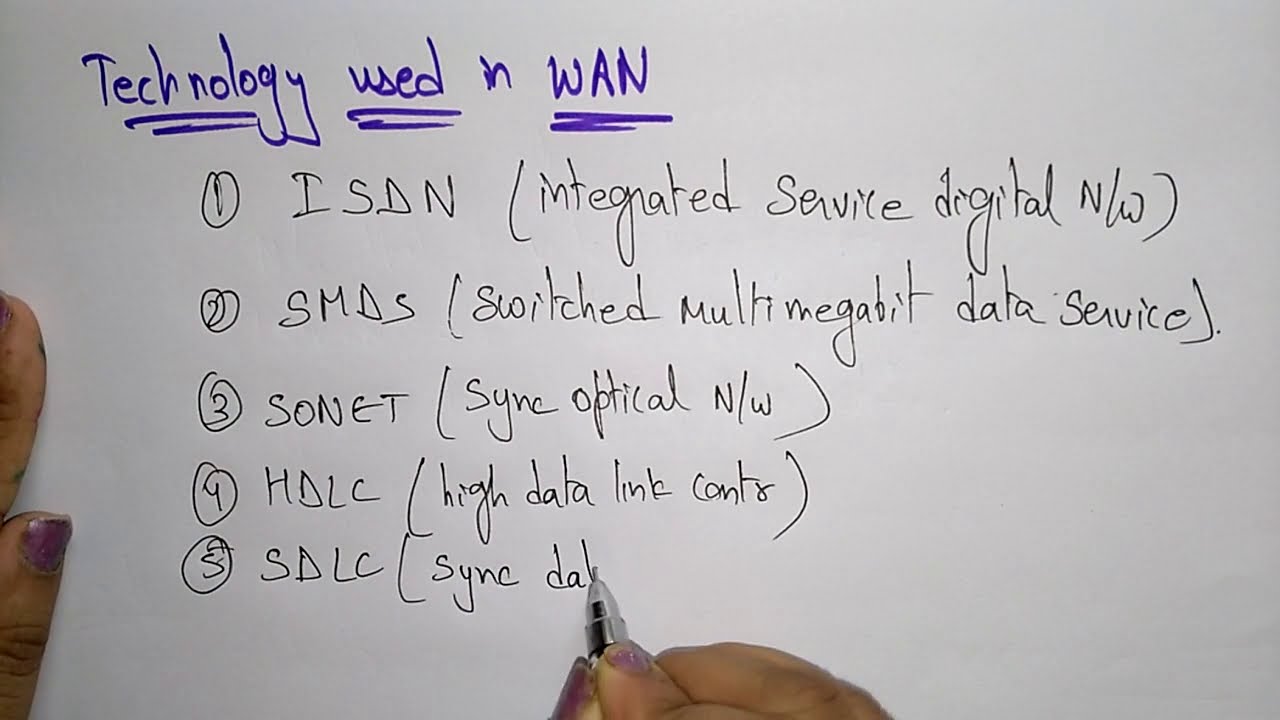
Wide Area Networks (WANs) are essential for connecting geographically dispersed networks and enabling communication across long distances. This connectivity plays a vital role in facilitating data transfer between branches of organizations, ensuring efficient business operations, and providing access to resources. Several key technologies serve as the backbone of WANs, each contributing unique functionalities and advantages.
Among the most critical technologies utilized in WANs are MPLS (Multiprotocol Label Switching), VPN (Virtual Private Network), and Frame Relay. Each of these technologies enhances the functionality and performance of WANs in various ways.
MPLS, VPN, and Frame Relay
MPLS is a data-carrying mechanism that directs data from one node to the next based on short path labels rather than long network addresses. This streamlining provides faster data flow and reduces latency, making it ideal for applications requiring high performance, such as VoIP and video conferencing.
VPN technology creates a secure and encrypted tunnel over the internet, allowing remote users to access corporate networks safely. This security is vital for organizations that handle sensitive information and require remote access without compromising data integrity.
Frame Relay is a cost-effective method of connecting local area networks (LANs) over a wide area. It operates on a packet-switching basis, providing a reliable way to transmit data efficiently. Frame Relay is particularly useful for organizations needing to connect multiple remote sites at a lower cost than traditional leased lines.
The following table summarizes the features and use cases of each technology:
| Technology | Key Features | Use Cases |
|---|---|---|
| MPLS |
|
|
| VPN |
|
|
| Frame Relay |
|
|
“MPLS and VPN technologies are foundational in providing secure, efficient, and reliable WAN connectivity.”
The Role of Protocols in Wide Area Network
Protocols are essential for managing communication over Wide Area Networks (WANs). They serve as the rules and standards that enable different devices and systems to communicate effectively, ensuring that data is transmitted accurately and securely over vast distances. With various protocols at play, understanding their functions and features is crucial for optimizing network performance and ensuring data integrity.
Protocols like TCP/IP, ATM, and X.25 play significant roles in WANs, each with unique functionalities and advantages. TCP/IP (Transmission Control Protocol/Internet Protocol) is the backbone of internet communications, providing connection-oriented communication and ensuring that packets are delivered reliably. ATM (Asynchronous Transfer Mode) is a high-speed networking technology that offers low-latency and high-bandwidth capabilities, making it suitable for real-time applications. X.25, on the other hand, is a packet-switching protocol that ensures reliable data transfer over long distances, making it an ideal choice for legacy systems.
These protocols ensure data integrity and secure communications through various mechanisms. For instance, TCP/IP employs error-checking techniques such as checksums to detect data corruption during transmission. ATM uses virtual circuits to maintain connection quality and prioritize bandwidth for critical applications. X.25 ensures reliability by using acknowledgments and retransmissions to confirm the receipt of data packets, significantly reducing the chances of data loss.
Understanding the primary features of these protocols can help in selecting the right technology for specific network needs. Below are the features associated with each protocol:
Features of Protocols in WAN
The following points Artikel the essential characteristics of TCP/IP, ATM, and X.25, illustrating their distinct benefits and operational mechanisms:
- TCP/IP:
- Connection-oriented communication ensures reliable data transmission.
- Utilizes error-checking mechanisms such as checksums for data integrity.
- Supports a wide range of applications and services over the Internet.
- Scalable architecture accommodating small to large networks.
- ATM:
- Provides low-latency communication, ideal for voice and video traffic.
- Utilizes fixed-size cells for efficient data transfer.
- Supports multiple types of traffic (voice, video, data) on the same network.
- Offers Quality of Service (QoS) guarantees for critical applications.
- X.25:
- Ensures reliable data transfer using acknowledgments and retransmissions.
- Offers error detection and correction mechanisms for data integrity.
- Designed for long-distance communication with lower bandwidth requirements.
- Compatible with legacy systems, making it suitable for specific applications.
Effective protocol selection is crucial for maintaining optimal communication quality and reliability across WANs.
Challenges Faced by Wide Area Networks
Wide Area Networks (WANs) play a critical role in connecting geographically dispersed offices and users. However, implementing and maintaining WANs can present several challenges that organizations must navigate to ensure seamless connectivity. These challenges can significantly affect performance, reliability, and security, making it imperative for businesses to address them effectively.
Latency, bandwidth constraints, and security issues are among the most pressing challenges that organizations encounter with WANs. Latency refers to the time it takes for data to travel from the source to the destination. High latency can lead to sluggish response times, frustrating users, and hampering productivity. For instance, applications reliant on real-time data, such as video conferencing, can suffer drastically when latency exceeds acceptable levels. Bandwidth limitations are another critical factor; insufficient bandwidth can restrict data flow, causing bottlenecks and impacting the performance of various applications. Organizations with multiple branches often experience this as they share a single internet connection, leading to contention for resources.
Security issues also loom large in the WAN landscape. Data traveling over vast distances is susceptible to interception and attacks. Cyber threats like Distributed Denial of Service (DDoS) attacks or data breaches can compromise sensitive information and disrupt business operations. As WANs often connect to the public internet, ensuring robust security measures is paramount.
To mitigate these challenges and improve WAN reliability, organizations can adopt several strategies. Implementing Quality of Service (QoS) protocols can prioritize critical traffic, reducing the impact of latency on essential applications. This is crucial for ensuring that time-sensitive data is transmitted first. Additionally, increasing bandwidth through the use of fiber optics or leveraging Software-Defined Wide Area Networking (SD-WAN) solutions can enhance data flow and reduce congestion.
Organizations can also bolster security by employing Virtual Private Networks (VPNs) and encryption protocols. This ensures that data remains confidential during transmission. Regularly updating security measures and conducting vulnerability assessments are also vital in staying ahead of potential cyber threats. By addressing these challenges, organizations can enhance their WAN performance and reliability, ensuring efficient communication and collaboration across all locations.
The Future of Wide Area Network Technology
The landscape of Wide Area Network (WAN) technology is experiencing a significant transformation, driven by emerging trends and innovations. As businesses increasingly depend on efficient and reliable connectivity to support remote work, cloud services, and digital transformation, the future of WANs looks promising. The integration of advanced technologies is paving the way for enhanced performance, flexibility, and security in data transmission across vast distances.
Key innovations such as Software-Defined Wide Area Networking (SD-WAN) and the rollout of 5G networks are revolutionizing the traditional WAN model. SD-WAN simplifies the management and operation of a WAN by separating the networking hardware from its control mechanism. This allows organizations to dynamically route traffic based on real-time conditions and application needs, leading to improved performance and reduced costs. On the other hand, 5G technology offers unprecedented speed and lower latency, which can significantly enhance the capabilities of WANs, particularly in supporting high-bandwidth applications and IoT devices.
Comparison of Traditional WANs and Future-Focused WAN Solutions
Understanding the differences between traditional WANs and modern solutions is essential for anticipating the future of networking technology. The following table Artikels key distinctions in performance, management, and cost-effectiveness.
| Feature | Traditional WAN | Future-Focused WAN Solutions (e.g., SD-WAN, 5G) |
|---|---|---|
| Management | Manual configurations and static routing | Automated management, dynamic routing based on real-time data |
| Performance | Limited bandwidth and scalability | High bandwidth with low latency; enhanced scalability |
| Cost | Higher costs due to dedicated MPLS circuits | Cost-effective, utilizing internet broadband and diverse connections |
| Security | Security features integrated at the hardware level | Enhanced security with cloud-based solutions and zero-trust models |
| Adaptability | Rigid and difficult to adapt to changes | Flexible and easily adaptable to new technologies and demands |
The shift towards SD-WAN and 5G demonstrates a clear trend towards more agile and efficient WAN architectures. Organizations are finding that these technologies not only reduce operational costs but also enhance the user experience by providing faster and more reliable connections. As WAN technology continues to evolve, it is expected to play a critical role in supporting the increasing demand for bandwidth and connectivity in a digitally driven world.
Best Practices for Managing a Wide Area Network
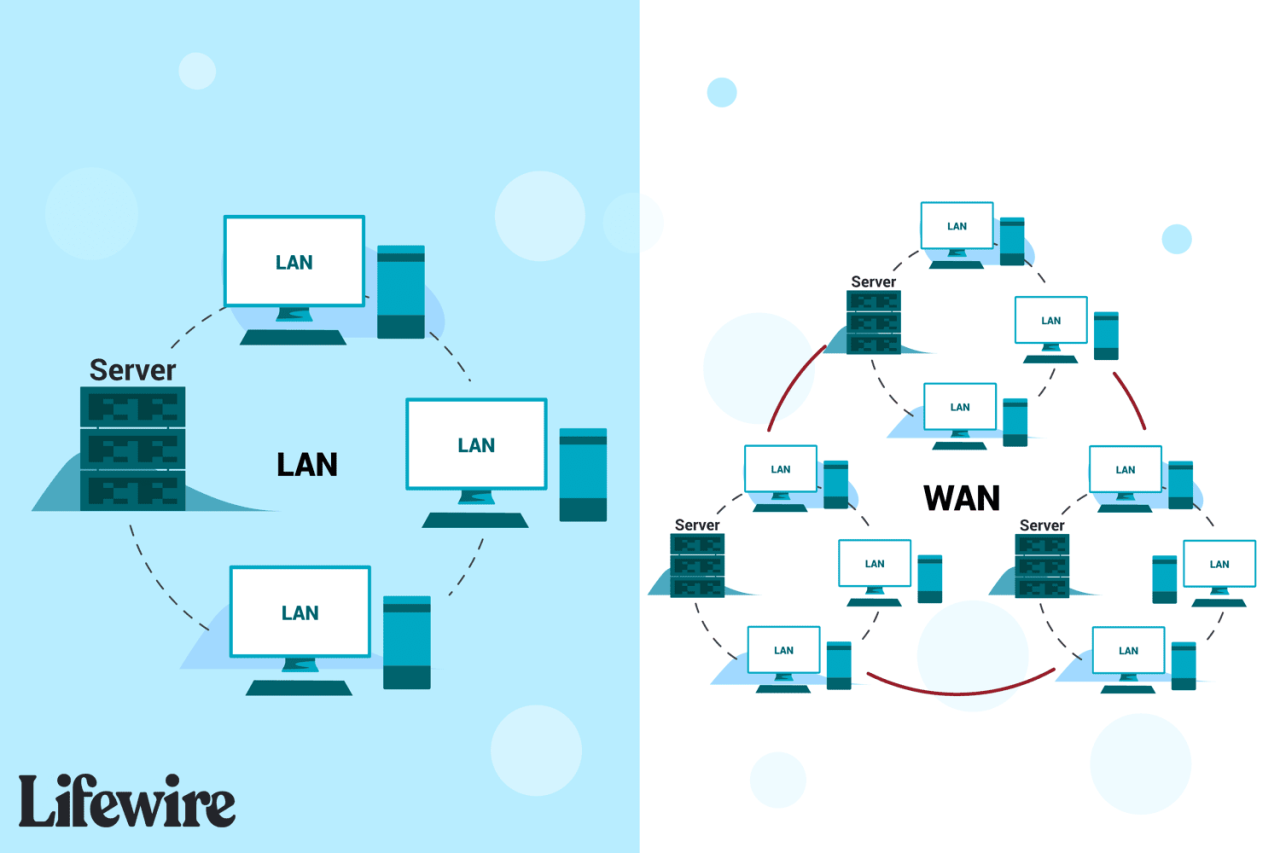
Managing a Wide Area Network (WAN) effectively is crucial for organizations that rely on seamless connectivity across geographically dispersed locations. Implementing best practices can significantly enhance network performance, reliability, and security while ensuring optimal data flow. Here, we will explore some effective strategies for managing and optimizing WAN performance, along with the importance of regular monitoring and maintenance.
Strategies for Optimizing WAN Performance
To enhance WAN performance, several strategies can be employed that address various aspects of network management and operation. These strategies not only improve speed and efficiency but also ensure that resources are utilized effectively.
Firstly, implementing Quality of Service (QoS) settings can prioritize critical applications over less important traffic. This ensures that essential services, such as VoIP and video conferencing, receive necessary bandwidth during peak usage times.
Secondly, utilizing WAN optimization techniques like data compression, caching, and deduplication can significantly reduce the amount of data transmitted across the network. This not only speeds up data transfer but also minimizes latency, creating a more responsive user experience.
Regularly assessing network capacity is also vital. Understanding current usage and predicting future needs helps organizations avoid bottlenecks. This assessment can involve using performance monitoring tools that provide insights into bandwidth usage and application performance.
Importance of Regular Monitoring and Maintenance
Regular monitoring and maintenance are essential for the ongoing health of a WAN. Continuous monitoring allows organizations to detect issues proactively rather than reactively, leading to improved uptime and reduced downtime.
Establishing a routine maintenance schedule helps in identifying outdated hardware or software that could hinder performance. Periodic updates and patches ensure that security vulnerabilities are addressed, protecting the network from potential threats.
Monitoring tools can provide real-time analytics, allowing IT teams to quickly identify and resolve issues before they impact users.
Checklist of Best Practices for WAN Management
Implementing a structured approach to WAN management can streamline operations and enhance performance. Here’s a checklist of essential best practices that organizations should consider:
- Regularly evaluate and update network infrastructure and configurations.
- Implement robust security measures, including firewalls and encryption.
- Utilize performance monitoring tools to track bandwidth usage and application performance.
- Establish and enforce QoS policies to prioritize critical applications.
- Conduct regular training for IT staff on the latest networking technologies and security practices.
- Regularly back up WAN configurations and data to ease recovery in case of failures.
- Engage in capacity planning to anticipate future network demands.
- Document and review all network changes and updates for accountability and troubleshooting.
By adhering to these best practices, organizations can ensure that their WAN operates efficiently and securely, supporting their business needs in an increasingly digital landscape.
The Economic Impact of Wide Area Networks
The economic implications of Wide Area Networks (WANs) are profound, influencing how organizations operate and interact with their global networks. By facilitating seamless data communication over vast distances, WANs enable businesses to optimize their workflows, reduce operational costs, and enhance overall efficiency. This shift towards a more connected infrastructure not only streamlines processes but also opens avenues for innovative business models and strategies that can drive growth.
Organizations implementing WAN technology experience significant cost savings through various mechanisms. First and foremost, WANs reduce the need for physical infrastructure and maintenance associated with traditional network setups. As businesses leverage cloud services and virtualized resources over WANs, expenses related to hardware, such as servers and storage devices, diminish. Furthermore, WANs support remote work capabilities, which can lead to reduced overhead costs associated with real estate and utilities. Savings from energy consumption and facility management add to the financial benefits.
The overall economic benefits of adopting WAN technology are wide-ranging. They provide businesses with the scalability necessary to adapt to changing market conditions quickly. For instance, companies can easily expand their operations into new regions without the heavy investment in physical infrastructure. Additionally, WANs facilitate faster communication and collaboration among teams, which can accelerate project timelines and enhance productivity.
Case studies highlight the tangible economic advantages of WAN implementations. For example, a multinational corporation in the manufacturing sector adopted a high-speed WAN to connect their various facilities across continents. This transition resulted in a 30% reduction in operational costs within two years, largely due to enhanced supply chain management and decreased latency in data transfer. Similarly, an online retail giant integrated a WAN to streamline its logistics and inventory management systems, leading to a 25% improvement in order fulfillment times and a significant increase in customer satisfaction.
In summary, the economic impact of Wide Area Networks cannot be overstated. They not only offer direct cost savings but also empower organizations to be more agile, responsive, and competitive in an increasingly globalized market.
Closing Summary
In conclusion, Wide Area Networks (WANs) not only connect businesses to the world but also drive innovation and efficiency in the digital age. Understanding their functionalities, types, and challenges is vital for organizations seeking to leverage WANs for competitive advantage. As WAN technology progresses, embracing best practices will ensure optimal performance and ongoing success.
General Inquiries
What is the difference between WAN and LAN?
WANs cover large geographical areas, while LANs are limited to a small, local area.
How do WANs improve business operations?
WANs facilitate communication and data sharing between remote locations, enhancing collaboration and productivity.
What are the security measures for WANs?
Common security measures include encryption, firewalls, and Virtual Private Networks (VPNs).
Can WANs support cloud services?
Yes, WANs are crucial for providing reliable connectivity to cloud services and applications.
How does latency affect WAN performance?
High latency can lead to delayed communication, affecting real-time applications and overall user experience.