Wearable Technology is revolutionizing the way we interact with the world around us, merging fashion with functionality in unprecedented ways. From fitness trackers to smartwatches, these devices have evolved significantly over the years, transforming our daily lives and how we monitor our health. As technology advances, so does the potential for these tools to enhance our well-being and productivity while simultaneously addressing concerns about privacy and environmental impact.
The evolution of wearable technology has been marked by key milestones, beginning from basic devices to today’s sophisticated gadgets that perform a multitude of tasks. This fascinating journey not only highlights innovation but also reflects societal changes in how we view health, fitness, and connectivity.
Wearable Technology
Wearable technology has transformed from a mere concept into an essential part of our daily lives, revolutionizing how we engage with the world around us. Its journey reflects a blend of innovation, design, and functionality that has continuously adapted to meet consumer needs and technological advancements.
The evolution of wearable technology can be traced back to the 1960s, when the first known wearable device, the “calculator watch,” debuted. This groundbreaking innovation laid the foundation for a series of developments that would change the landscape of personal electronics. By the 1980s and 1990s, devices like the Sony Walkman began to blur the line between portable gadgets and wearable tech. These milestones indicated a growing interest in integrating technology into personal accessories.
Significant advancements occurred in the 2000s, with the emergence of devices like the Fitbit in 2009, which popularized fitness tracking. This was a pivotal moment, marking the shift towards health-centric wearables. The introduction of smartwatches, such as the Apple Watch in 2015, further propelled the industry forward, allowing users to access notifications, track health metrics, and interact with apps directly from their wrist.
Key milestones that marked the evolution of wearable technology include:
- 1961: The first wearable computer was developed by Ivan Sutherland, showcasing early concepts of augmented reality.
- 2000: The launch of the first commercially successful fitness tracker, paving the way for health-focused wearables.
- 2015: The debut of the Apple Watch, which significantly influenced the smartwatch market and consumer expectations.
- 2020: The rise of smart clothing, incorporating sensors into fabrics for monitoring health metrics seamlessly.
These milestones have influenced not just consumer behavior but have also driven advances in related fields, such as healthcare and sports science.
In comparing early wearable devices to modern counterparts, the differences are striking. Early devices, like the calculator watch, primarily focused on functionality without integrating advanced technology. In contrast, today’s devices boast features like heart rate monitoring, GPS tracking, and even ECG capabilities, providing a comprehensive suite of health metrics. For example, while the original fitness trackers mainly counted steps, recent models can analyze sleep patterns, monitor stress levels, and integrate with other smart home devices.
The evolution of wearable technology illustrates a significant shift in how individuals interact with and utilize technology in their everyday lives, underscoring the endless possibilities that lie ahead in this dynamic field.
The Impact of Wearable Technology on Health and Fitness
Wearable technology has rapidly transformed the way individuals monitor their health and fitness routines. By integrating advanced sensors and data analytics into compact and user-friendly devices, wearables have become essential tools for anyone looking to improve their well-being. They empower users to track various health metrics in real-time and motivate them to adopt healthier lifestyles.
The advent of wearable technology has significantly enhanced health monitoring and fitness regimens. Devices such as smartwatches, fitness bands, and specialized health monitors now allow users to keep tabs on heart rate, sleep patterns, physical activity, and even stress levels. This continuous stream of data can lead to a more profound understanding of personal health and help users make informed decisions regarding their fitness routines. For instance, runners may analyze their performance metrics, such as pace and distance, while gym-goers can track calories burned or monitor strength training progress.
Health Metrics Tracked by Wearable Devices
Wearable devices are equipped to track a variety of health metrics that provide valuable insights into an individual’s physical state and habits. Understanding these metrics can lead to proactive health management and lifestyle adjustments.
The following metrics are among the most commonly tracked by wearable technology:
- Heart Rate: Continuous heart rate monitoring enables users to identify their resting heart rate, assess workout intensity, and even detect potential heart issues early on.
- Steps Count: Tracking daily steps encourages movement throughout the day and can help users meet fitness goals, such as the widely recognized target of 10,000 steps.
- Sleep Quality: By analyzing sleep patterns—such as deep sleep, light sleep, and wake times—users can optimize their rest for improved recovery and overall health.
- Caloric Expenditure: Many devices estimate calories burned based on activity levels and metabolic rates, allowing for better dietary planning and weight management.
- Blood Oxygen Levels: Advanced wearables now measure blood oxygen saturation. This is particularly important for athletes and individuals with respiratory conditions, as it provides insights into oxygen uptake and efficiency.
- Stress Levels: Some devices assess stress through heart rate variability, guiding users towards relaxation techniques or mindfulness practices when needed.
Wearable technology plays a pivotal role in promoting preventive healthcare and facilitating lifestyle changes. By continuously monitoring health metrics, these devices not only help users identify areas for improvement but also encourage proactive engagement with their health. For example, receiving alerts about elevated heart rates or inadequate sleep can prompt timely lifestyle adjustments, such as incorporating more physical activity or prioritizing rest. Moreover, the data collected can be shared with healthcare providers, enabling personalized care and interventions tailored to individual needs.
In essence, the impact of wearable technology on health and fitness is profound, providing users with the tools needed to take charge of their well-being, leading to healthier, more engaged lifestyles.
Wearable Technology in the Workplace
In recent years, wearable technology has made significant strides in transforming professional environments. These devices, including smartwatches, fitness trackers, and augmented reality glasses, have become integral to enhancing productivity and efficiency. By providing real-time data, facilitating communication, and improving workflow processes, these wearables are redefining how employees interact with their tasks and each other in the workplace.
Wearable devices are being actively utilized across various sectors, optimizing processes and enabling workers to perform their tasks more effectively. For instance, in the manufacturing industry, smart helmets equipped with augmented reality can overlay critical information, such as maintenance requirements or assembly instructions, directly onto the worker’s field of vision. This not only streamlines the workflow but also minimizes time spent searching for information and enhances accuracy in task completion. In healthcare, wearable technology allows medical staff to monitor patient vital signs continuously, leading to quicker response times in emergencies, thereby improving patient outcomes.
Industries Adopting Wearable Technology
Several industries have embraced wearable technology, each experiencing unique benefits that contribute to productivity improvements. Here are some notable examples:
- Healthcare: Wearable devices like smartwatches and health monitors help track patient health metrics in real-time, allowing for timely interventions and better patient management.
- Manufacturing: Workers use smart glasses that display step-by-step instructions, reducing errors and speeding up production lines.
- Logistics: Wearable scanners enable warehouse employees to track inventory more efficiently, leading to improved stock management and reduced downtime.
- Construction: Smart helmets equipped with sensors can monitor worker fatigue and environmental conditions, enhancing safety and reducing accidents on site.
The implications of wearable technology extend beyond productivity; they significantly impact employee health and safety practices. By incorporating wearables, companies can promote a culture of well-being. For example, fitness trackers encourage employees to stay active and take breaks, reducing the risks associated with sedentary lifestyles. Moreover, in high-risk environments, wearables can provide alerts for hazardous conditions, ensuring that employees are aware of their surroundings and can take necessary precautions.
“Wearable technology not only streamlines processes but also fosters a proactive approach to employee health and safety.”
As these advancements continue to evolve, it’s clear that wearable technology will play a pivotal role in shaping the future of work, creating environments that prioritize efficiency, safety, and employee well-being.
Privacy Concerns Surrounding Wearable Technology
Wearable technology has revolutionized how we monitor our health and fitness, but it comes with significant privacy concerns. As wearable devices collect a vast array of personal data, including location, biometric information, and daily habits, they raise critical questions about data security and user privacy. The potential misuse of this information can lead to identity theft, unauthorized surveillance, and other privacy violations, which users may not fully understand when using these technologies.
The pervasive nature of wearable devices means they are often constantly collecting data, creating a rich profile of an individual’s life. This information is usually stored in cloud servers, which are susceptible to breaches. Cybercriminals are increasingly targeting these systems, leading to concerns about how securely user data is protected. Moreover, users may not be fully aware of the risks involved, as many devices come with complex privacy policies that are often ignored. Therefore, it is crucial for both consumers and companies to address these issues proactively.
Data Security Measures and Ethical Responsibilities
To mitigate privacy concerns while still benefiting from data collection, companies must adopt robust data protection practices. Transparency is key; companies can enhance user trust by clearly communicating how data is collected, used, and shared. They should consider implementing the following measures:
- Data Encryption: Encrypting data both in transit and at rest helps protect sensitive information from unauthorized access. This ensures that even if data is intercepted, it remains unreadable without the appropriate keys.
- User Consent: Obtaining explicit user consent before collecting or sharing data is crucial. Users should have clear options to opt-in or opt-out of data collection practices.
- Regular Security Audits: Conducting regular audits can help identify vulnerabilities and ensure compliance with data protection regulations. This approach also demonstrates a commitment to protecting user data.
- Minimized Data Collection: Collecting only the essential data required for the device’s functionality reduces the risk involved. This principle of data minimization helps limit exposure in case of a data breach.
Regulatory frameworks like the General Data Protection Regulation (GDPR) in Europe set high standards for user privacy and data protection. Under GDPR, companies must ensure that users’ data is processed lawfully and transparently, allowing users to access their data and request its deletion. In the United States, while there is no overarching federal regulation specifically for wearables, various state laws and frameworks, such as the California Consumer Privacy Act (CCPA), provide guidelines on consumer rights regarding personal data.
Best practices for companies also include developing a strong privacy policy, ensuring user-friendly interfaces to manage privacy settings, and fostering a culture of accountability within the organization. By committing to these practices, companies can harness the benefits of wearable technology while addressing the inherent privacy risks, ultimately fostering a safer environment for users.
Future Trends in Wearable Technology
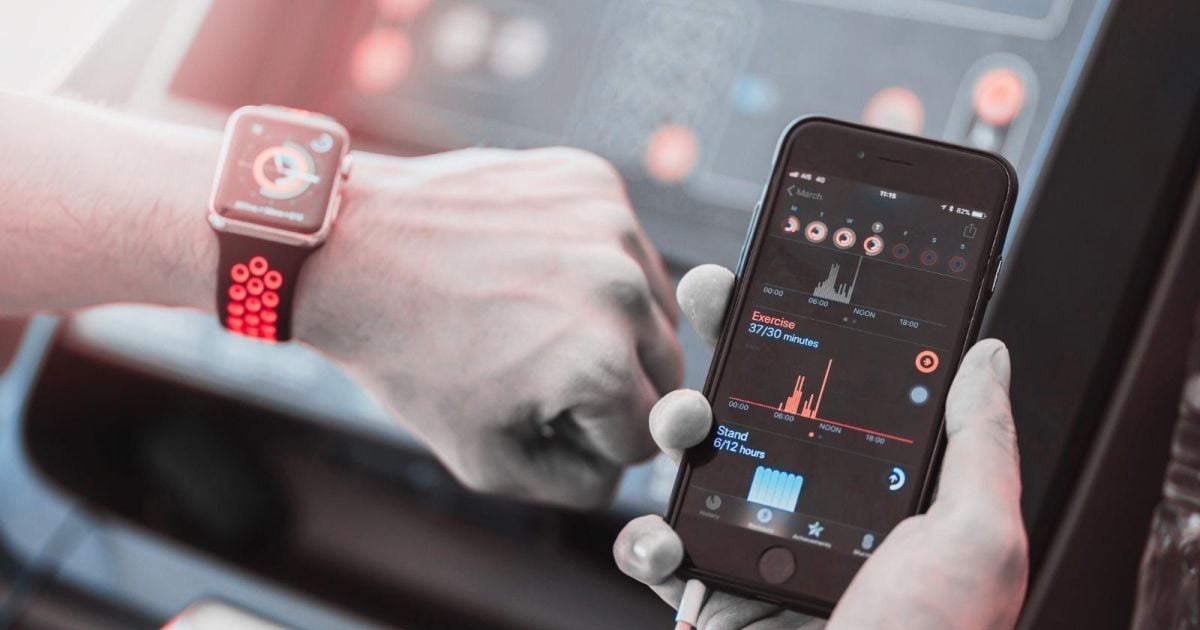
The landscape of wearable technology is continually evolving, influenced by advancements in materials, connectivity, and user experience. As we look ahead, several key trends are poised to reshape the future of wearables, driving innovation and altering consumer behavior. These trends not only reflect technological breakthroughs but also indicate a shift in how individuals interact with their devices, ultimately transforming daily life.
One of the most significant emerging trends is the development of smart fabrics, which integrate electronic components into textiles, allowing for a seamless interaction between the user and their clothing. Smart fabrics can monitor vital signs, track physical activity, and even adjust to environmental conditions. For instance, companies are experimenting with materials that can change color based on temperature or moisture levels, providing real-time feedback to the wearer. This innovation expands the functionality of wearables beyond traditional devices, enabling clothing to become an active participant in health and wellness monitoring.
Integration with the Internet of Things
The Internet of Things (IoT) is another crucial factor shaping future wearable technologies. As more devices become interconnected, wearables will serve as vital nodes in this ecosystem. This integration will allow for the seamless collection and analysis of data across various platforms, enhancing the user experience and providing deeper insights into health and lifestyle choices. For instance, a smart watch could communicate with a smart thermostat to adjust home temperatures based on the wearer’s activity level, promoting energy efficiency and comfort.
The implications of IoT in wearables are vast, as they facilitate enhanced data sharing and interoperability among devices. Some of the anticipated innovations include:
- Health Monitoring: Continuous health monitoring devices will become more sophisticated, allowing users to track a range of metrics like heart rate, sleep patterns, and hydration levels in real-time.
- Smart Home Integration: Wearables will interact with smart home devices, enabling users to control their environment directly from their wrists, such as adjusting lighting or security systems.
- Enhanced Fitness Solutions: Personal trainers could receive real-time data from wearables, facilitating customized fitness programs and allowing for immediate adjustments based on the user’s performance.
As these technologies advance, predictions suggest a shift in consumer behavior towards a more health-conscious lifestyle, as wearables provide users with actionable insights into their daily activities. Devices that can predict potential health issues or suggest lifestyle changes based on collected data are expected to gain popularity. For example, a wearable that alerts a user to elevated stress levels and recommends breathing exercises or mindfulness practices could become a staple in everyday wellness routines.
In addition, augmented reality (AR) is set to augment wearable technology, especially in the realm of smart glasses. With companies like Google and Microsoft leading the charge, AR glasses could revolutionize sectors such as education and training by providing interactive, on-the-go learning opportunities. Imagine a scenario where a technician wears AR glasses that overlay critical information onto machinery, significantly reducing training time and increasing efficiency.
The convergence of smart fabrics, IoT, and AR will not only influence consumer behavior but also drive technological advancements. As individuals become more accustomed to integrated, intelligent systems, the demand for wearable technology that enhances everyday life will inevitably increase. With these trends, the future of wearables looks not only innovative but also transformative, inviting a new era where technology becomes an intimate part of our daily lives.
The Role of Wearable Technology in Sports Performance
Wearable technology has revolutionized the way athletes train and perform, offering insights that were once unimaginable. By integrating advanced sensors and connectivity, these devices provide real-time data analysis that helps athletes enhance their performance, tailor their training regimens, and minimize the risk of injury. As the demand for precision in sports performance grows, wearable tech has positioned itself as an indispensable tool for athletes across various disciplines.
Athletes utilize a range of wearable technologies to track various performance metrics, which can be pivotal in refining their training strategies. These devices can monitor heart rate, distance traveled, speed, and even biomechanical data such as stride length. For instance, GPS-enabled trackers are especially popular in sports like running and cycling, allowing athletes to analyze their performance over different terrains and distances.
Examples of Wearable Devices in Sports
Several specific devices are noteworthy for their contributions to sports performance enhancement. The following list provides a glimpse into the technology being employed across different sports:
- Whoop Strap: This fitness tracker collects data on heart rate variability, sleep quality, and recovery metrics. Athletes use this information to adjust their training intensity and recovery periods, ensuring they perform at their peak.
- Catapult Sports: This device is used predominantly in team sports like soccer and rugby. It tracks players’ movements, including sprinting speeds and acceleration patterns, allowing coaches to design practice sessions tailored to individual players’ needs.
- Fitbit: While often associated with general fitness, specific models are used by athletes to monitor heart rate, steps, and calorie burn, providing insights into overall fitness levels essential for performance.
- Polar Vantage V: This watch is favored by endurance athletes for its advanced heart rate monitoring and GPS tracking, giving insights into training load and recovery, helping to avoid overtraining.
By collecting data from these devices, athletes can develop personalized training strategies that are informed by real-world performance metrics. For example, data analysis from these wearables can identify patterns related to fatigue and recovery, enabling athletes to adjust their training loads accordingly. This proactive approach not only enhances performance but also significantly reduces the risk of injuries. A study by the American Journal of Sports Medicine highlighted that players who utilized wearable tech saw a decrease in injury rates by up to 30%.
In summary, wearable technology plays a crucial role in elevating sports performance through data-driven insights that empower athletes to achieve their best while prioritizing their health and safety.
Wearable Technology and Mental Health Monitoring
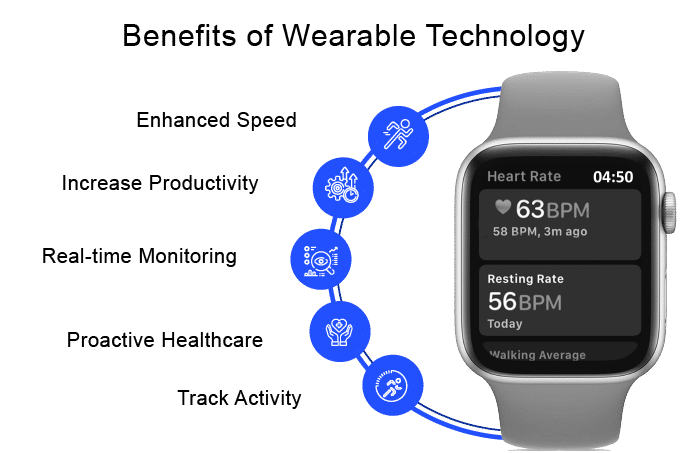
Wearable technology plays an increasingly vital role in mental health monitoring, helping individuals track their emotional well-being in real-time. With the rise of mental health awareness, these devices provide innovative ways to gather data about users’ mental states, potentially leading to better management and treatment options. By leveraging sensors and algorithms, wearables facilitate the continuous monitoring of physiological signals that can correlate with mental health conditions such as anxiety, depression, and stress.
The intersection of wearable technology and mental health reveals several applications that support emotional wellness. Devices like smartwatches and fitness trackers are equipped with various features that help users gain insights into their mental health. For instance, heart rate variability (HRV) is a key indicator of stress and emotional regulation, and many wearables track this metric to provide feedback. Users can receive alerts when their HRV dips below a certain threshold, prompting them to engage in relaxation techniques or mindfulness practices.
Key Features Supporting Mental Health Monitoring
Several features of wearable technology directly benefit mental health awareness and management. These tools provide valuable data and insights that empower users to take charge of their mental well-being. Here are some notable applications:
- Stress Monitoring: Devices measure physical indicators of stress, such as heart rate and skin temperature, allowing users to identify stressful moments and trigger relaxation responses.
- Sleep Tracking: Quality of sleep profoundly affects mental health. Wearables that monitor sleep patterns can help users understand their sleep quality, which is crucial for emotional regulation.
- Activity Tracking: Regular physical activity is linked to improved mental health. Wearable devices encourage movement by tracking daily activity levels and setting reminders to stay active.
- Mindfulness and Breathing Exercises: Many wearables include guided breathing sessions and mindfulness exercises that users can engage in when experiencing high stress or anxiety.
- Data Sharing with Professionals: Some devices enable users to share their health data with mental health professionals, fostering more informed discussions during therapy sessions.
While integrating wearable technology into mental health care offers numerous benefits, several challenges remain. One significant issue is data privacy and security; users may be hesitant to share sensitive health information. Additionally, the accuracy of the data collected can vary between devices, leading to potential misinterpretations of users’ mental health states.
Furthermore, there is a risk of over-reliance on technology, where individuals may neglect traditional therapeutic methods in favor of wearable data. Therefore, it is essential for mental health professionals to guide users on how to effectively incorporate these devices into their mental health management plans.
Ultimately, wearable technology has the potential to revolutionize the way we approach mental health monitoring, but it must be used thoughtfully and in conjunction with professional healthcare guidance.
Customization and Personalization in Wearable Devices
Wearable technology has significantly evolved, primarily due to the increasing demand for devices that cater not just to general needs but to individual preferences. Customization and personalization are at the heart of this evolution, enhancing user experience and driving engagement across various demographics. By allowing users to tailor their devices according to personal tastes, wearable technology fosters a deeper connection between the user and the device, making the interaction more intuitive and satisfying.
Customization options in wearable devices can vary widely, from aesthetic choices like wristband colors and materials to functional settings such as fitness tracking modes, notifications, and even app interfaces. These features collectively contribute to a more engaging user experience. For instance, when a user can choose a watch face that reflects their personality or mood, it transforms the wearable into a personal accessory rather than just a functional tool. Furthermore, allowing users to program their fitness goals or health metrics tailored to their lifestyle encourages regular use and motivates them to stay active. This aspect of customization not only enhances the user experience but also drives long-term loyalty to the brand.
Importance of Personalization Features
Personalization features are crucial as they cater to the unique needs and preferences of individual users, making wearable technology more relevant and effective. This capability allows users to receive tailored experiences based on their habits, goals, and even health requirements. For instance, fitness enthusiasts may prioritize heart rate monitoring and activity tracking, while others might be more interested in health alerts and wellness reminders.
The integration of AI and machine learning into wearable devices further enhances personalization, as these technologies can analyze user data and provide insights or suggestions that are specifically tailored to each user’s lifestyle. This can include workout recommendations, reminders for hydration, or even sleep improvement tips based on personal sleep patterns.
Several brands are setting the standard in offering customizable wearable technology. Apple Watch, for example, offers an extensive selection of bands, faces, and apps, allowing users to create a device that reflects their style and functional needs. Fitbit stands out with its customizable exercise modes and health metrics that adapt to personal fitness levels and goals. Garmin also excels in sports-specific devices that offer tailored performance metrics for runners, cyclists, and swimmers, making their products resonate deeply with their target audience.
In conclusion, by focusing on customization and personalization, wearable technology not only addresses individual user preferences but also enhances overall engagement, leading to a more satisfying and interactive user experience.
The Environmental Impact of Wearable Technology
The growing popularity of wearable technology brings with it a host of environmental challenges that must be addressed. As these devices proliferate, concerns over their sustainability during production and disposal have become increasingly significant. The lifecycle of wearable technology—from sourcing raw materials to their eventual disposal—has a profound impact on the environment, contributing to pollution, greenhouse gas emissions, and electronic waste.
The production of wearable devices often involves the extraction of rare earth metals and other materials that require extensive mining processes. These activities not only disrupt local ecosystems but also generate considerable carbon emissions. The manufacturing phase is energy-intensive, with many factories relying on fossil fuels. Furthermore, the end-of-life stage for these devices poses a significant challenge; many wearables are not designed with recyclability in mind, leading to a high volume of electronic waste. As the global demand for new devices increases, the accumulation of discarded wearables exacerbates environmental issues, with harmful chemicals leaching into landfills and posing risks to human health and biodiversity.
Initiatives to Reduce Environmental Footprint
In response to these environmental concerns, various initiatives and innovations have emerged aimed at mitigating the impact of wearable technology. Manufacturers are increasingly focusing on sustainable practices throughout the lifecycle of their products. This includes the use of renewable energy sources in production facilities, as well as implementing more efficient manufacturing processes that minimize waste.
Several brands have begun to adopt eco-friendly materials in their wearable devices. For instance, some companies are utilizing bioplastics derived from organic materials, which significantly reduce reliance on petroleum-based plastics. Additionally, the use of recycled metals, such as aluminum from old devices, is becoming more common. These practices not only lessen the environmental impact of production but also promote a circular economy.
Furthermore, there are initiatives encouraging consumers to recycle their old devices. Companies like Apple have introduced take-back programs where customers can return their used devices for proper recycling. This not only helps to reclaim valuable materials but also raises awareness about the importance of responsible disposal.
Moreover, advancements in modular design have the potential to address many sustainability issues. By allowing users to replace specific components instead of discarding the entire device, the life span of wearables can be extended, reducing electronic waste. Companies leading in this area emphasize repairability and longevity as core aspects of their product design.
In summation, while the environmental impact of wearable technology poses significant challenges, ongoing innovations and a shift towards sustainable practices are paving the way for a greener future in this dynamic industry.
Final Conclusion
In summary, wearable technology stands at the intersection of health, productivity, and sustainability, making it an integral aspect of modern living. As we continue to explore its potential, we must also stay vigilant about privacy concerns and environmental impacts. The future holds exciting possibilities, paving the way for advancements that could redefine our experiences and interactions with technology.
Questions Often Asked
What types of wearable technology are most popular?
Fitness trackers and smartwatches are among the most popular types of wearable technology, followed by smart glasses and health monitoring devices.
How do wearable devices track health metrics?
Wearable devices use sensors to monitor various health metrics like heart rate, sleep patterns, and physical activity levels, often syncing data to mobile apps for user analysis.
Can wearable technology help with mental health?
Yes, many wearable devices now offer features that assist in monitoring stress levels and mood, helping users manage their mental well-being effectively.
What are the privacy risks associated with wearable technology?
The main privacy risks include data breaches and unauthorized access to personal health information, making it crucial for users to understand privacy settings.
Are there eco-friendly wearable technology options?
Yes, some manufacturers are creating wearable devices using sustainable materials and implementing recycling programs to reduce environmental impact.