Virtual Reality is revolutionizing how we interact with digital content, offering immersive experiences that transport users into entirely different worlds. This technology, once the realm of science fiction, has evolved significantly over the years, impacting various fields such as entertainment, education, healthcare, and social interaction. With advancements in hardware and software, VR is becoming increasingly accessible, allowing more people to experience its potential firsthand.
The journey of Virtual Reality encompasses a rich historical timeline filled with innovation and creativity. From its early beginnings to its current applications, this technology has continually transformed how we perceive reality, making it an exciting topic worth exploring. By understanding VR’s evolution and its diverse uses, we can appreciate not only where it has come from but also where it might lead us in the future.
The Evolution of Virtual Reality Technology Over the Years
Virtual reality (VR) has seen an incredible transformation from its inception to the present day. Originally a concept rooted in science fiction, VR has become a tangible and powerful tool across various industries, including gaming, education, and healthcare. This evolution has been marked by significant technological advancements and visionary thinkers who paved the way for today’s immersive experiences.
The history of virtual reality can be traced back to the 1960s, with the invention of the “Sensorama,” a multi-sensory device created by Morton Heilig that aimed to provide an immersive experience through sights, sounds, and even aromas. In the 1970s, Jaron Lanier founded VPL Research, which produced some of the first VR goggles and gloves. The 1980s saw the term “virtual reality” gain popularity, and the technology began to appear in military and flight simulation training. As computing power increased in the 1990s, systems like Sega’s VR headset and Nintendo’s Virtual Boy were introduced, though they ultimately fell short of expectations due to technical limitations.
Key Technological Milestones in VR History
The evolution of VR technology has been marked by several key milestones that significantly advanced its capabilities:
– Sensorama (1962): Created by Morton Heilig, this device was one of the first attempts to simulate a real-life experience through multiple sensory inputs.
– The Sword of Damocles (1968): Developed by Ivan Sutherland, this head-mounted display is often regarded as the first true virtual reality system, albeit rudimentary and heavy.
– VPL Research (1985): Pioneered by Jaron Lanier, this company produced the first consumer virtual reality products, including the Data Glove and EyePhone headset.
– NASA’s VR Training (1990s): Utilized VR for astronaut training, demonstrating its practical applications beyond entertainment.
– Oculus Rift (2012): A crowdfunded project that reignited interest in VR, leading to significant advancements in immersive technology.
– HTC Vive Launch (2016): Introduced room-scale VR, allowing users to interact in a 3D space, marking a significant leap in user experience.
Each of these milestones contributed to the current landscape of virtual reality, showcasing how persistent innovation and creativity have driven this technology from concept to mainstream adoption.
The Impact of Virtual Reality on Entertainment and Gaming
Virtual Reality (VR) has dramatically reshaped the landscape of entertainment and gaming, enriching user experiences and expanding the boundaries of how games are played. This technology immerses players into worlds that were once confined to the imagination, creating an unparalleled level of engagement. By allowing users to interact in 3D environments through the use of headsets and motion sensors, VR has opened new avenues for storytelling and gameplay that traditional gaming simply cannot replicate.
The transformation of the gaming industry through virtual reality is evident in various aspects, from gameplay mechanics to the way stories are told. Traditional gaming has often been limited to 2D or 3D visuals on a screen, which can create a disconnect between the player and the game world. VR bridges this gap by offering a fully immersive experience where players can look around, move within the game space, and engage with the environment in ways that feel natural. This shift has led to a more engaging and stimulating form of entertainment that resonates deeply with players.
Examples of Popular VR Games and Their Unique Features
Several VR games have emerged as frontrunners in showcasing the potential of this technology. These games not only provide entertainment but also push the boundaries of interactive storytelling and gameplay.
- Beat Saber: This rhythm game combines music and movement, allowing players to slice beats with lightsabers in a VR environment. The unique feature lies in its physical engagement, as players must move their bodies to match the rhythm, effectively turning gaming into a fitness experience.
- Half-Life: Alyx: Set in the Half-Life universe, this game is a benchmark for storytelling in VR. It integrates intricate puzzles and combat mechanics, utilizing the VR space to enhance immersion. Players can pick up objects, manipulate the environment, and engage with a complex narrative, making it a standout title in the genre.
- Moss: This adventure game features a tiny mouse named Quill as the protagonist. Players are not only viewers but also active participants who can manipulate the environment to aid Quill in her journey. This unique interaction blurs the lines between player and character, creating a more personal connection.
The differences between traditional gaming experiences and VR experiences are stark. In traditional setups, players typically interact with a controller or keyboard, which can create a barrier between them and the game world. Conversely, VR provides a sense of presence and embodiment, making players feel as though they are truly part of the game. For example, in a conventional shooting game, a player might aim with a joystick; in VR, they physically aim with their head and hands, providing a more instinctive and visceral experience.
In summary, virtual reality has not only transformed how games are played but also how stories are told and experiences are shared. As technology continues to evolve, it is poised to further redefine the landscape of entertainment, providing immersive and engaging experiences that resonate with players on a deeper level than ever before.
The Role of Virtual Reality in Education and Training
Virtual Reality (VR) is transforming the landscape of education and training by providing immersive experiences that enhance learning outcomes. This technology allows students and trainees to engage with content in ways that traditional methods cannot replicate. By placing users in simulated environments, VR fosters deeper understanding and retention of information through experiential learning.
The benefits of using virtual reality in educational settings are numerous. For instance, VR can create safe, controlled environments where learners can practice real-world skills without the risks associated with hands-on training. This is particularly significant in fields such as medicine, aviation, and engineering, where practical experience is crucial. Students can visualize complex concepts, such as anatomy or physics, through interactive simulations that make learning engaging and memorable.
Integration of VR in Various Training Programs
Numerous institutions and organizations are adopting VR technology to enhance their training programs. Examples include:
- Medical Training: Medical students use VR to simulate surgeries and patient interactions, allowing for practice in a risk-free environment. This prepares them for real-life scenarios and enhances their decision-making skills.
- Aviation Training: Flight schools employ VR simulations to train pilots, providing realistic cockpit experiences that improve their control and situational awareness.
- Corporate Training: Companies like Walmart utilize VR for employee training in customer service and emergency response, creating immersive scenarios that employees can navigate to build confidence.
- Vocational Training: Technical schools integrate VR to simulate machinery operations, allowing students to learn about equipment handling safely.
While the advantages of VR in education are clear, several challenges may arise during its adoption. Key issues include the high costs associated with purchasing VR equipment and software, the need for technical training for educators, and potential resistance from staff or students unfamiliar with the technology. Additionally, ensuring the accessibility of VR experiences for all students, particularly those with disabilities, is vital to maximize the benefits of this innovative tool.
The Application of Virtual Reality in Healthcare
Virtual Reality (VR) is revolutionizing the healthcare sector by providing innovative solutions for therapy, training, and patient engagement. This technology immerses users in virtual environments designed to simulate real-world scenarios, enhancing both learning and treatment processes. The use of VR in healthcare is rapidly expanding, with various applications demonstrating its effectiveness in improving patient outcomes and medical education.
One of the primary applications of VR in healthcare is its role in therapy, particularly for conditions such as post-traumatic stress disorder (PTSD), anxiety disorders, and phobias. VR exposure therapy allows patients to confront their fears in a controlled and safe environment, facilitating emotional processing and reducing anxiety symptoms. The technology also aids in pain management, where patients can use VR experiences to distract themselves during painful procedures or chronic pain conditions.
Specific VR Tools in Therapy and Medical Training
The integration of VR into healthcare relies on various specialized tools designed for therapeutic and educational purposes. These tools enhance the effectiveness of treatment and training, leading to better patient experiences and outcomes. Key examples include:
- Oculus Rift: Widely used in exposure therapy, this VR headset immerses patients in anxiety-provoking scenarios, allowing for gradual desensitization.
- VR Pain Management Systems: Systems like “Cool!,” which create calming environments for patients undergoing painful procedures, significantly reduce perceived pain levels.
- Simulated Surgery Platforms: Tools like the Osso VR simulation provide medical professionals with a risk-free environment to practice surgical procedures, improving skills without the pressure of real-life consequences.
- MedVR: A platform that allows healthcare professionals to train in various medical scenarios, enhancing skills such as diagnosis and treatment planning.
Patient experiences with VR therapies have shown promising results. For instance, a study involving veterans with PTSD demonstrated that 85% of participants reported a significant reduction in symptoms after engaging in VR exposure therapy. Additionally, patients using VR for pain management during surgery reported lower pain levels and reduced anxiety, leading to quicker recovery times. The immersive nature of VR not only distracts patients from their discomfort but also helps them manage their conditions more effectively, showcasing the potential of this technology to transform healthcare delivery.
Virtual Reality and Its Influence on Social Interaction
Virtual reality (VR) is revolutionizing the way individuals engage with one another, creating immersive environments that foster unique social experiences. As technology advances, VR enables users to connect in ways that traditional platforms cannot replicate, leading to profound shifts in social interaction dynamics. People can now meet, socialize, and collaborate in virtual worlds, expanding the possibilities of human connection beyond physical limitations.
Virtual social spaces serve as interactive environments where users can engage with others through avatars, participate in activities, and experience shared moments. These spaces often include functionalities such as voice and text chat, customizable avatars, interactive games, and shared experiences like concerts or art galleries. For instance, platforms like VRChat or AltspaceVR provide users with the tools to create and explore diverse environments, showcasing the potential of virtual social interaction. Users can attend events, join communities based on shared interests, and even participate in professional gatherings, blurring the lines between personal and professional interactions.
Psychological Effects of Virtual Interactions
The psychological implications of virtual interactions differ significantly from those of real-life encounters. While VR can enhance feelings of presence and engagement, it may also lead to a sense of detachment from reality. Users often report heightened emotional responses in virtual environments, which can lead to stronger bonds formed during these interactions. A study published in the journal *Computers in Human Behavior* indicates that VR interactions can be as psychologically impactful as face-to-face communication, as users can experience empathy and connection through their avatars.
However, extensive engagement in virtual spaces can lead to challenges, such as social anxiety or a preference for virtual over real-life interactions. The disinhibition effect observed in online environments can encourage more open communication, but it may also lead to negative behaviors like cyberbullying or harassment. Additionally, the absence of physical cues, such as body language and facial expressions, can complicate communication and understanding, potentially leading to misinterpretations.
The balance between virtual and real-life interactions is crucial. While VR offers innovative ways to connect, it is essential for users to maintain a healthy relationship with both forms of socializing. Each has its unique benefits and drawbacks, and understanding these can help individuals navigate their social lives more effectively. As VR technology continues to evolve, its role in shaping social interactions will undoubtedly expand, presenting both opportunities and challenges for the future of human connection.
The Future of Virtual Reality
The landscape of virtual reality (VR) is rapidly evolving, marked by remarkable advancements and transformative applications across various industries. As technology matures, we can expect several trends that will shape the future of VR, influencing how we interact with digital environments and enhancing our experiences in numerous fields. From gaming to healthcare, the versatility of VR is set to expand significantly.
Emerging Trends in Virtual Reality Technology
The future of VR is defined by several key trends that are paving the way for more immersive and accessible experiences. One of the most prominent trends is the advancement of hardware technology, particularly in terms of headset design and user comfort. Manufacturers are focusing on developing lighter, wireless headsets with higher resolution displays and improved field of view, enhancing the user’s visual experience.
Another trend is the integration of artificial intelligence (AI) within VR environments. AI will enable more realistic interactions and adaptive learning experiences, making virtual simulations more intuitive and personalized. For instance, VR training programs powered by AI can adjust the difficulty level according to the user’s skill, providing tailored guidance and feedback.
Additionally, the rise of augmented reality (AR) coexisting with VR is noteworthy. This blended reality approach will allow users to interact with both digital and physical worlds, thereby enriching the overall experience. Applications in retail, for example, could allow customers to visualize products in their own homes before making a purchase.
Potential Future Applications of VR
The versatility of VR technology suggests a plethora of applications across various sectors. In healthcare, VR has the potential to revolutionize medical training and patient treatment. Surgeons can practice complex procedures in a risk-free environment, while patients can use VR for pain management and rehabilitation. A notable case is the use of VR for phobia treatments, where patients can confront their fears in a controlled, virtual environment.
The education sector is also poised to benefit significantly from VR. Virtual classrooms can provide immersive learning experiences, allowing students to explore historical sites or conduct scientific experiments without leaving their schools. This hands-on approach has been shown to enhance understanding and retention of information.
In the entertainment industry, VR is set to transform how we experience stories and art. Immersive theatre and virtual exhibitions can provide audiences with unique ways to engage with content, making storytelling more interactive and captivating.
Expert Opinions on VR Evolution in the Next Decade
Industry experts predict that VR technology will become more mainstream as accessibility improves and costs decrease. According to a report by PwC, the global VR market is expected to reach $1.5 trillion by 2030, with significant growth driven by increased investments in VR content and applications.
Furthermore, experts highlight the importance of social VR experiences, where users can interact with others in virtual spaces. This social aspect is likely to play a crucial role in the development of VR platforms, creating communities around shared interests and experiences. As we move into the next decade, the integration of VR with the metaverse concept will further blur the lines between digital and physical realities, providing endless possibilities for innovation and creativity.
The Ethical Considerations Surrounding Virtual Reality Use
As virtual reality (VR) technology continues to evolve and expand its reach into various aspects of life, it brings with it significant ethical considerations that demand careful examination. These concerns span issues related to addiction, privacy, and the overall impact of immersive environments on human behavior. Understanding these dilemmas is crucial for developers, users, and policymakers alike.
Ethical Dilemmas in Virtual Reality
Virtual reality environments can create unique ethical challenges, as they often blur the lines between reality and simulation. One major concern revolves around the potential for VR addiction. Unlike traditional media, where consumption can often be passive, VR requires active engagement, potentially leading users to lose track of time and neglect real-world responsibilities. This addictive potential raises alarms about mental health and overall well-being.
Another aspect of concern is the psychological effects of immersing individuals in virtual worlds that may simulate violence or other extreme experiences. Studies indicate that prolonged exposure to violent VR content can desensitize users, influencing their perceptions and behaviors in the real world. Similarly, the ability to create hyper-realistic simulations of various scenarios raises ethical questions about consent and the impacts on users’ emotional states.
Implications of VR Addiction versus Traditional Media Consumption
The implications of VR addiction differ significantly from traditional media consumption. While binge-watching a series can lead to isolation or sedentary behavior, VR creates an immersive experience that engages multiple senses, heightening the potential for escapism and withdrawal from reality.
Key distinctions include:
- Engagement Level: VR demands more from users, potentially resulting in greater psychological dependence.
- Physical Impact: Users may face issues like motion sickness or physical strain, which are less prevalent in traditional media.
- Social Isolation: While traditional media consumption can be social, like group movie nights, VR often isolates users within their own headsets.
Privacy Concerns Related to Virtual Reality Data Collection
Privacy is another critical ethical concern in the realm of virtual reality. VR systems often track extensive user data, including movements, interactions, and even biometric information. Such comprehensive data collection raises significant questions about user consent and data security.
Key privacy insights include:
- User Consent: Many users may not fully understand what data is being collected or how it is being used.
- Data Security: VR platforms face challenges in ensuring the protection of sensitive user information from breaches.
- Surveillance Risks: Potential misuse of collected data could lead to surveillance or targeted advertising that infringes on user privacy.
The ethical landscape of virtual reality is complex, requiring ongoing dialogue among stakeholders to ensure responsible usage and development.
Creating Immersive Experiences
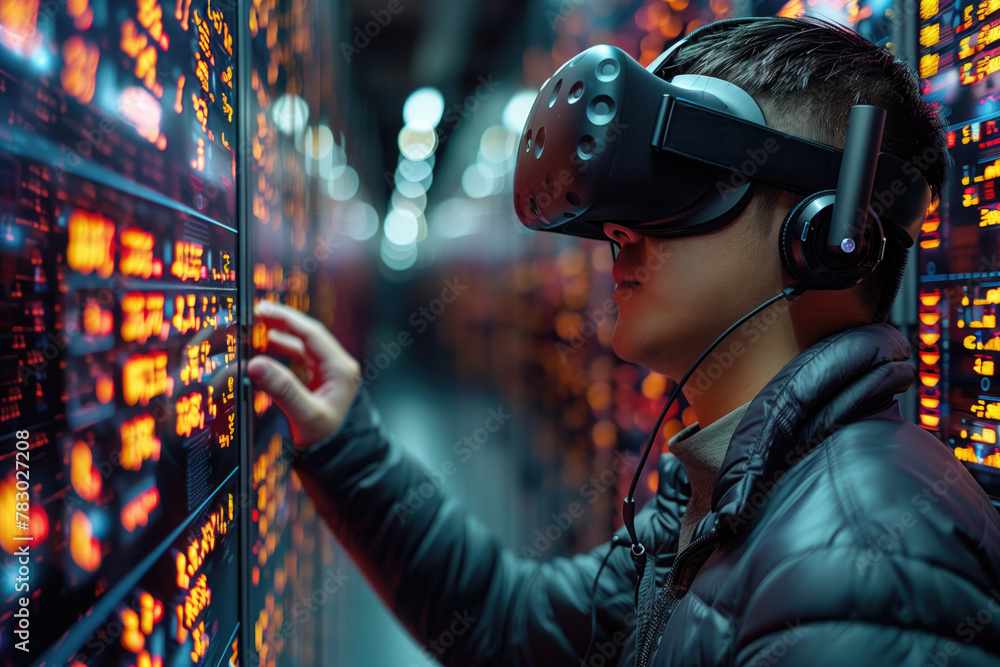
Developing engaging virtual reality (VR) experiences requires careful attention to design principles that elevate user immersion and interaction. Unlike traditional media, VR necessitates a unique approach that seamlessly melds storytelling with technology, allowing users to not just observe but actively participate in the environment.
One of the fundamental aspects of designing for VR is to understand the importance of presence, which refers to the feeling of being physically immersed in a virtual environment. Successful VR designs prioritize this by ensuring that elements within the virtual space are responsive and realistic, thereby enhancing the user’s sense of being “there.” Key principles to consider include:
Essential Design Principles for Engaging VR Experiences
To create truly immersive VR experiences, designers should adhere to several core principles:
- Interactivity: Allow users to engage with the environment through intuitive controls and immediate feedback. For example, games like “Beat Saber” allow players to interact with the environment through rhythmic slicing motions, creating an engaging experience.
- Realism: Utilize high-fidelity graphics and spatial audio to create a lifelike environment. “Half-Life: Alyx” exemplifies this with its detailed world and sound design, which effectively draws players deeper into the narrative.
- Comfort: Prioritize user comfort to prevent motion sickness, such as limiting rapid movements and providing a stable frame of reference. “The Walking Dead: Saints & Sinners” incorporates teleportation mechanics to ensure player comfort while exploring an intense zombie-infested world.
- Storytelling: Integrate engaging narratives that allow users to experience a journey rather than simply completing tasks. “Moss” tells a heartfelt story through its charming characters and beautifully designed worlds, making users feel emotionally connected to the experience.
- Customization: Offer personalization options that allow users to tailor their environment or avatars, fostering a deeper connection with the VR experience. Games like “VRChat” encourage users to modify their avatars, enhancing social interactions.
User feedback plays a critical role in furthering the design iteration process. Continuous testing with real users enables designers to identify pain points and gather insights on user experience. This iterative approach is essential for refining the virtual environment, ensuring it meets user needs and expectations. Gathering qualitative data through interviews, surveys, or usability tests can inform adjustments that enhance overall satisfaction and immersion.
“User feedback is the compass that guides the evolution of VR experiences.”
Successful VR design hinges on understanding these principles and integrating user feedback into the development cycle. As the technology continues to evolve, the potential for creating unforgettable, immersive experiences grows exponentially.
The Challenges of Virtual Reality Adoption in the Business Sector
Virtual Reality (VR) has emerged as a transformative technology in the business sector, offering opportunities for enhanced training, marketing, and product development. However, many organizations face significant hurdles when integrating VR into their operations. Understanding these challenges is crucial for businesses considering this innovative approach.
Common obstacles include technological limitations, lack of expertise, and the need for cultural shifts within organizations. VR systems can be expensive and require significant investment in hardware and software. Many companies struggle with the complexity of the technology, particularly if their workforce is not tech-savvy or lacks familiarity with VR tools. Additionally, there is often resistance from employees who may view VR as a gimmick or fear that it will replace their jobs, leading to a reluctance to engage with the new technology.
Financial Considerations of Implementing VR Solutions
The initial costs of adopting VR can be a major roadblock for businesses. Investment in VR hardware, such as headsets and motion tracking systems, along with software licensing and maintenance costs, can be substantial. Beyond the upfront expenses, businesses must also consider the costs of training employees to use the new technology effectively.
In many cases, the return on investment (ROI) from VR initiatives may not be immediate, creating hesitation among decision-makers. According to a report by PwC, organizations have seen up to a 40% increase in employee engagement through VR training programs, which can justify the initial costs. However, each business must conduct a thorough cost-benefit analysis specific to their context.
Strategies for Overcoming Resistance to Adopting VR in the Workplace
Successfully integrating VR into a business environment requires addressing employee concerns and demonstrating the value of the technology. Key strategies include:
- Conducting informational sessions to educate employees on the benefits and applications of VR.
- Implementing pilot programs that allow staff to experience VR firsthand, reducing fear and skepticism.
- Involving employees in the development of VR projects, fostering a sense of ownership and collaboration.
- Highlighting success stories from similar organizations that have successfully integrated VR, showcasing tangible outcomes.
- Providing ongoing support and resources to ensure a smooth transition to VR technologies.
By focusing on education and involvement, businesses can alleviate fears and enhance acceptance of VR solutions, paving the way for a more innovative and engaged workforce.
Virtual Reality’s Role in Mental Health Therapy
Virtual reality (VR) is emerging as a powerful tool in mental health therapy, providing innovative ways to treat various psychological conditions. By immersing patients in controlled, lifelike environments, therapists can facilitate a range of therapeutic interventions that were previously difficult to achieve. This technology offers patients a safe space to confront and process their fears and anxieties, making it a pivotal component in modern mental health treatment modalities.
One of the most notable applications of VR in mental health therapy is its effectiveness in treating conditions like post-traumatic stress disorder (PTSD) and anxiety disorders. Through exposure therapy, patients can gradually face their fears in a virtual setting, allowing them to desensitize their emotional responses without the overwhelming pressure of real-life situations. This method has shown promising results, significantly reducing symptoms and improving overall quality of life.
Case Studies of VR-Based Therapy Interventions
Several case studies highlight the successful implementation of VR technology in mental health treatment. For instance, a study conducted at the University of Southern California demonstrated that veterans with PTSD experienced a reduction in symptoms after participating in VR exposure therapy. The veterans were immersed in recreated combat scenarios, which helped them to process traumatic memories effectively.
Another compelling example is the use of VR in treating social anxiety disorder. Research from the University of Oxford showed that patients who engaged in VR role-playing scenarios, where they interacted with virtual avatars of people in social settings, reported a significant decrease in anxiety levels.
The potential of VR extends beyond these examples. By providing a versatile platform for therapy, it can assist in managing various mental health conditions, paving the way for more personalized and effective treatment options that cater to individual patient needs.
Closure
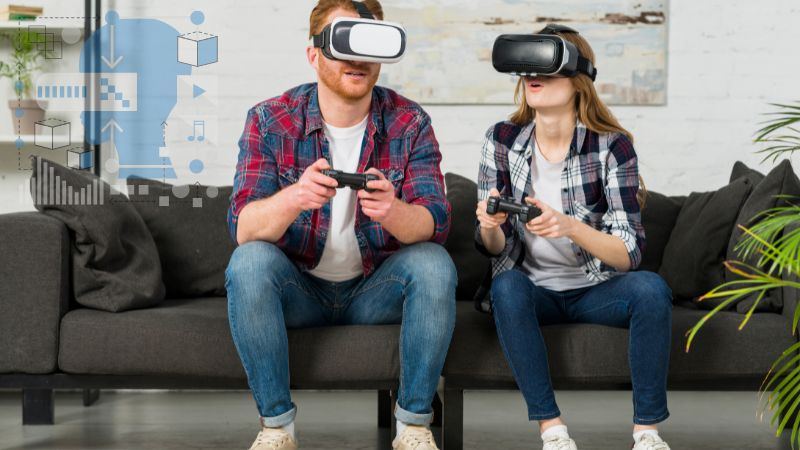
In summary, Virtual Reality stands at the forefront of technological advancement, influencing various aspects of our lives from gaming to education and mental health therapies. As we navigate the complexities and potential of this immersive technology, it’s crucial to remain informed about its developments and implications. The future of VR promises even more innovative applications, pushing the boundaries of what we can achieve and how we connect with one another.
FAQ
What is Virtual Reality?
Virtual Reality is a simulated experience that can be similar to or completely different from the real world, often involving sensory immersion through headsets and controllers.
How does Virtual Reality work?
VR works by using headsets that display 3D images and track the user’s head movements, creating an immersive environment that responds to their actions.
Is Virtual Reality only for gaming?
No, Virtual Reality is used in various fields including education, healthcare, training simulations, and social interaction, among others.
What equipment do I need for Virtual Reality?
To experience VR, you’ll typically need a VR headset, motion controllers, and a compatible computer or gaming console, depending on the specific system.
Are there any risks associated with Virtual Reality?
Yes, some users may experience motion sickness or disorientation. It’s also important to consider the potential for addiction or excessive use of VR technology.