Kicking off with Ubiquitous Computing, this concept encapsulates the seamless integration of technology into our daily lives, where computing is no longer confined to desktops or laptops, but is embedded in various environments and devices around us. This transformative approach enhances user experiences by providing continuous and unobtrusive access to information and services, blurring the lines between the physical and digital worlds.
The origins of ubiquitous computing trace back to the advancements in technology that prioritized connectivity and convenience. With the rise of smart devices, the Internet of Things, and embedded systems, we now find ourselves in a landscape where technology operates in the background, enabling us to live smarter and more connected lives. Early implementations showcased how these systems could revolutionize various sectors, setting the stage for the pervasive technology we encounter today.
Ubiquitous Computing
Ubiquitous computing, often termed “ubicomp,” refers to the integration of computing processes into everyday objects and environments, allowing a seamless interaction between the digital and physical worlds. Unlike traditional computing paradigms that typically involve direct human interaction with devices like desktops and laptops, ubiquitous computing aims for an environment where technology is embedded within the fabric of daily life. This integration allows users to engage with technology more naturally and contextually, often without being consciously aware of it.
The concept was popularized in the early 1990s by Mark Weiser, a researcher at Xerox PARC, who envisioned a future where computers would be so pervasive they would fade into the background, enhancing our lives without drawing attention to themselves. This vision was a significant departure from the bulky, stand-alone machines of the time, emphasizing a more intuitive and ambient experience. Ubiquitous computing relies on advancements in various fields, including wireless networking, miniaturization of devices, and pervasive sensing technologies. These innovations have paved the way for a world where devices communicate with one another, leading to smarter homes, cities, and workplaces.
Historical Context and Technological Advancements
The emergence of ubiquitous computing can be traced back to several key developments in technology and society. In the late 20th century, the rise of the Internet and mobile computing marked the beginning of a shift towards connectivity. The introduction of Wi-Fi in the late 1990s provided the necessary infrastructure for devices to communicate wirelessly, enabling the proliferation of smart devices. Additionally, advancements in sensor technology allowed for the collection of real-time data from the environment, making it possible to create responsive systems that adapt to user needs.
Early implementations of ubiquitous computing systems showcased its potential and laid the groundwork for modern applications. For instance, the “Smart House” project in the 1990s focused on integrating various automated systems—such as lighting, heating, and security—into a single network. This initiative demonstrated how everyday environments could be transformed through technology, leading to increased energy efficiency and improved living conditions. Another notable example is the use of RFID (Radio Frequency Identification) technology in supply chain management, allowing for real-time tracking of goods and improved inventory systems.
The impact of these early systems can still be seen today in the proliferation of smart home devices like thermostats, security cameras, and appliances that interact with users through mobile apps or voice commands. As technology continues to evolve, the vision of ubiquitous computing grows closer to realization, fundamentally changing how we interact with the world around us.
The Role of Embedded Systems in Ubiquitous Computing
Embedded systems are integral to the landscape of ubiquitous computing, acting as the backbone that supports seamless interaction between devices and the environment. These specialized computing systems are designed to perform dedicated functions, often with real-time computing constraints. The significance of embedded systems lies in their ability to process data, manage tasks, and enable connectivity with minimal human intervention, which is essential in creating the smart environments envisioned in ubiquitous computing.
Embedded systems are prevalent in a variety of smart devices, contributing to a cohesive and intuitive computing experience. They can be categorized into several types, including:
Types of Embedded Systems in Smart Devices
These systems serve different purposes and possess unique characteristics that enhance their functionality within a ubiquitous computing framework.
- Microcontroller-based Systems: Found in everyday items like thermostats and home appliances, these systems allow for automation and energy efficiency, providing users with smart control over their environments.
- Real-time Embedded Systems: Used in applications where timing is crucial, such as automotive control systems and medical devices. They ensure that data is processed and reacted to in an instantaneous manner, maintaining safety and effectiveness.
- Networked Embedded Systems: Devices like smart speakers and security cameras operate on this architecture, facilitating communication and data sharing over the internet, thus contributing to a connected ecosystem.
- Sensor-based Systems: These systems collect data from their surroundings, such as temperature sensors or motion detectors, enabling contextual awareness and responsive actions based on environmental changes.
The capability of embedded systems to enable connectivity and communication between devices is a cornerstone of ubiquitous computing. They facilitate interoperability, allowing different devices to share information and collaborate in real-time. For instance, a smart thermostat can communicate with weather services and adjust the temperature accordingly, while a fitness tracker can sync with a smartphone app to provide real-time health insights.
“Embedded systems act as the glue that binds various devices together, ensuring a cohesive and responsive user experience.”
This interconnectedness is further enhanced by the use of protocols such as MQTT and CoAP, which are designed for lightweight communication in constrained environments. Ultimately, embedded systems empower the development of intelligent applications that not only enhance user convenience but also contribute to a sustainable and efficient usage of resources within ubiquitous computing environments.
Ubiquitous Computing and the Internet of Things
Ubiquitous computing and the Internet of Things (IoT) are two interrelated concepts that are reshaping how we interact with technology in our daily lives. They both aim to create seamless interactions between users and their environments, enhancing efficiency and user experiences. While they have distinct characteristics, their convergence fosters an ecosystem where technology becomes an invisible but integral part of everyday activities.
Ubiquitous computing refers to the integration of technology into the environment, allowing devices to communicate, process, and respond to user needs without drawing attention to themselves. In contrast, the Internet of Things emphasizes the connectivity of physical devices to the internet, enabling data exchange and remote control. Together, they create a comprehensive framework where devices not only communicate but also work collaboratively to provide enhanced functionality. For instance, consider smart homes where appliances, security systems, and climate controls are interconnected. Ubiquitous computing ensures that these devices respond to contextual cues, while IoT enables real-time data sharing and remote accessibility.
Comparison of Ubiquitous Computing and IoT
Understanding the distinctions and overlaps between ubiquitous computing and IoT is crucial for grasping their collective impact. The table below highlights the key differences and similarities between the two concepts:
| Aspect | Ubiquitous Computing | Internet of Things (IoT) |
|---|---|---|
| Definition | Integration of technology into everyday environments. | Network of connected devices that communicate via the internet. |
| Focus | User-centered interactions and contextual awareness. | Device connectivity and data exchange. |
| Examples | Smart home systems, wearable tech. | Smart thermostats, connected appliances. |
| Key Objective | Enhance user experience through seamless technology integration. | Enable remote monitoring and control of devices. |
| Operational Range | Local environments, typically focused on specific user needs. | Global scope, allowing devices to interact over the internet. |
Both ubiquitous computing and IoT find practical applications in various sectors, significantly improving user experiences. For example, in healthcare, wearable devices track patient vital signs and transmit data to healthcare providers in real-time, allowing for proactive interventions. In smart cities, interconnected traffic lights and sensors optimize traffic flow, reducing congestion and enhancing commuter safety. These examples illustrate how the synergy between ubiquitous computing and IoT can lead to innovative solutions that not only streamline processes but also elevate the quality of life for users.
The Impact of Ubiquitous Computing on Everyday Life
The advent of ubiquitous computing has significantly altered the fabric of daily life, fundamentally transforming how we interact with our surroundings. As technology becomes increasingly integrated into various aspects of our routines, the convenience and efficiency it offers are undeniable. Ubiquitous computing envelops us in a digital environment where devices communicate and collaborate seamlessly, creating a more responsive and intelligent living experience.
From smart homes to wearable technology, the influence of ubiquitous computing manifests in several tangible ways. Smart homes have evolved into interconnected ecosystems where devices such as thermostats, lights, and security systems communicate with one another. For instance, smart thermostats like the Nest Learning Thermostat learn the occupants’ habits and preferences, automatically adjusting the temperature based on the time of day or occupancy. This not only enhances comfort but also leads to significant energy savings. Similarly, smart lighting systems can be programmed to mimic natural daylight patterns, helping to regulate our circadian rhythms and improve sleep quality.
Wearable technology, such as fitness trackers and smartwatches, exemplifies how ubiquitous computing personalizes everyday health management. Devices like the Apple Watch or Fitbit monitor physical activities, heart rate, and even sleep patterns, empowering users to take charge of their health in real-time. These wearables often sync with smartphones, providing insights and reminders that encourage individuals to pursue healthier lifestyles. The integration of GPS technology also enables users to navigate their surroundings more effectively, ensuring that they remain connected to their environment while managing their time and tasks efficiently.
Automated systems further highlight the transformation brought about by ubiquitous computing. Home automation solutions like Amazon Alexa or Google Home allow users to control various devices using voice commands, simplifying tasks such as setting reminders, playing music, or checking the weather. These systems create an increasingly intuitive interaction model, where technology anticipates user needs and responds accordingly. For example, a smart kitchen can automatically adjust the oven’s temperature based on the recipe being followed, streamlining meal preparation and enhancing the cooking process.
Despite the numerous benefits, the rise of pervasive technology raises important considerations regarding privacy and user interaction. With devices continuously collecting data to enhance functionality, concerns about data security and personal privacy become paramount. Users often find themselves sharing personal information with smart devices, which can lead to potential misuse or unauthorized access. Furthermore, as interactions with technology become more automated, there is a risk that users may become overly reliant on these systems, potentially diminishing their engagement with the physical world around them.
The integration of ubiquitous computing into daily life represents a double-edged sword. While it offers unprecedented convenience and efficiency, it also necessitates a thoughtful approach to privacy and the impact of automation on human interaction. As we continue to embrace these advancements, it is essential to balance the benefits with the challenges they present.
Challenges and Ethical Considerations in Ubiquitous Computing
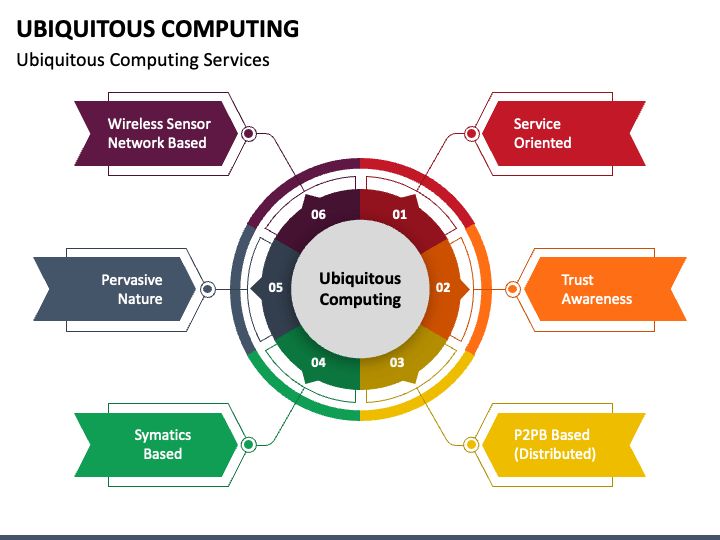
The proliferation of ubiquitous computing technologies presents numerous opportunities but also significant challenges that must be navigated. As these technologies become integrated into everyday life, issues surrounding data security and privacy emerge as paramount concerns. The nature of ubiquitous computing allows for the constant collection and transmission of data, often without users being fully aware of the extent of this activity.
Data security remains a critical challenge in the adoption of ubiquitous computing systems. With devices continuously gathering and sharing personal information, the risk of data breaches increases. Users’ sensitive data, such as location, health metrics, and personal preferences, can be susceptible to unauthorized access and exploitation. According to recent studies, nearly 60% of consumers express concerns over their privacy when using smart devices. Such apprehension can hinder the widespread acceptance of these technologies, as users weigh the convenience of connectivity against the potential risks to their personal information.
Ethical Considerations Related to User Consent and Data Collection Practices
Navigating the ethical landscape of data collection in ubiquitous computing is complex. One of the foremost ethical considerations is obtaining informed consent from users. Often, users are presented with lengthy terms of service agreements that are difficult to understand, leading to a lack of true comprehension regarding what data is being collected and how it will be used. This can result in users inadvertently consenting to extensive data collection practices that compromise their privacy.
The significance of transparency in data collection cannot be overstated. Developers and organizations must ensure that users are clearly informed about what data is collected, the purposes for which it will be used, and who it will be shared with. Effective practices include:
- Implementing simplified consent forms that are easy to read and understand.
- Providing users with the option to customize their data sharing preferences, empowering them to take control of their own data.
- Regularly updating users about any changes to data practices, ensuring continuous informed consent.
Moreover, developers should adopt robust security measures to protect user data from breaches and unauthorized access. This can involve:
- Utilizing strong encryption methods for data at rest and in transit.
- Conducting regular security audits to identify and mitigate potential vulnerabilities in the system.
- Implementing strict access controls to limit data access only to authorized personnel.
Policymakers also play a crucial role in shaping the ethical landscape of ubiquitous computing. Establishing clear regulations that mandate transparent data practices and prioritize user privacy can help bridge the gap between technological advancement and ethical responsibility. Comprehensive legislation, such as the General Data Protection Regulation (GDPR) in Europe, sets important standards for data protection and privacy that can serve as a model for global practices.
Future Trends and Innovations in Ubiquitous Computing
The landscape of ubiquitous computing is rapidly evolving, presenting numerous opportunities for innovation that will redefine how we interact with technology in both our personal and professional lives. As the integration of computing into everyday objects continues to expand, several emerging trends are poised to shape the future of this field. From smart homes to wearable devices, these advancements promise to enhance our experiences and create a seamlessly connected environment.
One of the most significant trends in ubiquitous computing is the integration of artificial intelligence (AI) and machine learning (ML) technologies. These innovations enable devices to learn from user behavior and adapt their functionalities accordingly. For instance, smart thermostats can analyze historical data to optimize temperature settings, resulting in improved energy efficiency. Similarly, AI-driven personal assistants can manage tasks across various connected devices, making everyday activities more streamlined and efficient. The potential applications of AI and ML in ubiquitous computing extend beyond mere convenience; they also hold the promise of enhancing safety and security. For example, AI algorithms can analyze video feeds from security cameras in real-time to identify suspicious behavior, alerting users or authorities instantly.
Emerging Technologies Influencing Ubiquitous Computing
Several key technologies are likely to play a pivotal role in the ongoing growth and evolution of ubiquitous computing. Understanding these technologies provides insight into how they can enhance user experiences and promote a more integrated lifestyle.
- Artificial Intelligence and Machine Learning: These technologies enable devices to learn from user interactions, improving personalization and efficiency.
- Internet of Things (IoT): The proliferation of connected devices allows for seamless communication and data exchange, facilitating a smarter living environment.
- 5G Connectivity: Enhanced mobile networks will support faster and more reliable connections, enabling real-time data transmission and applications requiring low latency.
- Edge Computing: Processing data closer to where it is generated leads to quicker responses and reduces the bandwidth load on central servers, enhancing the performance of ubiquitous systems.
- Blockchain Technology: Providing secure, decentralized interactions can enhance privacy and trust in connected environments, particularly in sectors like finance and healthcare.
As these technologies converge, they will pave the way for more immersive user experiences and greater technology integration in our daily lives. For instance, smart cities equipped with IoT devices can optimize resource usage, such as electricity and water, leading to more sustainable urban living. In healthcare, wearable devices powered by AI can continuously monitor vital signs and predict health issues before they become critical, showcasing the direct benefits of ubiquitous computing on personal health management.
The fusion of these advancements will contribute to a future where technology becomes an intrinsic part of our surroundings, enhancing our lives while promoting efficiency and sustainability. The continuous development of ubiquitous computing technologies indicates a future where the digital and physical worlds are seamlessly intertwined, providing countless possibilities for innovation and improved quality of life.
Designing User-Centric Ubiquitous Computing Systems
User-centric design is a crucial element in the development of ubiquitous computing systems, as it ensures that technology aligns with human needs and behaviors. This approach emphasizes prioritizing the user experience above all else, acknowledging that technology should seamlessly integrate into the daily lives of individuals, enhancing convenience and efficiency. The principles of user-centric design dictate that the development process must involve thorough understanding and consideration of user preferences, environments, and contexts. By placing the user at the heart of the design, we create systems that are not only functional but also intuitive and engaging.
In the context of ubiquitous computing, user-centric design is driven by several key principles, including accessibility, flexibility, and responsiveness. Accessibility ensures that systems cater to a diverse range of users, including those with disabilities. Flexibility allows users to adapt the technology to fit their unique needs, while responsiveness enables systems to react appropriately to changes in user context, such as location or time of day. By focusing on these principles, designers can create systems that are not only user-friendly but also capable of enhancing productivity and satisfaction.
Essential Elements for Designing User-Friendly Ubiquitous Systems
When developing user-centric ubiquitous computing systems, several essential elements should be considered to ensure a positive user experience. These elements are vital in creating systems that users can easily navigate and interact with.
- User Feedback: Actively seeking and integrating user feedback throughout the design process helps identify pain points and areas for improvement.
- Context Awareness: Designing systems that are sensitive to the user’s context—like location, time, and social settings—enhances usability and relevance.
- Intuitive Interfaces: Simplifying interfaces and ensuring they are easy to understand promotes user engagement and reduces frustration.
- Personalization: Allowing users to customize their interactions with the system can significantly enhance satisfaction and usability.
- Robust Testing: Conducting thorough usability testing with real users ensures that the system meets their needs and functions correctly in various scenarios.
Examining successful case studies of user-centric designs reveals their substantial impact on user satisfaction. For instance, the implementation of smart home technologies, like Amazon’s Alexa, showcases how user-friendly interfaces and contextual awareness can transform everyday tasks. Users appreciate the voice command functionality, which makes it easy to control devices without manual input. Another case is the user-centric design of fitness trackers, such as Fitbit. By focusing on user feedback and customizable features, these devices have not only enhanced user engagement but have also significantly improved users’ health outcomes through tailored insights and motivation.
In summary, designing user-centric ubiquitous computing systems involves a commitment to understanding and prioritizing user needs. By adhering to the principles of user-centric design and focusing on essential elements, technology can be developed that genuinely enhances the user experience while seamlessly integrating into daily life.
Ending Remarks
In conclusion, Ubiquitous Computing stands as a testament to how technology can enhance our daily interactions and routines. As we embrace this pervasive computing environment, it’s crucial to navigate the associated challenges and ethical considerations to ensure a balanced evolution of technology that respects user privacy and fosters innovation. Looking ahead, the future of ubiquitous computing promises to further enrich our experiences, making technology an even more integral part of our lives.
Answers to Common Questions
What is Ubiquitous Computing?
Ubiquitous Computing refers to the integration of computing devices into everyday objects and environments, allowing for seamless interaction and connectivity.
How does Ubiquitous Computing differ from traditional computing?
Unlike traditional computing, where interaction occurs through specific devices like desktops, ubiquitous computing allows technology to be embedded in our surroundings, making it more intuitive and less obtrusive.
What are some examples of Ubiquitous Computing in use today?
Examples include smart home devices, wearable technology, and smart appliances that communicate with each other to improve user convenience and experience.
What role does privacy play in Ubiquitous Computing?
Privacy is a significant concern in ubiquitous computing, as the extensive collection and sharing of personal data can lead to security risks and ethical dilemmas.
How can developers ensure user-centric designs in Ubiquitous Computing?
Developers can prioritize user-centric design by conducting user research, collecting feedback, and implementing design principles that focus on enhancing user experience and accessibility.