Telecommunications has undergone a remarkable transformation over the decades, revolutionizing how we connect and communicate. From the early days of telegraphs and landlines to the explosion of mobile technology and the internet, each milestone has reshaped our personal and professional interactions.
This journey not only highlights the pivotal innovations that have emerged but also underscores the profound impact telecommunications has had on society, enabling instant communication across the globe and laying the groundwork for a digital economy that thrives on connectivity.
The evolution of telecommunications technology over the decades
The journey of telecommunications technology is a fascinating story filled with remarkable innovations and milestones. From the humble beginnings of telegraphy to the intricacies of modern 5G networks, the evolution of telecommunications has dramatically transformed how we connect and communicate. This transformation has not only influenced personal interactions but has also reshaped entire industries, economies, and societies worldwide.
The significant milestones in telecommunications are marked by groundbreaking advancements that have revolutionized the way information is exchanged. In the early 20th century, the invention of the telephone by Alexander Graham Bell in 1876 set the stage for real-time voice communication. The mid-20th century saw the introduction of satellite technology, notably with the launch of Sputnik in 1957, which paved the way for global communication. The development of mobile networks in the 1980s further propelled the telecommunications industry into a new era, allowing for portable and convenient communications. The 21st century has brought about the digital revolution, with the Internet becoming a critical platform for communication. Key innovations such as VoIP (Voice over Internet Protocol) and mobile data technologies have transformed traditional phone calls and enabled seamless global connectivity.
Significant innovations in telecommunications
The telecommunications industry has been shaped by several key innovations that have not only improved connectivity but also impacted societal interactions. Understanding these innovations provides insight into their importance and the roles they play in our daily lives.
- Telegraph and Telephone: The introduction of the telegraph in the 1830s allowed instant communication over long distances using Morse code. This was followed by the telephone, which made voice communication possible, allowing for more personal interactions.
- Satellite Communication: The launch of satellites in the late 1950s enabled global broadcasting and communication, breaking geographical barriers and leading to the development of services like television and international telephone services.
- Mobile Phones: The advent of mobile phone technology in the 1980s revolutionized communication by allowing users to connect anywhere, making communication more accessible and convenient.
- Internet and VoIP: The rise of the Internet in the 1990s introduced email and VoIP, transforming how people communicate. VoIP allowed voice calls to be made over the Internet, significantly reducing costs and enhancing global connectivity.
- 5G Technology: The rollout of 5G networks is currently transforming telecommunications further, offering dramatically faster data speeds, lower latency, and the potential to connect millions of devices simultaneously, driving advancements in IoT (Internet of Things).
The impact of these innovations extends beyond just improved communication methods. They have facilitated the globalization of business, fostered social connections across vast distances, and enabled the rapid spread of information. The ability to communicate instantly and effectively has led to a more interconnected world, changing how we conduct business, share ideas, and maintain relationships. As telecommunications continues to evolve, the implications of these technological advancements remain profound and far-reaching.
The role of telecommunications in the digital economy
Telecommunications play a pivotal role in shaping the digital economy, providing the infrastructure necessary for businesses to thrive in an increasingly online world. The expansion and development of telecommunications networks facilitate the seamless connectivity required for e-commerce, remote work, and the gig economy. As digital transactions and collaborations rise, the importance of robust telecommunications systems becomes even more evident.
Telecommunications infrastructure supports e-commerce and digital businesses by providing the backbone for online transactions and customer interactions. High-speed internet connections, mobile networks, and data centers are essential for processing payments, managing inventory, and facilitating communication with customers. For instance, platforms like Shopify and Amazon rely on telecommunications to enable merchants to reach global audiences effectively.
Facilitation of remote work and collaboration
Telecommunications companies have significantly facilitated the shift towards remote work and collaboration, especially highlighted during the pandemic. Reliable internet connections, video conferencing tools, and cloud services allow teams to connect and collaborate from different locations. Key elements of this transformation include:
- High-speed Internet Access: Telecom providers have expanded broadband access, allowing employees to connect to their workplaces from home, ensuring productivity and operational continuity.
- Collaboration Tools: Services like Zoom, Microsoft Teams, and Slack, powered by robust telecommunications networks, enable real-time communication and project management among distributed teams.
- Cloud Computing: Businesses leverage cloud platforms for data storage and application access, making it easier for remote teams to share information and work collaboratively across various time zones.
Contribution to the growth of the gig economy
The gig economy has flourished, thanks in part to advancements in telecommunications. The ability to connect freelancers and businesses remotely has transformed how work is organized and executed. Telecommunications empower gig workers by providing the necessary tools to find and complete jobs efficiently. Key contributions include:
- Platform Development: Companies like Uber, Upwork, and Fiverr thrive on telecommunications infrastructure, connecting service providers with clients instantly, enabling transactions and communication.
- Mobile Accessibility: The proliferation of smartphones and mobile networks allows gig workers to search for job opportunities, manage projects, and communicate with clients on the go.
- Real-time Payments: Telecommunications enable secure and swift payment processing, allowing gig workers to receive compensation almost instantly, which enhances cash flow and job satisfaction.
The impact of 5G technology on telecommunications
The advent of 5G technology marks a significant milestone in telecommunications, revolutionizing how data is transmitted and received. With its enhanced capabilities, 5G stands poised to transform industries and everyday life, surpassing the limitations of previous generations. This new network not only offers faster speeds but also promises low latency and greater connectivity, enabling a myriad of applications that were previously unattainable.
Capabilities and advantages of 5G networks
5G networks exhibit capabilities that distinguish them from their predecessors, such as 4G and 3G. The following points highlight these key advantages:
- Enhanced Speed: 5G can achieve download speeds of up to 10 Gbps, significantly faster than 4G, which typically offers speeds around 100 Mbps. This facilitates quicker data transfers and an overall improved user experience.
- Low Latency: The latency in 5G networks can be as low as 1 millisecond, compared to around 30-50 milliseconds with 4G. This rapid response time is critical for applications requiring real-time interaction.
- Increased Capacity: 5G can support up to 1 million devices per square kilometer, making it ideal for densely populated areas and the Internet of Things (IoT) applications.
- Network Slicing: This feature allows operators to create multiple virtual networks on a single physical 5G network, tailoring connectivity to suit specific needs of diverse applications.
Potential applications of 5G in various sectors
5G technology is set to have a significant impact across various sectors, offering innovative solutions and enhancing efficiency. Notable applications include:
- Healthcare: In the medical field, 5G facilitates telemedicine through high-definition video consultations, remote surgeries via robotic systems, and real-time health monitoring through wearable devices.
- Transportation: 5G supports advancements in autonomous vehicles, enabling them to communicate with each other and traffic infrastructure, leading to improved safety and traffic management.
- Entertainment: The entertainment sector benefits from 5G through enhanced streaming services, virtual reality (VR), and augmented reality (AR) experiences, providing consumers with immersive content like never before.
- Smart Cities: 5G plays a crucial role in developing smart city infrastructures, optimizing energy use, enhancing public safety through connected surveillance systems, and improving waste management systems.
Challenges and considerations in implementing 5G technology worldwide
While the potential of 5G technology is vast, several challenges must be addressed for successful implementation globally:
- Infrastructure Development: Building the necessary infrastructure, including new antennas and fiber optic cables, requires substantial investment and time, which can be a barrier for many nations.
- Regulatory Issues: Differences in regulations and policies across countries may hinder the deployment of 5G networks, creating a fragmented global landscape.
- Security Concerns: The increased connectivity of devices raises significant security concerns, necessitating robust cybersecurity measures to protect sensitive data and critical infrastructure.
- Digital Divide: There is a risk that 5G could widen the digital divide, as rural and underserved areas may lag in access to this advanced technology, exacerbating existing inequalities.
The rollout of 5G technology is not just about faster internet; it’s about enabling a connected world where everything and everyone can communicate seamlessly.
The regulatory environment surrounding telecommunications
The telecommunications sector is heavily influenced by a complex web of regulations and policies that vary across different regions. These laws are designed to ensure fair competition, promote consumer protection, and encourage innovation within the industry. Understanding this regulatory environment is crucial for stakeholders, including service providers, consumers, and policymakers, as it shapes the landscape of telecommunications services available.
Regulatory frameworks differ significantly around the globe, impacting how telecommunications businesses operate and how consumers engage with these services. In the United States, for example, the Federal Communications Commission (FCC) oversees the telecommunications industry, implementing rules that can either foster competition or reinforce monopolistic behaviors. In contrast, the European Union has established a more integrated regulatory approach, promoting competition through directives aimed at reducing barriers to entry and enhancing consumer rights.
Analysis of Laws and Regulations in Different Regions
Various regions have distinct laws and regulations that govern telecommunications, each with its own set of objectives and implications for market dynamics. These regulatory approaches can affect everything from pricing strategies to service availability. Below are notable examples:
- United States: The Telecommunications Act of 1996 was a significant milestone, aimed at promoting competition by breaking down monopolistic structures. The FCC’s regulations focus on ensuring access to networks and maintaining standards for service quality.
- European Union: The EU’s regulatory framework emphasizes harmonization among member states. The European Electronic Communications Code (EECC) facilitates fair competition and aims to improve consumer rights, including transparency in pricing and service provision.
- Asia-Pacific: Countries like Australia have implemented the National Broadband Network (NBN) policy to enhance access to high-speed internet, while others like India have introduced the Telecom Regulatory Authority of India (TRAI) to oversee pricing and service quality, aiming to protect consumers in a rapidly growing market.
The differences in regulatory approaches significantly influence the competitive landscape of telecommunications. For instance, regions with stringent regulations may see slower innovation due to higher compliance costs for providers, while more relaxed environments may foster aggressive competition, leading to lower prices for consumers.
Impact of Regulatory Policies on Competition and Consumer Protection
Regulatory policies directly impact both competition within the telecommunications sector and the level of consumer protection offered. The balance between fostering competition and ensuring consumer rights is a delicate one, with ongoing debates about the best approach.
- Competition: Regulatory policies can either enhance or restrict competition. For example, anti-competitive practices, such as price-fixing or exclusive contracts, are closely monitored by regulators to maintain a level playing field. Conversely, deregulation can lead to market entry for new players, stimulating innovation and providing more choices for consumers.
- Consumer Protection: Regulatory bodies implement measures to protect consumers from unfair practices, such as misleading advertisements or sudden price hikes. Mandatory transparency requirements can help consumers make informed choices about services and pricing, fostering trust in the telecommunications market.
The role of regulatory agencies often extends to monitoring compliance and enforcing penalties for violations. For instance, if a company engages in deceptive marketing practices, regulatory bodies may impose fines or other sanctions to protect consumer interests.
Role of Government Agencies in Overseeing Telecommunications Practices
Government agencies play a pivotal role in overseeing telecommunications practices, ensuring that both providers and consumers are treated fairly. These agencies are responsible for enforcing regulations, monitoring industry practices, and promoting policies that enhance market functionality.
- Regulatory Enforcement: Agencies like the FCC in the U.S. or Ofcom in the UK have the authority to investigate complaints, conduct audits, and enforce compliance with telecommunications regulations. Their actions help to maintain fairness in the industry.
- Policy Development: These agencies also engage in policy development, often in consultation with stakeholders to address emerging challenges in the telecommunications landscape, such as the rise of new technologies and changing consumer behaviors.
- Consumer Advocacy: Many regulatory bodies take on a consumer advocacy role, providing resources and support to educate consumers about their rights and available services, thereby fostering a more informed customer base.
Overall, the regulatory environment surrounding telecommunications is dynamic and requires constant adaptation to new technologies, market conditions, and consumer needs. The effectiveness of regulations in promoting competition and protecting consumers largely depends on the proactive engagement of government agencies and their willingness to adapt to ongoing changes in the industry.
The future trends shaping telecommunications
As telecommunications continue to evolve rapidly, several transformative trends are expected to shape the industry over the next decade. Emerging technologies, advancements in artificial intelligence (AI) and machine learning (ML), and a growing emphasis on sustainability are leading the charge in redefining how telecom services are delivered and consumed.
Emerging technologies impacting telecommunications
Several groundbreaking technologies are on the horizon that will significantly influence telecommunications. These include:
- 5G and Beyond: The rollout of 5G networks will revolutionize connectivity, offering faster speeds and lower latency. Future advancements may even include 6G technology, which promises to enhance the capabilities of mobile networks further.
- Internet of Things (IoT): The integration of IoT devices into telecommunications will enable seamless communication between devices, enhancing automation and data collection across various sectors such as agriculture, manufacturing, and smart cities.
- Edge Computing: By processing data closer to the source, edge computing will reduce latency and improve response times in telecom services, particularly for applications requiring real-time processing.
- Blockchain: As a security solution, blockchain technology is being explored for secure transactions and identity verification within telecommunications, potentially reducing fraud and improving customer trust.
Potential of artificial intelligence and machine learning in telecom services
Artificial intelligence (AI) and machine learning (ML) are poised to enhance telecom services in various ways. These technologies enable operators to analyze vast amounts of data, improving customer experiences and operational efficiency.
- Predictive Analytics: AI algorithms can analyze customer data to predict churn, allowing telecom companies to proactively address customer needs and retain subscribers.
- Network Optimization: Machine learning can assist in optimizing network performance by analyzing traffic patterns and adjusting resources dynamically, ensuring a seamless user experience.
- Chatbots and Virtual Assistants: AI-driven chatbots provide 24/7 customer service, answering queries and resolving issues quickly, which enhances customer satisfaction and reduces operational costs.
- Fraud Detection: Machine learning techniques can identify unusual patterns in usage data, helping to detect and prevent fraudulent activities in real-time.
Importance of sustainability and green initiatives in telecommunications
Sustainability has become a crucial focus for the telecommunications industry as companies seek to reduce their environmental impact and promote greener practices. The adoption of sustainable initiatives is not only beneficial for the planet but also aligns with growing consumer expectations for corporate responsibility.
- Energy Efficiency: Telecom companies are increasingly investing in energy-efficient technologies, such as renewable energy sources for powering networks, which significantly reduces carbon footprints.
- Recycling and E-Waste Management: Implementing programs for recycling old devices and managing electronic waste responsibly is vital for minimizing environmental harm and promoting a circular economy.
- Green Infrastructure: The development of eco-friendly infrastructure, including energy-efficient data centers and green building practices, is essential for sustainable growth in the telecom sector.
- Policy Advocacy: Telecom companies are also advocating for policies that promote sustainable practices across the industry, engaging with stakeholders to drive meaningful change.
The significance of cybersecurity in telecommunications
In the fast-paced world of telecommunications, cybersecurity has become a critical component in ensuring the safety and integrity of communication networks. As reliance on digital communication increases, so does the risk of cyber threats. Telecommunications systems are vulnerable to various attacks, which can have far-reaching implications for both providers and users. Understanding these vulnerabilities and the necessary protective measures is paramount for maintaining secure communications.
Telecommunications systems face numerous vulnerabilities, including data breaches, phishing attacks, and denial-of-service attacks. These threats can lead to unauthorized access to sensitive information, disruption of services, and significant financial losses. For users, these vulnerabilities can result in identity theft, loss of privacy, and a general lack of trust in the telecommunications provider. As networks become more complex and interconnected, the potential for exploitation increases, making robust cybersecurity measures essential.
Vulnerabilities of Telecommunications Systems
The telecommunications sector is susceptible to various vulnerabilities that can be exploited by malicious actors. The following Artikels key vulnerabilities and their implications:
- Data Breaches: Unauthorized access to personal and sensitive information can result in severe reputational damage and financial losses for companies.
- Phishing Attacks: Attackers often impersonate legitimate entities to trick users into divulging sensitive information, leading to identity theft.
- Denial-of-Service (DoS) Attacks: Flooding a network with traffic can render services unavailable, disrupting communication and causing user frustration.
- Insider Threats: Employees with malicious intent or who are negligent can expose vulnerabilities, potentially leading to significant breaches.
To combat these vulnerabilities, telecommunications companies must adopt best practices that enhance network security and protect customers. Implementing comprehensive cybersecurity strategies is crucial in safeguarding communication infrastructures.
Best Practices for Telecommunications Companies
Establishing strong cybersecurity measures is vital for telecommunications firms to defend against threats. Here are best practices that can significantly mitigate risks:
- Regular Security Audits: Conducting routine assessments helps identify and rectify vulnerabilities in the system.
- Employee Training: Providing training on recognizing threats and secure practices can minimize the risk of human error.
- Access Controls: Limiting access to sensitive information ensures that only authorized personnel can handle critical data.
- Incident Response Plans: Developing a robust response plan prepares companies to address security breaches swiftly and effectively.
The application of encryption and other security measures plays a significant role in safeguarding communications across telecommunications networks.
The Role of Encryption and Security Measures
Encryption is a fundamental security measure that protects the confidentiality and integrity of data transmitted over telecommunications networks. By encoding data, it ensures that only authorized parties can access and read the information. Some key aspects of encryption and additional security measures include:
- Data Encryption: Encrypting data at rest and in transit safeguards sensitive information from unauthorized access.
- Multi-Factor Authentication (MFA): Implementing MFA adds an extra layer of security, making it harder for attackers to gain access to user accounts.
- Secure Protocols: Utilizing secure communication protocols, such as HTTPS and TLS, helps ensure that data exchanged between users and services remains confidential.
- Network Segmentation: Dividing networks into segments can limit the spread of attacks and protect sensitive areas from external threats.
By prioritizing cybersecurity through these practices, telecommunications companies can foster a secure environment, enhancing user trust and promoting a more resilient communication infrastructure.
The intersection of telecommunications and IoT (Internet of Things)
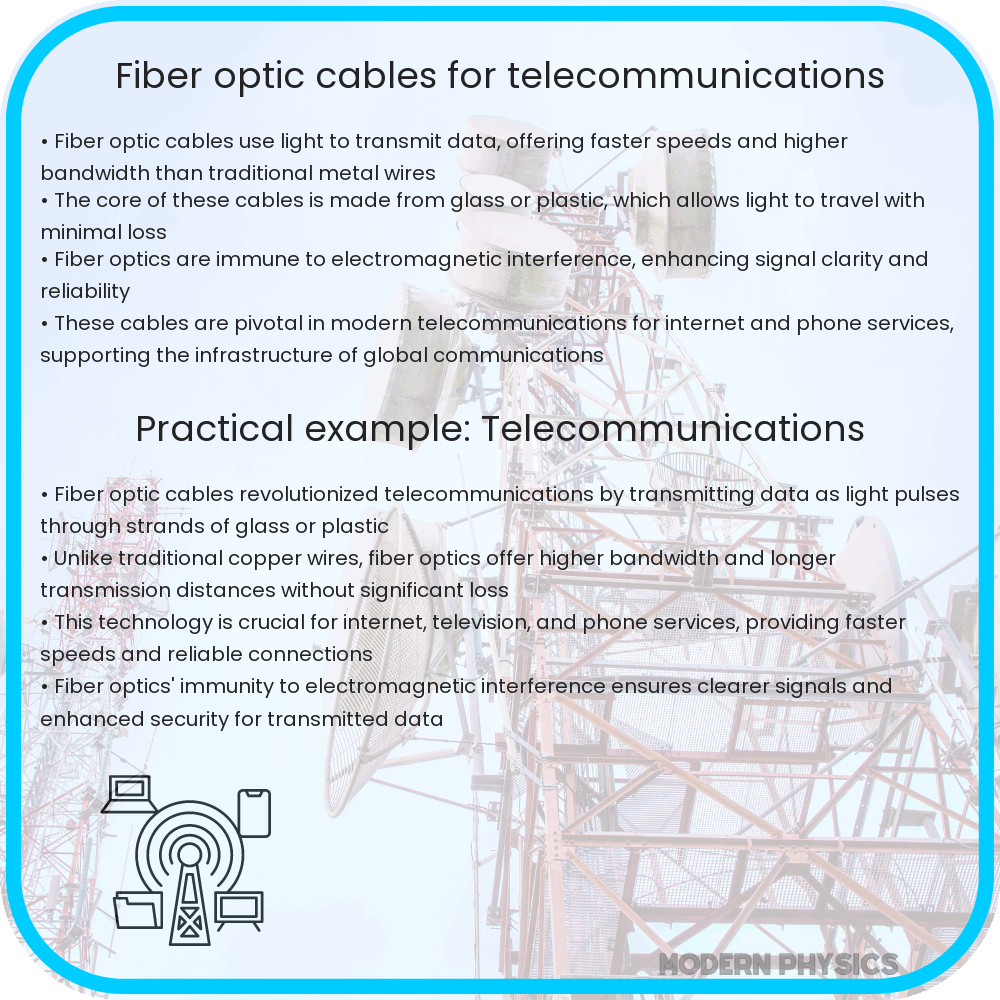
The integration of telecommunications and the Internet of Things (IoT) is revolutionizing how devices connect, communicate, and operate. Telecommunications infrastructure serves as the backbone for IoT devices, enabling seamless data exchange and device interactions across various sectors. This intersection is not just about connectivity; it’s about creating intelligent networks that facilitate smarter decision-making and operational efficiency.
Telecommunications plays a pivotal role in ensuring that IoT devices can function effectively by providing the necessary connectivity and bandwidth. The variety of communication technologies, including 4G, 5G, and low-power wide-area networks (LPWAN), enables IoT devices to transmit data in real-time, making them responsive and adaptable to the environment they operate within. For instance, smart appliances in homes utilize telecom networks to communicate user preferences and operational status, optimizing energy consumption.
Industries benefiting from IoT through telecommunications infrastructure
Numerous industries leverage telecommunications to enhance their operational capabilities through IoT. The following sectors illustrate how this integration drives efficiency and innovation:
- Healthcare: IoT devices such as remote patient monitoring systems rely on robust telecommunications networks to transmit vital signs and other health data, allowing healthcare providers to offer timely interventions.
- Manufacturing: Smart factories deploy IoT sensors connected via telecommunications to monitor equipment performance in real-time, reducing downtime and improving production efficiency.
- Agriculture: Precision farming utilizes IoT sensors to monitor soil conditions and weather patterns, with telecommunications facilitating data transmission to optimize irrigation and crop management.
- Transportation: Fleet management systems use IoT technology connected through telecommunications networks to track vehicle locations and optimize routes, significantly reducing operational costs.
- Smart Cities: IoT applications in urban environments, such as smart lighting and waste management, depend on telecommunications infrastructure to enhance resource management and improve urban living conditions.
Challenges related to connectivity and data management in an IoT ecosystem
While the benefits of IoT are substantial, several challenges must be addressed to harness its full potential. Connectivity issues and data management complexities are at the forefront of these challenges. The following points highlight key concerns:
- Network Congestion: As the number of IoT devices grows, existing telecommunications infrastructure may become overwhelmed, leading to latency and reduced reliability in data transmission.
- Data Security: With increased connectivity comes heightened risk of cyber threats. Protecting sensitive information transmitted across networks is critical to maintaining user trust and compliance with regulations.
- Interoperability: The variety of IoT devices from different manufacturers can lead to compatibility issues. Ensuring seamless communication between devices requires standardized protocols and effective integration strategies.
- Data Management: The vast amounts of data generated by IoT devices necessitate robust data management solutions. Businesses must invest in analytics and storage capabilities to derive actionable insights from this data.
- Power Consumption: Many IoT devices depend on battery power, creating challenges in maintaining longevity and functionality. Telecommunications technologies must evolve to support low-energy consumption solutions.
Effective telecommunications infrastructure is essential for the growth and success of IoT ecosystems, driving innovation and operational efficiencies across various sectors.
Customer experience and satisfaction in telecommunications services
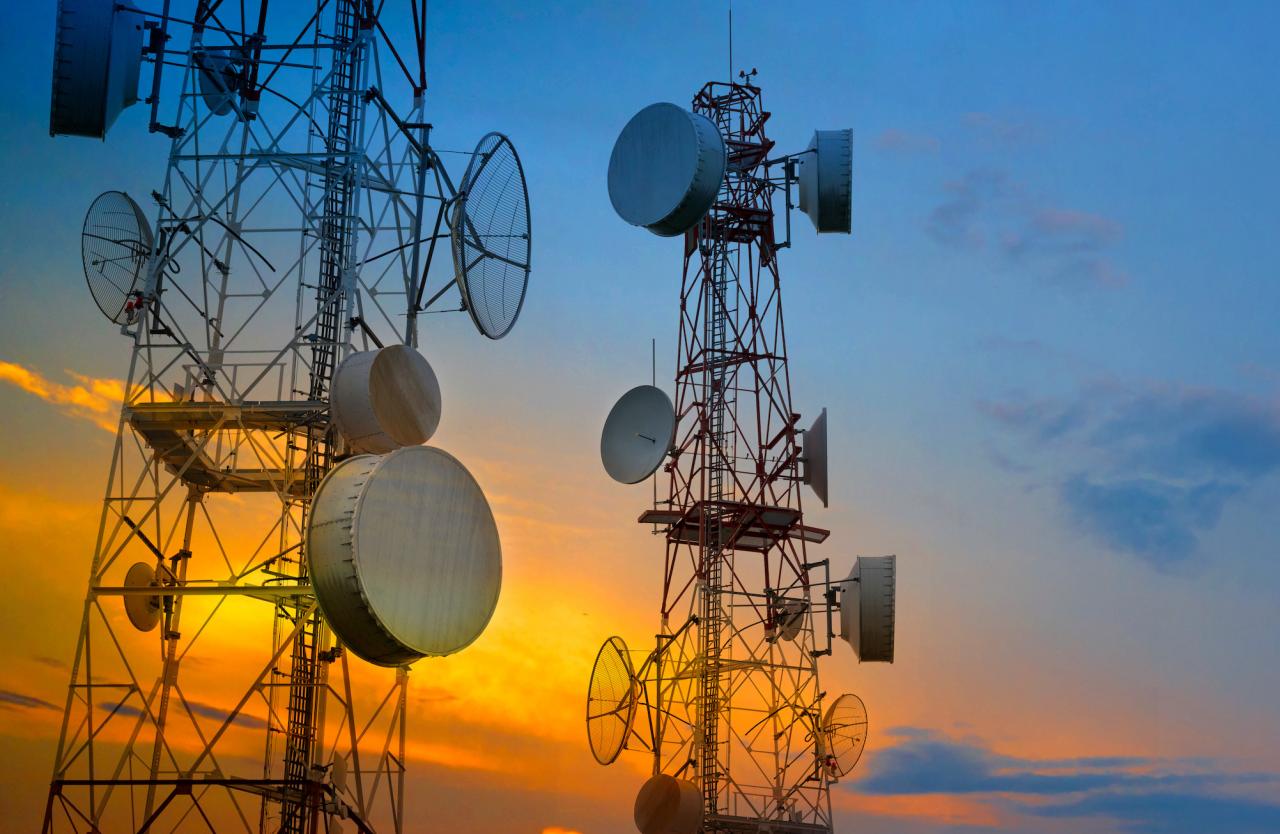
In the competitive landscape of telecommunications, customer experience and satisfaction play a pivotal role in determining a company’s success. As the industry evolves, understanding the factors that affect customer loyalty has become crucial. Companies that prioritize user-centric approaches not only enhance customer satisfaction but also foster long-term loyalty.
One significant aspect of customer experience in telecommunications services is the quality of interaction customers have with their providers. This interaction encompasses various touchpoints, including customer service, billing, and network performance. Thus, ensuring a seamless and positive experience across these areas is vital for customer retention.
Factors contributing to customer loyalty and satisfaction
Several factors significantly impact customer loyalty and satisfaction in the telecommunications sector. These factors include:
- Network Reliability: Consistent and reliable network performance is paramount. Customers expect uninterrupted service, especially with the increasing reliance on mobile and internet services for daily activities.
- Customer Service Responsiveness: Quick and effective responses to inquiries or issues enhance customer satisfaction. Companies need to invest in training customer service representatives to handle queries efficiently.
- Transparent Pricing: Clear pricing models without hidden fees build trust with customers. Customers appreciate straightforward billing that they can understand easily.
- Personalization: Tailoring services and offers to meet specific customer needs can significantly improve satisfaction levels. Utilizing data analytics helps companies understand and anticipate customer preferences.
Strategies to enhance user experience
Telecommunications companies can adopt various strategies to improve user experience and ensure higher customer satisfaction. Implementing these strategies can lead to more engaged and loyal customers.
- Investing in Technology: Leveraging advanced technologies such as AI and machine learning can streamline customer service operations, allowing for faster and more accurate responses to customer inquiries.
- Creating Omnichannel Support: Offering support across multiple channels—such as phone, chat, social media, and email—ensures customers can reach out in the way that is most convenient for them.
- Proactive Communication: Regular updates regarding service changes, outages, or upgrades keep customers informed and reduce frustration. Proactive outreach can also include personalized recommendations based on usage patterns.
- Gathering Customer Feedback: Actively seeking and implementing customer feedback is crucial for continuous improvement. Regular surveys and feedback mechanisms allow companies to understand customer needs better.
Impact of customer feedback on service improvements
Customer feedback plays a transformative role in shaping service improvements and innovations within the telecommunications industry. Gathering insights directly from users helps companies identify pain points and areas needing enhancement.
- Feedback Loops: Establishing structured feedback loops allows companies to collect, analyze, and act on customer insights effectively. This approach ensures that customers feel heard and valued.
- Benchmarking Against Competitors: Understanding customer perceptions in comparison to competitors provides valuable insights into strengths and weaknesses, guiding targeted improvements.
- Innovation Driven by Needs: By analyzing trends in customer feedback, companies can innovate services that directly cater to user demands, such as offering additional data packages or developing new features.
Ending Remarks
In summary, telecommunications is an ever-evolving field that continues to influence various aspects of our lives, from economic growth to technological advancements. As we look ahead, the integration of emerging technologies and a focus on cybersecurity will be crucial in shaping a connected future that benefits all users.
FAQ Corner
What is telecommunications?
Telecommunications refers to the transmission of information over distances using electronic means, such as telephones, internet, and satellite systems.
How does telecommunications impact everyday life?
It impacts everyday life by enabling instant communication, access to information, and facilitating various services like online banking and remote work.
What are the main components of telecommunications infrastructure?
The main components include transmission lines, switches, routers, and data centers that work together to facilitate communication.
How does telecommunications influence the gig economy?
It provides the necessary tools for freelancers and remote workers to connect, collaborate, and conduct business efficiently.
What challenges does the telecommunications industry face?
Challenges include regulatory compliance, cybersecurity threats, and the need to continuously invest in infrastructure to support growing demand.
What role does wireless technology play in telecommunications?
Wireless technology enables mobility and flexibility in communication, allowing devices to connect without physical cables.
How can customers improve their experience with telecommunications services?
Customers can improve their experience by providing feedback, seeking out companies with good customer service, and staying informed about their options.