Exploring the realm of Technology Roadmap invites you to discover a vital tool for organizations looking to align their tech strategies with business goals. This approach not only lays out a clear vision for technological advancement but also serves as a strategic guide to achieve innovation and efficiency.
By understanding the components and processes involved in creating an effective technology roadmap, businesses can leverage this framework to navigate the complexities of the digital landscape. Industries across the spectrum employ these roadmaps to make informed decisions, ensuring they stay ahead of the curve in an ever-evolving technological environment.
Understanding the Concept of a Technology Roadmap
A technology roadmap serves as a strategic tool that Artikels the vision, goals, and milestones for technology development within an organization. It acts as a guiding framework, helping businesses navigate the complexities of technological advancements while aligning their objectives with market demands. By providing a clear direction, a technology roadmap is essential for making informed decisions about investments in new technologies and ensuring that resources are allocated efficiently.
A technology roadmap is characterized by several key components that interlink to create a comprehensive plan. These components include a clear vision statement, strategic objectives, timelines, milestones, resource allocation, and metrics for success. The roadmap also highlights dependencies between projects and technologies, allowing organizations to visualize the relationships among different initiatives.
Essential Components of a Technology Roadmap
The essential components of a technology roadmap ensure that it serves its purpose effectively. Understanding these components is critical for any organization that aims to leverage technology strategically. The components include:
- Vision Statement: This encapsulates the long-term goals and aspirations of the organization regarding technology. It sets the direction for the roadmap.
- Strategic Objectives: These are specific goals that the organization aims to achieve within a defined timeframe, often aligned with broader business objectives.
- Timelines and Milestones: A detailed timeline that Artikels when specific objectives should be achieved. Milestones help track progress and keep the project on schedule.
- Resource Allocation: Identifying the resources required, including personnel, budget, and technology, ensures that the organization can support its strategic objectives.
- Metrics for Success: These are the criteria that measure the effectiveness and progress of the technology initiatives, helping to gauge success along the way.
Utilization of Technology Roadmaps Across Industries
Various industries utilize technology roadmaps as critical instruments for strategic planning. By tailoring these roadmaps to their specific needs, organizations can navigate technological changes while remaining competitive. For example:
- Information Technology: IT companies use technology roadmaps to plan software development cycles, ensuring timely releases and alignment with client needs.
- Healthcare: In healthcare, organizations develop roadmaps to integrate new technologies like electronic health records, ensuring compliance and enhanced patient care.
- Manufacturing: Manufacturers rely on technology roadmaps to adopt automation and smart manufacturing technologies, boosting efficiency and reducing costs.
“A well-crafted technology roadmap not only illustrates the path forward but also inspires teams to pursue innovation with purpose.”
By examining how different sectors apply technology roadmaps, it becomes evident that these strategic tools help organizations not only anticipate market trends but also respond proactively to changing environments. This adaptability is crucial for long-term sustainability and growth in an ever-evolving technological landscape.
The Process of Creating a Technology Roadmap
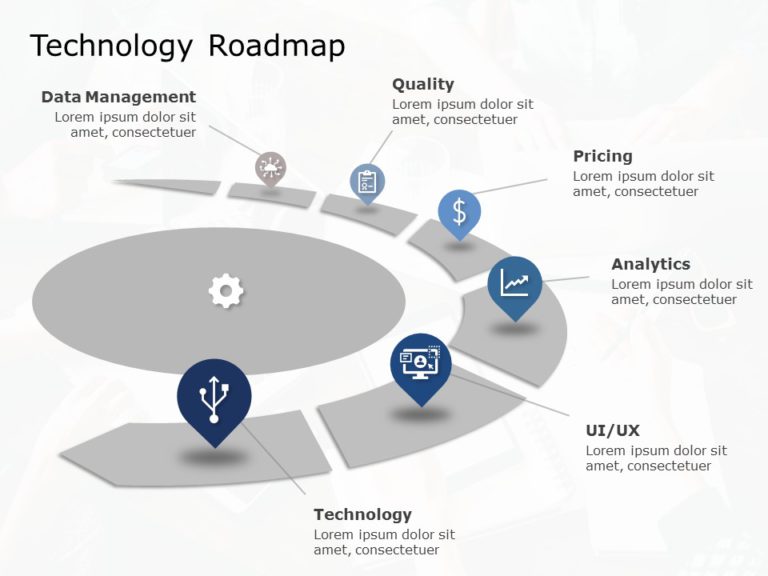
Creating a technology roadmap involves a systematic approach that aligns technological capabilities with business goals. This process is crucial for organizations looking to innovate and maintain a competitive edge. By following a structured methodology, companies can effectively map out their technology initiatives and ensure stakeholder alignment throughout the journey.
The development of a technology roadmap typically follows several key steps. This structured approach not only clarifies objectives but also facilitates collaboration among various stakeholders. Each step is vital in determining the roadmap’s success and relevance to the organization’s overarching vision and strategy.
Step-by-step Methodology
The process of creating a technology roadmap can be broken down into five essential steps:
- Define Vision and Objectives: Establish a clear vision that aligns with the organization’s strategic goals. This serves as the foundation for the roadmap.
- Identify Key Stakeholders: Engage relevant stakeholders such as executives, product managers, IT staff, and end-users to gather diverse perspectives and insights.
- Conduct Technology Assessment: Evaluate current technologies, tools, and processes to determine strengths, weaknesses, and areas for improvement.
- Prioritize Initiatives: Based on the assessments and stakeholder input, prioritize technology initiatives that will have the most significant impact on achieving the defined objectives.
- Develop Roadmap: Create a visual representation of the prioritized initiatives, including timelines, milestones, and resource allocations. This roadmap will guide technology implementation and development efforts.
Stakeholders Involved in Roadmap Creation
The involvement of various stakeholders is crucial to the success of the technology roadmap. Their diverse expertise and perspectives enhance the quality of the roadmap. Key stakeholders typically include:
- Executive Leadership: Provides strategic direction and ensures alignment with business goals.
- Product Managers: Offer insights into market demands and customer needs, guiding technology choices.
- IT Departments: Responsible for assessing current technologies, capabilities, and infrastructure.
- End-users: Feedback from users helps ensure that the technology meets practical needs.
- External Partners and Consultants: Can provide additional expertise and insights into industry trends and innovations.
Tools and Templates for Effective Technology Roadmap
Utilizing the right tools and templates can significantly enhance the process of creating a technology roadmap. These resources help streamline data collection, visualization, and stakeholder collaboration. Some popular tools include:
- Roadmapping Software: Platforms like Aha!, Roadmunk, and ProductPlan provide visual templates and collaborative features that simplify roadmap creation.
- Project Management Tools: Tools such as Trello or Asana can help manage tasks, deadlines, and responsibilities associated with roadmap initiatives.
- Spreadsheets: Excel or Google Sheets can be used for data analysis and to create customized roadmap templates, allowing for flexibility and detailed tracking.
In the development of a technology roadmap, employing these tools ensures that the process remains organized, transparent, and adaptable. This leads to a more effective roadmap that reflects the organization’s vision and strategies accurately.
Key Elements to Include in a Technology Roadmap
A technology roadmap serves as a strategic guide for organizations, detailing the planning and direction of technology initiatives. Its primary role is to align technology goals with business objectives, ensuring a clear path towards future advancements. Several key elements are essential to construct a comprehensive roadmap that is both actionable and effective.
Critical Elements of a Technology Roadmap
In order to create a robust technology roadmap, it is important to include several critical elements. These components provide structure and clarity, enabling stakeholders to understand the vision and objectives of the technology initiatives. The following list Artikels these essential elements:
- Vision and Objectives: Clearly define the overarching vision and specific objectives of the technology initiatives to guide all efforts.
- Current State Assessment: Evaluate the existing technology landscape, including current systems, processes, and capabilities.
- Future State Definition: Describe the desired future state of technology and how it will support business goals.
- Timeline: Establish a detailed timeline that Artikels phases of implementation, including short-term, medium-term, and long-term milestones.
- Resource Allocation: Identify the resources, including budget, personnel, and technology, required to implement the roadmap.
- Stakeholder Engagement: Recognize key stakeholders and their roles in the development and execution of the roadmap.
- Risk Assessment: Analyze potential risks and challenges, along with strategies for mitigation.
- Metrics and KPIs: Define metrics and key performance indicators (KPIs) to measure progress and success throughout the implementation phase.
Importance of Timelines and Milestones
Timelines and milestones are critical components of any technology roadmap, as they establish a framework for planning and execution. A well-structured timeline helps to visualize the sequence of events and activities, ensuring that stakeholders remain aligned and engaged throughout the process.
“A timeline not only delineates when tasks will be completed but also sets expectations for accountability and progress tracking.”
Incorporating milestones is equally important as they serve as checkpoints that allow teams to evaluate progress, celebrate achievements, and recalibrate efforts if necessary. These milestones can represent the completion of significant phases, such as the launch of a new product, the implementation of new software, or the achievement of a specific KPI. By documenting these key events, organizations are better equipped to manage their technology initiatives effectively.
Incorporating Metrics for Assessing Progress
Metrics play a vital role in the effectiveness of a technology roadmap, as they provide concrete data points that assess the success of initiatives. By establishing clear metrics, organizations can objectively evaluate progress against the defined goals Artikeld in the roadmap.
The following metrics are commonly utilized to assess progress:
- Adoption Rates: Measure the rate at which new technologies or processes are embraced by users within the organization.
- Performance Metrics: Track the efficiency and effectiveness of technology solutions in achieving desired outcomes.
- Cost Savings: Evaluate the financial impact of technology initiatives, specifically in terms of cost reduction or ROI.
- Customer Satisfaction: Assess user satisfaction and feedback to gauge the success of technology implementations from an end-user perspective.
- Compliance Metrics: Ensure that technology initiatives meet regulatory and industry standards.
By incorporating these metrics into the roadmap, organizations can create a data-driven approach to technology management. This enables timely adjustments and informed decision-making based on performance insights, ultimately driving the organization towards its strategic objectives.
Challenges Faced When Implementing a Technology Roadmap
Implementing a technology roadmap can be a daunting task for organizations, often filled with various obstacles that can hinder progress. These challenges can stem from internal resistance, lack of resources, or misalignment between business objectives and technology initiatives. Understanding these common pitfalls is essential for successful execution and long-term sustainability of technological advancements.
Anticipating and mitigating risks during the implementation process is crucial. Organizations must proactively identify potential barriers and develop strategies to address them. This involves conducting thorough assessments of the current technological landscape, involving stakeholders early in the process, and allocating sufficient resources to support change initiatives. Taking these steps can lead to a smoother transition and more effective adoption of new technologies.
Common Obstacles Encountered
When organizations embark on implementing a technology roadmap, they often face several significant challenges. Recognizing these obstacles can aid in developing strategies to overcome them. Here are key challenges often encountered:
- Resistance to Change: Employees may be hesitant to adopt new technologies, fearing job displacement or increased workload. Overcoming this resistance requires clear communication about the benefits of the new systems.
- Insufficient Resources: Limited budgets or personnel can restrict the ability to implement the roadmap effectively. Organizations should ensure proper resource allocation and consider phased implementations to manage costs.
- Poor Alignment with Business Goals: Technology initiatives that are not aligned with the overall business strategy can lead to wasted efforts and resources. Regular alignment meetings with key stakeholders can ensure consistency in objectives.
- Lack of Expertise: Implementing advanced technologies may require skills that are currently lacking within the organization. Investing in training programs or hiring external consultants can bridge this gap.
Risk Anticipation and Mitigation Strategies
Anticipating risks is critical for successful implementation of a technology roadmap. Organizations can adopt specific strategies to mitigate these risks effectively:
- Conducting Risk Assessments: Regularly evaluate potential risks throughout the implementation process, adjusting the roadmap as needed based on identified vulnerabilities.
- Creating Contingency Plans: Develop backup plans that can be activated in case primary strategies encounter roadblocks. This preparation can help minimize disruptions.
- Engaging Stakeholders: Involve key stakeholders in the planning and implementation phases to gain insights and cultivate support, reducing resistance and uncertainty.
Feedback Gathering and Roadmap Adjustments
Continuous feedback is essential for refining and adjusting the technology roadmap. Organizations can implement several methods to gather valuable insights and make necessary changes:
- Surveys and Interviews: Conduct regular surveys or one-on-one interviews with staff to assess their experiences and gather suggestions for improvement.
- Performance Metrics: Establish clear metrics to measure the success of the roadmap implementation. Analyzing these metrics can provide insights into areas needing adjustment.
- Agile Methodologies: Employ agile practices that allow for iterative development and adjustments based on real-time feedback and changing circumstances.
The Role of Technology Roadmaps in Innovation Management
Technology roadmaps serve as essential tools in guiding organizations through the complex landscape of innovation. By outlining strategic goals, timelines, and the integration of new technologies, these roadmaps not only provide a vision but also facilitate the structured approach needed for innovative initiatives. They aid teams in identifying key milestones and aligning resources effectively, ultimately driving successful outcomes.
The effectiveness of technology roadmaps in fostering innovation is evident through their structured approach to planning and execution. They enable organizations to visualize the interconnections between various technological advancements and business objectives. This clarity helps teams focus their efforts on the most critical innovations while minimizing risks associated with uncertainty and misalignment.
Facilitation of Strategic Innovation
An effective technology roadmap facilitates strategic innovation by aligning research and development (R&D) with an organization’s overall vision. The roadmap serves as a bridge between current capabilities and future potential, guiding decision-makers in prioritizing projects that align with long-term goals. For instance, the automotive industry has seen significant advancements through roadmap utilization, particularly in the development of electric and autonomous vehicles. Companies like Tesla have effectively leveraged roadmaps to transition from traditional vehicles to cutting-edge models, significantly impacting the market.
Furthermore, technology roadmaps can help identify emerging technologies that can drive innovation. By systematically analyzing trends and forecasting future developments, organizations can more accurately pinpoint areas ripe for investment. This proactive approach allows companies to stay ahead of the curve, harnessing new technologies before competitors do.
“Technology roadmaps are not just about tracking technological advancements; they are about understanding how these advancements align with business strategies.”
Successful Innovations Driven by Roadmaps
Numerous successful innovations have emerged as a direct result of effective technology roadmap implementation. For example, the development of smartphones transformed the telecommunications industry. Companies like Apple utilized detailed roadmaps to plan the integration of hardware and software, leading to the creation of the iPhone. This product not only redefined mobile technology but also established a new ecosystem for applications and services, fundamentally changing consumer behavior.
In the field of renewable energy, organizations like Siemens have used roadmaps to pivot towards sustainable technologies. Their focus on wind and solar energy, guided by comprehensive roadmaps, has resulted in innovations that have significantly reduced carbon footprints while meeting increasing energy demands.
“Innovation is not solely about inventing new technologies; it is equally about strategically managing existing technologies to create value.”
Impact of Emerging Technologies on Roadmap Strategy
Emerging technologies play a crucial role in shaping the innovation strategies Artikeld in technology roadmaps. As new technologies arise, they provide opportunities for organizations to enhance their capabilities and expand their market reach. For example, the integration of artificial intelligence (AI) and machine learning into business processes has led to breakthroughs in data analysis and customer engagement. Companies like Google and Amazon have incorporated these technologies into their roadmaps, leading to advancements in personalized marketing and user experience.
Additionally, the rapid evolution of digital technologies necessitates frequent updates to technology roadmaps. Companies that remain agile and responsive to these changes are better positioned to capitalize on new opportunities. Regularly revisiting and adjusting roadmaps ensures that organizations remain aligned with the latest technological advancements and market demands.
In summary, the strategic utilization of technology roadmaps not only facilitates innovation within organizations but also enhances their ability to adapt to emerging technologies. By maintaining a clear focus on both current and future technological landscapes, organizations can drive successful innovation and sustain competitive advantage.
Evaluating the Effectiveness of a Technology Roadmap
To ensure the success of a technology roadmap, it is essential to evaluate its effectiveness after implementation. This evaluation not only helps in measuring the impact of the roadmap but also in identifying areas for improvement. By assessing the outcomes, organizations can align their technology initiatives with strategic goals, optimize resource allocation, and enhance overall performance.
Effectiveness can be assessed through various criteria that reflect the roadmap’s objectives, stakeholder satisfaction, and the tangible benefits derived from its execution. It is vital to establish metrics that are both qualitative and quantitative, providing a holistic view of the roadmap’s performance.
Criteria for Assessing Success
Establishing clear criteria is critical for evaluating the success of a technology roadmap. The following factors are important to consider when assessing its effectiveness:
- Alignment with Business Goals: The roadmap should directly support the strategic objectives of the organization, ensuring that technology initiatives contribute to broader business outcomes.
- Stakeholder Satisfaction: Gathering feedback from stakeholders involved in the implementation can provide insights into their satisfaction and engagement with the roadmap.
- Achievement of Key Performance Indicators (KPIs): Tracking specific KPIs related to technology adoption, cost savings, and efficiency improvements will help measure the roadmap’s success.
- Return on Investment (ROI): Evaluating the financial benefits relative to the costs incurred in executing the roadmap is crucial for determining its overall value.
- Innovation and Competitive Advantage: Assessing the roadmap’s contribution to innovation and how it positions the organization against competitors is also significant.
Methods for Collecting Data and Feedback
Collecting relevant data and feedback is essential for a comprehensive evaluation of a technology roadmap. Various methods can be employed to gather insights:
- Surveys and Questionnaires: Distributing surveys to stakeholders can provide valuable feedback on their experiences and satisfaction levels concerning the roadmap’s implementation.
- Interviews and Focus Groups: Conducting interviews and focus group discussions can offer deeper qualitative insights and perspectives on the roadmap’s effectiveness.
- Performance Metrics Analysis: Analyzing performance data against the established KPIs allows for a quantitative assessment of the roadmap’s impact.
- Benchmarking: Comparing outcomes with industry standards or best practices can help identify gaps and areas for improvement.
Framework for Regularly Reviewing and Updating the Roadmap
A structured approach to regularly reviewing and updating the technology roadmap ensures its relevance and adaptability to changing conditions. The following framework can be applied:
- Establish Review Cadence: Set a regular schedule for reviews, such as quarterly or bi-annual evaluations, to assess progress and make necessary adjustments.
- Engage Stakeholders: Involve key stakeholders in the review process to gather diverse insights and foster ownership of the roadmap.
- Analyze Emerging Trends: Stay informed about emerging technology trends and industry developments that may impact the roadmap.
- Document Changes: Keep a detailed record of any updates made to the roadmap, including rationales for adjustments and their anticipated impacts.
- Communicate Updates Effectively: Ensure that all stakeholders are kept informed of any changes to the roadmap to maintain alignment and transparency.
Future Trends in Technology Roadmapping
As we venture into an era dominated by rapid technological advancements, the landscape of technology roadmapping is evolving. Emerging trends are reshaping how organizations plan for the future, ensuring they remain competitive and responsive to market needs. Understanding these trends is essential for stakeholders aiming to align their strategies with the future direction of technology.
One of the most significant shifts in technology roadmapping is the impact of digital transformation. Organizations are increasingly leveraging digital tools to enhance their roadmap strategies, moving from traditional methods to more dynamic, data-driven approaches. This transformation is characterized by the integration of various technologies, enabling better visualization, collaboration, and alignment across teams.
Emerging Trends Influencing Roadmapping
Several notable trends are emerging that are likely to influence the future of technology roadmaps. These trends include:
- Cloud Computing: The adoption of cloud solutions enables organizations to scale resources as needed, fostering agility in roadmap execution.
- Blockchain Technology: This technology is increasingly being used to enhance security and transparency in transactions, which can impact the way technology roadmaps are developed.
- Internet of Things (IoT): The proliferation of connected devices creates new opportunities and challenges in data management and analysis, influencing strategic directions in roadmaps.
- 5G Technology: The rollout of 5G networks is set to enhance connectivity, enabling faster data exchanges and potentially redefining product and service offerings.
These trends highlight the need for organizations to remain flexible and innovative in their approach to technology roadmapping.
Digital Transformation Reshaping Roadmap Strategies
Digital transformation is fundamentally altering traditional roadmap strategies by fostering a culture of continuous improvement and responsiveness. Traditionally, roadmaps were static documents that Artikeld a clear trajectory for technology deployment. Now, organizations are adopting more iterative approaches that allow for real-time adjustments based on market feedback and technological advancements.
Key aspects of this transformation include:
- Agile Methodologies: Incorporating agile practices allows for quicker iterations and adaptations to changing market conditions.
- Data-Driven Decision Making: Utilizing analytics to inform strategic decisions ensures that roadmaps are aligned with current trends and consumer behaviors.
- Collaboration Tools: Leveraging collaborative platforms enhances communication among stakeholders, leading to more cohesive and comprehensive roadmap development.
This evolution emphasizes the importance of flexibility and responsiveness in technology planning.
Role of Artificial Intelligence in Roadmap Development
Artificial intelligence (AI) is playing an increasingly vital role in the development of technology roadmaps. By automating data analysis and providing predictive insights, AI tools enhance the accuracy and relevance of roadmap strategies.
The contributions of AI can be observed in several areas:
- Predictive Analytics: AI algorithms can forecast trends and consumer preferences, enabling organizations to make informed decisions regarding technology investments.
- Risk Management: AI can identify potential risks in roadmap execution by analyzing historical data and current market conditions, allowing for proactive mitigation strategies.
- Resource Allocation: AI can optimize resource distribution based on project requirements and timelines, ensuring that teams are working efficiently towards roadmap milestones.
By integrating AI into technology roadmapping, organizations can enhance their strategic planning and execution, ultimately leading to better outcomes in their projects.
Ultimate Conclusion
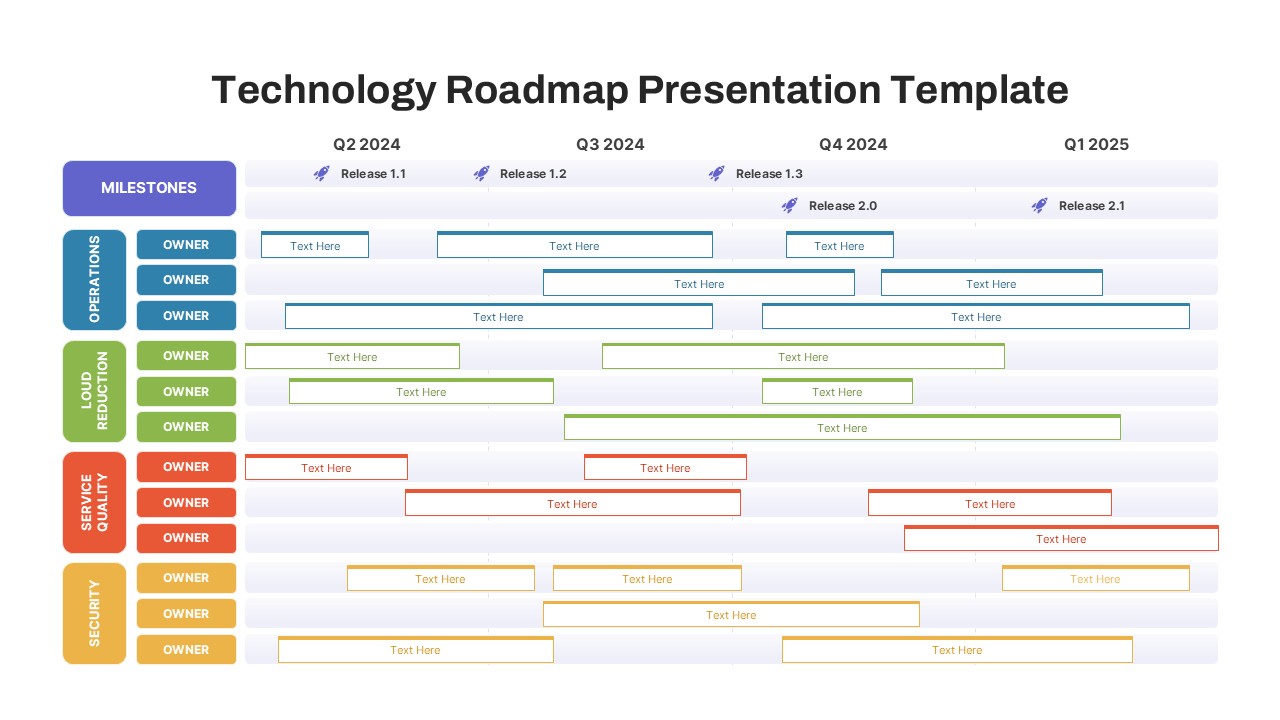
Ultimately, a well-crafted Technology Roadmap is more than just a plan; it’s a strategic asset that fosters innovation and guides organizations through the challenges of implementation. By regularly evaluating and adapting these roadmaps, businesses can embrace future trends and ensure sustainable growth in a rapidly changing world.
Query Resolution
What is the purpose of a technology roadmap?
A technology roadmap serves to Artikel an organization’s tech strategy, aligning technology initiatives with business goals and providing a clear path for innovation.
Who should be involved in creating a technology roadmap?
Stakeholders can include executives, project managers, IT specialists, and representatives from various departments who provide insights into organizational needs and capabilities.
How often should a technology roadmap be updated?
It is recommended to review and update a technology roadmap regularly, typically annually or bi-annually, to reflect changes in business priorities, technology trends, and market conditions.
What are some common mistakes when implementing a technology roadmap?
Common mistakes include lack of stakeholder involvement, insufficient communication, ignoring changes in technology trends, and failing to set measurable goals.
Can a technology roadmap be used for all industries?
Yes, technology roadmaps are versatile and can be adapted for various industries, though their specific focus and components may vary based on the industry’s unique needs.