Technical Debt is a crucial concept in software development that can significantly impact the success and longevity of a project. Much like a financial debt, technical debt arises from the trade-offs made during development, often prioritizing short-term gains over long-term sustainability. Understanding this concept helps developers make informed decisions that balance immediate project needs with future maintainability.
From its origins in software engineering to its relevance in today’s fast-paced development environments, technical debt manifests in various forms—ranging from messy code to incomplete documentation. By recognizing its significance, teams can better navigate the complexities of software projects and foster a culture of continuous improvement.
Understanding the Concept of Technical Debt in Software Development
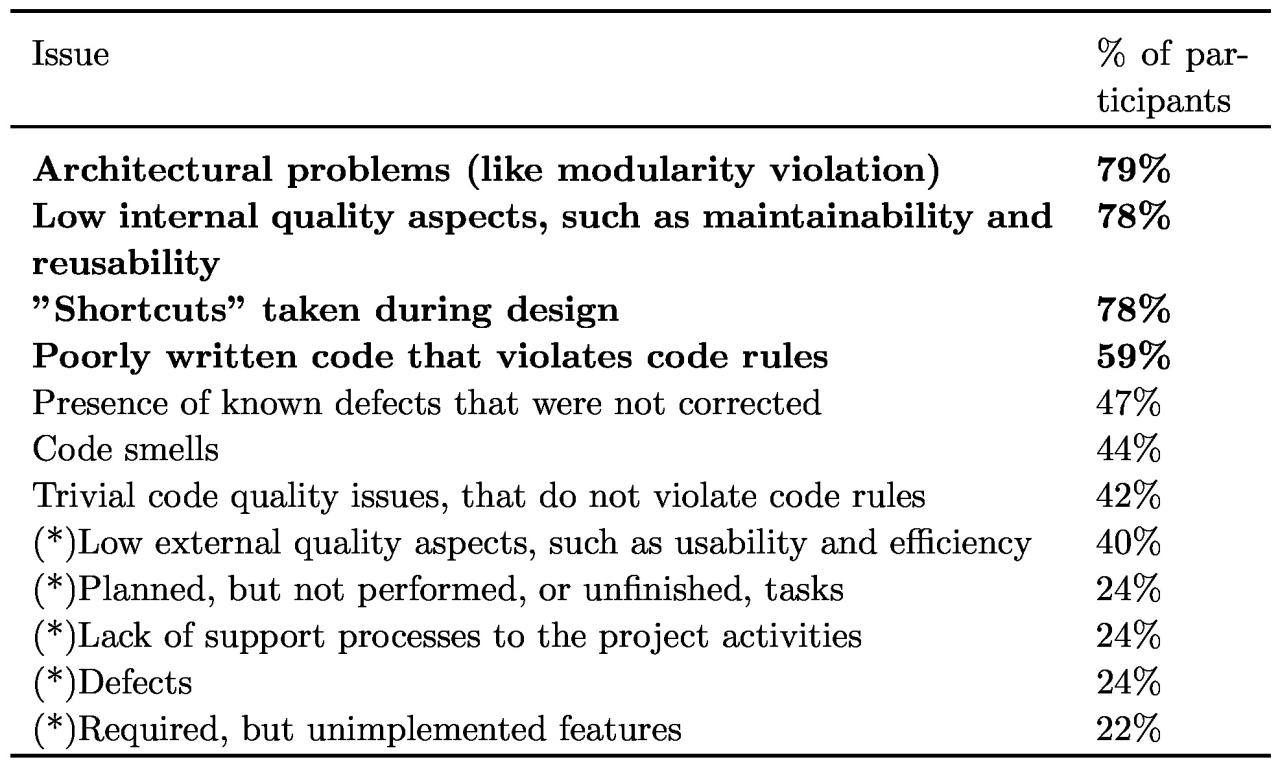
Technical debt is a metaphor that describes the trade-offs faced by software developers when they prioritize speed and expediency over the long-term health of a codebase. Much like financial debt, accruing technical debt can provide short-term benefits but can lead to larger issues in the future if not managed properly. Its significance in the software lifecycle cannot be overstated, as it impacts maintainability, scalability, and overall performance of software systems.
The term “technical debt” was coined by Ward Cunningham in the 1990s to encapsulate the idea that taking shortcuts in software development incurs a “debt” that will need to be repaid later. This concept has become increasingly relevant in modern software engineering practices, particularly in agile methodologies where rapid iterations and MVPs (Minimum Viable Products) are common. Understanding technical debt helps teams assess the trade-offs they make during development and adopt strategies to manage it effectively.
Examples of Technical Debt in Various Programming Environments
Several scenarios can lead to the accumulation of technical debt across different programming environments. Recognizing these examples is vital for developers to understand the implications of their coding practices.
In a web development setting, technical debt may manifest as:
-
Hardcoded values
in JavaScript that limit the flexibility and scalability of the application.
- Using outdated libraries or frameworks, which can lead to security vulnerabilities and lack of support.
- Neglecting to implement responsive design principles, resulting in a poor user experience on various devices.
In mobile app development, examples include:
-
Relying on deprecated APIs
that may no longer be supported in future versions of the operating system.
- Implementing quick fixes instead of proper debugging processes, which can introduce new bugs over time.
- Failing to optimize the application for performance, leading to slow load times and reduced user satisfaction.
In enterprise software, technical debt can occur through:
-
Complex and tangled codebases
that make it difficult to implement new features or fix existing bugs.
- Inadequate documentation that hinders onboarding of new developers and slows down project progress.
- Use of legacy systems that are costly to maintain and integrate with modern technologies.
The Different Types of Technical Debt and Their Impact on Projects
Understanding the various types of technical debt is essential for managing software projects effectively. Each type can manifest differently and, when neglected, may lead to significant long-term consequences. By categorizing technical debt into distinct types, we can better assess their impacts and devise strategies for mitigation.
Technical debt can be broadly categorized into three main types: design debt, code debt, and documentation debt. Each type presents unique challenges and can adversely affect the overall health of a software project. Recognizing these debts early on allows teams to prioritize their efforts and maintain a sustainable development pace.
Design Debt
Design debt refers to compromises made in the architecture or design of a software project, often due to time constraints or evolving requirements. The impacts of design debt can be extensive. Poor architecture choices can lead to scalability issues, increased complexity, and difficulty in implementing new features.
For example, a team might opt for a quick design solution that seems adequate in the short term but ultimately results in a monolithic architecture. As the application grows, this design choice makes it increasingly challenging to add functionalities or refine existing features, leading to a backlog of design-related issues that can hinder progress.
Code Debt
Code debt arises when developers take shortcuts in code quality, potentially sacrificing best practices for expediency. This type of debt can significantly affect project maintainability and introduce bugs. Code that is not properly tested or poorly structured can lead to increased debugging time and difficulty in onboarding new developers.
A real-world scenario involves a startup that used a rapid development framework to launch its product quickly. While the initial release was a success, the codebase became increasingly tangled, resulting in frequent crashes and performance issues as new features were added. The team found themselves spending more time fixing bugs than developing new functionalities, leading to lost market opportunities.
Documentation Debt
Documentation debt occurs when there is insufficient or outdated documentation related to the software project. This type of debt can create confusion among team members and lead to miscommunication during development. Accurate and up-to-date documentation is vital for onboarding new team members and ensuring that everyone understands the system’s architecture and functionality.
For instance, consider a situation where an organization fails to update its API documentation after numerous changes. New developers rely on outdated information, leading to incorrect implementations and a lengthy troubleshooting process. This not only delays project timelines but also increases the potential for costly errors that can impact the end-user experience.
“Technical debt is like financial debt; if left unchecked, it can lead to a bankruptcy of the project.”
Addressing technical debt proactively is crucial for ensuring a software project’s long-term success. By recognizing and categorizing the different types of technical debt, teams can develop strategies to manage and mitigate their impact on projects effectively.
Strategies to Identify and Measure Technical Debt in Software Projects
In software development, understanding and managing technical debt is crucial for maintaining a healthy codebase and ensuring long-term success. Identifying and measuring technical debt allows development teams to prioritize refactoring efforts, allocate resources appropriately, and enhance overall code quality. Here are several effective strategies to aid in this process.
Methods for Regular Assessment of Technical Debt
Regular assessments of technical debt can illuminate areas of concern within the codebase. These methods foster an ongoing dialogue within the development team about code quality and technical constraints. Common practices include:
- Code Reviews: Frequent code reviews encourage team members to scrutinize each other’s work, providing insights into potential technical debt. Issues can be flagged during the review process, ensuring that they are addressed promptly.
- Pair Programming: This collaborative method allows two developers to work on the same code simultaneously, facilitating immediate feedback and knowledge sharing, which can help identify debt more effectively.
- Documentation Practices: Maintaining thorough documentation of architectural decisions and code changes helps teams track technical debt over time and increases awareness of its implications.
Tools and Metrics for Quantifying and Prioritizing Technical Debt
A variety of tools and metrics exist to help development teams quantify and prioritize their technical debt effectively. Using these resources can provide a clearer picture of the debt landscape and guide strategic decisions. Notable tools and metrics include:
- Static Code Analysis Tools: Tools like SonarQube and ESLint analyze code automatically to identify issues that contribute to technical debt, such as code smells, complex code, and lack of unit tests.
- Technical Debt Ratio: This metric compares the cost to fix the debt with the cost of development. A higher ratio indicates more technical debt relative to the development effort and may necessitate prioritization for remediation.
- Code Complexity Metrics: Metrics like cyclomatic complexity and maintainability index can help identify areas of code that are difficult to understand and maintain, directly linking to technical debt.
Implementing Technical Debt Audits
Conducting technical debt audits is essential for understanding the scope and impact of technical debt within a software project. An audit can serve as a baseline assessment, allowing teams to formulate strategies for improvement. Effective implementation involves several key steps:
- Define Audit Scope: Determine which parts of the codebase will be audited and establish the criteria for what constitutes technical debt.
- Collaborative Assessment: Involve the entire development team in the audit to get diverse perspectives on the codebase and ensure comprehensive coverage of potential debt areas.
- Prioritization of Findings: Once identified, technical debt items should be prioritized based on their impact on the project. High-impact items should be addressed first to minimize risks.
- Establish a Remediation Plan: Create a clear plan outlining how to address the identified technical debt, including timelines and responsible team members.
“Regularly assessing technical debt helps maintain a sustainable pace of development while improving code quality.”
The Relationship Between Technical Debt and Agile Methodologies
In the rapidly evolving world of software development, technical debt and Agile methodologies often go hand in hand. Understanding their relationship is essential for teams striving to deliver high-quality products while maintaining a flexible and iterative approach. Agile practices emphasize quick iterations and adaptability, but they can also lead to accrued technical debt if not managed carefully.
The interaction between technical debt and Agile practices is multifaceted. Agile methodologies prioritize delivering functional software over comprehensive documentation, which can sometimes lead to shortcuts in design and implementation. This can contribute to the accumulation of technical debt. Agile teams, while focused on delivering features quickly, must remain vigilant about the long-term implications of their decisions on code quality and maintainability. Balancing immediate deliverables with the need to manage technical debt is crucial to sustaining the health of a codebase over time.
Strategies for Managing Technical Debt in Agile
Agile methodologies typically adopt a proactive approach to managing technical debt compared to traditional methodologies. Here are some key strategies that Agile teams use to address technical debt effectively:
- Regular Refactoring: Agile teams often allocate time during each sprint to refactor code, enhancing its structure without altering its external behavior. This practice helps reduce technical debt incrementally.
- Definition of Done: Incorporating technical debt considerations into the “Definition of Done” ensures that new features are not added at the expense of existing code quality. This commitment helps maintain balance.
- Backlog Prioritization: Agile teams can prioritize technical debt items in the product backlog. By treating technical debt like any other task, teams can allocate resources to address it systematically.
- Continuous Integration and Testing: Emphasizing automated testing and continuous integration helps catch issues early, preventing the accumulation of technical debt through regression errors.
The strategies used in Agile methodologies differ significantly from those employed in traditional approaches, which often prioritize extensive planning and documentation. In traditional methodologies, technical debt may be addressed infrequently, typically during a dedicated phase after development is complete, leading to larger, more cumbersome debt issues.
Balancing Speed of Delivery with Technical Debt
Finding the right balance between rapid delivery and addressing technical debt is a challenge that Agile teams face regularly. While the Agile framework encourages quick iterations to adapt to changing requirements, it is essential to address the underlying quality of the codebase to avoid future complications.
Key considerations include:
- Incremental Improvement: Agile teams can achieve a better balance by focusing on continuous improvement. This means regularly assessing the state of the code and making small enhancements rather than deferring larger refactoring efforts.
- Collaboration with Stakeholders: Engaging stakeholders in discussions about technical debt can help prioritize its resolution. Transparency about the implications of technical debt can foster understanding and support for refactoring initiatives.
- Feedback Loops: Implementing feedback loops, such as regular retrospectives, allows teams to reflect on their practices and address technical debt issues as they arise, promoting long-term sustainability.
- Setting Clear Goals: Establishing clear goals for both delivery and technical debt management can help teams navigate the trade-offs between the two, ensuring that neither is neglected.
By employing these strategies, Agile teams can effectively manage technical debt while still delivering high-quality products at a rapid pace. Acknowledging the interplay between speed and quality is vital for maintaining a healthy development process.
The Role of Technical Debt in Long-term Software Maintenance and Evolution
Technical debt serves as a crucial consideration in the long-term maintenance and evolution of software systems. As projects develop, the accumulation of compromises and quick fixes can lead to significant challenges in sustaining quality and performance over time. Understanding the implications of technical debt is essential for ensuring that software remains maintainable and scalable as it evolves.
Technical debt can profoundly influence the maintainability and scalability of software over time. When developers opt for expedient solutions or shortcuts, they may inadvertently create a codebase that becomes harder to understand and modify. This can lead to a snowball effect where the cost of implementing new features or fixing bugs increases steadily. As technical debt compounds, the time required for maintenance grows, hindering the software’s ability to adapt to new market demands or technological advancements. Moreover, as the software ages, the original intent and architecture may become obscured, increasing the risk of introducing new issues.
Challenges of Unaddressed Technical Debt
The challenges that arise when technical debt is not addressed during maintenance phases can be extensive and costly. A few notable consequences include:
- Increased Maintenance Costs: As technical debt grows, the complexity of the code increases, leading to higher costs associated with bug fixes and feature implementation.
- Decreased Developer Morale: Developers often feel frustration when working with poorly maintained code, which can impact productivity and lead to higher turnover rates.
- Longer Time-to-Market: The presence of technical debt can delay the rollout of new features, as teams spend more time resolving underlying issues rather than innovating.
- Risk of System Failure: Accumulated technical debt may result in critical failures, as outdated code or systems can no longer support modern requirements.
- Difficulty in Onboarding New Developers: A complex and tangled codebase can pose challenges for new team members, prolonging the onboarding process and hindering team cohesion.
To illustrate the importance of managing technical debt, consider the example of a successful software evolution case. A well-known e-commerce platform faced significant growth, leading to increased user traffic and business demands. Initially, the development team made several compromises to launch features quickly, resulting in a substantial amount of technical debt. However, recognizing the long-term implications, the team implemented a strategy to address technical debt through regular refactoring, improved documentation, and code reviews.
This proactive approach allowed them to gradually reduce the complexity of the codebase while maintaining the pace of feature releases. Over time, they were able to enhance system performance, improve developer satisfaction, and ultimately achieve a balance between innovation and stability. By managing technical debt effectively, they not only ensured the software’s scalability but also positioned themselves for sustained growth in an evolving market.
Best Practices to Manage and Reduce Technical Debt
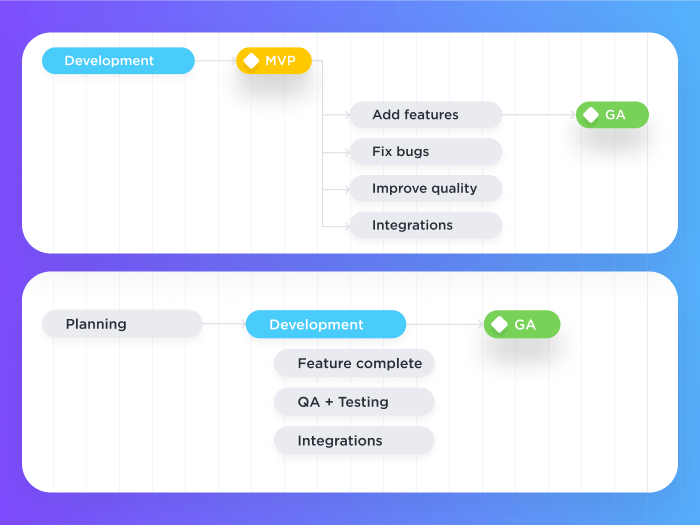
Technical debt is an inevitable aspect of software development, but with the right strategies, it can be effectively managed and minimized. By adopting best practices, development teams can significantly reduce the burden of technical debt while enhancing the overall quality of their projects. Understanding how to proactively manage this debt not only streamlines development processes but also fosters a sustainable and productive environment for developers.
Implement Regular Code Reviews
Code reviews are integral to maintaining code quality and identifying potential issues early in the development process. Engaging team members in regular code reviews encourages collective ownership of the codebase and facilitates knowledge sharing. This practice helps to catch technical debt before it accumulates, ensuring that all team members are aligned on coding standards and best practices.
- Encourages collaboration among team members.
- Identifies and addresses code smells and anti-patterns promptly.
- Enhances knowledge transfer and on-boarding of new developers.
Adopt Agile Methodologies
Utilizing Agile development practices allows teams to deliver software in smaller, manageable increments. This iterative approach enables teams to focus on high-priority features and makes it easier to reassess and refactor code as needed, preventing the accumulation of technical debt.
- Frequent iterations lead to continuous improvement.
- Allows for flexibility in addressing changes and refactoring.
- Encourages regular feedback from stakeholders.
Maintain Comprehensive Documentation
Documentation serves as a crucial resource for any development team. Ensuring that both internal processes and code are well-documented can significantly reduce confusion and inefficiencies, ultimately minimizing technical debt.
- Aids new developers in understanding the project quickly.
- Facilitates easier updates and maintenance of the codebase.
- Reduces dependency on individual knowledge, creating a more resilient team.
Establish Coding Standards
Implementing coding standards helps maintain consistency across the codebase, making it easier to read and maintain. By setting common guidelines, teams can avoid creating unnecessary complexity that often leads to technical debt.
- Promotes best practices and reduces code divergence.
- Minimizes future refactoring efforts due to inconsistent styles.
- Encourages adherence to industry standards, improving overall code quality.
Prioritize Technical Debt Management
Incorporating technical debt management into the team’s workflow is essential. Making it a priority ensures that teams allocate resources and time to address existing debt while preventing future accumulation.
- Set aside dedicated time in each sprint for refactoring and addressing debt.
- Track and measure technical debt to understand its impact on the project.
- Communicate the value of reducing technical debt to all stakeholders.
Case Studies of Successful Technical Debt Reduction
Several organizations have successfully navigated the challenges of technical debt through strategic initiatives. For instance, a well-known retail company implemented a systematic approach to identifying and addressing areas of technical debt, resulting in a 30% reduction in bug reports and a 50% improvement in deployment frequency.
Another example is a financial services firm that adopted Agile practices, allowing them to reduce their technical debt by prioritizing feature development and refactoring efforts. Their focus on continuous integration and deployment led to a significant increase in overall system stability and a marked decrease in maintenance costs.
These examples highlight the importance of proactive strategies in managing technical debt and underscore the effectiveness of well-structured practices within development teams.
The Cost Implications of Ignoring Technical Debt in Software Development
Ignoring technical debt is a common pitfall in software development that can lead to significant cost implications over time. While the allure of short-term savings may seem enticing, the accumulated costs related to technical debt can swiftly escalate, impacting not only financial resources but also project timelines and overall team morale. By examining the breakdown of these costs and understanding the long-term effects of neglecting technical debt, organizations can make informed decisions about their software development practices.
Potential Costs Associated with Accumulated Technical Debt
The costs associated with accumulated technical debt can manifest in various ways, affecting both operational efficiency and financial performance. It’s essential to recognize that these costs are not merely theoretical; they often translate into tangible budgetary issues. Key cost areas include:
- Increased Maintenance Costs: As technical debt grows, maintaining existing software becomes more complex and time-consuming. This often results in higher personnel expenses, as developers spend more hours fixing bugs and dealing with outdated code rather than creating new features.
- Opportunity Costs: When teams are bogged down by technical debt, they miss out on valuable opportunities to innovate or pivot. This can lead to lost market share as competitors who invest in cleaner code and agile practices move ahead.
- Project Delays: Technical debt can result in frequent delays in project timelines, as teams struggle to navigate legacy systems or poorly written code. Delays can cascade, impacting not only individual projects but also the overall roadmap of the organization.
- Quality Issues: Software laden with technical debt is often more prone to bugs and errors, leading to increased customer complaints and potential damage to brand reputation. The costs associated with customer dissatisfaction can be substantial, both in lost sales and increased support costs.
Short-Term Savings Versus Long-Term Expenses
When weighing the decision to address technical debt, it’s crucial to compare the short-term savings against the long-term expenses that may arise from neglect. While skipping refactoring or debt repayment can initially preserve capital, the long-term ramifications can be profound.
“Investing in debt repayment today can save an organization from exponential costs tomorrow.”
Factors to consider include:
- Immediate Budget Relief: Not addressing technical debt can free up immediate budgetary concerns, allowing teams to allocate funds elsewhere temporarily.
- Future Financial Burden: In contrast, the long-term financial burden created by technical debt can overshadow initial savings. Projects that face delays or require extensive rework due to technical debt can easily exceed the costs of proactive maintenance and refactoring.
Illustrative Examples of Poor Management
Real-life examples highlight how neglecting technical debt can lead to project failures. For instance, a major airline’s software system, which was known for its outdated architecture and complex codebase, faced catastrophic failures during peak travel seasons. The technical debt that had accrued over the years not only resulted in significant downtime but also cost the company millions in lost revenue and customer trust.
Another example involves a leading financial institution that delayed addressing technical debt in its compliance software. The eventual scramble to fix issues ahead of a regulatory deadline resulted in a rushed, inadequate solution, leading to hefty fines and a damaged reputation.
These cases illustrate that the costs of ignoring technical debt are not confined to financial metrics alone; they also bear substantial strategic and reputational implications. By proactively managing technical debt, organizations can safeguard their project outcomes and maintain their competitive edge.
Technical Debt and Its Influence on Team Morale and Productivity
Technical debt is not just a technical issue; it profoundly influences team morale and productivity. When a team grapples with unresolved technical debt, it can lead to frustration, decreased motivation, and ultimately a dip in productivity. Understanding this relationship is crucial for fostering a healthy work environment where innovation can thrive alongside well-managed technical debt.
The impact of technical debt on team dynamics can be multifaceted. A team burdened with excessive technical debt often experiences stress and burnout, as developers are forced to spend time firefighting issues rather than focusing on new features or improvements. This situation can lead to a culture of blame, where developers feel they are constantly caught in a reactive mode, undermining their sense of ownership and satisfaction in their work. Research shows that a direct correlation exists between high levels of stress from technical debt and reduced team cohesion, ultimately impacting project timelines and quality.
Influence of Technical Debt on Team Dynamics
Technical debt can create barriers that affect a team’s ability to collaborate effectively, leading to miscommunication and siloed efforts. Addressing these issues is vital for maintaining morale and productivity. Here are several key influences technical debt has on team dynamics:
- Frustration and Burnout: Developers may feel overwhelmed when dealing with persistent bugs and outdated code, resulting in high turnover rates.
- Decreased Collaboration: Teams may become hesitant to share ideas or seek help due to fear of being criticized for existing technical debt.
- Lower Innovation Rates: The focus on addressing technical debt can stifle creativity, as teams may prioritize short-term fixes over innovative solutions.
Strategies for Cultivating a Positive Culture
Fostering a culture that prioritizes technical debt management, while still encouraging innovation, requires a strategic approach. Here are some effective strategies:
- Regularly Scheduled Refactoring: Allow time within sprints to address technical debt through planned refactoring sessions, ensuring ongoing code quality.
- Transparent Communication: Create an open dialogue about technical debt where team members can voice concerns and suggest improvements without fear of retribution.
- Incorporate Technical Debt into Planning: Treat technical debt as part of the project backlog, making it visible and manageable like any other feature request.
Developer Experiences with Technical Debt
Hearing first-hand experiences from developers about their encounters with technical debt can shed light on its real-world implications. Many developers share stories that highlight both the challenges and the lessons learned from dealing with technical debt.
“I once spent a month debugging a legacy system filled with technical debt. It was discouraging, but it taught me the importance of documenting changes to avoid similar issues in the future.”
“In my previous job, we made a conscious decision to allocate time for technical debt in our sprints. It transformed our team dynamics, as we felt more in control of our codebase and could focus on innovations.”
These testimonials illustrate the critical need for teams to proactively manage technical debt, ensuring it does not become a hindrance to both morale and productivity. By sharing experiences and implementing sound strategies, teams can create an environment where technical debt is acknowledged and addressed, paving the way for sustained innovation and growth.
Future Trends in Managing Technical Debt
As organizations strive to remain competitive in a fast-evolving technological landscape, the management of technical debt will undergo significant transformations. Emerging practices and technologies are reshaping how businesses approach this crucial aspect of software development. The focus will increasingly be on proactive strategies rather than reactive measures, paving the way for a more sustainable tech environment.
Emerging Practices and Technologies in Technical Debt Management
Innovative practices are on the rise, aimed at enhancing the identification and resolution of technical debt. Among these practices is the adoption of DevOps and Agile methodologies, which promote continuous integration and delivery. This shift encourages teams to regularly assess and address technical debt as part of their workflow rather than viewing it as a separate issue. The integration of modern software development tools, such as code analysis platforms, enables teams to detect vulnerabilities and inefficiencies in real time. This proactive approach minimizes the accumulation of debt and enhances overall code quality.
Automation and AI in Technical Debt Detection and Resolution
The advent of automation and artificial intelligence (AI) is poised to revolutionize how technical debt is managed. AI can analyze codebases to identify patterns and predict areas at risk of accruing debt. For example, machine learning algorithms can assess historical data to suggest optimal refactoring strategies based on previous outcomes. The potential for automated refactoring tools also allows developers to streamline the process of resolving technical debt, significantly reducing the time and resources required.
“Automation not only accelerates the identification of technical debt but also enhances the efficiency of remediation efforts.”
The Role of Education and Training in Reducing Technical Debt
Investing in education and training is essential for organizations seeking to reduce technical debt on a broader scale. By equipping developers with the latest knowledge and skills, organizations can foster a culture of quality and accountability. Comprehensive training programs can focus on best coding practices, the significance of documentation, and effective version control strategies.
Incorporating technical debt awareness into educational curricula for computer science and software engineering students can create a future workforce that prioritizes sustainable coding practices. This approach not only aids in the immediate reduction of technical debt but also supports long-term improvements across the industry.
Closing Notes
In summary, addressing Technical Debt is not just about mitigating risks; it’s about ensuring the health and success of software projects over time. Teams that actively manage technical debt pave the way for smoother maintenance, enhanced team morale, and ultimately, a more productive development environment. Embracing proactive strategies and best practices can lead to sustainable growth and innovation in software development.
Popular Questions
What is Technical Debt?
Technical Debt refers to the implied cost of additional rework caused by choosing an easy solution now instead of a better approach that would take longer.
How can Technical Debt be identified?
It can be identified through regular code reviews, automated testing, and using metrics to assess code quality and maintainability.
What are the long-term effects of ignoring Technical Debt?
Ignoring Technical Debt can lead to increased maintenance costs, reduced productivity, and ultimately project failure due to the complexity of outdated systems.
Can Technical Debt be eliminated completely?
While it may not be possible to eliminate all Technical Debt, it can be effectively managed and minimized through best practices and regular assessment.
How does Technical Debt affect team morale?
High levels of Technical Debt can lead to frustration among developers, as they may feel they are constantly battling issues instead of focusing on new features or improvements.