Surveillance Technology has transformed the way we perceive security and privacy in contemporary society. This narrative not only highlights the historical advancements in surveillance tools and techniques but also delves into the critical ethical ramifications that accompany their use. From urban environments teeming with cameras to workplace monitoring systems, understanding this technology is essential for navigating the complexities of modern life.
As we explore various facets of surveillance, including artificial intelligence integration, public sentiments, and global regulatory perspectives, we begin to grasp the delicate balance between enhancing security and preserving individual privacy rights. This multifaceted examination reveals how surveillance technology shapes our interactions and experiences, making it a crucial topic for discussion in today’s rapidly evolving world.
The Evolution of Surveillance Technology in Society
The journey of surveillance technology is a fascinating reflection of societal transformation, technological advancements, and the ongoing dialogue between privacy and security. From rudimentary methods of observation to sophisticated systems that collect and analyze data in real time, the evolution of surveillance has been heavily influenced by changes in culture, law, and technological innovation. Early surveillance practices laid the groundwork for modern technology, setting in motion a complex web of ethical considerations and practical applications that continue to shape our lives today.
Surveillance technology has a rich history marked by significant milestones that illustrate its evolution and impact on society. In ancient times, the concept of surveillance was rudimentary, relying chiefly on human observation. The Roman Empire utilized a network of informants and public observers to maintain order, while medieval societies employed watchmen to oversee towns and cities. As societies grew and became more complex, so did the methods of surveillance.
Fast forward to the 19th century, when the invention of the telegraph allowed for quicker communication and coordination, enhancing surveillance capabilities. The establishment of police forces in urban areas also marked a significant shift, as these entities began to employ more systematic methods of monitoring public behavior. The advent of photography in the late 1800s introduced visual records of events and individuals, which became essential for law enforcement and documentation.
The 20th century brought about monumental technological advancements, notably in the fields of electronics and communication. The introduction of closed-circuit television (CCTV) in the 1960s revolutionized surveillance, enabling constant monitoring of specific areas without the need for physical presence. This innovation marked a turning point, as it not only increased security in public spaces but also raised questions about privacy and the ethical use of surveillance technology.
In the latter part of the century, the integration of computers into surveillance practices led to the development of digital surveillance methods. The ability to store and analyze vast amounts of data transformed how surveillance was conducted. The introduction of the internet in the 1990s further expanded the possibilities for surveillance, allowing for the collection of data from various online sources, including social media platforms and e-commerce sites.
Key milestones in the development of surveillance devices and methods include:
Significant Developments in Surveillance Technology
The following highlights key advancements that have shaped modern surveillance practices:
- Closed-Circuit Television (CCTV) – 1960s: The deployment of CCTV systems marked the beginning of electronic surveillance in public spaces, enhancing security measures across urban environments.
- Data Mining and Analysis – 1990s: The rise of computer technology allowed for the extraction of meaningful patterns from massive datasets, facilitating predictive policing and targeted surveillance.
- Drone Surveillance – 2000s: Advances in drone technology provided law enforcement and security agencies with aerial surveillance capabilities, enabling them to monitor large areas from a distance.
- Facial Recognition Technology – 2010s: This technology enabled real-time identification of individuals in public crowds, raising both security opportunities and privacy concerns.
- Internet of Things (IoT) Devices – Present: Smart devices interconnected through the internet have created new avenues for surveillance, as they can collect and transmit data about user habits and locations.
Overall, the evolution of surveillance technology has always been accompanied by complex social and ethical implications. As society continues to advance, the balance between safety and privacy remains a critical discussion point, shaping future innovations in this ever-evolving field.
Ethical Implications of Surveillance Technology on Privacy
The rise of surveillance technology has sparked a significant debate around the ethical implications it holds for individual privacy rights. As organizations increasingly adopt surveillance practices, a delicate balance must be struck between ensuring security and upholding the privacy freedoms individuals are entitled to. This balance is crucial in maintaining public trust while also addressing legitimate security concerns.
The ethical considerations surrounding surveillance technology are complex, especially when it involves potentially infringing on personal privacy. Organizations often face dilemmas between safeguarding public safety and respecting individual rights. For instance, the implementation of CCTV cameras in public spaces has been justified on the grounds of crime prevention. However, this raises questions about constant monitoring and the extent to which individuals are subjected to surveillance without their consent.
Case Studies Illustrating Ethical Dilemmas in Surveillance
Real-world examples illustrate the ethical challenges organizations encounter when deploying surveillance technology. One notable case is the deployment of facial recognition technology by law enforcement agencies. While this technology aids in identifying suspects and enhancing security, it also raises concerns about wrongful identification and racial profiling. Research has shown that these systems can be less accurate for people of color, potentially leading to unjust consequences and furthering systemic discrimination.
Another case involves the use of employee monitoring software by companies. While intended to boost productivity and ensure data security, such measures can lead to a culture of mistrust. Employees may feel their privacy is invaded, prompting a backlash that can harm workplace morale. An ethical dilemma arises when the measures taken to protect an organization inadvertently undermine employee rights and trust.
In yet another instance, the National Security Agency (NSA) surveillance practices, revealed by Edward Snowden, highlighted significant ethical concerns regarding mass data collection. The program aimed to thwart terrorism but raised substantial alarms over the violation of civil liberties and the lack of transparency. Citizens were unaware that their private communications were being monitored, leading to widespread public outcry and calls for reform.
The role of legislation in governing surveillance practices is pivotal in addressing these ethical dilemmas. Laws such as the General Data Protection Regulation (GDPR) in Europe provide guidelines that protect individuals’ data rights. Additionally, emerging privacy laws in various jurisdictions aim to regulate surveillance practices, ensuring that surveillance technology does not infringe upon individual privacy rights. These legal frameworks are essential in holding organizations accountable, ensuring that surveillance is conducted transparently and ethically.
The intersection of technology and ethics continues to evolve as new surveillance tools emerge, necessitating ongoing dialogue and adaptation of legal frameworks to uphold privacy rights while addressing security needs effectively.
Surveillance Technology in Public Spaces and Its Impact on Communities
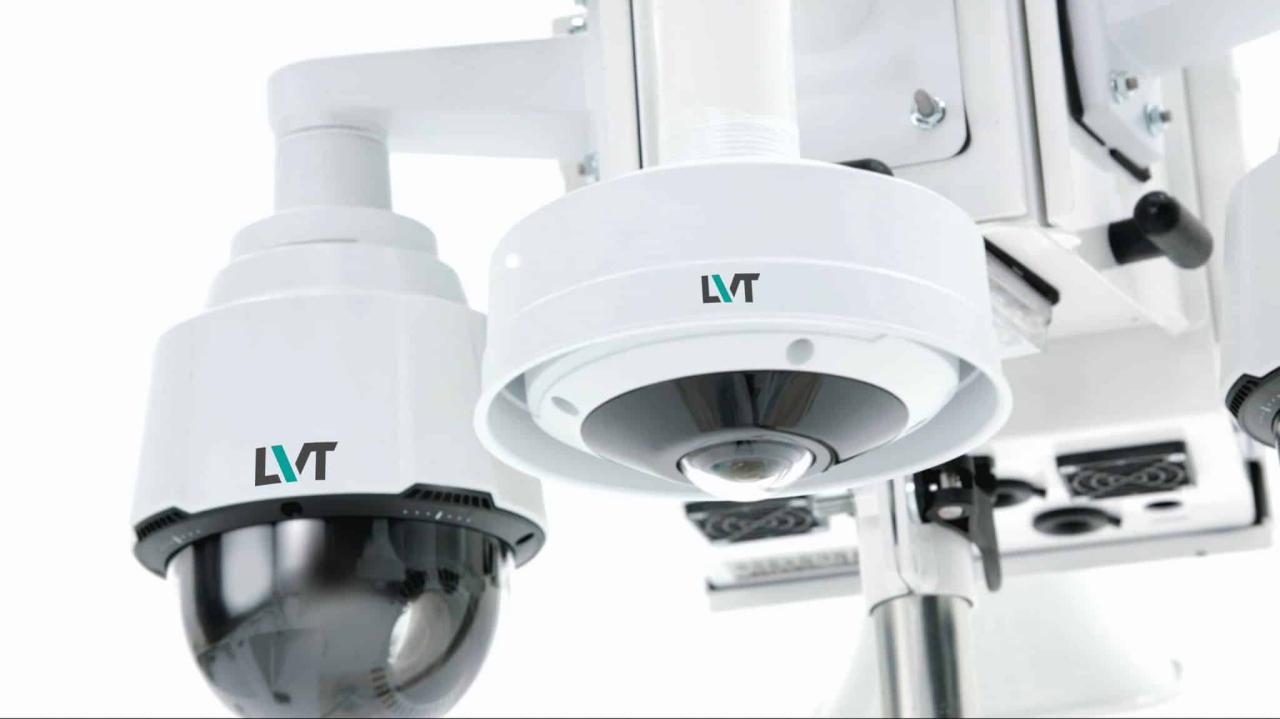
As urban environments become increasingly digitized, the presence of surveillance technology in public spaces has grown significantly. This evolution raises essential questions about how such technologies shape community dynamics and the nuanced interplay between safety, privacy, and public sentiment. The integration of cameras, drones, and various monitoring systems in parks, streets, and other communal areas offers both advantages and challenges, impacting the way individuals interact with their surroundings and each other.
The benefits of surveillance in public areas can be substantial. Primarily, improved public safety stands at the forefront. Enhanced surveillance can deter criminal activities by providing a visible reminder that actions are being monitored. For instance, cities like London, which is famously dense with CCTV cameras, have reported declines in street crime, particularly in areas with high camera density. Furthermore, surveillance technology can aid law enforcement in investigations by providing critical evidence during crime scene analysis. The presence of these systems can foster a feeling of security among residents and visitors alike, promoting community engagement and encouraging people to utilize public spaces more freely.
However, the drawbacks associated with widespread surveillance technology cannot be overlooked. One significant concern revolves around privacy erosion. Many individuals express unease at the thought of being constantly monitored, which can lead to a chilling effect on freedom of expression and behavior. This sentiment is reflected in various studies, indicating that people feel less comfortable engaging in activities—such as peaceful protests or public demonstrations—when they know they are being watched. Additionally, there are concerns regarding data security and the potential misuse of recorded information. If access to surveillance footage is not regulated properly, it could result in unauthorized surveillance or even identity theft.
The public sentiment towards surveillance technology varies greatly. A range of surveys has demonstrated mixed feelings among community members. While many appreciate the enhanced safety that surveillance can provide, a significant portion also voices apprehension regarding its implications for personal privacy. For example, a study conducted by the Pew Research Center found that nearly 60% of Americans believe that surveillance cameras are more invasive than beneficial. Conversely, in some regions, residents have reported feeling safer and more secure due to the presence of surveillance systems, especially in high-crime areas.
In summary, surveillance technology in public spaces presents a complex spectrum of impacts on community dynamics. The balance between safety and privacy remains an ongoing debate, and various stakeholders, including local governments and citizens, must navigate this terrain carefully. As technology continues to evolve, it will be crucial to foster discussions around its implications and to find solutions that respect individual rights while enhancing community safety.
The Role of Artificial Intelligence in Enhancing Surveillance Capabilities
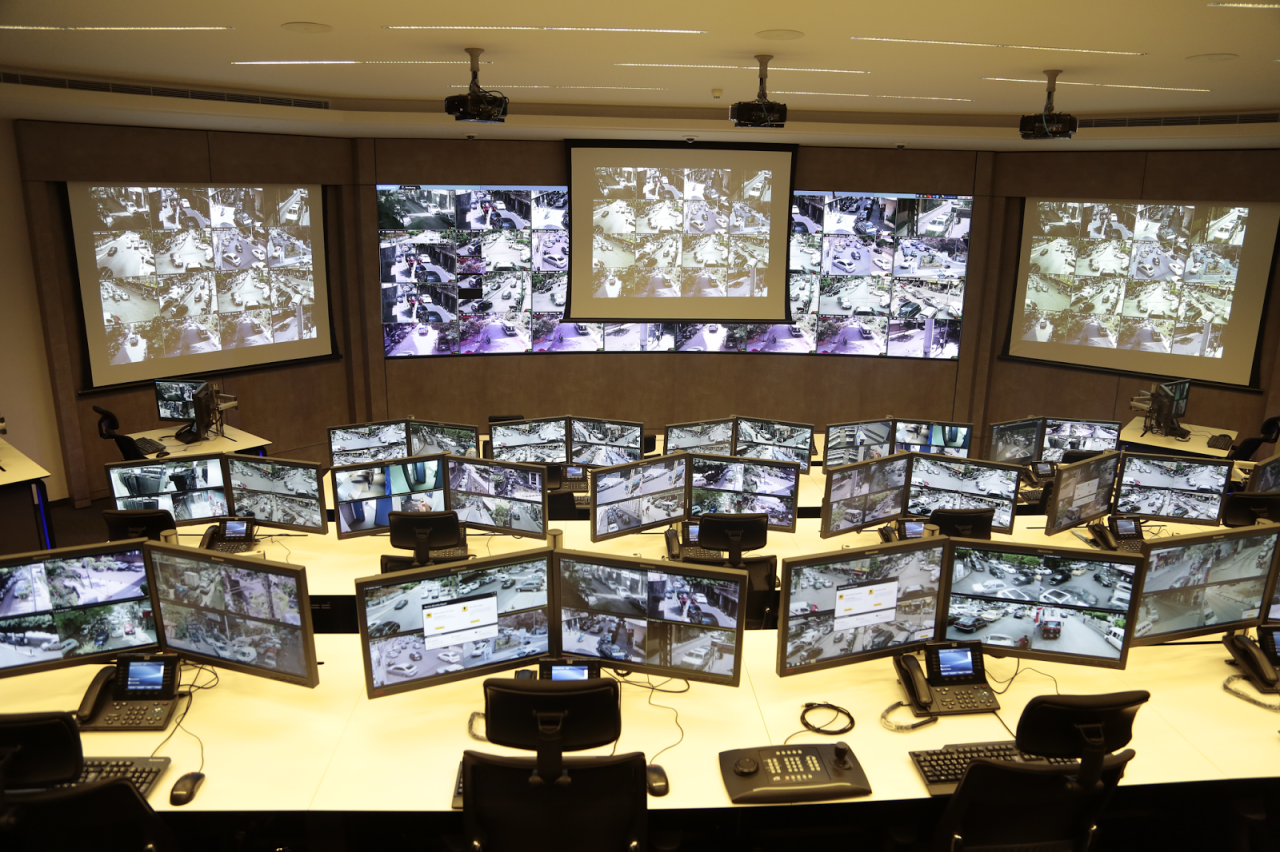
Artificial Intelligence (AI) is transforming the landscape of surveillance technology, making monitoring systems more efficient and intelligent. By integrating AI into these systems, organizations can enhance their ability to gather data, analyze it in real-time, and draw insightful conclusions. This integration helps not only in improving security but also in streamlining operational processes across various sectors, including law enforcement, retail, and public safety.
AI technologies such as deep learning, computer vision, and natural language processing are pivotal in enhancing surveillance systems. These technologies enable cameras and sensors to recognize patterns, detect anomalies, and even interpret human behavior with remarkable accuracy. For instance, AI-driven facial recognition systems can identify individuals from large crowds, while anomaly detection algorithms can flag unusual activities, reducing the response time for authorities. However, the deployment of AI in surveillance comes with both potential benefits and risks.
The benefits of AI-driven surveillance are substantial. They include improved accuracy in threat detection, automation of routine monitoring tasks, and the ability to process vast amounts of data quickly. AI can learn from historical data, adapting its algorithms to enhance predictive capabilities over time. Additionally, systems can provide actionable insights that help organizations preemptively address security concerns. For example, cities employing AI surveillance tools can analyze traffic patterns to optimize law enforcement resources or improve emergency response strategies.
Despite these benefits, there are significant risks associated with AI-enhanced surveillance. These include privacy concerns, potential for misuse, and ethical implications. Surveillance systems powered by AI can lead to invasive monitoring, raising questions about civil liberties and individual privacy rights. Moreover, inaccuracies in facial recognition technology have been documented, leading to wrongful identifications and heightened scrutiny of innocent individuals. Organizations must balance the advantages of enhanced monitoring with the moral obligation to protect citizens’ rights.
Machine learning plays a crucial role in analyzing surveillance data patterns. This technology allows systems to continuously learn from the data collected, refining their algorithms to improve detection accuracy and efficiency. By identifying patterns in behavior, machine learning can help predict future actions, which is particularly useful in crime prevention. For example, if a certain area experiences a spike in vandalism during specific hours, machine learning can alert security personnel to increase patrols during those times.
In summary, while AI significantly enhances surveillance capabilities, its implementation must be approached with careful consideration of the ethical and privacy implications it entails. As technology continues to evolve, ongoing discussions about its governance will be crucial in ensuring that the benefits outweigh the risks.
Surveillance Technology in the Workplace
The integration of surveillance technology in the workplace has become increasingly common, driven by the need for security, productivity, and efficiency. While employers often advocate for its benefits, employees frequently express concerns regarding privacy and morale. Balancing these perspectives is crucial for creating a harmonious work environment where both company and employee interests are respected.
Advantages and Disadvantages of Surveillance Technology
Surveillance technology can serve as a double-edged sword in workplace environments. On one hand, it can foster a secure atmosphere and enhance productivity, while on the other, it may lead to discomfort and distrust among employees. Below are some pros and cons associated with workplace surveillance.
- Enhanced Security: Surveillance systems deter theft, vandalism, and workplace violence, providing a safer environment for employees and protecting company assets.
- Increased Productivity: Monitoring tools can identify inefficiencies and facilitate improvements in workflows, helping employees stay focused on tasks.
- Accountability: Surveillance promotes a sense of accountability, as employees are aware they are being monitored, which can lead to better work performance.
- Legal Protection: In the event of disputes or misconduct, surveillance footage can serve as a legal safeguard for employers.
- Employee Morale and Privacy Concerns: Constant monitoring can create a culture of mistrust, leading to decreased employee morale. Workers may feel their privacy is invaded, resulting in discomfort and dissatisfaction.
- Potential for Misuse: There is a risk that surveillance data could be misused, leading to discriminatory practices or violation of employee rights.
The impact of surveillance on employee morale and privacy cannot be overstated. When employees feel they are under constant scrutiny, it can lead to stress and anxiety. For instance, a study published in the Journal of Occupational Health Psychology found that invasive surveillance methods, such as keystroke logging, correlated with higher levels of job dissatisfaction. A workplace that prioritizes transparency regarding surveillance practices can mitigate these issues, allowing employees to feel more secure and valued.
Legal Considerations and Best Practices
When implementing surveillance technology in the workplace, legal considerations are paramount. Employers must navigate a landscape of regulations that govern privacy rights while ensuring workplace safety. Compliance with laws such as the General Data Protection Regulation (GDPR) or the Health Insurance Portability and Accountability Act (HIPAA) is vital. Below are best practices for implementing workplace surveillance:
- Transparency: Clearly communicate the reasons for surveillance, the types of monitoring being conducted, and how the data will be used. Keeping employees informed fosters trust.
- Policy Development: Develop comprehensive surveillance policies that Artikel the scope and purpose of monitoring, ensuring they align with legal guidelines.
- Employee Consent: Obtain informed consent from employees before implementing surveillance measures, allowing them to understand and agree to the terms.
- Data Protection: Ensure that data collected through surveillance is stored securely and used responsibly, protecting employee privacy and confidentiality.
- Regular Review: Periodically assess surveillance practices to ensure they remain necessary and compliant with evolving legal standards.
Employers who take a thoughtful and considerate approach to workplace surveillance can create a safer and more productive environment while respecting employee rights and maintaining morale.
Future Trends in Surveillance Technology and Their Potential Impact
As we look ahead, the landscape of surveillance technology is evolving rapidly, driven by advancements in artificial intelligence, data analytics, and connectivity. Emerging trends like drones and biometric systems are at the forefront of this transformation, promising to revolutionize how we monitor, secure, and interact with our environments. This evolution brings with it a host of implications for societal norms and behaviors, which are essential to understand as we navigate this new terrain.
Emerging Trends in Surveillance Technology
The integration of cutting-edge technologies into surveillance practices is reshaping various sectors such as public safety, business security, and personal privacy. Drones, equipped with high-resolution cameras and real-time data capabilities, have become invaluable for tasks ranging from disaster management to law enforcement. Their ability to cover vast areas quickly and efficiently allows for enhanced situational awareness that was previously unattainable. Furthermore, biometric systems—such as facial recognition and fingerprint scanning—are becoming commonplace in security protocols, providing a seamless and highly accurate method of identification.
The implications of these advancements are profound. Surveillance is no longer confined to fixed cameras or security personnel; it is dynamic and pervasive. As organizations adopt these technologies, we may see a cultural shift towards increased transparency and accountability. However, this increased surveillance capability also raises concerns regarding privacy and individual freedoms. People might alter their behaviors in public spaces, becoming more self-conscious due to the awareness of being monitored.
For instance, in urban areas, the deployment of drones for monitoring traffic and public gatherings can lead to more efficient law enforcement and quicker emergency response times. Yet, the omnipresence of such technology may foster an environment of mistrust among citizens regarding government oversight. The balance between security and privacy will become a crucial societal issue to navigate.
Predicted Impact Across Various Sectors
Different sectors are likely to experience specific changes due to these surveillance innovations. In retail, the use of biometric payment systems could streamline transactions, enhancing customer experience while concurrently raising questions about data security and privacy rights. Meanwhile, in healthcare, biometric tracking of patients can lead to improved medical care but may also lead to concerns regarding consent and data ownership.
The need for robust regulatory frameworks will be imperative to address the ethical implications of these technologies. Stakeholders, including governments, tech companies, and civil rights organizations, must come together to establish guidelines that ensure the responsible use of surveillance technologies while fostering innovation.
As these trends develop, the future landscape of surveillance technology will likely be marked by a delicate balance between leveraging advancements for safety and security while respecting individual rights and freedoms.
International Perspectives on Surveillance Technology and Regulation
The landscape of surveillance technology and its regulation varies significantly across the globe, driven by cultural attitudes, historical context, and governmental frameworks. Different countries adopt distinct approaches to managing surveillance, reflecting their unique societal values and priorities. This overview aims to highlight how diverse cultural attitudes shape the regulation of surveillance technologies and the effectiveness of these regulatory frameworks worldwide.
Cultural Attitudes Towards Surveillance
Cultural attitudes towards surveillance play a crucial role in how different countries regulate technology. In democratic societies, there is often a heightened emphasis on individual privacy rights, leading to stricter regulations. For instance, the European Union’s General Data Protection Regulation (GDPR) exemplifies a robust framework aimed at protecting personal data and privacy. This regulation stems from a cultural commitment to civil liberties and the historical context of state surveillance abuses.
In contrast, many Asian countries exhibit a more accepting stance towards surveillance, often viewing it as a necessary tool for national security and social stability. Countries like China and Singapore have implemented extensive surveillance systems that are generally accepted by their populations, rooted in a cultural belief that collective security outweighs individual privacy concerns. For instance, China’s social credit system relies on pervasive surveillance to monitor and evaluate citizen behavior, which is justified by the government as ensuring societal harmony and safety.
The United States demonstrates a mixed attitude towards surveillance, balancing civil liberties with security needs. The USA PATRIOT Act, enacted post-9/11, expanded surveillance capabilities significantly, though it sparked considerable public debate over privacy rights. Such tensions illustrate the ongoing struggle between security and personal freedoms, a nuanced cultural dialogue that shapes regulatory measures.
When considering the effectiveness of various regulatory approaches, it is essential to examine how they align with cultural attitudes. For example, the GDPR, with its rigorous enforcement mechanisms and heavy fines, has established a high bar for data protection. Its effectiveness lies in the strong cultural value placed on individual rights in Europe. In contrast, countries like China implement surveillance with minimal regard for individual privacy, resulting in compliance that is less about protection and more about social order.
In some regions, surveillance regulations are still evolving. For example, India is grappling with balancing surveillance and privacy rights through its Personal Data Protection Bill, which reflects a growing awareness of individual privacy rights amongst its populace. This evolution showcases the dynamic nature of surveillance regulation in response to shifting cultural attitudes and public opinion.
In summary, the intersection of cultural attitudes and regulatory effectiveness reveals a complex global landscape of surveillance technology. Countries that prioritize individual rights tend to implement more stringent regulations, while those with a focus on collective security may adopt broader surveillance practices. Understanding these cultural nuances provides insight into the ongoing debates surrounding surveillance technology and its regulation worldwide.
The Role of Surveillance Technology in Crime Prevention and Law Enforcement
Surveillance technology has become a cornerstone in modern law enforcement, playing a pivotal role in crime prevention and the apprehension of criminals. By providing law enforcement agencies with real-time data and visual evidence, these technologies enhance the ability to monitor and respond to criminal activities effectively. Through various forms of surveillance, including CCTV cameras, drones, and advanced data analytics, police can create safer communities and deter criminal behavior.
Despite its advantages, the integration of surveillance technology into crime prevention strategies presents several challenges. One major concern centers around privacy issues; the extensive use of surveillance can lead to overreach and encroach upon individuals’ rights. Citizens may feel as if they are constantly being watched, which can foster distrust between the public and law enforcement. Additionally, the costs associated with implementing and maintaining sophisticated surveillance systems can be significant. Budget constraints often limit the extent to which police departments can adopt cutting-edge technologies. Furthermore, there are technical challenges, including the difficulty of maintaining system reliability and ensuring data security. Unauthorized access or data breaches can compromise the very systems designed to protect the public.
Another challenge is the potential for misinterpretation of the data collected through surveillance. Officers may rely on footage or analytics that can be misleading without proper context, leading to wrongful accusations or actions. Moreover, the rapid pace of technological advancements means that law enforcement agencies must continuously adapt to new developments. This requires ongoing training and resources to keep personnel updated on the latest tools and methods.
Technological Advancements Enhancing Surveillance Capabilities
Various technological advancements have significantly bolstered law enforcement’s surveillance capabilities. The following advancements illustrate how technology is reshaping crime prevention strategies:
- High-Resolution CCTV Cameras: Modern CCTV systems come equipped with HD and 4K resolution capabilities, allowing for clearer images and better identification of suspects.
- Facial Recognition Software: This technology enables law enforcement to identify individuals from surveillance footage, providing crucial leads in investigations.
- License Plate Recognition (LPR): LPR systems automatically read and log license plates, helping to track stolen vehicles or identify vehicles linked to criminal activities.
- Drones: Drones equipped with cameras can monitor large areas from above, providing real-time data during emergencies or crowd control scenarios.
- Real-Time Data Analytics: Advanced analytics with AI capabilities can process vast amounts of data, identifying patterns and predicting potential criminal activities.
These advancements not only improve surveillance efficacy but also aid in the timely response to incidents, making communities safer overall.
Final Thoughts
In summary, the evolution of Surveillance Technology presents a double-edged sword, offering both enhanced security and significant ethical concerns. As we look towards the future, it is vital to continue questioning and understanding how these technologies impact our lives and communities. By fostering an informed dialogue, we can ensure that the developments in surveillance technology serve to protect and respect the rights of individuals, paving the way for a more secure yet privacy-conscious society.
General Inquiries
What are the main types of surveillance technology?
The main types include CCTV cameras, drones, biometric systems, and GPS tracking devices.
How does surveillance technology affect personal privacy?
Surveillance technology can infringe on personal privacy by tracking individuals’ movements and behaviors without their consent.
Are there regulations governing the use of surveillance technology?
Yes, many countries have laws aimed at regulating surveillance practices to protect citizens’ privacy rights.
What role does artificial intelligence play in surveillance?
AI enhances surveillance by enabling real-time data analysis, facial recognition, and predictive policing.
How can organizations ethically implement surveillance technology?
Organizations can implement surveillance ethically by being transparent about their practices and obtaining consent from those being monitored.