Software-Defined Networking (SDN) is redefining the landscape of network management and architecture, providing a more agile and efficient alternative to traditional networking methods. By separating the control and data planes, SDN allows for centralized control over network resources, enabling dynamic and automated adjustments that can meet the ever-evolving needs of modern enterprises. This innovative approach not only simplifies network operations but also enhances scalability and flexibility, making it a crucial component in today’s data-driven environments.
As organizations increasingly migrate to cloud environments and virtualized infrastructures, understanding the core principles and implementations of SDN becomes essential. From its foundational concepts and architectural components to its profound impact on data center operations and network security, SDN stands at the forefront of technological advancement, promising to streamline processes and optimize resource management in unprecedented ways.
Understanding the Core Principles of Software-Defined Networking
Software-Defined Networking (SDN) has emerged as a revolutionary approach in network management and architecture. At its core, SDN separates the control plane from the data plane, allowing for more agile and programmable networking environments. This fundamental shift enables network administrators to manage network services through abstraction of higher-level functions, leading to easier configuration and management.
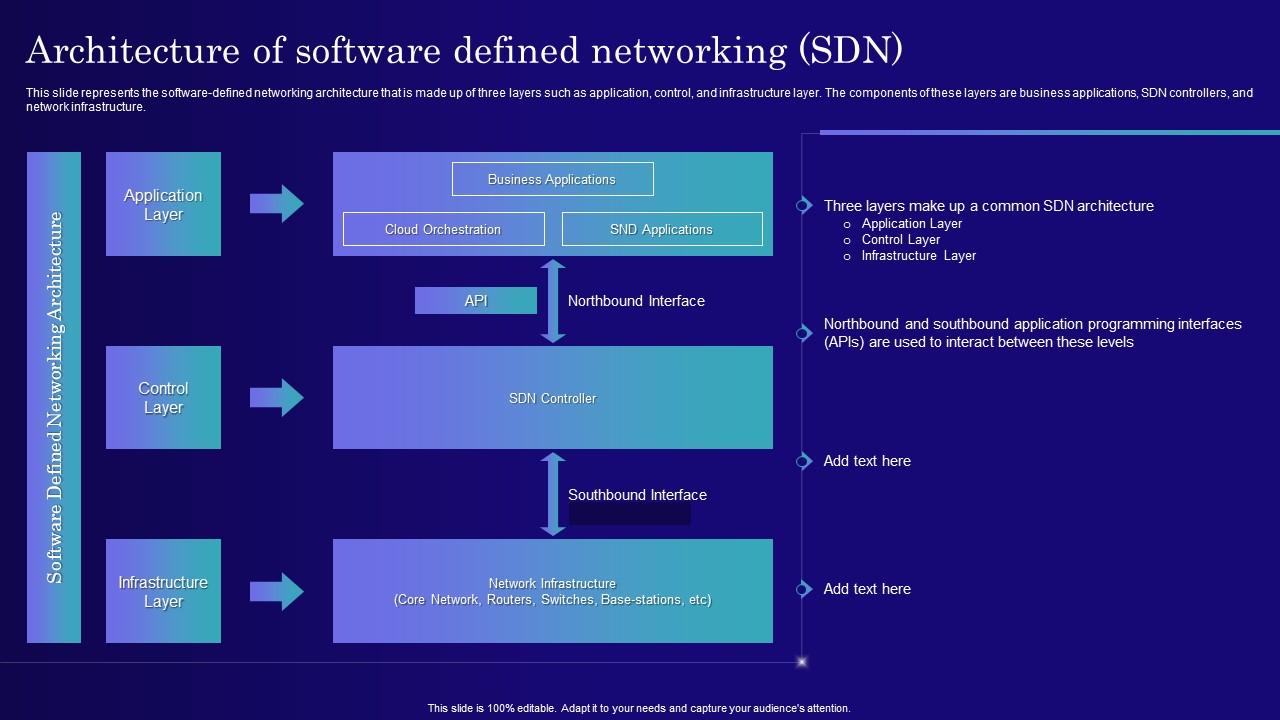
The foundational concepts of SDN revolve around its architecture and functionalities. By decoupling the network control and forwarding functions, SDN provides a centralized control mechanism that can dynamically adjust to changing network conditions. This architecture comprises three main layers: the application layer, the control layer, and the infrastructure layer. The application layer consists of network applications that provide various services, the control layer houses the SDN controller which makes decisions on how the traffic should be handled, and the infrastructure layer includes the physical switches and routers that forward packets based on the rules set by the controller.
Comparison with Traditional Networking Methods
Understanding how SDN diverges from traditional networking methods is essential to recognize its advantages. Traditional networks are typically hardware-centric, where each device operates independently. In contrast, SDN enables a centralized view of the network, allowing for more cohesive and coordinated management. The following points illustrate the differences:
- Control and Data Plane: Traditional networks have integrated control and data planes within each device, while SDN separates these functions, allowing for more flexibility and scalability.
- Configuration and Management: Traditional networking requires manual configurations on each device, whereas SDN allows for network-wide changes from a single controller.
- Adaptability: SDN can rapidly adapt to changing network demands and conditions, unlike traditional networks that are often rigid and slow to reconfigure.
- Cost Efficiency: By leveraging commodity hardware in conjunction with software controllers, SDN can be more cost-effective than traditional methods reliant on specialized hardware.
- Automation: SDN supports automation through programmable interfaces, reducing the need for manual intervention compared to traditional setups.
The architecture of SDN is primarily made up of three components: the SDN controller, SDN switches, and the applications that run on top of the controller. The SDN controller serves as the brain of the network, offering an interface for applications to communicate with the underlying infrastructure. SDN switches, which can be either physical or virtual, manage the data traffic based on the rules defined by the controller. For instance, well-known solutions such as OpenFlow provide standard protocols that enable communication between the controller and switches, showcasing the interoperability of SDN.
“Software-Defined Networking allows for a more agile and programmable network environment, addressing the limitations of traditional networking.”
The Role of SDN in Modern Data Centers
Software-Defined Networking (SDN) has emerged as a pivotal technology in modern data centers, reshaping how they operate, manage resources, and deliver services. By decoupling the control plane from the data plane, SDN enhances flexibility, scalability, and efficiency within data center environments. This transformation is essential as organizations seek to meet the growing demands for rapid deployment, seamless integration, and optimized performance in their IT infrastructure.
SDN plays a crucial role in resource allocation and management in data centers. Traditional networking approaches often struggle with the dynamic nature of modern workloads, leading to inefficiencies and resource underutilization. With SDN, administrators can centrally manage network resources through programmable interfaces, enabling them to allocate bandwidth and prioritize traffic based on real-time demands. This adaptability fosters a more efficient use of resources, reduces latency, and enhances the overall performance of applications running in the data center.
Benefits of SDN for Cloud Services and Virtualization Technologies
The integration of SDN into cloud services and virtualization technologies brings numerous advantages that enhance service delivery and operational efficiency. These benefits are particularly relevant as organizations increasingly adopt cloud-based infrastructures.
- Dynamic Resource Allocation: SDN allows for real-time adjustments in resource allocation, ensuring that cloud services can scale efficiently to meet fluctuating demand. For instance, during peak usage periods, SDN can automatically allocate additional bandwidth or compute resources, improving user experience without manual intervention.
- Enhanced Security: With SDN’s centralized control, security policies can be applied consistently across the network. This means that organizations can quickly adapt to emerging threats by modifying rules on the fly, providing better protection for virtualized environments and cloud services.
- Reduced Operational Costs: By streamlining network management through automation and centralized control, SDN minimizes the need for manual configurations and extensive hardware investments. This results in lower operational costs and faster deployment times for new services.
- Improved Network Visibility: SDN provides comprehensive insights into network traffic and performance, allowing data center operators to identify bottlenecks and optimize workloads effectively. The ability to visualize traffic flows and resource utilization is invaluable for proactive management.
- Seamless Integration with Virtualization: SDN complements virtualization technologies by allowing network resources to be allocated in tandem with virtual machines. This integration ensures that network and compute resources can scale together, maintaining performance consistency across diverse workloads.
“The adaptability of SDN enables data centers to respond swiftly to changing business needs, making it an essential component in the evolution of IT infrastructure.”
Analyzing the Security Implications of Software-Defined Networking
The rise of Software-Defined Networking (SDN) has revolutionized the way enterprise networks are designed and managed. However, with this innovation comes a new set of security challenges that organizations must navigate. Understanding these implications is crucial, as the flexibility and programmability of SDN can introduce vulnerabilities if not appropriately addressed. This section delves into the security challenges associated with SDN and explores effective strategies for securing these environments.
Security Challenges in SDN Implementation
Implementing SDN technologies within enterprise networks presents several inherent security challenges. The centralized control model of SDN can lead to potential single points of failure, making the entire network vulnerable to attacks. Additionally, the communication between the control plane and data plane is susceptible to interception, manipulation, or denial-of-service attacks.
Furthermore, the programmability of network functions can introduce risks associated with malicious code or misconfigurations. Attackers can exploit weaknesses in application programming interfaces (APIs) that control SDN environments, resulting in unauthorized access or unintended changes to network policies. As networks grow and become increasingly complex, ensuring the security of such a dynamic environment becomes increasingly challenging.
Methods to Secure SDN Environments
Securing SDN environments involves employing various techniques tailored to counteract the unique vulnerabilities these networks face. Key methods include:
- Encryption: Utilizing encryption protocols ensures that data transmitted between the control and data planes is secure against eavesdropping and tampering. Protocols such as Transport Layer Security (TLS) and Internet Protocol Security (IPsec) are commonly used to protect sensitive information.
- Access Control Measures: Implementing strict access controls is vital to limit who can manipulate the SDN controller or modify network configurations. Role-based access control (RBAC) and attribute-based access control (ABAC) are effective methods for ensuring that only authorized users can access critical components of the network.
- Network Segmentation: Dividing the network into smaller, isolated segments can mitigate the risk of widespread attacks. By limiting the communication between different segments, organizations can contain potential breaches and reduce the attack surface.
- Monitoring and Threat Detection: Continuous monitoring of network activities is essential for identifying and responding to security incidents in real time. Implementing anomaly detection mechanisms can aid in recognizing unusual patterns indicative of an attack.
Comparison of Traditional Network Security Approaches with SDN Architectures
Traditional network security approaches often rely on hardware-based solutions such as firewalls and intrusion detection systems (IDS) that function within a static network configuration. In contrast, SDN architectures leverage software-defined security policies that can be dynamically adjusted based on the current network conditions and threats.
Moreover, traditional security measures typically operate at a perimeter level, focusing on protecting the boundary of the network. However, SDN provides a more granular approach to security, allowing for policy enforcement at the application level or even the individual flow level.
“In SDN, security can be integrated directly into the network traffic, providing a more flexible and responsive security posture.”
This adaptability leads to enhanced threat response capabilities, enabling quicker mitigation of risks compared to traditional static methods. As organizations adopt SDN, understanding these differences is essential for optimizing both network performance and security posture.
Exploring SDN Protocols and Standards

Software-Defined Networking (SDN) is fundamentally reshaping how networks are managed and operated. With the advent of SDN, specific protocols and standards have emerged that facilitate seamless communication and interoperability among diverse networking devices. This exploration delves into essential protocols like OpenFlow, the role of industry standards, and how these elements enhance SDN performance and scalability.
Overview of Essential Protocols
The backbone of SDN involves several key protocols that enable the separation of control and data planes. OpenFlow is one of the most recognized protocols within this landscape. It defines how the SDN controller can interact with the forwarding plane of network devices like switches and routers. By providing a standardized way for controllers to communicate with network elements, OpenFlow allows for dynamic management of traffic flows based on real-time conditions.
Another notable protocol is the Border Gateway Protocol (BGP), which is utilized in large-scale environments for route exchange between different autonomous systems. BGP can be extended in SDN environments to enhance the scalability and efficiency of routing decisions. Additionally, protocols like NETCONF and RESTCONF facilitate configuration and management of network devices, enabling automation and orchestration capabilities in SDN.
The Role of Industry Standards
Industry standards play a crucial role in promoting interoperability among various SDN solutions. By adhering to common standards, different vendors can create products that work seamlessly together, reducing vendor lock-in and fostering innovation. The Open Networking Foundation (ONF) is at the forefront of establishing these standards, including OpenFlow, which ensures that devices from different manufacturers can operate cohesively within an SDN framework.
These standards also provide a foundation for implementing network virtualization and multi-vendor environments. This interoperability is essential for businesses that aim to scale their networks without being restricted to a single vendor’s ecosystem. A notable example is the use of OpenFlow in data centers, where it allows for the integration of hardware from multiple suppliers while maintaining consistent performance.
Impact of Protocols on Performance and Scalability
The choice of protocols directly influences the performance and scalability of SDN implementations. OpenFlow, for instance, facilitates fine-grained control over network traffic, enabling administrators to optimize flow management dynamically. This control can lead to improved bandwidth utilization and reduced latency, enhancing the overall user experience.
Furthermore, the scalability of SDN solutions is often supported by the ability to deploy multiple controllers in a distributed architecture. Protocols like BGP and others aid in efficiently managing this distributed topology, allowing networks to grow without significant restructuring. For example, in large enterprise networks, the deployment of SDN solutions employing these protocols has resulted in noticeable improvements in handling increased traffic loads and adapting to changing network conditions.
In summary, the exploration of SDN protocols and standards reveals their vital role in shaping efficient, scalable, and interoperable network environments. By leveraging established protocols such as OpenFlow, organizations can realize the full potential of Software-Defined Networking, paving the way for innovative networking solutions.
Evaluating the Impact of SDN on Network Management
Software-Defined Networking (SDN) significantly alters the landscape of network management by introducing a level of automation and programmability that was previously unattainable. This transformation allows organizations to manage their networks more efficiently, facilitating improved performance and reliability. By separating the control plane from the data plane, SDN centralizes control, enabling more streamlined and dynamic management processes.
Automation in Network Management Practices
The automation capabilities of SDN revolutionize traditional network management practices. Through centralized control and programmability, SDN allows network administrators to automate routine tasks, reducing the likelihood of human error and increasing operational efficiency. Key aspects of SDN-driven automation include:
- Dynamic Configuration: Network changes can be made in real-time without needing to manually configure individual devices. This is particularly beneficial during network congestion or failure, where rapid adjustments are crucial.
- Automated Policy Management: Policies can be implemented and enforced automatically across the network. This ensures compliance with security protocols and optimizes resource allocation based on current demand.
- Self-Healing Capabilities: SDN can automatically reroute traffic around failures or congestion, maintaining network performance without requiring manual intervention from network operators.
- Intelligent Monitoring: Continuous monitoring and analytics allow for proactive management of network resources, identifying potential issues before they affect service delivery.
Implications of SDN on Network Performance and Troubleshooting
The shift to SDN not only enhances network performance but also transforms troubleshooting processes. By centralizing data and control, SDN provides a comprehensive view of the network, enabling faster issue identification and resolution. Key implications include:
- Enhanced Visibility: SDN offers a holistic view of network traffic and performance metrics, allowing for quicker identification of bottlenecks and anomalies.
- Streamlined Troubleshooting: Troubleshooting becomes more efficient as administrators can leverage centralized tools to pinpoint issues across multiple devices and locations.
- Performance Optimization: The ability to dynamically allocate resources based on real-time performance data ensures optimal network performance, reducing latency and improving user experience.
- Predictive Analytics: Leveraging historical data, SDN can predict potential failures or performance degradation, allowing preemptive measures to be taken.
Traditional Versus SDN-Driven Network Management Approaches
To illustrate the differences between traditional network management and SDN-driven approaches, the following table summarizes key aspects:
| Aspect | Traditional Network Management | SDN-Driven Network Management |
|---|---|---|
| Control Plane | Distributed across individual devices | Centralized control and management |
| Configuration | Manual and device-specific | Automated and programmable |
| Troubleshooting | Reactive and often time-consuming | Proactive with real-time analytics |
| Policy Management | Static and device-dependent | Dynamic and centrally enforced |
| Resource Allocation | Limited visibility and manual adjustments | Real-time adjustments based on analytics |
Future Trends and Developments in Software-Defined Networking
The landscape of Software-Defined Networking (SDN) is continuously evolving, driven by advancements in technology and the increasing demands of modern networks. As organizations seek greater agility, efficiency, and control, the future of SDN promises to integrate innovative solutions that reshape networking paradigms. This section explores the potential future trends, challenges, and opportunities within the realm of SDN, particularly focusing on the role of Artificial Intelligence (AI) and Machine Learning (ML).
Integration with Artificial Intelligence and Machine Learning
The integration of AI and ML into SDN is poised to revolutionize the way networks are managed and optimized. By leveraging these technologies, network administrators can automate processes, predict traffic patterns, and enhance security measures with greater accuracy. AI-driven SDN can analyze vast amounts of data in real-time, allowing for intelligent decision-making that improves network performance and reliability.
AI and ML algorithms can proactively identify anomalies and potential security threats, significantly reducing response times and mitigating risks. For instance, predictive analytics can forecast bandwidth usage and adjust resources dynamically, ensuring optimal performance during peak times. Furthermore, the integration enables self-healing networks, where issues are detected and resolved automatically without human intervention.
Challenges and Opportunities in SDN Evolution
As SDN technologies evolve, they bring forth both challenges and opportunities that organizations must navigate. One significant challenge is the complexity of implementation, particularly in legacy environments where traditional networking paradigms are deeply entrenched. Transitioning to an SDN architecture requires careful planning, skilled personnel, and a comprehensive understanding of existing systems.
On the opportunity front, SDN provides a chance for organizations to enhance scalability and flexibility. By decoupling the control and data planes, organizations can scale their networks more efficiently to accommodate growth. This agility is crucial as businesses increasingly adopt cloud services, Internet of Things (IoT) devices, and remote work solutions. Additionally, the potential for reduced operational costs through automation and improved resource utilization presents a compelling case for SDN adoption.
Emerging SDN Tools and Platforms
Numerous emerging tools and platforms are shaping the future of SDN, enhancing capabilities and fostering innovation. Below is a list of notable solutions that are making an impact in the networking space:
- OpenDaylight: An open-source SDN controller that provides a flexible platform for network programmability and automation.
- ONOS (Open Network Operating System): A carrier-grade, open-source SDN operating system designed to manage large-scale networks.
- Cisco ACI (Application Centric Infrastructure): A policy-driven SDN solution that integrates hardware and software for data center and cloud environments.
- VMware NSX: A network virtualization platform that enables the creation of virtual networks independent of the physical infrastructure.
- Pluribus Networks: A provider of open networking solutions that leverage SDN for data center automation and orchestration.
These tools not only enhance operational efficiency but also pave the way for future innovations in networking strategies and architectures.
“The future of networking lies in the intersection of software-defined technologies and intelligent automation.”
The continued development and adoption of SDN technologies, combined with advancements in AI and ML, will undoubtedly shape the networking landscape for years to come, offering organizations unprecedented levels of flexibility and control.
Case Studies of Successful SDN Implementations
Software-Defined Networking (SDN) has emerged as a transformative technology across various industries, enabling organizations to enhance their network performance, improve scalability, and reduce operational costs. This section delves into several noteworthy case studies that exemplify successful SDN deployments, showcasing the positive outcomes and valuable lessons learned that can benefit future projects.
Telecommunications Industry
One of the most prominent examples of SDN implementation can be found in the telecommunications sector. A leading telecom provider in Europe sought to streamline their network management processes to cope with increasing customer demands and the complexity of network configurations. By adopting SDN, they were able to automate network provisioning and improve service delivery.
The outcomes of this implementation included:
- Significantly reduced time for network provisioning from weeks to minutes.
- Enhanced network visibility, allowing for proactive management of network resources.
- Improved customer satisfaction scores due to faster service deployment.
The key lesson learned from this case was the importance of integrating SDN with existing legacy systems to ensure a smooth transition and minimize disruptions during the deployment phase.
Healthcare Sector
A prominent healthcare provider in North America implemented SDN to enhance their network infrastructure, which was critical for supporting numerous medical devices and applications requiring stable and secure connectivity. The SDN solution allowed them to prioritize traffic for critical applications, ensuring reliable access to patient data.
The results indicated:
- Improved network reliability, with a 30% reduction in downtime.
- Optimized bandwidth usage by dynamically allocating resources based on application needs.
- Increased security measures, including better segmentation of sensitive data traffic.
This case highlighted the necessity of continuous monitoring and optimizing the network based on real-time analytics to maintain performance and security.
Financial Services
A major financial institution adopted SDN to address scalability challenges in their data centers. With a growing number of services and transactions, the old network architecture was unable to keep pace. By leveraging SDN, they were able to dynamically manage resources to accommodate fluctuating demands.
The implementation yielded several benefits:
- Enhanced agility and flexibility in deploying new services, leading to a quicker response to market changes.
- Reduction in operational costs by optimizing resource allocation and minimizing hardware dependencies.
- Improved disaster recovery capabilities through centralized management and automated failover processes.
A critical lesson from this implementation was the importance of thorough planning and testing phases to validate the SDN architecture before full-scale deployment.
Education Sector
An academic institution implemented SDN to enhance its campus network, aiming to provide a better learning experience for students and faculty. The SDN solution enabled them to manage a diverse range of devices and applications while ensuring optimal performance and security.
The results were impressive:
- Increased network capacity, allowing more simultaneous connections without performance degradation.
- Ability to implement policy-based access control, enhancing security for sensitive academic resources.
- Streamlined management processes, freeing up IT staff to focus on strategic initiatives.
From this case study, the institution learned the value of involving stakeholders early in the design process to ensure the network meets the diverse needs of its users.
Retail Sector
A global retail giant adopted SDN to enhance its in-store network infrastructure, aiming to support an increasing number of connected devices and improve customer engagement. Through SDN, they achieved better control over their network traffic, allowing for targeted marketing efforts and improved customer experiences.
The implementation led to:
- Increased customer engagement through real-time data analytics and targeted promotions.
- Reduced network congestion during peak hours, improving transaction speeds.
- Enhanced security measures for customer data through improved network segmentation.
This case emphasized the necessity of aligning network upgrades with business objectives to maximize the benefits of SDN deployment.
Final Review
In conclusion, Software-Defined Networking (SDN) emerges as a pivotal innovation that significantly transforms how networks are managed and utilized. As we explored its core principles, security implications, and future trends, it became evident that SDN not only enhances operational efficiency but also poses unique challenges that must be addressed. With ongoing developments and successful case studies, SDN is set to lead the charge into a more automated and intelligent networking future, making it an essential consideration for organizations aiming to thrive in a competitive landscape.
Common Queries
What are the primary benefits of implementing SDN?
SDN offers enhanced flexibility, centralized control, reduced operational costs, and improved network management through automation.
How does SDN improve network security?
SDN improves security by enabling more granular control over network policies and facilitating rapid response to threats through automated updates and changes.
Can SDN be integrated with existing network infrastructures?
Yes, SDN can be integrated with legacy systems, although this may require additional planning and investment to ensure compatibility.
What industries are adopting SDN the most?
Industries such as telecommunications, cloud service providers, education, and large enterprises are rapidly adopting SDN solutions to enhance their network capabilities.
Are there any drawbacks to using SDN?
Some drawbacks include potential complexity in implementation, reliance on centralized control, and the need for skilled personnel to manage SDN systems effectively.