Social Media Algorithms serve as the backbone of the digital experience, shaping how users interact with content across various platforms. These complex systems analyze data to tailor user feeds, ensuring that individuals see the posts most relevant to them. From prioritizing trending topics to personalizing recommendations, the algorithms play a pivotal role in determining what users engage with and how they connect with friends, brands, and communities.
As we delve deeper into the functionalities of these algorithms, we uncover not only their operational intricacies but also the significant impact they have on user experience and engagement. Understanding how these algorithms work can empower users and content creators alike, sparking discussions around the ethical considerations and future advancements in this ever-evolving digital landscape.
Understanding the Functionality of Social Media Algorithms
Social media algorithms are the backbone of how content is delivered to users across various platforms. These algorithms are designed to enhance user experience by curating content that is most relevant to individual users. By analyzing user behavior, interests, and interactions, social media algorithms aim to keep users engaged and satisfied with their feeds. Understanding how these algorithms function is crucial for both users and content creators.
The fundamental principles of social media algorithms revolve around data collection, analysis, and content prioritization. Algorithms continuously gather data from users, such as likes, shares, comments, and time spent on posts. This data is then processed to create a user profile that reflects individual preferences. Based on this profile, algorithms determine which content is most likely to resonate with users. The underlying goal is to promote engagement and ensure that users remain active on the platform, thereby increasing overall user retention.
Types of Algorithms Used Across Platforms
Different social media platforms utilize a variety of algorithms to achieve their goals, each with distinct characteristics and methodologies. Understanding these types helps users navigate their feeds more effectively.
- Engagement-Based Algorithms: Primarily used by platforms like Facebook and Instagram, these algorithms prioritize content based on user interactions. Posts that receive more likes, comments, or shares are deemed more relevant and are shown to a wider audience. For instance, a photo that gets a lot of engagement shortly after being posted is likely to appear in more users’ feeds.
- Chronological Algorithms: Platforms like Twitter initially used a chronological approach, displaying tweets in the order they were posted. Although they have since integrated engagement metrics, the chronological feed remains an option to ensure users receive real-time updates from accounts they follow.
- Recommendation Algorithms: Utilized by platforms like TikTok and YouTube, recommendation algorithms analyze user behavior to suggest content that aligns with their preferences. For example, if a user frequently watches cooking videos, the algorithm will recommend similar content, optimizing the user’s viewing experience.
- Machine Learning Algorithms: Advanced platforms like LinkedIn employ machine learning to continuously improve content delivery. These algorithms adapt over time as they learn from user interactions, ensuring that the content becomes more personalized and relevant to each user.
The choices made by these algorithms directly affect the visibility of content on users’ feeds. The prioritization of certain types of posts over others can significantly influence engagement levels for content creators and marketers.
“Algorithms are not just codes; they are the decision-makers determining what you see and what you don’t.”
As users engage with content, these algorithms take note of their preferences, adjusting the feed accordingly. This creates a feedback loop where users receive increasingly tailored content, enhancing their overall experience on the platform. It’s essential for both users and content creators to understand these dynamics to effectively navigate and influence the social media landscape.
The Impact of Social Media Algorithms on User Experience
Social media algorithms significantly shape the way users interact with their feeds, tailoring content to individual preferences and behaviors. This personalization fosters a unique user experience that can enhance engagement but also raises concerns about the diversity and quality of content consumed. Understanding the implications of algorithm-driven personalization is crucial for both users and content creators alike.
The algorithms employed by social media platforms analyze user data, such as interaction history, preferences, and demographic information, to curate feeds that align with individual interests. As a result, users are more likely to encounter posts that resonate with their viewpoints or hobbies, leading to increased satisfaction and prolonged engagement. However, this system can create echo chambers, limiting exposure to a broad spectrum of ideas and perspectives. The following points highlight the impact of algorithmic personalization on user experience:
Personalization of User Feeds
The personalization of user feeds has profound implications for the content users see. It streamlines their social media experience, but also raises challenges in terms of content diversity and discovery.
- Increased Engagement: Personalized feeds often lead to longer browsing sessions, as users are more inclined to interact with content that aligns with their interests.
- Content Discovery: While algorithms help users find relevant content, they may also obscure new sources or trending topics that fall outside established preferences.
- User Retention: Platforms benefit from higher retention rates due to tailored experiences, encouraging users to return frequently for content that feels curated just for them.
- Emotional Resonance: Algorithms can prioritize emotionally charged content, which may enhance engagement but can also lead to a skewed perception of reality.
Effects of Algorithm Changes on User Engagement
Changes in social media algorithms can drastically affect how content is displayed and the level of engagement it receives. This volatility can lead to fluctuations in user interaction and visibility for creators.
- Visibility Drops: When algorithms are adjusted, certain types of content may see a decline in visibility, impacting creators’ reach and engagement.
- Adaptation Challenges: Content creators must continuously adapt their strategies to align with new algorithm rules, which can be challenging and resource-intensive.
- Trial and Error: Users may experience a trial-and-error phase as they discover which types of posts align best with new algorithms, leading to frustration or disengagement.
- Feedback Loops: Algorithm changes can create feedback loops where certain content types are favored, reinforcing user behavior while neglecting others.
User Behavior in Relation to Algorithm-Driven Content Delivery
User behavior is heavily influenced by the way algorithms deliver content, shaping not only what users see but also how they engage with that content.
- Content Interactions: Users tend to interact more with content that has been algorithmically prioritized, leading to increased likes, shares, and comments.
- Shift in Expectations: As users become accustomed to personalized experiences, they may develop higher expectations for the relevancy of the content presented.
- Content Creation Trends: The desire for visibility encourages content creators to tailor their posts in ways that align with algorithm preferences, potentially compromising authenticity.
- Behavioral Tracking: Users are often unaware of how closely their interactions are monitored, which can lead to a sense of discomfort and disconnection from the platform.
“The shift toward personalization in social media is reshaping not just how we consume content, but also how we connect with one another.”
Exploring the Ethical Considerations of Social Media Algorithms

The rise of social media has been accompanied by a surge in algorithmic decision-making, which plays a crucial role in determining what content users see. While these algorithms aim to enhance user experience and engagement, they also bring forth significant ethical dilemmas that require careful consideration. Understanding the implications of these algorithms on society and individual users is paramount in navigating the digital landscape.
Algorithmic decision-making in social media presents several ethical dilemmas, particularly regarding fairness, transparency, and accountability. Algorithms are designed to analyze user data and predict preferences, but they can inadvertently reinforce harmful stereotypes or marginalize certain groups. This situation raises concerns about the responsibility of companies in ensuring that their algorithms operate ethically and equitably.
Impact of Algorithmic Bias on Social Media Users
Biases in algorithms can have profound effects on diverse groups within the user base. When algorithms are trained on historical data, they may perpetuate existing inequalities and exclusionary practices. Here are some key points illustrating the impact of algorithmic bias:
- Disparity in Representation: Certain demographics may be underrepresented in training datasets, leading to biased outcomes that favor dominant groups.
- Content Recommendations: Algorithms that prioritize engagement may promote sensationalist or misleading content, disproportionately affecting marginalized voices and perspectives.
- Ad Targeting: Biased algorithms can amplify discrimination by targeting ads based on race, gender, or socioeconomic status, which can limit access to opportunities for certain groups.
The consequences of algorithmic opacity, where users lack insight into how decisions are made, can severely affect public trust in social media platforms. When users feel they have no control or understanding of the algorithms influencing their online experience, it breeds skepticism and frustration.
Consequences of Algorithmic Opacity on Trust
The lack of transparency surrounding social media algorithms contributes to a growing concern among users. Important considerations include:
- Loss of Trust: Users may become distrustful of platforms when they suspect that algorithms manipulate their feeds for profit rather than user benefit.
- Spread of Misinformation: Algorithms that prioritize engagement without proper checks can lead to the viral spread of false information, undermining factual discourse.
- User Alienation: Inconsistent experiences and a sense of invisibility can lead users to feel alienated, potentially causing them to disengage from platforms altogether.
“Transparency in algorithmic processes is essential for fostering trust and accountability in social media.”
The ethical considerations surrounding social media algorithms are complex, intertwining issues of bias, transparency, and trust. Addressing these challenges is crucial for the responsible development and deployment of technology that shapes our online interactions.
The Role of Data in Shaping Social Media Algorithms
The effectiveness of social media algorithms is deeply rooted in the data they collect and analyze. Platforms utilize vast amounts of user-generated data to refine their algorithms, ensuring that the content users see is relevant and engaging. The intricate relationship between data collection and algorithm efficacy is what keeps users engaged and drives the success of these platforms.
Data collection and analysis play a pivotal role in enhancing the performance of social media algorithms. Platforms gather data from various user interactions including likes, shares, comments, and even time spent on specific posts. This data is then analyzed using complex algorithms to identify patterns and preferences that help tailor content to individual users. The ability to predict what users want to see next significantly boosts engagement and keeps users returning to the platform.
Methods of User Data Collection
Understanding the methods platforms use to gather user data is essential to grasping how algorithms are trained. The following are common techniques employed by social media companies:
- User Interactions: Every action a user takes, such as liking a post or commenting, is logged and analyzed to understand their preferences.
- Behavioral Tracking: Platforms utilize cookies and similar technologies to track user behavior across the internet, gathering insights into their interests and habits.
- Surveys and Feedback: Direct feedback from users through surveys or polls helps platforms refine their understanding of user preferences.
- Device and Location Data: Information about the device used and its location assists in personalizing content based on regional interests and trends.
The varied methods of data collection provide a comprehensive view of user behavior, which in turn informs algorithm training. This robust dataset enables platforms to serve content that resonates with users, enhancing overall satisfaction and interaction.
Differences in Data Utilization Across Platforms
The utilization of data varies significantly across social media platforms, affecting how algorithms perform and the user experiences they create. Each platform has its unique approach to leveraging data, resulting in distinct algorithmic outcomes.
| Platform | Data Utilization Strategy | Impact on Algorithm Performance |
|---|---|---|
| Extensive user interaction and behavioral tracking across multiple devices. | Highly personalized content feeds that adapt quickly based on user activity. | |
| Focuses on visual engagement metrics like post likes and comments. | Promotes visually appealing content, prioritizing aesthetic over text-based interactions. | |
| Emphasizes real-time interactions and trending topics through hashtags. | Algorithm favors timely, relevant news and updates, often at the expense of older posts. |
The differences in data utilization not only determine the effectiveness of algorithms but also shape the user experience on each platform. For instance, while Facebook may prioritize a personalized feed, Twitter’s focus on immediacy can lead to a different content discovery process. Each approach has its merits and drawbacks, influencing how users engage with the platform over time.
“The choice of data utilization strategy fundamentally affects algorithm performance and user satisfaction.”
Strategies for Content Creators to Navigate Social Media Algorithms
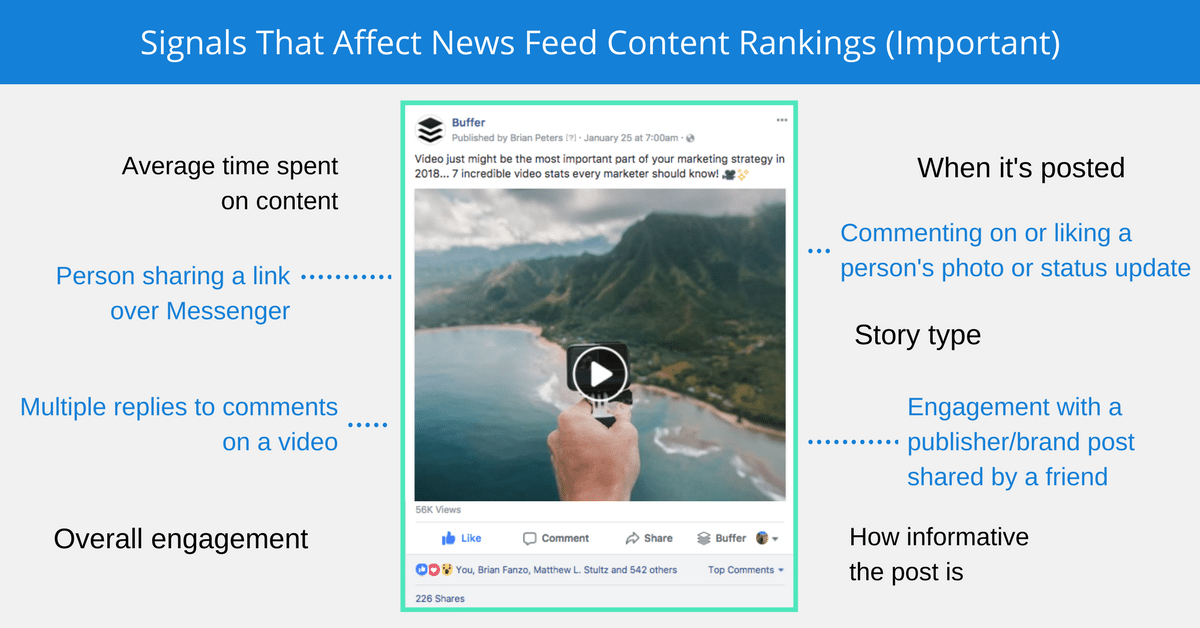
Content creators are constantly challenged by the evolving landscape of social media algorithms that dictate what users see in their feeds. To thrive in this environment, it is essential for creators to adopt effective strategies that enhance their visibility and engagement. By carefully considering the nuances of algorithmic behavior and applying best practices, content creators can foster a loyal audience and maximize their reach.
Understanding the factors that influence algorithmic ranking is crucial for content creators. Social media platforms often prioritize content based on engagement metrics such as likes, shares, comments, and view time. Thus, optimizing content format and interaction becomes vital. Below are several strategies that creators can implement to align their content with algorithmic preferences.
Content Optimization Techniques
Several key techniques can significantly increase the visibility of a creator’s content within algorithmic feeds. These include:
- Consistent Posting Schedule: Regularly posting content helps signal to algorithms that a creator is active, thereby increasing the chances of appearing in followers’ feeds.
- Engaging Thumbnails and Titles: Eye-catching visuals and compelling titles can drive higher click-through rates, encouraging more users to engage with the content.
- Utilizing Relevant Hashtags: Strategic use of hashtags can broaden the reach of posts by making them discoverable in search queries, thereby attracting new audiences.
- Creating Shareable Content: Content that resonates emotionally or provides value encourages sharing, which is a strong positive signal for algorithms.
- Encouraging Interaction: Prompting followers to comment or share thoughts can foster engagement, which in turn boosts the post’s visibility.
The importance of these optimization techniques lies in their ability to enhance user interaction, which directly correlates with algorithmic favorability.
Adapting to Algorithm Changes
Staying ahead of algorithm changes requires vigilance and adaptability. Many successful creators have adjusted their strategies based on updates to social media algorithms. A notable case study is that of a YouTube creator who transitioned from long-form content to shorter videos following changes that favored shorter engagement periods. By reformatting their content, they experienced a marked increase in viewership and subscriber growth.
Another example comes from a TikTok creator who began utilizing trending audio tracks and challenges after observing that these elements were being promoted more heavily by the platform’s algorithm. This adaptation led to a dramatic increase in video reach and engagement metrics, demonstrating the importance of aligning content with platform trends.
In summary, understanding and navigating social media algorithms is essential for content creators seeking to enhance their visibility. By implementing effective optimization techniques and staying adaptable to algorithm changes, creators can maximize their potential reach and engagement on various platforms.
Future Trends in Social Media Algorithms
As social media platforms continue to evolve, so too do the algorithms that govern user interactions and content visibility. Understanding these future trends is vital for creators, marketers, and users alike, as they will shape the online landscape in significant ways. This section explores predicted developments in algorithm technology, insights from industry experts, and the shifting dynamics of transparency and user control.
Emerging Trends in Algorithm Development
Recent advancements in artificial intelligence and machine learning are poised to influence social media algorithms profoundly. Algorithms are expected to become more sophisticated in understanding user behavior, leading to personalized content feeds that resonate more deeply with individual preferences.
Several trends are currently emerging:
1. Increased Personalization: Future algorithms may leverage enhanced data analysis techniques to create hyper-personalized user experiences, tailoring content not just by interests but also by emotional responses.
2. Real-Time Adaptability: Algorithms will likely evolve to adapt in real-time, considering immediate user interactions and adapting content dynamically to enhance engagement.
3. Emphasis on Ethical AI: As concerns about privacy and data security grow, platforms are expected to implement more ethical AI practices, prioritizing user consent and data transparency.
4. Integration of Augmented Reality (AR): With the rise of AR technologies, social media algorithms may incorporate these features, enhancing content visibility through immersive experiences.
“Algorithms are shifting towards creating a more empathetic and user-centric environment.” – Industry Expert
Expert Opinions on Algorithm Evolution
Industry leaders and data scientists have expressed varying perspectives on how social media algorithms will evolve. Many believe that user demands for greater transparency and control will directly influence algorithmic changes.
Key points of discussion include:
– User Empowerment: Experts argue that future algorithms will include more user-friendly controls, allowing individuals to customize their feeds and the types of content they wish to see.
– Transparency Initiatives: Social media platforms may increase transparency regarding how algorithms operate, providing users with insights into why certain content is prioritized over others.
– Community Moderation: The integration of community-driven moderation tools is anticipated, enabling users to have a say in the content that gains visibility, further tailoring the user experience.
“The future of social media algorithms is not just about enhancing engagement but empowering users to control their online experience.” – Data Scientist
Future of Transparency and Control
As algorithms become more integral to social media interaction, there will be an increasing focus on transparency and user control. The implications of this shift are significant, influencing both user trust and platform engagement.
Key considerations include:
– User Education: Platforms may take proactive steps to educate users about how algorithms work, enhancing user confidence in the content they encounter.
– Algorithm Customization: Features that allow users to customize their algorithmic preferences will likely become more prevalent, providing a sense of agency over their online experience.
– Regulatory Compliance: With growing government scrutiny on data privacy, social media platforms may need to comply with stricter regulations, leading to more transparent practices in algorithm management.
The development of social media algorithms is an ongoing journey influenced by technological advancements and changing user expectations. The future holds promise for a more interactive, ethical, and user-centric digital environment.
Final Wrap-Up
In conclusion, the exploration of Social Media Algorithms reveals a fascinating interplay between technology, user experience, and ethical responsibility. As algorithms continue to evolve, it becomes crucial for users and creators to stay informed about their implications and adapt their strategies accordingly. By fostering transparency and awareness, we can navigate the complexities of social media with greater confidence and insight, paving the way for a more informed and engaged online community.
FAQ Resource
What are social media algorithms?
Social media algorithms are complex systems that determine which content appears in a user’s feed by analyzing data and user behavior to prioritize posts that are most relevant to that individual.
How do algorithms affect what I see on social media?
Algorithms curate your feed based on your interactions, preferences, and trends, which means you see content that aligns with your interests rather than a chronological list of posts.
Are social media algorithms biased?
Yes, algorithms can exhibit biases based on the data they are trained on, which can lead to certain viewpoints or groups being underrepresented or misrepresented.
How can content creators improve their visibility?
Content creators can enhance visibility by engaging with their audience, using trending hashtags, and optimizing their content for the specific requirements of each platform’s algorithm.
Will social media algorithms always be this influential?
While algorithms are currently influential, ongoing developments in technology and user demand may reshape their role and effectiveness in the future.