Smart grids are transforming the landscape of energy management by integrating advanced technologies with traditional power systems. This evolution goes beyond mere modernization; it involves creating a more responsive, efficient, and sustainable energy framework. With the world increasingly focused on renewable energy sources and smart technology, understanding the intricacies of smart grids is essential for both consumers and utility providers.
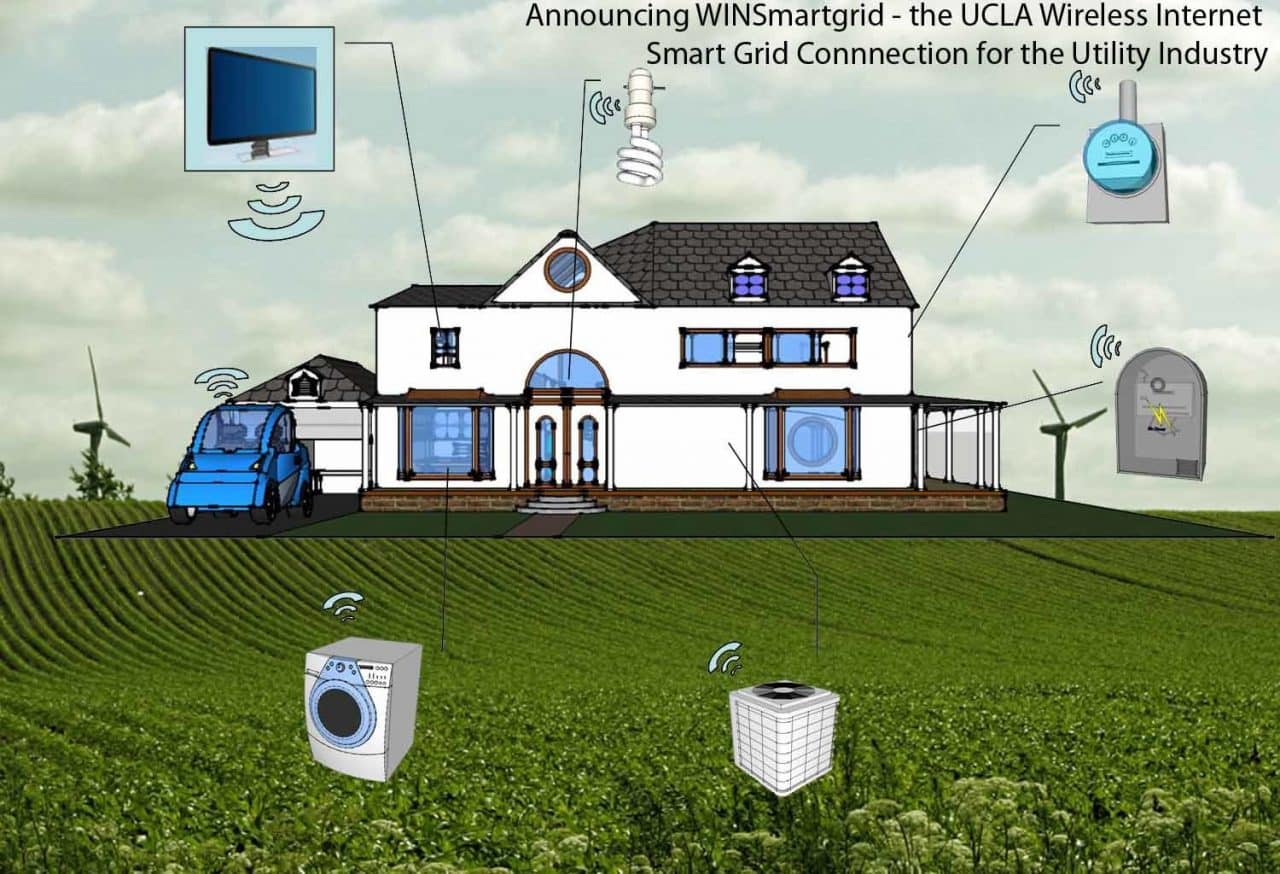
At its core, a smart grid enhances the functionality of the conventional grid through digital technology, which allows for better communication, control, and data analysis. By connecting various components such as smart meters, sensors, and renewable energy sources, these grids enable more efficient energy distribution and consumption. This not only benefits individual users with reduced costs and improved reliability but also supports broader goals of sustainability and economic growth.
Understanding the Concept of Smart Grid
The evolution of energy systems has led to the development of smart grids, which transform traditional power systems into more efficient, reliable, and sustainable networks. Unlike conventional grids, which rely heavily on one-way power transmission and are limited in their ability to integrate renewable energy sources, smart grids utilize advanced technology to facilitate two-way communication and interaction between utilities and consumers. This shift not only enhances grid management but also empowers users to monitor and control their energy consumption in real time.
Smart grids differ from traditional power systems in several key aspects. Traditional grids typically operate on a centralized model where electricity flows from large power plants directly to consumers with limited feedback mechanisms. This results in inefficiency and vulnerability to outages. In contrast, smart grids are decentralized, incorporating various generation sources, including renewables like solar and wind. They leverage information and communication technologies (ICT) to connect all components of the grid, from generation to distribution to consumption. This interconnectedness allows for adaptive responses to changes in electricity demand and supply, leading to improved reliability and reduced operational costs.
Core Components of a Smart Grid
The smart grid comprises several core components that work synergistically to enhance energy management and delivery. Understanding these elements is vital for grasping the full potential of smart grids:
- Smart Meters: These devices measure electricity usage in real time and communicate data to both consumers and utility providers, enabling better energy management and dynamic pricing.
- Advanced Sensors: Deployed throughout the grid, these sensors monitor grid conditions and detect faults, helping to prevent outages and promote proactive maintenance.
- Distributed Energy Resources (DER): These include renewable energy sources such as solar panels and wind turbines, as well as energy storage solutions. They provide localized energy generation and enhance grid resilience.
- Communication Networks: A robust infrastructure that supports the exchange of information between grid components, ensuring timely data transmission and system responsiveness.
- Energy Management Systems (EMS): Software platforms that analyze energy data to optimize generation and consumption, facilitate demand response programs, and improve overall efficiency.
The importance of digital technology in the evolution of smart grids cannot be overstated. Digital tools enable real-time data collection and analysis, enhancing decision-making processes for utilities and consumers alike. Technologies such as cloud computing, artificial intelligence, and the Internet of Things (IoT) play pivotal roles in optimizing grid operations, predicting demand patterns, and facilitating energy trading. As smart grids continue to integrate more digital solutions, their potential for sustainability, efficiency, and resilience in the face of growing energy demands becomes increasingly evident.
“The integration of digital technology into the power grid marks a revolutionary shift towards a more sustainable and efficient energy future.”
Benefits of Implementing Smart Grid Technology
Smart grid technology presents a revolutionary shift in how energy is delivered, managed, and consumed. By integrating advanced digital communication and automation technologies, smart grids create a more resilient and efficient energy infrastructure. Both consumers and utility companies stand to gain immensely from this modernized approach, reaping benefits that extend beyond mere convenience.
Significant Advantages for Consumers and Utility Companies
Smart grids offer a multitude of advantages that can transform the energy landscape. Key benefits include enhanced reliability, improved energy management, and reduced operational costs.
- Enhanced Reliability: Smart grids provide real-time monitoring and automated responses to outages or disruptions. This means faster restoration of services and fewer long-term outages. For example, during severe weather events, smart grid systems can isolate damaged sections of the grid, allowing unaffected areas to remain powered.
- Improved Energy Management: Consumers gain access to detailed information on their energy usage patterns. With smart meters, households can track real-time energy consumption and adjust their usage accordingly. This leads to better energy conservation practices and can result in lower utility bills, as seen in various pilot programs where participants reduced consumption by up to 15%.
- Reduced Operational Costs: Utility companies can optimize their operations by reducing the need for manual meter readings and minimizing energy loss through more efficient transmission systems. This not only lowers costs for the utility providers but can also translate to savings for consumers through reduced rates.
Enhancement of Energy Efficiency and Sustainability
Smart grids play a crucial role in promoting energy efficiency and supporting sustainable energy practices. By enabling better integration of renewable energy sources, smart grids facilitate a cleaner energy future.
- Integration of Renewable Energy: Smart grids allow for the seamless incorporation of renewable energy sources, such as solar and wind. For instance, decentralized energy production can empower consumers to generate their own electricity and sell excess power back to the grid, fostering a community of energy producers.
- Demand Response Programs: These programs incentivize consumers to reduce or shift their electricity usage during peak demand times. By participating, users can benefit from lower energy costs while also contributing to system stability. An example is the use of smart thermostats that adjust heating and cooling based on grid demands, reducing strain during peak periods.
- Electric Vehicle (EV) Integration: Smart grids support the growth of electric vehicles by providing intelligent charging solutions. During off-peak hours, consumers can charge their EVs at lower rates, contributing to both cost savings and reduced carbon emissions.
Economic Impacts on Local and National Economies
The implementation of smart grid technology can have significant economic impacts on both local and national levels. By fostering innovation, creating jobs, and driving economic growth, smart grids can revitalize communities and empower regions.
- Job Creation: The transition to smart grids requires a skilled workforce for installation, maintenance, and management. This shift can lead to the creation of thousands of jobs in engineering, technology, and trades, contributing to local economies.
- Increased Investments: Smart grid projects often attract investment from both the public and private sectors. As cities and utilities modernize their infrastructure, this capital infusion can stimulate economic development and lead to improved energy security.
- Enhanced Economic Resilience: Smart grids can mitigate the economic impacts of energy disruptions. By improving the reliability of service, businesses can operate without fear of power outages, thus maintaining productivity and stabilizing local economies.
“The future of energy lies in a smart grid that can adapt to the needs of consumers and enhance sustainability.”
Challenges Encountered in Smart Grid Deployment
The deployment of smart grid technologies presents a myriad of challenges that can impede the transition from traditional energy systems to modern, intelligent infrastructures. Despite the potential benefits of increased efficiency, reliability, and sustainability, these hurdles must be addressed to fully realize the advantages of smart grid systems.
Implementation Hurdles in Smart Grid Technologies
The implementation of smart grid technologies faces several significant hurdles that can complicate deployment. These challenges include technical, financial, and social factors that must be navigated efficiently for successful integration.
- Infrastructure Compatibility: Many existing energy systems are outdated and incompatible with smart grid technologies. Upgrading or replacing these infrastructures can be costly and time-consuming.
- High Initial Costs: The financial burden of implementing smart grid solutions can deter utilities and stakeholders. Investment in new technologies such as advanced metering infrastructure (AMI) can be substantial.
- Technological Complexity: The integration of various technologies—such as sensors, software, and telecommunications—creates a complex environment that requires specialized knowledge and skills for operation and maintenance.
- Public Acceptance: Stakeholders, including consumers and communities, may resist changes due to privacy concerns or lack of understanding. Building public trust and awareness is essential for smooth deployment.
- Interoperability Issues: Different manufacturers and systems may face compatibility problems. Ensuring that equipment from various vendors can work seamlessly together is crucial for a fully functional smart grid.
Cybersecurity Risks in Smart Grid Systems
The interconnected nature of smart grids raises substantial cybersecurity risks that threaten the integrity and availability of energy services. As smart grids rely on digital communication for data exchange, they become attractive targets for cyberattacks.
- Threat of Cyberattacks: Cybercriminals may exploit vulnerabilities in smart grid systems to disrupt services, steal data, or cause physical damage. A notable example is the 2015 cyberattack on Ukraine’s power grid, which left hundreds of thousands without electricity.
- Data Privacy Concerns: The vast amounts of data collected by smart meters can be vulnerable to breaches, leading to potential privacy violations for consumers.
- Lack of Standardized Security Protocols: The absence of uniform cybersecurity standards can lead to gaps in security, making systems more susceptible to attacks.
- Mitigation Strategies: Utilities can adopt several strategies to enhance cybersecurity, such as implementing robust encryption methods, regular security audits, and ongoing training for personnel to recognize and respond to threats effectively.
Regulatory and Policy Challenges
Navigating the regulatory landscape is another significant challenge in the deployment of smart grid systems. Various policies and regulations can either facilitate or hinder the implementation process.
- Fragmented Regulatory Framework: Different regions may have varying regulations regarding energy production and distribution. This fragmentation can complicate the implementation of uniform smart grid solutions across jurisdictions.
- Incentives for Investment: The lack of governmental incentives or subsidies to encourage investment in smart grid technologies can slow down adoption. Clear and supportive policies are crucial to foster financial investment.
- Data Governance Issues: The collection and handling of consumer data raise questions about ownership, privacy, and regulatory compliance. Establishing clear guidelines is essential to ensure consumer protection.
- Coordination Among Stakeholders: Effective collaboration among utilities, government agencies, and private sector players is vital for aligning interests and goals. Without cooperation, the implementation process can become disjointed.
Technological Advancements Driving Smart Grid Development
The evolution of smart grids is significantly influenced by the integration of innovative technologies that enhance energy efficiency, increase reliability, and promote sustainability. As traditional energy networks transition to smarter, more interconnected systems, key advancements are paving the way for a more resilient electricity infrastructure. Understanding these technologies provides insight into the future of energy management and distribution.
Innovative Technologies in Smart Grids
Several cutting-edge technologies are crucial in the development of smart grids. These innovations contribute to improved monitoring, control, and management of energy resources.
- Advanced Metering Infrastructure (AMI): AMI represents a sophisticated system of smart meters, communication networks, and data management systems that allow for real-time monitoring of energy consumption. With AMI, utilities can gather detailed usage data, enabling dynamic pricing models and efficient energy distribution.
- Distributed Energy Resources (DER): DER encompasses various small-scale energy generation technologies, such as solar panels and wind turbines, that can be installed close to the point of use. This decentralization of energy production not only reduces transmission losses but also enhances grid resilience by diversifying energy sources.
- Energy Storage Systems (ESS): ESS, including batteries and pumped hydro systems, provide essential backup power and help balance supply and demand. They allow for the storage of excess energy generated during peak production times, which can be released during periods of high demand, thus stabilizing the grid.
- Smart Grid Communication Technologies: These technologies, such as fiber optics and wireless communication, facilitate the exchange of data between grid components. They enable quick response to outages, automated fault detection, and remote monitoring, significantly improving operational efficiency.
Internet of Things (IoT) Contribution
The Internet of Things (IoT) plays a vital role in enhancing the functionality of smart grids by enabling seamless communication between devices and systems. IoT connects various components of the energy grid through sensors and devices that collect and share data in real-time. This interconnectedness leads to several advantages:
- Enhanced Monitoring: IoT devices provide utilities with real-time data on energy consumption and grid performance. This enables proactive maintenance and swift response to issues.
- Improved Efficiency: By analyzing the data collected from IoT devices, utilities can optimize energy distribution, reduce waste, and lower operational costs.
- Consumer Engagement: IoT empowers consumers to monitor their energy usage through smart appliances and applications, enabling informed decisions about energy consumption.
- Predictive Maintenance: The data generated by IoT devices can be used to predict potential failures in the grid, allowing for timely maintenance before problems escalate.
Artificial Intelligence in Smart Grid Operations
Artificial intelligence (AI) is increasingly being integrated into smart grid operations, providing advanced analytics and decision-making capabilities that enhance efficiency and reliability. AI technologies help utilities process vast amounts of data generated by smart grids, enabling them to optimize operations in several key ways:
- Demand Forecasting: AI algorithms analyze historical consumption patterns and external factors, such as weather conditions, to predict future energy demand. This helps in better planning and resource allocation.
- Grid Optimization: AI systems can automatically adjust grid operations in response to real-time data, improving load balancing and minimizing outages.
- Fault Detection and Response: Machine learning models can identify anomalies in grid performance, allowing for quick detection of faults and minimizing response times.
- Energy Management: AI-driven systems can optimize energy dispatch from various resources, ensuring that the most cost-effective and environmentally friendly options are utilized.
Case Studies of Successful Smart Grid Initiatives
Smart grid initiatives have transformed energy management in various cities and regions around the globe. These implementations have proven to enhance reliability, efficiency, and sustainability in energy consumption. By examining successful case studies, valuable insights can be drawn that guide future smart grid projects toward success.
Examples of Successful Smart Grid Implementations
Several cities have emerged as pioneers in smart grid technology, showcasing significant advancements and improvements in their energy management systems. Notable examples include:
- Amsterdam, Netherlands: Amsterdam has integrated smart grid technologies that facilitate the use of renewable energy sources. The city has implemented smart meters and a decentralized energy system that empowers residents to produce and share energy. This initiative has resulted in a measurable reduction of carbon emissions and promoted energy efficiency.
- San Diego, California, USA: The San Diego smart grid project focuses on enhancing the reliability of the electrical grid. By utilizing advanced metering infrastructure and real-time data analytics, the city can predict energy demand more accurately, leading to optimized energy distribution and reduced outages.
- Barcelona, Spain: Barcelona’s smart grid initiative leverages an advanced network of sensors and IoT devices to monitor energy usage across the city. This data-driven approach enables better management of electricity demand and supports the integration of electric vehicles, enhancing overall energy sustainability.
Lessons Learned from Successful Implementations
Analyzing these successful case studies reveals critical lessons that can be applied to future smart grid projects. The following key insights are paramount:
- Stakeholder Engagement: Involving all relevant stakeholders, including government entities, utility companies, and the community, creates a shared vision that aligns objectives and fosters collaboration.
- Technology Integration: Successful smart grid initiatives rely heavily on integrating various technologies, such as renewable energy sources, energy storage solutions, and advanced metering systems, to create a seamless energy ecosystem.
- Data Utilization: Leveraging data analytics for predicting energy consumption patterns is crucial. This proactive approach enhances operational efficiency and minimizes energy waste.
Key Stakeholders and Their Roles
Effective implementation of smart grid systems involves multiple stakeholders, each playing a vital role in the process:
- Utility Companies: These organizations are responsible for deploying and managing the smart grid infrastructure. Their expertise in energy distribution is essential for ensuring system reliability.
- Government Entities: Local and national government agencies provide regulatory support and incentives, facilitating the adoption of smart grid technologies while also promoting sustainability initiatives.
- Technology Providers: Companies specializing in smart grid technologies contribute innovative solutions and systems that enable advanced metering, data analytics, and infrastructure management.
- Consumers: Engaging consumers is crucial, as their participation in energy-saving programs and feedback on energy usage informs the ongoing development and refinement of smart grid initiatives.
“The integration of smart grid technologies not only enhances energy efficiency but also empowers consumers to take control of their energy consumption.”
The Future of Smart Grids and Their Evolution
The future of smart grids is set to revolutionize how energy is produced, distributed, and consumed globally. With advancements in technology and an increasing focus on sustainability, the next decade promises significant evolution in smart grid capabilities. This transformation will be shaped by various factors, including technological innovations, regulatory frameworks, and the pressing challenges posed by climate change.
Projected Trends in Smart Grid Technology
The next decade will witness several key trends in smart grid technology that will enhance energy efficiency and reliability. These developments are crucial not only for optimizing existing infrastructures but also for integrating renewable energy sources seamlessly.
- Increased Adoption of Renewable Energy: The integration of solar, wind, and other renewable energy sources into smart grids will be prevalent. This shift is driven by the need for cleaner energy and will require advanced grid management systems to handle variability.
- Advancements in Energy Storage Solutions: Improving battery technologies and energy storage systems will play a vital role in balancing supply and demand, ensuring that surplus energy from renewables can be stored and used when needed.
- Enhanced Demand Response Programs: Smart grids will increasingly utilize demand response strategies, allowing consumers to adjust their energy usage during peak times, thereby reducing strain on the grid and lowering energy costs.
- Artificial Intelligence and Big Data Analytics: The application of AI and analytics will enable predictive maintenance, optimize grid operations, and enhance real-time decision-making processes.
- Decentralization of Energy Production: The rise of microgrids and distributed energy resources will change how energy is generated, reducing reliance on centralized power plants and increasing resilience in local energy systems.
Influence of Climate Change on Smart Grid Design and Operation
Climate change poses significant challenges for energy systems globally, necessitating a rethinking of smart grid design and operation. The increasing frequency of extreme weather events and rising temperatures will demand grids that are not only resilient but also adaptive to changing environmental conditions.
- Infrastructure Resilience: Grids will need to be reinforced against extreme weather events, requiring investments in robust materials and designs that can withstand higher temperatures, flooding, and storms.
- Integration of Climate Monitoring Systems: Incorporating climate data into grid management will enable real-time adjustments to operations, helping mitigate risks associated with climate variability.
- Focus on Energy Efficiency: As climate change drives the need for lower carbon emissions, smart grids will prioritize energy efficiency measures, ensuring that less energy is wasted in transmission and consumption.
Vision for Interconnected Global Energy Networks
The vision for the future involves a globally interconnected network of smart grids, facilitating a more efficient and sustainable energy landscape. This interconnected system will not only support local energy needs but also promote energy sharing across borders.
- Cross-Border Energy Trade: Countries will engage in energy trading, allowing regions to share excess renewable energy, thus stabilizing supply and enhancing energy security.
- Global Standards and Interoperability: Establishing universal standards for smart grid technologies will promote interoperability, enabling different systems and devices to communicate and function effectively together.
- Collaborative Innovations: International collaborations will drive innovations in technology, policy, and funding, fostering advancements that benefit global energy systems.
“The future of smart grids holds the potential to revolutionize energy systems, making them more sustainable, efficient, and resilient to the challenges posed by climate change.”
Community Engagement and Smart Grid Awareness

Community involvement is crucial for the successful deployment and operation of smart grid projects. When local stakeholders actively participate, they help shape initiatives that reflect their needs and priorities, which fosters trust and acceptance of new technologies. Engaging the community not only enhances the overall effectiveness of smart grids but also promotes sustainability and resilience within the energy infrastructure.
Public education about smart grids is essential to demystify the technology and highlight its benefits. Utilities can adopt several strategies to raise awareness, ensuring that community members understand how smart grids work and the positive impact they can have on energy consumption and management.
Strategies for Educating the Community
Implementing effective educational strategies can significantly increase public interest and support for smart grid projects. Some successful methods include:
- Workshops and Seminars: Hosting events that inform the public about smart grid technology, its benefits, and functionalities can encourage community participation. These sessions should be interactive, allowing attendees to ask questions and engage directly with experts.
- Online Resources: Developing a dedicated section on utility websites that includes videos, articles, and FAQs can provide easy access to information. Infographics demonstrating the workings and advantages of smart grids can make complex ideas more digestible.
- Community Partnerships: Collaborating with local organizations, schools, and businesses can amplify outreach efforts. Partnering with trusted community figures can help in building credibility and fostering a supportive environment for smart grid initiatives.
- Social Media Campaigns: Utilizing social media platforms to share success stories, data, and tips on energy efficiency can engage a broader audience. Regular updates can keep the community informed about project developments and upcoming events.
Public feedback plays a significant role in refining smart grid initiatives. Utilities can gather insights through surveys, public forums, and feedback forms, allowing communities to express their concerns and suggestions. This two-way communication not only enhances project planning but also builds a sense of ownership among residents, making them more likely to adopt new technologies.
“Community feedback is invaluable; it shapes the future direction of smart grid projects and ensures they meet the specific needs of the public.”
By fostering a culture of engagement and education, utilities can effectively build awareness around smart grids, paving the way for a more sustainable energy future. Real-life examples, such as the deployment of smart meters in community pilot programs, showcase how responsive engagements can lead to successful outcomes and increased energy efficiency among participants.
Global Perspectives on Smart Grid Adoption
The implementation of smart grid technologies varies significantly across different countries, influenced by unique political, economic, and cultural contexts. Understanding these diverse approaches provides insight into the global landscape of energy innovation and sustainability. This exploration highlights key examples from three countries: the United States, Germany, and Japan.
Comparative Approaches in Smart Grid Implementation
The strategies adopted for smart grid deployment differ greatly among nations due to varying infrastructure, regulatory environments, and technological capabilities. A comparison of three countries illustrates these differences:
- United States: The U.S. has adopted a decentralized approach, promoting state-level initiatives and investments in smart grid technology. The Department of Energy has facilitated funding through grants and partnerships, emphasizing the integration of renewable energy sources. Key projects such as the Smart Grid Investment Grant (SGIG) program have helped utilities modernize their grids.
- Germany: Germany leads in smart grid integration, driven by its Energiewende (energy transition) policy. The country has invested heavily in renewable energy and energy efficiency, fostering a collaborative environment between private companies and government entities. The development of smart meters and local energy storage solutions underlines its commitment to sustainability.
- Japan: Post-Fukushima, Japan has focused on enhancing its energy security through smart grid technology. The government has supported initiatives to rebuild the energy infrastructure, emphasizing resilience and disaster preparedness. Projects like the Tokyo Smart City initiative showcase how urban environments can incorporate smart technologies to improve energy efficiency and reliability.
Cultural Factors Influencing Smart Grid Acceptance
Cultural attitudes towards technology and energy consumption play a crucial role in the acceptance of smart grid technologies. Different regions exhibit unique perspectives shaped by societal values and historical contexts.
- United States: The American emphasis on innovation and individualism fosters a competitive environment where utility companies are incentivized to adopt smart technologies. However, resistance can arise due to concerns over privacy and data security.
- Germany: With a strong commitment to environmental sustainability, Germans are generally more accepting of smart grid technologies. Public engagement in renewable energy initiatives reflects a collective responsibility towards energy consumption.
- Japan: Japanese culture prioritizes safety and efficiency, leading to a favorable view of smart grid technologies aimed at improving energy reliability. The focus on community resilience post-disaster has also increased public support for these initiatives.
International Collaboration in Smart Grid Development
Global partnerships play a vital role in advancing smart grid technologies, facilitating the sharing of knowledge, expertise, and resources. Collaborative efforts between nations can significantly enhance the pace of innovation.
- Global Smart Grid Initiative (GSGI): This international collaboration aims to accelerate the development and deployment of smart grid technologies worldwide. It provides a platform for sharing best practices and policy frameworks among member countries.
- U.S.-Japan Cooperation: The U.S. and Japan have engaged in various joint initiatives focused on disaster resilience and energy security. Through research exchanges and technology transfer, both countries benefit from shared insights and experiences.
- European Union Initiatives: The EU actively fosters collaboration among member states to promote smart grid technologies. Programs like the Horizon 2020 project encourage research and innovation across Europe, aiming to achieve a unified energy market.
Summary
In summary, the emergence of smart grids represents a significant leap forward in how we generate, distribute, and consume energy. As we face challenges like climate change and the need for energy efficiency, these systems offer promising solutions that can drive us towards a sustainable future. By understanding the benefits, challenges, and advancements associated with smart grids, both consumers and policymakers can better navigate the complexities of modern energy networks.
Essential Questionnaire
What is a smart grid?
A smart grid is an upgraded electrical grid that uses digital technology to enhance the reliability, efficiency, and sustainability of electricity services.
How do smart grids benefit consumers?
Consumers benefit from smart grids through lower energy costs, improved reliability of power supply, and greater access to renewable energy sources.
What role does the Internet of Things (IoT) play in smart grids?
The IoT connects devices and sensors within a smart grid, allowing for real-time data collection and analysis, which enhances grid management and efficiency.
Are there privacy concerns with smart grids?
Yes, smart grids involve data collection that can raise privacy concerns; therefore, robust cybersecurity measures and regulations are essential for protecting consumer information.
How is climate change affecting smart grid development?
Climate change demands more resilient energy infrastructures, driving the adoption of smart grids designed to integrate renewable energy sources and improve energy efficiency.