Smart Devices have swiftly transformed our daily lives, ushering in an era where technology seamlessly integrates into every aspect of our routines. From smartphones to smart thermostats, these devices not only enhance convenience but also redefine how we interact with our environments. As we delve into this topic, we’ll explore the evolution of smart devices, the role of artificial intelligence, the benefits and challenges of adoption, and the future trends that promise to shape our world.
This exploration will provide insights into how smart devices have evolved over time, particularly with the rise of artificial intelligence, and how they contribute to our health, wellness, and even marketing strategies. Understanding the implications of these technologies is essential as they continue to influence society in profound ways.
The Evolution of Smart Devices in Modern Society
The evolution of smart devices has significantly transformed how we interact with technology and each other, leading to a smarter, more connected world. From the early days of rudimentary gadgets to today’s sophisticated devices equipped with artificial intelligence, the journey has been remarkable. This transformation has not only made our daily lives more convenient but has also reshaped entire industries, enhancing efficiency and productivity.
The historical development of smart devices can be traced back to the late 20th century when the advent of personal computers marked the beginning of a new technological era. The integration of the internet in the 1990s catalyzed the expansion of digital communication, paving the way for the rise of smart devices. With the introduction of smartphones in the early 2000s, consumers were offered portable computing power right in their pockets. These devices were not just phones anymore; they transitioned into multifunctional tools that combined communication, entertainment, and productivity.
The impact of technological advancements on the rise of smart devices has been profound. Key breakthroughs in wireless communication, particularly the development of Wi-Fi and Bluetooth technology, have facilitated seamless connectivity between devices. This connectivity is a cornerstone of the Internet of Things (IoT), where everyday objects are embedded with sensors and software, allowing them to connect and exchange data. As a result, homes equipped with smart thermostats, security systems, and appliances have become increasingly common, exemplifying a shift towards automated living.
Several key milestones underscore this evolution. The launch of the iPhone in 2007 revolutionized the smartphone landscape, setting a new standard for mobile technology and user experience. The subsequent introduction of wearable technology, such as smartwatches and fitness trackers, illustrated the growing trend of integrating technology into personal health and wellness. Furthermore, advancements in voice recognition and artificial intelligence, as seen in devices like Amazon’s Alexa and Google Home, have made smart devices even more intuitive and user-friendly.
In summary, the journey of smart devices from basic electronic gadgets to integrated systems in our homes and lives has been shaped by continuous technological innovation. Each milestone represents a significant leap forward, demonstrating the importance of connectivity and user-centered design in modern society. The evolution of smart devices continues to pave the way for future innovations, promising an even more interconnected and efficient world.
The Role of Artificial Intelligence in Enhancing Smart Devices
Artificial Intelligence (AI) has become a cornerstone in the evolution of smart devices, transforming them from basic electronic appliances into sophisticated assistants that effortlessly integrate into our daily lives. This integration enhances functionality, efficiency, and user experience, allowing for a seamless interaction between humans and technology. With AI, smart devices can learn and adapt to individual preferences, making them more responsive and intuitive.
Integration of AI Technologies in Smart Devices
AI technologies are embedded in smart devices to optimize their operations and functionalities. These technologies include machine learning, natural language processing, computer vision, and robotics, which collectively enable devices to perform complex tasks with minimal human intervention. For example, smart speakers like Amazon Echo and Google Home utilize natural language processing to understand voice commands and respond accordingly, while smart thermostats learn from user behavior to adjust temperatures automatically for maximum comfort and energy efficiency.
Smart home devices, such as security cameras equipped with AI, can analyze video feeds in real-time to detect unusual activities, alerting homeowners via mobile notifications. Additionally, AI-driven devices like smart refrigerators can monitor food inventory, suggest recipes based on available ingredients, and even notify users when items are running low. These capabilities drastically improve user experience by providing convenience and automation that traditional devices simply cannot match.
When comparing traditional devices with their AI-empowered counterparts, the differences in performance and functionality become evident. Traditional devices operate on predefined settings with minimal adaptability, which often requires manual adjustments and interventions. For instance, a conventional thermostat needs to be set manually and lacks the ability to learn over time. In contrast, an AI-enabled thermostat like Nest can learn the homeowner’s schedule, adjusting the temperature accordingly without any input, thereby optimizing energy consumption.
The impact of AI applications in smart home devices is profound. Here are several prominent examples that illustrate how AI enhances functionality:
- Smart Lighting Systems: Devices like Philips Hue use AI to adjust lighting based on the time of day or activity, creating optimal environments automatically.
- Voice Assistants: Google Assistant and Siri not only perform tasks but learn user preferences over time, refining their responses and capabilities.
- Smart Security Systems: Systems like Ring and Arlo utilize facial recognition to distinguish between familiar faces and intruders, providing enhanced security alerts.
- Home Automation Hubs: Devices like Samsung SmartThings unify various smart devices, enabling them to communicate and function together intelligently.
- Home Appliances: Smart ovens can suggest cooking times and temperatures based on the selected recipes, streamlining meal preparation.
The significance of these AI applications lies in their ability to not only enhance convenience but also to improve safety and efficiency in home management. With AI, smart devices are not just tools; they are proactive participants in the user’s lifestyle, providing a level of interactivity and intelligence that redefines the way we interact with our homes.
The Benefits and Challenges of Smart Device Adoption
As smart devices become increasingly integrated into our daily lives, consumers experience a range of advantages that enhance convenience and efficiency in both their homes and workplaces. From smart speakers to connected appliances, these devices are designed to improve user experience and streamline tasks, making them an indispensable part of modern living.
Advantages of Smart Devices
The adoption of smart devices offers several benefits that significantly improve daily routines and overall productivity. Some of the key advantages include:
- Enhanced Convenience: Smart devices automate everyday tasks, allowing users to control various aspects of their environment, such as lighting, temperature, and security, through voice commands or mobile applications.
- Energy Efficiency: Many smart devices are designed to optimize energy usage. For example, smart thermostats learn users’ habits and adjust heating and cooling accordingly, potentially reducing energy bills.
- Increased Productivity: In workplaces, smart devices facilitate smoother communication and collaboration. Features like instant messaging, video conferencing, and shared digital workspaces enhance teamwork and efficiency.
- Remote Access: Users can monitor and control their devices from anywhere, providing peace of mind. This is especially beneficial for security systems that allow remote surveillance and alerts.
- Personalization: Smart devices often learn user preferences over time, enabling tailored experiences that enhance comfort and usability.
Privacy and Security Concerns
While the advantages of adopting smart devices are compelling, there are substantial challenges, particularly concerning privacy and security. Many smart devices collect vast amounts of personal data, including user habits, preferences, and even sensitive information. This data is often stored in the cloud, which poses several risks:
Data breaches and unauthorized access to personal information can lead to identity theft and other privacy violations.
Smart devices often lack robust security measures, making them vulnerable to hacking and malware attacks. For instance, poorly secured cameras or smart speakers can be exploited, allowing unauthorized users to listen in on conversations or gain access to home networks. Furthermore, the interconnectivity of devices can create a broader attack surface, as one compromised device may allow access to others within the same network.
To mitigate these risks, users can employ several strategies. Regularly updating device firmware is crucial, as manufacturers often release patches that address known vulnerabilities. Additionally, strong, unique passwords should be used for devices and associated accounts, and two-factor authentication should be enabled whenever possible. Users should also limit the amount of personal information shared with devices and review privacy settings to ensure data collection aligns with their comfort levels.
By being proactive about security and privacy, users can enjoy the benefits of smart devices while minimizing potential risks associated with their adoption.
The Future of Smart Devices and Emerging Trends
The rapid evolution of smart devices continues to shape our everyday lives, offering innovative solutions that enhance convenience, efficiency, and connectivity. As technology advances, we are witnessing a surge in the capabilities and applications of these devices, particularly through the integration of the Internet of Things (IoT). This integration not only improves individual user experiences but also anticipates significant societal transformations.
Smart devices are expected to evolve in various ways over the next decade, particularly through innovations in IoT. With more devices interconnected, the ability to collect and analyze data in real-time will drastically improve. This connectivity fosters a smarter environment where devices communicate seamlessly, leading to smarter homes, cities, and industries. One major trend is the advancement of artificial intelligence (AI) within smart devices, making them more intuitive and capable of learning user preferences. For instance, smart thermostats will not only adjust temperatures based on occupancy but will also learn from user behavior over time to optimize energy consumption.
Expected Advancements in Smart Device Functionality
The coming decade promises remarkable advancements in smart devices, driven by emerging technologies and user demands. Understanding these advancements is crucial as they will redefine how we interact with technology and each other.
- Improved Voice Assistants: Enhanced natural language processing will lead to more intuitive and responsive voice recognition systems, allowing for fluid conversations with devices.
- Health Monitoring Features: Wearable devices will integrate advanced health analytics, enabling real-time monitoring of vital signs and even predictive health alerts for conditions such as diabetes or heart disease.
- Smart Home Integration: Expect a more cohesive ecosystem where appliances, security systems, and energy management tools work together, responding to user routines automatically.
- Augmented Reality (AR) Integration: Smart devices will leverage AR to provide immersive experiences, such as interactive home design visualizations or enhanced gaming interfaces.
- Enhanced Security Protocols: With increasing concerns over data privacy, smart devices will adopt advanced encryption and biometric authentication methods to protect user information.
- Energy Efficiency Innovations: Devices will utilize machine learning to optimize energy usage, adapting to the household’s energy consumption patterns and sourcing renewable energy more effectively.
As we look towards the future, the integration of smart devices into daily life will not only streamline personal routines but also influence broader societal structures. The shift towards smart cities will enhance public safety and resource management, while smart healthcare devices will revolutionize patient care and monitoring. The societal changes that accompany these advancements are profound, presenting both opportunities and challenges that warrant careful consideration.
The full integration of smart devices promises to create a more connected and efficient world, transforming not just individual lifestyles but entire communities.
Smart Devices in Health and Wellness Applications
Smart devices are revolutionizing the healthcare and fitness industries, providing innovative solutions that enhance personal wellness and improve patient outcomes. These technologies range from wearable fitness trackers to sophisticated medical monitoring systems. By integrating smart devices into health and wellness applications, users can actively engage in their health management, gaining insights into their physical conditions and overall well-being.
The benefits of smart health devices for personal wellness monitoring are extensive. These devices empower users to track various health metrics, such as heart rate, sleep patterns, physical activity, and even stress levels, in real-time. They enable individuals to take proactive steps toward their health goals and aid in self-management of chronic conditions. The key advantages include:
- Continuous Monitoring: Smart devices provide uninterrupted data on vital signs, allowing users to recognize trends and make informed decisions about their health.
- Data-Driven Insights: The data collected can highlight patterns, making it easier for users to adjust their habits, such as diet and exercise routines, based on factual evidence.
- Personalized Health Plans: With algorithms analyzing the collected data, smart devices often suggest tailored fitness and wellness plans suited to the user’s needs.
- Improved Accountability: Many smart devices connect to social platforms, fostering communities where users can share progress and motivate each other, enhancing commitment to their health journeys.
- Enhanced Communication with Healthcare Providers: Data generated by these devices can be shared with healthcare professionals, enabling better monitoring and adjustments to treatment plans as necessary.
- Remote Patient Monitoring: For those with chronic diseases, these devices allow for remote observation, ensuring timely intervention and reducing the need for frequent hospital visits.
Connected Health Devices and Patient Outcomes
Connected health devices play a pivotal role in improving patient outcomes, particularly for individuals with chronic conditions such as diabetes, hypertension, and heart disease. These devices facilitate better monitoring and management of these conditions through the collection and analysis of real-time data.
The integration of connected health devices leads to several significant improvements in patient care:
- Early Detection of Health Issues: Continuous monitoring allows for the early identification of concerning trends, empowering patients and doctors to respond swiftly to potential health crises.
- Adherence to Treatment Protocols: Automated reminders and alerts help patients stay on track with medication schedules and follow-up appointments, fostering better adherence to prescribed regimens.
- Empowered Patients: Access to their health data encourages patients to take an active role in their treatment, leading to increased engagement and satisfaction with their healthcare.
- Reduced Hospital Readmissions: By effectively managing chronic conditions at home, these devices help lower the frequency of hospital visits, which can alleviate overall healthcare costs and pressure on medical facilities.
The Environmental Impact of Smart Device Production and Use
The proliferation of smart devices in today’s tech-driven society brings significant environmental implications. From the mining of raw materials to the energy-intensive manufacturing processes, the lifecycle of smart devices poses challenges that cannot be overlooked. Additionally, the disposal of these devices contributes to electronic waste, which can harm ecosystems if not managed responsibly.
The production and use of smart devices affect the environment in various ways. Resource extraction for components necessitates mining for minerals like lithium, cobalt, and rare earth elements, which can lead to habitat destruction and significant carbon emissions. Moreover, the manufacturing process requires vast amounts of energy, often sourced from fossil fuels, further contributing to greenhouse gas emissions. As these devices reach the end of their lifecycle, improper disposal can lead to toxic substances leaching into the ground, contaminating soil and waterways.
Smart Devices and Sustainability Efforts
Smart devices can be pivotal in sustainability efforts, helping reduce energy consumption and promoting efficient resource management. Their integration into daily life allows for smarter homes and reduced environmental footprints. Here are several key ways smart devices contribute to sustainability:
– Energy Efficiency: Smart thermostats and energy management systems optimize power usage, significantly lowering energy bills and reducing demand on power plants.
– Water Conservation: Smart irrigation systems monitor soil conditions and weather patterns, ensuring that water is used efficiently in gardening and agriculture.
– Waste Reduction: Smart appliances can track food inventory, minimizing waste by helping users understand what they have and how to use it before it spoils.
– Transportation Efficiency: Smart devices in vehicles, such as GPS systems and real-time traffic updates, assist in reducing fuel consumption by optimizing routes.
The importance of responsible consumption and recycling of smart technology cannot be overstated. As these devices become obsolete or non-functional, their disposal should be handled through appropriate channels to mitigate environmental harm. Here are effective methods for responsible consumption and recycling:
– Reuse and Repair: Before discarding devices, consumers should explore options for repair or reusing parts to extend the device’s life.
– E-Waste Recycling Programs: Participating in local e-waste recycling initiatives ensures that devices are disposed of properly and that valuable materials are recovered.
– Manufacturer Take-Back Schemes: Many manufacturers offer take-back programs, enabling consumers to return old products for recycling or refurbishment, thereby minimizing waste.
By adopting these practices, consumers can significantly reduce the environmental impact associated with smart devices, leading to a more sustainable future.
The Influence of Smart Devices on Consumer Behavior and Marketing
The advent of smart devices has drastically transformed consumer behavior and the marketing landscape. With smartphones, smart home systems, and wearable technology integrated into daily life, consumers now have unprecedented access to information and services. This accessibility has changed the way individuals make purchasing decisions, shifting the dynamics of brand loyalty, engagement, and interaction. As consumers become increasingly reliant on smart devices, their expectations for personalized experiences and seamless connectivity have surged, prompting businesses to adapt their marketing strategies accordingly.
Smart technology has revolutionized digital marketing strategies by enabling more targeted and effective approaches. With the ability to gather extensive data on consumer preferences and behaviors, marketers can create personalized campaigns that resonate with specific audiences. For instance, businesses can harness the power of geolocation data from smart devices to deliver location-based offers directly to consumers’ smartphones, enhancing the likelihood of impulse purchases. Moreover, smart devices facilitate real-time feedback, allowing companies to fine-tune their marketing efforts and respond quickly to changing consumer needs.
Impact of Smart Technology on Digital Marketing Strategies
As smart technology continues to evolve, its influence on digital marketing strategies has become increasingly profound. The integration of artificial intelligence (AI) and machine learning into smart devices has enabled brands to analyze consumer data more effectively, leading to a deeper understanding of audience behavior. This section will Artikel key shifts in consumer engagement driven by the proliferation of smart devices.
The following table highlights significant changes in consumer engagement due to smart technology:
| Shift in Engagement | Description |
|---|---|
| Increased Personalization | Smart devices allow marketers to tailor experiences and recommendations based on individual consumer data, resulting in higher conversion rates. |
| Real-Time Interaction | Brands can engage with consumers in real-time, responding to inquiries and feedback quickly, which enhances customer satisfaction and loyalty. |
| Contextual Marketing | With location and contextual data, businesses can deliver relevant marketing messages at the right time and place, improving the effectiveness of campaigns. |
| Voice Search Optimization | The rise of voice-activated smart devices has led brands to optimize their content for voice search, changing strategies and content creation. |
| Data-Driven Decision Making | Marketers can leverage data analytics from smart devices to make informed decisions, adjusting campaigns based on real-time consumer insights. |
The impact of smart devices on consumer behavior and digital marketing is undeniable, as these changes shape new strategies for engagement and interaction. The integration of advanced technology not only enhances the consumer experience but also empowers businesses to remain competitive in an ever-evolving digital landscape.
Integration of Smart Devices with Home Automation Systems
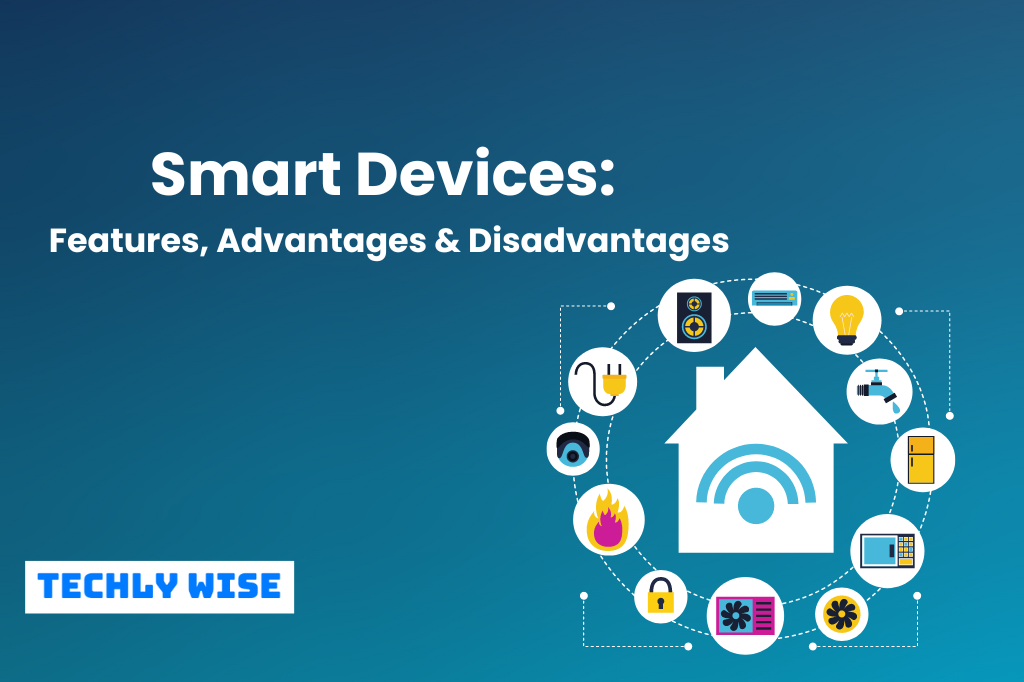
The integration of smart devices into home automation systems has revolutionized the way we interact with our living spaces. By connecting various devices, homeowners can create a cohesive ecosystem that enhances convenience, efficiency, and security. This seamless integration allows for remote control, automation, and smart monitoring, transforming traditional homes into smart homes.
Integrating multiple smart devices to create a unified home automation experience is not without its technical challenges. Compatibility issues arise when devices from different manufacturers do not communicate effectively with one another due to differing protocols, standards, or ecosystems. Common protocols include Wi-Fi, Zigbee, and Z-Wave, each with its own strengths and limitations. For instance, Wi-Fi provides high data throughput, suitable for streaming devices, while Zigbee and Z-Wave are optimized for low power consumption, making them ideal for battery-operated sensors.
One significant challenge is ensuring that devices can work together harmoniously. This often requires a central hub or smart assistant that can act as a bridge between incompatible devices. Hubs like Samsung SmartThings or Amazon Echo can interpret commands from various smart devices, allowing them to function in sync. However, setting up such a hub can be complex and may necessitate firmware updates or additional configuration steps.
Another technical hurdle is the management of network bandwidth. As smart devices proliferate within a home, they can congest the network, leading to latency issues or dropped connections. Homeowners need to ensure their Wi-Fi network is robust enough to handle multiple simultaneous connections. This often means upgrading to a mesh Wi-Fi system, which provides better coverage and bandwidth management.
Security concerns also play a critical role in the integration of smart devices. Each connected device represents a potential entry point for cyberattacks. Implementing proper security measures, such as strong passwords and regular updates, is essential for safeguarding the smart home environment. Additionally, homeowners must be aware of privacy policies associated with smart devices, as many collect data to improve functionality.
Setting up a smart home ecosystem requires careful planning and execution. Below is a step-by-step guide to establishing a functional integration of various smart devices:
Step-by-Step Guide for Setting Up a Smart Home Ecosystem
Establishing a cohesive smart home setup involves selecting the right devices and ensuring they can communicate with each other effectively. The following steps provide a framework for building a smart home system:
1. Define Your Requirements: Consider the specific needs of your household. Do you want to enhance security, improve energy efficiency, or automate everyday tasks?
2. Select Compatible Devices: Choose smart devices that align with your requirements and are compatible with a common platform. Options include smart bulbs, thermostats, cameras, and door locks from the same manufacturer or those that support the same protocols.
3. Choose a Central Hub: Decide on a smart home hub that will manage your devices. This could be a dedicated hub like SmartThings or a voice assistant like Google Home or Amazon Alexa.
4. Set Up the Hub: Follow the manufacturer’s instructions to connect the hub to your home Wi-Fi network. Ensure it is placed centrally to maximize connectivity to all devices.
5. Install Smart Devices: Unbox and connect your selected smart devices. This may involve physically installing them in your home and connecting them to your hub via their respective apps.
6. Configure Device Settings: Use the hub or individual app interfaces to customize device settings, create automation routines, and set schedules for when devices should operate.
7. Test Integration: Ensure that all devices are communicating effectively with the hub. Test automation routines to confirm they operate as intended.
8. Regular Maintenance: Periodically check for firmware updates and security patches for all devices to maintain functionality and security.
The successful integration of smart devices into home automation systems offers enhanced convenience and efficiency while presenting unique technical challenges. By understanding these challenges and following the steps Artikeld, homeowners can create a seamless smart home experience tailored to their needs.
Wrap-Up
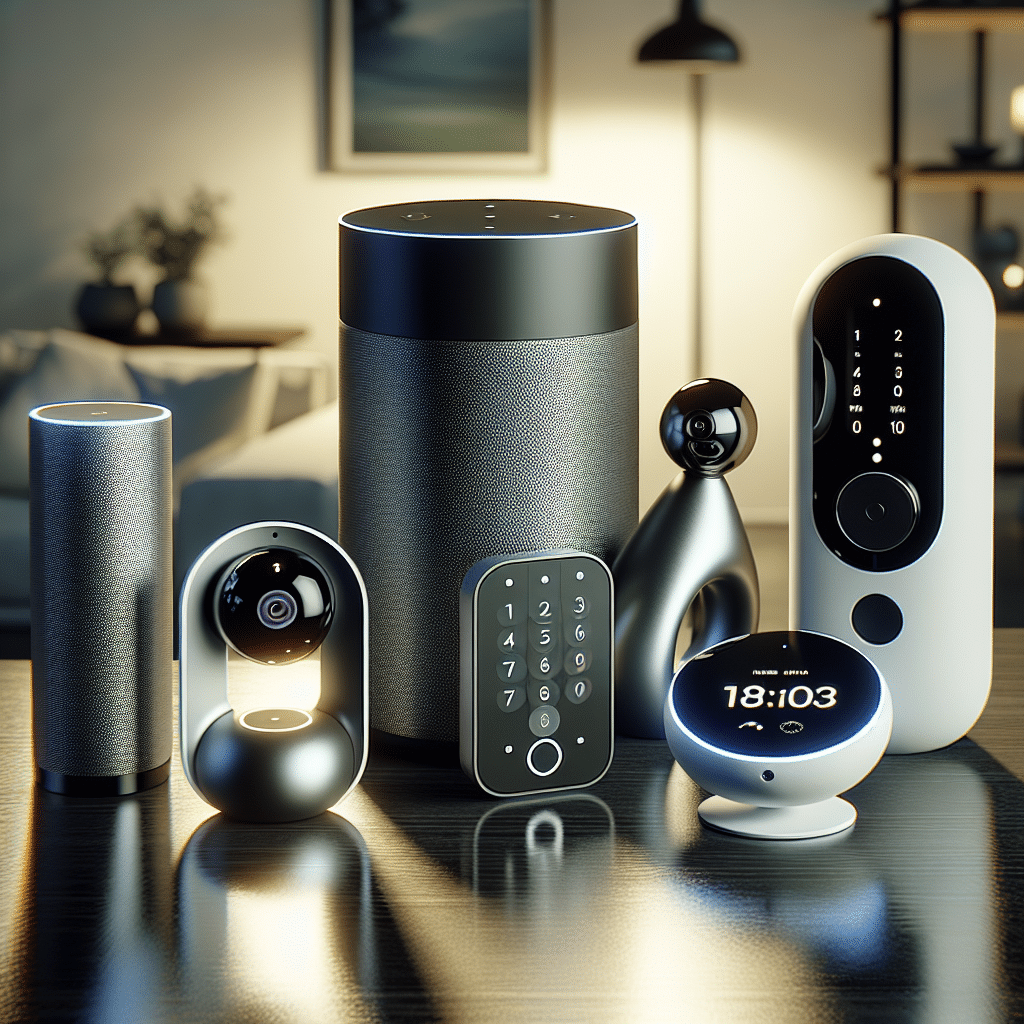
In summary, the journey of Smart Devices from their inception to their current role in our lives reveals a fascinating blend of innovation and adaptation. As we embrace these technologies, it’s vital to consider not only their benefits but also the associated risks, particularly regarding privacy and security. Looking forward, the landscape of smart devices will continue to evolve, promising exciting advancements that can enhance our quality of life while also presenting new challenges. Staying informed about these changes is key to navigating the smart device revolution.
FAQ Compilation
What are Smart Devices?
Smart Devices are electronic gadgets that connect to the internet and can be controlled remotely, allowing users to manage functionalities for convenience and efficiency.
How do Smart Devices communicate with each other?
Smart Devices often communicate through protocols like Wi-Fi, Bluetooth, or Zigbee, enabling them to share data and work together seamlessly.
Are Smart Devices safe to use?
While many Smart Devices have security features, they can be vulnerable to cyberattacks. It’s important to secure them with strong passwords and regular updates.
Can Smart Devices help save energy?
Yes, many Smart Devices are designed to optimize energy consumption, such as smart thermostats that learn your habits to reduce heating and cooling use.
What should I consider before buying a Smart Device?
Consider compatibility with existing devices, security features, ease of use, and the specific needs you want the device to address.