The Semantic Web has emerged as a revolutionary concept that reshapes how we understand and interact with information on the internet. By enabling machines to comprehend and process data much like humans do, it paves the way for a more interconnected and intuitive digital experience. This framework is built on the principles of linking and enriching data, thus enhancing the way information is shared and utilized across various domains.
At its core, the Semantic Web relies on well-defined ontologies and vocabularies that facilitate a shared understanding of data, allowing different systems to collaborate seamlessly. It extends beyond mere data representation, encouraging interoperable solutions that leverage the power of linked data. Through real-world applications, such as intelligent search engines and smart applications, the Semantic Web demonstrates its potential to transform our data interactions significantly.
The foundational principles of the Semantic Web are essential for understanding its structure.
The Semantic Web represents a significant evolution of the World Wide Web, aiming to enhance data sharing and reuse across applications, enterprises, and communities. It provides a common framework that allows data to be shared and reused even when the underlying applications are not directly connected. Understanding its foundational principles is crucial for appreciating how information is organized and processed in this intelligent web ecosystem.
At the core of the Semantic Web is the idea of structured data. Unlike the traditional web, where information is primarily presented in unstructured formats such as HTML, the Semantic Web employs standards that facilitate data interoperability. These standards are built on concepts such as Resource Description Framework (RDF), which allows data to be represented in a machine-readable format. RDF uses a subject-predicate-object structure, enabling data to be linked and meaningfully interpreted by machines. This linkage of data is often referred to as “linked data,” which is critical for creating a web of interconnected information.
The role of ontologies and vocabularies in shaping the Semantic Web
Ontologies and vocabularies are essential components that provide the framework for the Semantic Web. An ontology defines a set of concepts and categories within a specific domain, along with the relationships between them. This structured representation of knowledge enables machines to comprehend the context and semantics of the data. For instance, in healthcare, an ontology might define terms such as “disease,” “symptom,” and “treatment,” and describe how they relate to one another.
Vocabularies, on the other hand, are collections of terms that can be used to describe data in a consistent manner. They help ensure that different systems can interpret the same data uniformly. An example of a widely used vocabulary is Schema.org, which provides a common set of schemas for structured data on the web. This vocabulary allows websites to provide rich snippets in search results, improving the visibility and discoverability of content.
The application of these principles can be observed in various real-world scenarios. For example, in e-commerce, businesses use ontologies to categorize products, enabling consumers to find what they need more effectively. Additionally, in the academic world, research papers are often annotated with metadata using ontologies, allowing for better discovery through search engines. Public health initiatives also utilize the Semantic Web to share data across organizations, improving responses to health crises by ensuring that information is comprehensive and contextually relevant.
Overall, the foundational principles of the Semantic Web, through structured data, ontologies, and vocabularies, are pivotal in transforming how information is accessed and utilized across various sectors.
The impact of the Semantic Web on data interoperability is a crucial aspect to consider.
The Semantic Web aims to improve the sharing and reuse of data across various systems and platforms. One of its most significant contributions is enhancing data interoperability, allowing different applications to communicate more effectively. This capability is essential in an increasingly interconnected digital landscape where organizations, governments, and individuals leverage vast amounts of data for various purposes. By providing a structured framework for data sharing, the Semantic Web enables more robust collaboration and innovation.
The Semantic Web improves data sharing by providing a common framework that allows disparate systems to interpret data uniformly. Traditionally, different systems have their own data formats, leading to challenges in data exchange and integration. The Semantic Web addresses these issues through the use of specific technologies that standardize data representation. Technologies such as Resource Description Framework (RDF), Web Ontology Language (OWL), and SPARQL play a pivotal role in enabling interoperability.
Key Technologies Facilitating Interoperability
Understanding the technologies that underpin the Semantic Web is essential for recognizing its impact on data interoperability. These technologies not only standardize data but also promote a richer understanding of the relationships between different data entities. The following are some key technologies that facilitate interoperability within the Semantic Web:
- Resource Description Framework (RDF): RDF is a framework for representing information about resources in a graph form. It utilizes triples (subject-predicate-object) to describe relationships, allowing different systems to share data without ambiguity.
- Web Ontology Language (OWL): OWL extends RDF by offering richer vocabulary and allows for the expression of complex relationships and constraints in data. It facilitates better reasoning about the data and enables systems to understand and infer new information.
- SPARQL: SPARQL is a query language designed specifically for querying RDF data. It allows for the retrieval and manipulation of data stored in RDF format, enabling users to extract meaningful insights across different datasets.
The implementation of these technologies has led to numerous successful integration projects that showcase the benefits of the Semantic Web. For instance, the BioPortal project by the National Library of Medicine provides a repository of biomedical ontologies and facilitates data sharing among researchers and healthcare providers. By employing RDF and OWL, BioPortal allows different medical databases to interoperate seamlessly, enhancing research capabilities and improving patient care.
Another notable example is the Linked Open Data initiative, which encourages organizations to publish their data in a machine-readable format using semantic standards. This initiative has led to the integration of vast amounts of information across diverse domains, from government data to cultural heritage. The use of RDF and SPARQL allows users to access and query this data, creating a rich ecosystem of interconnected information.
Overall, the Semantic Web significantly enhances data interoperability by providing standards and technologies that enable seamless communication between different systems. This capability fosters collaboration, innovation, and ultimately leads to a more interconnected world.
The role of RDF (Resource Description Framework) in the Semantic Web should be explored in detail.
The Resource Description Framework (RDF) serves as a cornerstone technology of the Semantic Web, providing a standardized framework for data interchange on the web. It allows data to be defined and linked in a way that is machine-readable, facilitating the integration of diverse information sources. RDF encodes information in a structured format that describes relationships between resources, making it essential for enabling interoperability among different data systems.
RDF functions using a simple model that consists of triples: subject-predicate-object. In this model, the subject represents the resource being described, the predicate expresses the relationship or property of that resource, and the object is the value or another resource linked to the subject. This triadic structure enables RDF to provide rich context and relationships, thus allowing machines to understand and process the information effectively. For example, if “Alice” is a person and “likes” is a property, and “Pizza” is the object, this can be represented in RDF as a triple: (Alice, likes, Pizza). This simplicity and flexibility make RDF a powerful tool for representing complex data relationships.
Comparison of RDF with Traditional Data Formats
RDF stands out against traditional data formats such as XML or JSON due to several key advantages that enhance its applicability in the Semantic Web. Traditional data formats often require predefined schemas and are rigid in structure, limiting their ability to adapt to new data without substantial reworking. In contrast, RDF’s schema-less nature allows for greater flexibility and evolution over time.
The following points highlight the advantages of RDF:
- Interoperability: RDF facilitates the interoperability of data across different domains and applications, which traditional formats struggle to achieve due to their schema-bound nature.
- Rich Relationships: By using the triple structure, RDF can express complex relationships and hierarchies that traditional formats may not represent clearly.
- Inference Capabilities: RDF supports reasoning and inference, enabling the extraction of implicit information from existing data, a feature that is typically absent in conventional data formats.
- Extensibility: New types of data can be added to RDF without disrupting existing data, making it a future-proof solution for evolving datasets.
Illustration of RDF in Action
To better understand RDF, consider a scenario in which a library catalog is represented using RDF. In this example, we have resources such as books, authors, and publishers. Each resource is defined using RDF triples.
For instance:
– (Book1, title, “Effective Java”)
– (Book1, author, Author1)
– (Author1, name, “Joshua Bloch”)
– (Book1, publishedBy, Publisher1)
– (Publisher1, name, “Prentice Hall”)
In this representation, “Book1” serves as the subject, with various predicates such as “title,” “author,” and “publishedBy” linking it to relevant objects. This structured approach allows for the seamless integration of additional information, such as the publication date, genre, or related books. Moreover, it enables queries to extract specific data efficiently, such as retrieving all books authored by “Joshua Bloch” or all publications from “Prentice Hall.”
RDF’s ability to interlink data and represent complex relationships empowers the Semantic Web, driving more intelligent data applications and enriching user experiences across various platforms.
The evolution of Semantic Web technologies has transformed how we interact with information.
The journey of Semantic Web technologies has been a remarkable one, reshaping our engagement with information and enabling a more interconnected digital landscape. From its inception, the Semantic Web has sought to enhance the usability of the World Wide Web by allowing data to be shared and reused across application, enterprise, and community boundaries more effectively. This evolution has been characterized by key milestones that have paved the way for its current and future applications.
The concept of the Semantic Web was first popularized by Tim Berners-Lee, the inventor of the World Wide Web, in the early 2000s. This idea was based on the idea that the web could evolve beyond mere document retrieval to a more intelligent framework where machines could understand and interpret the meanings of the information presented. At its core, the Semantic Web envisions a web of data that can be processed by machines, enabling more sophisticated search capabilities and data integration.
Key milestones in the evolution of Semantic Web technologies
Several pivotal developments have marked the evolution of Semantic Web technologies. Each of these milestones has contributed significantly to how we engage with and leverage information.
- Introduction of RDF (Resource Description Framework) in 1999: RDF is a framework for representing information about resources in the web. It consists of triples, which provide a structure for data sharing and integration. This foundational technology allowed data to be linked and reused across different domains.
- Launch of OWL (Web Ontology Language) in 2004: OWL provides a richer framework for defining and instantiating Web ontologies. By enabling more complex relationships and classifications of data, OWL facilitates a deeper understanding of the content, allowing for more intelligent querying and data manipulation.
- Development of SPARQL in 2008: SPARQL is a powerful query language specifically designed for querying RDF data. This addition has been crucial for developers and researchers, as it allows for detailed and complex retrieval of data from diverse sources, thereby enhancing the utility of the Semantic Web.
- The rise of Linked Data principles in 2006: Linked Data promotes the use of standard web protocols to connect related data across the web. This paradigm shift encouraged organizations to publish their data in a format that can be easily linked, fostering a web of interrelated data that can be navigated seamlessly.
- Adoption of JSON-LD in 2013: JSON-LD is a lightweight syntax for Linked Data and has become widely popular due to its simplicity and compatibility with JavaScript, making Semantic Web technologies more accessible to web developers. This development has significantly broadened the reach and applicability of Semantic Web technologies in web applications.
The future prospects for Semantic Web technologies appear promising, with numerous opportunities for advancement and societal impact. As organizations continue to generate vast amounts of data, the need for effective data interoperability will only grow. The potential applications in areas like artificial intelligence, healthcare, and smart cities can lead to more efficient systems and improved quality of life.
One notable example is in healthcare, where Semantic Web technologies can facilitate the integration of patient records from various sources, enabling healthcare providers to gain comprehensive insights into patient histories and treatment options. Similarly, in the realm of smart cities, data from diverse sources such as transportation, energy, and infrastructure can be interconnected to optimize urban planning and resource management.
As we look ahead, the Semantic Web is set to become an integral part of the digital experience, transforming how we access, share, and utilize information, ultimately leading to a more connected and intelligent society.
The challenges associated with the adoption of the Semantic Web must be addressed comprehensively.
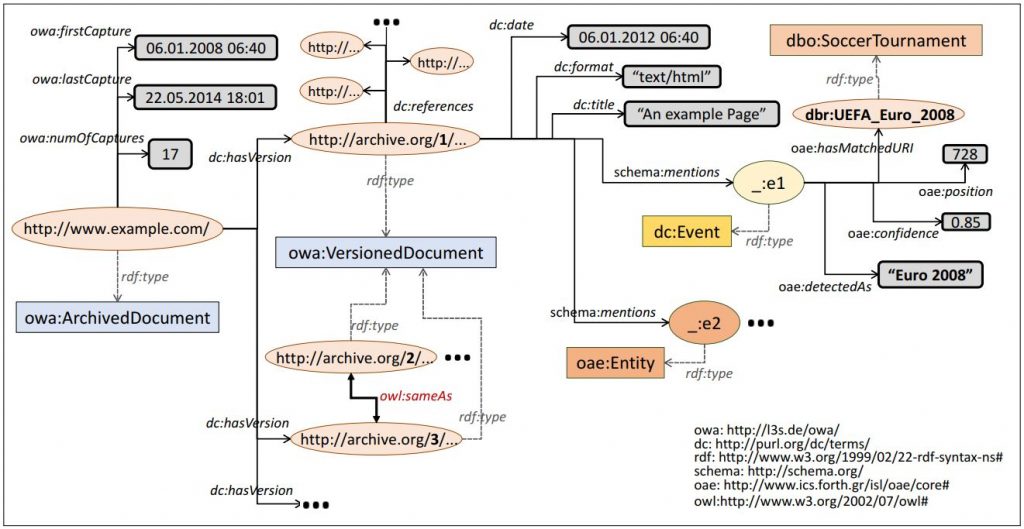
The Semantic Web presents a transformative approach to organizing and sharing information online, but its widespread adoption faces multiple significant challenges. These challenges encompass technical, social, and ethical dimensions that must be navigated to realize the full potential of the Semantic Web.
Among the major challenges hindering the adoption of the Semantic Web are the following:
Technical Hurdles
The technical barriers to the Semantic Web’s implementation are multifaceted and complex. Key issues include:
- Standardization Issues: There are competing standards for representing semantic data, such as RDF, OWL, and RDFS. The lack of a universally accepted standard creates confusion and fragmentation.
- Scalability: Current systems may struggle with the volume of data that the Semantic Web aims to manage. The need for efficient algorithms and technologies is critical for scalability.
- Interoperability: Different data sources often use varying formats and semantics, making it challenging to integrate and connect disparate datasets seamlessly.
- Complexity of Implementation: Developing applications that leverage the Semantic Web requires a high level of technical expertise, which is currently limited in many organizations.
Social Considerations
The adoption of the Semantic Web also faces social challenges that can impede progress. These include:
- Awareness and Education: Many users and organizations are not familiar with the Semantic Web’s concepts and benefits, leading to resistance or skepticism.
- Cultural Resistance: Shifting from traditional data structures to a more interconnected model may meet resistance from established institutions and industries that are comfortable with existing technologies.
- User Adoption: The transition to Semantic Web technologies requires changes in user behavior and practices, which can be difficult to implement and maintain.
Ethical Considerations
The ethical landscape surrounding the Semantic Web is fraught with concerns that must be addressed:
- Privacy Concerns: The increased interlinking of data raises significant privacy issues, as users may be unaware of how their information is being utilized and shared.
- Data Ownership: Uncertainties regarding ownership of semantic data can lead to disputes and challenges in accountability.
- Algorithmic Bias: The potential for bias in the algorithms that process semantic data can perpetuate existing inequalities and misinformation.
Addressing these challenges requires a multifaceted approach, including the development of robust standards, increased education and awareness, and a commitment to ethical practices. Collaborative efforts among technologists, businesses, and policymakers will be essential to facilitate the Semantic Web’s growth and ensure its benefits are realized widely.
The relationship between the Semantic Web and artificial intelligence is increasingly significant.
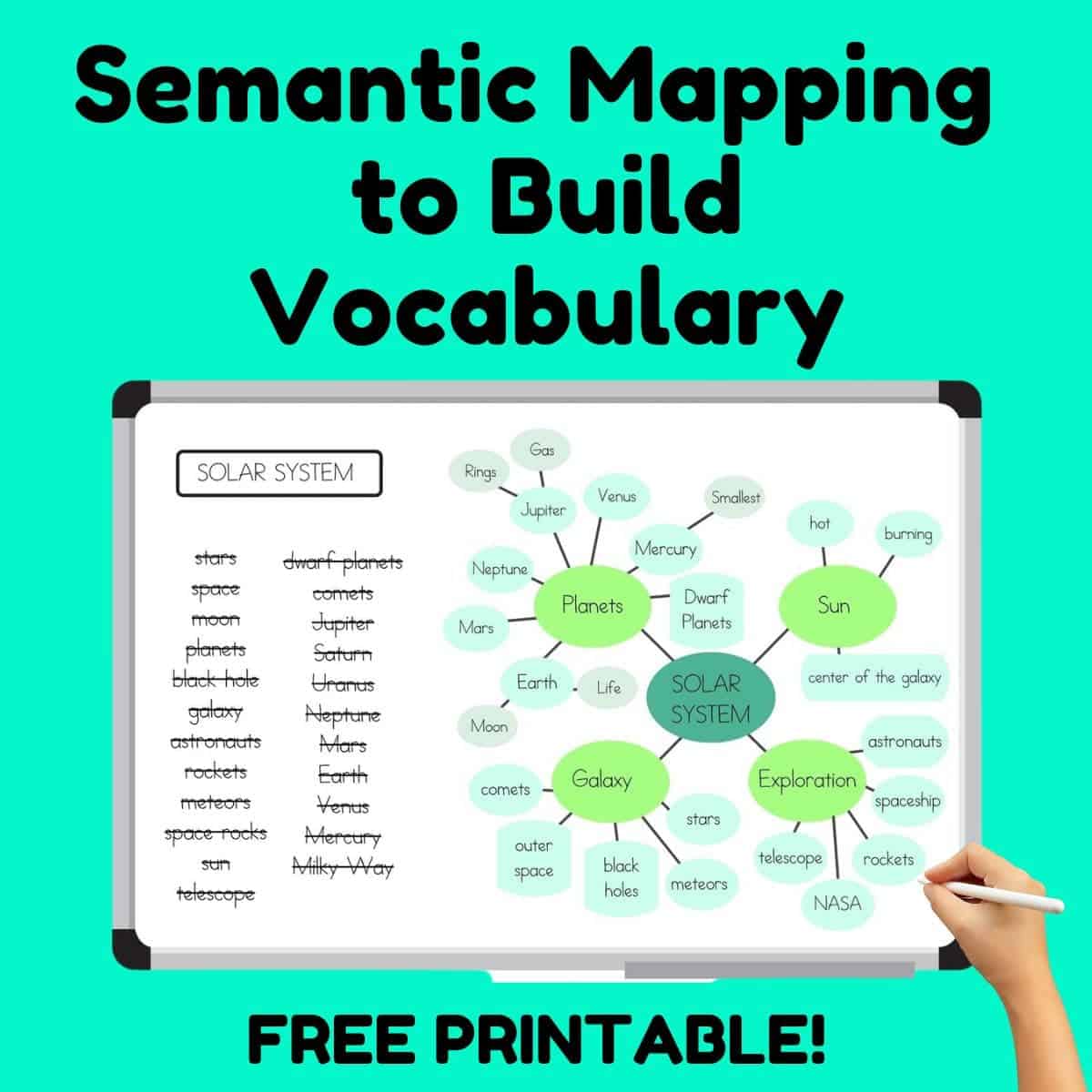
The Semantic Web and artificial intelligence (AI) are intricately linked domains that together propel various technological advancements. The Semantic Web enriches the web by adding layers of meaning to information, making data machine-readable and interoperable. This foundational work allows AI systems to better understand, process, and utilize vast amounts of data, thereby enhancing their capabilities in numerous applications.
The contributions of the Semantic Web to AI advancements are substantial. By employing standardized formats such as RDF (Resource Description Framework) and OWL (Web Ontology Language), the Semantic Web facilitates the organization and categorization of data across the internet. This structured data enables AI algorithms to access relevant information seamlessly and derive insights without extensive manual input. The integration of Semantic Web technologies empowers AI systems to perform complex tasks, such as natural language understanding and knowledge representation, with increased accuracy and context awareness.
AI applications benefiting from Semantic Web technologies
Numerous AI applications leverage the enhanced capabilities offered by the Semantic Web. Below are several significant areas where this synergy manifests, showcasing how AI can achieve better outcomes through Semantic Web principles:
– Knowledge Graphs: Knowledge graphs utilize data from the Semantic Web to create interconnected representations of knowledge. For instance, Google’s Knowledge Graph enhances search results by providing contextually relevant information. This results in more meaningful responses to user queries, allowing AI systems to understand the relationships between entities.
– Natural Language Processing (NLP): Semantic Web technologies improve NLP applications by providing context and meaning to the data processed. For example, chatbots and virtual assistants like Siri or Alexa utilize semantic annotations to interpret user requests better, leading to more accurate and context-aware interactions.
– Recommendation Systems: AI-driven recommendation systems benefit from the Semantic Web by utilizing ontologies to understand user preferences and item characteristics. For example, Netflix employs a combination of user behavior data and Semantic Web standards to refine its content recommendations, ensuring that users receive personalized suggestions that align with their tastes.
– Semantic Search: Search engines that incorporate Semantic Web principles can deliver more relevant results by understanding the intent behind queries. Bing and Google utilize semantic search algorithms that analyze the meaning of terms rather than relying solely on matching, improving the overall search experience.
Several projects exemplify the convergence of AI and the Semantic Web, resulting in enhanced outcomes. The DBpedia project, for instance, extracts structured information from Wikipedia and makes it available on the Semantic Web, allowing AI to retrieve and analyze vast amounts of data efficiently. Another notable project is the Linked Open Data initiative, which connects datasets across various domains, enabling AI systems to draw insights from diverse information sources and enhance their predictive capabilities. These examples underscore the transformative potential of integrating Semantic Web technologies with artificial intelligence, paving the way for smarter, more effective applications across various sectors.
The role of user experience in utilizing Semantic Web technologies cannot be overlooked.
User experience (UX) plays a pivotal role in the success of Semantic Web technologies. As these technologies enable machines to understand the context and meaning of information, the design of user interfaces becomes crucial in ensuring that users can effectively navigate and utilize these enhanced capabilities. A well-designed interface not only facilitates user engagement but also maximizes the benefits of the Semantic Web.
In Semantic Web applications, user interface design must prioritize clarity and intuitiveness. When users engage with applications that utilize complex data structures and relationships, a thoughtful interface design can significantly simplify their experience. By leveraging Semantic Web principles, designers can create interfaces that present information in a way that is meaningful and actionable. This involves structuring data in a manner that reflects real-world relationships and contexts, allowing users to make informed decisions based on the information presented.
Best practices for user-friendly experiences
Implementing effective user interface design practices can enhance the overall experience of Semantic Web applications. Here are several best practices to consider:
- Prioritize clarity: Ensure that information is presented in a clear and concise manner. Use simple language and avoid jargon to make the content more accessible to all users.
- Utilize structured data: Leverage the capabilities of the Semantic Web by using structured data formats such as RDF and OWL. This allows for better data interoperability and a more seamless user experience.
- Implement intuitive navigation: Design navigation that reflects users’ mental models. Clearly labeled categories and a logical hierarchy can help users find what they need without frustration.
- Incorporate feedback mechanisms: Allow users to provide feedback on their experience. This can guide future enhancements and show users that their opinions matter.
- Ensure mobile optimization: With an increasing number of users accessing applications via mobile devices, it’s essential to ensure that the design is responsive and user-friendly on all screen sizes.
Common pitfalls to avoid
While designing user experiences for Semantic Web applications, it’s crucial to be aware of common pitfalls that can diminish usability. Recognizing and avoiding these issues can lead to a more effective interface:
- Overloading users with information: Avoid presenting too much data at once. Instead, implement progressive disclosure techniques that allow users to explore information gradually.
- Ignoring user feedback: Neglecting to consider user feedback can lead to missed opportunities for improvement. Regularly engage with users to understand their pain points.
- Failure to test usability: Skipping usability testing can result in a high likelihood of design flaws. Conducting thorough testing with real users can uncover issues that may not be apparent during the design phase.
- Not accommodating diverse user needs: A one-size-fits-all approach can alienate certain user groups. Ensure that the design considers accessibility and inclusivity for all users.
- Neglecting ongoing updates: The Semantic Web is continuously evolving. Regular updates and enhancements in the user interface are essential to keep pace with technological advancements.
The future implications of the Semantic Web for businesses should be explored thoroughly.
The Semantic Web represents a transformative shift in how businesses can leverage data, enabling a smarter and more interconnected web of information. By facilitating better data interoperability and enhancing context and meaning, it empowers organizations to innovate and adapt more quickly than ever before. The implications for future business models are profound, promising to reshape industries as we know them.
The Semantic Web can significantly alter various business models by enhancing data integration and improving information access. For example, businesses can transition from traditional marketing to data-driven strategies that utilize enriched data sources for personalized customer engagement. Companies can create dynamic offerings based on real-time data, leading to more effective targeting and improved user experiences. The following points illustrate the potential transformations in business models:
Transformations in Business Models through the Semantic Web
The integration of Semantic Web technologies can lead to a variety of innovative business strategies that facilitate growth and operational efficiency. Here are a few key areas where businesses can benefit:
- Enhanced Customer Insights: Semantic technologies allow for the aggregation of data from diverse sources, giving businesses deeper insights into customer preferences and behaviors. This leads to more effective product development and marketing strategies.
- Streamlined Operations: By connecting disparate data silos, companies can optimize supply chains and improve operational workflows, reducing costs and increasing efficiency.
- New Revenue Streams: The ability to access and analyze vast amounts of structured and unstructured data can lead companies to discover new business opportunities and monetization strategies that were previously untapped.
- Improved Decision Making: Organizations can utilize semantic data analytics to support better decision-making processes, enhancing agility in responding to market changes.
The potential for innovation and competitive advantage through Semantic Web adoption is substantial. Businesses that leverage these technologies can differentiate themselves in crowded markets by offering unique, data-driven products and services. For instance, companies like Amazon and Google have already started using Semantic Web principles to enhance their search algorithms and recommendation systems. By understanding user intent and context, they provide more relevant results, thereby improving customer satisfaction and loyalty.
A noteworthy example includes the travel industry, where companies like Expedia have implemented Semantic Web technologies to aggregate diverse data sources, allowing travelers to compare prices and book accommodations seamlessly. This integration not only enhances user experience but also boosts operational efficiency by streamlining data flows.
Moreover, organizations in the healthcare sector are using Semantic Web technologies to improve patient care. For example, the research initiative Linked Open Drug Data (LODD) aims to connect various data sources related to pharmaceuticals, enabling healthcare providers to make more informed decisions based on comprehensive data insights. This capability can lead to better treatment outcomes and improved patient safety.
As businesses increasingly recognize the importance of structured data and its potential for competitive differentiation, the Semantic Web is poised to become a cornerstone of future business strategies. Embracing these technologies not only positions companies to thrive in a data-driven landscape but also sets the stage for groundbreaking innovations and enhanced customer experiences.
Conclusive Thoughts
In conclusion, the Semantic Web represents a pivotal shift in how we manage and utilize information in our increasingly digital world. With its ability to foster interoperability, enhance user experiences, and support advancements in AI, it stands as a cornerstone for future technological innovations. As we continue to explore its possibilities, the Semantic Web will undoubtedly play a crucial role in shaping the future of data interactions and the broader tech landscape.
Query Resolution
What is the main goal of the Semantic Web?
The main goal of the Semantic Web is to enable machines to understand and interpret data in a way that enhances the sharing and integration of information across different systems.
How does the Semantic Web differ from the traditional web?
The Semantic Web adds meaning to data through structured formats and ontologies, while the traditional web primarily focuses on presenting data as unstructured information.
What technologies are essential for the Semantic Web?
Key technologies include RDF (Resource Description Framework), OWL (Web Ontology Language), and SPARQL (an RDF query language), which work together to facilitate data interoperability.
Can the Semantic Web be used in everyday applications?
Yes, everyday applications such as search engines, recommendation systems, and smart home devices utilize Semantic Web principles to enhance functionality and user experience.
What are some common challenges faced in adopting the Semantic Web?
Common challenges include the complexity of implementation, lack of standardization, and resistance to change from traditional data practices.