Robotics has become a pivotal force in reshaping various sectors, offering innovative solutions that enhance efficiency and accuracy. From healthcare to manufacturing, robots are not just tools; they are revolutionizing the way we approach complex problems, leading to significant advancements in both technology and service delivery.
In healthcare, robotics is making waves by improving surgical precision and patient monitoring. In manufacturing, automation is redefining productivity and labor dynamics. This exploration into robotics highlights its vast potential and the challenges it presents, inviting us to consider ethical implications and future trends that could further change our landscape.
Robotics applications in healthcare demonstrate significant advancements in patient care and surgical procedures.
The integration of robotics into healthcare is revolutionizing the way medical professionals deliver care and how surgical procedures are performed. With advancements in technology, robotic systems are enhancing the precision of surgeries, improving patient outcomes, and streamlining various healthcare processes. This transformation is evident in a variety of applications, including surgical assistance, rehabilitation, and patient monitoring.
Robotic systems are being utilized effectively across multiple facets of healthcare. For instance, the da Vinci Surgical System has become a notable example in minimally invasive surgeries. This system allows surgeons to perform delicate operations through tiny incisions with enhanced control and precision, significantly reducing recovery times for patients. Another emerging technology is the use of robotic exoskeletons, which provide mobility assistance to patients recovering from severe injuries or neurological conditions. These robotic devices support rehabilitation efforts, helping individuals regain their independence and improve their quality of life.
Examples of robotic systems in surgeries and patient monitoring
The implementation of robotics in healthcare encompasses a wide range of applications. Notably, robotic systems have proven their worth in performing complex surgical procedures. These examples illustrate the importance of robotics in enhancing surgical efficiency and monitoring patient health:
- da Vinci Surgical System: A robotic surgical platform that allows for minimally invasive surgeries, improving precision and reducing recovery time.
- MAKOplasty: A robotic-arm assisted procedure for joint replacement, providing enhanced accuracy in implant placement.
- Robotic Telepresence: Robotic systems enabling remote consultations and monitoring, allowing healthcare professionals to interact with patients from a distance.
- RoboCup Rescue: Robots deployed in search and rescue operations, showcasing their versatility beyond traditional medical applications.
The benefits of integrating robotics into healthcare are substantial. Robotics enhances surgical precision, reduces the risk of complications, and lowers recovery times. Furthermore, these systems can provide consistent monitoring of patient health, allowing for timely interventions. However, challenges exist, such as the high cost of robotic systems, the need for proper training of healthcare staff, and potential technical malfunctions. Addressing these challenges will be crucial for maximizing the benefits of robotics in medical settings, ensuring that patient care continues to evolve positively with technological advancements.
The role of robotics in manufacturing presents a shift towards automation and efficiency.
The integration of robotics into the manufacturing sector has revolutionized production processes, leading to increased automation and enhanced efficiency. As industries strive to reduce costs and improve output quality, robotics plays a pivotal role in transforming the landscape of manufacturing. This shift not only streamlines operations but also redefines the dynamics of labor within factories, presenting new opportunities and challenges for the workforce.
Impact on Production Lines and Labor Dynamics
The influence of robotics on production lines is profound, enabling manufacturers to achieve unprecedented levels of efficiency. Robots are capable of performing repetitive tasks with precision and speed, significantly reducing production times and minimizing human error. Their ability to operate continuously without fatigue allows for increased output levels, leading to higher production rates. This transition towards automation also affects labor dynamics, as certain traditional roles are replaced by machines.
Key impacts include:
- Increased Productivity: Robots operate at consistent speeds and can work around the clock, dramatically boosting production capacity.
- Enhanced Quality Control: Automated systems reduce variability, leading to improved product quality and consistency.
- Workforce Transformation: While some jobs are eliminated, new roles emerge in robot programming, maintenance, and supervisory positions, requiring a more skilled workforce.
- Safety Improvements: Robots take on dangerous tasks, reducing workplace accidents and enhancing overall employee safety.
Case Studies of Successful Robotics Integration
Several companies have successfully integrated robotics into their manufacturing processes, demonstrating the tangible benefits of this technology. For instance, the automotive giant Toyota has implemented robots for precision welding and assembly tasks, which has streamlined their production lines and increased their output efficiency. By utilizing robotic systems, Toyota has reduced assembly time while maintaining high safety standards.
Another notable example is the electronics manufacturer Foxconn, which has employed thousands of robots to assist with assembly and testing processes. This integration has allowed Foxconn to enhance its production capabilities while also addressing labor shortages in certain regions.
Types of Robots Commonly Used in Manufacturing
Manufacturing employs various types of robots, each designed for specific functions that cater to different production needs. Understanding these types of robots and their applications is crucial for companies aiming to optimize their manufacturing processes.
Common types include:
- Articulated Robots: These robots feature rotary joints and are highly versatile, ideal for tasks such as welding, material handling, and assembly.
- SCARA Robots: Selective Compliance Assembly Robot Arms are designed for high-speed assembly tasks and are often used for pick-and-place operations.
- Collaborative Robots (Cobots): Designed to work alongside human operators, cobots enhance productivity without the need for safety cages.
- Delta Robots: Known for their speed and precision, delta robots are suitable for packaging and sorting tasks within production lines.
The ethical considerations surrounding the use of robotics provoke important discussions about morality and responsibility.
As robotics technology advances, the ethical implications of its integration into society have become a pressing concern. Autonomous robots, capable of making decisions without human intervention, present various ethical dilemmas that challenge our understanding of morality and responsibility. These dilemmas require careful consideration from developers, users, and regulators alike, as they can significantly impact human life and societal norms.
One prominent ethical issue is the responsibility for the actions of autonomous robots. For instance, when an autonomous vehicle is involved in an accident, questions arise regarding liability. Is it the manufacturer, the programmer, or the vehicle’s owner who bears responsibility? Furthermore, the deployment of robots in life-and-death situations, such as military drones or medical robots, raises critical moral questions about the value of human life and the ethical parameters of decision-making. The introduction of autonomous drones by military forces has prompted significant debate about the ethics of using machines for warfare, especially concerning collateral damage and civilian casualties.
Expert viewpoints on robotics and society
The implications of robotics in society have been discussed extensively by experts across various fields. Some argue that robots can enhance efficiency and safety in industries like manufacturing or healthcare. For example, robotic surgery systems can perform intricate procedures with high precision, minimizing recovery times for patients. However, there are critics who warn that increasing reliance on robotics could lead to job displacement and a loss of human oversight in critical decision-making processes.
Experts like Dr. Kate Darling advocate for the establishment of ethical frameworks to guide the development of robotic technologies. She emphasizes the need for clear guidelines that address moral dilemmas posed by robots in society. On the other hand, futurists like Ray Kurzweil predict that the integration of robotics will ultimately enhance human capabilities, leading to a more productive and equitable society. These contrasting viewpoints highlight the ongoing debate about the potential benefits and risks associated with the widespread adoption of robotics.
Regulations are instrumental in governing the development and deployment of robotic technologies. Various organizations and governments around the world are working to create standards and guidelines that address safety, ethical use, and liability. For instance, the European Union’s General Data Protection Regulation (GDPR) includes provisions for the use of AI and robotics, emphasizing transparency and accountability. Additionally, the IEEE Global Initiative on Ethics of Autonomous and Intelligent Systems aims to address ethical issues by establishing standards for the design and use of AI and robotics, ensuring that they align with human values and societal norms. These regulations provide a framework that can help mitigate the ethical dilemmas posed by autonomous robots while promoting innovation and public trust in robotic technologies.
The future of robotics holds immense potential for innovation and societal change.
The landscape of robotics is evolving rapidly, with significant advancements that promise to revolutionize various sectors. As we look ahead, the integration of robotics into daily life and industry is set to offer unprecedented efficiency, safety, and convenience. This transformation will not only enhance productivity but also foster innovation across numerous fields.
Predictions indicate that the future of robotics will be marked by several pivotal trends that will impact industries including manufacturing, healthcare, and transportation. The increasing use of artificial intelligence (AI) in robotics is expected to enable machines to perform complex tasks with greater autonomy, leading to a shift in workforce dynamics. Collaborative robots, or cobots, are poised to work alongside humans in various settings, enhancing productivity while reducing the risk of injury.
Trends in Robotics and Their Impact on Industries
The anticipated trends in robotics will significantly reshape different sectors. Here are some critical areas to watch:
- Automation in Manufacturing: Robotics is likely to streamline production processes, reducing costs and time. The rise of smart factories will integrate IoT and AI to create interconnected systems that optimize manufacturing operations.
- Healthcare Robotics: Innovations like surgical robots and robotic exoskeletons will improve patient outcomes. These technologies can assist with complex surgeries and provide rehabilitation support, enhancing the quality of care.
- Autonomous Vehicles: The development of self-driving cars and drones will revolutionize transportation and logistics, reducing human error and increasing efficiency in delivery systems.
Emerging technologies are crucial in shaping the future of robotics. Key innovations include enhanced machine learning algorithms, advanced sensors, and materials science breakthroughs that contribute to more capable and versatile robotic systems. For instance, soft robotics, which employs flexible materials, enables robots to safely interact with humans and navigate unpredictable environments.
Skills and Education for Careers in Robotics
The evolving field of robotics demands a workforce equipped with diverse skills. Preparing for careers in this sector involves a combination of technical knowledge and soft skills. Here are essential areas of focus:
- Engineering Fundamentals: Proficiency in mechanical, electrical, and computer engineering is vital. Understanding the principles of design, control systems, and programming will be fundamental to developing robotic systems.
- Software Development: Familiarity with programming languages such as Python, C++, and ROS (Robot Operating System) is essential for creating and operating robotic systems.
- Problem-Solving Skills: The ability to troubleshoot and innovate solutions will be increasingly important as robotics technologies advance and present new challenges.
- Interdisciplinary Knowledge: Robotics integrates knowledge from various fields, including AI, data analysis, and cognitive science. A broader understanding of these areas will enhance capabilities in developing intelligent robotic systems.
In summary, the future of robotics is set to be characterized by rapid innovation and profound changes across industries. By staying abreast of technological advancements and acquiring the necessary skills, individuals can play a crucial role in shaping this transformative field.
The intersection of robotics and artificial intelligence enhances automation capabilities.
The integration of artificial intelligence (AI) within robotics is revolutionizing the field of automation. By enabling machines to perform tasks that typically require human intelligence, this synergy enhances operational efficiency across numerous sectors. As robots become smarter, their ability to function autonomously and adapt to changing environments significantly improves.
AI is seamlessly integrated into robotic systems through advanced algorithms and machine learning techniques. At the core of this integration is the capability for robots to analyze vast amounts of data, learn from experiences, and make decisions based on real-time feedback. This includes understanding their surroundings through sensors and cameras, which feed data into AI systems for processing. For instance, computer vision allows robots to interpret visual data, enabling them to identify objects, navigate spaces, and execute tasks with precision. Natural language processing (NLP) is another AI component that empowers robots to understand and respond to human commands, making interactions more intuitive.
Real-world applications of AI-driven robots
The practical applications of AI-driven robots are vast and continually expanding. These robots are not limited to industrial uses but are also making significant inroads into everyday life. Here are some prominent examples:
- Manufacturing: Robots equipped with AI are used for assembly lines, quality control, and predictive maintenance. They optimize operations by analyzing data to reduce downtime and improve productivity.
- Healthcare: AI-driven robotic systems assist in surgeries with high precision, manage patient care through robotic nurses, and even deliver medications, improving efficiency and patient outcomes.
- Logistics: Autonomous delivery robots and drones are increasingly being employed in supply chain operations. They navigate through facilities and deliver goods efficiently, reducing the need for manual labor.
- Home automation: Smart home robots, such as vacuum cleaners and lawn mowers, utilize AI to learn household layouts and routines, making them more effective in cleaning and maintenance tasks.
- Security: Surveillance robots powered by AI can analyze video feeds in real-time, detect anomalies, and respond to potential threats, enhancing safety in various environments.
Technological advancements are the driving force behind the increased intelligence of robots. Key developments include improvements in machine learning algorithms, enhanced computing power, and sophisticated sensor technologies. These advancements enable robots to process information more swiftly and accurately, facilitating enhanced decision-making and operational capabilities. Furthermore, the advent of cloud computing and the Internet of Things (IoT) allows for comprehensive data sharing and real-time updates, further boosting the intelligence and functionality of robotic systems. As these technologies continue to evolve, the potential for AI and robotics to transform industries will undoubtedly grow.
The importance of programming and coding in robotics cannot be overstated as they form the backbone of robot functionality.
Programming and coding serve as the essential components that enable robots to perform tasks, make decisions, and interact with their environment. Without these skills, robots would lack the intelligence needed to function, making programming a critical discipline in the field of robotics. Understanding various programming languages and methodologies equips developers with the tools to create sophisticated robotic systems that can tackle complex problems.
Commonly Used Programming Languages in Robotics
In the realm of robotics, several programming languages have emerged as favorites among developers due to their functionalities and ease of use. Each language offers unique advantages that cater to different aspects of robotic design and operation. Here are some key programming languages employed in the field:
- Python: Known for its simplicity and readability, Python is frequently used for scripting and rapid prototyping. It has an extensive collection of libraries, such as ROSPy, that facilitate robotic applications.
- C/C++: These languages provide the performance and control necessary for real-time operations. C++ is commonly used in low-level programming tasks, while C is utilized in embedded systems.
- Java: Java’s platform-independent nature makes it a suitable choice for robotic applications that may require cross-platform compatibility. It is often used in developing applications that integrate with robot operating systems.
- MATLAB: Ideal for numerical computations and simulations, MATLAB is widely used in robotics research for algorithms related to control systems and machine learning.
- Lua: Renowned for its lightweight nature and flexibility, Lua is often used in robotics for scripting and application development, particularly in environments where memory is constrained.
Methods for Teaching Coding Skills Relevant to Robotics for Beginners
Teaching coding skills to beginners in robotics involves a blend of theoretical knowledge and practical application. Effective methods incorporate hands-on experience along with interactive learning approaches. Here are some strategies to enhance the learning process:
- Hands-On Workshops: Organizing workshops where beginners can build simple robots using kits encourages active participation and practical learning.
- Online Courses: Numerous platforms provide structured courses on robotics programming, allowing learners to progress at their own pace while accessing a wealth of resources.
- Gamification: Using game-like environments to teach coding concepts makes learning more engaging. Platforms like Code.org or Scratch provide interactive activities that introduce programming in a fun way.
- Project-Based Learning: Assigning projects that require coding to solve real-world problems motivates learners to apply their knowledge practically, reinforcing their skills through tangible outcomes.
Challenges in Programming Robots for Complex Tasks
Programming robots to execute complex tasks presents numerous challenges that developers must navigate. As robots are often required to operate in dynamic environments, several factors complicate programming efforts. Key challenges include:
- Sensor Integration: Ensuring that various sensors work cohesively can be difficult, especially when managing data from multiple sources to inform decision-making processes.
- Real-Time Processing: Robots need to process information and respond in real-time, which can strain computational resources, particularly in tasks requiring immediate action.
- Uncertainty and Adaptability: Robots often face unpredictable environments or tasks that change dynamically. Developing algorithms that allow robots to adapt and function reliably under such conditions is a significant challenge.
- Complex Decision-Making: Programming robots to make decisions based on incomplete or ambiguous information requires advanced algorithms, which can be challenging to implement effectively.
Robotics competitions engage students and professionals alike, fostering innovation and teamwork.
Robotics competitions have become a vital aspect of modern education, providing students and professionals with dynamic opportunities to apply theoretical knowledge in practical scenarios. These events not only advance understanding of engineering principles but also nurture critical soft skills such as teamwork, communication, and problem-solving. Engaging in robotics competitions helps participants to innovate, experiment, and apply creative thinking to real-world challenges, ultimately preparing them for future careers in technology and engineering fields.
The significance of robotics competitions in education cannot be overstated. They create a platform where students can collaborate with peers, learn from each other, and gain hands-on experience with cutting-edge technology. This collaborative environment fosters a sense of community and encourages individuals to push their creative boundaries. Furthermore, these competitions often simulate real-world engineering challenges, compelling students to strategize and implement solutions under time constraints.
Types of Robotics Competitions and Their Objectives
Robotics competitions vary widely in format and objectives, each designed to target different skill sets and areas of knowledge. Here are some notable types of competitions:
- FIRST Robotics Competition (FRC): Aimed at high school students, FRC focuses on building large robots capable of competing in complex games that require strategic planning and teamwork.
- VEX Robotics Competition: Open to middle and high school students, VEX promotes engineering design principles through building robots for a specific challenge each year, fostering both individual and team skills.
- RoboCup: An international competition aimed at advancing robotics and AI, RoboCup features various leagues, including soccer-playing robots, demonstrating the potential of robotics in dynamic environments.
- Botball: Aimed at middle and high school students, Botball emphasizes programming and autonomous robot design to complete specific tasks on a game board, honing coding and engineering skills.
Preparing for robotics challenges requires careful planning and teamwork. Here are some tips that can help teams enhance their performance and build essential skills:
- Set Clear Roles: Assign specific responsibilities based on each team member’s strengths to optimize collaboration and efficiency.
- Prototype Early: Develop and test prototypes to identify potential issues and iterate on designs quickly.
- Practice Problem-Solving: Engage in mock competitions to simulate the pressure and dynamics of real events, strengthening team cohesion.
- Embrace Feedback: Regularly seek input from mentors and peers to refine ideas and improve the robot’s performance.
Through participation in these competitions, individuals can develop a range of valuable skills, including technical proficiency in programming and engineering, enhanced creativity, and the ability to work effectively as part of a team.
The environmental impact of robotics opens up discussions on sustainability in technology.
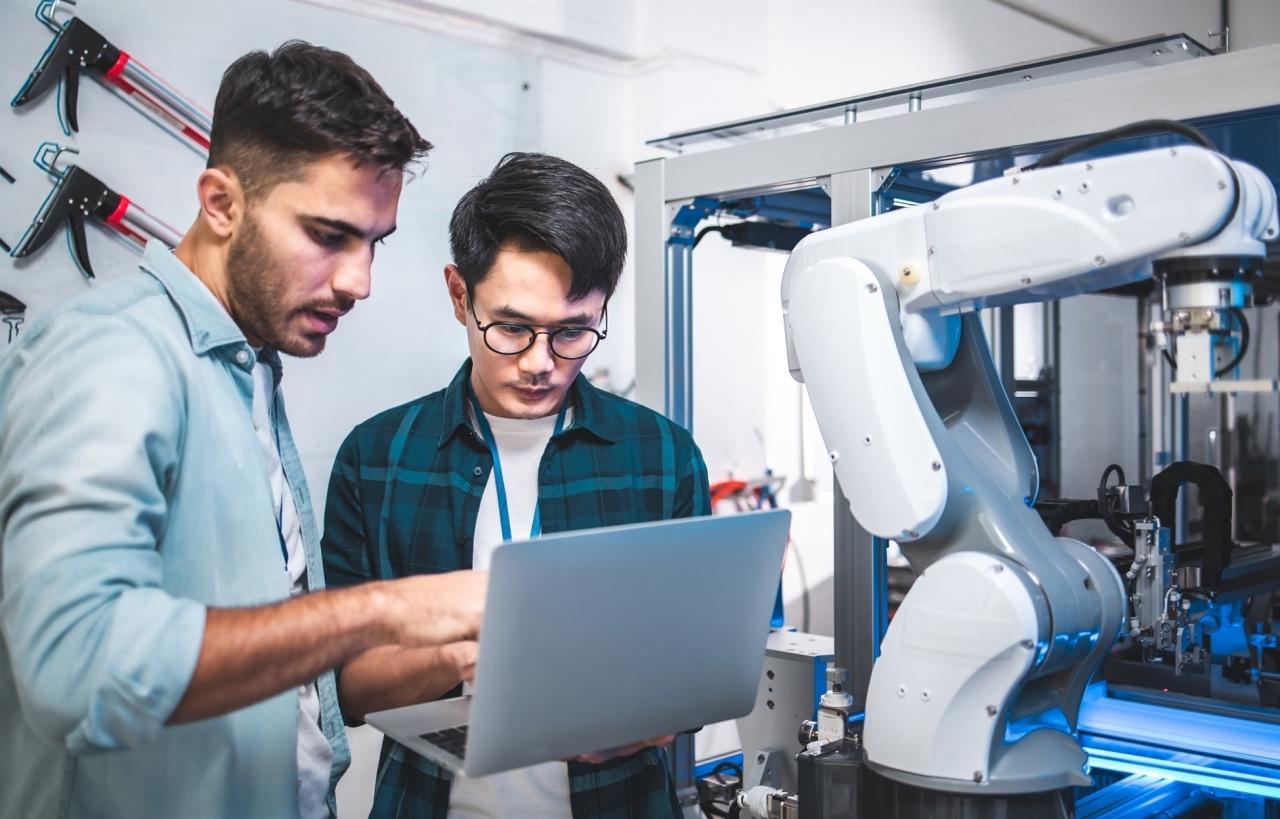
The growing intersection of robotics and environmental sustainability is transforming how industries approach their ecological footprints. As technology evolves, robotics presents significant opportunities for enhancing sustainable practices across various sectors. By leveraging automation and intelligent systems, industries can reduce waste, optimize resource usage, and contribute to ecological preservation.
Robotics plays a crucial role in fostering sustainability, particularly in agriculture, waste management, and energy sectors. These advanced machines are being designed to perform tasks that not only increase efficiency but also minimize environmental impacts. From precision farming techniques that reduce pesticide use to autonomous drones monitoring deforestation, the applications are wide-ranging.
Examples of Robots for Environmental Monitoring and Conservation
Robots specifically designed for environmental monitoring and conservation efforts are becoming increasingly sophisticated. These devices are equipped with sensors and artificial intelligence that enhance their functionality and effectiveness. Some notable examples include:
- Autonomous Drones: Equipped with imaging technology, drones can survey large areas for illegal logging, track wildlife populations, and assess habitat conditions without disturbing ecosystems.
- Underwater Robots: These robots facilitate marine research by monitoring coral reef health, tracking fish populations, and even cleaning up plastic waste in oceans.
- Soil Analysis Robots: Advanced robots in agriculture collect data on soil health and moisture levels, allowing farmers to optimize irrigation and fertilizer use, thereby reducing runoff and chemical pollution.
- Waste Sorting Robots: Emerging in recycling facilities, these robots can identify and sort materials more accurately than human workers, increasing recycling rates and reducing landfill waste.
The implementation of these robotic solutions contributes directly to sustainable practices by promoting more efficient resource use and helping to monitor and protect our environment.
Challenges in Promoting Eco-Friendly Robotics Solutions
While the potential of robotics in advocating for sustainability is immense, there are notable challenges that must be addressed. The complexity of integrating new technologies into existing systems can be a significant barrier.
- High Initial Costs: The development and deployment of advanced robotics often require substantial investment, which can be prohibitive for smaller companies or organizations.
- Technical Limitations: Many robotics solutions still face limitations in their operational range, data processing capabilities, and efficiency in diverse environmental conditions.
- Regulatory Hurdles: There may be regulatory restrictions regarding the use of autonomous systems in certain environments, particularly in sensitive ecosystems.
- Public Perception: Concerns about job displacement and the ethics of using robots in environmental contexts can hinder acceptance and support for new technologies.
Addressing these challenges is essential to harness the full potential of robotics in advancing sustainable practices and ensuring a healthier planet for future generations.
Final Summary

In conclusion, the multifaceted world of robotics presents both exciting opportunities and ethical challenges. As we continue to integrate these technologies into everyday life, understanding their impact becomes crucial. The future of robotics promises further innovation, necessitating ongoing dialogue about responsibility and sustainability as we navigate this transformative journey.
Frequently Asked Questions
What industries benefit most from robotics?
Industries such as healthcare, manufacturing, logistics, and agriculture see significant benefits from robotics through enhanced efficiency and precision.
How do robotics competitions aid in education?
Robotics competitions foster teamwork, problem-solving skills, and creativity, providing students with hands-on experience in engineering and technology.
What are the common programming languages used in robotics?
Common programming languages for robotics include Python, C++, and Java, each offering tools suited for different robotic applications.
Can robots work alongside humans?
Yes, many robots are designed to collaborate with humans, enhancing productivity and safety in various work environments.
What ethical concerns are associated with robotics?
Concerns include job displacement, privacy issues, and the moral implications of autonomous decision-making in robotics.
What future trends are expected in robotics?
Future trends include increased integration of AI, advancements in collaborative robots, and enhanced capabilities for remote operation and autonomy.