Remote Work Technology sets the stage for this enthralling narrative, offering readers a glimpse into a story that is rich in detail with casual formal language style and brimming with originality from the outset.
As the world adapts to new work paradigms, remote work technology has emerged as a game-changer. Over the past two decades, we have witnessed significant advancements that have transformed how businesses function. From the rise of video conferencing tools to sophisticated project management software, the landscape of remote work is continuously evolving, driven by technological innovation and an increasing need for flexibility. This exploration will delve into the historical context, essential tools, challenges faced, and future trends that define remote work technology.
Understanding the Evolution of Remote Work Technology
Over the past two decades, the rise of remote work technology has transformed the way we approach our professional lives. Initially, remote work was a privilege reserved for a select few, often limited to specific industries. However, with rapid advancements in technology, remote work has become an integral part of business strategy across various sectors. This evolution reflects a shift in workplace culture, driven by the need for flexibility, efficiency, and access to a global talent pool.
The technological advancements that have shaped the remote work landscape are vast and multifaceted. The introduction of high-speed internet in the early 2000s laid the groundwork for remote connectivity, making it possible for employees to work from virtually anywhere. Following this, the emergence of collaboration tools such as Slack, Microsoft Teams, and Zoom revolutionized communication, allowing teams to collaborate in real-time regardless of their physical location. These platforms not only facilitated communication but also fostered a sense of camaraderie among remote workers, which is crucial for maintaining team morale.
Key Milestones in Remote Work Technology
Several key milestones have significantly impacted how companies operate and leverage remote work technology. These milestones highlight the ongoing evolution of workplace dynamics.
- 2000s: Broadband Internet Adoption – The widespread adoption of broadband internet marked a turning point, enabling smoother video conferencing and reliable connectivity for remote work.
- 2010: Rise of Cloud Computing – Cloud services like Google Drive and Dropbox allowed employees to store and share files easily, breaking down barriers to information access.
- 2015: Video Conferencing Maturity – Platforms such as Zoom gained popularity, providing high-quality video calls that mimicked in-person meetings.
- 2020: The Pandemic Push – The COVID-19 pandemic accelerated remote work adoption, forcing businesses to adapt quickly to virtual operations.
- 2021 and beyond: Hybrid Work Models – Companies began exploring hybrid models, blending remote and in-office work to accommodate employee preferences and enhance productivity.
These milestones represent critical points in the evolution of remote work technology, showcasing how advancements have enabled businesses to become more agile and responsive in a rapidly changing world. The integration of these technologies not only streamlines operations but also enhances employee satisfaction and retention, demonstrating the profound impact of technological innovation on the modern workplace.
“Remote work is not just a trend; it’s a fundamental shift in how we view work and productivity.”
Tools and Platforms Enabling Remote Work

The landscape of remote work has dramatically changed in recent years, driven by technological advancements and evolving workplace norms. To effectively navigate this shift, teams rely on various tools and platforms that enhance communication, project management, and collaboration. These technologies not only streamline workflows but also foster a sense of community among remote workers, making it easier to achieve common goals.
A variety of tools are available, each designed to address specific challenges that arise in a remote work environment. Below is a look at some of the most popular tools that facilitate remote work, detailing their features and effectiveness in boosting productivity and team cohesion.
Popular Remote Work Tools
The following tools have gained prominence for their ability to enhance communication, manage projects, and promote collaboration among remote teams:
-
Slack
Slack is a real-time messaging platform that serves as a central hub for team communication. It allows users to create channels for specific projects or topics, facilitating organized discussions. Features like file sharing and integration with other applications make it effective for enhancing team collaboration.
-
Trello
Trello is a visual project management tool that uses boards, lists, and cards to help teams organize tasks. Its drag-and-drop interface is intuitive, allowing team members to track progress easily. By providing a clear overview of ongoing projects, Trello enhances productivity and accountability.
-
Zoom
Zoom is a video conferencing tool that has become essential for remote meetings. It supports video calls, webinars, and screen sharing, making it easy for teams to collaborate in real-time. The ability to record meetings also ensures that important discussions are documented for future reference.
-
Asana
Asana is a comprehensive project management tool that helps teams plan, organize, and track their work. Its features include task assignments, deadlines, and progress tracking, enabling teams to stay aligned on project goals. Asana’s visual dashboards foster clarity and encourage team members to stay on task.
-
Microsoft Teams
Microsoft Teams is an integrated platform that combines workplace chat, video meetings, and file collaboration. It offers seamless integration with other Microsoft 365 tools, making it a powerful solution for remote teams. The ability to create dedicated channels for projects enhances communication and keeps everyone informed.
The effectiveness of these tools is reflected in the improvement of productivity and team cohesion. By providing diverse communication methods, project visibility, and collaborative features, remote work tools help bridge the gap created by physical distance. Teams equipped with these technologies can work more efficiently, maintain strong relationships, and achieve better outcomes, even when working from different locations.
Challenges Associated with Remote Work Technology
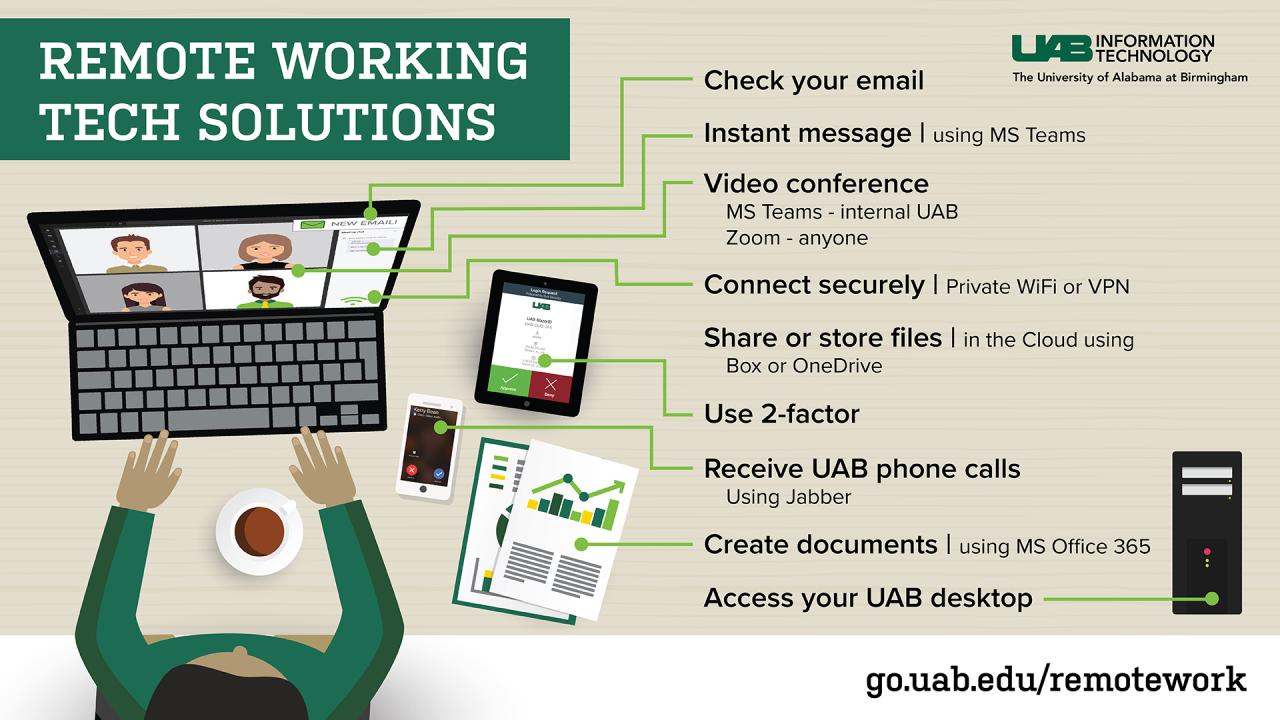
As organizations increasingly adopt remote work technology, they encounter a variety of challenges that can hinder productivity and employee satisfaction. These challenges often stem from the complexities of integrating new systems, ensuring cybersecurity, and managing employee well-being in a remote setting.
One of the notable challenges in remote work technology is the increasing risk of cybersecurity threats. With employees accessing company networks from various locations and devices, organizations are more vulnerable to data breaches and cyberattacks. These incidents can lead to significant financial losses, damage to reputation, and legal repercussions. Additionally, technology fatigue is another pressing issue, where employees may feel overwhelmed by the constant influx of communication tools and platforms, leading to burnout and decreased effectiveness.
Key Challenges in Remote Work Technology
Understanding the specific challenges that arise can help organizations devise effective strategies to mitigate them. Below are three key challenges along with their potential impacts on remote work effectiveness:
- Cybersecurity Risks: As employees work remotely, they often use personal devices and home networks that may not have the same security protocols as corporate environments. This can increase the likelihood of phishing attacks and malware infections. For instance, a sophisticated phishing attack targeting remote workers could lead to unauthorized access to sensitive company data.
- Technology Fatigue: Employees frequently switch between multiple tools for communication, project management, and collaboration, which can lead to cognitive overload. This fatigue may result in decreased productivity and increased errors. A survey found that 70% of remote workers reported feeling overwhelmed due to excessive notifications and meetings.
- Lack of Face-to-Face Interaction: Remote work can lead to feelings of isolation among employees, which can impact team cohesion and collaboration. For example, a marketing team that relies heavily on brainstorming sessions may struggle to generate creative ideas without in-person interactions, leading to a decline in innovative campaigns.
To address these challenges, organizations can implement several strategies:
1. Enhanced Security Protocols: Companies should invest in robust cybersecurity measures, including VPNs, multi-factor authentication, and regular security training for employees to recognize threats.
2. Streamlined Communication Tools: Reducing the number of platforms and creating clear guidelines for their use can help alleviate technology fatigue. Establishing designated times for check-ins can also make communication more efficient.
3. Promoting Team Engagement: Encouraging regular virtual team-building activities can foster a sense of community and reduce feelings of isolation, enhancing collaboration and morale among remote workers.
The Role of Artificial Intelligence in Remote Work
The integration of artificial intelligence (AI) into remote work environments has transformed how teams collaborate, manage tasks, and make decisions. AI technologies offer innovative solutions that enhance productivity and streamline processes, enabling remote teams to operate more effectively. From automation to data analysis, AI tools are reshaping traditional workflows and fostering a more efficient work culture.
AI applications in remote work setups are diverse and impactful. Automating routine tasks such as scheduling meetings, managing emails, and tracking project progress frees team members to focus on more strategic activities. AI-driven virtual assistants can handle administrative duties, enabling employees to dedicate their time to critical projects. Moreover, AI’s data analysis capabilities allow for the extraction of valuable insights from large datasets, providing remote teams with actionable information that supports informed decision-making.
AI Enhances Decision-Making and Optimizes Workflow
AI plays a crucial role in enhancing decision-making and optimizing workflows for remote teams. By analyzing data trends and patterns, AI tools can provide recommendations that guide strategic choices. For example, AI algorithms can evaluate past project performances to recommend resource allocation, identify potential risks, and suggest corrective measures. This predictive ability leads to more effective planning and execution of tasks.
The following points highlight how AI-driven tools outperform traditional methods in remote work environments:
- Increased Efficiency: AI automates time-consuming tasks, significantly reducing the time needed for completion compared to manual methods. For instance, using AI to sort through emails allows for quicker responses and enhanced communication.
- Enhanced Data Analysis: AI systems can process vast amounts of data in real-time, offering insights that would take human analysts significantly longer to uncover. This capability helps teams make quicker, data-driven decisions.
- Improved Collaboration: AI tools facilitate seamless communication and collaboration among remote teams by integrating platforms like Slack or Microsoft Teams, providing instant updates and centralized information access.
- Better Resource Management: AI-driven applications can forecast project timelines and resource needs more accurately than traditional methods, ensuring that teams are optimally staffed and equipped.
AI’s ability to provide predictive analytics, automate repetitive tasks, and enhance communication channels represents a significant advancement over traditional remote work practices. By leveraging these tools, remote teams can achieve a higher level of productivity and adaptability, ultimately driving organizational success.
Best Practices for Remote Work Technology Implementation
Implementing remote work technology is more than just adopting tools; it requires a strategic approach to ensure that technology enhances productivity and collaboration. Organizations must focus on effective training and user adoption to create a seamless transition for employees into remote work environments.
One of the critical aspects of successful remote work technology implementation lies in understanding that technology is only as effective as the people using it. Organizations need to invest in training, support, and fostering a culture that embraces digital transformation.
Comprehensive Training Programs
Offering thorough training programs for remote work technology is essential. Training should cover not only how to use the tools but also best practices for effective remote work. This can include modules on time management, communication etiquette, and security protocols.
-
“Knowledge is power, and empowering employees through training can significantly reduce resistance to new technologies.”
Training sessions should be interactive, allowing employees to ask questions and practice using the tools in real time.
User-Friendly Technology Selection
Choosing user-friendly technology can greatly enhance user adoption. Complicated tools can frustrate employees, leading to decreased productivity and increased support requests. Organizations should prioritize intuitive software that aligns with the team’s workflow.
- Conduct surveys or focus groups to gather feedback from employees about preferred tools and features. This ensures the selected technology meets their needs and reduces any friction during adoption.
Regular Feedback Mechanisms
Establishing regular feedback mechanisms allows for continuous improvement of remote work technology. Employees should feel comfortable sharing their experiences and any challenges they face with the tools provided.
- Hold periodic check-ins and surveys to assess the effectiveness of the technology and training. This feedback can guide further training and technology updates.
Leadership and Culture Development
Leadership plays a pivotal role in fostering a culture that embraces technology. Leaders should model the behaviors they want to see, such as using the technology themselves and encouraging team interaction through digital channels.
- Establish clear communication from leadership about the purpose and benefits of the technology. This transparency helps to build trust and encourages employees to engage with the tools positively.
Implementing remote work technology effectively is a multifaceted endeavor that requires commitment, ongoing training, and strong leadership to cultivate an environment that embraces change and innovation.
Future Trends in Remote Work Technology
The landscape of remote work technology is continuously evolving, driven by advancements that aim to enhance productivity and collaboration. As organizations adapt to changing workforce dynamics, understanding emerging trends is crucial for future success. This analysis will delve into key trends that are expected to shape the remote work environment, highlighting their potential impacts and how organizations can gear up for these innovations.
Virtual Reality Integration
Virtual reality (VR) is poised to revolutionize remote work by providing immersive experiences that can replicate in-person interactions. Companies are beginning to invest in VR technology to facilitate virtual meetings and interactive training sessions. This technology allows team members to engage in a shared virtual space, making collaboration feel more personal and less isolating.
Key advantages of VR in remote work include:
- Enhanced Engagement: VR promotes deeper engagement among team members by creating a more visceral experience, leading to improved communication and collaboration.
- Realistic Training Environments: Employees can participate in lifelike simulations for training purposes, which can be particularly beneficial in industries such as healthcare and manufacturing.
- Global Collaboration: VR bridges geographical distances, allowing teams from around the world to meet in a virtual setting without the barriers of travel costs and time zones.
Advanced Collaboration Tools
As remote teams grow, so too does the need for sophisticated collaboration tools that integrate various functionalities in a single platform. Emerging tools are focusing on streamlining workflows, enabling seamless communication, and maintaining project management efficiency.
Organizations can benefit from:
- Unified Communication Platforms: Tools that combine chat, video, and project management help reduce disruptions and foster a more cohesive team environment.
- AI-Powered Assistants: Intelligent assistants can help manage schedules, prioritize tasks, and automate routine processes, allowing employees to focus on more strategic initiatives.
- Real-Time Collaboration Features: Tools that allow multiple users to work on documents simultaneously enhance productivity and ensure all team members are aligned in real-time.
Increased Focus on Cybersecurity
As remote work technology expands, the focus on cybersecurity has intensified. With the rise of remote working, organizations are becoming more vulnerable to cyber threats, making the adoption of robust security measures a priority.
To mitigate risks, companies should consider:
- Comprehensive Security Policies: Establishing clear protocols for data protection, including guidelines for remote access and device security, can help safeguard sensitive information.
- Regular Training Programs: Educating employees on potential cyber threats and safe internet practices can significantly reduce the likelihood of security breaches.
- Investment in Advanced Security Technologies: Implementing multi-factor authentication, VPNs, and endpoint protection can enhance defenses and protect company assets from external attacks.
Organizations that proactively embrace these trends will not only enhance their operational resilience but also create a more engaging and secure remote work environment. Adapting to these emerging technologies will ensure businesses remain competitive in the evolving landscape of work.
Assessing the Impact of Remote Work Technology on Employee Wellbeing
The rise of remote work technology has transformed the way employees interact with their jobs, colleagues, and work environments. While this shift offers numerous benefits, it also presents challenges that can significantly influence employee wellbeing. Understanding these impacts is crucial for organizations aiming to foster a healthy work culture in a digital age.
The implications of remote work technology on employee mental health and work-life balance can be profound. On one hand, technology enables flexible work arrangements that allow employees to manage their schedules and responsibilities more effectively. On the other hand, it can blur the boundaries between work and personal life, leading to stress and burnout.
Positive and Negative Effects of Remote Work Technology on Wellbeing
Remote work technology can have both beneficial and detrimental effects on employee wellbeing. Recognizing these impacts is essential for organizations to implement strategies that enhance positive aspects while mitigating negative ones.
Positive effects include:
- Flexibility: Remote work allows employees to create their own schedules, which can lead to improved work-life balance and reduced commuting stress.
- Increased Autonomy: With remote tools, employees often have more control over how they complete their tasks, fostering a sense of ownership and motivation.
- Access to Resources: Technology provides employees with a wealth of information and resources, enabling them to enhance their skills and productivity from anywhere.
Negative effects include:
- Isolation: The lack of face-to-face interactions can lead to feelings of loneliness and disconnection from colleagues, impacting mental health.
- Overwork: The blurring of work and home life can result in longer working hours and difficulty disconnecting from work responsibilities.
- Digital Fatigue: Constant use of digital communication tools can lead to burnout and decreased job satisfaction, as employees may feel overwhelmed by notifications and meetings.
The balance between flexibility and connectivity is crucial for maintaining employee wellbeing in remote work environments.
To support employee wellbeing while leveraging remote work technologies, organizations can adopt several strategies:
- Promote Clear Boundaries: Encourage employees to set specific work hours and take regular breaks to prevent burnout and maintain a healthy work-life balance.
- Foster Connection: Implement regular virtual team-building activities and check-ins to combat feelings of isolation and strengthen team cohesion.
- Provide Resources: Offer mental health support services and resources, such as online counseling or mindfulness programs, to help employees cope with stress.
Case Studies of Successful Remote Work Technology Implementations
The shift to remote work has transformed the operational landscape for many organizations. Companies that have effectively integrated remote work technology into their operations have not only maintained productivity but have also experienced growth and innovation. This section delves into two notable case studies that exemplify successful remote work technology implementations and the strategies employed to achieve remarkable outcomes.
Case Study: GitLab
GitLab, a leading DevOps platform, operates entirely on a remote work model. With over 1,300 team members spread across more than 65 countries, GitLab has mastered the art of remote collaboration. The company’s success stems from its transparent communication culture and robust technological infrastructure.
The key strategies adopted by GitLab include:
- Asynchronous Communication: GitLab emphasizes asynchronous communication to accommodate various time zones. This ensures that team members can contribute to discussions and projects without the pressure of real-time responses.
- Documentation-First Approach: Every process, decision, and project is meticulously documented in GitLab’s internal wiki. This promotes transparency and allows new hires to ramp up quickly by accessing essential information.
- Dedicated Remote Work Tools: The use of tools like GitLab itself for version control, Slack for messaging, and Zoom for video conferencing has created a seamless workflow that enhances collaboration.
The results of these strategies have been profound, including an increase in employee satisfaction and a retention rate that surpasses industry averages. GitLab’s inclusive culture fosters a sense of belonging among remote workers, empowering them to contribute effectively.
Case Study: Buffer
Buffer, a social media management platform, is another example of a company thriving with a remote-first approach. With a fully distributed team, Buffer has cultivated a unique company culture centered around transparency, flexibility, and autonomy.
Buffer’s successful implementation of remote work technology is characterized by:
- Regular Check-Ins: Buffer conducts regular one-on-ones and team meetings to ensure that team members feel connected and supported, despite physical distances.
- Open Salary Policy: By openly sharing salary information, Buffer builds trust and equity among employees, contributing to a positive remote work environment.
- Focus on Well-Being: The company encourages employees to take time off for mental health and offers resources for personal development, leading to a more engaged workforce.
As a result of these initiatives, Buffer has experienced impressive productivity levels and a loyal workforce. Their commitment to employee well-being and transparency has set a benchmark for remote work culture.
“Successful remote work depends on effective communication, documentation, and a supportive work culture.”
The lessons learned from GitLab and Buffer’s experiences underline the importance of adopting intentional strategies that prioritize communication, documentation, and employee well-being in remote work environments. Other organizations can draw inspiration from these case studies to enhance their remote work practices and achieve similar success.
Epilogue
In conclusion, remote work technology is not just a temporary solution but a lasting shift that impacts the way we work and live. As organizations embrace these tools and navigate the associated challenges, they pave the way for a more adaptable and efficient work environment. By understanding the evolution, implementing best practices, and considering the future trends, companies can ensure they remain competitive while supporting their employees’ wellbeing. The journey of remote work technology is just beginning, and its potential is limitless.
FAQ Corner
What are the key benefits of remote work technology?
Key benefits include increased flexibility, improved work-life balance, access to a broader talent pool, and enhanced productivity through a variety of tools.
How can organizations ensure cybersecurity while working remotely?
Organizations can enhance cybersecurity by implementing strong passwords, using VPNs, ensuring software updates, and providing regular training on security best practices.
What is the role of management in remote work settings?
Management plays a crucial role in establishing clear communication, fostering a culture of trust, and providing support and resources for employees to thrive in remote environments.
How can teams maintain cohesion while working remotely?
Teams can maintain cohesion through regular check-ins, virtual team-building activities, and using collaboration tools that promote communication and engagement.
What should companies consider when selecting remote work tools?
Companies should consider user-friendliness, integration capabilities, scalability, and the specific needs of their teams to choose the most effective remote work tools.