Ransomware has emerged as a formidable adversary in today’s digital landscape, inflicting chaos on both individuals and organizations alike. With cybercriminals developing increasingly sophisticated methods, the implications of these attacks extend far beyond simple data loss; they can disrupt lives, cripple businesses, and pose severe psychological burdens on victims. As we delve into the heart of ransomware, we will explore its evolution, the methods employed by attackers, and the critical importance of preparedness in the ever-evolving cyber threat landscape.
This discussion will encompass the various facets of ransomware, from understanding its operational mechanics to the emotional and financial toll it takes on victims. By examining high-profile cases and current trends, we will shed light on the growing prevalence of ransomware attacks, along with actionable measures that individuals and organizations can implement to safeguard their digital assets.
The Definition and Impact of Ransomware
Ransomware has become one of the most daunting cybersecurity threats in recent years, evolving significantly since its inception. Essentially, ransomware is a type of malicious software that encrypts files on the victim’s system, rendering them inaccessible until a ransom is paid to the attacker. The evolution of ransomware can be traced back to the late 1980s, with one of the first known examples being the “PC Cyborg” Trojan. However, the real explosion in ransomware incidents began in the early 2000s, as digital networks expanded and cybercriminals became more sophisticated.
Modern ransomware has seen a shift from simple encryption to more complex tactics, such as double extortion—where attackers not only encrypt files but also threaten to release sensitive data publicly if the ransom is not paid. This evolution has made ransomware a lucrative business for cybercriminals, with the global cost of ransomware attacks projected to reach billions annually.
The emotional and financial fallout from ransomware attacks can be devastating for victims. Organizations may face crippling downtime, loss of sensitive data, and significant recovery costs. The psychological impact can be equally severe, with victims experiencing stress, anxiety, and a profound sense of violation. Many companies are left grappling with their reputations as they navigate the aftermath of such breaches.
High-Profile Ransomware Incidents
Several high-profile ransomware incidents serve as sobering reminders of the potential consequences of these attacks. One notable example is the Colonial Pipeline attack in May 2021, which led to fuel shortages across the Eastern United States. The company paid a ransom of approximately $4.4 million, though much of it was later recovered by federal authorities. Another significant incident was the attack on the JBS meat processing plant, which disrupted meat supply chains and resulted in a ransom payment of $11 million.
These incidents illustrate not just the financial strain but also the broader implications on supply chains and public services. Companies often find themselves at a crossroads—choosing to pay the ransom in hopes of quick recovery or refusing to engage with attackers, which can lead to prolonged operational disruptions.
Ransomware poses a critical threat that can cripple businesses and compromise sensitive information, making it essential for organizations to implement robust cybersecurity measures.
Understanding How Ransomware Operates
Ransomware attacks have become a pervasive threat in the digital landscape, impacting individuals and organizations alike. Understanding the intricacies of how these attacks operate is essential for developing effective defenses. This section will delve into the steps involved in typical ransomware attacks, the common delivery methods used by attackers, and the critical role encryption plays in data recovery.
Steps Involved in a Ransomware Attack
A typical ransomware attack follows a specific sequence of steps that attackers meticulously execute to maximize their chances of success. The process usually includes:
- Initial Compromise: Attackers often gain access through phishing emails, malicious downloads, or exploiting vulnerabilities in software.
- Execution: Once the malware is on the system, it executes, initiating the encryption process.
- Data Encryption: The ransomware begins encrypting files on the infected system, often targeting critical and sensitive data.
- Ransom Notification: After encryption, victims receive a ransom note detailing the amount demanded and instructions for payment.
- Payment and Recovery (or not): Victims may choose to pay the ransom in hopes of recovering their data, but this does not guarantee recovery, as many attackers do not provide the decryption key.
Common Delivery Methods for Ransomware
Ransomware is typically delivered through various channels that exploit human or software vulnerabilities. Recognizing these methods can help in preventing infections:
- Phishing Emails: Malicious attachments or links in seemingly legitimate emails trick users into executing the ransomware.
- Malicious Websites: Users may inadvertently download ransomware after visiting compromised websites that host exploit kits.
- Remote Desktop Protocol (RDP) Attacks: Attackers exploit weak RDP credentials to gain access to systems directly.
- Drive-By Downloads: User visits a compromised website, leading to automatic download and execution of ransomware.
- USB Devices: Infected USB drives can introduce ransomware when plugged into a computer.
Role of Encryption in Ransomware
Encryption is the cornerstone of ransomware functionality, as it renders the victim’s files inaccessible without a decryption key. This process has significant implications for data recovery efforts:
- Encryption Algorithms: Ransomware often employs robust encryption algorithms such as AES (Advanced Encryption Standard), making unauthorized decryption nearly impossible without the key.
- Impact on Data Recovery: Recovery becomes challenging when a victim’s data is encrypted unless they have a reliable backup system in place.
- Decryption Key Uncertainty: Payment does not always guarantee that victims will receive the decryption key, as many attackers are unreliable.
- Potential for Data Loss: Without effective backup strategies, encrypted data may be permanently lost, leading to severe operational and financial consequences.
The Growing Threat Landscape of Ransomware
Ransomware has evolved into one of the most significant cybersecurity threats in recent years. As technology advances, so do the tactics employed by cybercriminals, making the threat landscape increasingly complex and dangerous. Organizations across the globe are finding themselves at risk, and understanding this evolving threat is crucial for effective prevention and response.
The frequency and sophistication of ransomware attacks have increased dramatically over the past few years. Cybercriminals are adopting advanced techniques, such as double extortion, where data is not only encrypted but also exfiltrated and threatened with public release. According to a report by cybersecurity firm SonicWall, the number of ransomware attacks rose by 62% worldwide in 2021, marking a staggering increase in both frequency and impact. Additionally, a study by Coveware reported that the average ransom payment surged to over $200,000 in 2022, demonstrating the financial stakes involved for victims.
Statistics on Global Ransomware Attacks
The statistics surrounding ransomware attacks paint a vivid picture of the severity and pervasiveness of this crime. The following points highlight the global impact of ransomware across various sectors:
- In 2022, it was estimated that ransomware attacks occurred every 11 seconds, up from every 14 seconds in 2019.
- Healthcare organizations are among the most targeted, experiencing an increase of over 300% in ransomware attacks in 2021 compared to the previous year, leading to significant disruptions in patient care.
- According to the FBI’s Internet Crime Complaint Center, ransomware incidents accounted for more than $29 million in losses in 2021 alone.
- The education sector has also been heavily affected, with numerous school districts falling victim to ransomware attacks, leading to extended closures and substantial recovery costs.
The economic and operational impact of ransomware attacks is profound, affecting not only immediate financial losses but also long-term reputational damage and loss of customer trust, which can take years to rebuild.
Motivations Behind Ransomware Attacks
Understanding the motivations of cybercriminals can provide insights into their methods and targets. The primary motivations for ransomware attacks include:
- Financial Gain: The primary driver behind most ransomware attacks is the potential for financial profit, with attackers often targeting organizations that are more likely to pay ransoms to regain access to their data.
- Political Motives: Some ransomware attacks are motivated by political agendas or ideologies, targeting governmental and public sectors to disrupt operations and create chaos.
- Personal Vendettas: In some cases, disgruntled employees may resort to ransomware to retaliate against their employers, putting sensitive data at risk.
- Reputation Damage: Certain attackers aim to harm the reputation of specific companies or industries, using ransomware as a means to tarnish their public image.
This multifaceted nature of motivations makes it crucial for organizations to adopt a comprehensive cybersecurity strategy, addressing not only technical vulnerabilities but also potential insider threats.
“Ransomware is no longer just an IT issue; it’s a business risk that requires a multi-faceted approach to combat effectively.”
Preventative Measures Against Ransomware
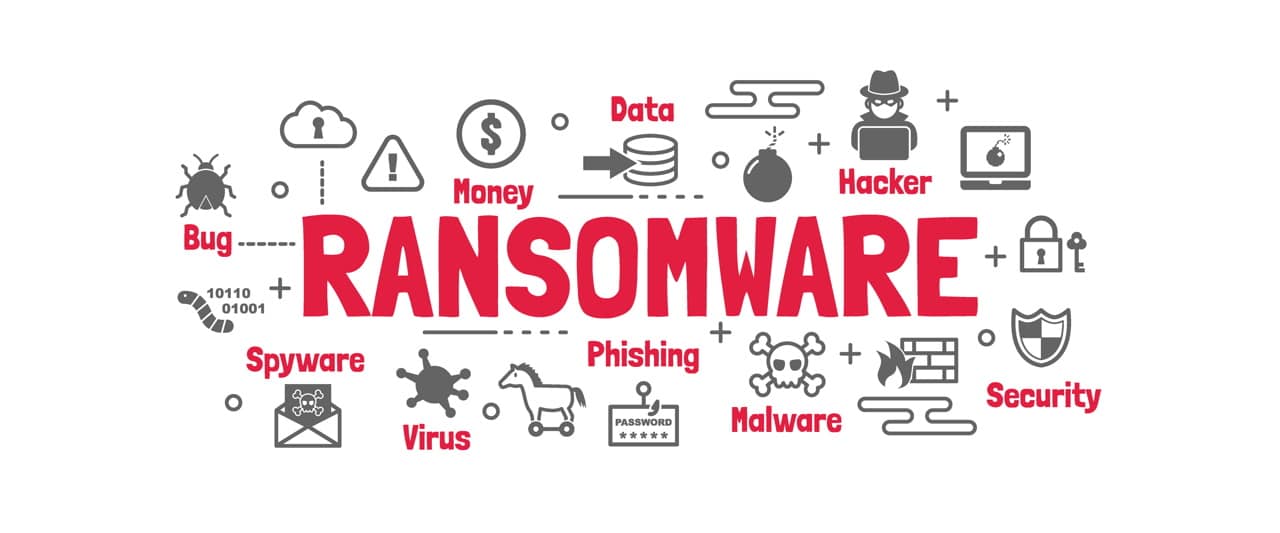
Ransomware attacks have become increasingly sophisticated and prevalent, posing significant threats to both individuals and organizations. To effectively safeguard against these malicious intrusions, it is crucial to implement a variety of preventative measures. By adopting a proactive security posture, users can significantly reduce their risk of falling victim to ransomware attacks.
Establishing a comprehensive security strategy is essential for mitigating the risks associated with ransomware. This involves not only technical defenses but also human factors, such as training and awareness, which can make a substantial difference in preventing attacks. Below, we explore best practices that can be adopted at both the individual and organizational levels.
Best Practices for Ransomware Prevention
Implementing effective preventative measures requires a multifaceted approach. The following best practices should be considered to create a robust defense against ransomware:
- Regular Backups: Maintain frequent backups of all critical data and ensure they are stored offline or in a secure cloud environment. This practice minimizes data loss in case of an attack.
- Employee Training: Conduct regular training sessions to educate employees about the risks of ransomware and how to recognize phishing attempts and suspicious links.
- Strong Password Policies: Enforce strong, unique passwords for all accounts and employ multi-factor authentication (MFA) where possible to add another layer of security.
- Software Updates: Keep all software, including operating systems and applications, updated with the latest security patches to protect against known vulnerabilities.
- Network Segmentation: Segment networks to limit lateral movement within the organization, thereby containing potential ransomware damage.
- Access Controls: Implement strict user access controls to ensure that individuals have access only to the data necessary for their roles.
Security Protocols to Mitigate Risks
A well-designed security protocol is essential for preventing ransomware attacks. This should include a combination of training, technology, and consistent updates. Below are key components that should be part of any security protocol:
- Regular Security Audits: Schedule periodic security audits to identify vulnerabilities and ensure compliance with security policies.
- Endpoint Protection: Deploy advanced endpoint protection solutions that offer real-time monitoring and threat detection to identify potential ransomware activities.
- Incident Response Plan: Develop a comprehensive incident response plan detailing the steps to take in the event of a ransomware attack, ensuring that all employees are familiar with it.
- Threat Intelligence: Subscribe to threat intelligence services to stay updated on current ransomware trends and emerging threat vectors.
- Controlled Software Installation: Restrict software installations to authorized personnel to minimize the risk of inadvertently introducing ransomware into the network.
Antivirus Software Solutions and Their Effectiveness
Choosing the right antivirus software is critical for preventing ransomware. Different solutions offer various features that can enhance protection. Here is a comparison of some popular antivirus software solutions based on their effectiveness against ransomware:
| Antivirus Software | Ransomware Protection Features | Effectiveness Rating |
|---|---|---|
| Bitdefender | Advanced heuristic detection, ransomware remediation tools | Highly Effective |
| Kaspersky | Real-time protection, behavior-based detection, frequent updates | Highly Effective |
| Norton | Cloud backup, ransomware protection layer, strong phishing protection | Effective |
| McAfee | Web protection, advanced malware detection, file encryption | Effective |
In summary, adopting a combination of strong preventative measures, a comprehensive security protocol, and the right antivirus software can significantly reduce the risk of ransomware attacks. Each element plays a vital role in creating a resilient defense against this evolving threat.
Response Strategies for Ransomware Incidents

In the face of a ransomware attack, immediate and effective response strategies are crucial for minimizing damage and recovering affected systems. A well-planned response can significantly reduce downtime and the potential loss of sensitive data. Understanding the necessary steps and having a comprehensive plan in place can make all the difference in a crisis.
Immediate Steps Upon Detection of a Ransomware Attack
Upon discovering a ransomware incident, there are essential steps that need to be executed swiftly to mitigate the situation. These steps should be clear and well-practiced within the organization’s incident response plan.
- Isolate Affected Systems: Disconnect infected devices from the network immediately to prevent the spread of the ransomware to other systems.
- Assess the Extent of the Attack: Determine which systems and data have been impacted. This includes identifying the type of ransomware involved, if possible.
- Notify the Incident Response Team: Engage your internal IT security team or external cybersecurity experts to begin containment and recovery processes.
- Communicate Internally: Inform relevant stakeholders about the situation without causing panic, ensuring that key personnel are aware of their roles during the response.
- Document Everything: Keep detailed records of the attack, including screenshots, ransom notes, and any actions taken. This documentation will be crucial for analysis and potential legal matters.
Importance of a Response Plan
Having a well-defined response plan is vital for organizations to effectively manage ransomware incidents. A comprehensive plan encompasses various components that prepare teams for prompt action.
- Roles and Responsibilities: Clearly define the roles of team members in a crisis, ensuring everyone knows their responsibilities during an attack.
- Communication Protocols: Establish guidelines for internal and external communication to maintain transparency and manage stakeholder expectations.
- Recovery Procedures: Detail the steps for restoring systems from backups and ensuring data integrity, along with processes for potential ransom negotiations.
- Regular Training and Drills: Conduct training sessions and simulation drills to keep staff prepared for potential ransomware events, reinforcing the importance of awareness and prompt action.
- Post-Incident Review: Implement a mechanism for reviewing and analyzing the response after an incident, allowing for continuous improvement of the response plan.
Role of Law Enforcement in Ransomware Incidents
Law enforcement can play a pivotal role in the aftermath of a ransomware attack, particularly in efforts to recover data and hold perpetrators accountable.
- Investigation Support: Law enforcement agencies can provide assistance in investigating the attack, utilizing their resources to trace the attacker’s origin and gather evidence.
- Data Recovery Efforts: Certain agencies may offer services or partnerships with cybersecurity firms that specialize in data recovery from ransomware.
- Legal Guidance: Engaging with law enforcement can provide organizations with legal advice regarding compliance and reporting obligations, particularly if sensitive or regulated data is involved.
- Public Awareness Campaigns: Law enforcement often conducts campaigns to raise awareness about ransomware threats, helping organizations understand the risks and preventive measures.
- Collaboration with Cybersecurity Experts: Law enforcement agencies often collaborate with cybersecurity firms to enhance their understanding of emerging threats and improve response strategies.
“A well-prepared response plan not only helps in immediate recovery from a ransomware incident but also strengthens an organization’s resilience against future attacks.”
Legal and Ethical Considerations in Ransomware Situations
Ransomware attacks present a complex interplay of legal and ethical issues that organizations must navigate when facing such incidents. The decision to pay a ransom often comes with significant ramifications, impacting not only the immediate victims but also broader societal norms surrounding cybersecurity. This section delves into the legal implications of ransomware payments, the ethical dilemmas involved, and the regulatory landscape governing these issues.
Legal Ramifications of Paying Ransom
The legal implications of paying ransom to cybercriminals are multifaceted and highly dependent on jurisdiction. Organizations that choose to engage in ransom payments may face several legal risks, which include potential violations of laws related to terrorism financing, money laundering, and privacy regulations.
One key aspect is the potential conflict with laws designed to combat terrorism. In the United States, for example, the Office of Foreign Assets Control (OFAC) regulates transactions involving individuals or entities on the Specially Designated Nationals and Blocked Persons List. Payment to a ransomware attacker, particularly if they are linked to a sanctioned entity, could lead to substantial legal penalties.
Additionally, victims may encounter civil liability issues. For instance, if a company pays a ransom but fails to adequately secure its data afterwards, it could be held liable for any subsequent breaches or data leaks that affect customers or employees. This liability can arise from negligence claims or violations of data protection regulations, such as the General Data Protection Regulation (GDPR) in the European Union.
“Paying ransom may not only fund future attacks but also expose the victim to legal repercussions.”
Ethical Considerations of Ransomware Payments
The decision to pay ransom raises significant ethical questions, particularly regarding its consequences for future cybercrime. Paying a ransom can be seen as incentivizing cybercriminals, potentially leading to an increase in attacks. Organizations must weigh the immediate need to restore operations against the larger implications for the cybersecurity landscape.
Moreover, the ethical dilemma extends to the impact on stakeholders. When a company opts to pay a ransom, it may prioritize its own recovery over broader societal interests, such as the safety and security of the digital ecosystem. This raises questions about corporate responsibility and the moral obligation to protect not only one’s own data but also the data of others that may be affected by the attack.
The debate surrounding whether to pay ransom is further complicated by the potential for double extortion schemes, where attackers demand payment not only for the decryption of data but also threaten to release sensitive information publicly. This scenario puts organizations in a position where they must consider the implications of their payment on both their reputation and the privacy of affected individuals.
Laws and Regulations Governing Cybersecurity
Several laws and regulations govern cybersecurity and data protection, particularly in the context of ransomware attacks. Understanding these regulations is crucial for organizations facing such threats.
1. General Data Protection Regulation (GDPR) – This regulation imposes stringent requirements on organizations regarding the handling of personal data. Failure to protect this data can result in severe penalties, which can be compounded if a ransom is paid without adequate security measures being in place.
2. Health Insurance Portability and Accountability Act (HIPAA) – For healthcare organizations, HIPAA sets standards for the protection of health information. Ransomware attacks targeting these entities can lead to violations of HIPAA if patient data is compromised.
3. State Data Breach Laws – In many jurisdictions, state laws mandate notification to affected individuals in the event of a data breach. Organizations that pay ransom may find themselves obligated to disclose the breach, potentially harming their reputation and customer trust.
“Understanding the legal framework is essential for organizations to navigate the aftermath of ransomware attacks effectively.”
By considering these legal and ethical dimensions, organizations can better prepare for ransomware incidents, making informed decisions that balance immediate recovery needs with long-term implications for their operations and the cybersecurity landscape.
The Future of Ransomware and Cybersecurity
As ransomware continues to evolve, so does the landscape of cybersecurity. Organizations must not only respond to current threats but also anticipate future trends that can potentially disrupt their operations. This section explores the anticipated developments in ransomware tactics, the influence of emerging technologies on cybersecurity measures, and proactive strategies that businesses can adopt to fortify their defenses against these malicious attacks.
Predicted Trends in Ransomware Development
The future of ransomware is expected to witness several trends that could redefine the tactics employed by cybercriminals. With the growing sophistication of attacks, organizations should be aware of the following potential trends:
- Increased Use of Ransomware-as-a-Service (RaaS): The proliferation of RaaS models has made it easier for cybercriminals with limited skills to launch attacks. This accessibility is likely to contribute to a rise in ransomware incidents across various sectors.
- Targeting Critical Infrastructure: As seen in incidents like the Colonial Pipeline attack, critical infrastructure is becoming a prime target for ransomware attacks. Future incidents may focus on utilities and healthcare systems to maximize disruption and extortion potential.
- Double Extortion Tactics: Cybercriminals are increasingly adopting double extortion methods, where they not only encrypt data but also threaten to leak sensitive information if the ransom is not paid. This trend is only expected to grow, putting additional pressure on victims.
- AI-Driven Attacks: The integration of artificial intelligence into ransomware attacks could lead to more sophisticated targeting and evasion techniques. AI can help in automating attacks and personalizing phishing attempts, making them harder to detect.
Impact of Emerging Technologies on Ransomware Prevention
Emerging technologies are poised to enhance the capabilities of cybersecurity systems, drastically improving ransomware prevention and recovery efforts. Key technologies include:
- Machine Learning and AI: These technologies are being utilized to detect anomalies and respond to potential threats in real time, effectively reducing the time it takes to identify and mitigate ransomware attacks.
- Blockchain Technology: Blockchain can be leveraged for secure data storage and transactions, making it more challenging for cybercriminals to manipulate or access sensitive information.
- Cloud Security Solutions: As more organizations migrate to cloud services, integrating robust security protocols in cloud environments can help prevent ransomware attacks that target vulnerabilities in traditional infrastructures.
Proactive Strategies for Future Ransomware Threats
Companies can adopt several proactive strategies to prepare for potential ransomware threats. Implementing these measures can significantly enhance their overall security posture:
- Regular Backup Protocols: Maintaining up-to-date backups stored offline can ensure that organizations can quickly recover their data in case of an attack, minimizing disruption and potential losses.
- Employee Training and Awareness: Regular training sessions can help employees recognize phishing attempts and understand the risks associated with ransomware, fostering a more security-conscious culture.
- Incident Response Planning: Having a well-defined incident response plan prepared can enable organizations to act swiftly and effectively in the event of a ransomware attack, potentially reducing the impact on operations.
- Investing in Advanced Security Solutions: Employing cutting-edge security solutions such as endpoint detection and response (EDR) and intrusion detection systems (IDS) can provide organizations with the tools needed to detect and block ransomware attacks proactively.
Final Wrap-Up
In summary, the battle against ransomware is far from over; it requires a proactive approach and a solid understanding of the evolving threat landscape. By staying informed and implementing best practices, we can mitigate risks and protect ourselves against potential attacks. As technology continues to advance, so too must our strategies for prevention and recovery. The future of cybersecurity hinges on our ability to adapt, respond, and fortify our defenses against the relentless tide of ransomware.
Clarifying Questions
What is ransomware?
Ransomware is a type of malicious software that encrypts a victim’s files, making them inaccessible until a ransom is paid to the attacker.
How can I tell if I have been attacked by ransomware?
Signs of a ransomware attack include files being encrypted and renamed, ransom notes appearing on your screen, and unusual system behavior.
Is it safe to pay the ransom?
Paying the ransom is risky; it does not guarantee that you will regain access to your files, and it may encourage further attacks.
What should I do if I fall victim to ransomware?
If attacked, immediately disconnect from the internet, report the incident to law enforcement, and seek professional help for data recovery.
Can antivirus software prevent ransomware?
While antivirus software can help detect and block some ransomware variants, it should be part of a comprehensive security strategy that includes regular backups and updates.