Platform as a Service (PaaS) is revolutionizing the way developers create and deploy applications, offering a robust environment that simplifies the process significantly. With PaaS, organizations can access a cloud-based platform that provides essential tools and services, enabling teams to focus on coding without the need to manage underlying infrastructure. This model not only enhances productivity but also fosters innovation by allowing developers to experiment and iterate more freely.
At its core, PaaS epitomizes the shift towards cloud computing, where scalability and flexibility are paramount. It provides an integrated environment that supports a variety of programming languages and frameworks, catering to diverse project needs. As we delve deeper into the benefits and functionalities of PaaS, it becomes clear how this service model is not just a trend, but a vital component of the modern development landscape.
Understanding the fundamental concept of Platform as a Service within cloud computing
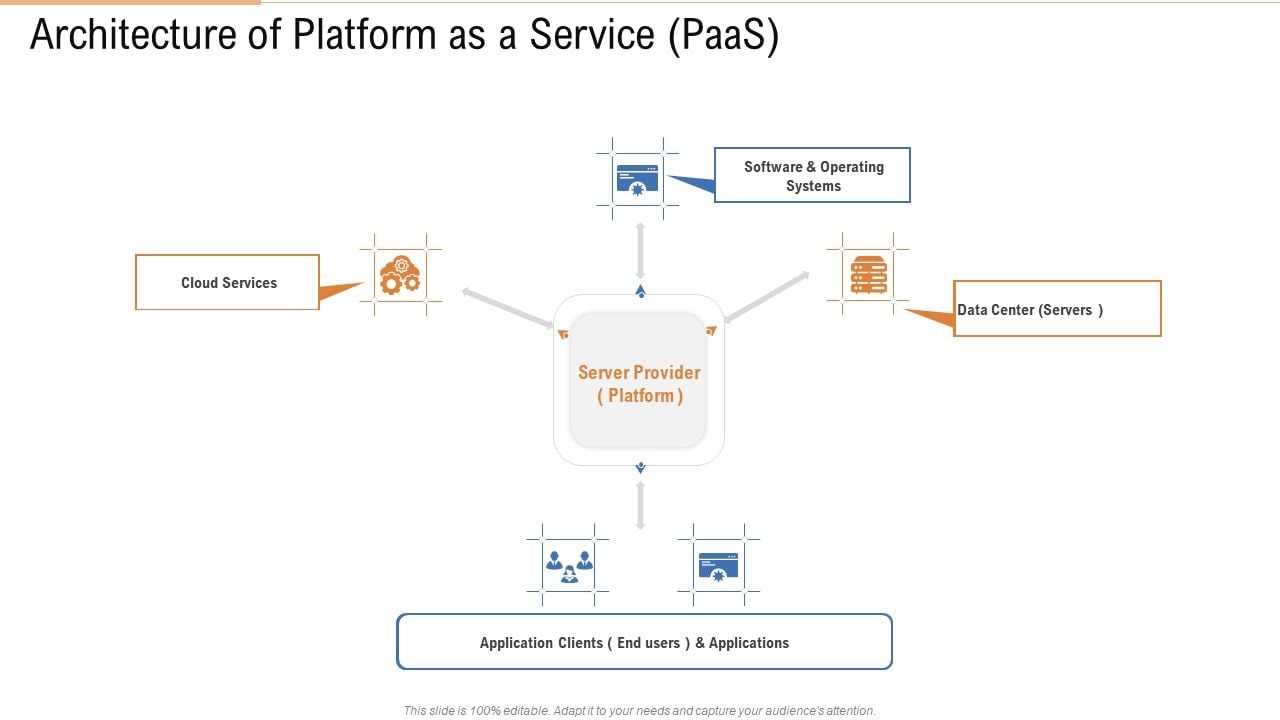
Platform as a Service (PaaS) represents a significant shift in how applications are developed, hosted, and deployed in the cloud computing landscape. This model provides developers with a framework that allows them to build applications without the complexity of managing the underlying infrastructure. By abstracting away the infrastructure layer, PaaS enables teams to focus on coding and application logic, thereby accelerating the development process and reducing time to market.
PaaS is defined by its core characteristics, which include a managed development environment, integrated development tools, and a range of scalable cloud services. These services may encompass databases, middleware, and application hosting. Unlike Infrastructure as a Service (IaaS), where users are responsible for managing the underlying hardware and operating systems, and Software as a Service (SaaS), which delivers fully functional applications to end-users, PaaS sits in the middle. It allows developers to pay for the resources they use while still gaining access to necessary frameworks and tools that simplify the development process.
One of the most compelling advantages of PaaS is its ability to facilitate application development and deployment. Developers can take advantage of the pre-configured environments that PaaS offers. This means they can quickly prototype applications, with capabilities to iterate and deploy in real time. For example, platforms such as Google App Engine and Microsoft Azure App Services provide developers with built-in security features, load balancing, and traffic management, allowing them to concentrate on coding instead of configuration.
The deployment process is streamlined via PaaS as it often includes continuous integration and continuous delivery (CI/CD) tools. These tools automatically deploy code changes to production, reducing the chances of human error and speeding up delivery times. Additionally, PaaS platforms can automatically scale applications based on demand, ensuring that performance is maintained during peak usage times without requiring additional manual intervention.
Utilizing PaaS can lead to enhanced collaboration among distributed teams. With cloud-based development environments, team members can work simultaneously on various aspects of the application, regardless of their physical location. This collaborative nature can enhance innovation and creativity as developers share ideas and solutions in real-time.
In summary, PaaS serves as a powerful enabler for modern application development, marrying the flexibility of cloud computing with the needs of developers to create, iterate, and deploy applications efficiently.
The benefits of utilizing Platform as a Service for developers and organizations
The adoption of Platform as a Service (PaaS) has become increasingly popular among developers and organizations due to its ability to streamline the development process. PaaS offers a variety of advantages that can significantly improve workflow, reduce overhead, and enhance collaboration among teams.
One of the primary benefits of utilizing PaaS is the reduction in the complexity of managing infrastructure. Developers can focus more on coding and less on the underlying hardware or software layers. This abstraction allows organizations to accelerate their development cycles, enabling faster deployment of applications. For instance, platforms like Heroku or Google App Engine provide integrated development tools and a scalable environment, allowing developers to build, test, and deploy applications without worrying about server management.
Another advantage of PaaS is the inherent support for collaboration among development teams. With PaaS solutions, teams can work concurrently on projects from different locations. For example, tools like Microsoft Azure and AWS Elastic Beanstalk facilitate real-time collaboration by offering shared environments where developers can simultaneously work on codebases. This shared approach reduces bottlenecks and enhances productivity, as teams can immediately see changes and provide feedback.
In addition to improved collaboration and development speed, PaaS also presents significant cost-saving aspects. By eliminating the need for physical infrastructure, organizations can substantially lower their capital expenses. The pay-as-you-go model adopted by most PaaS providers allows businesses to only pay for the resources they use, making it a financially viable option, especially for startups and small enterprises.
When examining the cost-saving potential, enterprises can benefit from not needing to hire extensive IT staff or invest in hardware. Moreover, PaaS reduces maintenance costs, as updates and backups are managed by the service provider. For example, companies using Oracle Cloud PaaS have reported reduced time spent on infrastructure management, allowing them to reallocate those resources towards innovation and development efforts.
PaaS minimizes capital expenditures while maximizing development efficiency.
Ultimately, these cost benefits can lead to a more sustainable business model, freeing up resources that can be utilized for growth initiatives rather than maintenance of outdated systems. PaaS not only enhances operational efficiency but also empowers organizations to innovate and adapt to changing market demands without the burden of heavy upfront investments.
A comparison between major PaaS providers and their offerings
With the rapid growth of cloud computing, Platform as a Service (PaaS) has emerged as a significant player in the software development landscape. PaaS providers offer a robust framework that enables developers to build, deploy, and manage applications without worrying about the underlying infrastructure. This section explores a comparison of prominent PaaS platforms, focusing on their features, pricing, scalability, and supported programming languages.
Comparison of Major PaaS Providers
Understanding the unique offerings of different PaaS providers can help businesses make informed decisions about which platform best suits their needs. Below is a comparative table outlining the features of leading PaaS platforms: Google App Engine, Microsoft Azure, and Heroku.
| Feature | Google App Engine | Microsoft Azure | Heroku |
|---|---|---|---|
| Supported Languages | Java, Python, PHP, Node.js, Ruby | .NET, Java, Python, PHP, JavaScript | Ruby, Java, Node.js, Scala, Python |
| Pricing Model | Pay-as-you-go, with free tier options | Pay-as-you-go; reserved capacity for savings | Free tier with credits; pay-as-you-go for higher tiers |
| Scalability | Automatic scaling with built-in load balancing | Flexible scaling options; manual or automatic | Automatic scaling; easy to add resources |
| Deployment | Standard environment for complex apps, flexible for custom runtimes | Multiple deployment options with comprehensive services | Simple deployment process with a focus on ease of use |
The differences between these platforms extend beyond the comparison table. Each provider has unique pricing structures, scalability options, and language support, which cater to various user needs and preferences.
Google App Engine stands out for its seamless integration with other Google Cloud services. Its pay-as-you-go pricing and a generous free tier make it an attractive option for startups and small businesses. The automatic scaling feature allows applications to handle sudden spikes in traffic without manual intervention, ensuring a smooth user experience.
Microsoft Azure, on the other hand, provides a comprehensive suite of tools that support enterprise-level applications. Its extensive range of supported programming languages and frameworks allows developers to work within familiar environments. Azure’s scalability is particularly noteworthy, as it offers both manual and automatic scaling options, making it highly adaptable to varying workloads. Additionally, Azure’s robust security features cater to businesses with stringent compliance requirements.
Heroku is known for its user-friendly interface and simplicity, which appeals to developers looking for a straightforward deployment process. The platform supports multiple programming languages and offers a free tier, making it ideal for hobby projects and prototypes. Heroku’s automatic scaling feature ensures that applications can grow effortlessly, although some users may find the pricing model less competitive as applications scale in size and complexity.
In summary, the choice between Google App Engine, Microsoft Azure, and Heroku ultimately comes down to specific project needs, budget constraints, and team preferences. Each platform provides distinct advantages that can significantly impact the development and deployment of applications.
The role of Platform as a Service in modern application development cycles
Platform as a Service (PaaS) has emerged as a transformative force in the application development landscape, significantly enhancing the way developers and organizations build, test, and deploy applications. By providing a complete development environment delivered over the internet, PaaS alleviates the need for companies to manage the underlying infrastructure, allowing them to focus on writing code and accelerating their development cycles. This shift not only improves productivity but also fosters innovation, making it a vital component for modern development teams.
The application lifecycle involves several key stages where PaaS plays a crucial role. Understanding these stages helps in appreciating the impact of PaaS on application development and deployment:
1. Development: During this stage, developers utilize PaaS to build applications using pre-configured frameworks and tools. This eliminates the need for extensive server management, allowing developers to concentrate on coding and functionality.
2. Testing: PaaS platforms often include integrated testing tools that facilitate continuous testing. Developers can easily run tests in a controlled environment, ensuring that any bugs or issues are identified early in the process.
3. Deployment: PaaS simplifies the deployment process by providing automated deployment pipelines and orchestration tools. This means that once the application is ready, it can be deployed with minimal intervention, reducing the time from development to production.
4. Monitoring and Maintenance: After deployment, PaaS offers monitoring tools that help track application performance. This proactive management allows teams to address issues before they affect users.
5. Scaling: As demand fluctuates, PaaS enables easy scaling of applications. Developers can adjust resources in real-time without needing to worry about the underlying infrastructure.
Impact of PaaS on Continuous Integration and Continuous Deployment (CI/CD) processes
The integration of PaaS into CI/CD practices has revolutionized the way software development teams operate. By automating the build, test, and deployment processes, PaaS significantly enhances the efficiency and reliability of application delivery.
PaaS platforms provide a robust framework for implementing CI/CD by facilitating continuous integration and seamless deployments. Key features that contribute to this improvement include:
– Automated Build Processes: PaaS solutions automate the compilation of code, ensuring that every change is built and tested before it is merged into the main codebase. This reduces time-consuming manual processes and minimizes errors.
– Integrated Testing Environments: With PaaS, developers can create isolated environments to run tests without affecting the overall system. This allows for comprehensive testing and immediate feedback on code quality.
– Version Control Integration: Most PaaS platforms are designed to work seamlessly with version control systems. This integration allows developers to trigger CI/CD pipelines automatically whenever changes are pushed to the repository.
– Deployment Automation: PaaS simplifies deployment by offering one-click deployment options and automated rollback capabilities. This ensures that if an issue arises during deployment, the application can quickly revert to a stable version.
– Real-Time Monitoring and Feedback: After deployment, PaaS provides analytics and performance monitoring, enabling development teams to gather insights on application performance and user engagement. This feedback loop is essential for continuous improvement.
To visualize the integration of PaaS in DevOps practices, consider the following flowchart description: The flow starts with code development, which progresses to automated builds triggered by version control actions. From there, testing occurs in isolated environments, followed by automated deployment to production. Continuous monitoring feeds back into the development cycle, highlighting areas for improvement or further development.
“The adoption of PaaS in CI/CD environments not only accelerates the delivery process but also enhances the overall quality of software products.”
In conclusion, the role of PaaS in modern application development cycles cannot be overstated. It streamlines processes, promotes efficiency, and enables teams to focus on delivering high-quality applications at a rapid pace. As the demand for faster software delivery continues to rise, PaaS will undoubtedly play an even more critical role in shaping the future of application development.
Challenges and considerations when implementing Platform as a Service solutions
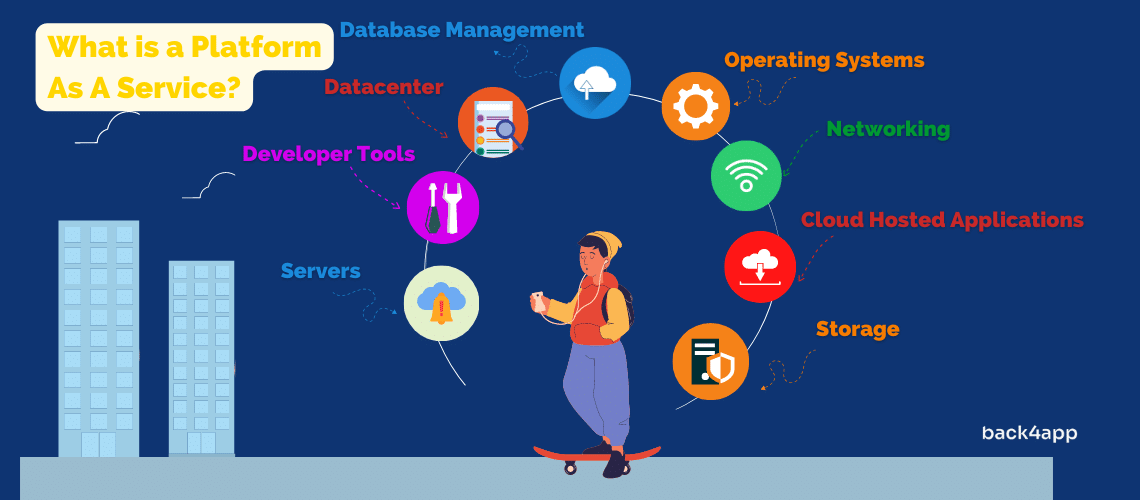
Implementing Platform as a Service (PaaS) solutions can significantly enhance an organization’s agility and scalability. However, navigating the transition to cloud-based platforms presents unique challenges that must be carefully addressed to maximize benefits and minimize risks. Understanding these challenges is crucial for businesses seeking to adopt PaaS effectively.
Risks and limitations of adopting PaaS
As organizations consider transitioning to PaaS, it is important to recognize the potential risks and limitations associated with such a move. Organizations may face vendor lock-in, where dependence on a specific provider can limit flexibility and future options. Performance issues may arise, as applications hosted on PaaS platforms can be affected by the provider’s infrastructure. Additionally, lack of control over the underlying infrastructure might pose challenges in customizing applications to meet specific business needs.
A key consideration is the potential for increased costs. While PaaS can reduce initial capital expenditure, organizations might encounter higher operational costs as usage scales. Furthermore, businesses must ensure that the platform’s capabilities align with their existing workflows, as incompatibilities can hinder productivity.
Compliance and security issues
Compliance and security are critical aspects that organizations must address when utilizing PaaS. Organizations are responsible for ensuring that their applications adhere to regulations concerning data protection and privacy, such as the GDPR in the European Union or HIPAA in the United States. Given that sensitive data may be stored off-premises, the risk of data breaches heightens, making it essential to choose a PaaS provider with a robust security framework.
Security challenges include unauthorized access, data loss, and vulnerabilities in applications that could be exploited by cybercriminals. Organizations must conduct thorough security assessments and implement necessary measures, such as encryption, access controls, and regular security audits.
Mitigating challenges in PaaS adoption
To effectively mitigate the challenges associated with PaaS adoption, businesses should implement a comprehensive strategy that addresses both technical and operational concerns. This involves:
- Vendor evaluation: Conduct thorough assessments of potential PaaS providers, looking into their compliance certifications, security features, and service level agreements (SLAs). Select vendors with a proven track record of reliability and data protection.
- Data encryption: Utilize encryption for data at rest and in transit to safeguard sensitive information from unauthorized access and breaches.
- Continuous monitoring: Establish ongoing monitoring processes to track application performance, security vulnerabilities, and compliance adherence. Implement automated tools that can provide real-time alerts to detect anomalies.
- Training and awareness: Foster a culture of security awareness within the organization. Train employees on best practices for using PaaS solutions, focusing on recognizing potential security threats and understanding compliance obligations.
- Regular audits: Conduct regular audits and assessments of both internal processes and the PaaS provider’s compliance with security and regulatory standards. This helps identify potential weaknesses and areas for improvement.
By proactively addressing these challenges, businesses can create a secure and compliant PaaS environment that enhances their operational efficiency while minimizing risks.
Future trends and innovations within the Platform as a Service landscape
The Platform as a Service (PaaS) landscape is evolving rapidly, driven by technological advancements and changing business needs. As organizations increasingly adopt cloud solutions, the future of PaaS is set to be shaped by various emerging technologies that are transforming how applications are developed, deployed, and managed. This evolution not only presents challenges but also opens up incredible opportunities for innovation within the sector.
Emerging technologies influencing PaaS
Several emerging technologies are poised to significantly impact the PaaS market. These include cloud-native application development, serverless computing, and container orchestration. Each technology contributes uniquely to enhancing the capabilities and efficiency of PaaS offerings.
Cloud-native application development emphasizes building applications that utilize the cloud’s full potential. This approach fosters scalability, resilience, and agility, enabling developers to create applications that are inherently designed for the cloud environment. Serverless computing, on the other hand, abstracts infrastructure management, allowing developers to focus solely on writing code. This not only accelerates development cycles but also optimizes resource utilization, as businesses only pay for the compute time they consume.
Container orchestration platforms like Kubernetes are also transforming PaaS. By facilitating the deployment, scaling, and management of containerized applications, these platforms promote a more efficient development process. The combination of these technologies indicates a movement toward more streamlined and agile development processes within PaaS.
Impact of artificial intelligence and machine learning on PaaS
Artificial intelligence (AI) and machine learning (ML) are set to revolutionize PaaS development and services significantly. By integrating AI and ML capabilities into PaaS environments, providers can offer enhanced automation, predictive analytics, and improved decision-making support.
AI-driven tools in PaaS environments can automate repetitive tasks, such as code testing and deployment processes, allowing developers to focus on higher-level tasks. Furthermore, ML can analyze vast amounts of data generated by applications, providing insights that can be used for performance improvements and optimization. For instance, cloud providers may implement AI-based mechanisms to predict demand and automatically scale resources, ensuring applications perform optimally under varying loads.
The anticipated evolution of PaaS over the next decade is likely to be characterized by deeper integration of these technologies, resulting in more intelligent platforms that can adapt to user needs in real-time. As businesses increasingly rely on data-driven insights, PaaS providers will need to enhance their offerings with AI and ML capabilities, enabling users to derive actionable insights from their applications seamlessly.
In summary, the next decade will see PaaS evolve into a more sophisticated, automated, and intelligent landscape, driven by emerging technologies like cloud-native development, serverless computing, and the integration of AI and ML. This evolution will empower businesses to innovate more quickly and efficiently, ultimately leading to better user experiences and operational efficiencies.
Practical use cases illustrating successful PaaS implementations across industries
Platform as a Service (PaaS) has emerged as a crucial element in modern business strategies, allowing companies to develop, run, and manage applications without the complexity of building and maintaining the infrastructure typically associated with developing and launching apps. Numerous industries have recognized the value of PaaS, leading to innovative applications that not only streamline operations but also enhance service delivery. Below are notable case studies showcasing how various organizations leveraged PaaS to achieve exceptional outcomes.
Case Studies of Successful PaaS Implementations
Understanding the tangible benefits of PaaS implementations can significantly aid other businesses in evaluating their potential. Here are three prominent examples:
1. Spotify and Google Cloud Platform: Spotify, the popular music streaming service, transitioned to Google Cloud Platform (GCP) to enhance its data analytics capabilities and infrastructure scalability. This move allowed Spotify to streamline its operations, ensuring faster updates and improving user experience. By leveraging GCP’s analytics services, they were able to process large volumes of data more efficiently, ultimately leading to personalized user recommendations. As a result, Spotify saw improved user engagement and retention rates, significantly enhancing their competitive edge in the market.
2. Ebay and Microsoft Azure: eBay, the global e-commerce giant, adopted Microsoft Azure’s PaaS offerings to improve its application development process. By utilizing Azure, eBay implemented a microservices architecture that enabled quicker deployment cycles and improved system resilience. This shift not only reduced downtime but also allowed for better management of seasonal traffic spikes during peak sales periods. Consequently, eBay reported higher sales figures during critical shopping seasons, attributing much of this success to the flexibility and adaptability afforded by their PaaS approach.
3. Salesforce and Heroku: Salesforce, a leader in customer relationship management (CRM), acquired Heroku to enable developers to build and deploy applications in a PaaS environment seamlessly. This integration allowed Salesforce to offer clients a platform to create custom applications quickly, enhancing their overall CRM capabilities. By providing clients with tools to develop tailored applications without worrying about underlying infrastructure, Salesforce increased customer satisfaction and loyalty. The company experienced a noticeable growth in its product offerings and a significant uptick in customer retention, showcasing the value of PaaS in enhancing service delivery.
The outcomes experienced by these organizations exemplify the transformative potential of PaaS. Businesses considering PaaS can draw valuable insights from these success stories. By recognizing the specific needs of their operations and aligning them with the capabilities offered by PaaS, organizations can enhance their agility, reduce costs, and accelerate deployment times.
For instance, the shift to a cloud-based infrastructure can facilitate real-time data processing and analytics, enabling businesses to make informed decisions swiftly. Furthermore, the scalability of PaaS allows companies to adjust resources based on demand, which is particularly beneficial in industries with fluctuating workloads.
Ultimately, these case studies serve as a blueprint for other businesses contemplating a transition to PaaS, illustrating that with the right strategy and implementation, organizations can achieve significant operational efficiencies and competitive advantages in today’s fast-paced digital landscape.
Closing Notes
In conclusion, Platform as a Service (PaaS) stands as a game-changer in application development, offering numerous advantages that streamline processes, reduce costs, and enhance collaboration. As we explored the distinct features of leading PaaS providers and the challenges faced during implementation, it’s evident that PaaS is set to play an even more significant role in shaping the future of technology. By embracing PaaS solutions, organizations are not only positioning themselves for immediate success but also preparing for the innovations that lie ahead.
Commonly Asked Questions
What is the main advantage of using PaaS?
The main advantage of using PaaS is that it allows developers to focus on writing code without worrying about the underlying infrastructure, leading to faster development cycles and greater efficiency.
How does PaaS differ from IaaS and SaaS?
PaaS provides a platform for application development, while IaaS offers virtualized computing resources and SaaS delivers software applications over the internet. Each serves different needs within the cloud computing spectrum.
Is PaaS suitable for small businesses?
Yes, PaaS can be particularly beneficial for small businesses as it reduces the need for extensive IT resources and allows them to leverage powerful development tools without significant upfront investment.
Can PaaS support multiple programming languages?
Many PaaS offerings support multiple programming languages, giving developers the flexibility to choose the best tools for their specific projects.
What are common challenges when implementing PaaS?
Common challenges include ensuring data security and compliance, managing vendor lock-in, and integrating PaaS solutions with existing systems.