Kicking off with Phishing, this opening paragraph delves into a growing concern that has impacted countless individuals and organizations alike. The evolution of phishing tactics has transformed the digital landscape, making it crucial for everyone to stay informed.
Phishing, a term derived from the act of “fishing” for sensitive information, involves cybercriminals tricking individuals into revealing personal data. With origins tracing back to the early days of the internet, phishing has developed into a sophisticated threat, employing various psychological tactics to exploit human vulnerability.
Understanding the Basics of Phishing
Phishing is a deceptive practice used by cybercriminals to trick individuals into revealing personal information, such as passwords, credit card numbers, or social security details. This malicious tactic has evolved significantly since its inception, becoming more sophisticated over time, thereby posing a serious threat to online security.
The concept of phishing originated in the mid-1990s, initially involving simple methods like sending fake emails that appeared to be from legitimate companies. Over the years, the methods have evolved to incorporate advanced techniques, utilizing social engineering to manipulate victims effectively. Cybercriminals often exploit current events, such as major news stories or global crises, to create a sense of urgency that compels individuals to act quickly without thinking critically.
Common Types of Phishing Attacks
Understanding the various types of phishing attacks is crucial for recognizing and responding to potential threats. Below are some prevalent forms of phishing:
- Email Phishing: The most common form, where attackers send fraudulent emails that resemble communications from banks, social media platforms, or other legitimate entities. These emails often include malicious links or attachments.
- Spearfishing: A targeted approach where attackers personalize the message for a specific individual or organization, increasing the likelihood of success.
- Whaling: This type targets high-profile individuals, such as executives or senior management, focusing on sensitive data. The attackers often gather detailed information to make their approach seem more credible.
- Vishing: Voice phishing involves phone calls or voice messages deceiving the victim into sharing sensitive information, often impersonating legitimate organizations.
- Smishing: SMS phishing targets mobile phone users through text messages that encourage them to click on links or provide personal information.
The psychological tactics employed by cybercriminals are a critical aspect of their strategies. They often exploit emotions such as fear, curiosity, or urgency to manipulate victims. For example, an email claiming that an account will be suspended unless immediate action is taken can create panic, leading individuals to click on malicious links without verifying the source.
“Phishing attacks fundamentally rely on the psychological manipulation of individuals, leveraging emotions to bypass logical reasoning.”
Identifying Phishing Attempts
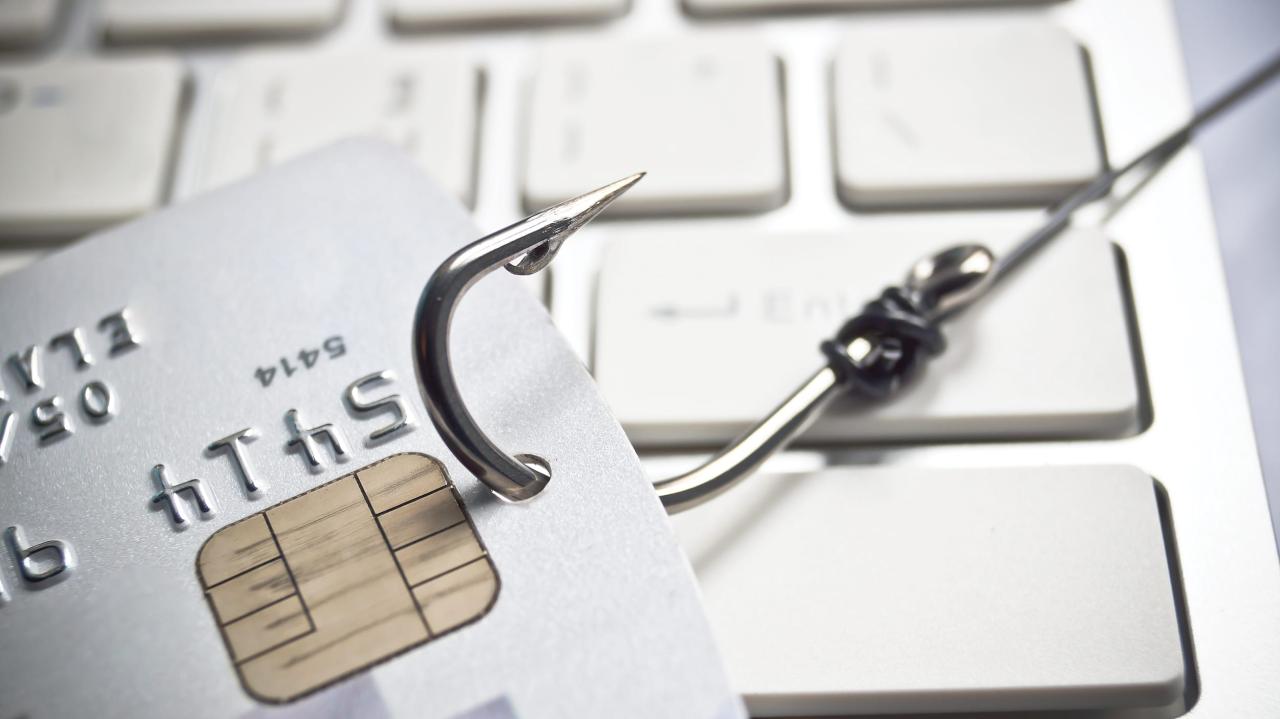
Phishing scams are becoming increasingly sophisticated, making it essential for individuals to recognize the signs of these malicious attempts. Understanding the common characteristics of phishing messages can help users safeguard their personal information and avoid falling victim to these tactics.
Being aware of specific indicators can significantly enhance your ability to detect phishing attempts. Here are some key signs to look for when evaluating emails or messages that seem suspicious.
Key Signs of Phishing Emails
Recognizing these signs can help individuals to differentiate between legitimate communications and phishing attempts:
- Unfamiliar Sender: Messages from unknown or unexpected sources should raise red flags.
- Generic Greetings: Phishing emails often use vague salutations like “Dear Customer” instead of personalizing the greeting.
- Urgency or Threats: Scammers typically create a sense of urgency, pressuring individuals to act quickly.
- Spelling and Grammar Mistakes: Many phishing attempts contain noticeable errors in spelling and grammar.
- Suspicious Links: Hover over links before clicking to see if they direct you to unofficial websites.
- Requests for Personal Information: Legitimate organizations rarely ask for sensitive information via email.
Common Phishing Phrases and Subject Lines
Being familiar with typical phrases and subject lines used in phishing scams can alert users to potential threats. Here are examples that are frequently encountered:
- “Your account will be suspended” – Creates fear of losing access.
- “Immediate action required” – Implies urgency.
- “Congratulations! You have won a prize!” – Lures recipients with false rewards.
- “Verify your account information” – Asks for personal details under the guise of verification.
- “Urgent: Update your payment information” – Suggests a problem with billing.
Phishing Techniques and Detection Methods
Different phishing techniques are employed to deceive individuals, and understanding these methods helps in recognizing and avoiding scams. Below is a table highlighting several phishing techniques alongside effective detection strategies:
| Phishing Technique | Detection Method |
|---|---|
| Email Phishing | Check for mismatched URLs and sender addresses. |
| Clone Phishing | Look for altered links or attachments that mirror legitimate communications. |
| Spear Phishing | Be cautious of personalized messages that require sensitive information. |
| Whaling | Verify requests for sensitive information from high-profile individuals via secondary means. |
| Vishing | Never disclose personal information over the phone without verifying the caller’s identity. |
“Always remember: if an email seems suspicious, it’s better to verify than to regret.”
Consequences of Falling for Phishing Scams

Phishing scams can have dire ramifications for both individuals and businesses alike. These cyber threats not only compromise personal information but can also lead to significant financial losses and damage to reputations. As these scams become increasingly sophisticated, understanding their consequences is essential for everyone in today’s digital landscape.
Financial and Personal Repercussions for Individuals
Individuals who fall victim to phishing scams often face severe financial consequences. Once attackers gain access to personal information, they may empty bank accounts, make unauthorized purchases, or commit identity theft. According to the Federal Trade Commission (FTC), victims of identity theft may spend an average of $1,000 out of pocket to resolve their cases. Additionally, the emotional toll of being scammed can lead to stress and anxiety, as individuals struggle to regain control of their financial and personal lives.
“The average cost of identity theft per victim spans around $1,000, alongside the emotional distress that can linger long after the financial loss.”
Impact of Phishing on Businesses
Businesses also face significant risks when it comes to phishing scams. The financial impact of a data breach can be staggering. In 2021, the average cost of a data breach was estimated at $4.24 million, according to IBM. In addition to direct financial losses, companies may suffer from reputational damage that can erode customer trust and loyalty. This often results in a decrease in revenue and a long-term impact on brand value.
To fully understand the ramifications for businesses, consider the following key points:
- Legal fees and regulatory fines resulting from data breaches.
- Costs associated with restoring compromised data and systems.
- Increased cyber insurance premiums following a breach.
- Loss of business due to diminished consumer confidence.
Case Studies of Significant Phishing Incidents
Several high-profile phishing incidents exemplify the severe consequences of these scams. One notable case involved the 2016 phishing attack against the Democratic National Committee (DNC), which led to the leak of sensitive emails and significantly impacted the political landscape. The consequences extended beyond financial loss, affecting public perception and trust in the electoral process.
Another prominent example is the 2020 Twitter hack, where attackers gained access to high-profile accounts through phishing tactics. This incident not only resulted in a loss of control over the accounts but also caused reputational damage to Twitter, leading to increased scrutiny from regulators and users alike.
These cases highlight how phishing scams can lead to far-reaching consequences, emphasizing the importance of vigilance and robust security measures in both personal and professional contexts.
Best Practices for Avoiding Phishing Attacks
Phishing attacks are increasingly sophisticated, making it vital for individuals and organizations to adopt effective strategies to safeguard against them. Understanding the nature of these attacks and implementing best practices is essential for enhancing personal and organizational cybersecurity.
Practical Tips for Individuals
To mitigate the risks associated with phishing attacks, individuals can follow these practical tips. Each tip plays a crucial role in forming a robust defense against potential threats.
- Verify Sender Information: Always check the sender’s email address and look for any discrepancies. Phishing emails often use addresses that look similar to legitimate ones but have minor alterations.
- Avoid Clicking on Suspicious Links: Hover over links to see the actual URL before clicking. If a link looks odd or redirects to an unfamiliar site, do not click it.
- Use Strong, Unique Passwords: Employ complex passwords and avoid reusing them across different accounts. A password manager can help keep track of multiple passwords securely.
- Enable Two-Factor Authentication: Adding an extra layer of security by requiring a second form of verification can significantly reduce the risk of unauthorized access.
- Keep Software Updated: Regular updates to your operating system, browsers, and antivirus software help protect against vulnerabilities that can be exploited by attackers.
Importance of Cybersecurity Education
Organizations must prioritize cybersecurity education and training for their employees to build a strong defense against phishing attacks. Regular training ensures that employees are aware of the latest phishing techniques and how to recognize them.
- Regular Training Sessions: Conduct frequent training to keep employees updated on phishing tactics and preventive measures.
- Simulated Phishing Attacks: Perform controlled phishing simulations to assess employee awareness and readiness. This helps identify areas for improvement.
- Encourage Reporting of Suspicious Emails: Foster a culture where employees feel comfortable reporting potential phishing attempts without fear of reprisal.
“Implementing anti-phishing software is a key defense strategy. These tools can detect and block phishing attempts before they reach your inbox, significantly reducing the risk of a successful attack.”
Utilization of Anti-Phishing Software
Using anti-phishing software and tools can enhance protection against phishing attempts. These solutions can provide real-time scanning and alerts for suspicious activities.
- Use Email Filtering Tools: Many email services offer built-in filters that can divert potential phishing emails to spam folders.
- Install Browser Extensions: Various browser extensions can warn users about unsafe websites or alert them to potentially phishing pages.
- Keep Anti-Virus Software Up-to-Date: Ensure that your anti-virus software is up-to-date to recognize and block known phishing threats effectively.
Reporting and Responding to Phishing Attacks
Phishing attacks pose a significant threat to both individuals and organizations. Recognizing the early signs of a phishing attempt can help in mitigating potential losses and securing personal and sensitive information. If you find yourself a target of such an attack, knowing the correct steps to take is crucial.
Taking immediate action after suspecting a phishing attempt is vital to minimizing potential damage. Here are the steps one should follow if they believe they have been targeted:
Steps to Take When Targeted by Phishing
It’s important to act swiftly and deliberately when responding to a phishing threat. The following steps Artikel the recommended course of action:
- Do Not Interact: Refrain from clicking any links or downloading attachments from the suspicious email or message.
- Verify the Source: Check the sender’s email address or message source for any discrepancies. Look for misspellings or unusual domains.
- Change Your Passwords: Immediately change passwords for any accounts that may be compromised or were accessed through the phishing attempt.
- Enable Two-Factor Authentication: If possible, activate two-factor authentication on accounts to add an extra layer of security.
- Report the Incident: Notify appropriate authorities and organizations regarding the phishing attempt. This can help prevent further incidents.
Organizations and Authorities for Reporting Phishing
Reporting phishing incidents to the right authorities not only helps protect yourself but also assists in preventing others from falling victim to the same threats. The following organizations are crucial points of contact for reporting phishing:
- Federal Trade Commission (FTC): The FTC allows individuals to report identity theft and phishing attempts through its website.
- Anti-Phishing Working Group (APWG): This organization focuses on reducing the incidence of phishing and can be contacted to report phishing sites.
- Your Email Provider: Most email services, like Gmail or Outlook, have built-in features to report phishing emails directly.
- Cybersecurity and Infrastructure Security Agency (CISA): CISA offers resources and reporting systems for cybersecurity incidents, including phishing.
- Local Authorities: In certain cases, contacting your local law enforcement agency can be appropriate, especially if personal data has been compromised.
Response Process Flowchart
Understanding the response process to a phishing threat can help streamline your actions and ensure comprehensive mitigation of potential risks. Below is a description of a flowchart illustrating the steps one should take once they encounter a phishing attack:
1. Identify the Phishing Attempt: Recognize that an email or message is suspicious.
2. Do Not Click or Respond: Avoid any interaction with the phishing content.
3. Verify Through Official Channels: Confirm with the organization directly using verified contact details.
4. Document the Incident: Take screenshots and save the phishing message for reporting.
5. Report the Incident: Reach out to the relevant authorities or organizations to report the attack.
6. Monitor for Unusual Activity: Keep an eye on your accounts for any unauthorized access or transactions.
7. Educate Yourself and Others: Inform peers about the phishing attempt to increase awareness and prevention.
Taking swift action against phishing attempts is essential in protecting your personal and financial information.
The Future of Phishing Tactics
As technology continues to advance, phishing tactics are evolving in complexity and sophistication. Future phishing attacks will likely leverage the latest technological trends, including artificial intelligence and machine learning, which can automate and personalize attacks, making them even more convincing and difficult to detect. Keeping pace with these changes is crucial for both organizations and individuals as they navigate the increasingly treacherous landscape of phishing threats.
Emerging Trends in Phishing
Phishing attacks are becoming more sophisticated as attackers adopt new technologies. Innovations in social engineering and personalized approaches are key trends shaping the future of phishing tactics. Cybercriminals are utilizing big data analytics to tailor their attacks, making them more relevant and targeted. This personalization increases the likelihood that victims will fall for the scam. Key trends to watch include:
- Deepfake Technology: The use of deepfake audio and video is on the rise, enabling attackers to impersonate trusted individuals more convincingly.
- Mobile Phishing: With the increase in mobile device usage, phishing attacks targeting smartphones are becoming more frequent and sophisticated.
- Business Email Compromise (BEC): This tactic continues to evolve, often leveraging social media intelligence to craft highly convincing fraudulent emails.
- Phishing-as-a-Service: The emergence of services that enable novice hackers to launch phishing attacks increases the scale and availability of threats.
Artificial Intelligence in Phishing
Artificial intelligence is being utilized by both attackers and defenders, drastically changing the playing field in the phishing landscape. On the offensive side, attackers harness AI to automate their phishing campaigns, allowing them to send out thousands of tailored emails that are difficult to distinguish from legitimate correspondence. AI can analyze large amounts of data to identify patterns and craft messages that resonate with specific targets. Conversely, defenders are adopting AI-driven solutions to detect phishing attempts more accurately and quickly. These AI tools utilize machine learning algorithms to analyze email content, sender reputation, and user behavior to flag potential threats.
AI is transforming the phishing landscape, creating challenges while also providing powerful tools for detection and defense.
Impact of Personal Data Protection Regulations
As personal data protection regulations like the General Data Protection Regulation (GDPR) and California Consumer Privacy Act (CCPA) tighten, phishing strategies are likely to evolve. Organizations will face increased scrutiny regarding their data handling practices, which can influence the types of attacks they experience. Attackers may shift focus toward exploiting regulatory weaknesses or targeting organizations that are ill-prepared to comply with these regulations. Some potential impacts include:
- Targeting Non-Compliance: Attackers may use phishing tactics to expose organizations that fail to adhere to data protection regulations.
- Data Harvesting: Phishers might exploit regulatory frameworks to acquire sensitive information that can be sold on the dark web.
- Increased Awareness: As organizations become more aware of regulations, they might implement more robust security protocols, potentially driving attackers to develop more sophisticated tactics.
Last Word
In conclusion, the discussion around phishing highlights the importance of awareness and vigilance in our digital interactions. Understanding the tactics employed by cybercriminals and implementing best practices can significantly reduce the risks associated with these scams, allowing individuals and businesses to protect themselves effectively.
Helpful Answers
What is the main goal of phishing attacks?
The primary goal of phishing attacks is to steal sensitive information, such as login credentials, credit card details, or personal identification numbers.
Can phishing attacks occur through social media?
Yes, phishing can take place through social media platforms where attackers impersonate friends or companies to trick users into providing personal information.
How can I report a phishing email?
You can report phishing emails to your email provider, the Anti-Phishing Working Group, or relevant authorities like the Federal Trade Commission (FTC).
Is it safe to click links in emails from known contacts?
Even if an email seems to come from a known contact, it’s best to verify before clicking links, as accounts can be compromised.
What should I do if I fall for a phishing scam?
If you fall for a phishing scam, change your passwords immediately and monitor your accounts for any suspicious activity. Additionally, report the incident to the relevant authorities.