Packet Switching is an innovative approach that transforms how data travels across networks. Imagine sending a series of postcards instead of a single letter; this is what packet switching does by breaking data into smaller packets that can be sent independently, allowing for more efficient and flexible communication. As we dive into this topic, we’ll explore its fundamental principles, historical development, the various protocols that utilize it, and its significance in modern networks.
The essence of packet switching lies in its ability to optimize network resources and improve data transmission speeds. By utilizing routers and switches, packet switching manages the flow of information, ensuring that it reaches its destination without being bogged down by traditional circuit-switching methods. This technique not only enhances the reliability of data transfers but also plays a crucial role in the evolution of the Internet, making it a cornerstone of modern communication.
Packet Switching Fundamentals
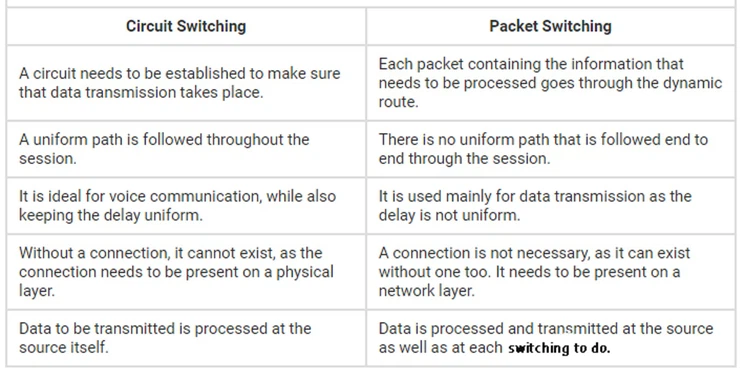
Packet switching represents a fundamental shift in how data is transmitted across networks, allowing for more efficient and flexible communications. Unlike traditional circuit switching, where a dedicated communication path is established for the duration of a transmission, packet switching divides data into smaller packets that can be transmitted independently. This approach facilitates greater resource utilization and responsiveness within the network.
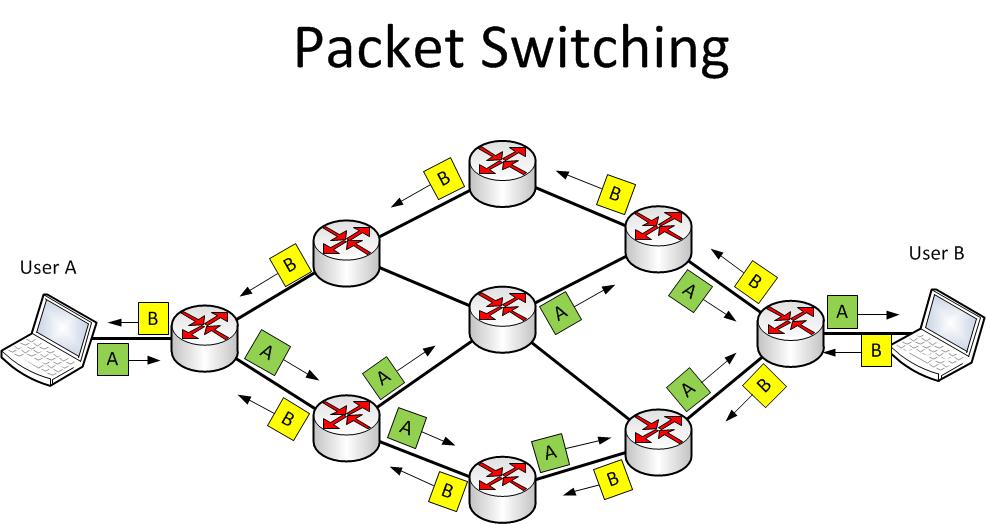
Packet switching operates on the principle of breaking down data into discrete packets, each containing a portion of the overall information along with necessary routing information. As these packets travel through the network, they may take different paths to reach their destination, where they are reassembled into the original message. This contrasts sharply with circuit switching, which reserves a specific route for the entire communication session, resulting in underutilization of network resources when the line is idle. In packet-switched networks, as each packet finds its own route, the system optimizes bandwidth usage, especially beneficial in scenarios where demand fluctuates, such as during peak hours.
Components of Packet Switching
Understanding the network components that facilitate packet switching is essential for grasping its operation. Key elements include routers and switches, which play pivotal roles in directing and managing data flow.
Routers are devices that route packets between different networks by determining the best path for data transmission based on factors like distance, network congestion, and routing protocols. They analyze incoming packets and use routing tables to decide the most efficient route to the destination, continuously updating their routing information to adapt to changing network conditions.
Switches, on the other hand, operate within a single network or subnet, forwarding packets based on MAC addresses. They create a connection between devices on the same local area network (LAN), ensuring that packets reach their intended recipients efficiently without unnecessary delays.
The advantages of packet switching compared to traditional methods are significant, including:
- Efficient Bandwidth Usage: Packet switching maximizes the use of available bandwidth by allowing multiple conversations to share the same network paths simultaneously.
- Scalability: Networks using packet switching can easily scale to accommodate more devices without major infrastructure changes.
- Robustness: If one path becomes congested or fails, packets can reroute dynamically, providing a more resilient communication framework.
- Cost-Effectiveness: By utilizing existing infrastructure more effectively, packet switching reduces the overall cost of network maintenance and expansion.
In summary, packet switching provides a versatile and efficient framework for modern data transmission, drawing on the capabilities of routers and switches to manage the flow of information across networks effectively. The approach not only enhances resource utilization but also builds a more robust and scalable communication environment.
Historical Development of Packet Switching Technology
The journey of packet switching technology is a fascinating saga of innovation that reshaped the landscape of communication and paved the way for the modern Internet. This technology emerged in the 1960s, driven by the need for more efficient and reliable data transmission methods than traditional circuit-switching systems. The pivotal contributions from various researchers and institutions marked the foundation of a new era in networking.
One of the earliest concepts of packet switching can be traced back to 1961 when Paul Baran, a researcher at the RAND Corporation, proposed a decentralized network model. His work emphasized resilience against failures and Artikeld the potential for breaking data into smaller packets for transmission, allowing networks to route data more effectively. Meanwhile, in 1965, Donald Davies at the UK’s National Physical Laboratory independently developed a similar concept, coining the term “packet switching.” His vision also included using digital packets to convey information across networks, which led to the term becoming widely accepted.
The first significant implementation of packet switching took place in 1969 with the ARPANET, funded by the U.S. Department of Defense. The network initially connected four computers and demonstrated the practicality of packet-switching. This experimental network laid the groundwork for the protocols that would later form the bedrock of modern networking. ARPANET successfully utilized the Network Control Protocol (NCP), a precursor to the Internet Protocol suite we use today, allowing multiple computers to communicate and share resources.
In the 1970s, Robert Kahn and Vint Cerf developed the Transmission Control Protocol (TCP) and the Internet Protocol (IP), which enabled packet switching to evolve further. Their work culminated in the establishment of a robust framework for data transmission, ensuring reliable and accurate delivery. This innovation allowed different networks to interconnect seamlessly, forming what we now recognize as the Internet. The deployment of TCP/IP as the standard protocol in 1983 marked a significant milestone in the history of packet switching technology.
The impact of packet switching on the evolution of the Internet and data communication cannot be overstated. Unlike traditional circuit-switched networks that required a dedicated path for each connection, packet-switching technology allows multiple data streams to share the same network path. This approach not only optimizes bandwidth usage but also enhances fault tolerance, as packets can be rerouted in case of failures.
The benefits of packet switching have led to its widespread adoption across various communication systems, including mobile networks, satellite communications, and modern data centers. The very architecture of the Internet relies on packet-switching principles, enabling a diverse range of applications from email to streaming services. Today, the legacy of early experiments in packet switching continues to drive innovation in networking technologies, influencing everything from cloud computing to IoT devices.
As we reflect on the historical development of packet switching technology, it becomes clear that its evolution has fundamentally changed the way we communicate and interact in the digital age. Each key contributor’s insights and experiments laid the groundwork for the interconnected world we experience today. The ongoing advancements in networking protocols, born from these early efforts, keep shaping our future in ways we are yet to fully understand.
Protocols Associated with Packet Switching
Packet switching relies on various protocols that define how data is transmitted over a network, ensuring that it reaches its intended destination efficiently and reliably. These protocols play a crucial role in determining the performance and functionality of network communications. Among the most notable are the Transmission Control Protocol (TCP) and the User Datagram Protocol (UDP), each serving distinct purposes within packet switching frameworks.
Protocols Utilized in Packet Switching
Both TCP and UDP are foundational to the Internet Protocol Suite, but they cater to different needs based on the nature of the data being transmitted.
TCP is a connection-oriented protocol that establishes a reliable connection between sender and receiver before data transmission begins. It ensures that packets are delivered in the correct order and without errors, implementing mechanisms such as retransmission of lost packets and flow control. This makes TCP ideal for applications where data integrity is paramount, such as web browsing, file transfers, and email.
In contrast, UDP is a connectionless protocol that sends packets without establishing a dedicated end-to-end connection. It is designed for speed and efficiency, making it suitable for applications where rapid data transfer is more critical than reliability. For instance, streaming services, online gaming, and VoIP (Voice over Internet Protocol) use UDP because they can tolerate some data loss without significantly affecting the user experience.
The differences between these two protocols can significantly impact application performance.
“TCP guarantees the delivery of data, while UDP prioritizes speed.”
The following highlights the distinct characteristics of connection-oriented and connectionless protocols:
- TCP (Connection-Oriented):
- Establishes a connection before data transfer.
- Ensures data is received in order and error-free.
- Utilizes flow control and congestion control mechanisms.
- UDP (Connectionless):
- No connection establishment; sends data immediately.
- Faster data transmission with no error checking.
- Ideal for time-sensitive applications where speed is essential.
Real-world applications showcase these protocols effectively. For example, web pages are loaded using TCP, ensuring all elements are correctly displayed. Conversely, live sports broadcasts rely on UDP, providing a seamless experience even with occasional packet loss. This differentiation enables varied applications to thrive based on their specific requirements for data transmission.
Packet Switching in Modern Networks
Packet switching has revolutionized the way data is transmitted across networks, particularly with the advent of modern technologies. In today’s digital landscape, this method allows for efficient, reliable communication, ensuring that diverse types of data, including text, images, and multimedia, can be shared seamlessly. The implementation of packet switching in contemporary networking technologies significantly enhances the performance and scalability of both wireless and broadband networks.
In modern networking, packet switching is predominantly employed in technologies such as Internet Protocol (IP) networks, which form the backbone of internet connectivity. Packet switching facilitates the transmission of data by breaking it down into smaller units, or packets, that are sent independently across the network. Each packet can take different paths to reach its destination, which optimizes bandwidth usage and minimizes delays. For instance, in wireless networks, packet switching supports various access technologies like Wi-Fi and LTE, allowing users to connect multiple devices to the internet simultaneously without compromising on speed or reliability. Broadband networks leverage packet switching to deliver high-speed internet services through Digital Subscriber Line (DSL) and fiber-optic connections, where data can be transmitted at much higher rates than traditional methods.
Role of Packet Switching in Multimedia Applications
Packet switching plays a crucial role in supporting multimedia applications, which demand high bandwidth and low latency. Applications such as video streaming and video conferencing rely on the efficient transmission of data packets to deliver content in real-time. This is especially important as video quality improves with higher resolutions, like 4K or 8K, which require significant bandwidth. For example, during a video conference, audio and video packets are transmitted separately and can be reassembled at the receiving end, allowing for smooth interactions even in variable network conditions.
The adaptability of packet switching enables efficient handling of multimedia data, which can be sensitive to delays or interruptions. The use of protocols such as Real-Time Protocol (RTP) within packet-switched networks ensures that packets are prioritized and delivered in a timely manner, enhancing user experience during streaming or conferencing sessions.
Challenges and Solutions in Modern Networks
Despite its advantages, packet switching faces several challenges, particularly in maintaining quality of service (QoS) for time-sensitive applications. Network congestion can lead to packet loss or delays, which adversely affect the performance of multimedia applications. Furthermore, the varying quality of service across different network paths can result in inconsistent user experiences.
To address these challenges, several solutions are being explored. One common approach is the implementation of Quality of Service (QoS) mechanisms that prioritize certain types of traffic, ensuring that critical data packets receive preferential treatment. Technologies like Multiprotocol Label Switching (MPLS) offer robust solutions to manage data flow efficiently. Additionally, advancements in network infrastructure, such as the deployment of 5G technology, promise to enhance the speed and reliability of packet-switched networks, making them even more suitable for demanding applications. By leveraging these innovations, modern networks can continue to evolve and meet the growing demands of users worldwide.
Security Considerations in Packet Switching
Packet switching, while revolutionary in managing network traffic efficiently, introduces significant security vulnerabilities that can jeopardize data integrity and confidentiality. The method relies on breaking down data into packets that traverse various routes to their destination, which can expose them to interception, alteration, or unauthorized access. With the rise of cyber threats, understanding these vulnerabilities is crucial for ensuring robust security measures.
One of the primary security concerns in packet-switched networks is the susceptibility to packet sniffing. This occurs when malicious actors monitor and capture data packets as they travel across the network. Sensitive information such as personal credentials, financial data, and confidential communications can be compromised during this process. Additionally, packet manipulation can occur, where attackers alter the content of a packet or its routing information, leading to data integrity issues and potential misinformation.
Another significant vulnerability is related to denial-of-service (DoS) attacks. By overwhelming the network with excessive packets, attackers can disrupt service availability, making legitimate traffic unable to reach its destination. This not only affects users but can also lead to loss of trust and reputation for service providers. Furthermore, the decentralized nature of packet switching can complicate the identification of the attack source, making it challenging to implement effective countermeasures.
Strategies and Technologies for Enhancing Security
To mitigate these vulnerabilities, various strategies and technologies can be employed in packet-switched networks. Encryption plays a crucial role in securing data packets during transmission. By encrypting the data, even if packets are intercepted, the information remains unreadable without the proper decryption keys. VPNs (Virtual Private Networks) are widely used to create secure tunnels for data transmission, further protecting sensitive information from prying eyes.
Firewalls and intrusion detection systems (IDS) are vital for monitoring and controlling incoming and outgoing network traffic. These systems can identify suspicious activity, block unauthorized access, and alert administrators to potential breaches. Additionally, implementing strict access controls ensures that only authorized users can access critical network components, reducing the risk of internal threats.
Case studies underscore the importance of security in packet-switched networks. The 2014 Sony Pictures hack exemplifies the catastrophic effects of inadequate security measures. Attackers exploited vulnerabilities within the company’s network, gaining access to sensitive data, including unreleased films and employee information. Lessons learned from this breach highlight the necessity of real-time monitoring, regular security audits, and robust incident response plans to prevent future occurrences.
Another notable incident was the 2020 Twitter breach, where attackers manipulated the platform’s internal tools to access high-profile user accounts. This breach emphasized the importance of strong authentication methods and the need for continuous training and awareness programs for employees regarding security best practices.
Future Trends in Packet Switching
As we look towards the future of packet switching technology, several emerging trends are shaping its evolution. Key advancements such as software-defined networking (SDN) and the deployment of 5G networks are set to redefine how data is managed and transmitted across networks. These innovations are not only addressing current demands but are also preparing infrastructure to handle future complexities stemming from increased data traffic and the growing reliance on cloud-based services. Understanding these trends will provide insights into the direction of packet switching technology.
One of the most significant advancements is the integration of software-defined networking (SDN) with packet switching. SDN separates the control plane from the data plane, allowing for centralized management of network resources. This flexibility enables network operators to configure, manage, and optimize their networks dynamically, leading to improved resource allocation and enhanced performance. Packet switching, empowered by SDN, can adapt to varying demand patterns with ease, routing packets more efficiently and reducing latency. Additionally, the introduction of network function virtualization (NFV) complements SDN by allowing network services to be run on virtual machines instead of dedicated hardware. This transition not only reduces costs but also increases scalability and agility in managing data flows.
Impact of 5G on Packet Switching
The rollout of 5G technology is another pivotal trend that influences packet switching. With its promise of ultra-low latency, high bandwidth, and massive connectivity, 5G networks will present new challenges and opportunities for packet switching protocols. As more devices become interconnected through the Internet of Things (IoT), the demand for efficient packet handling will skyrocket. This necessitates the evolution of existing protocols to accommodate higher data rates and more extensive data paths. Key implications of 5G for packet switching include:
- Increased Data Throughput: 5G networks are designed to handle over 1 Gbps of data, requiring packet switching technology to optimize flow control and reduce congestion.
- Network Slicing: This capability allows multiple virtual networks to operate on a single infrastructure, facilitating tailored services and enhanced QoS for different applications.
- Edge Computing: By processing data closer to where it is generated, packet switching can significantly reduce latency, improving the performance of time-sensitive applications.
The growing complexity of networks and the surge in data traffic will also push packet switching to evolve. Traditional models may struggle to meet the demands of real-time applications and high-volume data transfers. Advanced algorithms and machine learning techniques are increasingly being incorporated into packet switching systems, allowing for predictive management of network traffic. These advancements will enable more efficient routing decisions, minimize delays, and enhance the overall user experience.
Potential Impact of Quantum Computing
The advent of quantum computing stands to revolutionize packet switching methods and protocols in ways that were previously unimaginable. Quantum computers utilize quantum bits or qubits, which can exist in multiple states simultaneously, vastly increasing computational power. This capability could lead to breakthroughs in cryptography, which would directly impact how data packets are secured during transmission.
Quantum key distribution (QKD) is one potential application that could ensure unbreakable encryption for packet-switched networks, enhancing data integrity and security.
As quantum computing continues to develop, existing packet switching protocols will need to evolve to integrate new security measures and optimize data transmission across quantum networks. This will not only enhance the speed and efficiency of data exchange but also ensure that security protocols keep pace with advancing technologies.
In summary, the future of packet switching is set to be shaped by innovations in software-defined networking, the transformative impact of 5G, and the potential of quantum computing. These trends highlight a fundamental shift towards more adaptive, efficient, and secure data communication networks as we advance into a more interconnected and data-driven world.
Wrap-Up
In conclusion, packet switching has fundamentally changed the landscape of data communication, paving the way for faster and more reliable networks. As we’ve seen, its historical journey and the development of associated protocols have profoundly influenced how we connect and share information today. Looking forward, the future of packet switching appears bright, with emerging technologies promising to enhance its capabilities further and address current challenges. Embracing these advancements will undoubtedly shape the next chapter in the realm of networking.
Question Bank
What is the main advantage of packet switching?
The primary advantage of packet switching is its efficiency in utilizing network resources, allowing multiple data transmissions to occur simultaneously without requiring a dedicated circuit.
How does packet switching enhance data security?
Packet switching enhances data security by allowing encryption of individual packets, making it harder for unauthorized parties to intercept or alter the data during transmission.
What role do routers play in packet switching?
Routers direct packets through the network, determining the optimal path for each packet to reach its destination, thus improving efficiency and speed.
Can packet switching support real-time applications?
Yes, packet switching can support real-time applications like video conferencing and streaming, though it may require specific protocols to minimize latency.
What is the difference between TCP and UDP in packet switching?
TCP is connection-oriented and ensures reliable transmission, while UDP is connectionless and focuses on speed, making it suitable for applications where speed is prioritized over reliability.