Network Topology is a captivating concept that underpins the very fabric of computer networking. It refers to the arrangement of various elements within a network, including nodes, connections, and devices, and plays a critical role in influencing performance, scalability, and security. Understanding the different types of network topologies provides insights into how data flows and how networks are structured, making it essential knowledge for both IT professionals and enthusiasts alike.
Exploring network topology not only helps in grasping the fundamental principles that guide how networks operate but also enables businesses and organizations to make informed decisions when designing their infrastructure. With various forms such as bus, star, ring, and mesh, each topology offers distinct advantages and disadvantages that can significantly affect a network’s efficiency and effectiveness. As technology continues to evolve, so too do the applications and implications of network topology, making it a dynamic and ever-relevant topic in the world of computer networking.
Understanding the concept of Network Topology
Network topology refers to the arrangement of different elements (links, nodes, etc.) in a computer network. This concept is fundamental to understanding how data flows within a network and how devices communicate with one another. In essence, network topology can be viewed as the blueprint of a network, guiding the layout and interaction of all its components. Understanding network topology is crucial not only for designing a robust network but also for troubleshooting and optimizing performance.
Various forms of network topology exist, each with its own unique characteristics, advantages, and disadvantages. Recognizing these forms and their implications is essential for network design and infrastructure planning. The most commonly recognized types include:
Types of Network Topology
To appreciate the significance of each topology, one must consider how they impact network performance, scalability, and reliability. Below are the primary types of network topology:
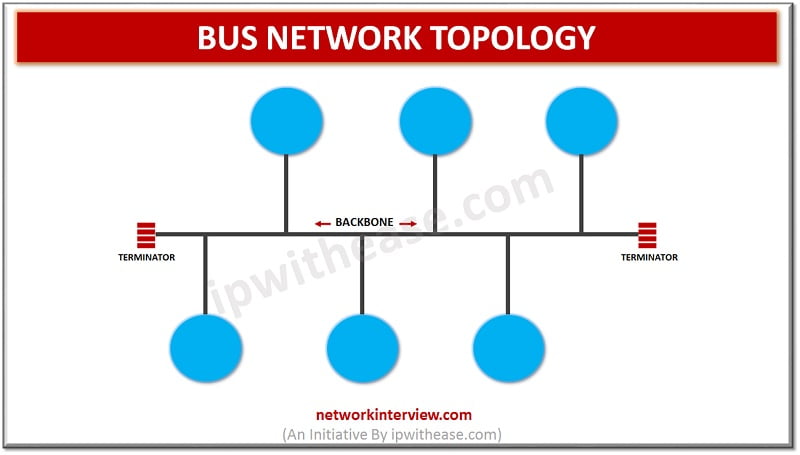
- Bus Topology: In this topology, all devices share a single communication line. It is simple to implement and cost-effective, but if the main cable fails, the entire network goes down.
- Star Topology: A central hub connects all devices. This design is popular due to its ease of troubleshooting; if one cable fails, only the device connected through that cable is affected. However, if the hub fails, the whole network becomes inoperable.
- Ring Topology: Each device is connected to two other devices, forming a circular pathway for data. While it can provide efficient data transfer, a failure in any single connection can disrupt the entire network.
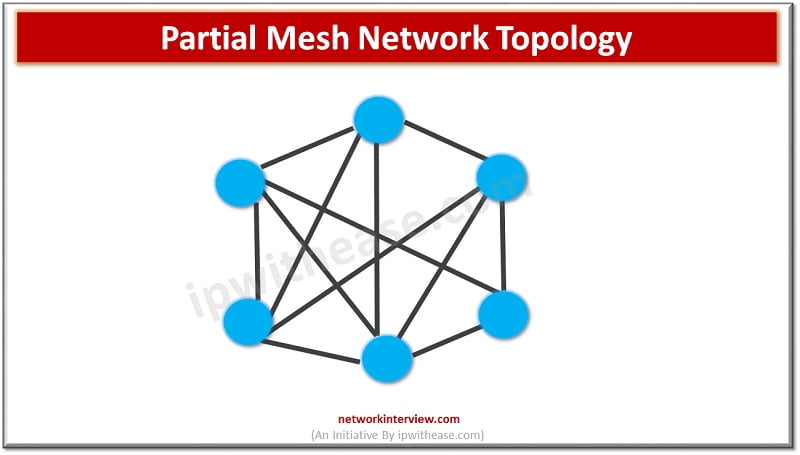
- Mesh Topology: In this topology, each device is interconnected with several others. This redundancy makes it highly reliable since failure of one connection does not disrupt communication. However, it can be complex and expensive to implement.
- Tree Topology: A hybrid topology that combines characteristics of star and bus topologies. It allows for the expansion of a network by adding new nodes without significant disruption. However, the failure of the root node can affect the entire network.
The significance of network topology in computer networking cannot be overstated. It determines the ease of installation, maintenance, and scalability of the network. A well-planned topology improves performance, enhances security, and can provide redundancy to ensure continuous operations. Additionally, understanding topology is vital for troubleshooting network issues, as different layouts can behave differently under various loads. In the world of fast-developing technology, adapting the right topology can make a significant difference in organizational efficiency and cost-effectiveness.
The different types of Network Topologies
Network topology refers to the arrangement of different elements (links, nodes, etc.) in a computer network. It plays a crucial role in determining the network’s performance and efficiency. Understanding the different types of network topologies is essential for designing effective and reliable networks. Each topology has its unique characteristics, advantages, and disadvantages that suit various networking needs.
Common Types of Network Topologies
There are several primary types of network topologies, including bus, star, ring, and mesh. Each type has distinct features that influence its effectiveness in different scenarios.
Bus Topology
In a bus topology, all devices share a single communication line or cable, known as the bus. Data travels in both directions along this line until it reaches its destination. This design is straightforward and cost-effective, making it suitable for small networks.
Star Topology
A star topology connects all devices to a central hub or switch. Each device has its own dedicated connection to the hub, which facilitates communication between them. This layout enhances reliability because if one connection fails, it does not affect the entire network.
Ring Topology
In a ring topology, each device is connected to two other devices, forming a circular pathway for data. Data travels in one direction around the ring, creating a predictable flow. However, if one device fails, it can disrupt the entire network, unless a dual ring is implemented.
Mesh Topology
Mesh topology involves multiple connections among devices, with each device connected to several other devices. This configuration offers high redundancy and reliability, as multiple pathways exist for data transmission. However, it can be more complex and expensive to implement due to the extensive cabling required.
Comparison of Network Topologies
The following table summarizes the advantages and disadvantages of each common network topology. This comparison can guide decisions based on specific networking needs.
| Topology | Advantages | Disadvantages |
|---|---|---|
| Bus |
|
|
| Star |
|
|
| Ring |
|
|
| Mesh |
|
|
Ideal Use Cases for Each Topology
Understanding where each topology excels is essential for effective network design.
– Bus Topology: Best suited for small, temporary networks or in scenarios where budgeting is a major concern.
– Star Topology: Ideal for home and office networks, where ease of setup and troubleshooting is prioritized. It is also effective in environments needing high reliability.
– Ring Topology: Works well in situations where predictable data transmission is necessary, such as in certain types of data center environments.
– Mesh Topology: Perfect for mission-critical applications where continuous uptime is essential, such as in financial institutions and healthcare networks.
By knowing the characteristics, advantages, and ideal scenarios for each topology, network designers can make informed decisions while constructing networks that meet specific organizational needs.
The role of Network Topology in network design
Network topology plays a critical role in the design of network infrastructure, acting as the framework that defines how devices are interconnected and how data flows across the network. The choice of topology directly impacts not only the physical layout of network components but also influences aspects such as performance, scalability, and reliability. Understanding the implications of various topologies allows network designers to make informed decisions that align with the specific needs and goals of the organization.
When selecting a topology, several design considerations must be addressed to ensure optimal performance and functionality. Each topology has its unique characteristics, advantages, and drawbacks that can affect the overall network design. Some common types of topologies include star, bus, ring, and mesh. The following are key factors that network designers must consider:
Design considerations when selecting a topology
Choosing the appropriate network topology is essential for meeting organizational needs. Here are some important considerations:
- Scalability: The topology should support growth and allow for the addition of more devices without significant reconfiguration. For example, a star topology is highly scalable as devices can be added to the central hub without affecting the existing network structure.
- Cost: Budget constraints play a significant role in topology selection. Bus topologies, for instance, tend to be more cost-effective for smaller networks as they require less cabling. In contrast, mesh topologies are more expensive due to the extensive cabling and hardware needed, but they offer high reliability.
- Performance: The chosen topology can greatly influence data transmission speeds. For instance, a ring topology may experience delays as data must pass through each node, whereas a star topology allows for simultaneous transmissions, enhancing overall performance.
- Reliability: The fault tolerance of the topology is crucial for maintaining network availability. Mesh topologies provide high reliability as multiple pathways exist for data; if one path fails, others can be utilized to maintain connectivity.
- Ease of installation and maintenance: Some topologies may be easier to implement and manage than others. Star topologies are often favored for their straightforward setup and simplified troubleshooting since issues can be isolated to individual connections.
The impact of topology on network performance and reliability is profound and multifaceted. Choosing the right topology can significantly enhance data handling capabilities, minimize downtime, and optimize resource utilization. For instance, in a star topology, all devices connect to a central hub, which can efficiently manage traffic. This design prevents data collisions and allows for quicker data transfers, improving overall performance.
Conversely, in a bus topology, all devices share a single communication line. If that line becomes congested or fails, the entire network can be affected. Thus, while bus topologies may be easier and less costly to set up, they can limit performance and reliability in larger or more complex networks.
Moreover, the reliability of a network is not solely dependent on the choice of topology but also on the redundancy built into that design. For example, in a mesh topology, where each device connects to multiple other devices, even if one link fails, traffic can be rerouted through alternate paths, ensuring high availability and reliability.
In conclusion, the role of network topology in network design cannot be overstated; it fundamentally shapes the performance, reliability, and scalability of a network infrastructure. By carefully considering the various factors associated with different topologies, designers can create networks that meet their organization’s current and future needs effectively.
The evolution of Network Topologies over time
The development of network topologies has been a significant aspect of the evolution of computer networking. As technology has advanced, so too have the designs and implementations of network structures. Initially, network topologies were simple and limited in scope. However, with the increasing complexity of data communication and the rise of the Internet, these structures have evolved to meet modern demands. This evolution reflects a continuous journey towards efficiency, scalability, and reliability in networking.
Histories of network topologies highlight key milestones that have shaped their current state. From the early days of point-to-point connections to today’s sophisticated architectures, the evolution showcases a blend of innovation and adaptation. The topology of a network not only influences its performance but also its capabilities in handling the growing amount of data traffic. The following timeline Artikels the significant developments and innovations that have shaped modern network topologies.
Timeline of Network Topology Developments
This timeline illustrates the progression of network topology designs, highlighting pivotal moments in their evolution:
| Year | Milestone | Description |
|---|---|---|
| 1960s | Point-to-Point Topology | The foundational structure for early networks, where two nodes were directly connected. |
| 1970s | Bus Topology | Adoption of a single central cable (bus) to connect all nodes, improving efficiency and reducing costs. |
| 1980s | Star Topology | Introduction of star topology, where all nodes connect to a central hub, enhancing manageability and fault tolerance. |
| 1990s | Mesh Topology | Development of mesh networks, allowing multiple connections between nodes for greater redundancy and reliability. |
| 2000s | Hybrid Topology | Emergence of hybrid topologies, combining elements of star, bus, and mesh to optimize performance and flexibility. |
| 2010s | Cloud Networking | Growth of cloud-based topologies that leverage distributed resources and virtualized networks for enhanced scalability. |
| 2020s | Software-Defined Networking (SDN) | Introduction of SDN, allowing programmable management of network resources for improved agility and automation. |
The evolution of network topologies has been driven by a need for increased data handling capabilities and improved reliability. Each innovation has contributed to a more robust and flexible networking environment that can adapt to new technologies and requirements. This progression emphasizes the importance of understanding historical developments to appreciate modern networking solutions fully.
The practical applications of various Network Topologies
Network topologies are the foundational layouts that define how devices connect and communicate within a network. Different topologies serve distinct purposes and offer unique benefits, making them applicable in various settings from small businesses to large enterprises. Understanding these practical applications highlights how organizations can optimize their networks to suit specific needs.
In real-world scenarios, different network topologies have been implemented to resolve specific networking issues, enhancing performance, reliability, and scalability. Here are some notable applications across various industries that demonstrate the effectiveness of these topologies.
Star Topology Applications
Star topology is widely used in environments where centralized management and reliability are essential. Here are some examples:
- Corporate Offices: Many corporations utilize star topology for their office networks. Each workstation connects to a central switch or hub, allowing for easy troubleshooting and reduced downtime. If a single connection fails, the rest of the network remains operational.
- Educational Institutions: Schools and universities often use star topology for their computer labs. The central hub allows for efficient monitoring and control of network resources, facilitating smoother internet access for students.
Bus Topology Applications
Bus topology is suitable for smaller networks due to its cost-effectiveness and simplicity. Its applications can be seen in:
- Small Businesses: Startups with limited budgets frequently adopt bus topology. It requires less cabling and fewer network devices, making it an economical choice for basic networking needs.
- Temporary Networks: For events like conferences, bus topology can be quickly set up to connect multiple devices temporarily, allowing for easy sharing of resources.
Ring Topology Applications
Ring topology is less common but offers unique advantages in specific contexts. Its applications include:
- Telecommunication Networks: Some telecom companies use ring topology for their backbone networks, as it allows for efficient data transmission with minimal latency. If one connection fails, data can still circulate in the opposite direction.
- Data Center Connectivity: Ring topology can be beneficial in data centers where redundancy is crucial. It ensures that data is continuously flowing, enhancing the reliability of critical applications.
Mesh Topology Applications
Mesh topology, known for its robustness, is implemented in scenarios requiring high availability. Notable examples include:
- Military Networks: Military operations often rely on mesh topology to ensure secure and reliable communications even in hostile environments. The multiple connections provide resilience against potential network failures.
- Smart Cities: Many smart city infrastructures employ mesh topology to connect various IoT devices. This setup ensures seamless communication between devices, enhancing city management systems like traffic control and energy usage monitoring.
Hybrid Topology Applications
Hybrid topology combines elements from multiple topologies to create flexible network solutions. Its applications can be seen in:
- Large Enterprises: Corporations often adopt hybrid topologies to meet diverse networking needs across different departments. For instance, a company might use a star topology within departments while maintaining a bus topology for inter-departmental connections.
- Healthcare Facilities: Hospitals implement hybrid topologies to manage various systems, from patient records to medical devices, ensuring that critical applications remain operational while optimizing resource allocation.
“Choosing the right network topology can significantly impact a business’s operational efficiency and reliability.”
Network Topology and scalability
Network topology plays a fundamental role in determining the scalability of a system. A network’s structure can greatly influence how well it can accommodate growth, manage increased traffic, and support new technologies. As businesses expand, understanding the relationship between network topology and scalability becomes crucial for maintaining efficient operations and ensuring long-term viability. This section delves into how various topologies impact scalability and discusses the challenges faced and potential solutions for scaling networks effectively.
Impact of Network Topology on Scalability
Different network topologies, such as star, ring, mesh, and bus, each have unique characteristics that affect their scalability. For instance, in a star topology, all nodes connect to a central hub, which simplifies the addition of new devices. However, this can also create a bottleneck at the hub, limiting overall performance as the network expands. In contrast, a mesh topology, where each node can connect to multiple nodes, offers greater redundancy and resilience. This can be more scalable, but it also involves increased complexity and cost due to the number of connections required.
While discussing scalability, it’s essential to highlight some challenges that various topologies present. The following points reflect common challenges and their solutions:
- Star Topology Limitations: The central device can become a single point of failure and a bottleneck.
To address this, businesses can invest in high-capacity switches and redundant connections.
- Mesh Complexity: While highly scalable, the mesh topology requires extensive cabling and configuration efforts.
Utilizing advanced network management tools can ease the complexity of managing such networks.
- Bus Topology Constraints: Bus networks can suffer from performance degradation as more devices join, leading to data collisions.
Segmenting the network into smaller sections can mitigate this issue.
- Ring Topology Vulnerabilities: A failure in any single node can disrupt the entire network.
Implementing dual ring configurations can provide redundancy and improve reliability.
Future-proofing network designs is vital for accommodating growth. To achieve this, organizations should consider the following strategies:
- Adopt Modular Designs: Creating a network infrastructure that can expand modularly helps in easily accommodating future demands.
- Implement Virtualization: Virtual networks can help in managing resources more efficiently and can easily scale up or down based on current needs.
- Focus on Standards: Utilizing standardized protocols and technologies ensures compatibility as new devices or technologies emerge.
- Invest in Training: Regular training for network staff on emerging technologies can prepare the team for future developments and ensure smooth scaling.
By considering these aspects, organizations can significantly enhance their network scalability, ensuring that they are well-prepared for future growth and technological advancements.
Network Topology and security measures
The relationship between network topology and security measures is critical in designing effective and secure networks. Different network arrangements can either facilitate or obstruct the implementation of security protocols, influencing the overall security posture of an organization. Understanding these interactions provides a foundation for developing tailored strategies to enhance security.
The impact of network topology on security measures arises from the physical and logical structure of the network. Each topology has its unique characteristics that can either enhance or hinder security efforts. For instance, a star topology centralizes network connections at a single hub, which can simplify security management since monitoring and controlling traffic is more straightforward. Conversely, a mesh topology offers more resilient connections between nodes, but it can complicate monitoring due to multiple interconnections.
Impact of Different Topologies on Security
Certain network topologies can either enhance or hinder security efforts depending on their configuration and design. Recognizing these impacts helps in strategizing effective security protocols.
– Star Topology: In a star topology, each device connects to a central hub. This arrangement simplifies the management of security measures such as firewalls and intrusion detection systems. Monitoring traffic becomes easier, as all data flows through the hub, allowing for consistent oversight. However, the hub represents a single point of failure; if it is compromised, the entire network is at risk.
– Ring Topology: A ring topology connects devices in a circular format where each device is linked to two others. This topology can enhance security due to the controlled flow of data but may also introduce vulnerabilities. If one connection is disrupted, it can affect the entire network. Security protocols must thus focus on maintaining the integrity of each connection.
– Mesh Topology: This topology features multiple interconnections between devices, promoting redundancy and reliability. While it enhances resilience against failures, it complicates security management. Security strategies must ensure that every connection is secured and monitored, which can involve more sophisticated protocols and infrastructure.
– Bus Topology: In a bus topology, all devices share a single communication line. This simplicity can make it easier to implement security protocols, but it also presents challenges. If the communication line is intercepted or compromised, all connected devices are vulnerable. Therefore, encryption and robust access controls are essential in this setup.
“The choice of network topology profoundly influences the security measures an organization can implement.”
For each topology, specific security strategies can be effectively employed to mitigate risks:
– Star Topology Security Strategies: Deploy centralized firewall systems at the hub, use VLANs to segment traffic, and implement strong access control measures to limit who can connect to the hub.
– Ring Topology Security Strategies: Incorporate redundancy and failover systems to maintain connections, and utilize encryption to secure data being transmitted between nodes.
– Mesh Topology Security Strategies: Use advanced network monitoring tools to oversee the multiple connections and apply end-to-end encryption to protect data across all paths.
– Bus Topology Security Strategies: Regularly audit the bus for vulnerabilities, use encryption to protect data, and implement network access controls to prevent unauthorized devices from connecting.
Understanding how network topology affects security allows organizations to make informed decisions when designing their networks and implementing appropriate security measures, ultimately enhancing their overall defense strategies.
Final Conclusion
In conclusion, Network Topology is more than just a technical term; it is a crucial aspect that shapes the performance and security of networks. By understanding the various types and their applications, one can better appreciate how network design impacts overall functionality. As we look to the future, staying informed about advancements in network topology will empower organizations to scale effectively and implement robust security measures, ultimately leading to a more resilient networking environment.
Query Resolution
What are the main types of network topology?
The main types of network topology include bus, star, ring, and mesh, each offering unique structures and benefits for network design.
How does network topology affect performance?
Network topology significantly influences data transmission speeds, reliability, and overall network efficiency depending on the chosen structure.
What is the most common network topology used today?
The star topology is widely used today due to its scalability and ease of troubleshooting.
Can network topology impact security measures?
Yes, certain topologies can either enhance or hinder security efforts, affecting how easily vulnerabilities can be managed.
How do I choose the right topology for my network?
Choosing the right topology involves considering factors like the size of the network, required performance, and specific organizational needs.