Near Field Communication (NFC) is transforming how we connect and interact with technology in our everyday lives. With a simple tap, NFC facilitates seamless communication between devices, enabling conveniences that many of us take for granted. From contactless payments to smart home integrations, NFC is quietly yet profoundly reshaping various sectors and enhancing user experiences.
This cutting-edge technology operates on the principles of electromagnetic fields, allowing devices to communicate without the need for physical contact. NFC is increasingly integrated into smartphones, wearables, and a variety of other gadgets, demonstrating its versatility and widespread applicability. As we delve deeper into the evolution, security features, and future prospects of NFC technology, it becomes clear that its impact is only just beginning to be felt.
Understanding the Basics of Near Field Communication Technology
Near Field Communication (NFC) is a short-range wireless technology that enables data exchange between devices over distances of about 4 centimeters or less. This technology provides an easy and convenient way to perform transactions and share information between devices without the need for physical contact or complicated setups. With its rise in popularity, NFC has become integral to a variety of applications, from mobile payments to secure access controls, making our everyday interactions with technology more seamless and efficient.
NFC operates on the principle of electromagnetic induction, utilizing magnetic fields to facilitate communication between devices. The technology works by establishing a communication link when two NFC-enabled devices are brought within proximity of each other. One device acts as the initiator, generating a radio frequency (RF) field, while the other device, the target, responds to this field. The initiator device sends data through the RF field, which the target device interprets. This interaction typically occurs in three modes: peer-to-peer mode, card emulation mode, and reader/writer mode, allowing for versatile applications across various sectors.
Daily Applications of NFC Technology
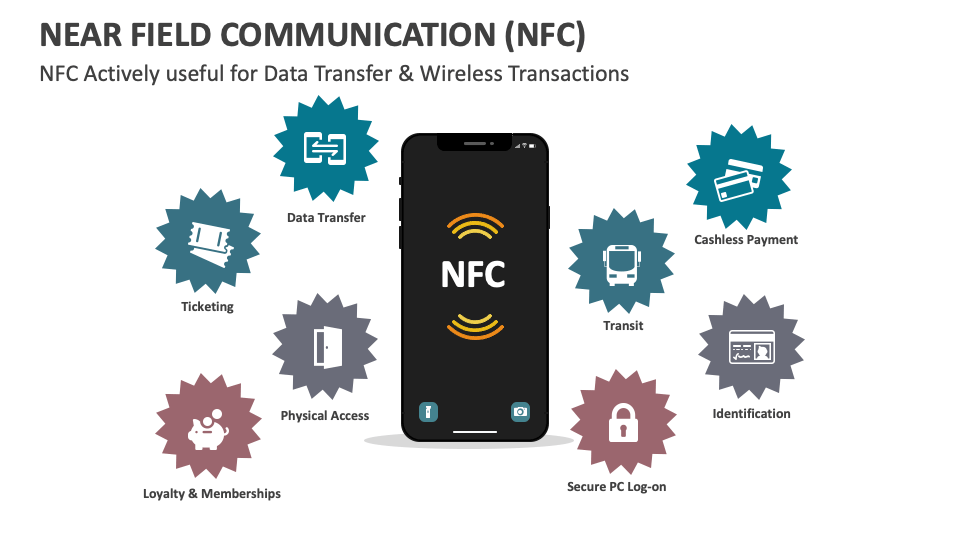
The prevalence of NFC technology in our daily lives is evident through numerous applications that enhance convenience and efficiency. Below are some prominent instances where NFC technology plays a significant role:
- Mobile Payments: One of the most recognizable uses of NFC is in mobile payment systems like Apple Pay and Google Wallet. Users can make secure transactions by simply tapping their smartphones against a compatible payment terminal, streamlining the checkout process.
- Public Transportation: Many cities have adopted NFC-enabled transit cards that allow commuters to quickly tap and pay for rides. This technology reduces the need for physical tickets and speeds up boarding times on buses and trains.
- Access Control: NFC technology is often employed in security systems, replacing traditional keys with NFC-enabled devices. Users can unlock doors by tapping their smartphones or NFC cards on a reader, enhancing security and convenience.
- Data Sharing: NFC facilitates easy sharing of contacts, photos, and URLs between smartphones. By simply touching two NFC-enabled devices together, users can exchange information without the need for complex setups or internet connections.
- Smart Tags: NFC tags can be embedded in various objects, allowing users to interact with them through their smartphones. For example, a user may tap their phone against an NFC tag on a poster to access additional content or promotional offers.
In summary, NFC technology significantly impacts various facets of daily life, providing functional and user-friendly solutions that make transactions and information sharing more efficient. As technology continues to evolve, the applications of NFC are likely to expand, further integrating into our daily routines and enhancing connectivity.
The Evolution of NFC Technology in Mobile Payments
Near Field Communication (NFC) technology has significantly transformed the landscape of mobile payments since its inception. Emerging in the early 2000s, NFC combined the features of RFID (Radio Frequency Identification) with smart card technology to facilitate secure, short-range communication between devices. The evolution of NFC in mobile payments has been a journey marked by technological advancements, industry collaboration, and consumer acceptance, ultimately leading to its current widespread use in various payment applications.
The historical development of NFC technology began with the introduction of RFID in the 1980s, which allowed for wireless communication over short distances. The actual concept of NFC was formally established around 2002 when NXP Semiconductors and Sony collaborated to create the NFC Forum, a standardization body that promotes the technology’s development. In 2004, the first NFC-enabled mobile phone was launched, allowing users to make contactless payments. A major breakthrough occurred in 2011 when Google introduced its mobile payment platform called Google Wallet, which utilized NFC technology to enable users to make transactions simply by tapping their phones at payment terminals.
Significant milestones towards widespread adoption included the establishment of the EMV (Europay, MasterCard, and Visa) standards for contactless payments in the early 2010s, which ensured security and interoperability among different devices and payment networks. By 2014, major tech companies like Apple introduced their mobile payment solutions, such as Apple Pay, which further accelerated the acceptance of NFC payments among consumers and merchants alike. Today, NFC technology is integrated into numerous smartphones and wearables, enabling seamless transactions across various platforms.
Comparison of NFC with Other Payment Technologies
Understanding the differences between NFC and other payment technologies like RFID and QR codes highlights the advantages and limitations of each method. Each technology has unique characteristics that influence their application in the payment ecosystem.
NFC is designed for secure transactions over short distances, typically within a few centimeters. Its bidirectional communication ability allows both devices to send and receive information, which is crucial for two-way interactions, such as confirming a payment. In contrast, RFID primarily serves as a unidirectional communication tool mainly used for identification and tracking purposes, making it less suitable for direct payment interactions.
QR codes, another popular payment method, require the user to scan a code using their smartphone camera. While QR codes can be used for remote transactions, they often necessitate an internet connection and additional steps, such as opening a dedicated app. In contrast, NFC payments are instantaneous, with no additional steps required to complete the transaction.
The following points summarize key differences:
- Distance: NFC operates within 4 inches, RFID can work up to several meters, while QR codes require the user to be close enough to scan the code.
- Security: NFC transactions are encrypted and highly secure, whereas RFID can be vulnerable to unauthorized scanning, and QR codes can be manipulated if not carefully checked.
- User Experience: NFC offers a seamless tap-and-go experience, while QR codes require scanning and sometimes navigating through apps, which may be less convenient for users.
The evolution of NFC technology in mobile payments exemplifies the drive towards more efficient, user-friendly, and secure transaction methods, establishing a solid foundation that continues to grow with technological advancements.
The Security Features of NFC
NFC technology, widely used for mobile payments and data exchange, comes with a variety of built-in security features that help protect users during transactions. These features aim to prevent unauthorized access and ensure that sensitive information transmitted is safely handled. Understanding these security measures is crucial for users who wish to leverage NFC technology confidently.
NFC uses several mechanisms to secure transactions. One of the primary security features is encryption, which protects data during transmission. This ensures that even if the data is intercepted, it remains unreadable without the proper decryption key. Additionally, NFC employs secure elements (SE) within devices, which store sensitive information such as payment credentials and personal identification data. These secure elements can be hardware-based or software-based, each providing a robust layer of protection.
Potential Vulnerabilities and Their Mitigation
Despite the inherent security features, NFC technology is not without vulnerabilities. Potential threats include eavesdropping, relay attacks, and data corruption. Eavesdropping occurs when an unauthorized entity intercepts communication between two NFC-enabled devices. Relay attacks involve an attacker capturing the signal and relaying it to another device, potentially allowing unauthorized access.
To mitigate these threats, users can adopt several strategies:
- Use NFC-enabled devices with advanced security features: Opt for devices that include hardware-based secure elements and ensure they are updated with the latest software patches.
- Enable security settings: Most NFC devices allow users to configure security settings. Activating features such as transaction prompts or disabling automatic NFC connections can add layers of protection.
- Be cautious in public spaces: Avoid using NFC in crowded areas where the risk of interception is higher. Always ensure the devices are in close proximity during transactions to minimize eavesdropping risks.
Best Practices for Secure NFC Transactions
To enhance the security of NFC transactions, users should follow best practices that further protect their information. These practices can significantly reduce the likelihood of security breaches and unauthorized access.
- Regularly update device software: Keeping your device’s operating system and applications up to date is crucial for protecting against vulnerabilities.
- Use strong authentication methods: Implement biometric authentication like fingerprint scanning or facial recognition to enhance security when initiating transactions.
- Monitor transaction history: Regularly check bank statements and transaction logs for any unauthorized transactions to act quickly if something appears amiss.
“Understanding security measures and practicing caution can greatly enhance the safety of NFC transactions.”
The Future of Near Field Communication
The future of Near Field Communication (NFC) technology is poised for significant advancements, driven by emerging trends and innovative applications. With its ability to enable secure communication between devices in close proximity, NFC is set to evolve alongside other technological advancements, especially in the realm of the Internet of Things (IoT). This integration promises enhancements in various industries, reshaping how we interact with technology daily.
NFC technology is witnessing a surge in innovative applications that extend beyond simple transactions. Currently, NFC is being integrated into various devices and services, including wearables, smart home systems, and mobile payment platforms. One of the most notable trends is the incorporation of NFC in contactless payment systems, which gained immense popularity during the COVID-19 pandemic, as consumers sought safer transaction methods. Furthermore, NFC tags are increasingly being used for marketing purposes, allowing businesses to create interactive customer experiences by linking physical products to digital content.
Integration of NFC with IoT
The synergy between NFC and IoT is creating opportunities for smarter, more connected environments. By utilizing NFC technology, IoT devices can establish secure connections with minimal user intervention. For instance, a smart home device equipped with NFC could be easily configured by simply tapping a smartphone against it, streamlining the setup process for users. This seamless connectivity contributes to an enhanced user experience, making technology more accessible.
Furthermore, the integration of NFC and IoT paves the way for advanced security measures. NFC’s encryption capabilities, combined with the vast network of IoT devices, can help in authenticating users and securing data exchanges. As smart cities evolve, NFC-enabled devices can facilitate various applications, such as public transportation access, energy management, and smart parking solutions, all contributing to enhanced urban living.
Predicted Uses of NFC Across Industries
The versatility of NFC suggests a variety of future applications across multiple industries. Here are potential use cases that highlight the transformative impact of NFC technology:
- Healthcare: NFC can streamline patient data management and improve medication adherence. Patients could use NFC-enabled wristbands to access their medical records and receive medication reminders directly through their smartphones.
- Retail: NFC technology can enhance customer engagement through interactive shopping experiences. Retailers may use NFC tags to provide detailed product information and personalized promotions, encouraging consumers to make informed purchasing decisions.
- Transportation: Future public transport systems may utilize NFC for ticketing, enabling passengers to tap their smartphones for quick access and real-time updates on transit schedules, thereby improving convenience.
- Hospitality: NFC technology can revolutionize guest experiences in hotels by allowing mobile check-ins and room access through NFC-enabled devices, facilitating a more personalized and efficient service.
In conclusion, the future of NFC technology is bright, with countless opportunities for innovation and application. As NFC continues to evolve alongside advancements in IoT and other technologies, its potential to transform various industries will only increase, paving the way for a more connected, efficient, and user-friendly future.
Integrating NFC Technology in Smart Home Devices
NFC technology is revolutionizing the way we interact with our smart home devices. By enabling seamless communication between devices and smartphones, NFC enhances user experience and expands the functionality of home automation systems. With its short-range communication capabilities, NFC offers convenience and efficiency, making it a valuable addition to the smart home ecosystem.
Integrating NFC in smart home devices allows users to control various aspects of their home with a simple tap of their NFC-enabled smartphones or smart cards. This process simplifies tasks such as pairing devices, controlling lights, and managing security systems, streamlining everyday activities. For example, when a user taps their smartphone against an NFC-enabled smart lock, the door can be unlocked instantly, eliminating the need for traditional keys or complicated entry codes. This swift interaction is not only user-friendly but also adds an extra layer of security, as it can be programmed to work only with authorized devices.
NFC-Enabled Smart Home Products
There are several existing smart home products that successfully utilize NFC technology, enhancing their functionality and user experience. Some notable examples include:
- NFC Smart Locks: Products like the August Smart Lock allow users to unlock doors by tapping their NFC-enabled smartphone, making keyless entry a breeze.
- NFC-Enabled Lighting Systems: Philips Hue offers smart bulbs that can be controlled via NFC, enabling users to change colors and brightness with a simple tap.
- Smart Thermostats: Devices like the Ecobee SmartThermostat can be configured and adjusted using NFC, allowing for personalized home environments with minimal effort.
- NFC Smart Plugs: The TP-Link Kasa Smart Wi-Fi Plug integrates NFC for quick setup and control of connected devices, turning ordinary appliances into smart devices.
The benefits of using NFC in home automation systems are significant. First and foremost, the ease of use that NFC provides is unparalleled. Users no longer need to navigate through complex interfaces or remember multiple passwords; a simple tap suffices. This is particularly beneficial for households with multiple devices, where managing controls can become cumbersome. Furthermore, NFC technology can improve security by allowing users to customize access permissions easily. For instance, homeowners can grant temporary access to guests or service personnel, enhancing convenience while maintaining control over who enters their space.
Additionally, NFC can facilitate integration with other smart technologies. By tapping devices together, users can share settings or even sync functionalities, such as connecting a smartphone to a smart speaker for instant music streaming. This capability fosters a more connected and responsive environment, embodying the essence of a truly smart home.
NFC in the Healthcare Sector
Near Field Communication (NFC) is revolutionizing the way healthcare is delivered, enhancing patient care and streamlining medical processes. By enabling seamless data exchange between devices, NFC technology facilitates quicker and more efficient patient interactions, ultimately improving the quality of care. Its applications range from patient identification to medication management, providing a secure and effective means for healthcare professionals to access critical information instantly.
NFC plays a vital role in modern healthcare solutions by offering unique benefits such as enhanced security, ease of use, and real-time data access. For instance, NFC-enabled wristbands can be assigned to patients upon admission. These wristbands store vital information, including allergies and medical history, which can be accessed by healthcare providers simply by tapping their NFC-enabled devices. This not only reduces the risk of errors but also accelerates the treatment process, allowing nurses and doctors to focus on patient care instead of paperwork.
Case Studies of NFC in Medical Devices
Numerous examples illustrate the transformative impact of NFC technology in healthcare. One notable case is the use of NFC-enabled glucose monitors. These devices allow diabetic patients to measure their blood sugar levels and transmit the data directly to their smartphones. The smartphone app can then share this information with healthcare providers, enabling timely interventions and personalized treatment plans.
Another example includes NFC-enabled inhalers used by asthma patients. These inhalers can track usage and remind patients when it’s time to take their medication. The data collected can be shared with doctors, ensuring that patients adhere to their treatment schedules and allowing for better management of asthma conditions.
The advantages of NFC technology in patient management systems are profound. It streamlines administrative processes, reduces the chances of human error, and enhances patient engagement. By simplifying access to critical information, healthcare providers can make informed decisions quickly and improve overall patient outcomes. Moreover, the secure nature of NFC protects sensitive patient data, fostering trust and compliance with regulations such as HIPAA.
The Role of NFC in Marketing and Customer Engagement
Near Field Communication (NFC) technology is transforming the way businesses engage with customers. By facilitating seamless interactions, NFC enhances marketing strategies, drives customer engagement, and provides a unique platform for innovative promotional campaigns. As consumers increasingly embrace contactless technology, the integration of NFC into marketing initiatives becomes not just beneficial but essential for brands seeking to connect with their audience.
Businesses are leveraging NFC to create personalized experiences that captivate customers and foster brand loyalty. By utilizing NFC tags embedded in various products, advertisements, and promotional materials, companies can provide instant access to information, offers, and services. For instance, customers can tap their smartphones on an NFC-enabled poster to receive exclusive discounts, product details, or links to social media pages. This immediate interaction not only streamlines the customer journey but also encourages impulse buying through compelling offers.
Successful NFC Marketing Campaigns
Several notable brands have successfully implemented NFC technology in their marketing campaigns, demonstrating its effectiveness in boosting engagement and sales. One prominent example is Coca-Cola’s “Coca-Cola Freestyle” vending machines, which allow users to personalize their beverage choices by tapping their phones. This innovative approach not only enhances the customer experience but also collects valuable data on consumer preferences, enabling Coca-Cola to refine its marketing strategies.
Another example is the fashion retailer, Zara, which introduced NFC tags in their clothing items. Shoppers can tap their smartphones on the NFC tags to access styling tips, outfit ideas, and even purchase history, creating a more interactive shopping experience. This strategy not only drives customer engagement but also encourages repeat visits and boosts sales.
NFC Implementation Strategies for Marketing
To harness the full potential of NFC in marketing efforts, companies should consider implementing the following strategies:
1. Integrate NFC in Promotional Materials: Embed NFC tags in brochures, flyers, and posters to provide customers with instant access to digital content, promotions, or product information.
2. Leverage Data Analytics: Utilize the data collected from NFC interactions to gain insights into customer behavior and preferences. This can inform future marketing campaigns and personalized offers.
3. Create Interactive Experiences: Develop interactive in-store experiences by allowing customers to engage with products through NFC-enabled displays. This can include accessing videos, tutorials, or augmented reality experiences that enhance product value.
4. Offer Exclusive Rewards: Encourage customer loyalty by providing exclusive rewards or discounts accessible only through NFC interactions. For example, a loyalty program that grants points for each NFC tap can motivate customers to engage frequently.
5. Educate Consumers: Ensure that customers understand how to use NFC technology by providing clear instructions and promoting the benefits of engagement. This can help overcome any reluctance to adopt new technology.
By employing these strategies, companies can effectively leverage NFC technology, creating meaningful connections with customers while enhancing their overall marketing efforts.
Challenges and Limitations of Near Field Communication Technology

Near Field Communication (NFC) technology has gained traction in various applications, from mobile payments to data sharing. However, despite its growing adoption, several challenges and limitations hinder its widespread use and functionality. Understanding these barriers is essential for both users and developers to recognize what can be improved and how NFC can evolve.
One significant limitation of NFC is its short communication range, which typically extends only a few centimeters. This constraint is beneficial for security purposes, as it minimizes the risk of unauthorized access. However, it can also be seen as a limitation when compared to other wireless communication technologies, such as Bluetooth, which provides a much larger operational range. Furthermore, NFC’s transfer speed, while adequate for certain tasks, is considerably slower than other wireless technologies like Wi-Fi or Bluetooth. For instance, NFC can transfer data at speeds of up to 424 kbps, while Bluetooth can reach speeds of 3 Mbps or more. This disparity can affect user experience, especially when large amounts of data are involved.
Comparative Challenges of NFC Technology
When comparing NFC with other wireless communication technologies, several challenges emerge. NFC is often less versatile than its counterparts, as its primary functions revolve around secure transactions and small data exchanges. Below are key challenges faced by NFC technology in comparison to others:
- Integration with Existing Systems: Many businesses still rely on traditional payment systems or older technologies, making it difficult to implement NFC solutions seamlessly.
- Device Compatibility: NFC requires both sending and receiving devices to have the technology built-in, which limits its usability compared to Wi-Fi or Bluetooth, where one device can connect to multiple others easily.
- Security Concerns: Vulnerabilities in NFC protocols can be exploited, raising concerns over data security and privacy, especially in payment applications.
- Limited User Awareness: Many consumers are still unaware of how to use NFC technology, which hinders its adoption in various sectors.
To address these limitations, some potential solutions are being explored. Enhanced security protocols, such as tokenization and encryption, can help bolster user confidence in NFC transactions. Additionally, expanding the range of NFC technology could make it more competitive with other wireless methods, though this may require significant technological advancements. Increasing public awareness through educational campaigns can also drive adoption, demonstrating the technology’s benefits beyond just payments. Collaborations between tech companies and stakeholders might also lead to broader compatibility and integration of NFC in existing systems and devices. By tackling these challenges head-on, NFC technology can continue to evolve and meet the demands of the modern digital landscape.
Outcome Summary
In summary, Near Field Communication (NFC) stands as a beacon of innovation, bridging the gap between technology and user convenience. As we explored its journey from a mobile payments solution to a multifaceted tool in diverse industries, it’s evident that NFC is not merely a trend but a foundational technology for the future. Its potential to enhance security, drive customer engagement, and streamline everyday tasks is reshaping our interactions with the digital world, leaving us excited for what’s next.
Popular Questions
What devices commonly use NFC?
Smartphones, smartwatches, contactless payment cards, and some smart home devices commonly utilize NFC technology.
Is NFC secure for transactions?
Yes, NFC includes built-in security features, but users should still follow best practices to ensure their transactions remain safe.
Can NFC work without an internet connection?
Yes, NFC enables direct communication between devices without needing an internet connection, making it ideal for quick transactions.
How far can NFC communicate?
NFC typically works within a range of 4 centimeters or less, which enhances security by requiring close proximity.
Does NFC drain battery life?
No, NFC consumes very little power, and its impact on battery life is minimal when not actively in use.