Mixed Reality is not just a buzzword; it’s a transformative technology that blends the physical and digital worlds in ways we’ve only begun to explore. This fascinating realm combines the tangible aspects of reality with the immersive qualities of virtual environments, allowing for innovative applications across various sectors.
From enhancing educational experiences to revolutionizing healthcare training, Mixed Reality is reshaping how we interact with information and each other. As devices become more sophisticated and accessible, the opportunities for creating engaging, realistic experiences continue to expand, making it an exciting time to delve into this emerging field.
Understanding the Fundamentals of Mixed Reality
Mixed Reality (MR) stands at the intersection of our physical and digital worlds, blending real and virtual environments in a way that allows interaction with both simultaneously. Unlike Virtual Reality (VR), which immerses users in a completely digital landscape, or Augmented Reality (AR), which overlays digital information on the real world, MR creates a hybrid experience where users can engage with both real and virtual objects in real-time. This unique integration provides a seamless interaction that enhances user experience and offers practical applications across various fields.
The core principles that differentiate Mixed Reality from its counterparts reside in its ability to anchor digital content to the real world in a way that reacts to the user’s environment. This interaction is often enabled by advanced sensors, spatial mapping, and sophisticated algorithms. MR allows for a more immersive and interactive experience, as users are not merely passive recipients of information but active participants in a shared space with both real and virtual elements.
Devices Supporting Mixed Reality Experiences
Several devices have emerged that enable users to experience Mixed Reality, showcasing the technology’s versatility across various applications. Here are notable examples:
- Microsoft HoloLens: A pioneer in MR technology, HoloLens utilizes advanced sensors and holographic processing to create immersive experiences, allowing users to interact with 3D holograms in their real environment.
- Magic Leap One: This device combines digital and physical worlds through spatial computing, enabling users to manipulate virtual objects as if they exist in their immediate surroundings.
- Varjo XR-3: Known for its high-fidelity visuals, this headset caters to professional applications, blending high-resolution virtual elements with the real world for training and simulation purposes.
Technological innovations have played a crucial role in the evolution of Mixed Reality. Key advancements include enhanced computer vision, which allows devices to understand and interpret their surroundings in real-time, improving the accuracy of digital overlays. Additionally, the development of powerful processors and graphics engines has enabled smoother interactions and more realistic rendering of virtual objects. As a result, MR has expanded beyond gaming and entertainment, finding applications in industries such as healthcare, architecture, and education.
The fusion of the digital and physical realms through Mixed Reality transforms how we interact, learn, and make decisions.
Applications of Mixed Reality in Various Industries
Mixed reality (MR) is transforming various industries by merging the digital and physical worlds, enhancing experiences and workflows in unprecedented ways. This innovative technology enables users to interact with both real and virtual elements simultaneously, leading to improved training, education, and entertainment solutions. In this segment, we will explore how mixed reality is being applied in healthcare, education, and the entertainment industry, showcasing its diverse capabilities.
Healthcare Utilization for Training and Surgical Simulations
In the healthcare sector, mixed reality is revolutionizing training and surgical simulations. By providing immersive experiences, MR allows medical professionals to practice complex procedures in a safe and controlled environment. This hands-on training enhances their skills without the risks associated with real-life surgeries.
One prominent example of MR in healthcare is the use of Microsoft HoloLens in surgical simulations. Surgeons can visualize 3D holograms of patient anatomy layered over their actual bodies, allowing them to plan and rehearse surgical procedures with precision. This technology not only improves surgical outcomes but also reduces the time needed for surgeries, as practitioners can become more familiar with the patient’s specific conditions.
Additionally, medical students benefit from MR applications that simulate anatomy and surgical operations. This interactive approach to learning fosters better retention and understanding of complex medical concepts. As they engage with realistic 3D visuals and scenarios, students can enhance their diagnostic and procedural skills significantly.
Role of Mixed Reality in Education
Mixed reality is making significant strides in the education sector, enhancing learning experiences by providing interactive and engaging environments. MR enables students to explore complex topics more dynamically, fostering a deeper understanding and retention of knowledge.
For instance, schools and universities are employing MR to teach subjects like science, history, and mathematics. Students can, for example, visualize historical events, explore the solar system, or dissect virtual organisms, all from their classrooms. Such experiences make learning more engaging and can cater to different learning styles, benefitting both visual and kinesthetic learners.
The integration of MR into training programs also allows educators to track student progress in real-time, providing feedback that can inform instructional strategies. By creating personalized learning experiences, mixed reality can help bridge gaps in knowledge and skills, leading to improved educational outcomes.
Integration of Mixed Reality in Entertainment
The entertainment industry is embracing mixed reality to create immersive gaming and interactive experiences that captivate audiences. MR technologies blend real-world elements with digital content, resulting in unique and engaging interactions that were previously unimaginable.
A well-known example is Pokémon GO, which uses augmented reality (a component of MR) to allow users to catch virtual creatures in real-world locations. This innovative approach to gaming combines physical movement with virtual rewards, promoting active participation and social interaction among players.
In addition to gaming, MR is also enhancing live performances and cinematic experiences. For example, concerts can incorporate holographic visuals, allowing musicians to perform alongside digital avatars or immersive sets that react to the audience’s movements. This convergence of real and virtual elements creates unforgettable experiences that resonate with fans.
Moreover, the rise of MR technologies in theme parks demonstrates its potential to transform entertainment venues. Attractions can utilize MR to enhance rides and experiences, providing visitors with personalized adventures that adapt to their preferences and interactions.
The Impact of Mixed Reality on User Experience Design
The intersection of mixed reality (MR) and user experience design is reshaping how users interact with digital content. MR combines the real world with digital elements, creating immersive experiences that can enhance usability and engagement. Understanding the unique aspects of MR is essential for designers as they create applications that not only meet user needs but also provide a seamless blend of the physical and virtual worlds.
Key design considerations are vital when creating mixed reality applications. Unlike traditional interfaces, MR requires designers to think about spatial interaction, user context, and the physical environment. Some critical considerations include:
- User Mobility: Consider how users will move within the MR space. Designing for various physical environments is essential for ensuring comfort and ease of use.
- Context Awareness: Applications should be designed to be aware of the user’s environment, adapting the experience based on real-world cues.
- Spatial Audio: Implementing sound in a three-dimensional space enhances immersion, allowing users to locate sounds based on their position in the environment.
- Visual Complexity: Striking the right balance between immersive visuals and user distraction is key. Clutter can overwhelm users and hinder interaction.
- Intuitive Gestures: Designing for natural gestures, like swipes and pinches, makes the experience more intuitive and reduces the learning curve.
User testing methods specific to mixed reality environments differ from traditional usability testing. To effectively gauge user interaction and satisfaction in MR, the following methods can be employed:
User Testing Methods for Mixed Reality
In mixed reality, testing must encompass both the digital and physical elements of the experience. Practical methods for user testing in MR include:
- Field Studies: Observing users in their natural environment while interacting with the MR application helps identify real-world challenges.
- Think-Aloud Protocol: Encouraging users to verbalize their thoughts during interactions can provide insights into their decision-making processes and areas of confusion.
- Task Observations: Setting specific tasks for users to complete allows designers to evaluate how effectively users can navigate and utilize the MR experience.
- Feedback Sessions: Conducting structured interviews or focus groups post-testing can uncover user perceptions and suggestions for improvement.
While designing for mixed reality presents numerous opportunities, it also comes with significant challenges. Recognizing these challenges can help designers strategize effectively.
Challenges and Opportunities in Mixed Reality Design
The design landscape for mixed reality is filled with unique challenges and exciting opportunities. Key challenges include:
- Technical Limitations: Current hardware may limit the capabilities of MR applications, such as processing power or field of view, affecting user experience.
- Content Creation: Developing high-quality, interactive content that effectively utilizes MR features requires specialized skills and resources.
- User Diversity: Designing for a wide range of users with varying levels of technical proficiency poses a challenge in creating universally accessible experiences.
- Environmental Factors: Interactions can be disrupted by real-world conditions, such as lighting or space constraints, complicating the design process.
However, alongside these challenges, mixed reality design offers numerous opportunities:
- Enhanced Engagement: MR can create more engaging experiences, allowing users to interact with content in innovative ways that traditional interfaces cannot provide.
- Personalization: MR applications can be tailored to individual user preferences, creating unique experiences that can adapt to each user’s needs.
- New Business Models: The immersive nature of MR allows for novel applications in industries like education, real estate, and healthcare, fostering new revenue streams.
- Cross-Disciplinary Collaboration: The complexity of MR design encourages collaboration across various fields, enriching the design process and outcome.
By addressing these design considerations, employing targeted user testing methods, and recognizing the associated challenges and opportunities, designers can create mixed reality applications that deliver high-quality user experiences while navigating the complexities of this evolving medium.
The Role of Mixed Reality in Remote Collaboration
As remote work continues to evolve, mixed reality (MR) emerges as a transformative tool for enhancing team collaboration. By blending physical and digital environments, MR facilitates a more immersive and interactive experience, allowing teams to communicate and collaborate like never before. This technology not only bridges geographical gaps but also fosters a sense of presence among team members, irrespective of their physical locations.
Mixed reality can significantly enhance remote work and team collaboration through various applications that create shared spaces for interaction. For instance, MR enables participants to visualize 3D models together, participate in live brainstorming sessions, and manipulate digital content as if they were physically present in the same space. Such immersive experiences can lead to improved productivity and creativity, as team members can engage more effectively with their projects and each other.
Platforms Leveraging Mixed Reality for Collaboration
Several platforms have emerged that utilize mixed reality to foster collaboration in virtual environments. Here are notable examples:
- Microsoft Mesh: This platform allows users to interact as holograms in shared environments, enabling teams to collaborate in real-time on projects, regardless of where they are located. Microsoft Mesh integrates seamlessly with existing tools like Teams, enhancing the collaborative experience.
- Spatial: Spatial creates virtual workspaces where team members can bring 3D models and documents into a shared environment. Users can interact with each other and the content, promoting a more engaging brainstorming process.
- Facebook Horizon Workrooms: This platform combines avatars and virtual reality meeting spaces, allowing teams to hold meetings and work on projects together in a virtual environment that feels engaging and immersive.
The integration of mixed reality in these platforms transforms traditional remote meetings into dynamic, interactive sessions that can lead to better understanding and more innovative ideas.
Future Implications of Mixed Reality on Workplace Dynamics
The future of mixed reality in the workplace suggests profound changes in how teams operate and collaborate. As MR technology advances, we can expect to see the following implications:
- Enhanced Collaboration: As teams become more familiar with MR, collaboration will likely become more intuitive. Users could easily share insights and ideas in a 3D space, allowing for a more natural flow of conversation and teamwork.
- Global Teams Integration: Companies will be able to tap into global talent pools, with MR enabling seamless collaboration across time zones and cultures. This can lead to more diverse teams and innovative solutions.
- Increased Engagement: The immersive nature of MR will likely lead to higher engagement levels during meetings and collaborative sessions, as participants can actively contribute and feel a sense of presence.
The shift towards incorporating mixed reality in workplace dynamics will redefine traditional notions of collaboration, making remote work not only feasible but also an exciting and productive experience.
Ethical Considerations Surrounding Mixed Reality
As mixed reality technologies continue to evolve and integrate into our daily lives, it’s crucial to examine the ethical considerations that arise from their use. These technologies promise innovative experiences but also present challenges, particularly regarding privacy, psychological impacts, and the need for regulatory frameworks.
Privacy Concerns Associated with Mixed Reality Technologies
The incorporation of mixed reality (MR) in everyday activities raises significant privacy issues that must be addressed. MR devices often collect vast amounts of data, including personal information, behavioral patterns, and even biometric data. This data can be susceptible to misuse or unauthorized access.
“Data collected by mixed reality technologies can reveal sensitive insights about users, leading to potential exploitation.”
Key privacy concerns include:
- Data Security: The risk of data breaches increases with the amount of personal data stored and transmitted through MR systems.
- User Consent: Users often may not fully understand what data they are agreeing to share, leading to uninformed consent.
- Surveillance Potential: MR technologies can inadvertently facilitate constant surveillance, with devices tracking user movements and interactions without clear boundaries.
Potential Psychological Impacts of Prolonged Mixed Reality Use
Extended exposure to mixed reality environments can have various psychological effects on users. While MR can enhance learning and social interaction, there are potential risks associated with its frequent use that merit attention.
“Prolonged engagement with mixed reality can blur the lines between virtual and real-world experiences, leading to possible psychological discomfort.”
The psychological impacts include:
- Cognitive Overload: Continuous interaction with complex virtual environments can lead to mental fatigue and decreased attention spans.
- Desensitization: Frequent exposure to virtual experiences may lead to a reduced emotional response to real-world events or situations.
- Social Isolation: Immersing in virtual spaces can sometimes result in withdrawal from real-world social interactions, impacting mental health.
Regulatory Challenges and the Need for Ethical Standards in Mixed Reality Development
The rapid advancement of mixed reality technologies presents a challenge for regulators. Currently, the lack of comprehensive frameworks to govern the ethical use of MR creates uncertainties for developers and users alike.
“The absence of established ethical standards in mixed reality development could lead to harmful consequences for society.”
To address these challenges, the following regulatory considerations are essential:
- Development of Ethical Guidelines: Creating clear ethical standards can guide developers in addressing privacy and psychological concerns.
- Data Protection Regulations: Implementing stringent data protection laws is necessary to safeguard user information collected through MR technologies.
- Collaboration with Stakeholders: Engaging in dialogue with users, ethicists, and technologists can help shape regulations that balance innovation with ethical responsibility.
Future Trends in Mixed Reality Technology
The future of mixed reality (MR) technology promises to reshape how we interact with digital environments and real-world spaces. As advancements in hardware and software continue to evolve, the capabilities of MR will expand significantly, leading to more immersive and practical applications across various sectors. This discussion focuses on the anticipated developments in MR and how businesses can strategically position themselves to leverage these technologies in the coming decade.
Upcoming Developments in Mixed Reality Hardware and Software
The next wave of mixed reality technology is likely to be marked by significant advancements in both hardware and software. Key trends include:
– Improved Hardware Integration: Future MR devices will feature enhanced components such as lighter materials, better battery life, and superior display technologies, ensuring a more comfortable user experience. Companies like Microsoft and Magic Leap are already working on devices that reduce fatigue during prolonged usage.
– Increased Computational Power: As processors become more powerful and energy-efficient, mixed reality systems will handle complex applications more fluidly. This will enable real-time rendering of high-quality graphics and improved responsiveness in interactive experiences.
– AI Integration: The incorporation of artificial intelligence will allow MR systems to learn user behaviors and adapt experiences accordingly. This can lead to more personalized interfaces and smarter environmental interactions, facilitating smoother user experiences.
– Cloud Computing: The reliance on cloud technology for data processing and storage will enable MR devices to function with more extensive datasets and applications without needing extensive local resources. This can lead to expansive collaborative environments, where multiple users interact seamlessly in shared spaces.
Comparison of Current Mixed Reality Trends with Previous Years
Examining the trajectory of mixed reality over the past five years reveals substantial shifts in focus and capability. Five years ago, MR primarily revolved around niche applications and experimental technologies. Today, it is becoming a more integral part of various industries, emphasizing practical applications. Key highlights include:
– Shift from Hardware to Software: While earlier trends emphasized the development of new hardware, current focus is on creating rich, immersive software applications that enhance user experience. Companies are now investing in software ecosystems that support seamless integration with existing technologies.
– Broader Industry Adoption: Industries such as healthcare, education, and architecture are increasingly utilizing MR for training, simulation, and design processes. Five years ago, these applications were largely theoretical, with limited real-world implementation.
– Enhanced User Experience: The emphasis has shifted towards creating engaging and user-friendly experiences. Advancements in user interface design and gesture recognition have made MR more accessible to non-technical users.
Roadmap for Businesses Implementing Mixed Reality Technologies
Organizations looking to adopt mixed reality technology in the next decade should follow a structured roadmap to ensure successful integration and realization of benefits. Key steps include:
1. Assessment of Needs: Businesses should begin by evaluating their specific needs and identifying areas where MR can enhance operations or customer experience.
2. Technology Research: Staying informed about the latest MR hardware and software advancements is crucial. Companies should explore partnerships with MR technology providers to access cutting-edge solutions.
3. Pilot Programs: Implementing pilot projects can help organizations test MR applications in a controlled environment. This allows for adjustments before a full-scale rollout.
4. Training and Development: Investing in training programs for employees will enable them to utilize MR effectively. Encouraging a culture of innovation will help employees embrace new technologies.
5. Feedback and Iteration: Establish feedback mechanisms to gather insights from users. Continuous improvement based on real-world usage will enhance the overall effectiveness of MR applications.
6. Strategic Partnerships: Collaborating with tech firms specializing in MR can provide businesses with the expertise needed to navigate this evolving landscape.
By following this roadmap, companies can position themselves as leaders in adopting mixed reality technologies, enhancing their competitiveness and operational efficiency in the future.
Mixed Reality Content Creation and Development Tools
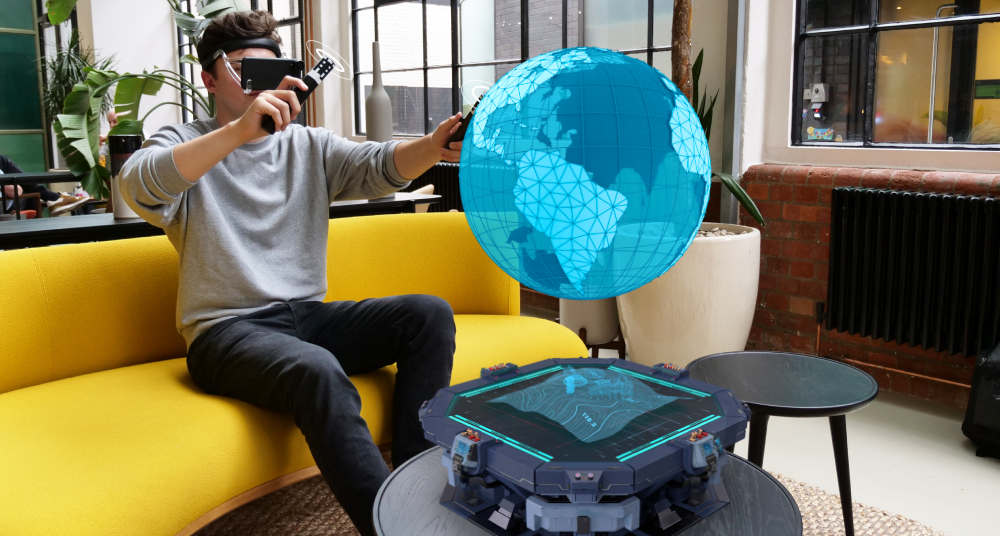
In the rapidly advancing field of mixed reality (MR), the tools and software available for content creation play a pivotal role in shaping immersive experiences. Developers and creators can leverage various platforms and applications to bring their innovative ideas to life. Understanding these tools is essential for efficient MR content development.
The process of developing a mixed reality application involves several key stages, from ideation to deployment. Each stage requires careful planning, collaboration, and the right set of tools to ensure the final product meets user expectations and provides a seamless experience.
Popular Tools and Software for Mixed Reality
Several tools are widely recognized and utilized in the mixed reality content creation landscape. Below are some of the most notable ones, each offering unique features that cater to different aspects of MR development:
- Unity: A leading game engine that supports 2D and 3D content creation. Unity is favored for its robust development capabilities, extensive asset store, and support for multiple platforms, including AR and VR.
- Unreal Engine: Known for its stunning graphics and high-fidelity visuals, Unreal Engine is a powerful option for developers aiming to create immersive experiences. Its Blueprint visual scripting system simplifies coding, making it accessible for non-programmers.
- Maya: A sophisticated 3D modeling software often used for creating detailed assets for mixed reality applications. Its advanced features cater to animators and modelers looking to produce high-quality content.
- Microsoft Mixed Reality Toolkit (MRTK): A collection of components and features designed to accelerate the development of mixed reality experiences on HoloLens and other platforms. MRTK provides essential functionalities like spatial awareness and UI interactions.
- ARKit and ARCore: Apple’s and Google’s respective frameworks for developing augmented reality applications. These tools provide developers with the necessary capabilities to create engaging AR experiences on mobile devices.
Developing a Mixed Reality Application
The development of a mixed reality application typically follows a structured process that can be broken down into several stages:
- Conceptualization: This initial phase involves brainstorming ideas and defining the purpose of the application. Understanding the target audience and the type of experience desired is critical.
- Design: Creating wireframes and prototypes helps visualize the application’s interface and interactions. Sketching out user journeys ensures a user-centered design approach.
- Development: Utilizing chosen development tools, developers begin coding the application. This stage includes asset creation, programming interactions, and integrating various functionalities.
- Testing: Rigorous testing is essential to identify and resolve bugs or usability issues. Feedback is gathered from users to improve the overall experience.
- Deployment: Once the application passes testing, it is published on relevant platforms. Developers also focus on marketing strategies to reach the target audience effectively.
Required Skill Sets for Mixed Reality Development
Developers in the mixed reality space need a diverse skill set to effectively create and manage MR applications. These skills include:
- Programming Languages: Proficiency in languages like C# (commonly used with Unity) and C++ (for Unreal Engine) is essential for script development.
- 3D Modeling and Animation: Knowledge of tools like Blender, Maya, or 3ds Max is beneficial for creating and animating 3D assets.
- User Interface Design: Understanding user experience (UX) principles and interface design helps in creating intuitive interactions within the mixed reality environment.
- Spatial Understanding: Comprehension of spatial computing concepts and the ability to work with spatial data is crucial for developing immersive experiences.
- Collaboration and Project Management: Effective teamwork and project management skills facilitate smooth development cycles and alignment with creative visions.
“Mixed reality development combines technical skills with creative thinking, making it a unique and rewarding field for developers.”
Final Review
In summary, Mixed Reality stands at the forefront of technological advancement, offering unique solutions that bridge our physical and digital lives. As we continue to explore its applications and implications, it’s clear that this blend of realities not only enhances our experiences but also presents new challenges and ethical considerations that we must navigate together.
Query Resolution
What is the difference between Mixed Reality and Augmented Reality?
Mixed Reality combines digital elements with the physical environment in an interactive way, while Augmented Reality merely overlays digital content onto the real world without much interaction.
What devices are commonly used for Mixed Reality?
Common devices include Microsoft HoloLens, Magic Leap One, and various VR headsets that incorporate Mixed Reality capabilities.
How can Mixed Reality enhance remote work?
Mixed Reality can create virtual environments for team collaboration, allowing remote workers to interact with 3D models and visuals as if they were in the same room.
Are there any health risks associated with prolonged use of Mixed Reality?
Yes, extended use can lead to discomfort or fatigue, and there are concerns about the psychological effects of immersive technologies.
What skills are needed to develop Mixed Reality applications?
Developers should have a strong understanding of programming languages, 3D modeling, and user experience design, as well as knowledge of the specific hardware being used.