Microservices represent a revolutionary approach to software development, breaking down complex applications into smaller, manageable components. This architecture not only enhances scalability and maintainability but also allows teams to develop, deploy, and scale services independently. With the growing demand for more agile and responsive applications, understanding Microservices becomes essential for any modern development team.
The essence of Microservices lies in its ability to facilitate seamless communication through APIs, ensuring that different services work together efficiently. This method contrasts sharply with traditional monolithic architectures, offering a flexible framework that can adapt to changing business needs. As we explore the various aspects of Microservices, from security challenges to deployment strategies, it becomes clear that this architecture is paving the way for the future of software development.
{Understanding the fundamentals of Microservices architecture is essential for modern software development.}
Microservices architecture has become a cornerstone of contemporary software development. This approach allows developers to create applications as a suite of small, independently deployable services that communicate over a network. Each microservice is focused on a specific business functionality, promoting not only agility but also enhanced collaboration among teams. With the increase in demand for scalable applications, the microservices architecture provides a robust framework that facilitates continuous integration and delivery.
One of the key principles of microservices is the decomposition of applications into smaller, manageable units. Each microservice can be developed, deployed, and scaled independently, which contrasts sharply with traditional monolithic architectures. Monolithic applications are typically built as a single, cohesive unit, which can make them challenging to manage and scale, especially as they grow. Furthermore, microservices emphasize decentralized data management, allowing each service to manage its own database or data source, unlike monolithic applications that often rely on a single database.
{Differences between Microservices and Monolithic Architecture}
Understanding the differences between microservices and monolithic architecture is vital for realizing the advantages of adopting microservices. The following points detail these differences:
- Structure: In a monolithic architecture, all components are interconnected and interdependent, while microservices are loosely coupled, allowing for independent updates.
- Deployment: Monolithic applications are deployed as a single unit, which can lead to longer downtime during updates. In contrast, microservices can be deployed independently, resulting in minimal disruption.
- Scalability: Scaling monolithic applications often means replicating the entire application, while microservices allow for individual services to be scaled based on demand.
- Technology Stack: Monolithic applications are usually built using a single technology stack, while microservices can utilize different languages and technologies, suited to specific service requirements.
Microservices can significantly enhance scalability and maintainability. For example, an e-commerce platform can implement separate microservices for user authentication, product catalog, and order processing. This allows teams to scale each service based on traffic demands without affecting other parts of the application. If the product catalog experiences high load during seasonal sales, it can be scaled independently without requiring the entire application to scale. Additionally, if a bug arises in the order processing service, it can be isolated and fixed without impacting the user authentication service, fostering a more resilient application environment.
“Microservices enable rapid development and deployment cycles, making them an ideal choice for businesses seeking agility.”
The role of APIs in Microservices should be highlighted as a critical component of communication.
In the realm of microservices architecture, APIs serve as the backbone for communication between various services. They enable distinct services to interact seamlessly, each performing specific tasks while relying on one another to function as a cohesive unit. The importance of APIs cannot be overstated; they are fundamental in ensuring that the microservices can work together effectively, providing a smooth and efficient user experience.
APIs facilitate inter-service communication and data exchange by defining a set of protocols and tools that allow different services to communicate with one another. This communication can take many forms, whether through synchronous calls that provide immediate responses or asynchronous messages that allow services to operate independently. As microservices are typically developed by different teams and may be hosted in various environments, APIs provide a standardized way for these services to interact, ensuring that each service can send and receive data consistently and reliably.
Types of APIs utilized in Microservices
Understanding the various types of APIs utilized in microservices is essential for leveraging their full potential. Here are the primary types of APIs typically employed:
- REST APIs: Representational State Transfer (REST) APIs use standard HTTP methods such as GET, POST, PUT, and DELETE. They are widely adopted due to their simplicity and stateless nature. REST APIs return data in a format like JSON or XML, making it easy for different services to understand and process the information.
- GraphQL APIs: GraphQL allows clients to request only the data they need, offering greater flexibility and efficiency compared to traditional APIs. This is particularly beneficial in microservices where different services may have varied data requirements.
- gRPC: Google Remote Procedure Call (gRPC) is a high-performance framework that uses HTTP/2 for transport and Protocol Buffers for serialization. It is ideal for connecting microservices in environments that require fast communication and are resource-efficient.
- WebSocket APIs: WebSockets provide a full-duplex communication channel over a single TCP connection. They are particularly useful for real-time applications where services need to continuously exchange data, such as chat applications or live notifications.
In microservices, the choice of API can significantly impact performance and usability. Each type has its strengths and best-use scenarios, making it crucial to select the right API based on the specific needs of the service interaction.
Comparison of REST vs. GraphQL APIs in Microservices
When evaluating API options for microservices, REST and GraphQL are two of the most prominent choices. Below is a comparison table that Artikels the key differences between these two API styles:
| Feature | REST APIs | GraphQL APIs |
|---|---|---|
| Data Fetching | Fixed structure; clients receive all data specified by the endpoint. | Flexible; clients can specify exactly what data they need. |
| Versioning | Versioned APIs are common, requiring new endpoints for changes. | No need for versioning; clients adjust queries based on schema changes. |
| Over-fetching/Under-fetching | Risk of over-fetching or under-fetching data. | Minimizes over-fetching and under-fetching, as clients dictate data needs. |
| Performance | Performance can degrade with multiple endpoints; requires multiple calls. | Single endpoint for all queries, potentially improving performance. |
| Learning Curve | Generally easier to understand and implement. | More complex due to flexibility and requires knowledge of the query language. |
Security challenges inherent in Microservices demand a robust approach to safeguarding data and services.
The adoption of microservices architecture presents numerous advantages in terms of flexibility and scalability. However, it also introduces significant security challenges that must be proactively addressed to protect data and services. As businesses continue to migrate to microservices, understanding common vulnerabilities and implementing effective mitigation strategies becomes paramount in safeguarding sensitive information and maintaining system integrity.
Microservices, by their nature, create a distributed system that often crosses organizational boundaries and increases interaction among services. This decentralization can lead to various security vulnerabilities that need to be understood. Common vulnerabilities in microservices include insecure communications, insufficient authentication and authorization, data leakage, and misconfigured security settings. These vulnerabilities arise predominantly due to the complex interactions between services, reliance on APIs, and the dynamic nature of microservices environments.
Common security vulnerabilities in Microservices
Addressing security in microservices requires awareness of prevalent vulnerabilities. Here are several key vulnerabilities that organizations should be mindful of:
- Insecure APIs: APIs often serve as the gateway to microservices. If not adequately secured, they can be exploited to access sensitive data or trigger unauthorized actions.
- Insufficient Authentication and Authorization: Weak or absent authentication mechanisms can allow unauthorized users to access services, leading to data breaches.
- Data Leakage: In a microservices architecture, data can inadvertently be exposed through logging, misconfigured services, or poorly implemented access controls.
- Denial of Service (DoS) Attacks: Distributed systems can be susceptible to DoS attacks, where attackers overwhelm services, rendering them unavailable to legitimate users.
- Configuration Vulnerabilities: Misconfigurations in the deployment of services can lead to significant security holes, particularly with cloud services and container orchestration systems.
Strategies to mitigate security risks effectively
Mitigating security risks in a microservices environment involves a combination of robust design principles and proactive security practices. Effective strategies include:
- API Security: Implement API gateways and enforce security protocols such as OAuth 2.0 for authentication and authorization, ensuring that all communications are securely encrypted using TLS.
- Service Mesh: Utilize a service mesh to manage inter-service communications securely, providing features like traffic management, mutual TLS, and policy enforcement.
- Centralized Logging and Monitoring: Deploy centralized logging and monitoring to detect anomalies, ensuring that all interactions between services are tracked and analyzed for suspicious behavior.
- Regular Security Audits: Conduct frequent security assessments and penetration testing on services to identify and remediate vulnerabilities before they can be exploited.
Security best practices for deploying Microservices
Following security best practices is essential for safe microservices deployment. Examples of best practices include:
- Least Privilege Principle: Grant services the minimum necessary permissions to perform their functions, reducing the attack surface.
- Immutable Infrastructure: Adopt an immutable infrastructure paradigm by deploying read-only containers, making it harder for attackers to manipulate the environment.
- Secrets Management: Use a secure secrets management system to store and access sensitive credentials, API keys, and tokens, preventing exposure in code or logs.
- Container Security: Implement security measures specific to containers, such as scanning images for vulnerabilities and using runtime security monitoring tools.
The significance of orchestration and service discovery in managing Microservices architecture cannot be overlooked.
In the realm of microservices architecture, effective management and communication between services are paramount for ensuring smooth operations and scalability. Two key concepts that play a crucial role in this ecosystem are orchestration and service discovery. Understanding these concepts helps in streamlining workflows and enhancing interoperability among microservices.
Orchestration and choreography represent two fundamental approaches for managing interactions within microservices. Orchestration defines a centralized control mechanism where a single entity directs the interactions among various services. This approach allows for complex workflows to be managed efficiently as the orchestrator can handle the execution order, error handling, and overall workflow management. For instance, in a food delivery service, an orchestration tool might manage the sequence of steps required for processing an order, such as payment, order confirmation, and dispatch. On the other hand, choreography offers a decentralized method where each service communicates directly with others without a central authority. This approach fosters greater flexibility and resilience, as each service understands its role and can manage its interaction with other services autonomously. Using the same food delivery example, in a choreographed system, the order service might notify the inventory service directly upon order placement, without requiring a centralized orchestrator.
Service discovery is essential in microservices because it simplifies communication, allowing services to locate and connect with one another dynamically. In a microservices ecosystem, hardcoding service locations can lead to inflexibility and difficulty in scaling. Service discovery eliminates this issue by maintaining an up-to-date registry of services and their locations, enabling services to discover each other at runtime. This capability enhances fault tolerance and load balancing, as it allows for automatic rerouting in case of service failures or increased demand.
To effectively implement orchestration and service discovery in microservices, various tools have become popular in the development community. The following list highlights some of the most widely used solutions:
- Kubernetes: A powerful orchestration tool that automates the deployment, scaling, and management of containerized applications.
- Docker Swarm: A native clustering and orchestration tool for Docker containers that simplifies the deployment and management of services.
- Apache Mesos: A cluster manager that provides efficient resource isolation and sharing across distributed applications, facilitating orchestration.
- Consul: A service mesh solution providing service discovery, configuration, and segmentation functionality for microservices.
- Spring Cloud: A suite of tools that provides service discovery and orchestration for Java-based microservices, particularly those built on the Spring framework.
- Istio: A service mesh that provides advanced traffic management, security, and observability features, enhancing service discovery capabilities.
Monitoring and logging are vital for the efficient operation of Microservices.
In a Microservices architecture, the sheer number of services interacting with each other introduces complexity that can often lead to challenges in performance and reliability. Monitoring and logging are essential components that enable developers and operations teams to maintain visibility and control over these services. They facilitate early detection of issues and provide insights into system behavior, ensuring that the application remains stable and performs optimally.
Monitoring in Microservices environments is crucial because it allows for real-time performance tracking of individual services, enabling teams to identify bottlenecks and potential failures before they escalate into major incidents. Effective monitoring helps in understanding how each service interacts with others, which is essential for diagnosing issues quickly. It also plays a vital role in capacity planning and resource allocation, ensuring that services are running efficiently and can handle expected loads. By leveraging metrics such as response times, error rates, and resource utilization, teams can gain a comprehensive view of system health and performance.
Logging Strategies for Microservices
Implementing effective logging strategies in a Microservices environment is just as important as monitoring. Proper logging provides a rich source of data for troubleshooting and understanding the flow of requests through the system. Due to the decentralized nature of Microservices, it’s vital to have a uniform logging strategy that facilitates easy correlation and analysis of logs from different services.
A recommended logging strategy includes the use of structured logging, which formats logs in a consistent manner (usually JSON), making it easier to parse and analyze. It’s essential to include contextual information in logs, such as request IDs, user IDs, and service names, to trace the path of requests through various services. Centralized logging solutions, like ELK Stack (Elasticsearch, Logstash, and Kibana) or Fluentd, are often deployed to collect and aggregate logs from different services into a single view, simplifying the process of browsing and searching through logs.
For enhanced observability, using correlation IDs is beneficial. Each request can be tagged with a unique ID that travels with it across various services, enabling teams to track the request’s journey seamlessly. Furthermore, implementing log levels (e.g., DEBUG, INFO, WARN, ERROR) allows teams to control the verbosity of logs based on the environment or operational needs.
Monitoring tools play a pivotal role in the effective operation of Microservices. The following table presents an overview of popular monitoring tools suited for Microservices architecture, outlining their key features and use cases:
| Tool Name | Key Features | Use Cases |
|---|---|---|
| Prometheus | Time-series data collection, flexible query language | Real-time alerting and monitoring |
| Grafana | Dashboarding, visualizing metrics from multiple sources | Creating custom monitoring dashboards |
| New Relic | Full-stack observability, application performance monitoring | Performance analysis of Microservices |
| Datadog | Infrastructure monitoring, log management, APM | End-to-end monitoring across services |
| Zipkin | Distributed tracing, latency analysis | Diagnosing performance issues in service calls |
Effective monitoring and logging strategies, combined with the right tools, form the backbone of a resilient Microservices architecture. They empower teams to proactively manage system performance, enhance reliability, and deliver a better user experience.
Deployment strategies for Microservices can greatly impact the success of a project.
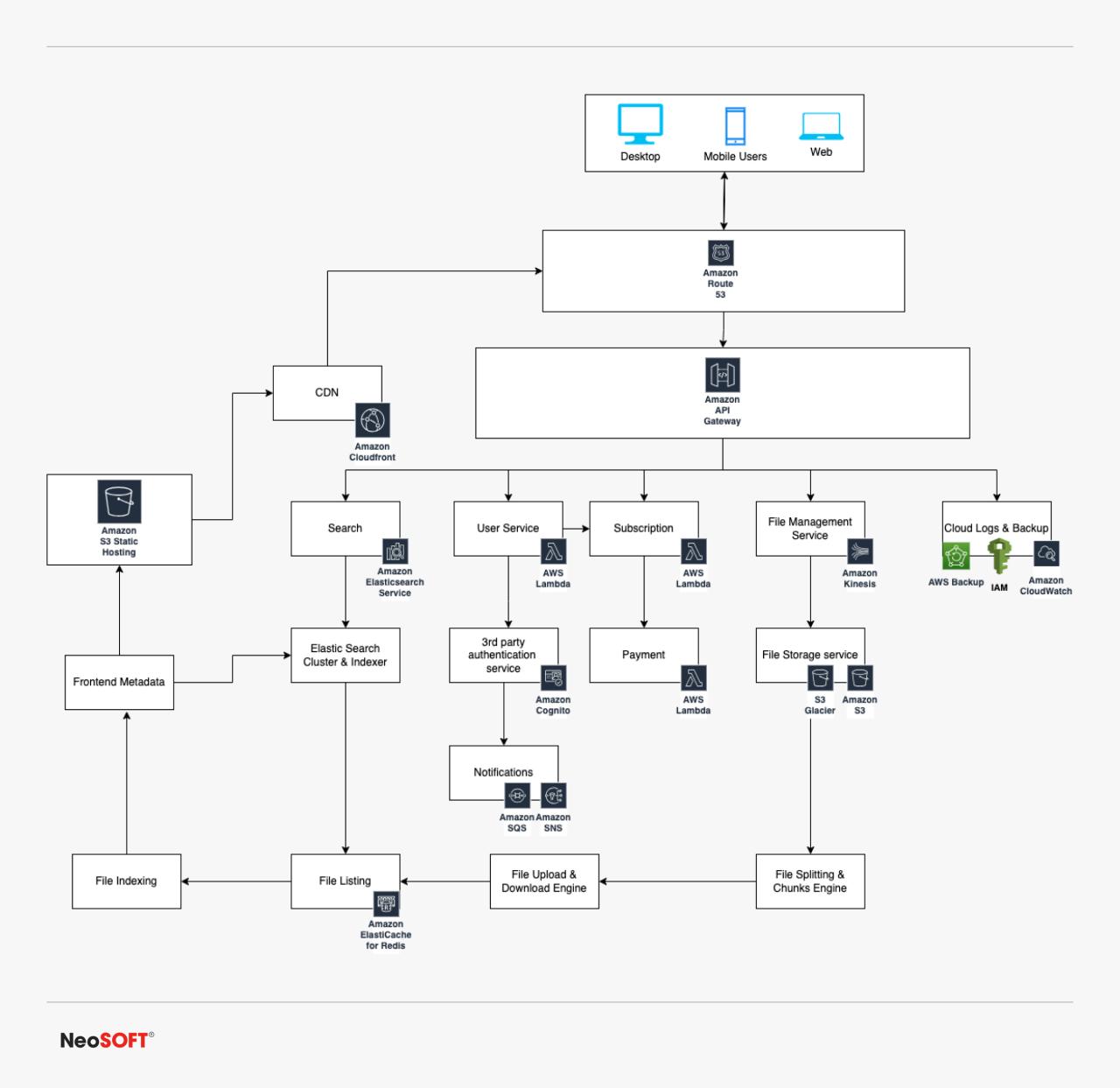
When it comes to deploying microservices, the strategies chosen can significantly influence not only the efficiency of the deployment process but also the overall success of the application. Two popular strategies are blue-green deployments and canary deployments, each with its unique advantages and use cases. Understanding these can help teams minimize downtime and reduce risks during updates.
Blue-green deployment is a strategy that involves maintaining two identical environments called “blue” and “green.” One environment is live, serving all production traffic, while the other is idle and used for staging the new version of the application. When the new version is ready, traffic is switched from the blue environment to the green environment with minimal downtime. This strategy ensures that if something goes wrong, it’s easy to roll back to the previous version by switching back to the blue environment. This method is particularly useful for applications that require high availability.
Canary deployment, on the other hand, involves rolling out the new version to a small subset of users before a full-scale release. This allows teams to monitor the new version’s performance and behavior under real-world conditions. If the canary release is successful, the deployment can gradually expand to a larger audience. This method is effective for minimizing the impact of potential issues, as it allows for rapid feedback and adjustments before the full deployment.
Implementing CI/CD pipelines for Microservices
Implementing Continuous Integration/Continuous Deployment (CI/CD) pipelines for microservices is crucial for ensuring automated and reliable deployments. Effective CI/CD pipelines should incorporate multiple stages, including code integration, testing, and deployment. Utilizing tools like Jenkins, GitLab CI, or CircleCI can streamline this process. Each microservice should have its own pipeline to enable independent deployments and minimize interdependencies.
Automation is key; hence, implementing automated testing at various stages of the pipeline ensures that any issues are caught early. Additionally, integrating monitoring and logging tools allows for better insights into the performance of each microservice post-deployment.
“Containerization with Docker simplifies microservices deployments by ensuring that applications run consistently across different computing environments, reducing compatibility issues.”
Containerization provides a lightweight option for deploying microservices and allows developers to package their services along with all dependencies. This simplifies resource management and aids in scaling services up or down based on demand. By using Docker, teams can create a more agile deployment process that often results in faster delivery cycles and improved application stability.
The future trends in Microservices are shaping how software is developed and deployed.
The landscape of software development is rapidly evolving, driven by the increasing adoption of microservices architecture. As organizations strive for greater agility, scalability, and resilience, several trends are emerging that will shape the future of microservices. These trends not only enhance the efficiency of software development and deployment but also integrate cutting-edge technologies that redefine how services interact and function.
Emerging trends in Microservices architecture
One prominent trend is the rise of service mesh technology, which provides a dedicated infrastructure layer to manage service-to-service communications. This enables developers to focus on writing code while the mesh handles traffic management, security, and observability. Another emerging trend is the adoption of serverless computing within microservices, allowing developers to run applications without managing servers and enabling automatic scaling based on demand.
Additionally, the use of container orchestration platforms like Kubernetes continues to gain traction, simplifying the deployment and management of microservices. It empowers developers to automate the deployment process, manage scaling, and ensure high availability. Microservices are also increasingly being developed using API-first design, ensuring that services are built around well-defined interfaces, making it easier to integrate and evolve services over time.
Impact of AI and machine learning on Microservices development
Artificial Intelligence (AI) and machine learning (ML) are becoming integral to microservices development. These technologies can optimize service interactions and enhance decision-making processes. For instance, AI-driven analytics can monitor service performance and predict potential failures, enabling proactive adjustments and reducing downtime.
Machine learning models can be deployed as microservices themselves, allowing organizations to leverage predictive analytics, personalization, and automation within their applications. This integration leads to more intelligent systems that adapt dynamically to user behavior and service demands, improving overall user experience.
Challenges organizations face when adopting these trends
While these trends present significant opportunities, organizations also face several challenges in their adoption. Transitioning to a microservices architecture requires a cultural shift and changes in team structures, which can meet resistance. Additionally, managing the increased complexity that comes with a microservices environment can strain existing infrastructure and require significant investments in new technologies and training.
Security remains a major concern, as each microservice represents a potential attack vector. Organizations must implement stringent security measures across all services, which can complicate deployment processes. Furthermore, ensuring effective monitoring and observability across numerous services is essential to maintain performance and reliability, but it requires robust tools and practices.
In summary, as microservices architecture continues to evolve, organizations must navigate the challenges while embracing the potential of AI and emerging trends to maximize their benefits. By doing so, they position themselves for success in an increasingly competitive landscape.
Final Wrap-Up
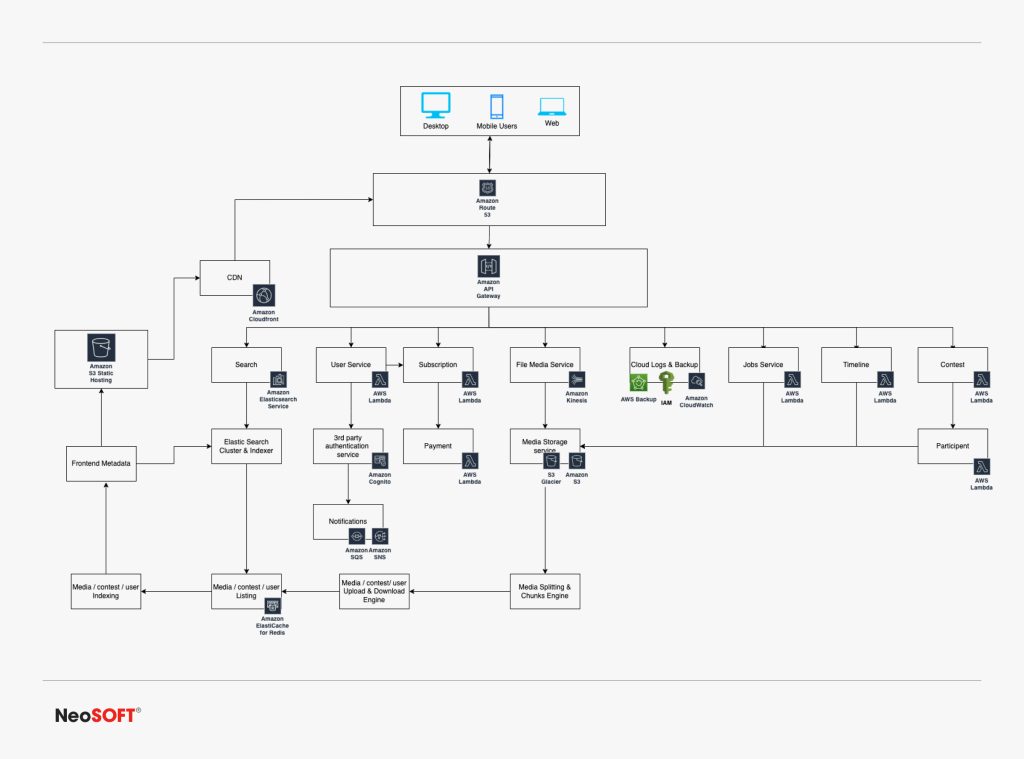
In summary, embracing Microservices architecture is not just a trend but a necessity in today’s fast-paced digital landscape. As we have discussed, the advantages it brings in scalability, maintainability, and efficient communication through APIs significantly outweigh the challenges. By understanding the security implications and deployment strategies, organizations can leverage Microservices to enhance their operational efficiency and remain competitive in an ever-evolving market.
Expert Answers
What are Microservices?
Microservices are an architectural style that structures an application as a collection of loosely coupled services, each responsible for a specific business function.
How do Microservices differ from monolithic architecture?
Unlike monolithic architecture, where all components are interconnected and interdependent, Microservices allow for independent development, deployment, and scaling of individual services.
What are the benefits of using Microservices?
Microservices enhance scalability, improve maintainability, and enable faster deployment cycles, allowing for a more agile response to changes in business requirements.
What role do APIs play in Microservices?
APIs are crucial for communication between Microservices, enabling data exchange and interaction among services while allowing for flexibility in technology choices.
Are there security concerns with Microservices?
Yes, common security concerns include vulnerabilities in inter-service communication, data exposure, and the need for robust access controls and monitoring.
How can organizations monitor Microservices effectively?
Organizations can utilize specialized monitoring tools that provide insights into service performance and health, facilitating proactive issue resolution.