The Industrial Internet of Things (IIoT) is revolutionizing the way industries operate, merging the physical and digital worlds in unprecedented ways. This technological evolution is not just a trend; it signifies a shift that allows businesses to enhance efficiency, drive innovation, and improve decision-making.
From manufacturing to logistics, the integration of IoT solutions is fostering a new era of operational excellence. The emergence of advanced sensors, robust connectivity, and powerful data analytics is key to unlocking valuable insights and optimizing processes across various sectors.
The Evolution of Industrial Internet of Things Over Time
The Industrial Internet of Things (IIoT) has undergone significant transformations since its inception, marking a pivotal shift in how industries operate. This evolution has been characterized by key milestones, technological advancements, and the gradual transition from traditional systems to IoT-enabled solutions across various sectors.
The journey of IIoT began in the late 20th century with the advent of the internet and the early integration of networked devices in industrial processes. Initially, automation and control systems were confined to isolated operations. However, the introduction of sensors and communication technologies laid the groundwork for a more interconnected approach, where machines could communicate and share data seamlessly. Over the years, advancements in cloud computing, data analytics, and artificial intelligence have accelerated growth in this sector, enabling industries to harness vast amounts of data for improved decision-making and efficiency.
Key Milestones in IIoT Development
The development of the Industrial Internet of Things has been marked by several pivotal milestones that have shaped its current landscape. Understanding these milestones provides insight into the technological and industrial shifts that have taken place.
- The introduction of RFID technology in the early 2000s enhanced the ability to track assets in real-time, a fundamental principle of IIoT.
- In 2011, GE coined the term “Industrial Internet,” emphasizing the potential of big data and machine learning to revolutionize industries.
- The establishment of the Industrial Internet Consortium (IIC) in 2014 brought together leaders from various sectors to collaborate on IIoT standards, promoting interoperability and innovation.
- By 2016, significant investments in IIoT technologies began to surface, with companies like Siemens and Bosch investing heavily in smart manufacturing solutions.
Technological Advancements Driving IIoT Growth
A myriad of technological advancements has driven the growth and significance of the Industrial Internet of Things. These technologies have transformed traditional industrial operations into smart, connected ecosystems.
- Cloud computing has provided scalable infrastructure, allowing industries to store and analyze massive amounts of data remotely.
- Machine learning algorithms enable predictive maintenance, reducing downtime and operational costs by anticipating equipment failures before they occur.
- Advanced data analytics tools allow for real-time decision-making, empowering managers to optimize processes based on accurate data insights.
- Edge computing has reduced latency by processing data closer to the source, which is particularly crucial for time-sensitive industrial applications.
Transition from Traditional Systems to IoT-Enabled Solutions
The transition from traditional industrial systems to IoT-enabled solutions has been a game-changer for various sectors, including manufacturing, logistics, and energy. This shift has enabled businesses to become more agile and responsive to market demands.
- In manufacturing, the adoption of smart sensors and IoT platforms has led to increased automation, allowing for real-time monitoring and control of production lines.
- In the logistics sector, connected devices facilitate tracking and coordination, resulting in improved supply chain visibility and reduced operational costs.
- The energy sector has embraced IIoT for smart grids, enhancing the efficiency of energy distribution and promoting sustainable practices.
- Healthcare has also seen benefits from IIoT through connected medical devices that monitor patient health in real-time, improving patient outcomes.
Core Components of Industrial Internet of Things
The Industrial Internet of Things (IIoT) is a transformative ecosystem that enhances operational efficiency, predictive maintenance, and data-driven decision-making across various industrial sectors. Understanding its core components is crucial for leveraging the full potential of IoT technologies in industry.
The IIoT ecosystem comprises several essential elements that work harmoniously to collect, transmit, analyze, and act upon vast amounts of data. These components include sensors, connectivity, data analytics, and cloud services. Together, they facilitate seamless communication and enable intelligent automation in industrial environments.
Sensors
Sensors are the foundational building blocks of IIoT, providing real-time data from machinery, equipment, and environmental conditions. They monitor variables such as temperature, pressure, humidity, and vibration, transforming physical phenomena into digital signals that can be analyzed.
For instance, in a manufacturing plant, temperature and pressure sensors can monitor a boiler’s operational efficiency. If the sensors detect anomalies, they can trigger alerts for maintenance, preventing potential malfunctions or safety hazards. This proactive monitoring is vital, as it allows businesses to address issues before they escalate into costly downtime.
Connectivity
Connectivity refers to the communication protocols and networks that link sensors and devices to central systems for data processing. Various technologies, such as Wi-Fi, Bluetooth, and cellular networks, facilitate this connectivity, enabling devices to transmit data in real-time.
Consider a logistics company that uses GPS-enabled devices to track shipments. These devices communicate location data back to a central server via cellular networks. This connectivity allows for efficient route planning and timely updates to customers, enhancing transparency and customer satisfaction.
Data Analytics
Data analytics plays a crucial role in IIoT by transforming raw data into actionable insights. Advanced analytics techniques, such as machine learning and artificial intelligence, help organizations make sense of large data sets generated by sensors.
For example, in predictive maintenance, machine learning algorithms analyze historical performance data from equipment to identify patterns that precede failures. By predicting when a machine is likely to fail, companies can schedule maintenance proactively, thereby reducing downtime and maintenance costs.
Cloud Services
Cloud services provide the necessary infrastructure for storing, managing, and processing the vast amounts of data generated by IIoT devices. They offer scalable resources and powerful computing capabilities that enable organizations to analyze data without investing in extensive on-premise hardware.
An example of cloud services in action is a smart factory utilizing a cloud-based platform to integrate data from various sources, including production line sensors, supply chain data, and customer feedback. This centralized approach allows for real-time monitoring and agile decision-making, supporting a more responsive manufacturing process.
“The convergence of sensors, connectivity, data analytics, and cloud services drives the Industrial Internet of Things, enabling smarter industrial operations.”
Key Industries Benefiting from Industrial Internet of Things
The Industrial Internet of Things (IIoT) is reshaping various sectors by enhancing operational efficiencies, reducing costs, and driving innovation. Industries that integrate IoT technologies are experiencing significant improvements in productivity and data-driven decision-making. This transformative trend is not only boosting performance but also redefining how businesses operate in a connected world.
Several key industries are at the forefront of adopting IIoT solutions, bringing about substantial changes in their operational dynamics. Manufacturing, logistics, and energy sectors are particularly notable for their adoption and application of IoT technologies to optimize processes and enhance service delivery.
Manufacturing Sector Innovations
The manufacturing industry is leveraging IIoT technologies to enhance production capabilities and streamline supply chain management. Through the use of smart sensors and connected machinery, manufacturers can monitor equipment performance and predict maintenance needs, thus minimizing downtime.
For instance, Siemens has implemented an IoT solution in its Amberg plant, where smart sensors track production processes and equipment health. This not only increases efficiency but also allows for real-time adjustments to operations, resulting in a reported 30% increase in productivity. The integration of IIoT in manufacturing leads to better resource allocation and waste reduction.
Logistics and Supply Chain Optimization
In logistics, IIoT is revolutionizing how goods are tracked and delivered, enabling companies to optimize their supply chains. Advanced tracking systems powered by IoT provide real-time visibility of shipments, improving overall efficiency.
A case study of DHL illustrates this transformation. By implementing IoT-enabled wearables and sensors on their delivery vehicles, DHL can monitor driving patterns and vehicle health. This has resulted in a 10% decrease in fuel consumption and improved delivery times, demonstrating how IIoT can enhance operational efficiency and customer satisfaction in logistics.
Energy Sector Advancements
The energy sector is embracing IIoT to optimize resource management and improve grid reliability. Smart meters and connected devices allow for better monitoring of energy consumption and grid performance, leading to efficient energy distribution.
For instance, GE Renewable Energy has integrated IoT technologies in wind turbines to enhance performance monitoring. By collecting data on turbine operation and environmental conditions, they can optimize energy production and reduce maintenance costs. The implementation of IIoT has led to a 10% increase in energy efficiency for wind farms, showcasing the significant benefits realized in the energy sector.
Comparison of Traditional and IoT-Enabled Industries
The contrast between traditional industries and those utilizing IoT technologies is evident in terms of efficiency, data utilization, and operational transparency. Traditional manufacturing processes often rely on manual oversight and reactiveness to issues, resulting in higher operational costs and slower responses to market demands.
Conversely, industries using IIoT solutions experience enhanced automation and real-time data analytics. This shift leads to quicker decision-making, reduced waste, and improved quality control. Businesses report significant cost savings and higher profitability as they embrace IoT technologies, positioning themselves favorably in a competitive market.
“The integration of IIoT transforms operational capabilities, moving industries from reactive to proactive management.”
Challenges Faced in Implementing Industrial Internet of Things
The integration of the Industrial Internet of Things (IIoT) into existing infrastructure presents a unique set of challenges for organizations. As industries increasingly turn to IoT solutions to enhance operational efficiency and competitiveness, they must navigate a landscape filled with potential hurdles. From data security concerns to interoperability issues, understanding these challenges is vital for successful implementation.
Data Security Concerns
Data security is one of the most significant challenges organizations face when implementing IIoT systems. As devices become interconnected, the risk of cyberattacks increases. For instance, in 2020, a breach in a manufacturing company’s IoT devices led to a significant data leak, exposing sensitive information and resulting in both reputational damage and financial loss.
The complexity of securing numerous devices requires organizations to adopt advanced security measures. Strategies to enhance data security include:
- Implementing robust encryption techniques to protect data at rest and in transit.
- Regularly updating software and firmware of IoT devices to patch vulnerabilities.
- Conducting comprehensive risk assessments to identify and address potential threats.
Interoperability Issues
Interoperability among various IoT devices and platforms can pose significant challenges. Different manufacturers often use proprietary protocols, which can lead to compatibility issues and hinder seamless communication across devices. For example, a factory using equipment from multiple vendors may find that their systems cannot communicate effectively, resulting in operational inefficiencies.
To tackle interoperability issues, organizations can:
- Adopt open standards and protocols that facilitate communication across devices from different manufacturers.
- Establish a centralized integration platform that can manage data exchange between disparate systems.
- Invest in middleware solutions that bridge compatibility gaps and simplify device integration.
Scalability Challenges
As organizations look to scale their IIoT implementations, they often encounter challenges related to system scalability. The initial setup may work well for a limited number of devices, but as more devices are added, performance can degrade. For example, a logistics company that initially deployed sensors in a few trucks may find that the system struggles to handle real-time data from a fleet of hundreds.
To ensure scalability, companies should consider the following strategies:
- Investing in cloud-based IoT platforms that can easily scale to accommodate increased data loads.
- Utilizing edge computing to process data closer to the source, reducing latency and bandwidth pressure on central systems.
- Designing systems with modular architectures that allow for easy expansion of capabilities as business needs grow.
By addressing security, interoperability, and scalability challenges head-on, organizations can unlock the full potential of the IIoT revolution.
Future Trends in Industrial Internet of Things
The Industrial Internet of Things (IIoT) is undergoing a transformative evolution with the introduction of cutting-edge technologies. As industries embrace these advancements, they are set to enhance operational efficiency, reduce costs, and innovate processes. It is crucial to explore the future trends that will shape the landscape of IIoT and the potential implications of these changes.
Emerging technologies such as artificial intelligence (AI), machine learning (ML), and edge computing are at the forefront of IIoT innovations. These technologies enable smarter decision-making, real-time data processing, and enhanced connectivity among devices. By leveraging AI and ML, industrial systems can analyze vast amounts of data to predict failures, optimize maintenance schedules, and improve overall production quality. Edge computing minimizes latency by processing data closer to its origin, which is particularly significant in environments where real-time responsiveness is critical.
Impact of Artificial Intelligence on IIoT
The integration of AI into IIoT systems is revolutionizing industrial operations. AI algorithms can learn from historical data and adapt to changing conditions, leading to more efficient processes. Some key impacts include:
- Predictive Maintenance: AI can analyze sensor data to predict equipment failures before they occur, reducing downtime and maintenance costs.
- Quality Control: Machine learning models can identify defects in products during the manufacturing process, ensuring higher quality outputs.
- Supply Chain Optimization: AI-driven analytics can enhance inventory management and logistics, leading to reduced waste and improved delivery times.
Role of Machine Learning in Data Analysis
Machine learning plays a pivotal role in transforming data into actionable insights within IIoT. By employing advanced algorithms, industries can derive meaningful conclusions from complex datasets. Important aspects include:
- Anomaly Detection: ML algorithms can identify unusual patterns in data, alerting operators to potential issues or inefficiencies.
- Dynamic Adjustments: Machine learning can enable systems to automatically adjust operations based on real-time data, optimizing energy usage and production rates.
- Customer Behavior Insights: Analyzing data from connected devices allows companies to better understand customer preferences and tailor their offerings accordingly.
Advancements in Edge Computing
Edge computing is transforming the way data is processed in IIoT environments. By executing data analysis closer to the source, industries can achieve significant benefits:
- Reduced Latency: Processing data at the edge allows for instantaneous decision-making, which is crucial in time-sensitive applications like autonomous machinery.
- Bandwidth Efficiency: By filtering and analyzing data locally, only relevant information is sent to the cloud, reducing bandwidth usage and associated costs.
- Enhanced Security: Keeping sensitive data closer to its source can bolster security by minimizing exposure to potential cyber threats associated with cloud storage.
Future Vision of Industries with Advanced IoT Capabilities
As IIoT technologies continue to evolve, industries are likely to undergo profound changes. The future vision includes:
- Fully Autonomous Operations: Industries may adopt fully automated systems where machines can operate independently, making real-time decisions based on AI analytics.
- Hyper-Connected Ecosystems: The integration of IIoT will lead to interconnected devices working seamlessly, enabling smarter supply chains and more efficient resource management.
- Sustainability Initiatives: IIoT will play a vital role in driving sustainable practices through optimized resource use, waste reduction, and energy efficiency measures.
“The future of IIoT is not just about connectivity; it’s about creating smarter, more efficient, and sustainable industries.”
The Role of Data Analytics in Industrial Internet of Things
In the realm of the Industrial Internet of Things (IIoT), data analytics serves as a backbone for informed decision-making. By transforming vast amounts of sensor-generated data into actionable insights, businesses can optimize their operations, improve efficiency, and reduce costs. This capability is fundamental in driving innovation and maintaining a competitive edge in today’s fast-paced industrial landscape.
Data analytics in IIoT environments encompasses various techniques that allow industries to process and interpret real-time data. These analytical methods range from simple descriptive statistics to advanced machine learning algorithms. By leveraging these tools, organizations can identify trends, predict maintenance needs, and enhance operational efficiencies. For example, advanced analytics can facilitate real-time monitoring of machinery, enabling predictive maintenance that minimizes downtime and extends equipment lifespan.
Analytical Methods and Tools for Operational Efficiency
A variety of analytical methods and tools have emerged to support operational efficiencies in industries deploying IIoT solutions. The following points highlight key approaches that enhance data processing and decision-making capabilities:
- Descriptive Analytics: This method summarizes historical data to identify patterns and trends. It provides the foundational insights necessary for understanding past performance and guiding future actions.
- Predictive Analytics: Utilizing statistical algorithms and machine learning techniques, predictive analytics forecasts future events based on historical data. This enables organizations to anticipate maintenance needs and optimize resource allocation.
- Prescriptive Analytics: This advanced analytical approach recommends actions based on data analysis. It can assist in decision-making processes by suggesting optimal solutions to improve operational efficiency.
- Real-Time Analytics: The ability to analyze data as it is generated allows for immediate insights and responses. For instance, real-time monitoring of production lines can help identify bottlenecks and streamline processes.
- Big Data Technologies: Tools like Hadoop and Spark are designed to handle large volumes of data from IIoT devices. They facilitate storage, processing, and analysis of complex datasets, making it easier to extract valuable insights.
Data-driven strategies resulting from IoT implementation have proven successful across various sectors. For instance, General Electric (GE) employs predictive analytics in its aviation division to analyze flight data. By predicting engine failures before they occur, GE has enhanced its maintenance schedules, ultimately reducing downtime and cutting costs significantly. Similarly, Siemens uses IoT sensors to monitor equipment in real-time, enabling proactive maintenance that improves operational reliability.
In addition to these examples, companies like Caterpillar have integrated data analytics into their machinery, allowing for real-time performance tracking and optimization. This leads to better fuel efficiency and reduced operational costs, demonstrating the tangible benefits of harnessing data analytics within IIoT environments.
Data analytics is not just a support function but a strategic asset that transforms how industries operate in the IIoT landscape.
Best Practices for Industrial Internet of Things Implementation
Implementing IoT in industrial settings can transform operations, enhance efficiency, and open new avenues for innovation. However, successful deployment requires a strategic approach. Following best practices can help organizations navigate the complexities of the Industrial Internet of Things (IIoT) landscape, ensuring they achieve their operational goals.
A structured and methodical approach is essential for a robust IoT strategy. From initial planning to full execution, certain steps must be followed to optimize performance and achieve desired outcomes. Below are critical steps that companies should consider when developing their IoT implementation plan.
Critical Steps for IoT Strategy
Establishing a clear and actionable IoT strategy is key to successful implementation. The following checklist delineates the essential phases of planning and execution:
- Define Objectives: Identify specific goals such as increasing productivity, reducing downtime, or improving maintenance schedules.
- Assess Current Infrastructure: Evaluate existing systems, hardware, and software to determine compatibility and necessary upgrades.
- Choose the Right Technology: Select IoT platforms, sensors, and communication protocols that align with organizational needs and future scalability.
- Implement Security Measures: Prioritize data security and privacy by adopting robust cybersecurity practices and protocols from the outset.
- Develop a Data Management Strategy: Plan how to collect, store, analyze, and visualize data generated by IoT devices to derive actionable insights.
- Integrate with Existing Systems: Ensure seamless integration with legacy systems and applications to maximize resource utilization.
- Pilot Testing: Start with a small-scale pilot to evaluate performance, gather feedback, and make necessary adjustments before a full rollout.
- Employee Training: Provide training for employees to ensure they are proficient in using new technologies and understanding IoT’s implications.
- Monitor and Optimize: Continuously monitor system performance and user feedback to make iterative improvements and adjustments.
Insights from industry leaders suggest that an agile approach to IoT implementation is crucial. For example, Siemens emphasizes the importance of prototyping and iterative development, allowing organizations to adapt quickly to changes and optimize processes. Additionally, GE highlights leveraging analytics and machine learning to enhance predictive maintenance capabilities, thereby reducing operational costs.
“Successful IoT implementation combines technology with strategic foresight to create environments where machines and humans collaborate seamlessly.” – Industry Expert
By following these best practices and incorporating insights from industry leaders, organizations can navigate the IIoT landscape effectively, driving innovation and improving overall operational efficiency.
The Impact of Connectivity on Industrial Internet of Things
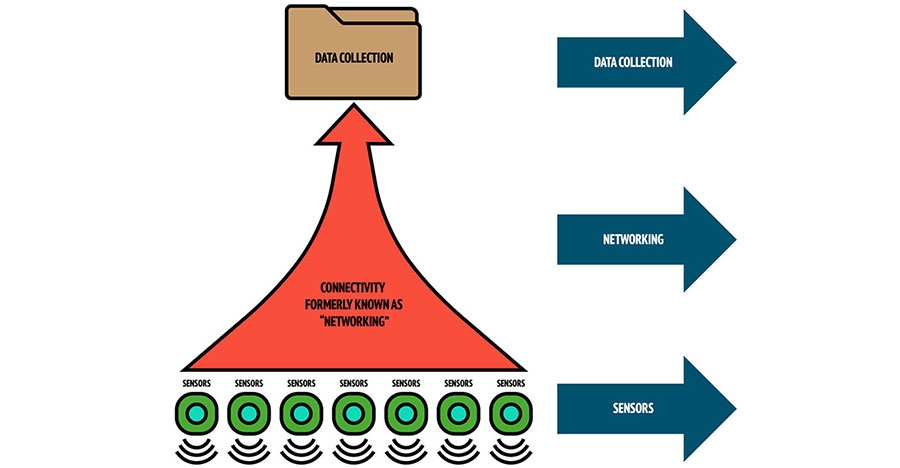
In the realm of the Industrial Internet of Things (IIoT), connectivity serves as the backbone of operational efficiency and data-driven decision-making. The rise of interconnected devices has transformed how industries manage processes, optimize resources, and improve overall performance. Reliable connectivity technologies facilitate seamless communication between machines, sensors, and control systems, thereby enhancing productivity and innovation across various sectors.
The effective functioning of IIoT relies heavily on various communication protocols that dictate how devices interact and share data. The choice of protocol can significantly influence the performance, scalability, and security of IIoT applications. Two widely used protocols are MQTT (Message Queuing Telemetry Transport) and CoAP (Constrained Application Protocol). Understanding these protocols and their implications on connectivity can lead to better deployment strategies in industrial settings.
Key Communication Protocols in IoT
Different communication protocols are designed to meet the diverse requirements of IIoT applications. Each comes with its own set of advantages, optimized for specific scenarios. Here’s an overview of some notable protocols and their characteristics:
- MQTT: Ideal for scenarios requiring low bandwidth and high latency tolerance, MQTT operates on a publish/subscribe model, allowing efficient data distribution among multiple devices. It is widely adopted in industrial monitoring and control systems due to its lightweight nature and ability to handle unreliable networks.
- CoAP: This protocol is tailored for low-power devices and is particularly useful in resource-constrained environments. CoAP leverages a request/response model similar to HTTP but is optimized for constrained devices, making it suitable for applications like smart meters and sensor networks.
- HTTP/HTTPS: While not as efficient for device communication due to its overhead, HTTP remains prevalent, especially in web-based interface applications for IIoT. It is commonly used for devices that require direct internet access and user interaction through web services.
- LoRaWAN: A long-range, low-power protocol, LoRaWAN is designed for wide-area networking of IoT devices. It supports long-range communication, making it ideal for applications in agriculture and smart cities where devices are often spread out over large areas.
- Bluetooth Low Energy (BLE): BLE is designed for short-range communication and is effective in connecting devices with low power consumption. It is commonly used in applications like asset tracking and environmental monitoring, where quick data exchange is essential.
Connectivity directly influences data transfer rates and the overall performance of IIoT systems. High-speed connections enable real-time data transmission, which is crucial for applications requiring immediate responsiveness. In situations where delays can lead to operational inefficiencies or safety risks, robust connectivity ensures timely data flow between devices and central systems.
“The speed and reliability of connectivity determine the effectiveness of data-driven operations in industrial environments.”
As industries embrace the IIoT, understanding the impact of connectivity technologies and communication protocols becomes vital for optimizing performance, enhancing security, and enabling scalable solutions. Consequently, organizations must prioritize their connectivity strategies to fully leverage the potential of the IIoT.
Case Studies of Successful Industrial Internet of Things Implementations
The Industrial Internet of Things (IIoT) has transformed various sectors by enhancing operational efficiency and enabling intelligent decision-making. By connecting devices and leveraging data analytics, industries can optimize processes and reduce costs. In this section, we examine specific case studies where IIoT has been effectively implemented, highlighting the insights gained from these real-world applications.
Case Study: GE Aviation’s Digital Wind Farm
GE Aviation implemented a Digital Wind Farm project that utilizes IIoT technology to optimize the performance of wind turbines. By deploying sensors and utilizing advanced data analytics, GE was able to monitor turbine operations and environmental conditions in real-time.
The key outcomes of this implementation included:
- Increased Efficiency: The project achieved a 10% increase in energy output by optimizing wind turbine alignment and performance based on live data.
- Predictive Maintenance: By analyzing data patterns, GE could predict maintenance needs, thereby reducing downtime and maintenance costs.
- Enhanced Sustainability: The project contributed to sustainability goals by providing cleaner energy and reducing carbon emissions.
These outcomes demonstrate how data-driven decisions can enhance operational efficiency and contribute to environmental goals.
Case Study: Siemens’ Smart Factory Initiative
Siemens’ Smart Factory in Amberg, Germany, showcases the effective deployment of IIoT in manufacturing. By integrating smart sensors and automation, Siemens created a fully connected production environment where machines communicate and collaborate.
Key insights from this initiative include:
- Real-Time Analytics: The factory utilizes real-time data to monitor production processes and quickly adjust operations to maintain quality.
- Reduced Waste: The connected systems enabled a significant reduction in waste and resource consumption through optimized supply chain management.
- Employee Empowerment: Workers are equipped with mobile devices that provide valuable insights, enhancing their ability to perform tasks effectively.
The success of Siemens’ Smart Factory illustrates the potential for IIoT to revolutionize traditional manufacturing processes.
Case Study: Honeywell’s Connected Plant
Honeywell’s Connected Plant initiative aims to enhance the performance and safety of industrial environments through IIoT technologies. This initiative focuses on integrating advanced software and connected devices across various facilities.
The measurable outcomes of Honeywell’s implementation include:
- Operational Improvements: Companies reported up to a 20% increase in operational efficiency through predictive insights and real-time monitoring.
- Safety Enhancements: IIoT applications improved safety protocols by providing alerts for potential hazards, resulting in fewer workplace incidents.
- Cost Reductions: The implementation of connected systems led to significant cost savings in maintenance and operational expenses.
Honeywell’s case illustrates the transformative impact of IIoT on enhancing safety and efficiency within industrial operations.
Comparative Analysis of IIoT Implementations
Examining the various IIoT implementations reveals common success factors that contribute to effective outcomes. Key points of comparison include:
- Data Utilization: Organizations that leverage real-time data analytics tend to experience greater operational efficiency and enhanced decision-making.
- Integration with Existing Systems: Successful projects often involve seamless integration of IIoT solutions with existing infrastructure, minimizing disruption.
- Workforce Engagement: Initiatives that involve training and empowering employees yield better results as staff become more adept at utilizing IIoT technologies.
These factors highlight the importance of a holistic approach to IIoT implementation, ensuring that technology enhances both processes and human capabilities.
Regulatory and Compliance Considerations for Industrial Internet of Things
The deployment of Industrial Internet of Things (IIoT) solutions is significantly influenced by a variety of regulatory and compliance frameworks. As industries increasingly integrate IoT technologies, the need to adhere to legal requirements that ensure safety, privacy, and security becomes paramount. Understanding and navigating this regulatory landscape is essential for companies looking to harness the full potential of IIoT while mitigating risks.
The regulatory environment for IIoT encompasses various laws and standards that vary across regions and sectors. Companies face compliance challenges related to data privacy, cybersecurity, and operational safety. Adopting effective strategies to ensure compliance not only helps avoid penalties but also fosters trust with customers and stakeholders. The following sections will explore the regulatory landscape, highlight compliance challenges, and Artikel industry standards and best practices that companies should follow.
Regulatory Landscape
The IIoT operates under a complex framework of regulations that can differ by jurisdiction and industry. Key regulations include:
- GDPR (General Data Protection Regulation): In Europe, this regulation governs data protection and privacy, affecting how companies collect, process, and store personal data gathered through IIoT devices.
- HIPAA (Health Insurance Portability and Accountability Act): In the healthcare sector, HIPAA sets standards for the protection of sensitive patient information, impacting IIoT implementations in medical devices.
- NIST Cybersecurity Framework (National Institute of Standards and Technology): This U.S. framework provides guidelines for managing cybersecurity risks, crucial for safeguarding IIoT networks.
Compliance Challenges
Companies deploying IIoT solutions encounter several compliance challenges, including:
- The complexity of multiple regulations across different regions can create confusion and increase compliance costs.
- Ensuring the security of data transmitted over IIoT networks while maintaining compliance with data protection laws is a significant hurdle.
- Integrating compliance measures into existing operations without disrupting business processes requires careful planning and resources.
To navigate these challenges, companies can adopt several strategies:
- Conduct regular compliance audits to assess adherence to relevant regulations and identify areas for improvement.
- Invest in training programs for employees to enhance their understanding of compliance requirements and promote a culture of ethical data handling.
- Collaborate with legal experts to stay updated on regulatory changes and ensure that IIoT solutions are compliant from the onset.
Industry Standards and Best Practices
Adhering to recognized industry standards and best practices is crucial for companies to ensure compliance and secure their IIoT environments. Notable standards include:
- ISO/IEC 27001: This international standard Artikels the requirements for establishing, implementing, maintaining, and continually improving an information security management system (ISMS).
- IEC 62443: A series of standards addressing cybersecurity for operational technology in automation and control systems, essential for securing IIoT systems.
- ITIL (Information Technology Infrastructure Library): Provides best practices for IT service management, enabling organizations to improve service delivery and operational efficiency associated with IIoT deployments.
Implementing these standards not only aids compliance but also enhances operational resilience and builds confidence among stakeholders, contributing to the success of IIoT initiatives.
Summary
In conclusion, the journey of the Industrial Internet of Things offers a glimpse into a future where technology and industry converge seamlessly. By understanding its evolution, core components, and the transformative impact on key sectors, we can appreciate the challenges and opportunities that lie ahead. As industries continue to adapt and innovate, the potential for a smarter, more efficient world is truly exciting.
Common Queries
What is the Industrial Internet of Things?
The Industrial Internet of Things refers to the interconnected network of devices and systems in industrial settings, enabling data exchange and real-time insights to enhance operations.
How does IIoT enhance operational efficiency?
IIoT enhances operational efficiency by providing real-time data, which helps in predictive maintenance, streamlining processes, and optimizing resource allocation.
What are some common examples of IIoT applications?
Common examples include smart manufacturing systems, predictive analytics in supply chain management, and remote monitoring of machinery and equipment.
What security challenges does IIoT face?
IIoT faces security challenges such as data breaches, unauthorized access, and vulnerabilities in connected devices that can be exploited by cyber threats.
How are industries overcoming IIoT integration challenges?
Industries are overcoming integration challenges by adopting standardized protocols, investing in cybersecurity measures, and leveraging cloud technologies for scalability.