Beginning with Graphics Processing Unit (GPU), the narrative unfolds in a compelling and distinctive manner, drawing readers into a story that promises to be both engaging and uniquely memorable.
GPUs have revolutionized the way we process graphics, playing a crucial role in the visual performance of modern computing. These powerful components are designed to handle complex calculations needed for rendering images and videos, making them essential in gaming, graphic design, and machine learning. Understanding their architecture and evolution helps illuminate the impact they have on our digital experiences today.
Understanding the fundamental architecture of a Graphics Processing Unit
Graphics Processing Units (GPUs) play a crucial role in rendering images, animations, and videos for computers, consoles, and mobile devices. They are specialized processors designed to handle complex calculations required for visual output, thus enhancing the overall performance of graphical applications. Understanding their architecture is essential for anyone interested in computer graphics, gaming, or visual computing.
The fundamental architecture of a GPU comprises several core components that work synergistically to process graphical data. At the heart of a GPU are its cores, which are designed to execute many operations concurrently, making them much more efficient than traditional CPU cores for certain tasks. The main components include:
1. Core Processors: These are the primary processing units of the GPU, performing calculations necessary for rendering graphics.
2. Memory: This includes both video memory (VRAM) and cache memory, which store textures, frame buffers, and other data essential for rapid access during rendering.
3. Shader Units: Specialized processors within the GPU that handle pixel shading, vertex shading, and geometry processing, allowing for complex visual effects.
4. Rasters: The component responsible for converting vector graphics into raster graphics, enabling the final display of images on screens.
5. Render Outputs: These dictate how the final image is displayed, processing the final pixels that will appear on the screen.
Core Components and Their Functions
The core components of a GPU are designed to work in harmony, allowing for efficient processing of graphical information. The main functions of each component include:
- Core Processors: Execute multiple operations simultaneously, greatly enhancing the throughput of graphical rendering tasks.
- Memory: Provides fast data access, essential for maintaining high frame rates by reducing latency in data retrieval.
- Shader Units: Perform advanced calculations for effects such as lighting, shadows, and textures, contributing to the realism of 3D graphics.
- Rasters: Convert complex geometrical data into a format suitable for display, ensuring that 2D images appear smoothly and accurately on screens.
- Render Outputs: Manage the final output of pixel data to the display, ensuring the correct resolution and refresh rate are maintained.
The collaboration between these components allows GPUs to efficiently manage and process large amounts of graphical data. When a complex scene is rendered, for example, the core processors divide tasks among themselves, while the shader units handle the intricate details of light and shadow, all coordinated through high-speed memory access.
Integrated vs. Dedicated GPUs
Integrated and dedicated GPUs serve different purposes and have distinct characteristics. Integrated GPUs are built into the CPU and share system memory, making them cost-effective and suitable for basic tasks like web browsing and video playback. They are often found in laptops and entry-level desktops. However, their performance limitations become evident in high-demand applications like gaming or 3D rendering.
Dedicated GPUs, on the other hand, are standalone units with their own memory and processing power, designed specifically for intensive graphical tasks. They provide higher performance, enabling smoother gameplay, advanced graphics processing, and faster rendering of complex scenes. Examples include high-end models from NVIDIA or AMD, which cater to gamers, graphic designers, and professionals who rely on heavy computational tasks.
In summary, while integrated GPUs offer convenience and efficiency for everyday tasks, dedicated GPUs are essential for users who require superior graphical performance and capabilities in their computing experience.
The historical evolution of Graphics Processing Units over the decades
The journey of Graphics Processing Units (GPUs) has been nothing short of remarkable, evolving from simple graphics accelerators to complex processors capable of handling vast parallel processing tasks. Since their emergence, GPUs have reshaped the landscape of computing, particularly in gaming and graphic design. This evolution reflects significant advancements in technology and architectural design that have paved the way for modern computing experiences.
The inception of GPUs can be traced back to the early 1980s with the introduction of dedicated graphics hardware. Initially, these components served simple functions like rendering basic 2D graphics. With the growing demand for more sophisticated visual output, the industry saw a pivotal transition towards more advanced graphical capabilities.
Key milestones in GPU development
Several significant milestones have shaped the evolution of GPUs, marking their transition into essential components for gaming, design, and a wide range of computational tasks:
1. 1985 – The First Graphics Accelerator: The introduction of the TurboGX by Paradise Systems represented one of the earliest attempts to offload graphics processing from the CPU, allowing for better performance in gaming applications.
2. 1995 – 3D Graphics Acceleration: The release of the 3Dfx Voodoo Graphics card revolutionized gaming by introducing hardware-accelerated 3D rendering. This innovation set a new standard for graphical fidelity in video games.
3. 2000 – The Evolution of the GPU: NVIDIA’s GeForce 256 was marketed as the first true GPU, integrating functions like lighting, shading, and transform operations onto a single chip. This shift enabled more realistic graphics and improved performance.
4. 2006 – The Birth of GPGPU: The introduction of CUDA by NVIDIA allowed developers to utilize the GPU for general-purpose computing tasks beyond graphics rendering. This milestone opened new avenues for scientific computation and data processing.
5. 2010 – The Rise of Mobile GPUs: With the advent of smartphones and tablets, mobile GPUs began to emerge, paving the way for portable gaming and graphics-intensive applications on mobile devices.
6. 2020 – Ray Tracing and AI Integration: The launch of NVIDIA’s RTX 20 series brought real-time ray tracing and AI-enhanced graphics to mainstream gaming, delivering unprecedented levels of realism in visual output.
Each of these milestones denotes a transformative leap in GPU technology, emphasizing increased speed, efficiency, and capability.
Impact of GPU advancements on gaming and graphic design
The advancements in GPU technology have fundamentally changed both the gaming industry and graphic design processes. The ability to render complex, high-fidelity graphics in real-time allows game developers to create more immersive and visually stunning experiences.
In graphic design, GPUs have enabled artists to manipulate and render 3D models and high-resolution images with speed and precision. Software applications like Adobe Creative Cloud leverage GPU acceleration to enhance performance, allowing designers to work with intricate details without lag.
The integration of advanced features, such as real-time ray tracing, has set a new standard in visual quality, allowing for dynamic lighting and realistic shadow effects that were previously unattainable. As GPUs continue to evolve, their influence on creative industries will only grow, ushering in a new era of visual storytelling and digital creativity.
Exploring the role of GPUs in modern computing and gaming
The Graphics Processing Unit (GPU) plays a pivotal role in the realm of modern computing and gaming, as it is designed to handle complex graphical tasks with unparalleled efficiency. This specialized hardware has transformed the way we experience digital content, enabling richer visuals and immersive gameplay. With the ever-increasing demand for high-quality graphics and performance in applications, the GPU’s contribution has become essential to both developers and users alike.
Enhancing Visual Performance
GPUs are specifically engineered to enhance visual performance in games and applications, allowing for detailed textures, complex shading, and realistic lighting effects. Unlike traditional CPUs, which are optimized for general-purpose processing, GPUs possess thousands of cores capable of performing parallel processing. This architectural advantage enables them to manage multiple tasks simultaneously, resulting in smoother graphics and faster render times.
In gaming, this enhancement manifests in various forms. For instance, ray tracing technology simulates the way light interacts with objects, producing lifelike reflections and shadows. For example, the game “Cyberpunk 2077” employs ray tracing to create stunning visual effects that significantly elevate the gaming experience.
“Ray tracing simulates real-world lighting dynamics, creating a visual fidelity previously unattainable in real-time applications.”
Impact on Real-Time Rendering and Frame Rates
The impact of GPUs on real-time rendering and frame rates is substantial. Real-time rendering refers to the capability of a GPU to generate images quickly enough for seamless interaction, which is crucial for gaming and virtual reality applications. Higher frame rates lead to more fluid motion and a more responsive experience for players.
Modern GPUs can achieve frame rates exceeding 60 frames per second (FPS) in many high-end games, providing a competitive edge in fast-paced environments. The “Call of Duty: Warzone” is an example where high FPS is critical, as it allows players to react swiftly during intense firefights.
Moreover, technologies such as NVIDIA’s G-SYNC and AMD’s FreeSync help synchronize the GPU’s output with the display’s refresh rate, eliminating screen tearing and ensuring a smoother visual experience. This synchronization further enhances the overall performance of modern gaming setups.
Examples of Popular Games Showcasing GPU Capabilities
Several popular games effectively showcase the capabilities of modern GPUs, demonstrating the extent of visual fidelity and performance achievable today. Here are a few notable examples:
- Cyberpunk 2077: Renowned for its intricate environments and advanced lighting effects, leveraging ray tracing for stunning realism.
- Battlefield V: Utilizes GPU technology to create large-scale battles with dynamic destructible environments and real-time reflections.
- Control: Features advanced effects that showcase the power of GPUs in rendering complex particle systems and lighting scenarios.
- Microsoft Flight Simulator: Demonstrates how GPUs can render vast landscapes and realistic weather patterns, offering an immersive flight experience.
These games not only highlight the raw processing power of GPUs but also display innovative techniques that push the boundaries of visual storytelling and interactivity, making them benchmarks in the industry.
Comparing GPU brands and models available in the market today
As the demand for graphics processing units (GPUs) surges with advancements in gaming, artificial intelligence, and machine learning, understanding the landscape of GPU brands and models becomes crucial for consumers. The competition among leading manufacturers has led to impressive innovations, making it essential to compare flagship products, specifications, performance benchmarks, and price-to-performance ratios to make informed purchasing decisions.
Leading GPU Manufacturers and Flagship Products
The GPU market is predominantly driven by a few major manufacturers, each offering unique features and capabilities. The leading brands include NVIDIA and AMD, which have established themselves as frontrunners in the industry.
– NVIDIA:
– Flagship Model: GeForce RTX 4090
– Notable Features: Equipped with advanced ray tracing and AI capabilities, delivering immersive graphics and superior performance in both gaming and creative applications.
– AMD:
– Flagship Model: Radeon RX 7900 XTX
– Notable Features: Offers robust performance with high bandwidth memory, optimized for gaming at high resolutions with competitive pricing.
In addition to these, other manufacturers like Intel are entering the market with models such as the Intel Arc A770, aiming to provide additional choices for consumers.
Specifications and Performance Benchmarks of Various Models
When comparing GPUs, specifications such as core count, memory size, and clock speed play a pivotal role in determining performance. Performance benchmarks, often revealed through real-world testing, provide insights into how different models perform under various conditions.
The following table summarizes key specifications and benchmark results for NVIDIA and AMD’s flagship models:
| Model | CUDA Cores / Stream Processors | Memory (GB) | Base Clock (GHz) | Performance Benchmark (FPS at 4K) |
|---|---|---|---|---|
| NVIDIA GeForce RTX 4090 | 16,384 CUDA Cores | 24 GB GDDR6X | 2.23 GHz | 120 FPS |
| AMD Radeon RX 7900 XTX | 6,144 Stream Processors | 24 GB GDDR6 | 2.3 GHz | 100 FPS |
These specifications indicate that the NVIDIA GeForce RTX 4090 offers superior performance, particularly in scenarios requiring intensive graphical output, while AMD’s Radeon RX 7900 XTX provides excellent performance with a slightly lower price point.
Price-to-Performance Ratio of Different GPUs
The price-to-performance ratio is a vital metric for consumers looking to maximize value. It is calculated by dividing the price of the GPU by its performance output. A lower price-to-performance ratio indicates better value.
Here’s a quick look at the price-to-performance ratios for the aforementioned models:
– NVIDIA GeForce RTX 4090:
– Price: $1,599
– Price-to-Performance Ratio: $1,599 / 120 FPS = $13.32 per FPS
– AMD Radeon RX 7900 XTX:
– Price: $999
– Price-to-Performance Ratio: $999 / 100 FPS = $9.99 per FPS
This comparison reveals that while the RTX 4090 delivers higher performance, it comes at a steeper cost, resulting in a higher price-to-performance ratio compared to the RX 7900 XTX. For budget-conscious consumers, the AMD option may provide a better balance of price and performance without sacrificing too much on graphical output.
The choice of GPU ultimately depends on individual requirements, such as gaming preferences, workload types, and budget constraints.
The significance of GPU memory and its impact on performance

GPU memory plays a crucial role in the overall performance of graphics processing units, significantly influencing gaming, rendering, and computational tasks. With the increasing complexity of graphics and applications, understanding the types of memory used in GPUs and their impact on performance is essential for both gamers and professionals alike.
The primary types of memory used in GPUs are GDDR (Graphics Double Data Rate), HBM (High Bandwidth Memory), and VRAM (Video Random Access Memory). Each type contributes differently to the performance and efficiency of a GPU. GDDR memory is widely used, particularly in consumer graphics cards, known for its high-speed data transfer rates but relatively lower bandwidth than HBM. HBM, on the other hand, offers higher bandwidth and lower power consumption, making it ideal for high-end, compute-intensive tasks. The choice of memory type can greatly affect the GPU’s ability to handle large textures and complex calculations, thus impacting the overall user experience.
Memory size and speed effects on gaming and rendering performance
The size and speed of GPU memory are critical factors that directly influence gaming and rendering performance. Larger memory sizes allow GPUs to store more textures, models, and frame buffers, which is particularly important for modern games that demand high-resolution assets. Speed, measured in gigabits per second (Gbps), affects how quickly data can be accessed and processed, impacting frame rates and rendering times.
In gaming, insufficient memory can lead to stuttering, lower frame rates, and even crashes. For instance, running a graphically intensive game like “Cyberpunk 2077” on a GPU with only 4GB of memory can severely limit performance, forcing the game to lower texture resolutions or even causing the system to run out of memory. Similarly, in rendering applications such as Blender or Autodesk Maya, a lack of adequate GPU memory can result in longer rendering times or inability to render complex scenes altogether.
“A GPU with insufficient memory will struggle to keep up with modern graphics requirements, resulting in a subpar experience.”
Real-world examples highlight the significance of GPU memory. For instance, when NVIDIA released the RTX 3080 with 10GB of GDDR6X memory, it enabled gamers to experience higher settings and resolutions without encountering performance bottlenecks. Conversely, users attempting to play the same title on an older GTX 970 with only 4GB of memory faced significant limitations, showcasing how advancements in memory technology directly affect user experience and performance outcomes.
The future of Graphics Processing Units and emerging technologies
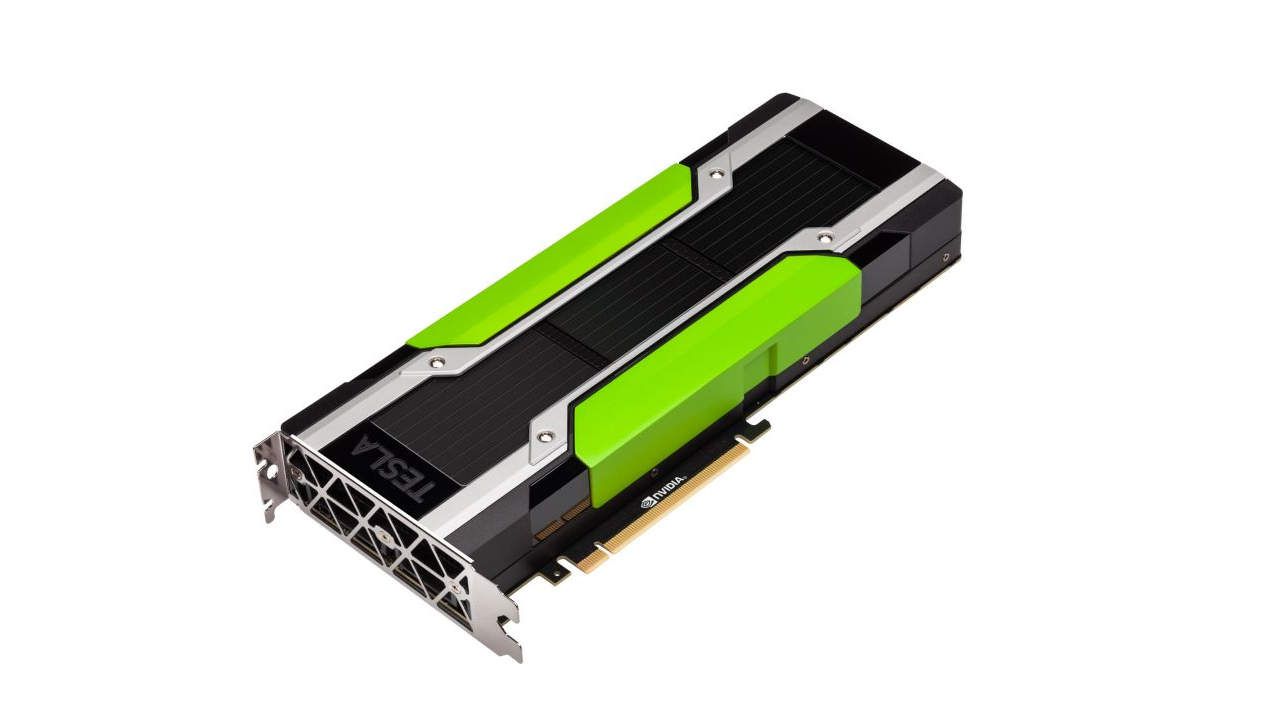
The landscape of Graphics Processing Units (GPUs) is continuously evolving, driven by technological advancements and increasing demands for performance across various industries. As we look ahead, several key trends are shaping the future of GPU designs and functionalities, paving the way for groundbreaking innovations. The integration of artificial intelligence (AI) and machine learning into GPU development is particularly noteworthy, as it is set to redefine what these powerful processors can achieve.
Trends in GPU Designs and Functionalities
The future of GPU design is leaning towards higher efficiency, increased parallel processing capabilities, and specialized architectures tailored for specific applications. Several emerging trends are key to this evolution:
- Heterogeneous Computing: This approach combines different types of processors, allowing GPUs to work alongside CPUs and other specialized processors to optimize performance for various tasks.
- Energy Efficiency: As power consumption becomes a critical concern, future GPUs are expected to incorporate advanced power management techniques and fabrication processes that minimize energy usage while maximizing performance.
- Integration of AI Processing: GPUs are increasingly being designed with integrated AI capabilities, enabling real-time data processing and decision-making directly on the chip.
The implementation of these trends highlights the industry’s focus on versatility and performance, ensuring GPUs can handle a wide range of applications from gaming to data analytics.
Influence of AI and Machine Learning on GPU Development
AI and machine learning are revolutionizing not only how GPUs function but also how they are designed. These technologies enable GPUs to manage more complex computations efficiently, making them indispensable in tasks such as image recognition, natural language processing, and autonomous systems.
The incorporation of AI into GPU technology has led to several advancements:
- Dynamic Resource Allocation: AI algorithms allow GPUs to optimize workload distribution dynamically, ensuring maximum performance with minimal latency.
- Enhanced Deep Learning Capabilities: GPUs have become the backbone of deep learning frameworks, facilitating faster training of neural networks and enabling innovations in fields like healthcare, finance, and autonomous vehicles.
- Self-Optimizing Architectures: Future GPUs may leverage machine learning to adapt their architecture based on usage patterns, increasing both efficiency and performance.
These advancements show how integral AI is to shaping the next generation of GPUs, pushing the boundaries of what is possible in computational tasks.
Potential Breakthroughs Redefining GPU Capabilities
Looking forward, several potential breakthroughs could significantly enhance GPU capabilities, creating opportunities for unprecedented performance levels and new applications.
The following advancements are particularly promising:
- Quantum Computing Integration: As quantum computing advances, the potential for GPUs to collaborate with quantum processors could lead to dramatic improvements in computational power.
- Advanced Ray Tracing: Continued refinements in ray tracing technology could enable real-time rendering of highly complex scenes, enhancing realism in gaming and simulations.
- Neuromorphic Computing: This approach mimics neural structures in the human brain, which could revolutionize data processing speeds and energy consumption in GPUs.
These breakthroughs signify a leap toward a future where GPUs not only enhance graphical representations but also bring about substantial advancements in scientific research, machine learning, and real-time data analysis.
The importance of cooling solutions for Graphics Processing Units
Effective cooling solutions are crucial for maintaining optimal performance and longevity of Graphics Processing Units (GPUs). As GPUs handle complex computations and render high-resolution graphics, they generate significant heat. Without proper cooling, this heat can lead to throttling and even hardware failure, making it essential for users to understand different cooling methods and their effectiveness.
Cooling methods for GPUs
There are several cooling methods employed for GPUs, each with its advantages and disadvantages. Understanding these methods can help users select the best option for their specific requirements.
- Air Cooling: This is the most prevalent method, utilizing fans and heatsinks to dissipate heat. Fans draw in cooler air and expel hot air, while heatsinks absorb and disperse heat from the GPU. Air cooling is generally cost-effective and easy to implement, making it suitable for most setups.
- Liquid Cooling: Involves circulating a coolant through a closed loop to absorb heat from the GPU and transfer it away. Liquid cooling systems are more efficient than air cooling, providing better thermal performance and reduced noise levels. They are ideal for high-performance gaming rigs or overclocked systems but come at a higher cost and complexity.
- Hybrid Cooling: Combines both air and liquid cooling technologies, typically using a liquid cooler for the GPU and fans for additional airflow. This method balances performance and noise, appealing to gamers who require both efficiency and quieter operation.
- Peltier Cooling: Also known as thermoelectric cooling, this method uses a Peltier module to transfer heat away from the GPU. While incredibly efficient, it requires significant power and can lead to condensation issues, making it less common for everyday use.
Effects of overheating on GPU performance and longevity
Overheating can severely impact the performance and lifespan of a GPU. As temperatures rise, the GPU may throttle its clock speeds to prevent damage, resulting in decreased performance during intensive tasks. This throttling often leads to frame rate drops in games and slower rendering times in graphic applications.
Furthermore, consistent exposure to high temperatures can shorten the GPU’s lifespan. Prolonged overheating can cause damage to internal components, leading to failure and the need for costly replacements. Therefore, investing in an efficient cooling solution is vital for sustaining both performance and hardware longevity.
Choosing the right cooling solution for different setups
Selecting an appropriate cooling solution depends on various factors such as the intended use of the GPU, system design, and personal preferences. Here are some insights to consider when choosing a cooling solution:
- Performance Needs: Gamers and professionals who push their GPUs to the limit should consider liquid or hybrid cooling solutions for optimal thermal management.
- Noise Levels: If a quieter operation is a priority, liquid cooling systems generally produce less noise compared to traditional air cooling methods.
- Budget Constraints: For those on a tighter budget, air cooling provides a cost-effective and efficient solution without the complexities of liquid cooling systems.
- Space Considerations: Ensure that the chosen cooler fits within the physical constraints of the case. Liquid coolers may require additional space for radiators, while air coolers need enough clearance for fans.
Understanding GPU programming and its relevance in software development
GPU programming has become an essential aspect of modern computing, enabling developers to leverage the power of Graphics Processing Units (GPUs) for a wide range of applications. Unlike traditional CPUs, which are optimized for sequential processing, GPUs excel in handling parallel tasks. This capability makes them particularly valuable in fields that require large-scale data processing, such as machine learning and graphics rendering. Understanding GPU programming languages and frameworks is therefore crucial for developers looking to enhance their software’s performance and efficiency.
Basics of GPU programming languages and frameworks
GPU programming primarily utilizes specialized languages and frameworks designed to harness the parallel processing capabilities of GPUs. Common languages include CUDA (Compute Unified Device Architecture), which is NVIDIA’s proprietary extension of C, and OpenCL (Open Computing Language), which provides a framework for writing programs that execute across heterogeneous platforms. These languages enable developers to write code that can run concurrently on thousands of GPU cores, significantly speeding up computational tasks.
CUDA allows developers to manage memory and threads efficiently, optimizing the performance of algorithms that can be parallelized. OpenCL, on the other hand, provides a more flexible platform that works across different hardware, including CPUs and GPUs from various manufacturers. Both frameworks come with libraries that simplify complex operations, making GPU programming more accessible even to those who may not be experts in parallel computing.
Importance of GPU programming in fields like machine learning and graphics rendering
The impact of GPU programming is particularly pronounced in machine learning and graphics rendering. In machine learning, GPUs accelerate the training of models by processing vast amounts of data in parallel. This capability allows for faster iterations and the development of more complex models in shorter time frames, greatly enhancing productivity.
Graphics rendering, on the other hand, benefits from GPUs by delivering high-quality visuals and real-time rendering. With the ability to handle millions of polygons and textures simultaneously, GPUs create lifelike graphics in video games and simulations. This efficiency is crucial for industries such as gaming, film, and virtual reality, where realistic visuals are paramount.
Applications that benefit from GPU programming techniques
Numerous applications across various fields utilize GPU programming techniques to enhance performance and efficiency. Some notable examples include:
- Deep Learning Frameworks: Libraries like TensorFlow and PyTorch utilize GPU acceleration to significantly speed up the training process of neural networks, allowing researchers and developers to experiment with larger datasets and more complex architectures.
- Computer-Aided Design (CAD): Applications in CAD leverage the parallel processing power of GPUs to render complex models and simulations in real-time, improving the design workflow for engineers and architects.
- Scientific Simulations: Fields such as computational fluid dynamics and molecular dynamics use GPUs to perform simulations that require extensive calculations, resulting in faster and more accurate predictions.
- Video Processing: Applications like Adobe Premiere Pro and DaVinci Resolve harness GPU capabilities to accelerate video rendering and effects processing, enabling smoother editing experiences.
GPU programming is at the forefront of technological advancements, driving innovations in various sectors by providing the tools necessary to handle complex computations efficiently. Its relevance in software development continues to grow, shaping the future of applications across industries.
Wrap-Up
In summary, the Graphics Processing Unit (GPU) is not just a piece of hardware; it is the backbone of modern visual computing, continuously evolving to meet the demands of new technologies and applications. As we move towards an increasingly graphics-driven world, the future of GPUs looks promising, with innovations that will push the boundaries of what is possible in gaming and beyond.
Question Bank
What is the main function of a GPU?
The main function of a GPU is to accelerate the rendering of images and video by performing parallel processing tasks, handling multiple calculations simultaneously.
How does a dedicated GPU differ from an integrated GPU?
A dedicated GPU has its own memory and processing power, offering superior performance for graphics-intensive tasks, while an integrated GPU shares resources with the CPU, making it less powerful.
Can a GPU improve performance in applications other than gaming?
Yes, GPUs can significantly enhance performance in various applications, including video editing, 3D rendering, and machine learning, due to their ability to handle parallel tasks efficiently.
What is VRAM and why is it important?
VRAM, or Video RAM, is a type of memory specifically designed for graphics data. It is crucial for storing textures and frame buffers, impacting the overall performance and quality of gaming and rendering.
How often should I upgrade my GPU?
Upgrading your GPU depends on your needs; if you notice decreased performance in games or applications, or if you’re unable to run new software, it may be time for an upgrade.