Full Stack development stands at the intersection of creativity and technology, where developers gain the unique ability to navigate both front-end and back-end realms. This multifaceted role not only demands a robust understanding of different programming languages and frameworks but also emphasizes the importance of flexibility and adaptability in a rapidly evolving tech landscape. Full Stack developers possess the skills to bring projects from conception to deployment, making them essential players in the success of modern software solutions.
As we explore the various responsibilities, technologies, and challenges faced by Full Stack developers, it becomes clear that their expertise is vital in building cohesive and functional applications. From mastering essential tools to understanding database management, the journey of a Full Stack developer is both complex and rewarding, leading to impactful results in the software development lifecycle.
The Role of a Full Stack Developer in Modern Software Development
Full stack developers are integral to modern software development, bridging both front-end and back-end technologies. Their broad skill set enables them to work on all layers of an application, from the user interface to the server-side logic, making them versatile assets in any development team. This role demands a combination of programming expertise, problem-solving abilities, and a good understanding of user experience.
The responsibilities of a full stack developer involve various tasks throughout the software development lifecycle. They design and implement front-end user interfaces using technologies like HTML, CSS, and JavaScript frameworks such as React or Angular. On the back end, they manage database interactions, server configuration, and business logic using languages like Python, Java, or Node.js. Full stack developers are also involved in project planning, coding, testing, and deploying applications, often collaborating with other developers, designers, and stakeholders to ensure that the project meets both technical requirements and user expectations.
Importance of Versatility in Programming Languages and Frameworks
Versatility in programming languages and frameworks is crucial for full stack developers, allowing them to adapt to various project demands and technological environments. Being proficient in multiple languages enables them to select the best tools for the job, resulting in more efficient and effective solutions. For instance, a developer proficient in both front-end and back-end technologies can streamline the development process by reducing the need for extensive communication between specialists.
The modern software landscape is diverse, with frameworks and libraries emerging rapidly. A full stack developer must stay updated on the latest trends and practices, which requires a commitment to lifelong learning. This adaptability not only enhances their problem-solving capabilities but also increases their job market competitiveness.
Successful projects exemplifying the need for full stack expertise include platforms like Airbnb and Uber, which leverage comprehensive web development to offer seamless user experiences. These applications require meticulous integration of front-end interfaces with complex back-end systems to handle real-time data processing and user interactions. The impact of such projects is significant, transforming industries and user expectations regarding technology.
The versatility of full stack developers plays a pivotal role in driving innovation and efficiency in software development.
Key Technologies and Tools Used by Full Stack Developers
Full stack developers are essential in today’s tech landscape, possessing a diverse skill set that spans both front-end and back-end development. Mastering key technologies and tools is crucial for these professionals to build robust, functional applications. This discussion highlights the vital technologies that a full stack developer should be familiar with, including the frameworks and tools that enable seamless interaction between the different layers of application development.
Essential Tools and Technologies
A full stack developer must be proficient with a variety of tools and technologies that facilitate both client-side and server-side development. Below is a list of essential tools categorized by their purpose.
- Version Control Systems: Tools like Git allow developers to manage code changes, collaborate with others, and track project history efficiently.
- Text Editors and IDEs: Applications such as Visual Studio Code, Sublime Text, and IntelliJ IDEA enhance coding productivity with features like auto-completion and debugging.
- Package Managers: NPM (Node Package Manager) and Yarn streamline the management of libraries and dependencies in a project.
- APIs: Understanding RESTful services and GraphQL is essential for integrating different services and enabling communication between the front-end and back-end.
Front-end Frameworks
Front-end frameworks play a crucial role in the development of user interfaces and provide a set of tools and libraries to enhance functionality. The following frameworks are commonly utilized by full stack developers:
- React: A JavaScript library for building user interfaces, React allows developers to create reusable UI components, leading to more efficient and manageable code.
- Angular: A TypeScript-based framework that provides a comprehensive solution for building dynamic web applications. Angular simplifies the development process with features like two-way data binding and dependency injection.
- Vue.js: A progressive framework that is easy to integrate with other projects, Vue.js is known for its flexibility and performance, making it a popular choice for building interactive interfaces.
Back-end Frameworks
Back-end frameworks are essential for handling server-side logic and database interactions. These frameworks help streamline the development of server applications. Key frameworks include:
- Node.js: A JavaScript runtime that enables the creation of scalable network applications. It uses an event-driven, non-blocking I/O model that makes it ideal for data-intensive real-time applications.
- Express.js: A minimal and flexible Node.js web application framework that provides a robust set of features for web and mobile applications, facilitating API development.
- Django: A high-level Python web framework that encourages fast development and clean, pragmatic design, Django is known for its simplicity and ease of use.
Interaction within a Full Stack Environment
Understanding how various technologies interact within a full stack environment is essential for building efficient applications. The front-end communicates with the back-end through APIs, enabling data exchange and user interaction.
“The seamless interaction between front-end and back-end frameworks allows for the creation of dynamic, responsive applications that meet user needs efficiently.”
When a user interacts with the front-end, such as submitting a form or clicking a button, these actions trigger API requests to the back-end. The back-end processes these requests, accesses the database if necessary, and sends data back to the front-end for rendering. This cycle of request and response is crucial for delivering a smooth user experience. Mastery of these technologies and their interactions empowers full stack developers to create comprehensive, functional web applications.
The Importance of Version Control in Full Stack Development
Version control systems (VCS) play a vital role in full stack development, especially in collaborative programming environments. These systems allow developers to track changes, manage different versions of code, and collaborate effectively, thus ensuring a seamless workflow and reducing the risk of errors. The significance of using version control cannot be overstated, as it enhances project management, improves coordination among team members, and supports the overall quality of the software being developed.
The Role of Version Control in Collaborative Programming
In a collaborative programming environment, multiple developers often work on the same project simultaneously. Version control systems help manage this complexity by providing a structured way to track changes made by different team members. They serve as a single source of truth, allowing developers to pull the latest code, work on features, and merge their changes without overwriting others’ work.
Utilizing version control enhances project management by:
- Tracking Changes: Every change is recorded in the VCS, enabling teams to review the history of modifications and understand the evolution of the project.
- Facilitating Collaboration: Developers can work on separate branches, allowing them to experiment without affecting the main codebase.
- Enabling Rollbacks: If a change introduces a bug, teams can easily revert to a previous version, minimizing downtime and disruptions.
Implementing Version Control in a Full Stack Project
Implementing version control in a full stack project can be straightforward if approached systematically. Here’s a step-by-step approach to ensure effective version control:
1. Choose a Version Control System: Popular options include Git, Subversion, and Mercurial. Git is widely used due to its flexibility and robust features.
2. Initialize a Repository: Create a new repository in your chosen VCS. For Git, this involves running the command `git init` in your project directory.
3. Set Up .gitignore File: This file specifies which files or directories should be ignored by Git, helping to keep the repository clean and focused on important files. For instance, you may want to exclude logs and build output.
4. Commit Changes Regularly: After making changes, regularly commit them with clear and concise messages that describe the updates. This practice helps maintain a clear history of the project’s progression.
5. Use Branches for Features: Create branches for new features, bug fixes, or experiments. This allows developers to work independently before merging their changes back into the main codebase.
6. Merge and Resolve Conflicts: When merging branches, it’s essential to resolve any conflicts that may arise. Clear communication with team members can help address merging issues effectively.
7. Push to Remote Repository: If working in a team, push changes to a remote repository (like GitHub or GitLab) to share updates and collaborate with others.
“Version control is not just a tool; it’s an essential part of the development process that encourages collaboration and accountability.”
By following these steps, teams can ensure that their full stack projects are well-organized, collaborative, and easier to manage throughout the software development lifecycle.
Understanding Database Management for Full Stack Development
Database management is a critical component of full stack development, as it serves as the backbone for storing, retrieving, and managing data effectively within applications. A full stack developer should possess a solid understanding of various database systems to make informed decisions about data storage and retrieval strategies that best suit the application’s needs.
Types of Databases and Their Use Cases
Familiarity with different types of databases is essential for full stack developers. Here are the primary types of databases along with their use cases:
- Relational Databases: These databases, such as MySQL and PostgreSQL, store data in structured tables with predefined schemas. They are ideal for applications requiring complex queries and transactions, such as e-commerce platforms and financial systems.
- NoSQL Databases: Examples like MongoDB and Cassandra fall into this category, designed for unstructured data and scalability. They are well-suited for applications with varied data types, such as social media and content management systems.
- In-Memory Databases: Databases like Redis and Memcached operate entirely in memory, enabling extremely fast data access. They are commonly used for caching data to enhance application performance.
- Graph Databases: Examples include Neo4j and ArangoDB, which store data in graph structures. These databases excel in scenarios involving complex relationships, such as social networks and recommendation systems.
Comparison of Relational and Non-Relational Databases
Understanding the differences between relational and non-relational databases is vital for choosing the right technology. Both types have their unique advantages and disadvantages:
Relational databases are structured and enforce data integrity through ACID compliance, while non-relational databases offer flexibility and scalability to handle diverse data types.
- Advantages of Relational Databases:
- Strong data integrity and consistency.
- Complex querying capabilities using SQL.
- Established standards and widespread support.
- Disadvantages of Relational Databases:
- Limited scalability for massive datasets.
- Rigid schema that can complicate changes.
- Advantages of Non-Relational Databases:
- High scalability and flexibility in handling different data types.
- Faster performance for certain workloads, especially for large datasets.
- Disadvantages of Non-Relational Databases:
- Weaker consistency guarantees compared to relational databases.
- Less mature tooling and support for complex queries.
Best Practices for Database Design and Optimization
Effective database design and optimization can significantly enhance application performance and maintainability. Here are some best practices to consider:
- Normalize Data: Structure the database to reduce redundancy and ensure efficient data management.
- Indexing: Use indexes to speed up query performance, but balance it against the overhead of maintaining those indexes.
- Use Appropriate Data Types: Select the most suitable data types for fields to optimize storage and performance.
- Regular Backups: Implement a robust backup strategy to safeguard against data loss.
- Optimize Queries: Write efficient and optimized queries to reduce load times and resource consumption.
- Monitor Performance: Continuously monitor database performance and make adjustments based on usage patterns.
The Full Stack Development Lifecycle from Concept to Deployment
The full stack development lifecycle encompasses various stages that guide developers from the initial concept of a project through to its final deployment. Understanding this lifecycle is essential for full stack developers, as it highlights the processes involved, the challenges faced, and the strategies employed to ensure the product meets quality standards.
The lifecycle typically follows a structured approach, often represented in phases that streamline the development process. Each stage plays a crucial role in transforming ideas into functional applications. The following sections will delve deeper into these stages, outlining key processes and strategies that maintain code quality and consistency throughout the lifecycle.
Stages of the Software Development Lifecycle
The software development lifecycle (SDLC) consists of several distinct stages that full stack developers navigate. These stages include:
- Planning: Identifying project goals, defining scope, and outlining requirements.
- Design: Creating wireframes and architecture for the application to establish user interface and experience.
- Development: Actual coding of the application, where front-end and back-end components are built and integrated.
- Testing: Conducting various tests, such as unit testing and integration testing, to identify and rectify any issues.
- Deployment: Releasing the application to a live environment where users can access it.
- Maintenance: Ongoing support and updates to ensure the application remains functional and relevant.
Each stage is interdependent, and skipping any can lead to complications in the later phases. Effective communication among team members during these stages is vital for ensuring a smooth transition from one phase to the next.
Transitioning from Concept to Deployment
Transitioning from the project concept to deployment involves several critical processes. Each step is designed to refine the original idea into a functioning application. The processes include:
- Requirement Analysis: Gathering detailed requirements from stakeholders to ensure the application meets user needs.
- Prototyping: Developing a minimum viable product (MVP) to visualize and test functionality before full-scale development.
- Iteration: Utilizing agile methodologies to allow for feedback and enhancements at various stages of development.
- Quality Assurance: Implementing automated and manual testing strategies to ensure that the application is robust and error-free.
This streamlined approach allows developers to address issues early, minimizing risks and ensuring that the final product aligns with the original vision.
Strategies for Maintaining Code Quality and Consistency
Maintaining code quality and consistency throughout the development lifecycle is essential for creating reliable applications. Several strategies can be employed to achieve this:
- Code Reviews: Regular peer reviews of code to ensure adherence to coding standards and best practices.
- Version Control: Utilizing systems like Git to manage changes and maintain a history of code modifications.
- Automated Testing: Implementing continuous integration/continuous deployment (CI/CD) pipelines that include automated tests to catch issues early.
- Documentation: Keeping comprehensive documentation to facilitate easier understanding of the codebase by current and future developers.
Implementing these strategies not only improves the overall quality of the application but also fosters a culture of collaboration and accountability within the development team.
The Future of Full Stack Development
The landscape of full stack development is rapidly evolving, influenced by emerging technologies and changing user expectations. As businesses strive for more efficient, scalable, and user-friendly applications, developers must stay informed about the latest trends and innovations shaping the future of this field. Understanding these trends not only enhances a developer’s skill set but also prepares them for the challenges and opportunities ahead.
Technological advancements are reshaping full stack development, enabling developers to build more robust and efficient applications. Some key trends include the rise of low-code and no-code platforms, the increasing popularity of serverless architecture, and the integration of artificial intelligence into development practices. These innovations simplify the development process, accelerate delivery timelines, and enhance user experiences, making it crucial for developers to adapt and adopt these methodologies.
Emerging Technologies in Full Stack Development
As full stack developers look to the future, several key technologies stand out as significant contributors to the evolution of development practices. Awareness of these technologies is essential for developers seeking to stay competitive in the job market.
- Low-code and No-code Platforms: These platforms empower developers and non-developers alike to create applications with minimal coding. They are particularly useful for prototyping and rapid application development, significantly reducing time to market.
- Serverless Architecture: With serverless computing, developers can focus on writing code without worrying about infrastructure management. This approach enhances scalability and cost-effectiveness, allowing companies to pay only for the compute resources they use.
- Progressive Web Apps (PWAs): PWAs combine the best of web and mobile applications, offering offline capabilities, push notifications, and improved performance, thus enhancing the user experience across devices.
- Artificial Intelligence Integration: AI is becoming increasingly embedded in full stack development, providing features like chatbots, personalized content recommendations, and predictive analytics that enhance user engagement.
Real-World Applications of Emerging Trends
The adoption of these emerging technologies is already visible across various industries. Understanding their real-world applications provides insights into their practical benefits and future potential.
- Healthcare Applications: Low-code platforms are being utilized in healthcare to develop patient management systems quickly, allowing medical professionals to focus on patient care rather than software development.
- E-commerce Solutions: Serverless architecture is being used by leading e-commerce platforms to handle fluctuating traffic during peak times seamlessly, ensuring a smooth shopping experience for users.
- Retail Sector: Many retailers are adopting PWAs to improve accessibility and performance for mobile users, resulting in higher conversion rates and enhanced customer satisfaction.
- Financial Services: AI is transforming financial services by enabling real-time fraud detection and personalized financial advice through advanced machine learning algorithms.
“The future of full stack development is not just about coding; it’s about utilizing innovative technologies to create smarter, faster, and more efficient solutions.”
Challenges Faced by Full Stack Developers in a Rapidly Evolving Tech Landscape
Full stack developers often find themselves at the intersection of various technologies, making them versatile but also exposing them to unique challenges. As the tech landscape continues to evolve at a rapid pace, these professionals must navigate a series of hurdles that can impact their productivity, skill development, and overall success in the industry.
One of the most significant challenges faced by full stack developers is keeping up with the constant changes in technology. New frameworks, libraries, and tools emerge frequently, and it can be overwhelming to stay abreast of the latest trends. This fast-paced evolution can lead to skill gaps, where developers may find themselves lacking the necessary expertise to leverage new technologies effectively.
Skill Gaps Arising from Technological Advancements
The swift pace of advancements in technology can result in noticeable skill gaps for full stack developers. As certain technologies gain popularity, others may fall out of favor, creating a demand for new skills while rendering older ones less relevant.
To address these gaps, developers need to adopt a proactive approach to learning. Continuous education through online courses, webinars, and workshops is essential. Developers can also join tech communities where they can share knowledge and experiences, allowing them to learn from their peers.
- Participation in hackathons and coding boot camps can significantly enhance skill sets while fostering collaboration.
- Regularly engaging with open-source projects allows developers to encounter real-world problems and solutions, building expertise in emerging technologies.
- Utilizing platforms like GitHub not only aids in portfolio development but also encourages learning from others’ code.
“Staying relevant in tech means embracing the chaos of continuous learning.” – Anonymous
Real-World Navigation of Challenges
Many developers have successfully navigated the challenges posed by an evolving tech landscape by leveraging innovative strategies and resources. For example, a full stack developer at a startup faced obsolescence as their primary development framework quickly became outdated. Instead of sticking to familiar tools, they took the initiative to learn a new, more efficient framework through structured online courses and community forums.
In another instance, a developer noticed a gap in their knowledge around cloud technologies, which were increasingly becoming integral to application development. They enrolled in a cloud computing certification program and started integrating cloud services into their projects, which not only filled the skill gap but also made them more valuable to their employer.
- Engaging in project-based learning by incorporating new technologies into actual projects helps solidify knowledge and adapt skills in practical environments.
- Networking with industry professionals provides insights that can lead to mentorship opportunities, aiding in skill advancement.
- Attending industry conferences allows developers to stay informed about trends and make connections that can lead to collaborative learning.
These examples illustrate that while the challenges are real, the strategies to overcome them are accessible. By embracing lifelong learning and community engagement, full stack developers can thrive even as the tech landscape continues to change.
Effective Collaboration Techniques for Full Stack Teams
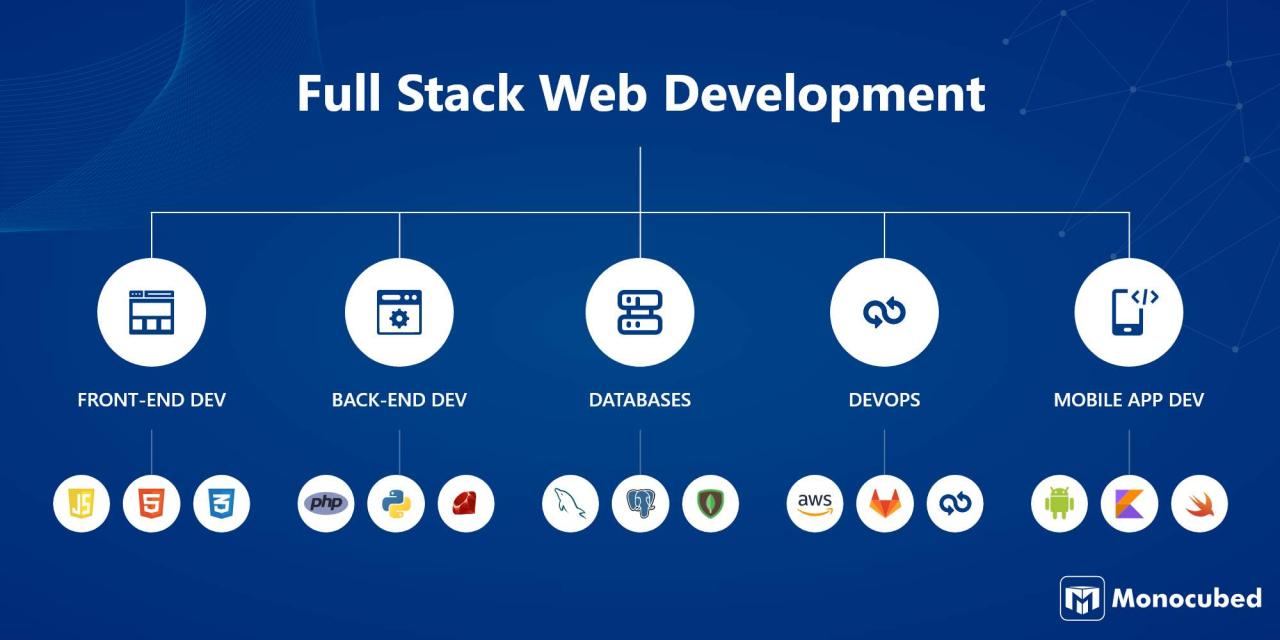
Full stack development encompasses a wide range of skills and technologies, requiring seamless collaboration between front-end and back-end teams. As full stack developers bridge the gap between these two areas, implementing effective collaboration techniques is essential for enhancing teamwork and achieving project success.
Improving collaboration among full stack developers, front-end, and back-end teams can significantly impact the overall workflow. To foster a collaborative environment, developers should embrace communication tools, regular updates, and inclusive practices. By creating transparency across the development process, teams can better align their goals and expectations.
Communication Tools and Techniques
Effective communication is the backbone of successful collaboration. Utilizing the right tools can facilitate smoother interactions and clearer project understanding. Here are some essential tools and techniques:
- Instant Messaging Platforms: Tools like Slack or Microsoft Teams allow for real-time discussions, enabling quick clarifications and fostering a sense of community among team members.
- Project Management Software: Utilizing platforms such as Jira or Trello helps teams stay organized, track progress, and prioritize tasks effectively, ensuring everyone is on the same page.
- Version Control Systems: Git and GitHub encourage collaboration by allowing multiple developers to work on the same codebase simultaneously while keeping track of changes and resolving conflicts efficiently.
- Regular Stand-ups: Daily or weekly stand-up meetings provide opportunities for team members to share updates, discuss challenges, and align goals, enhancing accountability and transparency.
- Documentation Practices: Clearly documented APIs and coding conventions help maintain consistency and facilitate understanding across teams, reducing the onboarding time for new members.
Case Studies of Successful Collaborations
Examining real-world examples of successful collaborations can provide valuable insights into effective practices. Two notable case studies demonstrate how improved collaboration led to successful outcomes.
In a project led by a technology consultancy, full stack developers utilized cross-functional teams where front-end and back-end developers worked closely together from the project’s inception. This approach resulted in a 30% reduction in development time and enhanced product quality.
Another case involves a startup that implemented regular feedback loops between development and design teams. By integrating user experience (UX) testing within their development cycles, they achieved a 25% increase in user satisfaction, showcasing the importance of continuous collaboration.
By leveraging the right tools and fostering an environment of open communication, full stack teams can enhance their collaboration, leading to more efficient workflows and successful project outcomes.
Epilogue
In summary, the role of Full Stack developers extends far beyond mere coding; it encompasses a wide range of skills and responsibilities that reflect the dynamic nature of the tech industry. By continuously adapting to new trends and overcoming challenges, these developers not only contribute to successful projects but also help push the boundaries of what is possible in software development. As we look ahead, the innovations and collaborative techniques discussed will surely pave the way for a bright future in Full Stack development.
Commonly Asked Questions
What is a Full Stack Developer?
A Full Stack Developer is a professional capable of working on both the front-end and back-end of web applications, handling everything from user interfaces to server-side logic.
What skills are essential for a Full Stack Developer?
Essential skills include proficiency in multiple programming languages, understanding of front-end frameworks (like React or Angular), back-end technologies (like Node.js or Django), and database management.
Why is version control important?
Version control is crucial for tracking changes, collaborating with team members, and maintaining the integrity of the codebase throughout the development process.
How does Full Stack development differ from other development roles?
Full Stack development combines skills in both front-end and back-end technologies, whereas other roles typically focus on either one aspect or the other.
What are the common challenges faced by Full Stack Developers?
Common challenges include keeping up with rapid technological changes, managing diverse skill sets, and ensuring effective communication within teams.