Firewall technology plays a crucial role in safeguarding our digital environments, acting as the first line of defense against unauthorized access and cyber threats. As we navigate an increasingly interconnected world, understanding the importance and functionality of firewalls becomes essential for both individuals and organizations alike.
At its core, a firewall is a barrier that monitors and controls incoming and outgoing network traffic based on predetermined security rules. This technology comes in various forms, including hardware and software firewalls, each with distinct features and applications. Firewalls are integral in protecting sensitive data and ensuring that our networks remain secure from potential vulnerabilities.
Understanding the fundamental concept of a Firewall in modern networking
Firewalls play a critical role in the landscape of modern networking, acting as a barrier between trusted internal networks and untrusted external ones. They serve to protect sensitive data and maintain network integrity. The basic purpose of a firewall is to monitor and control incoming and outgoing network traffic based on predetermined security rules. It decides whether to allow or block specific traffic based on security policies, ensuring that unauthorized access is prevented while allowing legitimate communication.
Firewalls can be categorized into several types, each with unique characteristics tailored to specific security needs. The key types include:
Types of Firewalls
Firewalls come in various forms, each designed for different scenarios and requirements. Understanding these types is essential for effective network security management.
- Packet-Filtering Firewalls: These firewalls examine packets of data and allow or block them based on IP addresses, port numbers, and protocols. They operate at the network layer, making quick decisions but lacking deep packet inspection capabilities.
- Stateful Inspection Firewalls: Also known as dynamic packet filtering, these firewalls maintain records of all ongoing connections and make decisions based on the state of the traffic. This allows for better security compared to simple packet filters.
- Proxy Firewalls: Acting as intermediaries between users and the internet, proxy firewalls filter requests and responses. They can cache data for improved performance and provide anonymity by hiding the user’s IP address.
- Next-Generation Firewalls (NGFW): These sophisticated firewalls combine traditional firewall functions with advanced features such as deep packet inspection, intrusion prevention systems, and application awareness, providing a holistic security approach.
The role of firewalls extends beyond merely blocking unwanted traffic; they are integral in protecting network infrastructure from unauthorized access and cyber threats. By establishing a barrier and enforcing security policies, firewalls help organizations safeguard sensitive information and maintain compliance with regulatory standards.
Firewalls are essential elements in the defense-in-depth strategy, ensuring multiple layers of protection across network architectures.
Through effective management and configuration of firewalls, organizations can mitigate risks associated with unauthorized access, ensuring that their digital assets are secured against increasingly sophisticated threats.
Analyzing the different types of Firewall technologies available today
Firewalls serve as critical security barriers between trusted internal networks and untrusted external networks, helping to prevent unauthorized access while allowing legitimate communication. As technology evolves, various types of firewalls have emerged, each tailored to meet specific security needs and performance requirements. This discussion delves into hardware and software firewalls, next-generation firewalls (NGFW), and the distinctions between stateful and stateless firewalls, highlighting their unique features and applications.
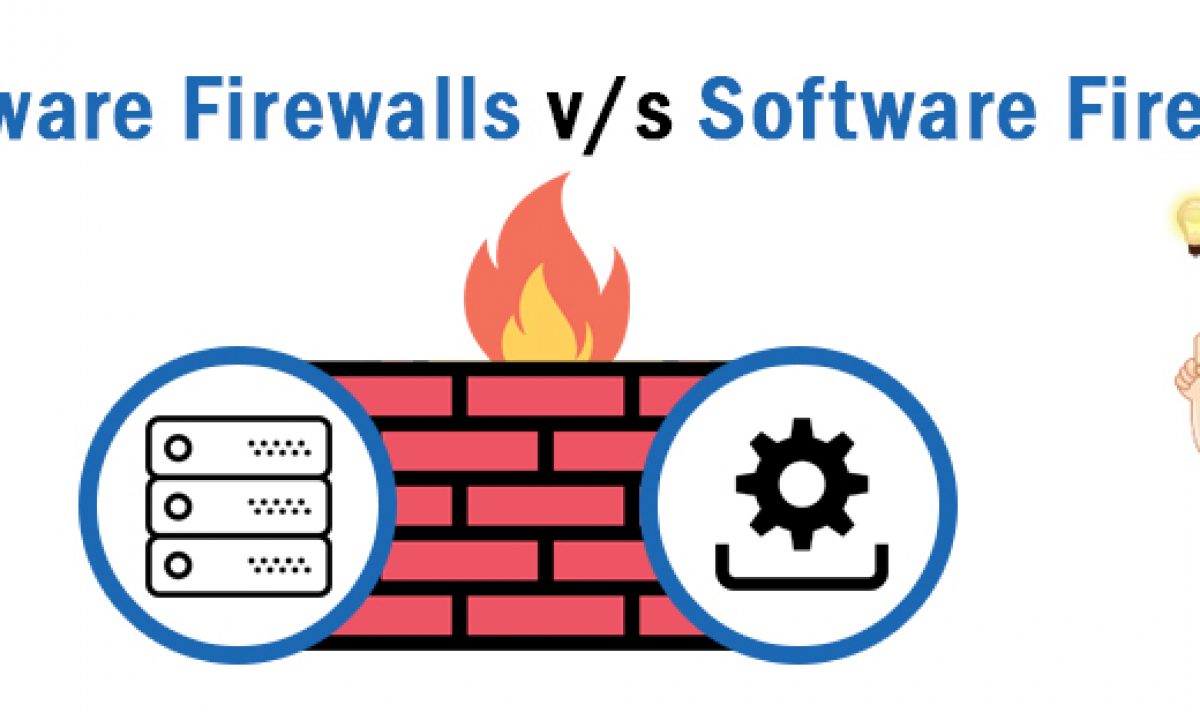
Comparison of Hardware Firewalls and Software Firewalls
Hardware firewalls are standalone devices that are typically placed between a network and an external connection, such as the internet. In contrast, software firewalls are applications installed directly on individual devices, such as servers and personal computers. Each type of firewall has distinct advantages and disadvantages.
- Performance: Hardware firewalls generally offer superior performance since they are purpose-built to handle large volumes of network traffic without impacting system performance. Software firewalls, while flexible, may slow down individual devices due to resource consumption.
- Management: Hardware firewalls centralize management, making it easier for IT teams to configure and adjust settings across the network. Software firewalls require individual configuration on each device, which can be cumbersome in larger environments.
- Cost: Hardware firewalls often involve a higher upfront investment but can be more cost-effective in the long run, especially for organizations handling large amounts of traffic. Software firewalls are typically lower in upfront costs but may incur ongoing licensing fees.
- Security Features: Hardware firewalls often come with advanced features such as intrusion detection and prevention systems (IDPS) built-in. Software firewalls may offer more customizable rules but can lack some of the robust features found in hardware solutions.
Functioning and Applications of Next-Generation Firewalls
Next-generation firewalls (NGFW) represent a significant advancement in firewall technology, combining traditional firewall capabilities with additional features such as application awareness, intrusion prevention, and advanced threat protection. They operate at the application layer, allowing for deep packet inspection and the ability to identify and block sophisticated threats.
The applications of NGFW include:
- Application Control: NGFWs can recognize and manage applications running on a network, allowing organizations to enforce policies based on specific applications rather than just ports and protocols.
- Integrated Threat Intelligence: Many NGFWs include integrated threat intelligence capabilities, enabling them to respond to emerging threats in real-time by leveraging data from multiple sources.
- Unified Security Management: NGFWs often provide a centralized view of security, making it easier for security teams to monitor and respond to incidents across the network.
- Support for Virtualization: NGFWs are designed to work effectively in virtualized environments, allowing organizations to maintain security while managing cloud and on-premises resources.
Significance of Stateful and Stateless Firewalls in Data Packet Inspection
Stateful and stateless firewalls differ fundamentally in how they handle traffic and inspect data packets. Understanding these differences is crucial for effective network security.
- Stateful Firewalls: These firewalls track the state of active connections and make decisions based on the context of the traffic. By maintaining a state table, stateful firewalls can allow or block packets based on the state of the connection, thus providing more granular control and improved security.
- Stateless Firewalls: In contrast, stateless firewalls evaluate packets in isolation without considering the state of the connection. They use predefined rules to permit or deny traffic based solely on attributes such as IP address and port number, which can make them less flexible but faster in processing.
“Stateful firewalls offer a dynamic approach to packet inspection, enhancing security by understanding the context of network connections.”
Exploring the importance of Firewall configurations in cybersecurity
Firewall configurations play a critical role in establishing a secure network environment. Properly configured firewalls can protect sensitive data from unauthorized access and mitigate potential threats. However, misconfigurations can create vulnerabilities that cybercriminals may exploit, leading to severe consequences for organizations.
Misconfigurations in firewall settings can significantly compromise network security. When firewalls are incorrectly set up, they may inadvertently allow unauthorized traffic through, leaving networks open to attacks such as data breaches, malware infections, and denial-of-service attacks. For instance, a common misconfiguration involves overly permissive rules that allow too much traffic, or failing to adequately segment network zones. These lapses can lead to data leaks and unauthorized access to critical systems.
Impact of Misconfigurations on Network Security
Misconfigurations can arise from various factors, including human error, lack of expertise, or inadequate training. The repercussions of these missteps can be catastrophic for businesses. Below are some key points highlighting the importance of correct firewall configurations:
- Increased Vulnerability: Every misconfiguration can create a potential entry point for attackers, exposing critical systems to risks.
- Compliance Issues: Many industries have regulatory requirements for data protection. Misconfigured firewalls can lead to non-compliance and potential fines.
- Damage to Reputation: A security breach resulting from misconfiguration can severely damage an organization’s reputation, leading to loss of trust among customers.
- Financial Loss: The financial impact of a data breach can be significant, including costs related to mitigation, legal fees, and lost business opportunities.
Best Practices for Configuring Firewalls Effectively
To ensure firewalls are configured correctly, organizations should follow best practices that enhance their security posture. A step-by-step guide to effective firewall configuration includes:
- Define Security Policies: Establish clear security policies that dictate what kind of traffic is allowed or denied based on business needs.
- Implement Principle of Least Privilege: Only allow traffic that is necessary for business operations, minimizing access to sensitive areas of the network.
- Regularly Review and Update Rules: Periodically assess firewall rules to ensure they still align with current security policies and business objectives.
- Segment the Network: Utilize zones to separate different parts of the network, allowing for tailored security measures for each segment.
- Enable Logging and Monitoring: Activate logging features to monitor traffic and detect anomalies for proactive threat management.
Importance of Regular Updates and Maintenance
Regular updates and maintenance of firewall settings are essential to maintaining a robust cybersecurity framework. Outdated firewall configurations can lead to serious vulnerabilities that are easily exploited by cybercriminals.
“Regularly updating firewall rules and software is critical to protecting against new and evolving threats.”
Maintaining firewall integrity involves:
- Frequent Updates: Ensure that firewall software is up-to-date to protect against known vulnerabilities.
- Reviewing Change Logs: Keep track of changes made to firewall configurations to quickly identify potential issues.
- Conducting Penetration Testing: Regularly test firewall configurations through penetration testing to identify vulnerabilities before they can be exploited.
- Training Personnel: Invest in training for staff responsible for managing firewalls to minimize risks associated with human error.
Identifying the common threats that firewalls protect against
Firewalls serve as a crucial line of defense against various threats in today’s increasingly digital landscape. Their primary function is to monitor and control incoming and outgoing network traffic based on predetermined security rules. This capability helps organizations maintain the integrity, confidentiality, and availability of their data while navigating a myriad of cyber threats.
Firewalls are designed to prevent a wide range of malware and cyber attacks, significantly enhancing the security posture of networks. They are particularly effective against threats such as viruses, worms, Trojan horses, ransomware, and spyware. By filtering traffic, firewalls can block malicious payloads from entering a network, thus safeguarding sensitive information and system integrity.
Types of malware and cyber attacks
Understanding the types of malware and cyber attacks that firewalls defend against is essential for recognizing their value. These threats include:
- Viruses: Malicious software that attaches itself to legitimate files and can replicate itself to spread across systems.
- Worms: Self-replicating malware that spreads across networks without user intervention, often exploiting vulnerabilities in software.
- Trojan Horses: Malicious programs disguised as legitimate applications, which can create backdoors for unauthorized access.
- Ransomware: A type of malware that encrypts a user’s files and demands a ransom for decryption keys, often leading to significant data loss.
- Spyware: Software that secretly monitors and collects user information, which can be misused for identity theft or fraud.
Firewalls play a key role in mitigating risks associated with Distributed Denial-of-Service (DDoS) attacks, which aim to overwhelm a network or website with excessive traffic. By implementing rate limiting and traffic filtering, firewalls can distinguish between legitimate user requests and malicious traffic. This capability allows firewalls to effectively absorb or redirect DDoS traffic, ensuring that essential services remain available to authorized users.
Mitigation of risks from DDoS attacks
The significance of firewalls in protecting sensitive data during transmission cannot be overstated. Firewalls not only control traffic based on predefined rules but also ensure secure data flow through various methods such as:
- Packet filtering: Analyzing data packets to determine whether they should be allowed through based on set security criteria.
- Stateful inspection: Monitoring the state of active connections and making decisions based on the context of the traffic.
- Application-layer filtering: Blocking or allowing traffic at the application level, which helps protect against sophisticated attacks targeting specific applications.
Firewalls are essential for maintaining the confidentiality and integrity of data by implementing robust security measures during transmission.
By effectively managing these threats, firewalls not only protect the network from malicious activities but also help organizations comply with various data protection regulations, ensuring that sensitive information remains secure throughout its lifecycle.
Demonstrating the role of firewalls in cloud security
Firewalls play a crucial role in maintaining the integrity and security of cloud environments. As organizations increasingly rely on cloud services, understanding how firewalls operate within these ecosystems becomes essential. Firewalls not only serve as gatekeepers but also as a first line of defense against potential threats, ensuring that sensitive data remains protected.
In cloud environments, firewalls function by monitoring and controlling incoming and outgoing network traffic based on predetermined security rules. They can effectively prevent unauthorized access while allowing legitimate traffic to flow seamlessly. The importance of firewalls in cloud security cannot be overstated, as they protect against external threats, mitigate data breaches, and ensure compliance with regulatory standards.
Differences in firewall requirements for cloud-native applications versus traditional setups
Cloud-native applications often have distinct firewall requirements that differ significantly from traditional setups. These differences arise from the dynamic and scalable nature of cloud infrastructure.
One key aspect to consider is the architecture of cloud-native applications, which typically rely on microservices and containerization. Consequently, the firewall must be capable of handling the rapid changes in the environment. Here’s a look at some specific differences:
- Dynamic Scalability: Cloud-native applications often scale automatically, requiring firewalls that can adapt to changing traffic patterns without manual reconfiguration.
- Microservices Security: Each microservice may require its own set of firewall rules, emphasizing the need for granular control over traffic between services.
- Integration with DevOps: Firewalls must align with CI/CD pipelines, enabling security measures to be implemented early in the development process.
- API Security: Increased reliance on APIs in cloud-native environments necessitates robust firewall support for API traffic management.
The flexibility of cloud environments demands a shift from traditional static firewall configurations to more adaptable solutions, ensuring ongoing protection as applications evolve.
Integration of firewalls with other cloud security measures
For comprehensive cloud security, firewalls must be integrated with other protective measures such as Intrusion Detection Systems (IDS), Security Information and Event Management (SIEM) systems, and data loss prevention tools. This multi-layered approach enhances overall security posture by providing additional contextual information and response capabilities.
By integrating firewalls with these other security measures, organizations can achieve a more holistic view of their security landscape. For example, a firewall can work in tandem with IDS to detect anomalous behavior and automatically adjust rules to block suspicious activity. This integration not only helps in threat detection but also facilitates quicker incident response.
Utilizing cloud-native security frameworks, organizations can further enhance this integration, allowing for better visibility across different layers of security. A well-coordinated security strategy may include:
- Log Management: Consolidating logs from firewalls and other security tools for comprehensive analysis and threat hunting.
- Automated Responses: Implementing automated workflows that trigger when specific security events occur, streamlining mitigative actions.
- Centralized Policy Management: Utilizing a unified console for managing all security policies across multiple tools, ensuring consistency and ease of updates.
This collective approach not only fortifies defenses against cyber threats but also enhances compliance with regulatory requirements, ensuring that organizations can confidently operate within the cloud.
Evaluating the future trends in Firewall technology
As technology continues to advance, the landscape of cybersecurity is rapidly evolving. Firewalls, as one of the foundational components of network security, are adapting to meet the challenges posed by modern threats. In this discussion, we will delve into the impact of artificial intelligence on firewall functionalities, the evolution of firewall technologies in light of increased remote work, and the changes anticipated in firewall protocols and standards in the near future.
Impact of Artificial Intelligence on Firewall Capabilities
The integration of artificial intelligence (AI) into firewall technology is set to redefine how organizations protect their networks. AI enhances the capabilities of firewalls by improving threat detection and response times. Traditional firewalls rely on pre-defined rules and signatures to identify threats, which often leads to vulnerabilities against new, sophisticated attacks. AI-enabled firewalls, however, utilize machine learning algorithms to analyze traffic patterns and detect anomalies in real time.
“AI can significantly reduce the time it takes to identify and respond to potential threats, thereby limiting the damage caused by cyberattacks.”
Key advancements in AI-driven firewalls include:
- Automated threat detection and mitigation, enabling faster response to incidents.
- Behavioral analysis that adapts to evolving attack methods.
- Improved visibility across networks, facilitating proactive security measures.
Evolution of Firewall Technologies in Remote Working Practices
The shift towards remote working has transformed the way organizations approach cybersecurity, necessitating a reevaluation of firewall technologies. Traditional perimeter-based security models are becoming less effective, as employees access corporate resources from various locations and devices. As a result, next-generation firewalls (NGFWs) have emerged, incorporating advanced features such as user identity awareness and deep packet inspection.
This evolution is driven by the need for:
- Secure access controls that verify user identity before granting network access.
- Cloud-based firewall solutions that can scale with the organization’s needs.
- Integration of Virtual Private Network (VPN) capabilities to ensure encrypted communications.
As remote work continues to be a permanent fixture in many organizations, adaptive and flexible firewall solutions will become crucial in maintaining security.
Anticipated Changes in Firewall Protocols and Standards
In the coming years, we can expect significant changes in firewall protocols and standards as cybersecurity threats evolve. Regulatory frameworks are likely to tighten, driving the adoption of more stringent security measures across industries. This will include the development of new standards for data encryption, secure application access, and incident response protocols.
Some anticipated changes include:
- Adoption of Zero Trust Architecture, which operates on the principle of never trusting any device by default.
- Enhancements in IPv6 support, accommodating the growing number of connected devices.
- Implementation of machine-readable policies that automate compliance checks and reporting.
These changes will require organizations to stay abreast of emerging standards and protocols to ensure their firewalls remain effective in safeguarding against cyber threats.
Creating a comprehensive Firewall policy for organizations
In today’s digital landscape, robust cybersecurity measures are essential for protecting an organization’s sensitive data. A well-defined firewall policy serves as a foundational element in establishing network security. It dictates how data can enter or exit the network, ensuring that only legitimate traffic is permitted while malicious attempts are blocked.
Creating a comprehensive firewall policy involves a systematic approach tailored to meet the unique needs of a business. This framework must encompass various aspects, including the definition of acceptable use, user roles, and the types of traffic that are permitted or denied. The policy should also reflect the organization’s objectives and compliance requirements, aligning with standards such as GDPR or HIPAA.
Framework for Developing a Robust Firewall Policy
A robust firewall policy framework consists of key components that guide the implementation and management of firewall rules. Consider the following elements:
- Network Segmentation: Divide the network into different zones based on sensitivity and access levels, allowing for tailored security measures for each segment.
- Access Control Lists (ACLs): Establish rules that define who can access specific resources and what types of traffic are allowed to pass through the firewall.
- Logging and Monitoring: Implement logging to track all firewall activity, enabling the detection of anomalous behavior and potential threats.
- Regular Updates: Periodically review and update the firewall rules to adapt to new threats and changes in the network environment.
- Incident Response Procedures: Develop a clear plan of action for responding to security incidents involving the firewall, ensuring that appropriate measures are taken to mitigate damage.
Importance of User Education in Enforcing Firewall Policies
User education plays a crucial role in the effective implementation of firewall policies. Employees must understand the importance of adhering to these policies to minimize risks. A well-informed workforce can significantly reduce the likelihood of accidental breaches caused by human error.
Training employees on recognizing threats, such as phishing attempts or unauthorized access, empowers them to act as the first line of defense.
Regular training sessions should cover best practices for online behavior, such as not sharing passwords, recognizing suspicious emails, and understanding the implications of unauthorized software installations. Additionally, providing clear guidelines on acceptable use can help reinforce compliance with the organization’s firewall policy.
Monitoring and Auditing Firewalls for Compliance
Monitoring and auditing are vital for ensuring that the firewall operates as intended and complies with the established policy. Continuous monitoring allows organizations to identify potential threats and respond proactively. Effective monitoring strategies include:
- Real-time Alerts: Set up alerts for unusual traffic patterns or unauthorized access attempts to respond swiftly to potential breaches.
- Regular Audits: Conduct periodic audits of firewall configurations and logs to ensure they align with the established policies and to identify any discrepancies.
- Automated Tools: Utilize automated tools that can analyze firewall traffic and generate reports, providing insights into compliance status and potential vulnerabilities.
- Third-party Assessments: Engage external security experts to conduct thorough assessments, offering an objective review of firewall efficacy and compliance.
Closure

In summary, firewalls are indispensable tools in the ever-evolving landscape of cybersecurity. By understanding their configurations, types, and role in cloud security, we can effectively mitigate risks and enhance our network protection strategies. As technology continues to advance, staying informed about firewall trends will help us adapt and secure our digital futures.
FAQ Section
What is the primary function of a firewall?
The primary function of a firewall is to monitor and filter network traffic to prevent unauthorized access and protect sensitive information.
Are hardware firewalls better than software firewalls?
It depends on the use case; hardware firewalls typically offer better performance for larger networks, while software firewalls are more flexible and easier to manage for individual devices.
Can firewalls protect against all cyber threats?
No, while firewalls are effective against many threats, they cannot protect against all forms of cyber attacks, such as insider threats or social engineering attacks.
How often should firewall settings be updated?
Firewall settings should be reviewed and updated regularly, ideally on a monthly or quarterly basis, to ensure they align with the latest security policies and threats.
What is the significance of stateful firewalls?
Stateful firewalls track the state of active connections and make decisions based on the context of the traffic, providing a higher level of security than stateless firewalls.