Delving into Enterprise Resource Planning (ERP) reveals a transformative approach to business management that integrates core processes for maximum efficiency. Imagine a system that unites finance, HR, supply chain, and customer relationship management into a seamless framework, enabling organizations to respond swiftly to market demands and streamline operations.
This exploration into ERP systems uncovers the fundamental components that make them indispensable for modern businesses. By understanding how these elements interconnect and the role they play in enhancing productivity, companies can harness the full potential of ERP solutions to drive success and innovation.
The fundamental components of Enterprise Resource Planning systems play a crucial role in business management.
Enterprise Resource Planning (ERP) systems are integral to streamlining business processes, enhancing productivity, and improving decision-making across various organizational levels. These systems consist of multiple interrelated components that work together to provide a cohesive management solution. Understanding these fundamental components is essential for organizations looking to optimize their operations and achieve strategic goals.
Core Components of ERP Systems
The efficiency of an ERP system heavily relies on its core components. Each component plays a unique role but is interconnected with others, facilitating seamless operational workflows. The following sections Artikel four core components of ERP systems and their interactions within a business environment.
- Financial Management: This component manages the company’s financial data, encompassing accounting, budgeting, and financial reporting. It ensures compliance with financial standards and provides accurate insights into financial performance. For example, when a new product is launched, the financial management component automatically adjusts budgets and forecasts to reflect potential revenue impacts. This integration allows for real-time financial analysis and efficient allocation of resources.
- Human Resource Management (HRM): HRM oversees employee data, payroll, recruitment, and performance management. This component is critical for managing workforce-related processes. For instance, when a new employee is onboarded, the HRM component updates the payroll system, which ensures that salary calculations and benefits are processed without errors. This interconnectivity enhances employee engagement and streamlines HR operations.
- Supply Chain Management (SCM): SCM handles product inventory, procurement, order management, and logistics. It is crucial for maintaining the flow of goods from suppliers to customers. For instance, when inventory levels reach a predefined threshold, the SCM component automatically triggers purchase orders to suppliers. This synergy between SCM and other components ensures timely delivery of products and reduces stockouts.
- Customer Relationship Management (CRM): CRM focuses on managing customer interactions, sales data, and marketing campaigns. It plays a vital role in understanding customer preferences and enhancing customer satisfaction. For example, when a customer makes a purchase, the CRM component records the transaction and updates the inventory levels in real time. This data is then used to tailor marketing strategies and improve customer service, fostering stronger relationships.
The integration of these components facilitates comprehensive visibility across the organization. They ensure that data flows seamlessly between departments, supporting effective decision-making and enhancing operational efficiency. By interconnectedly managing financials, human resources, supply chain logistics, and customer interactions, businesses can achieve a holistic view of their operations, paving the way for informed strategies and sustained growth.
The impact of ERP systems on organizational efficiency and productivity is significant.
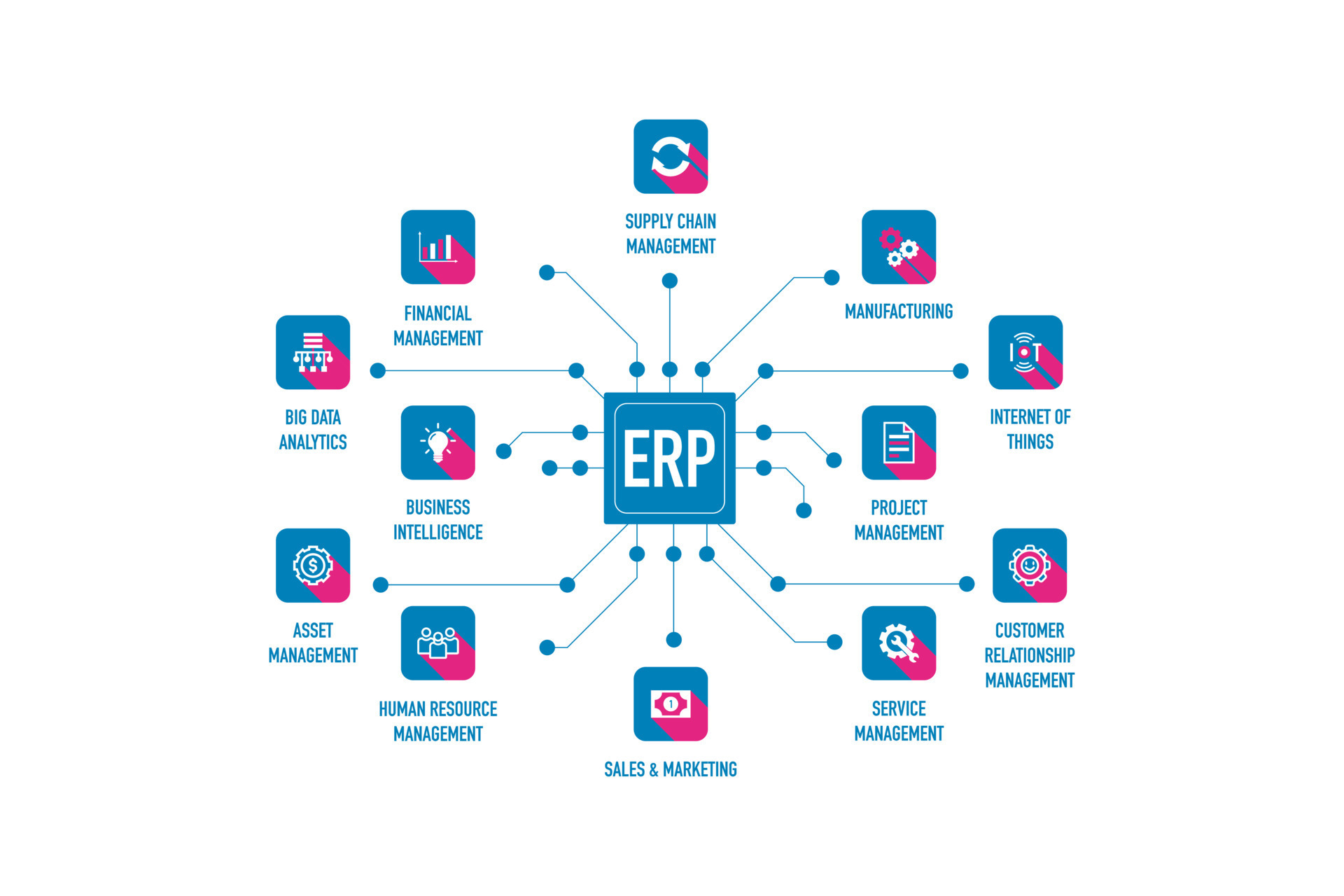
The implementation of Enterprise Resource Planning (ERP) systems has revolutionized how organizations manage their processes, leading to enhanced efficiency and greater productivity. By integrating various business functions into a single system, ERP solutions streamline operations, reduce redundancies, and provide real-time data access, allowing companies to make informed decisions swiftly.
ERP systems are designed to harmonize different departments such as finance, human resources, supply chain, and customer relationship management. This integration fosters better communication and collaboration between teams, which is vital for operational success. The automation of routine tasks reduces the time and effort spent on manual processes, allowing employees to focus on higher-value activities that directly contribute to organizational goals.
Streamlining Business Processes for Improved Efficiency
The primary benefit of ERP systems is their capacity to streamline business operations. This streamlining occurs through various mechanisms, which include:
- Centralized Data Management: ERP systems create a single source of truth by consolidating data from different departments. This eliminates data silos and ensures that all stakeholders have access to accurate and up-to-date information.
- Process Automation: Routine tasks such as order processing, invoicing, and inventory management can be automated, significantly reducing errors and operational costs.
- Improved Collaboration: With a unified system, departments can easily share information, which enhances teamwork and reduces miscommunication.
- Real-time Reporting: ERP software provides real-time analytics and reporting tools that help management make informed decisions quickly, responding to market changes proactively.
Case studies illustrate the tangible impact of ERP systems on productivity. For instance, a multinational manufacturing company reported a 25% increase in productivity after implementing an ERP solution that integrated its supply chain and production processes. The system allowed for better demand forecasting, which optimized inventory levels and reduced waste.
Another notable example comes from a retail organization that adopted an ERP system to manage its customer relationship processes. As a result, the company experienced a 30% improvement in customer satisfaction ratings due to faster response times and more personalized service.
Metrics for Measuring ERP Impact
To assess the effectiveness of ERP systems, organizations utilize various metrics that provide insight into their operational performance. Key performance indicators (KPIs) associated with ERP implementation include:
- Order Fulfillment Time: Tracking the time it takes to process and deliver an order can reveal how well the ERP system improves operational efficiency.
- Inventory Turnover Rate: This metric indicates how effectively inventory is managed, with higher rates suggesting better management and reduced holding costs.
- Employee Productivity: Measuring output per employee before and after ERP implementation can highlight efficiency gains.
- Cost Reduction: Analyzing operational costs over time provides insight into how much an ERP system has contributed to financial savings.
Overall, the successful deployment of ERP systems not only enhances organizational efficiency but also drives increased productivity, reinforcing the need for businesses to consider these solutions as essential tools for growth and competitiveness.
Customization versus standardization in ERP solutions presents unique challenges for businesses.
In the world of Enterprise Resource Planning (ERP), businesses often grapple with the decision between customizing their systems to fit specific needs or opting for standardized solutions. Each approach carries its own advantages and disadvantages, making it crucial for organizations to carefully evaluate their unique circumstances before making a commitment. Understanding these complexities can significantly impact operational efficiency and overall success.
Customization of ERP systems allows businesses to tailor functionalities, workflows, and reports to meet specific operational requirements. However, this flexibility also introduces challenges related to cost, implementation time, and system maintenance. Standardization, on the other hand, offers a tried-and-tested framework that can streamline processes across the organization, but it may not cater to all unique business needs.
Advantages and Disadvantages of Customization
The customization of ERP systems can greatly benefit organizations by aligning software functionalities with precise business processes. This tailored approach can improve user adoption and satisfaction, as the system feels relevant and intuitive. However, the downside is that customization often leads to increased complexity, higher costs, and extended implementation times due to the need for specialized development and testing.
- Advantages:
- Highly tailored solutions that align with specific business processes.
- Improved user experience and adoption due to relevance.
- Potential for competitive advantage through unique functionalities.
- Disadvantages:
- Increased costs associated with development and ongoing updates.
- Longer implementation timelines due to complexity.
- Potential for system instability if not managed properly.
Industries Requiring Customization versus Those Favoring Standardization
Certain industries thrive on customization due to their unique operational needs. For instance, manufacturing companies often require bespoke solutions to integrate various production processes and manage supply chains effectively. In contrast, industries such as retail or hospitality may benefit from standardized ERP solutions that provide essential functionalities like inventory management and point-of-sale integration without the need for extensive modifications.
The distinction between these industries underscores the importance of understanding specific business needs before deciding on customization or standardization.
Potential Risks in ERP Implementation
Both customization and standardization in ERP implementation come with their own set of risks that organizations must navigate. Customization can lead to significant technical debt if not managed properly, resulting in systems that are difficult to maintain or upgrade. Conversely, standardized solutions may not adequately address unique business problems, leading to inefficiencies and user frustration.
“Choosing the right approach in ERP implementation can define a company’s operational success or failure.”
Organizations should also consider the long-term implications of their choice, including potential scalability issues and the adaptability of the system as business needs evolve. By understanding these risks, companies can better strategize their ERP implementation approach, ensuring a balance between their personalized requirements and operational efficiency.
The role of cloud technology in modern ERP systems transforms traditional business practices.
Cloud technology has revolutionized the landscape of Enterprise Resource Planning (ERP) systems, shifting the way organizations manage their resources and processes. Unlike traditional systems that rely on on-premise infrastructure, cloud-based ERP solutions offer flexibility, scalability, and accessibility, which are essential for modern businesses striving to remain competitive in a fast-paced environment. This transformation empowers organizations to make data-driven decisions, enhance collaboration, and optimize operations.
Differences between Cloud-based and On-Premise ERP Systems
Cloud-based ERP solutions differ significantly from on-premise systems in various ways. On-premise ERP requires organizations to invest in hardware and software on-site, leading to higher upfront costs and ongoing maintenance responsibilities. In contrast, cloud-based ERP systems are hosted remotely, allowing companies to access their applications via the internet. This difference leads to variations in implementation speed, cost structure, and overall management.
Key distinctions include:
- Cost Structure: On-premise systems involve significant capital expenditure for hardware and software, while cloud solutions typically follow a subscription model, reducing initial investment.
- Maintenance: On-premise systems require dedicated IT resources for maintenance and updates, whereas cloud providers manage these tasks, allowing organizations to focus on core operations.
- Accessibility: Cloud-based ERP systems can be accessed from any location with an internet connection, facilitating remote work and collaboration, unlike the more restricted on-premise solutions.
- Scalability: Cloud ERP systems allow organizations to scale their operations easily by adjusting their subscription plans to meet changing business needs, a flexibility that on-premise solutions often lack.
Benefits and Challenges of Cloud-based ERP Systems
Adopting cloud-based ERP systems comes with numerous advantages and potential challenges, which vary based on the size and nature of the organization implementing them.
The benefits of cloud-based ERP systems include:
- Cost Efficiency: By eliminating the need for physical infrastructure and reducing IT overhead, organizations can allocate resources more effectively.
- Improved Collaboration: Cloud solutions enable seamless collaboration among employees, partners, and customers, regardless of geographical boundaries.
- Rapid Implementation: Organizations can deploy cloud ERP systems faster than traditional solutions, allowing for quicker realization of benefits.
- Regular Updates: Cloud service providers continually update their software, ensuring clients benefit from the latest features and security enhancements without manual intervention.
However, organizations may also face challenges, such as:
- Data Security Concerns: Storing sensitive information off-site can raise security concerns, necessitating strict security measures from providers.
- Reliability of Internet Connection: Dependence on internet connectivity can pose operational risks, especially in areas with unstable connections.
- Vendor Lock-in: Switching providers can be complex and costly if organizations become too reliant on a single vendor’s ecosystem.
Scalability and Accessibility Enhancements through Cloud Technology
Cloud technology inherently enhances the scalability and accessibility of ERP solutions, making them particularly attractive to businesses of all sizes. The ability to adjust resources based on demand allows organizations to respond swiftly to changes in their business environment.
Key aspects of scalability and accessibility include:
- Elasticity: Cloud ERP solutions can adjust resources dynamically, allowing organizations to scale their operations up or down based on real-time needs, such as seasonal demand shifts.
- Global Reach: With cloud solutions, companies can expand into new markets without the barrier of establishing local IT infrastructure, facilitating global operations.
- Remote Access: Employees can access ERP systems from various devices, promoting productivity and flexibility in work arrangements.
- Integration Capabilities: Cloud-based ERP systems often come equipped with APIs that enable seamless integration with other cloud applications, expanding their functionality and enhancing data flow.
The adoption of cloud technology in ERP systems represents a significant shift from traditional practices, fostering an environment where organizations can innovate and thrive in an increasingly digital economy.
User training and change management are critical for successful ERP implementation.
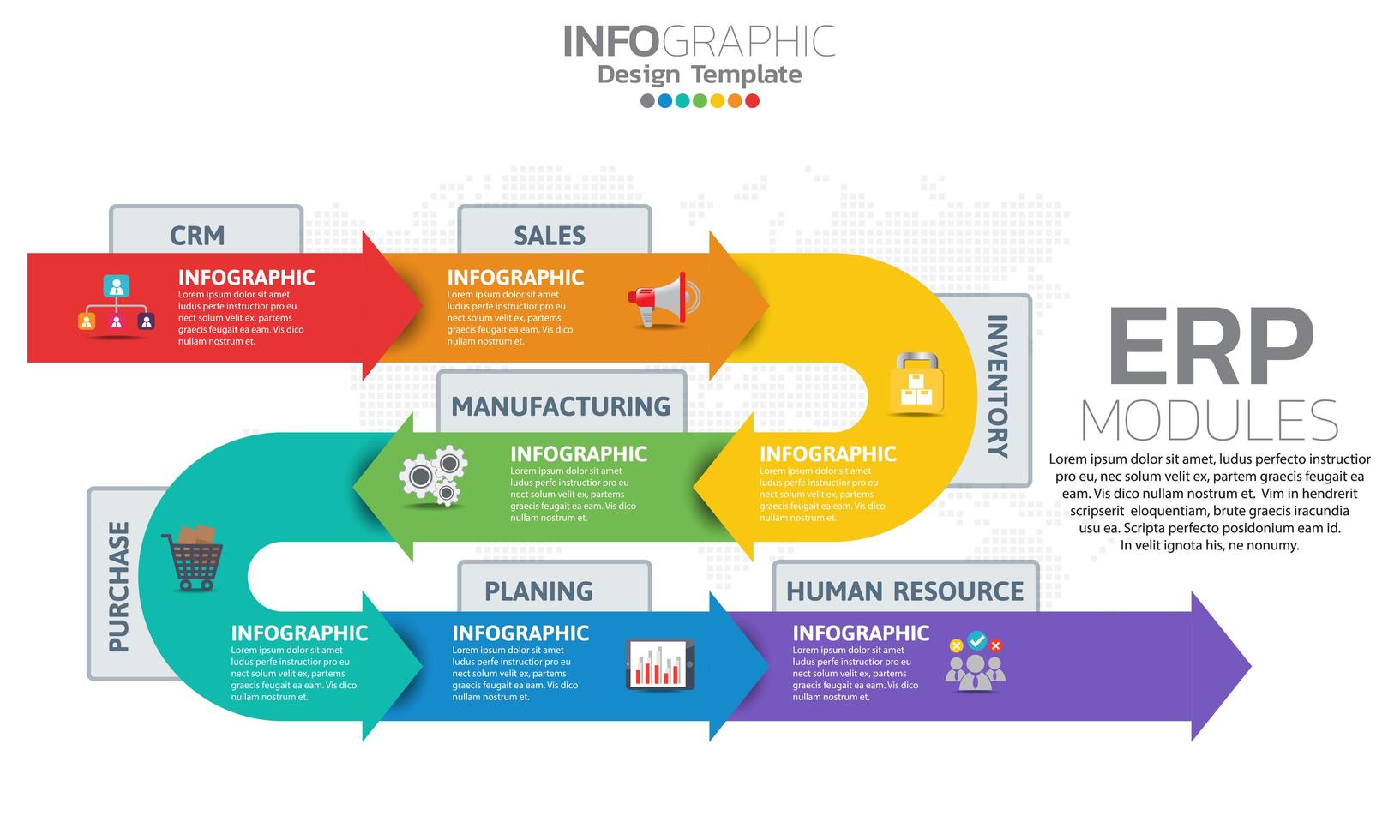
Successful ERP implementation hinges not just on technology but also on the people who will use these systems. User training and effective change management are paramount to ensure that everyone involved is prepared for the transition. Focusing on these areas can facilitate smoother adoption and maximize the benefits of the new ERP system.
Training programs for users are crucial as they equip employees with the necessary skills to navigate the ERP system confidently. Comprehensive training enhances user adoption rates, minimizes resistance, and fosters a more productive workforce. When users feel competent and supported, they are more likely to leverage the ERP system to its fullest potential, leading to improved efficiency and business outcomes.
Importance of User Training Programs
User training programs serve as the foundation for successful ERP implementation. These programs should be meticulously designed to meet the varied needs of different users within the organization. The following points illustrate why effective training is vital:
-
Empowerment: Training empowers users to take ownership of the system, ensuring they can effectively perform their roles.
-
Efficiency: Well-trained users navigate the ERP system more efficiently, reducing error rates and improving overall productivity.
-
Adaptability: Training helps users adapt to the changes that the new system brings, reducing resistance to change.
-
Support: A robust training program provides ongoing support, which is essential for troubleshooting and optimizing system usage.
Change Management Plan Steps
Implementing a change management plan is essential for addressing the organizational shifts that accompany ERP adoption. A structured approach will help in minimizing disruption and enhancing user buy-in. Below are the fundamental steps in a change management plan during ERP implementation:
-
Assessment: Evaluate the current organizational culture and identify potential challenges regarding the ERP adoption.
-
Engagement: Involve key stakeholders from various departments to foster a sense of ownership and gather diverse perspectives.
-
Communication: Develop a clear communication strategy to articulate the purpose of the ERP system and how it benefits the organization.
-
Training: Implement tailored training programs for different user groups, focusing on their specific roles and functionalities of the ERP system.
-
Support: Establish support channels, such as help desks or user forums, to assist employees during the transition.
-
Feedback: Create mechanisms for continuous feedback to assess the effectiveness of the training and adjust strategies as necessary.
Best Practices in Training and Change Management
Organizations that have successfully adopted ERP systems often share common best practices in training and managing change. These practices enhance the overall outcome of ERP implementations:
-
Customization: Tailor training content to specific user roles to make it relevant and relatable.
-
Hands-on Experience: Incorporate practical sessions where users can interact with the system in a controlled environment.
-
Ongoing Education: Offer refresher courses and advanced training sessions to ensure continuous learning and adaptation.
-
Leadership Support: Ensure that organizational leaders are visible advocates of the ERP system, reinforcing its importance to all staff.
-
Celebrate Milestones: Recognize and celebrate achievements in the adoption process to maintain enthusiasm and engagement among users.
The future trends in ERP systems indicate a shift towards greater automation and AI integration.
As businesses evolve, Enterprise Resource Planning (ERP) systems are transforming to meet the demands of modern operations. A significant trend is the shift towards greater automation and the integration of artificial intelligence (AI). This evolution aims to streamline processes, enhance decision-making, and improve overall efficiency. By understanding these changes, organizations can better position themselves for future success.
Emerging trends in ERP technology
The landscape of ERP technology is rapidly changing, with several key trends emerging that highlight the focus on automation and AI. These trends are reshaping how businesses operate and manage their resources. The following highlights the primary trends that are influencing the future of ERP systems:
- Cloud-Based Solutions: The migration to cloud-based ERP systems is one of the most significant trends. This transition offers businesses greater flexibility, scalability, and cost-effectiveness by eliminating the need for extensive on-premise infrastructure.
- AI and Machine Learning Integration: The incorporation of AI and machine learning into ERP systems enhances data analysis and automates routine tasks. This leads to more informed decision-making and forecasting, allowing organizations to respond swiftly to market changes.
- Robotic Process Automation (RPA): RPA is increasingly utilized within ERP systems to automate repetitive tasks, such as data entry and report generation. This not only reduces the potential for human error but also frees up employees to focus on more strategic activities.
Enhancing ERP functionality with automation and AI
The integration of automation and artificial intelligence into ERP systems significantly enhances their functionality. These technologies work synergistically to streamline operations and improve data handling across various business functions.
Automated processes reduce manual inputs, leading to faster execution of tasks and substantial cost savings. For example, AI-driven analytics can provide real-time insights into inventory levels, sales trends, and customer behavior. This allows businesses to make proactive adjustments to their operations, improving responsiveness and customer satisfaction.
The future of ERP systems hinges on the ability to leverage AI for predictive analytics, enabling businesses to anticipate changes and align resources effectively.
Predictive analysis of future business operations
Looking ahead, the trends in ERP systems focused on automation and AI are expected to have profound implications for business operations. As these technologies advance, companies can anticipate several crucial shifts:
1. Increased Efficiency and Productivity: Automation will streamline workflows across departments, leading to quicker turnaround times for projects and tasks.
2. Enhanced Decision-Making: With AI-powered analytics, organizations can make data-driven decisions more effectively, reducing reliance on intuition and subjective judgment.
3. Greater Customer Engagement: Personalized experiences and recommendations driven by AI can significantly enhance customer satisfaction and loyalty, directly impacting revenue growth.
For instance, consider a retail company that implements an AI-integrated ERP system. By analyzing customer purchasing patterns, the system can predict future sales trends, optimize inventory levels, and tailor marketing strategies to specific customer segments, effectively increasing sales opportunities and reducing waste.
As businesses embrace these trends, they will likely see a transformation in their operational capabilities, enabling them to adapt swiftly to changing market demands and maintain a competitive edge.
Security considerations are paramount in the implementation of ERP systems across industries.
In today’s digital landscape, where data breaches and cyber threats are rampant, the security of Enterprise Resource Planning (ERP) systems is crucial. Organizations rely on these systems for critical business operations, making them attractive targets for malicious actors. Implementing robust security measures not only protects sensitive information but also ensures compliance with industry regulations and maintains customer trust.
Essential security measures for ERP systems encompass various layers of protection. These measures must be integrated into the system from the outset, focusing on data security, user access management, and network security. Each aspect plays a vital role in fortifying the ERP against potential threats.
Essential Security Measures for ERP Systems
To effectively safeguard ERP systems, organizations should adopt a multifaceted approach to security. Key measures include:
- Data Encryption: Encrypting sensitive data both in transit and at rest prevents unauthorized access. This ensures only authorized users can decrypt and utilize the information.
- User Access Control: Implementing role-based access control (RBAC) restricts access to sensitive data based on user roles. This minimizes the risk of insider threats and ensures that users only access information necessary for their roles.
- Regular Security Audits: Conducting routine security audits helps identify vulnerabilities and assess compliance with security policies. These audits are essential for detecting any anomalies or unauthorized access attempts.
- Multi-Factor Authentication (MFA): This adds an extra layer of security by requiring users to provide multiple forms of verification before accessing the ERP system, significantly reducing the risk of unauthorized access.
- Patch Management: Regularly updating software to patch known vulnerabilities is critical for keeping the ERP system secure. Organizations must stay informed about security updates and apply them promptly.
Potential risks and vulnerabilities associated with ERP systems can lead to significant operational disruptions. These risks include data breaches, unauthorized access, and even system downtime due to cyberattacks. To mitigate these threats, organizations must adopt a proactive approach to security by not only implementing the aforementioned measures but also educating employees about safe practices and potential threats.
Risks and Vulnerabilities in ERP Systems
Several key risks and vulnerabilities exist in ERP systems, which can affect the integrity and availability of the system. Understanding these risks enables organizations to develop effective strategies for mitigation.
- Data Breaches: Unauthorized access to sensitive information can lead to data breaches, resulting in financial losses and reputational damage.
- Weak Password Policies: Poor password management practices can lead to unauthorized access. Organizations must enforce strong password policies to reduce this risk.
- Insider Threats: Employees with legitimate access may intentionally or accidentally compromise security. Regular training and monitoring are essential to mitigate these risks.
- Integration Vulnerabilities: ERP systems often integrate with other applications, which can introduce vulnerabilities if not properly secured. Secure connections and thorough vetting of integrations are critical.
- Outdated Software: Running outdated software can expose systems to known vulnerabilities. Keeping all software updated is essential for security.
Compliance with industry regulations is another critical aspect of ERP system security. Various sectors have specific standards that organizations must adhere to, ensuring the protection of both data and user privacy.
Compliance Standards Relevant to ERP Systems
Different sectors impose various compliance standards that organizations must follow when implementing ERP systems. These standards help protect sensitive data and ensure best practices in data management.
- General Data Protection Regulation (GDPR): This EU regulation governs the collection and processing of personal data, requiring organizations to implement stringent data protection measures.
- Health Insurance Portability and Accountability Act (HIPAA): Applicable to healthcare organizations, HIPAA mandates strict security and privacy measures for handling patient information in ERP systems.
- Payment Card Industry Data Security Standard (PCI DSS): This standard applies to organizations that process credit card transactions, requiring robust security measures to protect payment information.
- Federal Information Security Management Act (FISMA): For U.S. federal agencies, FISMA establishes a framework for securing government information systems, including ERP systems.
- ISO/IEC 27001: This international standard specifies requirements for establishing, implementing, maintaining, and continuously improving an information security management system (ISMS).
Closure
In conclusion, the journey through Enterprise Resource Planning (ERP) highlights its pivotal role in shaping the future of business operations. With the right implementation strategy and an eye on emerging trends like automation and AI, organizations can not only enhance their efficiency but also foster a culture of adaptability and growth. Embracing ERP is no longer an option; it’s a necessity for thriving in today’s dynamic market.
Common Queries
What is Enterprise Resource Planning (ERP)?
ERP is a type of software that organizations use to manage and integrate their core business processes, such as finance, HR, and supply chain management.
How does ERP improve business efficiency?
ERP improves efficiency by automating routine tasks, streamlining workflows, and providing real-time data that enables better decision-making.
What industries benefit the most from ERP systems?
Industries such as manufacturing, retail, and healthcare often see significant benefits from ERP systems due to their complex operational needs.
Is user training necessary for ERP implementation?
Yes, user training is crucial for ensuring that employees can effectively utilize ERP systems and maximize their benefits.
What are common challenges in ERP implementation?
Common challenges include resistance to change, data migration issues, and the need for customization to fit specific business needs.
How can businesses ensure data security in ERP systems?
To ensure data security, businesses should implement strong access controls, regular security audits, and comply with relevant compliance standards.