Endpoint Protection is not just a technological buzzword; it’s a crucial element in the defense against modern cyber threats that can jeopardize your organization’s sensitive data. As cybercriminals become more sophisticated, the need for robust endpoint protection has never been more pressing. Imagine a world where your devices, from laptops to smartphones, are shielded from harmful attacks, ensuring that your business operations run smoothly and securely. This introduction sets the stage for a deeper dive into the multifaceted role of endpoint protection in today’s cybersecurity landscape.
Endpoint protection solutions serve as the first line of defense against an increasingly complex array of cyber threats. By implementing these solutions, organizations not only enhance their security posture but also foster a culture of proactive risk management. From identifying potential vulnerabilities to responding swiftly to incidents, endpoint protection is integral in safeguarding data integrity and continuity.
Understanding the Importance of Endpoint Protection in Modern Cybersecurity
In today’s hyper-connected digital landscape, the significance of endpoint protection cannot be overstated. As organizations increasingly rely on remote work and mobile devices, the endpoints—laptops, smartphones, tablets, and even IoT devices—have become prime targets for cybercriminals. The challenge lies in safeguarding these endpoints from a myriad of cyber threats, ensuring the integrity and confidentiality of sensitive organizational data.
The rise of cyber threats has been unprecedented in recent years. According to cybersecurity reports, ransomware attacks have surged, with attackers exploiting vulnerabilities in endpoint devices to breach networks. Endpoint protection serves as the first line of defense against these threats, playing a crucial role in mitigating risks associated with malware, phishing, and other malicious tactics. Implementing robust endpoint security measures can significantly reduce the chances of a successful cyber attack, thus protecting not only the data but also the reputation and financial stability of the organization.
Examples of Security Breaches Prevented by Endpoint Protection
A plethora of security breaches have occurred due to inadequate endpoint protection, highlighting the necessity of comprehensive security solutions. Some notable examples include:
– Target Corporation (2013): The data breach that exposed 40 million credit card numbers stemmed from compromised credentials through an unsecured vendor’s laptop. Proper endpoint protection could have mitigated this risk by segmenting network access and enforcing stringent security controls.
– Equifax (2017): This massive data breach, which affected 147 million individuals, was due to vulnerabilities in their web application framework. Enhanced endpoint protection, including regular updates and patch management, could have detected and resolved these vulnerabilities before they were exploited.
– WannaCry Ransomware Attack (2017): This global cyberattack affected hundreds of thousands of computers in over 150 countries. Many organizations suffered due to outdated software on their endpoints. Robust endpoint protection measures, such as regular updates and real-time threat detection, could have prevented this widespread disruption.
The context behind these breaches underscores the importance of investing in advanced endpoint protection solutions. Effective endpoint protection encompasses not only antivirus and anti-malware tools but also includes features like threat intelligence, behavior analysis, and incident response capabilities. By deploying a multi-layered security approach, organizations can enhance their resilience against evolving cyber threats, ensuring that even if a breach occurs, its impact can be substantially minimized.
In conclusion, the necessity of endpoint protection in modern cybersecurity strategies is evident. As cyber threats continue to evolve, organizations must remain vigilant and proactive in safeguarding their endpoints. By adopting comprehensive security measures, they can significantly reduce vulnerabilities and secure their sensitive data against potential breaches.
Different Types of Endpoint Protection Solutions Available in the Market
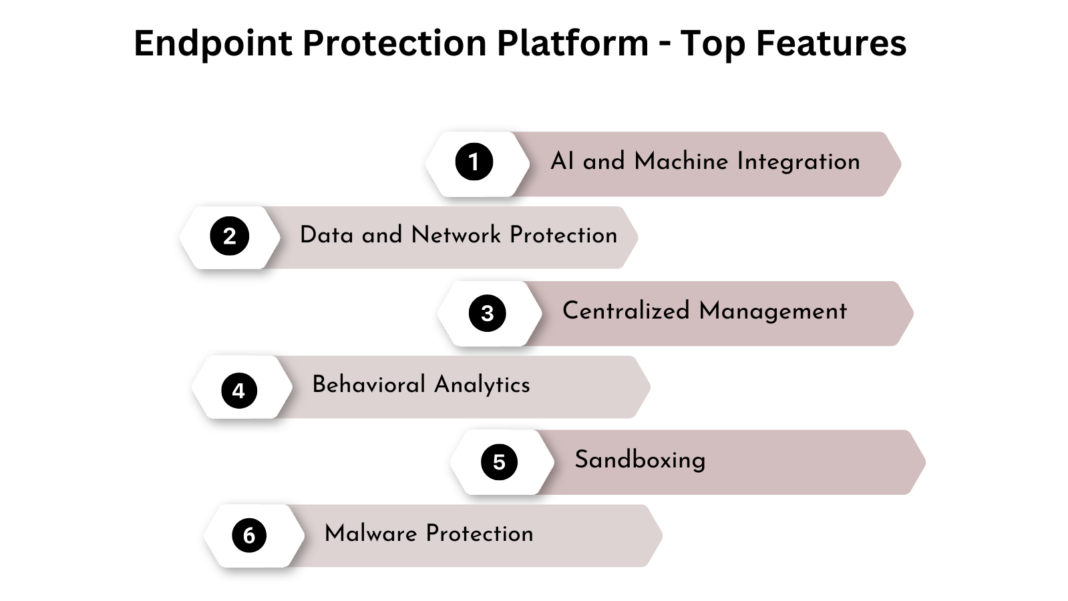
As cyber threats continue to evolve, the need for robust endpoint protection solutions has escalated. Organizations must protect their devices, networks, and data from malicious attacks. This section delves into the various types of endpoint protection solutions available today, highlighting their functionalities and unique capabilities.
Types of Endpoint Protection Solutions
There are several categories of endpoint protection solutions, each designed to address specific security challenges. Below are three prominent types:
- Traditional Antivirus Software: This is the classic approach to endpoint security, focusing primarily on detecting and removing known malware. While effective against straightforward threats, traditional antivirus may struggle with advanced persistent threats (APTs) and polymorphic malware. Regular updates are required to maintain effectiveness.
- Next-Generation Antivirus (NGAV): NGAV solutions leverage advanced technologies, such as machine learning and behavioral analysis, to identify and neutralize threats in real-time. They offer greater protection against sophisticated attacks by analyzing file behavior and applying threat intelligence, thus addressing the limitations of traditional antivirus software.
- Endpoint Detection and Response (EDR): EDR solutions provide a more comprehensive security approach by continuously monitoring endpoints for suspicious activity. These tools not only detect threats but also respond to incidents, allowing for rapid remediation. EDR solutions are invaluable for organizations facing complex and evolving security landscapes.
Comparison of Traditional Antivirus and Next-Generation Solutions
Traditional antivirus software mainly focuses on signature-based detection, which limits its effectiveness against new and advanced threats. In contrast, next-generation endpoint solutions integrate multiple detection methodologies, including heuristics and machine learning, allowing them to identify unknown malware proactively.
“While traditional antivirus provides a foundational layer of defense, next-generation solutions enhance security by adapting to new threats and utilizing behavioral analytics.”
Features, Advantages, and Limitations of Endpoint Protection Tools
The following table Artikels the features, advantages, and limitations of various endpoint protection tools:
| Solution Type | Features | Advantages | Limitations |
|---|---|---|---|
| Traditional Antivirus | Signature-based detection, scheduled scans | Simple to deploy, low resource usage | Limited against new threats, high false positives |
| Next-Generation Antivirus | Behavioral analysis, machine learning | Proactive threat detection, minimal false positives | Higher cost, requires more resources |
| Endpoint Detection and Response | Continuous monitoring, automated response | Comprehensive threat visibility, faster incident response | Complex implementation, can be resource-intensive |
Key Features to Consider When Choosing an Endpoint Protection Solution

As organizations increasingly rely on digital infrastructures, selecting the right endpoint protection solution has become paramount. An effective endpoint protection solution safeguards devices against a variety of cyber threats, ensuring the confidentiality, integrity, and availability of critical data. When evaluating options, it’s essential to focus on key features that will enhance security measures and provide robust defenses against evolving threats.
Threat Detection
A fundamental aspect of any endpoint protection solution is its ability to detect threats proactively. This involves not only recognizing known malware but also identifying sophisticated attacks, such as zero-day vulnerabilities.
- Advanced Threat Detection: Solutions that leverage machine learning can analyze behavior patterns and identify anomalies. For instance, CrowdStrike Falcon uses this technology to detect threats based on unusual user behavior, quickly identifying compromised accounts before significant damage occurs.
- Signature-Based Detection: While newer methods are essential, traditional signature-based detection remains important for recognizing known threats. Solutions like McAfee Endpoint Security provide extensive databases of malware signatures, allowing for rapid identification of existing threats.
Response Capabilities
Once a threat is detected, the response capabilities of an endpoint protection solution become critical. The ability to act quickly and effectively can significantly mitigate damage.
- Automated Remediation: Solutions with automated remediation features can isolate infected endpoints and remove malware without human intervention. For example, Microsoft Defender ATP can automatically quarantine files and restrict network access to infected devices, preventing further spread.
- Incident Response Coordination: Integrating with Security Information and Event Management (SIEM) systems allows for better coordination of incident response efforts. An example is Symantec Endpoint Protection, which integrates with various SIEM tools to streamline incident management and provide a comprehensive view of security incidents.
User Management
Effective user management is essential for ensuring that only authorized personnel have access to sensitive information and systems.
- Role-Based Access Control (RBAC): Solutions that offer RBAC allow organizations to grant permissions based on user roles, minimizing the risk of unauthorized access. For instance, Palo Alto Networks Cortex XDR enables organizations to define user roles clearly, ensuring that only necessary access is granted.
- User Activity Monitoring: Keeping track of user activities can help identify potential insider threats. For example, Bitdefender GravityZone provides detailed logs and alerts for unusual user actions, helping security teams to detect and respond to insider threats in real time.
Implementing these key features in an endpoint protection solution can significantly enhance an organization’s security posture, effectively mitigating risks associated with cyber threats. By combining advanced threat detection, robust response capabilities, and efficient user management, businesses can safeguard their endpoints and protect their critical assets more effectively.
The Role of Artificial Intelligence in Enhancing Endpoint Protection
Artificial Intelligence (AI) and Machine Learning (ML) technologies are revolutionizing the way organizations approach endpoint protection. By leveraging these advanced technologies, security solutions can learn from vast amounts of data, identify patterns, and predict potential threats in real-time. This transformation not only enhances security measures but also streamlines responses to incidents, making endpoint protection more efficient and effective.
AI and ML are integral to improving threat detection rates and minimizing false positives in cybersecurity. Traditional security systems often rely on predefined signatures of known malware, which can leave vulnerabilities exposed to new, sophisticated threats. In contrast, AI-driven systems analyze network behavior and user actions, learning what constitutes normal activity. By establishing a baseline of typical behavior, these systems can flag anomalies that may indicate malicious activity. For instance, if a user account suddenly begins accessing files it typically does not, the AI can trigger alerts and initiate responses—allowing for quicker remediation.
In terms of threat detection rates, studies have shown that AI-enhanced systems can achieve detection rates upwards of 95%, significantly higher than conventional methods. This is largely due to the ability of AI to adapt and learn from emerging threats. Moreover, AI can help reduce false positives by differentiating between innocuous anomalies and genuine threats. With sophisticated algorithms that analyze contextual information, AI can filter out noise, allowing security teams to focus on real issues rather than sifting through countless alerts that do not pose a risk.
Future Trends in AI for Endpoint Security
Looking ahead, several trends in AI are poised to further bolster endpoint security. These advancements not only promise to enhance detection and response capabilities but also aim to create a more proactive security posture for organizations.
1. Predictive Analytics: As AI continues to evolve, predictive analytics will play a crucial role in endpoint protection. By forecasting potential attack vectors based on historical data and behavioral patterns, organizations can implement preventive measures before an attack occurs.
2. Automated Response Systems: Future AI technologies will enhance automated response capabilities, taking real-time action against threats without human intervention. This will enable organizations to respond to incidents at machine speed, minimizing potential damage.
3. Integration with IoT Security: As the Internet of Things (IoT) expands, AI will be essential in managing endpoint security across diverse devices. AI systems will learn the unique security requirements of various IoT devices and adapt protection strategies accordingly.
4. Enhanced User Behavior Analytics: Future AI solutions will refine user behavior analytics, utilizing deep learning techniques to understand users’ interactions with systems better. This will allow for more personalized security measures tailored to individual users, enhancing overall security.
5. Collaboration and Threat Intelligence Sharing: AI will facilitate better collaboration across organizations, allowing for shared threat intelligence. By connecting multiple AI systems, organizations can collectively learn from attacks, adapting their defenses accordingly.
In summary, the integration of AI and ML technologies is significantly enhancing endpoint protection. By improving threat detection rates, reducing false positives, and introducing innovative future trends, AI is set to redefine the landscape of cybersecurity, enabling more robust and adaptive defense mechanisms.
Best Practices for Implementing Endpoint Protection in Organizations
Implementing robust endpoint protection is essential for organizations to safeguard sensitive data, maintain compliance, and defend against evolving cyber threats. A comprehensive approach involves a series of best practices that ensure effective deployment and management of endpoint security solutions. By focusing on these strategies, organizations can enhance their security posture and reduce the risk of breaches.
Effective Strategies for Endpoint Protection
To successfully implement endpoint protection, organizations should adopt the following best practices:
– Conduct a Comprehensive Risk Assessment: Identify vulnerabilities and potential threats to endpoints by performing regular risk assessments. This step provides insights into existing weaknesses and informs the security strategy.
– Implement Layered Security: Employ a multi-layered security approach that combines antivirus, firewalls, intrusion detection systems, and endpoint detection and response (EDR) solutions. This strategy provides redundancy and improves overall security.
– Establish Security Policies: Develop and enforce clear endpoint protection policies that Artikel acceptable use, remote access, and data protection protocols. Ensuring that employees understand these policies helps mitigate risks associated with human behavior.
– Regular Software Updates and Patch Management: Keep all software and operating systems up-to-date to close security gaps. Applying patches promptly helps protect against vulnerabilities that cybercriminals may exploit.
– Utilize Endpoint Encryption: Encrypt sensitive data on endpoints to protect it from unauthorized access. This measure is particularly important for mobile devices and laptops that may be lost or stolen.
– Implement User Training and Awareness Programs: Regularly educate employees about cybersecurity threats, safe practices, and the importance of endpoint security. Training helps create a security-aware culture, empowering users to be the first line of defense.
– Monitor and Respond to Threats: Continuously monitor endpoints for suspicious activity and implement an incident response plan to address potential breaches swiftly. Proactive monitoring can significantly reduce the damage caused by security incidents.
Organizations should take the following actions to ensure successful deployment of endpoint protection:
- Conduct regular security audits.
- Integrate endpoint protection into the overall IT strategy.
- Engage with security vendors for updates and insights.
- Establish clear communication channels for security issues.
- Prioritize critical assets for protection.
- Utilize threat intelligence to stay informed on emerging risks.
- Test incident response plans regularly through simulations.
Regular updates and user training play a crucial role in maintaining endpoint security. Keeping software current ensures that the latest security features and patches are in place to mitigate vulnerabilities. User training helps employees recognize social engineering attempts and other potential threats, making them active participants in safeguarding the organization’s data. By combining technology with informed human behavior, organizations can significantly enhance their endpoint security efforts.
Overcoming Common Challenges in Endpoint Protection Deployment
Deploying endpoint protection is crucial for safeguarding an organization’s sensitive data and systems from ever-evolving cyber threats. However, this process often encounters several hurdles that can inhibit its effectiveness. Companies typically face challenges such as resistance from employees, integration issues, and the need for continuous updates and management. Addressing these challenges is essential to ensure a successful deployment of endpoint protection solutions.
One of the most prevalent challenges is the resistance from employees towards new security protocols. Many employees may view these measures as unnecessary hindrances to their daily tasks. To combat this, organizations should focus on promoting a culture of security awareness. This can be achieved through regular training sessions that emphasize the importance of cybersecurity and the role each employee plays in safeguarding the company’s assets. Interactive training programs that include real-life scenarios can also engage employees more effectively. Additionally, organizations can implement a feedback loop where employees can express their concerns and suggestions regarding endpoint protection strategies, fostering a sense of ownership and collaboration.
Another significant challenge is the integration of endpoint protection solutions with existing IT infrastructure. Organizations often utilize multiple systems, which can lead to compatibility issues. To address this, it is advisable to conduct a thorough assessment of the current IT environment before implementation. Organizations should choose endpoint protection solutions that are designed to easily integrate with a variety of operating systems and applications. Furthermore, leveraging cloud-based solutions can enhance compatibility and provide more flexibility in scaling security measures as the organization grows.
Ongoing management and updates of the endpoint protection systems can also present challenges. Cyber threats are constantly evolving, and endpoint protection solutions require regular updates to remain effective. Organizations can establish a dedicated security team responsible for monitoring, updating, and managing the endpoint protection systems. Automating updates can also alleviate the burden on IT staff and ensure that systems are always protected against the latest threats. Implementing a security information and event management (SIEM) system can provide valuable insights into threat detection and response, further enhancing the organization’s security posture.
Fostering a Security-Aware Culture
Creating a culture of security awareness among employees is essential for the success of endpoint protection deployments. Employees should understand that cybersecurity is not solely the responsibility of the IT department but a collective effort that requires everyone’s participation. To foster this culture, organizations can implement the following strategies:
– Regular Training Programs: Conducting periodic training sessions helps keep employees informed about the latest cybersecurity threats and safe practices. These sessions should include interactive elements such as quizzes and simulations to reinforce learning.
– Real-Life Case Studies: Sharing case studies of cyber incidents, both within the organization and across the industry, can illustrate the potential consequences of poor cybersecurity practices. This tangible evidence can motivate employees to adhere to security protocols.
– Incentives for Compliance: Rewarding employees for adhering to security practices can encourage positive behavior. Recognitions such as “Employee of the Month” based on adherence to security measures can create friendly competition.
– Feedback Mechanism: Establishing channels for employees to share their observations and suggestions about security practices encourages active participation. This can lead to improvements in the security posture and employee engagement.
Implementing these strategies can significantly reduce resistance and enhance the overall effectiveness of endpoint protection across the organization.
“Creating a culture of cybersecurity requires continuous effort, engagement, and recognition of employee contributions to security practices.”
Case studies showcase successful strategies in overcoming deployment challenges. For example, a financial services firm faced significant resistance from its employees when implementing a new endpoint protection solution. Management initiated a comprehensive training program, which included real-life scenarios and a feedback mechanism. As a result, employee engagement improved dramatically, leading to a 40% reduction in security incidents within six months.
In another instance, a healthcare organization struggled with integrating endpoint protection across its diverse systems. By selecting a solution with seamless integration capabilities and prioritizing automated updates, the organization achieved a streamlined deployment process that bolstered its overall security framework without disrupting daily operations.
These case studies highlight the importance of addressing common challenges proactively and the positive impact of fostering a security-aware culture among employees. With the right strategies in place, organizations can navigate the complexities of endpoint protection deployment successfully.
Future Trends in Endpoint Protection and Emerging Technologies
As the digital landscape continues to evolve, endpoint protection must adapt to new challenges presented by increasingly sophisticated cyber threats. Emerging technologies play a crucial role in shaping the future of endpoint security. This section will delve into the anticipated trends in endpoint protection and how innovations such as IoT and cloud computing are influencing security strategies.
Trends Shaping Endpoint Protection
The endpoint protection landscape is expected to witness several transformative trends in the coming years. These trends are driven by the need to enhance security measures against evolving cyber threats.
- AI and Machine Learning Integration: Artificial intelligence (AI) and machine learning (ML) are becoming integral to endpoint security solutions. These technologies enhance threat detection capabilities by analyzing vast amounts of data in real-time, identifying patterns indicative of malicious behavior. For instance, AI can autonomously respond to potential threats, significantly reducing response times and minimizing damage.
- Zero Trust Security Model: The adoption of the Zero Trust security model emphasizes the principle of ‘never trust, always verify.’ This approach requires strict identity verification for every user and device attempting to access resources. Organizations are increasingly implementing this model to mitigate risks associated with remote work and insider threats.
- Extended Detection and Response (XDR): XDR platforms provide a holistic approach to threat detection and response by integrating various security products. By consolidating security data from multiple sources, XDR enables organizations to gain comprehensive visibility into their security posture, allowing for more efficient threat identification and remediation.
- Enhanced Mobile Device Management (MDM): With the proliferation of mobile devices, MDM solutions are evolving to include advanced security features. Organizations are focusing on securing mobile endpoints through better policy enforcement, application controls, and real-time threat monitoring to protect sensitive data accessed via mobile devices.
Influence of IoT and Cloud Computing on Endpoint Protection
The integration of Internet of Things (IoT) devices and the increasing reliance on cloud computing are reshaping endpoint protection strategies. As IoT devices proliferate across various sectors, they introduce unique vulnerabilities that traditional endpoint security measures may not effectively address.
The adoption of cloud computing facilitates the deployment of security solutions that are flexible and scalable, enabling organizations to protect a diverse range of endpoints. Cloud-based security services allow real-time data analysis and threat detection from multiple locations, enhancing overall security.
For example, consider a smart factory where various IoT devices communicate to streamline operations. If one of these devices is compromised, it could endanger the entire system. To mitigate this risk, organizations must ensure robust security measures are in place, including regular software updates, secure configurations, and continuous monitoring.
Emerging Security Solutions
As the threat landscape evolves, new security solutions are emerging to address novel challenges. Some of these potential solutions include:
- Behavioral Analytics: This technology leverages user and entity behavior analytics (UEBA) to detect anomalies in user behavior. By establishing a baseline of normal activity, organizations can identify unusual actions that may indicate a security incident.
- Decentralized Security Architectures: With the increasing adoption of blockchain technology, decentralized security architectures are gaining traction. These solutions enhance data integrity and privacy by distributing security across a network, making it more challenging for attackers to compromise a central point.
- Automated Threat Hunting: Automation in threat hunting can streamline the identification of potential security breaches. By employing automated tools that sift through vast amounts of data, organizations can proactively detect threats before they escalate into significant incidents.
- Privacy-First Security Solutions: With growing concerns over data privacy regulations, security solutions that prioritize user privacy are on the rise. These solutions ensure compliance with regulations while safeguarding sensitive data from unauthorized access.
Final Wrap-Up
In conclusion, the importance of Endpoint Protection cannot be overstated in an era where cyber threats are ubiquitous and constantly evolving. By understanding different solutions, key features, and best practices, organizations can effectively shield their endpoints from potential breaches. As technology advances, staying ahead of the curve with innovative strategies and tools will be essential for ensuring a secure digital environment. The journey towards comprehensive endpoint security is ongoing, but with the right measures, achieving a fortified defense is within reach.
Commonly Asked Questions
What is Endpoint Protection?
Endpoint Protection refers to security measures designed to protect endpoints, such as computers and mobile devices, from cyber threats.
Why is Endpoint Protection important for businesses?
It safeguards sensitive data, prevents breaches, and ensures compliance with regulations, ultimately protecting the organization’s reputation and financial health.
How often should Endpoint Protection tools be updated?
Endpoint Protection tools should be updated regularly, ideally in real-time, to ensure they can handle new and evolving threats.
Can Endpoint Protection solutions replace traditional antivirus software?
Yes, next-generation endpoint protection solutions often provide enhanced features beyond traditional antivirus, offering more comprehensive security.
What are the signs that an Endpoint Protection solution is effective?
Effective solutions show reduced incidents of breaches, quick detection of threats, and minimal disruption to operations.
How can organizations foster a security-aware culture?
Organizations can promote a security-aware culture through regular training, clear communication, and encouraging employees to report suspicious activities.