Drones have rapidly evolved from military tools into indispensable assets across various sectors. This transformation has revolutionized industries like agriculture, construction, and emergency response, showcasing the versatility and potential of drone technology. As we explore their journey, we uncover the fascinating advancements that have propelled drones into the civilian realm, making them a significant part of modern life.
From their early military applications to the latest innovations fueled by artificial intelligence, drones have become crucial in improving efficiency, safety, and even environmental monitoring. As we delve into this topic, we’ll highlight not only the technological progress but also the real-world impacts and challenges that come with this exciting evolution.
Drones and Their Evolution in Technology
The journey of drones has been nothing short of remarkable, transitioning from military tools to vital assets in various civilian sectors. Initially developed during World War I, drones were used for target practice and reconnaissance. Over the decades, advancements in technology led to their incorporation into military strategies, but it wasn’t until the early 21st century that drones began to capture the civilian market’s attention.
Drones have evolved significantly, driven by technological advancements such as miniaturization, improved battery life, and sophisticated navigation systems. Early models like the Radioplane OQ-2, developed by actor and inventor Howard Hughes in 1939, were primarily designed for military training purposes. This model marked one of the first instances where unmanned aerial vehicles (UAVs) were utilized for anything beyond direct combat. Following this, during the Vietnam War, the Ryan Firebee was developed for reconnaissance missions, showcasing the potential for drones beyond traditional warfare.
Key Technological Advancements in Drone Evolution
Various technological breakthroughs have facilitated the evolution of drones from basic aerial tools to sophisticated flying machines capable of complex tasks. These advancements include:
- GPS Technology: The introduction of Global Positioning System technology has greatly enhanced drones’ navigational capabilities, allowing for precise location tracking and autonomous flight paths.
- Battery and Power Efficiency: Advances in battery technology, particularly lithium-polymer batteries, have significantly increased flight times and payload capacities, making drones more versatile.
- Camera and Sensor Integration: High-resolution cameras and advanced sensors have been integrated into drones, enabling applications in photography, mapping, and surveillance.
- Autonomous Flight Systems: The development of advanced algorithms and AI has led to autonomous flight systems, allowing drones to perform complex maneuvers and tasks without direct human control.
- Communication Technologies: Improvements in communication protocols have enhanced real-time data transmission capabilities, making it easier for operators to control drones over long distances.
Early drone models like the MQ-1 Predator and the RQ-11 Raven were pivotal in showcasing the potential of UAVs for both surveillance and operational efficiency. The Predator, introduced in the 1990s, transformed military reconnaissance, while the Raven has been essential for ground troops, providing real-time intelligence during missions. As technology continues to progress, drones are expected to become more prevalent across industries, including agriculture, logistics, and emergency response, underscoring their transformative impact on modern technology.
The Impact of Drones on Various Industries
Drones have emerged as pivotal tools across numerous sectors, revolutionizing how businesses operate and enhancing efficiency, safety, and productivity. Their versatility has enabled them to find applications in areas such as agriculture, construction, and delivery services. As industries adapt to technological advancements, drones are becoming integral to modern operations.
The transformative effect of drones on industries is increasingly evident, particularly in agriculture, where they are utilized for crop monitoring and management. Drones equipped with high-resolution cameras and sensors allow farmers to gather real-time data about their crops, enabling precise application of fertilizers, pesticides, and irrigation. This targeted approach not only maximizes yield but also minimizes environmental impact. A notable example is the case of a California almond farm that implemented drone technology for crop assessments, resulting in a 10% increase in yield and a significant reduction in water usage.
Case Studies of Operational Efficiency and Safety Improvements
Drones have also made considerable strides in the construction industry, where they are used for site surveying, project monitoring, and safety inspections. By providing aerial views and detailed imaging, drones enhance the efficiency of project management. For instance, a construction firm in Texas employed drones for ongoing site inspections, drastically reducing the time spent on manual inspections by over 70%. The implementation of drone technology not only streamlined operations but also improved safety by allowing workers to monitor high-risk areas from a distance.
In the realm of delivery services, companies like Amazon and UPS are pioneering drone delivery initiatives. These efforts aim to address the challenges of last-mile delivery, often the most costly and time-consuming segment of the shipping process. A notable case is that of Wing, a subsidiary of Alphabet, which has successfully launched drone delivery services in select locations in Australia and the United States. This service has demonstrated the capability to deliver parcels within minutes, significantly enhancing customer satisfaction and reducing transportation costs.
The integration of drones into these industries also fosters the creation of new job opportunities in emerging fields. As the demand for drone operators, data analysts, and maintenance technicians rises, educational institutions and training programs have begun to develop specialized curricula. A report from the Association for Unmanned Vehicle Systems International indicates that the drone industry is expected to create over 100,000 jobs by 2025, spanning roles from piloting to regulatory compliance.
In summary, the impact of drones on various industries is profound, reshaping operational methodologies and creating avenues for growth and innovation. As technology continues to evolve, it is likely that the influence of drones will only expand, further enhancing the capabilities of sectors ranging from agriculture to construction and beyond.
Legal and Regulatory Challenges Surrounding Drones
Drones have rapidly evolved from niche hobbyist devices to widely used tools across various industries, such as agriculture, film production, and delivery services. However, this evolution has brought forth significant legal and regulatory challenges that vary from country to country. The current legal landscape governing drone use is complex, with regulations often lagging behind technological advancements. Governments worldwide are grappling with how to integrate these flying devices into the airspace without compromising safety, privacy, and security.
Current Legal Landscape and Key Regulations
Navigating the legal terrain of drone use necessitates an understanding of the regulations specific to each country. In the United States, the Federal Aviation Administration (FAA) governs drone operations, requiring that operators obtain a Remote Pilot Certificate and adhere to Part 107 regulations. These regulations dictate that drones must be flown within the pilot’s line of sight, under 400 feet, and away from populated areas. Non-compliance can lead to fines and the revocation of pilot certificates.
In contrast, the European Union operates under a more unified regulatory framework known as the European Union Aviation Safety Agency (EASA) regulations. These rules categorize drones into three classes, each with different operational requirements, emphasizing the need for drone operators to register their devices and obtain specific permissions for commercial use.
Other countries, like Australia and Canada, have developed their own frameworks that reflect their unique airspace needs. For instance, the Australian Civil Aviation Safety Authority (CASA) mandates that drone operators must register their drones and follow strict operational guidelines, particularly in urban areas. Similarly, Canadian regulations require operators to pass a knowledge test and maintain a distance from people and buildings.
Public safety concerns play a crucial role in shaping these legislative frameworks. High-profile incidents involving drones, such as interference with emergency services or flights near airports, have prompted regulatory bodies to act. Consequently, regulations are increasingly focused on ensuring that drones do not pose a threat to people or sensitive areas. For example, many jurisdictions have imposed flight restrictions near critical infrastructure facilities, such as prisons and power plants, reflecting the need for heightened security.
The implications of these regulations extend beyond compliance; they influence the operational capabilities of drone operators and the future landscape of drone technology innovations. Companies are often required to invest in additional training, insurance, and compliance measures, which can be a significant barrier to entry for smaller operators. Furthermore, ongoing legislative changes continue to affect how drone technology is developed and deployed, leading to an evolving landscape that demands adaptability and awareness from all stakeholders involved.
Drones in Emergency Response and Disaster Management
Drones have emerged as a transformative technology in emergency response and disaster management, providing unprecedented capabilities to assess damage, deliver aid, and gather real-time information in challenging environments. Their ability to navigate areas that are inaccessible to traditional vehicles makes them invaluable during natural disasters, such as hurricanes, earthquakes, and floods. This technology enhances the efficiency of emergency response efforts by allowing agencies to make informed decisions quickly, ultimately saving lives and resources.
Drones play a pivotal role in various phases of disaster management, including preparedness, response, recovery, and mitigation. In preparedness, they can be used for mapping and surveying vulnerable areas, enabling better planning and resource allocation. During the response phase, drones can swiftly assess damage, identify hazards, and deliver essential supplies, such as food and medical aid. The recovery phase benefits from drones as they survey affected regions for rebuilding efforts and monitor environmental conditions.
Successful Drone Deployments in Recent Emergencies
Several instances highlight the successful deployment of drones in emergency scenarios. For example, during the aftermath of Hurricane Harvey in 2017, drones were utilized by emergency management teams to provide aerial imagery of flooded areas in Houston, allowing for rapid assessment and mapping of the disaster’s impact. Additionally, in 2020, during the Australian bushfires, drones equipped with thermal imaging were crucial for locating hotspots and monitoring fire behavior, helping firefighters strategize more effectively and protect lives and property.
Another notable example occurred in 2015 when drones were deployed in the aftermath of the Nepal earthquake. They provided invaluable aerial footage that helped assess damage to infrastructure and facilitate search and rescue operations. The insights gained from drone imagery were instrumental in coordinating humanitarian aid distribution to affected communities, demonstrating the technology’s effectiveness in real-time crisis situations.
Using drones offers several advantages over traditional methods in disaster management. Drones can cover large areas in a fraction of the time it would take conventional vehicles, providing more timely data that can inform decision-making. They are equipped with high-resolution cameras and sensors that allow for detailed assessments from safe distances, reducing the risk to human life. Moreover, drones can operate in hazardous environments where it may be unsafe for personnel to go, such as in areas with ongoing fires or structural collapses.
In summary, the integration of drones into emergency response and disaster management significantly enhances operational efficiency, situational awareness, and the overall effectiveness of relief efforts, ensuring that aid reaches those in need as quickly and safely as possible.
The Future of Drone Technology and Applications
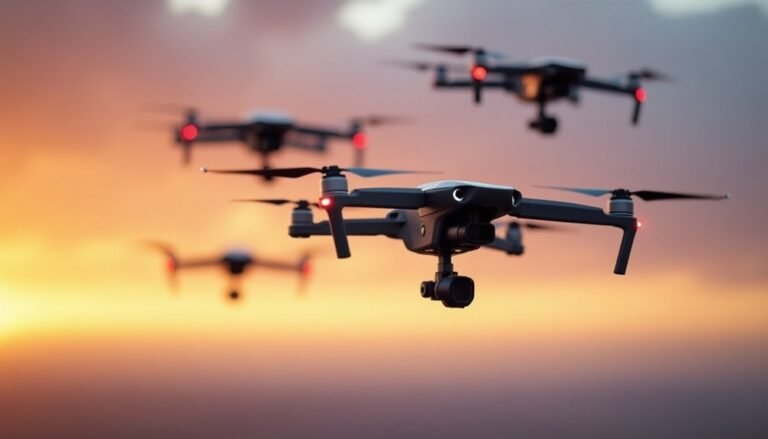
As we look to the future, the landscape of drone technology is poised for transformative changes that will redefine multiple sectors. With rapid advancements in technology, drones are expected to evolve from simple flying machines into complex, intelligent systems capable of tackling a multitude of challenges. Innovations in drone capabilities could lead to more efficient operations in logistics, agriculture, emergency services, and even entertainment, creating a future where drones seamlessly integrate into daily life.
One significant aspect of this transformation lies in the integration of artificial intelligence (AI) and machine learning. These technologies will empower drones with enhanced decision-making capabilities, allowing them to operate autonomously in dynamic environments. For instance, advancements in computer vision can enable drones to recognize and interpret real-world objects, making them adept at tasks such as aerial surveying, infrastructure inspection, and precision agriculture. Furthermore, AI-driven predictive analytics may allow drones to anticipate maintenance needs or optimize routes based on real-time data, significantly improving operational efficiency.
Advancements in AI and Machine Learning
The influence of AI and machine learning on drone capabilities is profound and multifaceted. As drones become more intelligent, they will be capable of performing complex tasks without direct human oversight. This shift will be driven by several key advancements:
- Autonomous Navigation: Drones will utilize AI algorithms to navigate through complex environments, avoiding obstacles and dynamically adjusting flight paths based on real-time sensor data.
- Enhanced Data Processing: Machine learning will enable drones to analyze vast amounts of data collected during flights, generating actionable insights for industries such as agriculture and environmental monitoring.
- Improved Interaction: AI-powered drones will be able to communicate with each other and other systems, creating a networked approach to tasks such as search and rescue operations or disaster response.
- Predictive Maintenance: With integrated AI, drones can monitor their systems and predict potential failures, reducing downtime and maintenance costs through proactive interventions.
The evolution of drone technology also brings with it a range of ethical considerations that need to be addressed as we move forward. The growing capabilities of drones raise important questions about privacy, security, and accountability. The potential for drones to capture data from private citizens raises concerns over surveillance and data misuse. Furthermore, as drones become more autonomous, determining liability in the case of accidents or malfunctions becomes a complex issue.
“As drone technology evolves, it is crucial to establish clear ethical guidelines to balance innovation with societal impact.”
The implications of widespread drone usage will extend to regulatory frameworks as well. Policymakers will need to navigate the challenges of integrating drones into national airspace while ensuring safety and compliance. The future of drone technology is not only about technological advancements but also about fostering a responsible approach to its integration into society. Addressing these ethical considerations will be essential for ensuring that the benefits of drone technology can be enjoyed while minimizing potential risks.
Drones and Privacy Concerns
The increasing use of drones for various purposes, from delivery services to surveillance, has sparked significant debate surrounding individual privacy rights. As drones become more prevalent in urban environments, the implications for personal privacy are becoming increasingly pronounced. This discussion delves into the privacy implications of drone surveillance, the relevant laws that may be impacted, and the public’s perception of these technologies.
The implications of drone surveillance on individual privacy rights are profound and multifaceted. Drones equipped with high-resolution cameras and sophisticated sensors can capture detailed images and data, often without individuals’ consent or knowledge. This capability raises critical concerns about the erosion of personal privacy. Surveillance drones can monitor public spaces and private property, leading to a blurring of the lines between public and private life. For instance, a drone flying over a backyard may unintentionally record activities that individuals expect to be private. Consequently, the potential for abuse increases, where drones could be utilized by unauthorized entities for malicious purposes.
Privacy Laws Affected by Drone Usage
The use of drones intersects with several key privacy laws that aim to protect individual rights. These laws are essential to understanding how drone operations must navigate the legal landscape:
– Fourth Amendment: In the United States, this amendment protects individuals from unreasonable searches and seizures. Drone surveillance could be interpreted as a search, particularly if it invades areas where individuals have a reasonable expectation of privacy.
– Privacy Act of 1974: This act governs how federal agencies handle personal data and surveillance, which can be pertinent when drones are part of governmental operations.
– General Data Protection Regulation (GDPR): In Europe, GDPR Artikels strict data protection principles that apply to the collection and processing of personal data, including information gathered via drones.
These laws underscore the necessity for drone operators to consider privacy implications and to comply with existing regulations to safeguard individual rights.
Public perception of drone surveillance is often mixed, particularly within urban settings. While some view drones as beneficial tools for enhancing security and monitoring public safety, others express concerns about their potential for intrusive surveillance. The notion of being constantly watched can lead to feelings of unease among residents. For example, incidents where drones have been used to monitor protests or events have raised alarms about the potential for government overreach. Moreover, social media platforms frequently showcase instances of drones capturing private moments without consent, further fueling public anxiety regarding privacy infringements. As a result, community discussions surrounding the ethical use of drones continue to evolve, emphasizing the need for a balanced approach that respects individual privacy rights while leveraging the benefits of drone technology.
Drones in Recreational Use and Hobbyist Communities
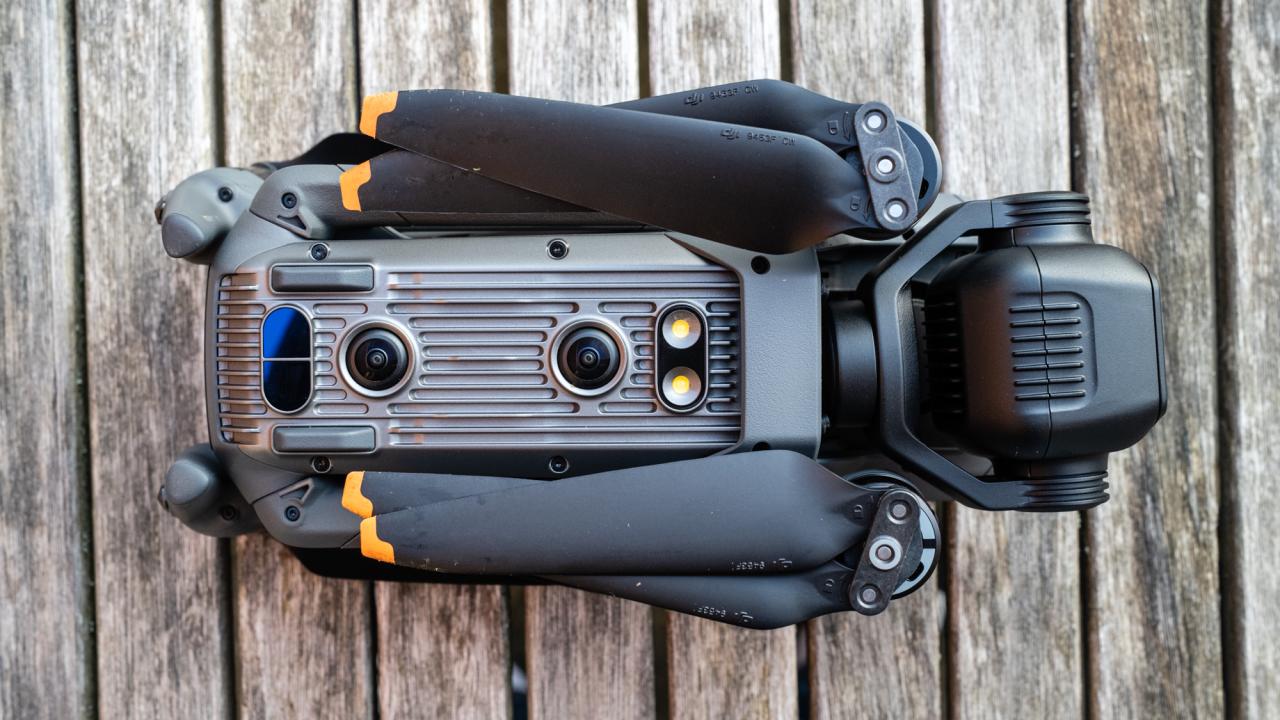
The rise of drone technology has birthed a vibrant community of enthusiasts who are passionate about flying and exploring the skies. These drone hobbyists engage with the technology in various ways, from photography and videography to racing and simply enjoying the thrill of piloting a drone. As drone capabilities expand, so does the diversity of activities that hobbyists undertake, fostering a sense of community and shared experience.
The recreational use of drones has led to the emergence of numerous hobbyist groups and clubs, where individuals come together to share tips, techniques, and experiences. These communities often organize events, workshops, and competitions that allow enthusiasts to showcase their skills and learn from one another. Social media platforms and forums serve as popular venues for drone discussions, where members can share their latest flights, advice on drone maintenance, and best practices for aerial photography. The sense of camaraderie and shared passion for technology fuels this growing community, offering support and camaraderie among drone pilots of all skill levels.
Popular Drone Models for Recreational Use
Several drone models stand out in the recreational market, appealing to a wide range of users, from beginners to seasoned pilots. The features of these drones often cater to various interests, whether it’s capturing stunning aerial imagery or racing against the clock.
Among the most popular models is the DJI Mini 2, known for its compact size and impressive features. With a 4K camera, 31-minute flight time, and a user-friendly interface, this drone is ideal for beginners and casual users who want high-quality footage without complex controls. Its lightweight design makes it easy to carry, perfect for hiking trips or outdoor adventures.
Another notable model is the DJI Mavic Air 2, which combines portability with advanced features. This drone offers a 48MP camera, intelligent shooting modes, and a robust obstacle avoidance system. With a flight time of up to 34 minutes, it caters to photography enthusiasts looking to capture breathtaking landscapes or action shots.
For those drawn to the thrill of speed, racing drones like the EMAX Tinyhawk II provide an exhilarating experience. These drones are designed for agility and fast-paced maneuvers, making them popular in the drone racing community. Equipped with FPV (First Person View) technology, pilots can experience flying as if they were in the cockpit, enhancing the excitement of racing events.
“The beauty of drone technology lies in its versatility, appealing to various interests—from serene aerial photography to the adrenaline rush of racing.”
The growing popularity of drone racing has made a significant impact on the hobbyist community. Racing events attract competitors from all backgrounds, creating an inclusive environment where skill development is paramount. These competitions often foster a spirit of innovation, as pilots continuously seek to improve their equipment and techniques. As a result, the recreational drone scene is not just about flying; it’s about building a culture of creativity, learning, and shared experiences that connect people through a common passion for technology.
Environmental Considerations of Drone Operations
The growing use of drones across various sectors has raised significant discussions regarding their environmental impact. While drones offer innovative solutions to many challenges, they also pose potential drawbacks that must be carefully considered. The balance of these factors can greatly influence how drones are perceived in terms of sustainability and ecological responsibility.
Drones bring forth numerous environmental benefits, particularly in sectors such as agriculture, forestry, and wildlife conservation. They contribute to precision farming techniques, allowing for targeted crop monitoring, which minimizes the usage of pesticides and fertilizers. This targeted approach not only reduces chemical runoff into waterways but also promotes healthier soil and crops. In forestry management, drones facilitate the monitoring of tree health and growth patterns, enabling effective conservation strategies without the need for disruptive ground operations. Additionally, drones play a crucial role in wildlife conservation by tracking animal populations and habitat conditions, thus minimizing human interference in sensitive ecosystems.
Environmental Monitoring and Conservation Efforts
Drones are increasingly becoming essential tools for environmental monitoring and conservation efforts. Their ability to cover vast areas quickly and collect high-resolution data provides significant advantages for researchers and conservationists. Drones equipped with specialized sensors can gather data on atmospheric conditions, vegetation health, and even the presence of pollutants in various environments.
For instance, drones can be utilized in tracking deforestation rates and assessing the health of forests, providing vital information for conservation efforts. In marine environments, drones assist in monitoring coral reefs and tracking ocean pollution levels, contributing to efforts to protect marine biodiversity. The aerial perspective that drones offer allows for a comprehensive view of environmental changes that would be challenging to achieve through traditional methods.
To maximize the ecological benefits of drone operations, it is crucial to implement strategies that minimize their ecological footprint. This includes the following approaches:
- Battery Efficiency: Using drones that are equipped with energy-efficient batteries can significantly reduce emissions and environmental impact. Opting for models that utilize renewable energy sources for charging can enhance sustainability.
- Flight Path Optimization: Planning efficient flight routes minimizes energy consumption and maximizes the area covered during operations. This also reduces the chances of unnecessary disturbances to wildlife.
- Compliance with Regulations: Adhering to local and national regulations regarding drone usage helps mitigate environmental impacts. Responsible flying ensures that operations do not negatively affect protected areas or endangered species.
- Regular Maintenance: Keeping drones well-maintained enhances their performance and lifespan, leading to reduced waste and resource consumption over time.
“By leveraging drones in sustainable practices, we are not only enhancing operational efficiency but also contributing to a healthier planet.”
The integration of these strategies promotes responsible drone usage while fostering a commitment to environmental stewardship. Ultimately, the careful consideration of both the benefits and drawbacks of drone operations will play a pivotal role in shaping their future within environmental contexts.
Final Thoughts
In conclusion, drones represent a remarkable fusion of technology and utility that continues to shape various industries. With their ability to enhance operational efficiency and improve safety, they are paving new pathways for innovation and job creation. As we look ahead, it’s essential to navigate the challenges and ethical considerations that accompany this rapid advancement, ensuring that the future of drone technology remains bright and beneficial for all.
FAQ
What are the main types of drones?
The main types of drones include multi-rotor drones, fixed-wing drones, single-rotor drones, and hybrid drones, each serving different purposes and applications.
How much do consumer drones typically cost?
Consumer drones can range from around $50 for basic models to several thousand dollars for high-end features and capabilities.
Are there age restrictions for flying drones?
Yes, in many regions, drone operators must be at least 16 years old to fly drones legally, particularly for commercial purposes.
Can drones be flown at night?
In many countries, flying drones at night is allowed only if the operator has special permissions, and the drone is equipped with the necessary lights.
What is the maximum distance a drone can fly?
The maximum distance varies by model and regulations, but most consumer drones typically have a range of around 1 to 5 miles, depending on the technology used.